
Key Takeaways
Maintaining the right balance between temperature and moisture is essential for a healthy home, especially in tropical climates where excess humidity is a constant concern.
- Air conditioning systems remove moisture incidentally, but they lack the granular control provided by dedicated dehumidification.
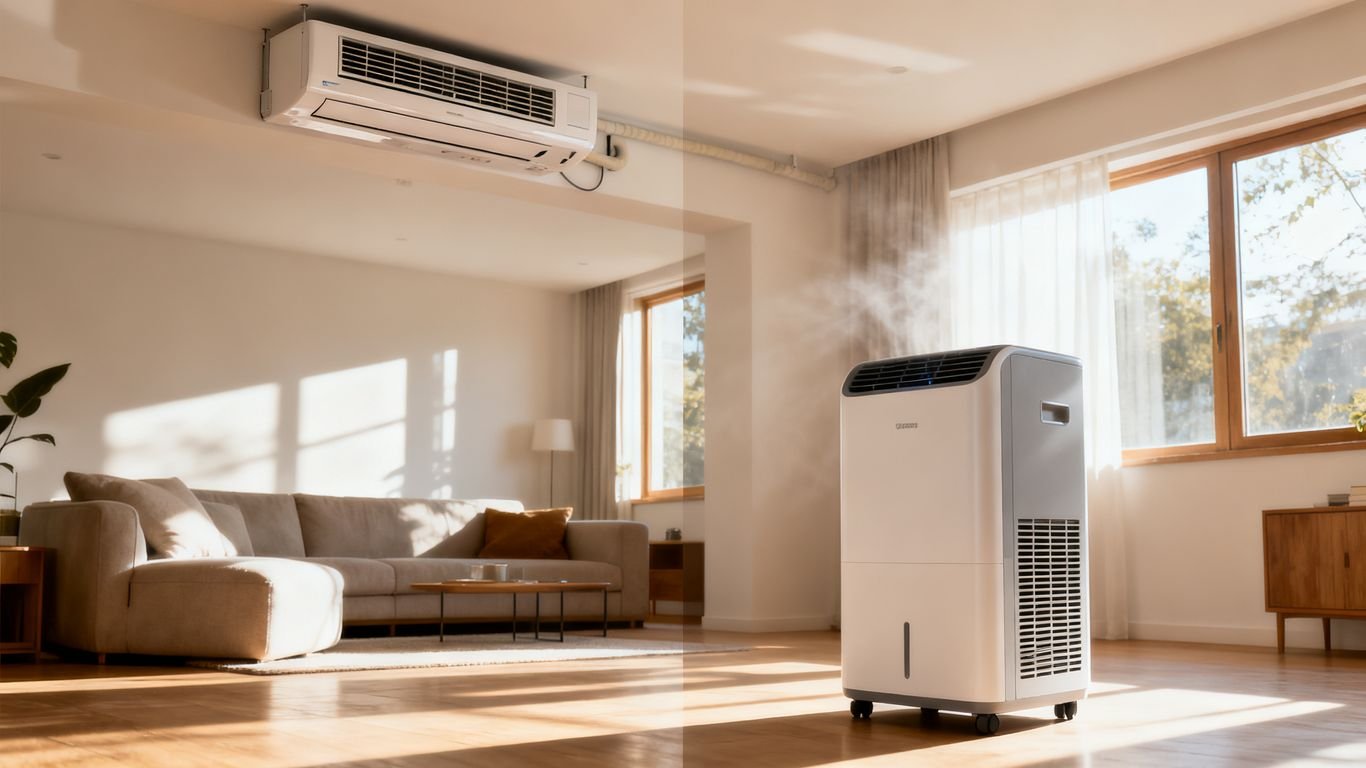
- Using a dehumidifier with aircon together can stabilize indoor environments during shoulder seasons or in basement locations.
- Dedicated appliances like the Aerofy DualCore 20 offer superior moisture extraction efficiency compared to standard cooling cycles.
- Proper maintenance, including regular drainage and airflow checks, is crucial for preserving the longevity and effectiveness of your climate control devices.
- Understanding the mechanical differences between cooling and dehumidifying helps prevent energy waste and promotes better indoor air quality.
Understanding how air conditioners manage humidity

The role of the evaporator coil in moisture extraction
Air conditioners function by passing warm room air over a cold evaporator coil. As the air contacts the icy surface, its capability to hold water vapor decreases, causing the moisture to condense into liquid, which is then diverted and drained away. This process is a fundamental byproduct of the refrigeration cycle rather than a primary design intent, which explains why cooling and moisture removal are intrinsically linked.
Limitations of AC dry mode in temperature-controlled spaces
Dry mode is often marketed as a secondary setting for muggy weather, yet it remains tied to the unit’s compressor activity. In temperature-controlled spaces, activating this mode usually forces the system to cycle continuously to extract moisture, even when the air temperature does not require further chilling. This often leads to over-cooling or uneven indoor climates because the device cannot distinguish between thermal cooling needs and specific humidity targets.
How cooling capacity dictates dehumidification efficiency
Efficiency is largely limited by the thermal load of the room. If an air conditioner is oversized for the square footage, it will cool the space too rapidly and shut off before reaching a significant amount of moisture. This results in high indoor humidity and cold temperatures, creating a clammy atmosphere known as short-cycling. A, standard AC unit, therefore, struggles to maintain consistent moisture thresholds in high-heat environments where cooling and drying goals conflict.
The specific benefits of a dedicated dehumidifier
Maintaining consistent humidity levels without cooling the room
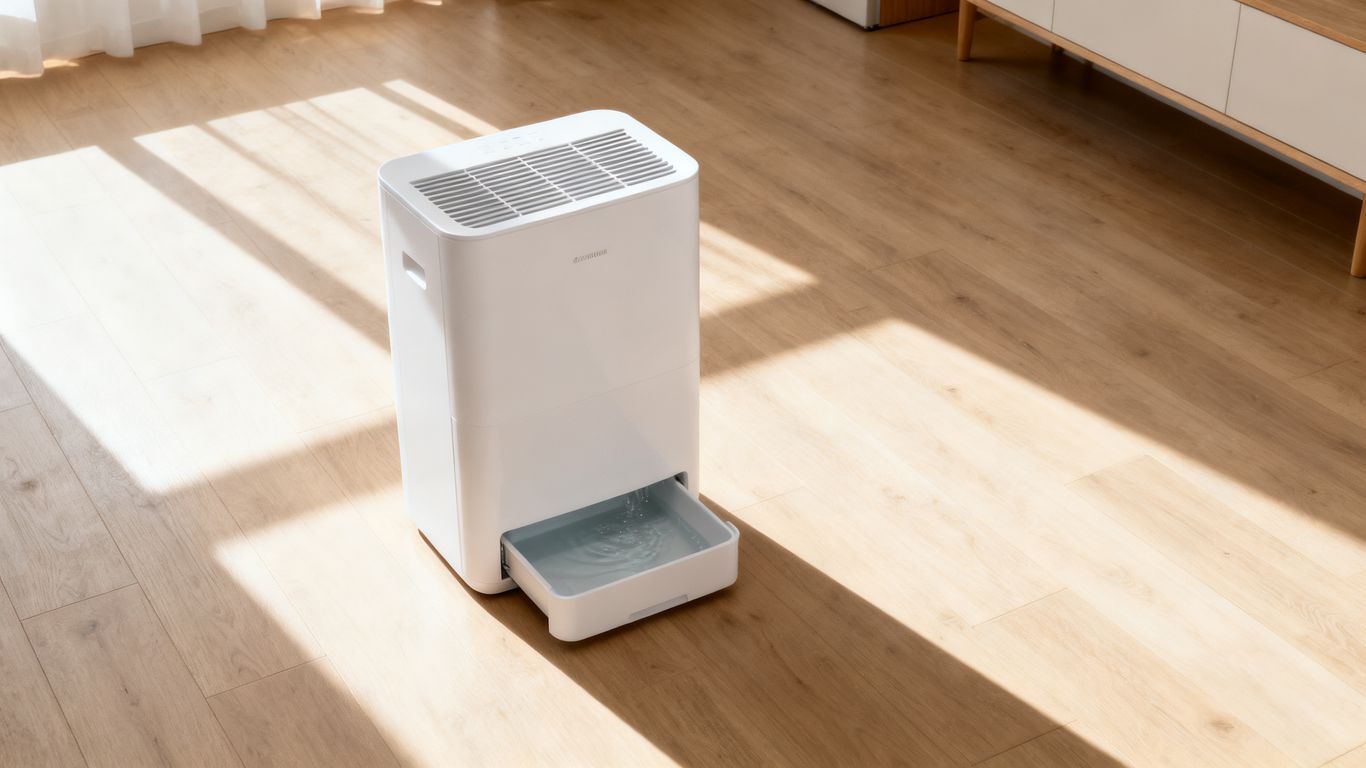
Unlike air conditioners, a standalone dehumidifier separates the moisture removal process from the temperature regulation of the space. This allows you to maintain optimal indoor humidity levels, typically between 30% and 50%, without risk of chilling the room lower than desired. For residents in humid regions, this provides a major advantage in comfort control.
Improving indoor air quality by preventing mold and mildew
Excess moisture acts as a catalyst for fungal growth in carpets, upholstery, and wallboard. By utilizing a high-performance dehumidifier for mould prevention, you can lower the local humidity to levels where mold spores cannot thrive. The Aerofy DualCore 20 integrates advanced filtration with its moisture removal core, capturing airborne particles while simultaneously stabilizing the air, ensuring that damp-related odors and health risks remain at bay.
Energy efficiency in humid climates compared to over-cooling
In many cases, users attempt to fix dampness by lowering their thermostat, which forces the system to run harder and consume more electricity. A dedicated unit consumes far less energy than a full HVAC cooling cycle, especially when the ambient temperature is already comfortable. The following comparison highlights why a specialized approach is often better:
| Feature | Air Conditioner | Dedicated Dehumidifier |
|---|---|---|
| Primary Function | Lower Temperature | Remove Moisture |
| Energy Consumption | High during cooling | Moderate/Low |
| Humidity Control | Indirect/Limited | High Precision |
Using a dedicated unit ensures you are only paying for the precise function you require, rather than conditioning the entire air volume of the home unnecessarily.
When to use both devices simultaneously
Managing basement environments with high moisture ingress
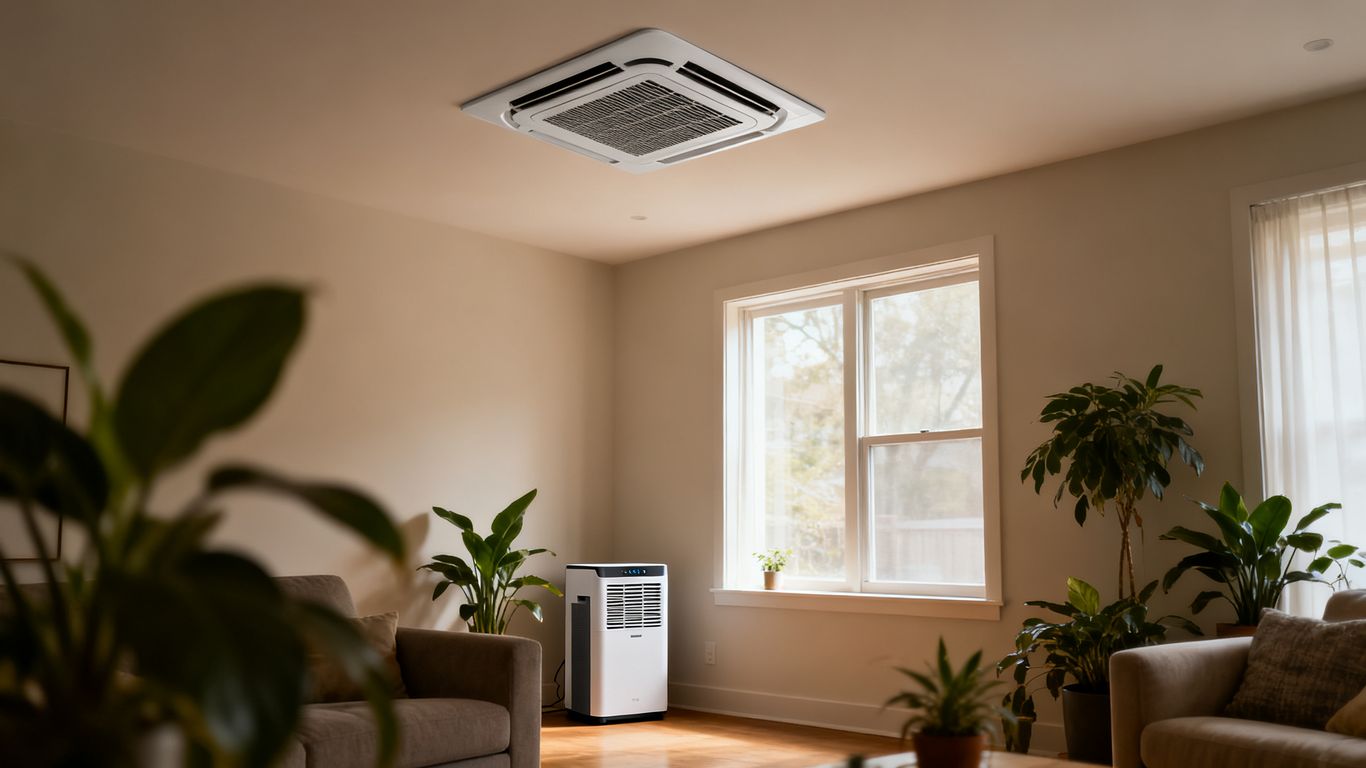
Basements and ground-level rooms often suffer from moisture migrating through porous foundation materials or lack of natural heat dissipation. Managing basement environments requires constant operation, yet basements are often too cool for standard AC usage. Running a dehumidifier year-round keeps the area dry, while the AC only steps in during the hottest peaks of the summer to manage excessive temperature loads.
Controlling humidity during shoulder seasons when heating/cooling is off
During seasonal transitions, the air is frequently thick with humidity, but the temperature is too mild to justify running the room’s air conditioning system. This is the ideal time to rely exclusively on a standalone unit. It keeps the air crisp and dry, preventing that lingering musty smell that surfaces when rooms remain stale for days at a time.
Reaching target comfort levels without dropping the thermostat too low
You might find that 26 degrees Celsius is the ideal temperature, but the room still feels uncomfortable due to humidity. By running your dehumidifier at a lower target, you simulate the feeling of a cooler room. This strategy allows you to achieve thermal comfort while actually keeping the thermostat at a higher, more energy-efficient setting.
Common misconceptions about AC and dehumidifiers
Does turning down the AC effectively dehumidify a room?
Setting the thermostat to a lower temperature will trigger the cooling cycle for a longer duration, which theoretically pulls more moisture from the air. However, this is not an efficient practice. It causes mechanical strain on the cooling system components and leads to excessive power usage without actually giving the user any control over the final humidity percentage in the room.
The trade-off between thermal comfort and humidity control
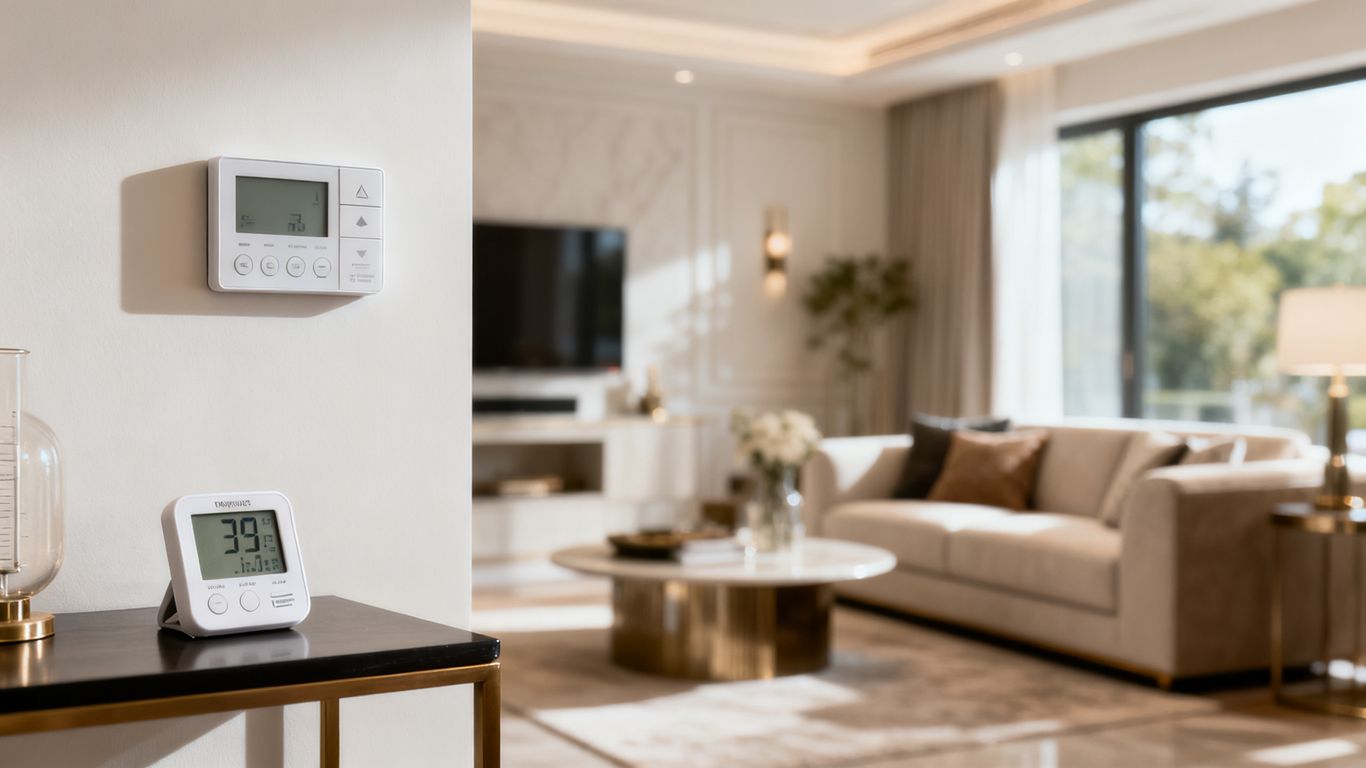
We often assume that a cold room is a dry room, but humidity can persist regardless of temperature. Thermal comfort is a balance of relative humidity and ambient temperature. If you fixate only on the thermometer, you might end up in a space that is 20 degrees but feels heavy and oppressive. The goal should be the regulation of air weight, not just heat index.
Why dry mode is not a replacement for a balanced moisture strategy
Scenario Time: Imagine your HDB living room in the early evening. You have finished dining, and the air feels heavy with residual humidity. If you only turn on ‘Dry Mode’ on your remote, the system may struggle because the heat load of the room is now lower, causing it to cycle off prematurely. A balanced strategy recognizes that for consistent moisture relief, you need a machine, like an Aerofy DualCore 20, that operates independently of your thermostat’s ambient temperature checks.
Choosing the right equipment for your space
Evaluating square footage and primary moisture sources
Your equipment choice must match your living area’s footprint and the severity of dampness. For an open-plan HDB apartment, a high-capacity unit is essential. If you live in a multi-story home, you must evaluate square footage to ensure your unit can move enough air to impact the space before the humidity recirculates.
Integrated HVAC systems versus standalone portable units
Integrated whole-home systems are convenient but lack the targeted mobility of a portable machine. Portable units have clear benefits for renters or those who need to move their moisture defense to specific areas, like laundry rooms or walk-in closets, based on seasonal shifts. Understanding your primary moisture sources is the first step in deciding if a centralized or distributed system is your best path forward.
Comparing noise levels and power consumption for dual setups
- Look for units with variable-speed fans to minimize background roar.
- Prioritize energy-star ratings for consistent, everyday use.
- Check for noise levels under 45 decibels for sleeping rooms.
- Ensure the power rating aligns with local mains voltage.
By carefully checking these specs, you avoid the disappointment of a high-performance machine that is too disruptive for a bedroom or too power-hungry for your budget. You can buy now if you are ready to upgrade your home climate control.
Maintenance and setup tips for optimal performance
Ensuring proper airflow to avoid unit interference
Placement is the most overlooked factor in air treatment efficiency. Units should be positioned away from walls and furniture to ensure the intake and exhaust vents remain unobstructed. When an intake is blocked by a sofa or a heavy curtain, the unit will sense a localized pocket of dry air, cycle off, and fail to treat the actual humidity of the broader room.
Aligning drainage systems for continuous moisture removal
If your unit has a continuous drainage option, use a wide-diameter gravity hose rather than relying solely on the internal tank. Proper alignment ensures that water flows away from the unit without pooling, which could create a feedback loop of humidity. For those, using a dehumidifier in busy households, emptying a tank multiple times a day is a recipe for forgetting the task entirely.
Sensor calibration for balanced house-wide operation
Most modern digital sensors are effective, but they can occasionally drift based on environmental debris or extreme fluctuations. Once a season, perform a simple calibration check by placing a separate, trusted hygrometer near the unit. If the unit’s internal reading is more than 5% off the independent reading, move the device and clear the intake sensors of any dust or lint accumulation.
Conclusion
Whether you rely on your AC to handle heat or choose to supplement with a dedicated dehumidifier for better moisture control, creating a healthier home environment is within your reach. By understanding how each machine operates and where they function best together, you can finally eliminate that dreaded sticky feeling while saving on long-term energy costs.
Frequently Asked Questions
Can a dehumidifier replace an air conditioner in a hot climate?
No, a dehumidifier is not designed to lower the ambient air temperature. While drier air may feel more comfortable, you will still require an air conditioning unit to physically remove heat from a space during a hot summer day.
Is it safe to leave a dehumidifier running while I am out of the house?
Yes, most modern home dehumidifiers are engineered for continuous use and include safety sensors that turn units off when the water reservoir is full. Always ensure the device is clear of obstructions and the filters are clean for maximum safety.
Do dehumidifiers use a lot of electricity in tropical environments?
Power consumption depends heavily on the model and the frequency of operation, but modern compressor-based units are designed to be energy-efficient. Using a unit with adjustable target humidity settings can further help by allowing the compressor to cycle down once the desired level is met.
Will a dehumidifier kill existing mold in my home?
It will not remove existing mold structures, but it prevents further spores from taking root. You must remove the existing mold through proper cleaning and sanitization before the dehumidifier can effectively keep the environment hostile to future growth.
What is the ideal humidity range for a comfortable home?
Experts generally recommend keeping indoor relative humidity between 30% and 50%. This range is low enough to prevent mold and musty odors, but high enough to avoid making the indoor air feel uncomfortably dry or irritating to the respiratory system.
Should I close my windows and doors when using these devices?
Yes, to ensure maximum efficiency, it is vital to keep the area being treated as air-tight as possible. If you leave windows open, the machine will constantly try to de-moisturize the entire neighborhood, which leads to excessive energy waste and poor performance.
Can I use a dehumidifier in my bedroom while sleeping?
Many units have a specialized quiet or sleep mode designed precisely for this purpose. If you select a unit with low decibel ratings and proper noise dampening, it will have little impact on your sleep quality while keeping the room air fresh throughout the night.