
Key Takeaways
Understanding how your appliance manages air moisture is the first step toward troubleshooting temperature concerns.
- Normal dehumidification involves transferring heat from the intake air to the exhaust, which naturally warms the output.
- Airflow restriction, such as dirty filters, forces the Aerofy DualCore 20 to work harder and generate excess heat.
- Inspect environmental conditions to ensure the unit is not oversized for the space or fighting extreme ambient temperatures.
- Regular maintenance of mechanical parts and cooling coils is essential to avoid overheating risks.
- Professional intervention is necessary when dealing with suspected refrigerant leaks or failing compressors to avoid safety hazards.
Understand the dehumidification process
Most homeowners in Singapore notice a temperature increase when their appliances run, often leading them to wonder how to stop dehumidifier from blowing hot air. This heat is usually a byproduct of the refrigeration cycle, not a defect. By mastering the fundamentals of your system, you can better differentiate between standard operation and a genuine mechanical failure.
How refrigerant-based units work
Refrigerant-based models operate similarly to air conditioners, utilizing a thermodynamic cycle to remove moisture from the air. The process begins when the fan pulls moist, humid air into the unit, forcing it across cold surfaces where water condenses and drips into a collection tank. As the remaining air passes over the heated components before being released back into the room, it carries away the heat generated by the compressor.
The role of the condenser and evaporator coils
The efficiency of moisture removal relies on the interaction between the evaporator and condenser coils. The cold evaporator coils drop the air temperature below its dew point, causing water vapor to liquify. Subsequently, the Aerofy DualCore 20 passes this now-drier air through the hot condenser coils. This secondary step is vital because it re-heats the air to balance the room temperature, preventing the unit from simply blowing out chilled, damp air that would struggle to balance household humidity levels.
Distinguishing normal heat output from overheating
It is common for units to feel hot to the touch during peak operation. However, there is a distinct difference between the warm air exhaust of a properly functioning portable dehumidifier and the excessive heat caused by a struggling motor. If the unit continues to blast extreme heat long after the room humidity has stabilized, or if it emits a burning smell, it may no longer be operating within its normal design parameters.
Check for airflow obstructions
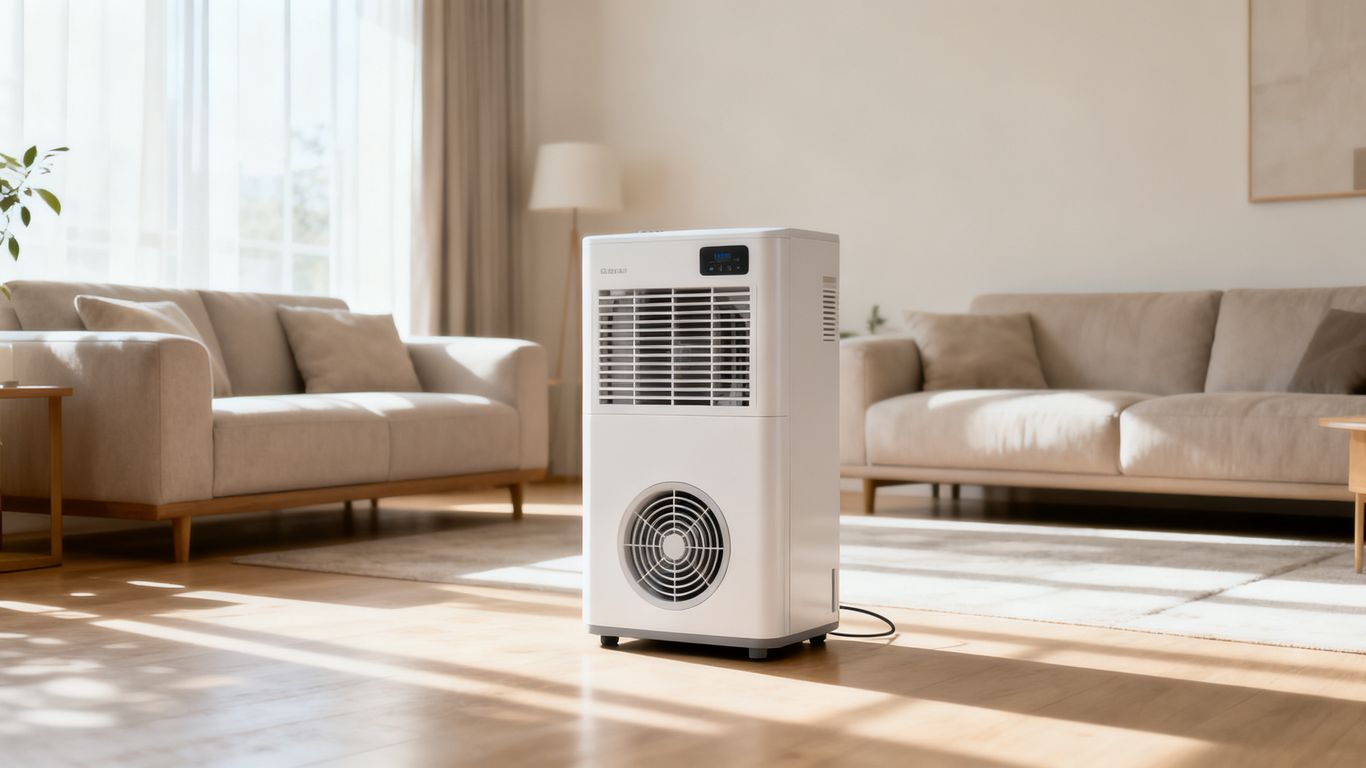
Air circulation is the lifeblood of any dehumidification system. Without clear intake and exhaust paths, the machine recirculates internal heat, which causes it to become increasingly inefficient. If you find your unit running hot, checking for physical obstacles is the most effective initial troubleshooting step.
Inspecting the intake and exhaust vents
Blocked vents effectively choke your appliance, forcing the cooling components to run continuously without achieving any moisture targets. Make it a habit to keep at least 30 centimeters of clearance around all vents to maintain a steady air exchange. If the, intake or exhaust is blocked, the system will fail to cycle air properly.
Clearing clogged dust filters
Filters trap lint and dust, but they also become thick blankets that stifle airflow when ignored. A clogged filter restricts the volume of air reaching the cooling coils, causing the evaporation process to stall. You should routinely slide out the filter and rinse it under cool water to keep the internal air paths clear.
Determining the optimal unit placement for ventilation
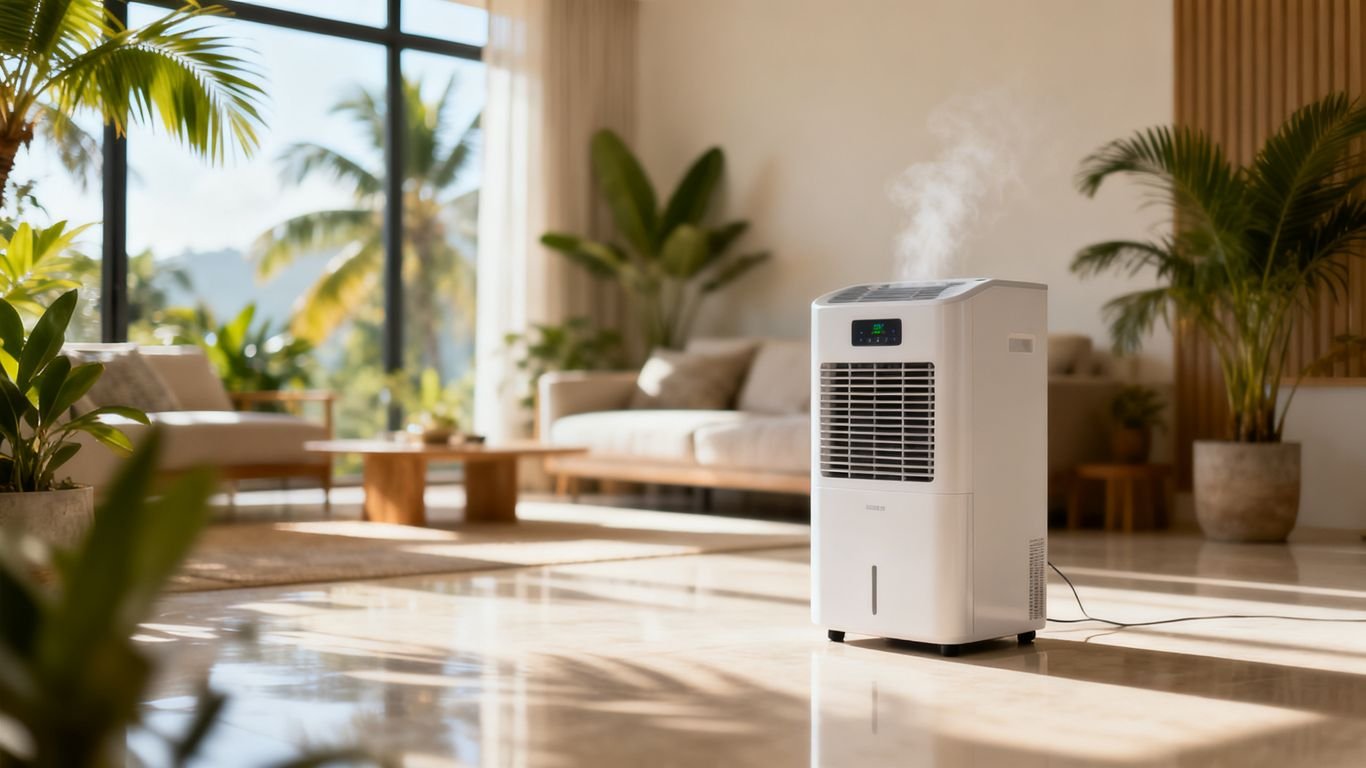
Placing a unit in a cramped corner or against a thick curtain creates a feedback loop of hot, moist exhaust. Ideally, the Aerofy DualCore 20 should sit in an open, centralized location where it can draw in ambient air from all sides without restriction. Positioning it away from heat-producing appliances, such as radiators, is also important for maintaining stability.
Maintain the internal components

Internal debris acts as an insulator, trapping heat right where it shouldn’t be. Keeping the inside of your unit clean is the best way to ensure that heat dissipation happens as intended, rather than causing the casing to overheat.
Cleaning the condenser coils for better heat dissipation
Dirty condenser coils act like a coat of insulation, preventing the refrigerant from effectively shedding the heat it extracted from your room. When these coils are covered in dust, the dehumidifier efficiency drops significantly. A soft brush or compressed air can safely remove physical debris from these coils, restoring their ability to cool the refrigerant down.
Removing internal debris from the fan motor
If the fan motor becomes bogged down by dust, it may struggle to reach necessary rotation speeds, reducing the air volume flow. This creates drag, which produces extra heat inside the housing. Keeping the fan blades clean ensures the airflow remains consistent, which is crucial for managing the heat generated by the compressor.
Inspecting and lubricating mechanical fan components
Over time, the components that support the fan assembly can become dry or stiff, leading to increased friction. You should periodically check for signs of vibration or grinding noises, which often indicate the need for professional inspection. The following table summarizes the typical maintenance cycle you should aim for to keep your unit running smoothly:
| Component | Maintenance Action | Frequency |
|---|---|---|
| Air Filter | Rinse or Vacuum | Bi-weekly |
| Intake Vents | Clear obstructions | Monthly |
| Condenser Coils | Brush off dust | Every 6 months |
Maintaining this schedule helps the system operate effectively, ensuring the Aerofy DualCore 20 can handle the heavy moisture loads found in high-humidity climates like Singapore.
Evaluate environmental factors
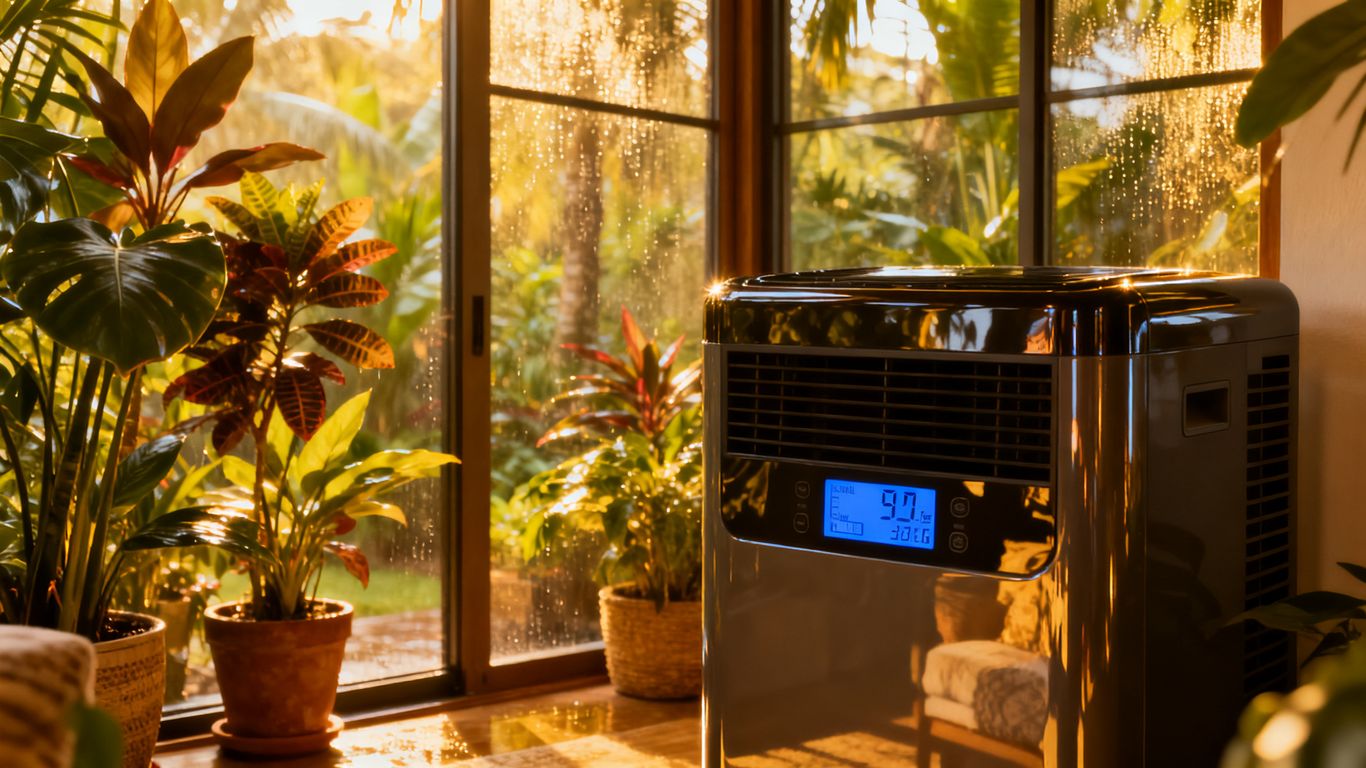
Sometimes the problem isn’t the machine itself, but the environment it is tasked with conditioning. If your room is too large or the ambient temperature is outside the unit’s intended range, no amount of troubleshooting will stop the unit from running as though it is under extreme stress.
The impact of ambient room temperature on performance
Most refrigerant-based dehumidifiers struggle when the room temperature dips below 18°C, as the coils tend to frost over. Conversely, if the ambient room temperature is exceptionally high, the compressor has to work much harder to perform the refrigeration cycle. This excessive workload often leads to the exhaust feeling significantly hotter than usual.
Assessing humidity levels exceeding the unit’s operating range
If your indoor air quality is compromised by extreme humidity, a small unit may constantly run on its maximum setting. This continuous operation generates substantial heat. Ensure your local humidity levels are not permanently overwhelming the unit’s capacity, as this can lead to premature mechanical wear.
Matching dehumidifier capacity to room size
It is essential to use a device engineered for your specific square footage. A small unit placed in a large, damp basement will run indefinitely, which can result in the unit feeling excessively warm to the touch. Always check the manufacturer-recommended coverage area to ensure the appliance is appropriate for your living space.
Diagnose mechanical and electrical failures
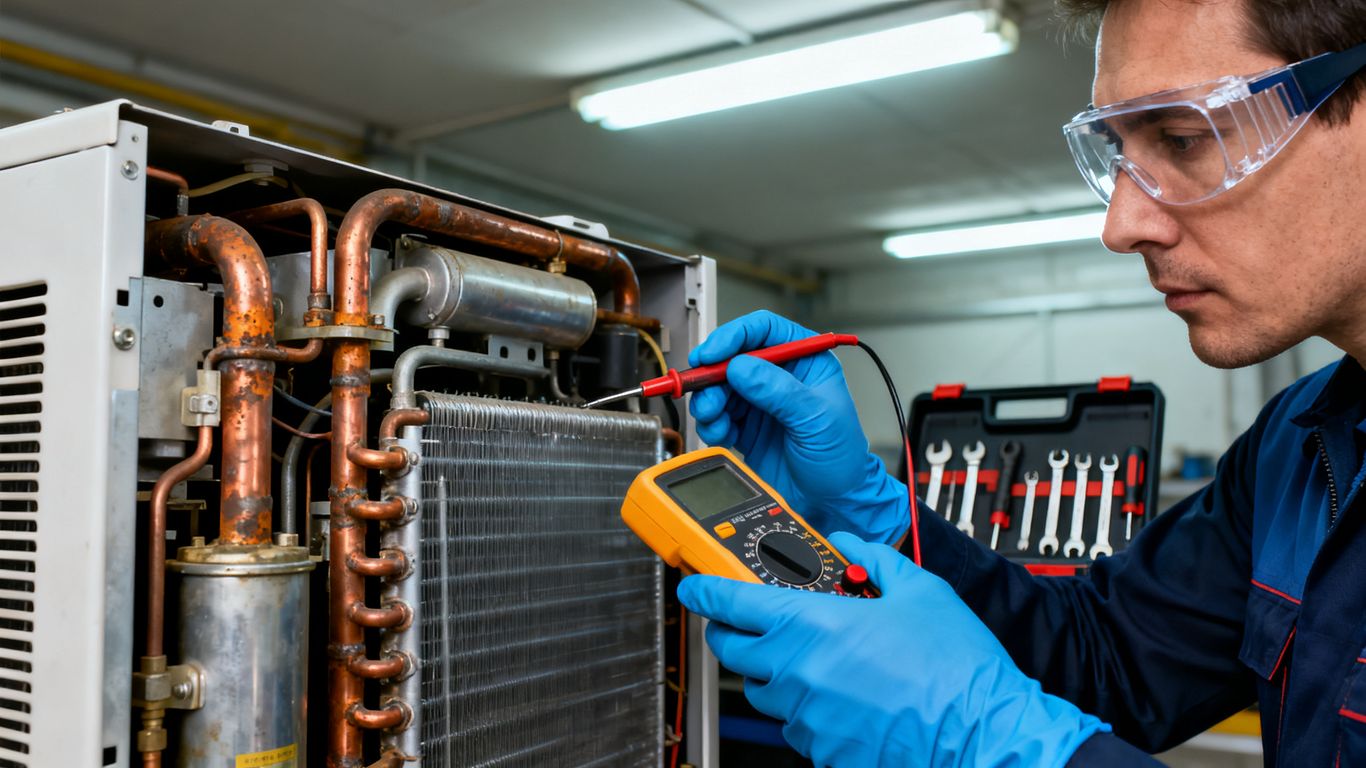
When external maintenance fails to yield results, you may be facing internal mechanical degradation. These issues typically require a deeper look into the sensor and pressure systems of the refrigeration loop.
Identifying faulty sensors or thermostats
If the internal thermostat stops accurately tracking the room humidity or local temperature, the compressor may cycle incorrectly. It might run indefinitely (causing the device to get very hot) instead of shutting off when the room reaches the target dry percentage. This is a common culprit for units that seem to run "all the time."
Troubleshooting signs of refrigerant leaks
Refrigerant is the chemical medium that allows the dehumidifier cycle to function. If there is a leak in the sealed system, the compressor often overcompensates, leading to massive heat spikes and a total lack of moisture extraction. Signs often include the unit running but never collecting any water in the tank, combined with unusual, hollow-sounding, or hissing noises from the compressor area.
Recognizing symptoms of a failing cooling compressor
A failing compressor is the most serious mechanical issue you will encounter. If you notice symptoms like excessive vibration, a loud chugging sound, or the unit repeatedly tripping a circuit breaker, the compressor is likely on its last legs. The following list identifies key signals that indicate immediate attention is required:
- The unit makes unusually loud grinding or rattling sounds while running.
- The discharge air is extremely hot even when the compressor is not under heavy load.
- The unit cycles on and off rapidly without extracting any water.
- You detect a persistent burning or metallic odor coming from the vents.
When to seek professional repair
If you have exhausted all self-service options, it is time to consult an expert. Ignoring warning signs, especially those tied to electrical or refrigerant systems, can lead to costly terminal failures or dangerous situations.
Assessing warranty coverage and manufacturer support
Before taking your unit to a local tech, review your purchase documents. Many manufacturers offer dedicated support lines to guide you through specific issues, and if the unit was purchased recently, an official repair might be free. Always look for local authorized service centers first to ensure the use of genuine parts.
Recognizing signs of electrical hazards and fire risks
Any sign of smoke, melting plastic, or exposed wiring on the power cord is a non-negotiable indicator that you must stop using the device immediately. If the power outlet becomes hot or if the unit trips the building’s GFI breaker repeatedly, the risk of a fire hazard is high. These symptoms should only be evaluated by a licensed technician.
Analyzing the cost-benefit of repairs versus replacement
Sometimes, the cost of replacing a failing compressor or fixing a leak exceeds the value of the unit itself. If your appliance is several years old and the projected repair cost is more than 50% of the price of a new, more efficient model, replacement is usually the smarter choice. Choosing a modern, energy-efficient model ultimately helps you manage both your electricity bills and your home’s air comfort for years to come.
Scenario Time: Imagine you walk into your living room on a humid afternoon and notice your trusty unit is humming loudly and blowing air that feels like a radiator. Instead of panicking about a total equipment failure, remember that moisture extraction is a thermo-electric process. By following a checklist—starting with the intake filter—you can often rule out simple ventilation issues before assuming the worst about your hardware.
Conclusion
Maintaining your dehumidifier ensures it continues to effectively regulate indoor moisture without unnecessarily heating your living space. By focusing on consistent filter cleaning, proper ventilation placement, and understanding the normal warmth generated by refrigeration cycles, you can extend the lifespan of your appliance and keep your home environment dry and comfortable. If you suspect deeper issues that fall outside the realms of routine cleaning, do not hesitate to contact a professional to ensure your equipment remains safe and reliable for years to come.
Frequently Asked Questions
Is it normal for a dehumidifier to blow warm air?
Yes, it is entirely normal for these units to exhaust warm air. The refrigeration process inherently generates heat which is transferred to the output air as it passes over the condenser coils.
How often should I clean my dehumidifier filter?
For most homes, the air filter should be inspected and cleaned at least every two weeks. If you live in an environment that is particularly dusty, you may need to increase the frequency to once a week.
Why does my unit make a loud humming noise?
Standard operation involves a low hum from the compressor and a steady drone from the fan. If the hum sounds like grinding, rattling, or uneven straining, it typically signals a loose part or a failing motor.
Does a dehumidifier replace an air conditioner?
No, these are distinct appliances. While a dehumidifier removes excess water vapor from the air, it does not physically cool the air down to the degree an air conditioner does, and in many cases, it makes the room feel slightly warmer.
Can placement affect how hot the air feels?
Absolutely. If you place a unit near a wall, in a tight closet, or near another heat source, the air recirculates and intensifies the heat. Giving the unit adequate space allows the exhaust to dissipate properly.
What should I do if my dehumidifier is leaking water?
First, check if the collection tank is improperly seated or if the drainage hose has a kink. If the water is leaking from the internal housing rather than the tank, it may indicate a cracked drain pan or a clogged condensate pump.
Is it safe to leave a dehumidifier running continuously?
Yes, most modern units are designed for continuous use, especially during the initial stages of humidity control. However, you should ensure the water level is managed either via a large enough bucket or a direct-to-drain connection to avoid overflow.