
Key Takeaways
Learning about the proper use of dehumidifier equipment is one of the most effective ways to manage indoor discomfort in tropical climates. These devices stabilize moisture levels to protect your home and health.
- Maintaining indoor humidity between 40-50% prevents mold and mildew growth.
- Regular filter maintenance is essential for peak energy efficiency.
- Correct placement away from walls ensures maximum airflow and performance.
- Choosing the right moisture extraction capacity prevents underpowered operation.
- A properly sealed room significantly enhances the device’s daily output.
Understanding how a dehumidifier works
Properly managing moisture in your living space starts with understanding the basic physics behind these essential appliances. A unit works by continuously pulling warm, humid air over chilled cooling coils, which forces water vapor out of the air. This condensed moisture is then collected, while the remaining air is reheated and circulated back into the environment. By controlling these variables, you keep your home environment stable even during the most intense seasonal humidity shifts.
Mechanism of moisture extraction
The fundamental process involves drawing damp air through an intake vent where it hits refrigerated coils. As the air cools, it reaches its dew point, releasing water that drips into a collection reservoir. The now-dry air passes over a warm condenser coil before returning to the room. This cycle effectively lowers the ambient moisture content without drastically changing room temperature. This is how the DualCore 20 functions to maintain comfortable levels in tropical homes.
Compressor vs. desiccant systems
Most common residential units utilize a classic refrigeration cycle, known as compressor-style, which works efficiently in warm, moist environments. Desiccant units, however, use chemical materials to absorb water from the air, making them quieter but often less energy-efficient in high-heat scenarios. The choice between them depends largely on your specific local climate conditions and noise tolerance. Compressor models are the workhorses of the industry, often utilizing R290 refrigerant for better environmental compatibility.
Humidity levels and the dew point
Understanding the relationship between relative humidity and the dew point tells you exactly why you feel sticky or uncomfortable. When the indoor humidity climbs consistently above 60%, the air can no longer hold moisture effectively, leading to condensation on walls and windows. Keeping your home in the 40-50% range is generally considered the sweet spot for comfort and health. Monitoring these levels with a high-quality hygrometer allows you to make informed adjustments rather than guessing.
Benefits of using a dehumidifier
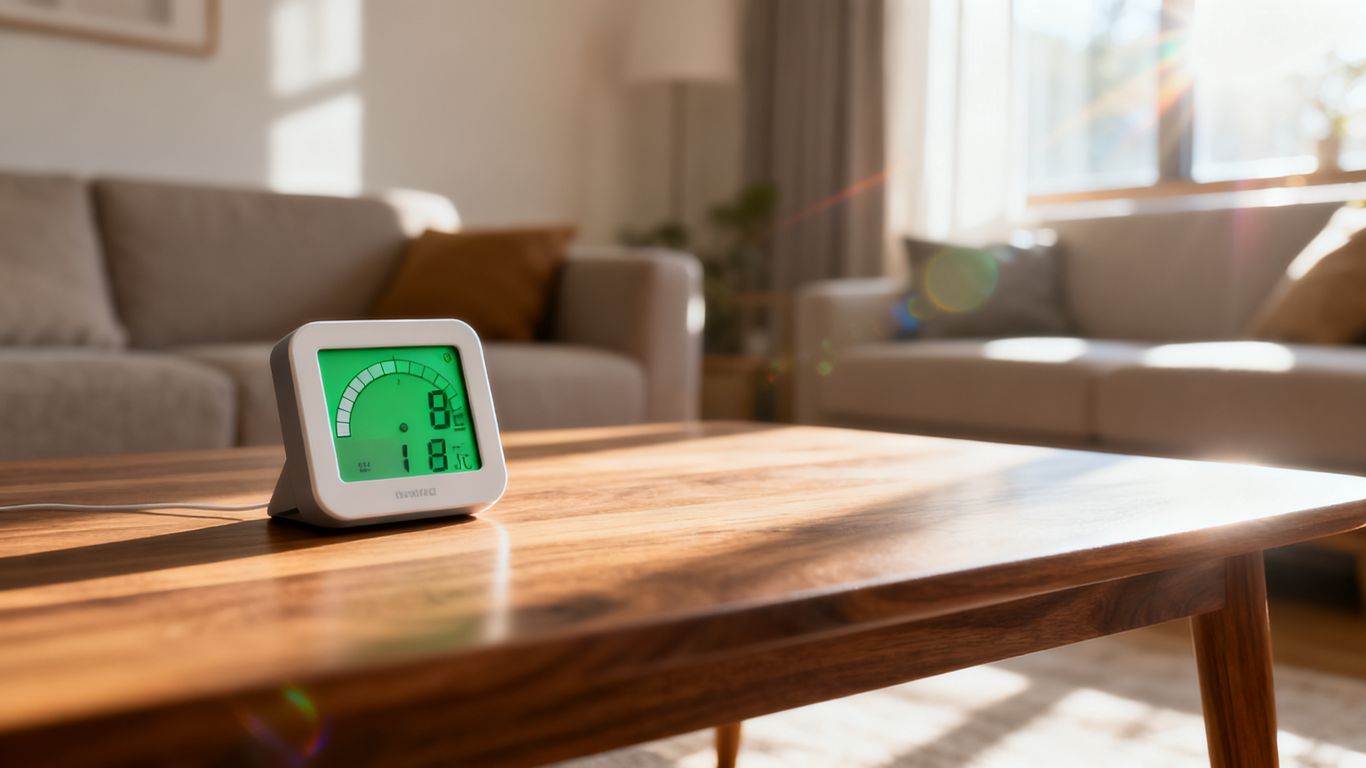
Introducing a reliable moisture control system into your home layout provides immediate relief from the heavy, stagnant air common in tropical regions. By reducing water vapor, you aren’t just making the air feel cooler; you are actively stripping away the conditions that allow unwanted biological growth to thrive. These benefits contribute to a significantly more resilient home that requires less repair and deep cleaning over time.
Improving indoor air quality
Excessive moisture creates a breeding ground for airborne contaminants that compromise your respiratory health. When you actively reduce humidity, you limit the spread of dust mites and mold spores that circulate through your vents. Residents often notice a marked improvement in how easily they can breathe once the air is no longer saturated with trapped dampness. Removing this excess water is part of the broader Benefits of using a dehumidifier for any modern residence.
Preventing mold and mildew growth
Fungi require high-moisture environments to establish a foothold, often appearing as subtle black spots on corners or musty odors in closets. By keeping the air dry, you remove the essential fuel for these organisms, effectively neutralizing the threat before it starts. Consistent humidity management is the single most effective way to protect your furniture, books, and clothing from permanent water damage.
Protecting structural integrity of the home
Excessive moisture causes a variety of issues, from peeling paint to warping wood and bowing drywall. Over months, this damage can compromise the structural components of your house, leading to costly long-term repairs. Maintaining a steady humidity level helps to preserve paint finishes, baseboards, and structural wood framing throughout the seasons. This proactive approach ensures your home remains a stable, long-lasting investment.
Alleviating allergy and asthma symptoms
For those sensitive to airborne triggers, controlling the moisture levels in bedrooms and common areas is often a critical step in symptom management. Dry air inhibits the survival of micro-organisms, essentially cleaning the living space of common irritants that exacerbate chronic conditions. It is rare to find a device that balances these health outcomes as effectively as the DualCore 20, which incorporates advanced filtration alongside its core extraction duties.
Determining when to use a dehumidifier
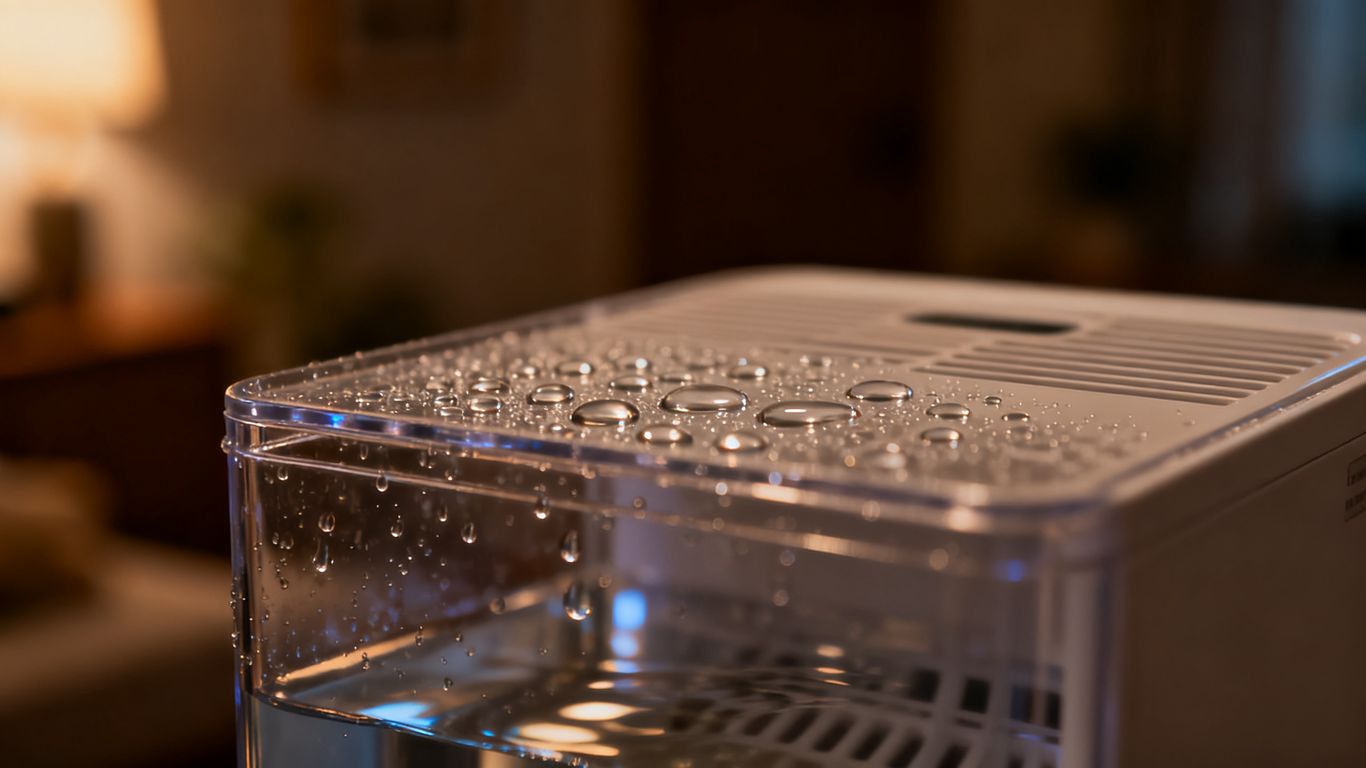
Knowing when to run your device is just as important as the model you choose, as misusing the system can lead to energy waste or overly dry conditions. Observe your home carefully; if you see condensation forming on cold surfaces or sense a recurring mustiness, it is likely time to engage your unit. A well-timed approach ensures efficiency throughout the year by responding directly to the specific moisture load of your environment.
Indicators of high indoor humidity
Identifying the telltale signs of high humidity is easier than most homeowners realize, provided they know what to look for. Common indicators include foggy mirrors, damp spots on ceilings, and the subtle scent of mildew in bathrooms or basements. You should also watch for clothing feeling slightly damp to the touch after being in a closet. These are clear signals that your home moisture control needs immediate attention.
Seasonal considerations for climate control
While tropical regions often deal with high humidity year-round, you might find your needs change during the wet season compared to drier transition months. During intense storm cycles, the external air pressure forces more moisture through any small gaps in your home casing, necessitating more consistent operation. In contrast, you might scale back during hot, dry spells, ensuring your energy bills remain stable.
Using dehumidifiers in specific rooms
Some spaces in your home are naturally more prone to dampness due to proximity to water sources or poor circulation. Bathrooms and laundry rooms are obvious candidates, but walk-in wardrobes and basements often require equal care to prevent fabric damage and mold growth. Placing your device strategy around these high-traffic or high-risk zones is the best way to leverage your equipment.
💡 Scenario Time: Imagine you have just moved your household goods from overseas and notice a strange, heavy smell in the air inside your living room. You are worried that your expensive furniture, sourced from a dry climate, will start to swell or warp under the local moisture conditions. You decide to set up your unit centrally, aiming for that ideal 45% threshold. Within a day, the heavy feeling of the air has lifted, the musty odor has dissipated, and you can feel confident that your belongings are protected from damp-related deterioration. This represents the practical, day-to-day value of consistent environmental control in a home setup.
Proper placement and operation
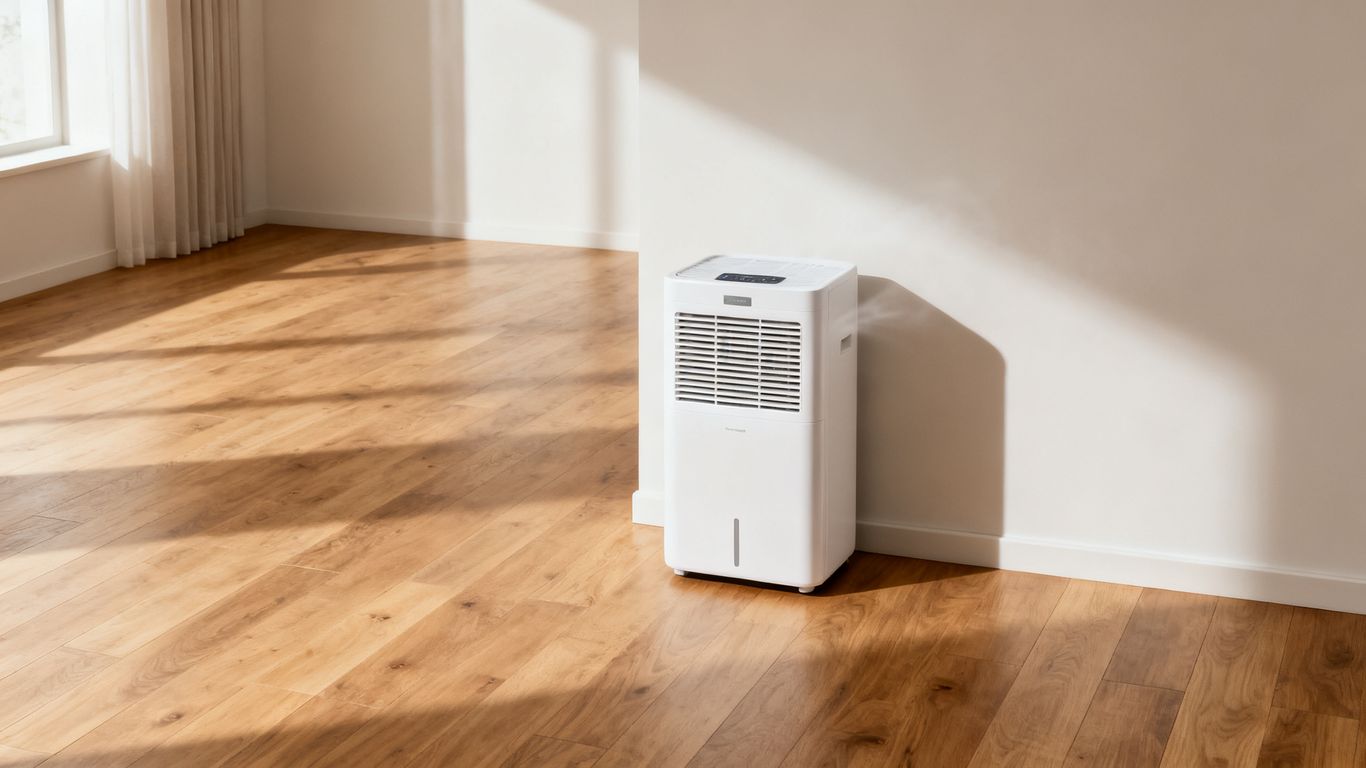
Maximizing the potential of your dehumidifier requires a thoughtful strategy regarding where it lives and how it is configured. If you place a device in a tight, cramped, or unventilated corner, the intake sensors will only report the conditions immediately around the unit, rather than the room as a whole. Effective placement dictates how quickly and efficiently the system reaches its target moisture set-point without cycling on and off excessively.
Positioning for maximum airflow
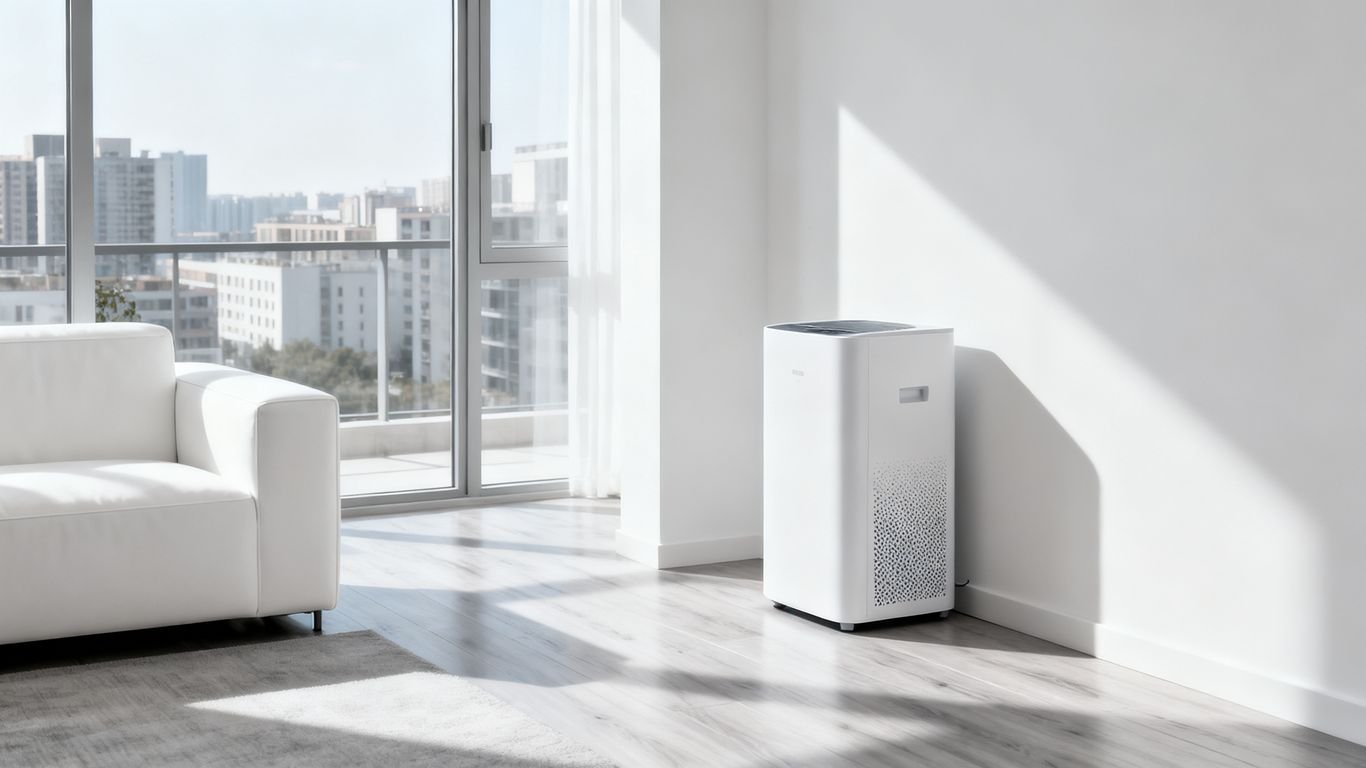
For the best results, position your unit in an open area where the air can circulate freely around the intake and exhaust vents. Do not place it behind curtains, large furniture, or any obstruction that might bottleneck the incoming air current. An unobstructed device can process the entire volume of a standard room, ensuring that every corner reaches the desired humidity target effectively.
Maintaining optimal distance from walls
Keep a clear buffer between your equipment and any walls or permanent fixtures to ensure the exhaust heat does not recirculate into the intake. A distance of at least 12 to 24 inches is recommended for most modern units. This simple physical separation prevents the machine from overheating and keeps the air cycle distinct, which is crucial for achieving consistent performance.
Setting the target humidity percentage
Targeting an ideal range is the difference between a comfortable home and one that feels too dry or remains overly muggy. Below is the guide for typical residential operation:
| Condition Range | Comfort Status | Best Practice |
|---|---|---|
| 30% – 40% | Very Dry | Avoid for long periods |
| 40% – 50% | Ideal | Normal operation |
| 55% – 65% | Humid | High moisture alert |
Maintaining the 40-50% range is usually the standard for protecting your home while staying perfectly comfortable. Once you set your target using the digital display, the machine should maintain this automatically.
Maintenance and safety tips
Your unit is a mechanical system that works hard under heavy loads, so regular upkeep is essential for longevity. Neglecting a dirty air filter forces the internal motor to work significantly harder, leading to decreased performance and potentially damaging the internal components over time. Establishing a simple schedule for checks ensures that your home dehumidifier keeps running efficiently for years.
Cleaning and replacing air filters
Filters are the first line of defense against dust and debris accumulating inside your machine. Depending on the environment in your home, you should check these filters every two to four weeks. Most units feature a washable mesh filter that you can simply rinse under lukewarm water before letting it air dry completely. A clean filter allows for smooth, quiet operation and significantly reduces the energy required to pull air through the system.
Draining and sanitizing the reservoir
If you are using a portable tank rather than a continuous drainage hose, it is vital to keep the collection bucket free of residue. Rinsing the tank with a mild soap solution once a month prevents the buildup of biofilm or mold. Always turn the power off before removing the tank to prevent any accidental water spillage on electronic parts or flooring.
Electrical safety and cord maintenance
Since these devices pull significant power, ensure your plug is secure and never pinched under furniture. Avoid using extension cords as they can create safety risks under a heavy load. Periodically check the cord for any signs of fraying or heat damage, especially if the device lives in a high-traffic area. Safety is paramount when running electrical appliances continuously for days at a time.
Common mistakes to avoid
Avoiding common errors will help you get the most out of your purchase. Many people err by thinking they can leave doors or windows open while the unit runs, which is mathematically impossible for the system to overcome. These habits are easily corrected once you recognize them.
Running the device in unsealed rooms
For a device to be truly effective, it must operate in a closed environment where the air is contained. If you leave doors or windows open, you are essentially asking the device to dehumidify the entire outside world, which is a futile task. Always keep external portals shut while the unit is active to concentrate its power on the air inside your living space.
Neglecting routine maintenance tasks
When you leave filters clogged or the reservoir dirty, you are introducing a performance bottleneck into your home’s ecosystem. A neglected device can actually start to push dust back into the air rather than cleaning it. Treat the equipment like any other essential household appliance; set a recurring monthly task to handle the basics so the system can continue protecting your belongings reliably.
Choosing the wrong capacity for square footage
A unit designed for a small closet cannot handle the demands of a large living area. If you force an underpowered unit to manage a large space, it will run constantly, consume excessive energy, and still fail to reach the target humidity levels. Always check the square footage rating of a model before purchasing to match the machine’s capacity to the physical reality of your rooms. You can Buy Now when you understand the specific capacity needs of your home.
Conclusion
Mastering moisture management is a straightforward process that pays off in sustained home comfort and better indoor air quality. By following these operational guidelines and staying diligent with maintenance, you ensure your equipment works efficiently to prevent structural wear and health issues. Establishing a controlled environment today is the best way to safeguard your residence from the long-term impact of tropical humidity.
Frequently Asked Questions
Does running a dehumidifier every day consume a lot of electricity?
Modern units are designed to be energy-efficient; they cycle off once your target humidity is reached, meaning they generally draw power only when actively removing water vapor from the air.
Should I use a dehumidifier and an air conditioner at the same time?
While an air conditioner does remove some moisture, it is not a replacement for a dedicated dehumidifier. Using both can lead to an overly dry environment, but some homeowners use them sequentially to stabilize rooms during peak heat.
Can I empty the water from my dehumidifier into my garden?
Yes, the condensate is effectively distilled water, which makes it safe for watering plants, provided you keep the collection tank clean and sanitized to prevent bacterial growth.
Will a dehumidifier eliminate the smell of mold in my house?
By removing the moisture that facilitates mold growth, the unit will stop the odor from worsening and eventually help it fade, especially if physical mold growth is cleaned away independently.
Is it safe to leave a dehumidifier running while I am out of the house?
Most modern units have advanced safety features including auto-shutoff when the tank is full or if the unit tips over, making them generally safe for unattended operation.
Does the temperature of the room affect how well my dehumidifier works?
Yes, compressor-based units work best in temperatures above 18°C. In very cold rooms, the coils can freeze, which is why units with auto-defrost functionality are preferred for versatile use.
Is there a difference between a dehumidifier and an air purifier?
An air purifier works by filtering particles like dust and dander from the air, whereas a dehumidifier targets water vapor. Some advanced units, however, combine both technologies into a single housing for dual-purpose environmental control.