
Key Takeaways
Sourcing dehumidifiers from the global manufacturing heartland requires a deep understanding of production capabilities and environmental specifications. Effective procurement bridges the gap between high-volume output and the precise engineering required for effective tropical moisture control.
- Identify core manufacturing hubs to find specialized technical expertise.
- Distinguish between flexible OEM designs and specialized ODM innovations.
- Verify quality through 3C and international safety certification standards.
- Screen suppliers using strict audit protocols to avoid inconsistent output.
- Manage logistics by calculating accurate landed costs and shipment Incoterms.
Market landscape of Chinese dehumidifiers
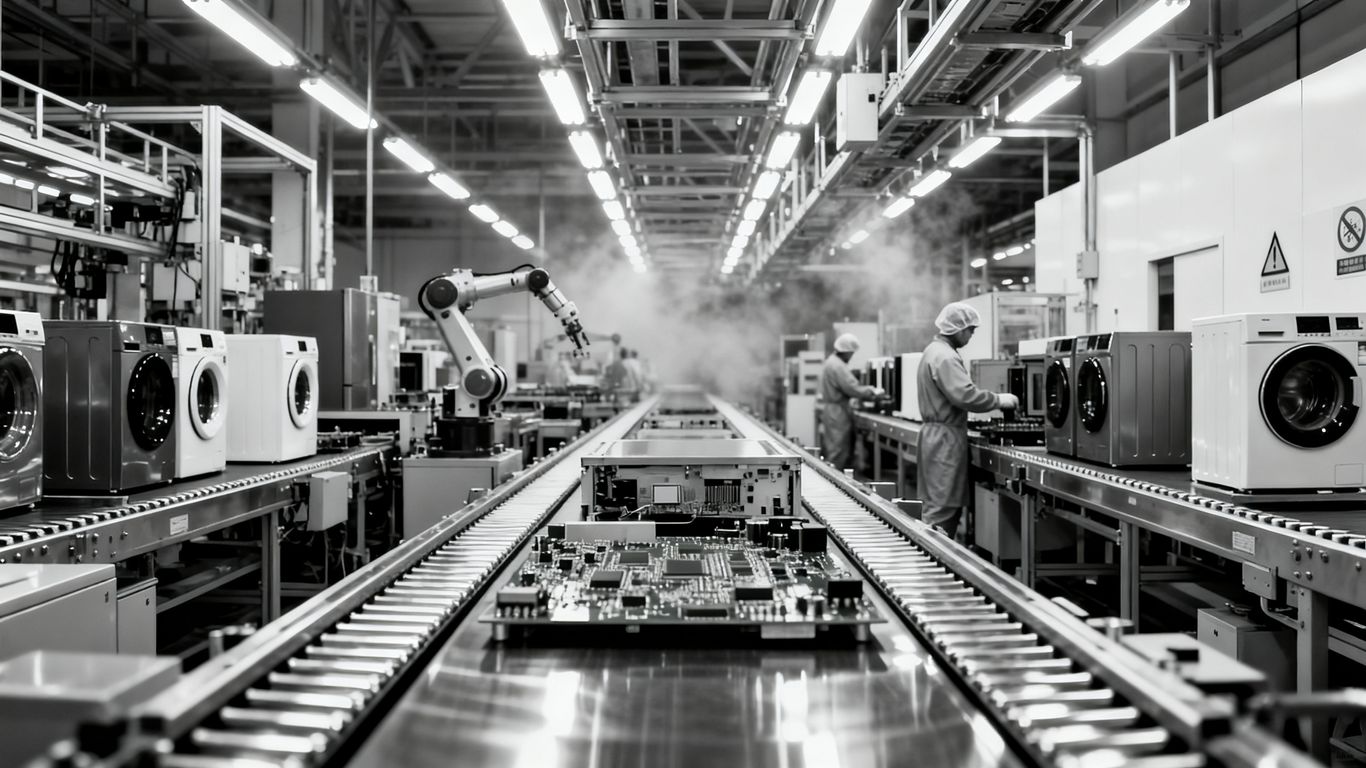
The landscape for a dehumidifier chinese is dominated by massive scale and diverse technological tiers, ranging from basic residential moisture removal units to sophisticated climate-control systems for industrial warehouses. At Aerofy, we understand that manufacturing in this region is defined by distinct clusters located primarily in coastal provinces, where supply chains for compressors, heat exchangers, and fan motors are highly integrated. Navigating this environment effectively requires distinguishing between mass-market production and specialized engineering tailored for high-humidity, high-temperature regions.
Overview of the major manufacturing hubs
Production primarily centers in regions like Guangdong and Zhejiang, where industrial parks host entire ecosystems for appliance assembly. These hubs facilitate the rapid transport of components like precision rotary compressors that define the efficiency of modern units.
Key technological specializations in the industry
Technological progress focuses on energy efficiency ratings and the transition toward environmentally friendly coolants like R290 refrigerant. Manufacturers are increasingly deploying advanced sensors that allow units to maintain precise humidity setpoints based on ambient conditions.
Distinguishing between OEM and ODM capabilities
OEM arrangements typically follow design blueprints provided by the international buyer, emphasizing production speed, while ODM suppliers bring their own proprietary structural designs and internal testing protocols to the table. Choosing the right path depends on whether you have an existing engineering stack or require a turnkey solution built for your target climate.
Market trends and future growth projections
Recent patterns indicate a shift towards smart connectivity features and multi-functional appliances that integrate air purification. As regional humidity indices rise, there is a marked transition from entry-level units toward more durable builds capable of peak operation in demanding conditions.
Assessing quality and performance standards
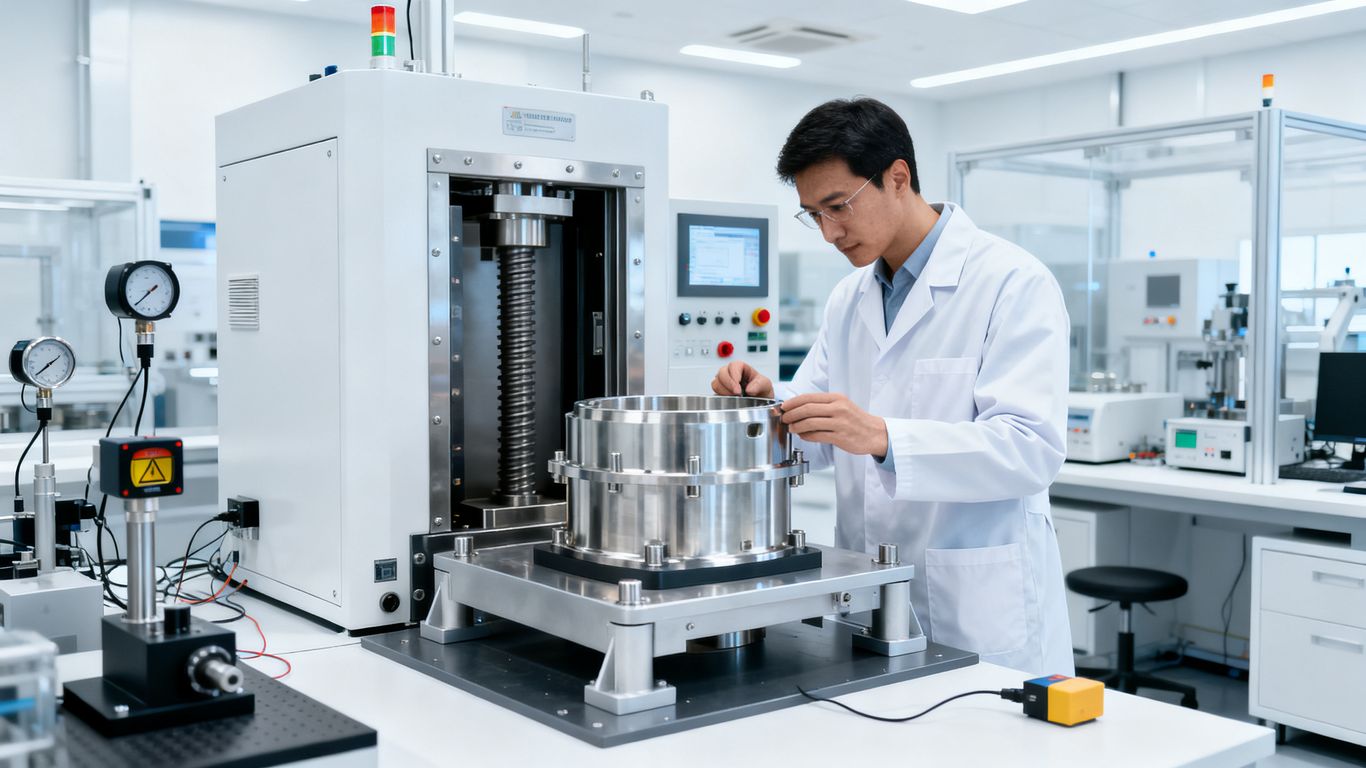
Quality assurance ensures that a high-performing dehumidifier survives the harsh realities of tropical climates, preventing premature mechanical failure. Relying on documented specifications such as AHAM vs. saturation ratings is essential for comparing output claims versus real-world moisture extraction during high-heat cycles. When sourcing, it is critical to verify the build quality through independent stress tests that simulate operation above 30°C.
Navigating international quality certifications
Mandatory compliance with certifications like the CCC (China Compulsory Certificate) is the starting point for any reputable manufacturer. Beyond local mandates, international standards such as CE or UL markers demonstrate that the supplier adheres to safety designs for fire prevention and electrical stability.
Understanding testing protocols and energy efficiency ratings
Standard testing in controlled environments often yields unrealistic numbers, so developers should request testing data specifically mapped to high-humidity inputs. Proper testing ensures that the rotary compressor runs without consistent overheating under heavy load.
Comparing residential versus industrial device builds
Different environments demand distinct engineering choices, from basic structural integrity to advanced sensor precision for high-moisture air processing. The following table highlights the operational divide between these two categories.
| Specification | Residential Design | Industrial Build |
|---|---|---|
| Compressor Type | Rotary | Heavy-duty Scroll |
| Air Filtration | Standard Mesh | HEPA/Activated Carbon |
| Housing Material | ABS Plastic | Powder-coated Steel |
Materials used in high-temperature and humid climates
Corrosion resistance is a constant hurdle, necessitating the use of hydrophilic coatings on heat exchangers to prevent oxidation. These materials extend the operational lifespan of the unit by preventing mold growth in cooling fins.
Finding and vetting reliable Chinese suppliers
💡 Real-World Scenario
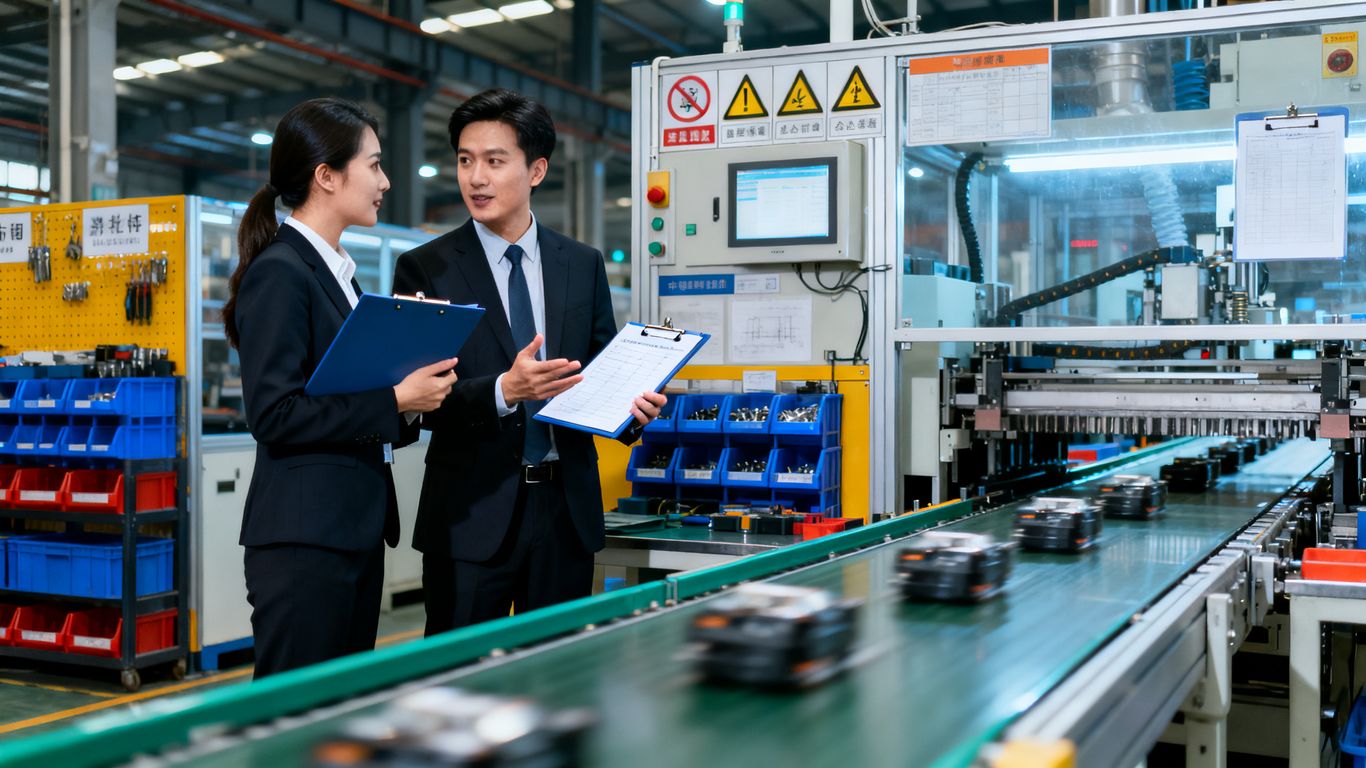
A project manager notices that initial prototypes arrive with plastic housings prone to warping after one week in a high-temperature chamber. The supplier originally dismissed this as an outlier, but the manager used a structured evaluation scorecard to identify that the factory was substituting cheaper ABS materials to reduce their own overhead, demonstrating why proactive verification is the only path to consistency.
Criteria for evaluating supplier experience and history
Look for companies that maintain a portfolio of international partnerships rather than those solely focused on domestic retail production. Consistent output is typically found in plants dedicated to long-term quality control processes for external export markets.
Utilizing B2B marketplaces effectively
Large platforms provide a entry point, yet they should only serve as a starting line for sourcing high-quality dehumidifiers through deeper due diligence. Never finalize a partnership based solely on profile photos or marketing claims found in basic B2B categories.
Red flags to watch for during initial screening
Watch for rapid shifts in communication, refusal to provide certifications, or an unwillingness to host virtual or on-site inspections. A transparent manufacturer will easily provide documentation regarding their testing laboratory capabilities.
The importance of conducting factory audits
Direct observation of the production line confirms that the Aerofy standards for build quality and safety are being met before bulk orders are solidified. This step provides confidence that the assembly processes are as professional as the initial communications imply.
Logistics and importation requirements

Navigating the movement of large appliances requires a firm grasp on both local export customs and the destination country’s import regulations. Understanding transatlantic or trans-pacific relocation costs, including potential buffer fees for customs holds, is vital for maintaining margins when importing from major shipping hubs.
Export regulations and customs compliance
Ensure that the supplier provides accurate HS codes to prevent delays at the border. Proper classification ensures that all safety compliance labels are accounted for in the export documentation.
Understanding Incoterms for international shipping
Clear terminology like FOB (Free on Board) or DDP (Delivered Duty Paid) sets the boundary of liability between you and the manufacturer. Selecting the correct term is essential for managing risk while the goods are traversing international waters.
Managing freight forwarding and supply chain packaging
Quality packaging is the difference between a pristine shipment and units damaged by moisture or physical impact during transit. Working with established forwarders minimizes the risk of container issues.
Calculating landed costs including taxes and duties
Use a spreadsheet to account for all variables, including shipping tariffs, port fees, and local delivery charges. Failing to account for these results in a significant erosion of the project’s overall profitability.
Strategic sourcing and partnership management
Establishing a long-term connection with a provider requires moving past transactional interactions toward deep technical collaboration, ensuring that the engineering logic used in our current Aerofy lineup remains consistent. The following checklist helps formalize the partnership process.
Negotiating competitive pricing and payment terms
Focus on scaling discounts based on verified volume milestones rather than simply squeezing unit price. This allows the manufacturer to maintain quality standards while offering better long-term value.
Establishing clear communication and quality control feedback loops
- Schedule regular weekly check-ins to monitor production output.
- Maintain a shared portal for real-time defect reporting.
- Coordinate quarterly reviews on component performance and feedback.
- Establish direct access to the lead engineering team.
Managing prototype development and pilot runs
Treat every pilot run as a comprehensive test of both the end product and the manufacturer’s internal systems. This is the stage where minor engineering flaws are caught and remediated before full-scale deployment.
Transitioning from transactional to long-term relationships
True stability is found when both parties share a vested interest in the product’s market success. This maturity in the business connection reduces the reliance on constant manual oversight, allowing for innovation and shared growth.
Conclusion
Successfully sourcing dehumidifiers requires a blend of diligent vetting, clear technical communication, and a strong understanding of climate-specific performance needs. By focusing on manufacturer transparency and rigorously verifying quality protocols at each phase, you can ensure that the units produced meet the demanding reliability expectations of a modern consumer.
Frequently Asked Questions
Why does the dehumidifier sometimes shut down before reaching the set humidity?
This usually occurs when the unit’s internal sensor detects the ambient temperature has dropped below the operational threshold, causing it to enter a protective cycle to prevent icing of the internal coils.
How does the energy efficiency of a dehumidifier change with room size?
Larger rooms increase the volume of air that the device must process, leading to the compressor running more frequently. Matching the hourly moisture extraction capacity to the specific square footage of your space is essential to maintaining energy-efficient performance.
Is it necessary to clean the air filters regularly for optimal efficiency?
Filters accumulate dust, which restricts air intake and forces the fan to work harder, reducing overall moisture removal performance. Regular cleaning ensures the circulation system operates without unnecessary strain on the internal motor.
What are the main signs that a unit needs an auto-defrost feature?
Units operating in cooler, humid conditions risk developing ice on the condenser coils, which blocks airflow. An auto-defrost cycle is required to periodically melt this frost, allowing the unit to continue drying the air without manual intervention.
Can a dehumidifier replace an air conditioner in a tropical environment?
Although both units remove humidity, an air conditioner is designed to manage thermal loads to lower the temperature, whereas a dedicated dehumidifier is optimized solely for the continuous extraction of water vapor. They serve different purposes, but work most effectively as complementary systems.
What is the ideal humidity range for a comfortable home interior?
Maintaining indoor humidity between 40% and 60% is typically recommended to keep the environment comfortable while preventing the proliferation of mold, mildew, and dust mites. Consistent moisture control within this range is the primary benchmark for a well-functioning appliance.
How do modern compressors function to keep noise levels low?
Advances in rotary compressor design focus on smoother oscillations and vibration damping materials, which reduce the mechanical humming sound traditional units often produce. High-quality appliances prioritize these silent operation features to ensure they remain unobtrusive throughout the day.