Key Takeaways
Many users wonder if the moisture collected by their home appliances is safe for consumption. Understanding the reality of this water helps you manage your home environment more effectively.
- Condensed water from dehumidifiers is not considered potable under any standard health guidelines.
- Internal machinery components often introduce metallic residues into the water collection reservoir.
- Stagnant water in tanks creates a high-risk environment for microbial growth such as bacteria and mold.
- Repurposing collected water for gardening or cleaning is a great way to conserve resources.
- Regular maintenance of your unit is essential to prevent unhealthy water quality and odors.
Understanding how dehumidifier water is produced
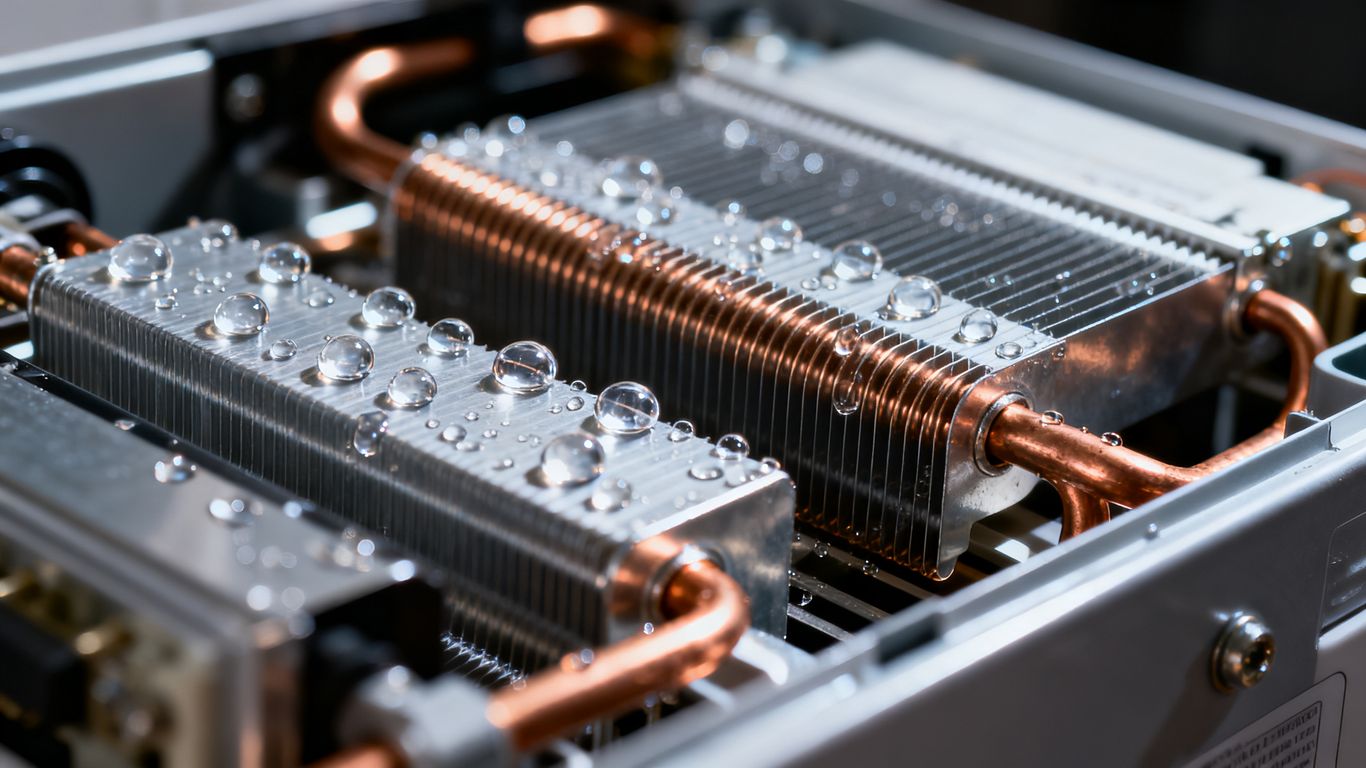
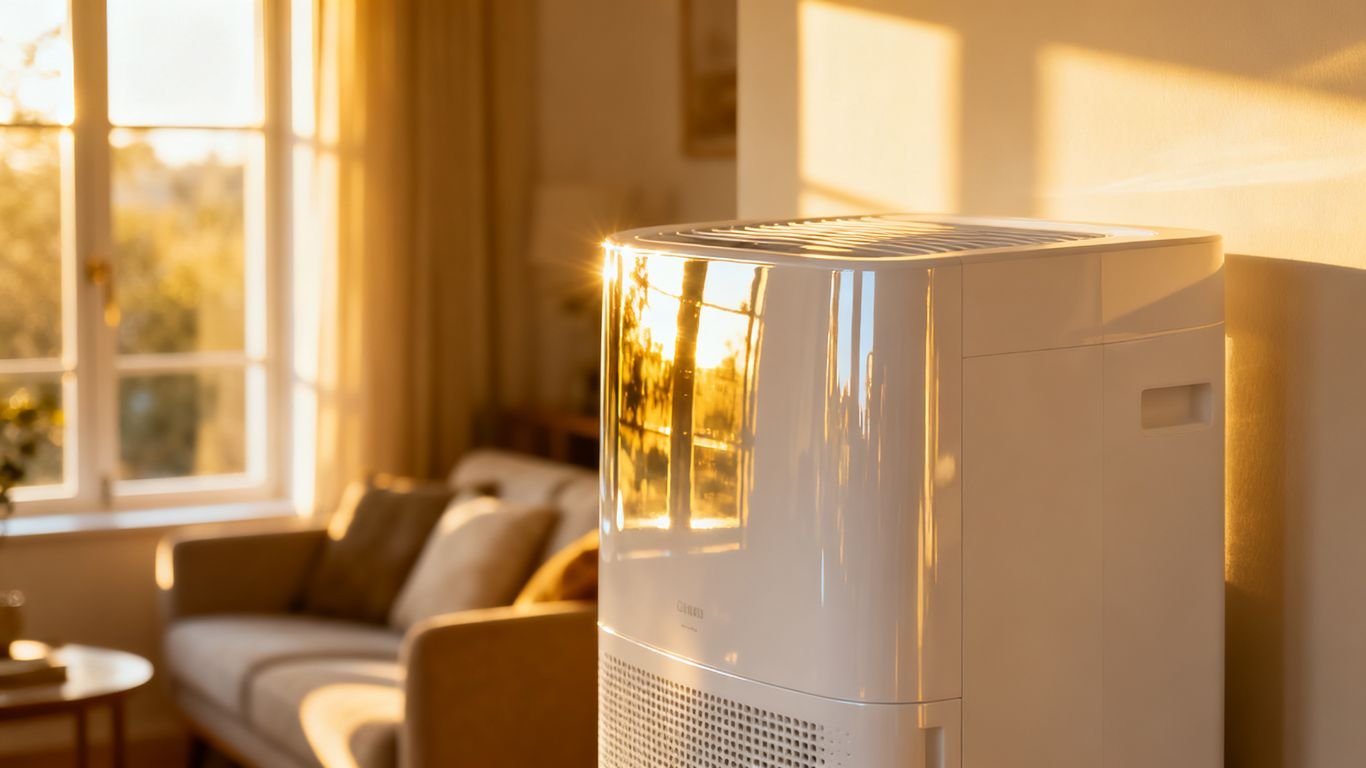
Dehumidifiers serve as a crucial tool for homeowners living in humid environments. These machines actively extract excess moisture from the air, which is a process facilitated by specialized internal cooling cycles. When you look at a device like the Aerofy DualCore 20 dehumidifier and air purifier, the science involves pulling humid air through a cold surface to force the water vapor to turn back into a liquid state. This physical transformation leaves the air drier and more comfortable to live in.
The process of condensation and moisture extraction
Moisture extraction starts when the unit draws in warm, humid air using an intake fan. As this air encounters the cold surfaces within the evaporator coils, it loses its ability to hold vapor. The gas-to-liquid transition results in beads of water that eventually drip down into a designated collection bucket for later removal.
How air flows over internal cooling coils
The efficiency of moisture removal depends heavily on how air moves across these coils. Proper design ensures that the entire volume of air passes over the chilled surfaces, optimizing the total water output. If airflow is restricted by a blocked filter or poor placement, the unit will struggle to maintain low humidity levels.
Differences between refrigerant-based and desiccant units
While most residential models rely on a cooling and refrigerant cycle, some specialized units use desiccant materials. Refrigerant-based models are effective in warmer climates, whereas desiccant wheels are often found in cooler environments where cooling coils might freeze during operation.
Why it is not safe to drink
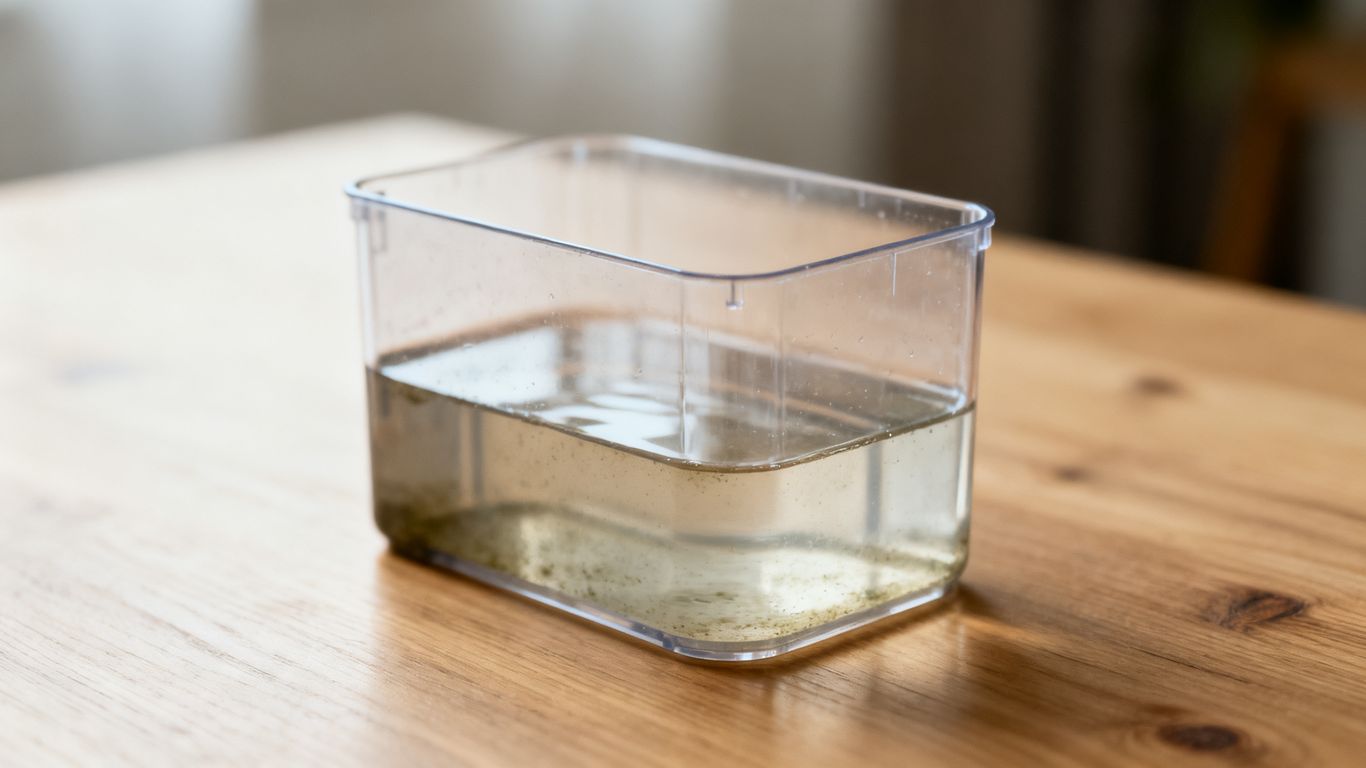
Despite the fact that the liquid harvested looks clear and lacks typical minerals, the collected condensate is never safe to drink. Thinking of it as distilled water is a dangerous misconception common among new owners. While the separation process mimics some aspects of distillation, the lack of actual boiling means that the water does not undergo sterilization.
Presence of heavy metals from internal components
Most collection buckets and internal tubing are made of plastics or metals that have not been certified for food or beverage contact. Over time, these materials can leach lead, copper, or other metallic particles into the collection reservoir, making the water toxic to ingest.
Bacterial growth in standing collection tanks
Once the water drips into the bucket, it becomes stagnant. Bacteria, algae, and various microscopic organisms thrive in these dark, damp conditions, doubling in population within hours. Without chemical treatment or boiling, these colonies pose a significant health risk to anyone who drinks it.
Exposure to dust and airborne pollutants
Aside from biological growth, the air being processed is often rich in dust, pet dander, and other household pollutants. Many of these particles inevitably settle into the water tank during the extraction cycle. Using the Aerofy DualCore 20 dehumidifier and air purifier helps mitigate this by filtering the air, but the tank is still not meant for collecting potable output.
Lack of filtration equivalent to purified drinking water
Most appliances are engineered purely for moisture reduction, not water purification. They do not utilize reverse osmosis, carbon filtration, or ultraviolet light to ensure safety. You can watch this video to understand the mechanics better:
Common contaminants found in collected water
Understanding what sits in your reservoir is important for discerning why you should never drink it. A quick analysis of standard collection tanks reveals the presence of unseen residues. To keep things clear, we can organize potential issues as follows:
| Contaminant Type | Potential Source | Risk Level |
|---|---|---|
| Microbial biofilms | Standing water colonies | High |
| Metallic ions | Leaching from internal parts | Medium |
| Dust particles | Untreated airborne debris | Low/Medium |
Biofilms and mold spores from the unit interior
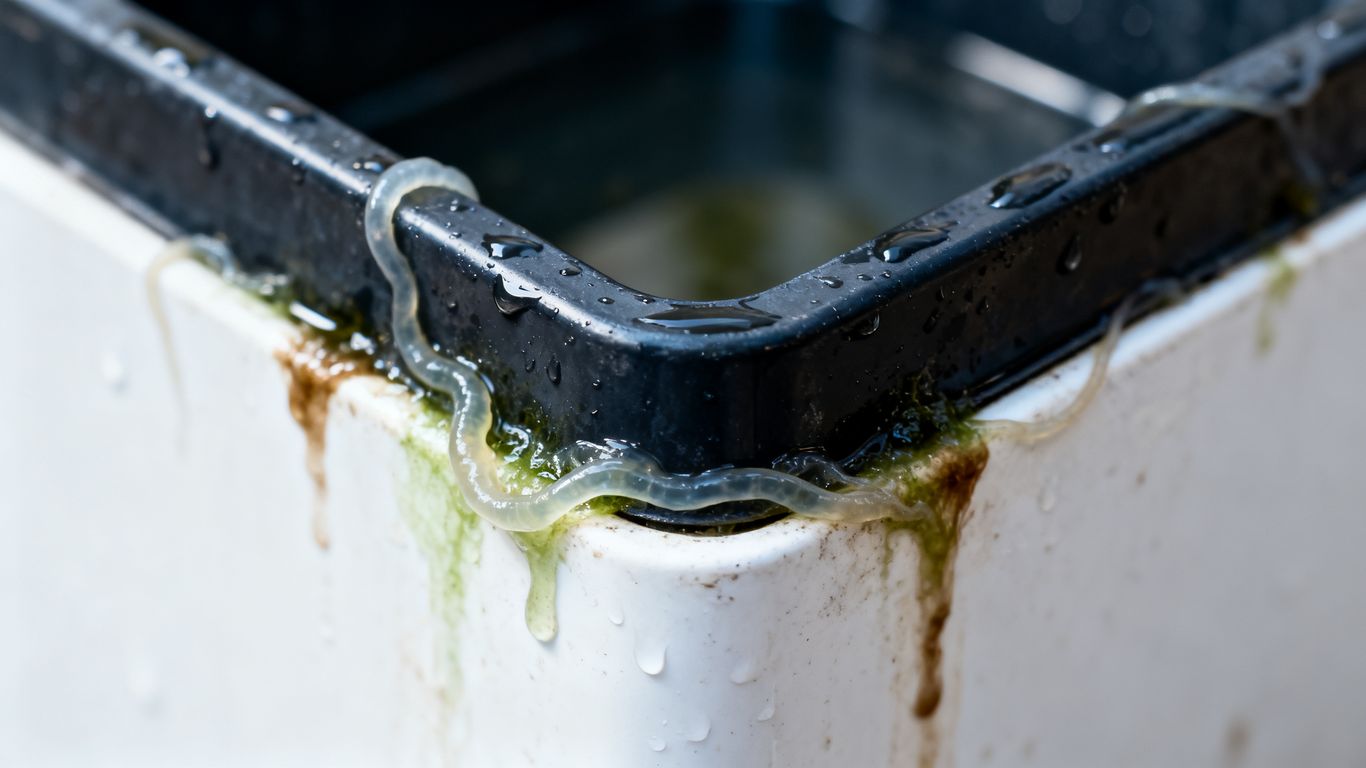
If you inspect the inside of a water bucket, you might see a thin, slimy layer. These are biofilms, which are dense colonies of bacteria that are difficult to scrub away. They release spores into the water continuously, contaminating every new drop that falls into the tank.
Chemical residue from cleaning solutions used on the device
Even with regular cleaning, manual maintenance can introduce harmful soaps or detergents into the bucket. If these chemicals are not rinsed perfectly, they will combine with the condensate. In Scenario Time, someone might assume a quick wipe-down with harsh bleach is enough; however, residual fumes and chemical traces can make the collected moisture chemically unstable for any sensitive use.
Potential metallic leaching from plastic or metal parts
As water sits in contact with the internal pump or sensor mechanisms of the Aerofy DualCore 20 dehumidifier and air purifier, chemical leaching can occur. This interaction is usually intensified by the slightly acidic nature of distilled-style condensate, which is naturally more reactive than standard tap water.
Best ways to repurpose dehumidifier water
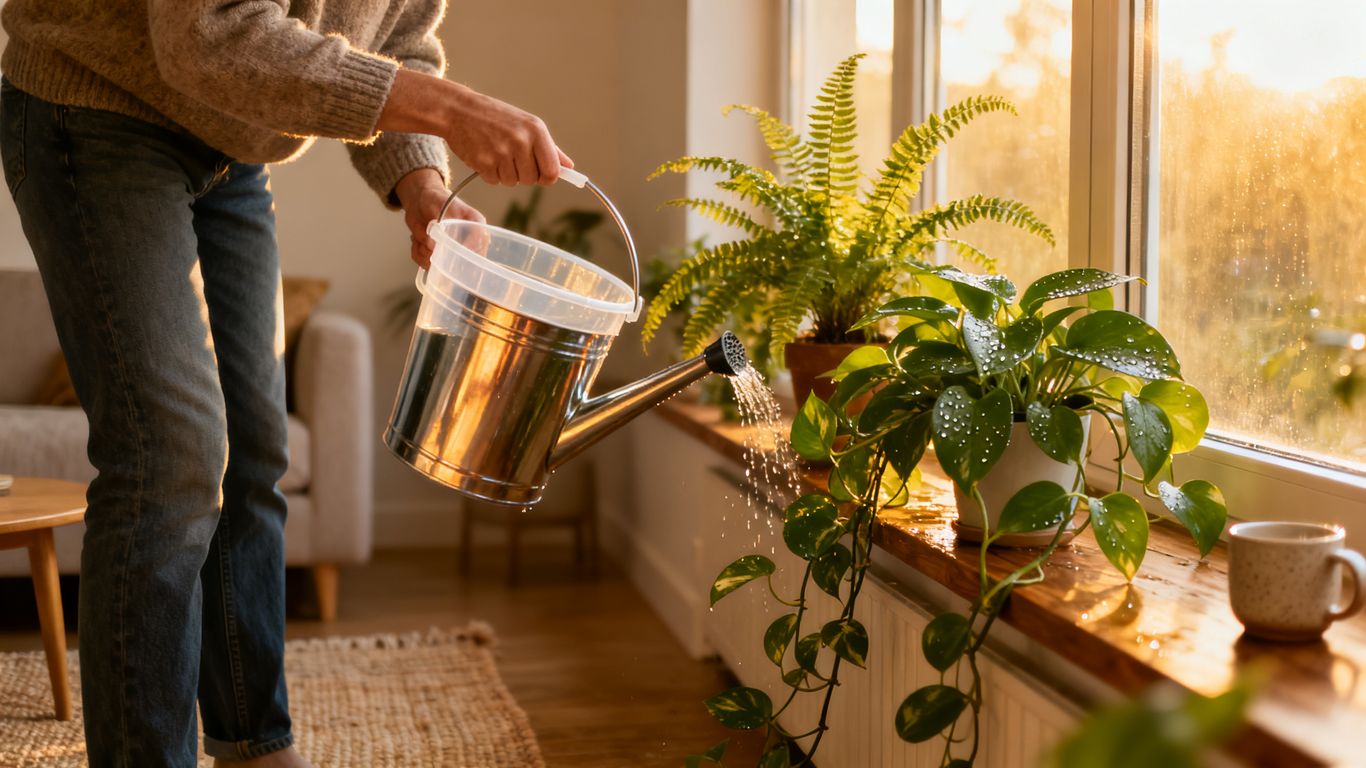
Instead of pouring that bucket down the drain, you can start finding eco-friendly ways to use it. It is perfectly fine for non-consuming utility tasks around your home. Consider these practices to maximize your resource efficiency:
- Use it to water your indoor ornamental plants that do not produce fruit or vegetables.
- Add the water to your mop bucket to clean tiles or hardwood floors without leaving mineral stains.
- Pour the liquid directly into the toilet bowl to manually flush, saving fresh water from your utility lines.
- Apply it to flowers in your garden that appreciate low-mineral moisture during dry spells.
Watering ornamental houseplants and gardens
Plants have different water needs than humans, and many indoor varieties find the low-mineral content of this water beneficial. By recycling this source, you reduce your overall water usage in the home.
Cleaning hard floors or washing window surfaces
Because the water lacks the calcium or magnesium typically found in tap water, it is less likely to leave streaks or white crusts on glass. It remains an excellent choice for wiping down windows or damp-mopping tile floors.
Flushing toilets to conserve household water
Manually flushing your toilets with collected water is one of the most effective ways to lower your monthly water bill. This practice ensures that no drop extracted from your home goes to waste.
Providing water for non-edible outdoor plants
Outdoor shrubs and decorative trees also benefit from being watered with this overflow. Just avoid using this water on anything meant for human consumption to ensure total safety.
Maintenance tips to ensure safe handling
If you have questions about sizes and specs, you should ensure your unit remains clean for performance. Regular hygiene minimizes the risk of mold buildup within the unit’s housing.
Scheduling regular tank cleanings with mild disinfectants
Emptying the tank is only half the battle; scrubbing it with a diluted white vinegar solution is the only way to kill localized bacteria. This should happen once a week at a minimum.
Checking filter integrity to minimize captured airborne debris
Your filter acts as a first line of defense for the internal coils. If it is torn or clogged, more dust enters the water stream, leading to faster contamination of the condensate.
Minimizing the time water stands in the reservoir
Never leave water sitting in the bucket for more than 24 hours. The longer it sits, the more robust the bacterial colonies become, which will eventually make the entire unit smell musty.
Wearing protective gear during the drain and cleaning process
If you have respiratory sensitivities, wear gloves and a mask when cleaning the tank. This prevents you from coming into direct contact with concentrated mold or biofilm particles.
When you should dispose of the water immediately
Safety is paramount when dealing with home appliances. Disposing of the contents is easy; simply empty the bucket outside or into a sink.
Detecting visible mold or slime in the collection reservoir
If you see dark spots or a gelatinous film on the sides of the bucket, the water inside is definitively unsafe for any use. Even watering plants can spread mold spores into your soil, which could be harmful to your houseplant ecosystem.
Identifying foul or musty odors coming from the bucket
Musty scents indicate that microbial activity is currently high. If you can smell the water, those odors are likely traveling from the unit into your room, impacting your indoor air quality.
Noting debris accumulation in the collection basin
If large clumps of dust or black sediment are visible in the basin, it means your filter has failed to keep the coils clean. Discard the water to avoid putting these pollutants into your home environment.
Handling water after long periods of unit inactivity
If your unit has sat for weeks with water in the bucket, do not use it. Bacterial and fungal populations thrive in dormant, wet environments, and the water is likely heavily compromised.
Conclusion
While your unit works hard to improve your living environment by reducing humidity, the byproduct it creates is not for consumption. By understanding its chemical limitations and maintaining a strict cleaning schedule, you can safely repurpose this water for non-edible tasks throughout your home.
Frequently Asked Questions
Is dehumidifier water essentially the same as distilled water?
No, it shares some properties with distilled water including low mineral content, but it lacks the critical sterilization process of boiling, meaning it contains bacteria and airborne contaminants.
Can I use this water for my pets?
Do not give this water to pets; because the bucket can harbor harmful mold, bacteria, or metallic leachate, it is not safe for animals to ingest.
Should I be concerned about the smell from the unit?
Yes, a musty smell usually indicates that there is microbial growth in the collection tank or on the internal cooling coils, which requires a thorough cleaning of the entire system.
How often should I empty the collection bucket?
Ideally, you should empty the bucket at least once daily to prevent bacterial proliferation, especially in high-humidity areas where the tank fills up rapidly.
Could this water cause damage to my plants?
If the water is clean and you avoid using it on edible produce, it typically does no harm, but if there is visible slime, it could introduce harmful pathogens to your plant soil.
Do I need to filter the water before using it for plants?
While you can filter it, it is generally unnecessary for ornamental plants; simply ensuring the bucket is kept clean and free of visible slime is enough for safe plant irrigation.
Is it safe to leave the dehumidifier running when I am away?
Yes, provided the unit has an auto-shutoff feature and is placed on a level surface, it is generally safe to leave running to maintain your home’s humidity levels.