
Key Takeaways
- Shoe dehumidifiers prevent moisture buildup to extend the life of your footwear.
- Electric systems provide rapid drying, while desiccant packs offer portable, power-free solutions.
- Regular maintenance of your device ensures consistent airflow and prevents mechanical failures.
- Proper positioning is critical for maximizing effectiveness and protecting delicate shoe materials.
- Drying shoes safely is easier with consistent temperature control and proper moisture monitoring.
Types of shoe dehumidifiers explained
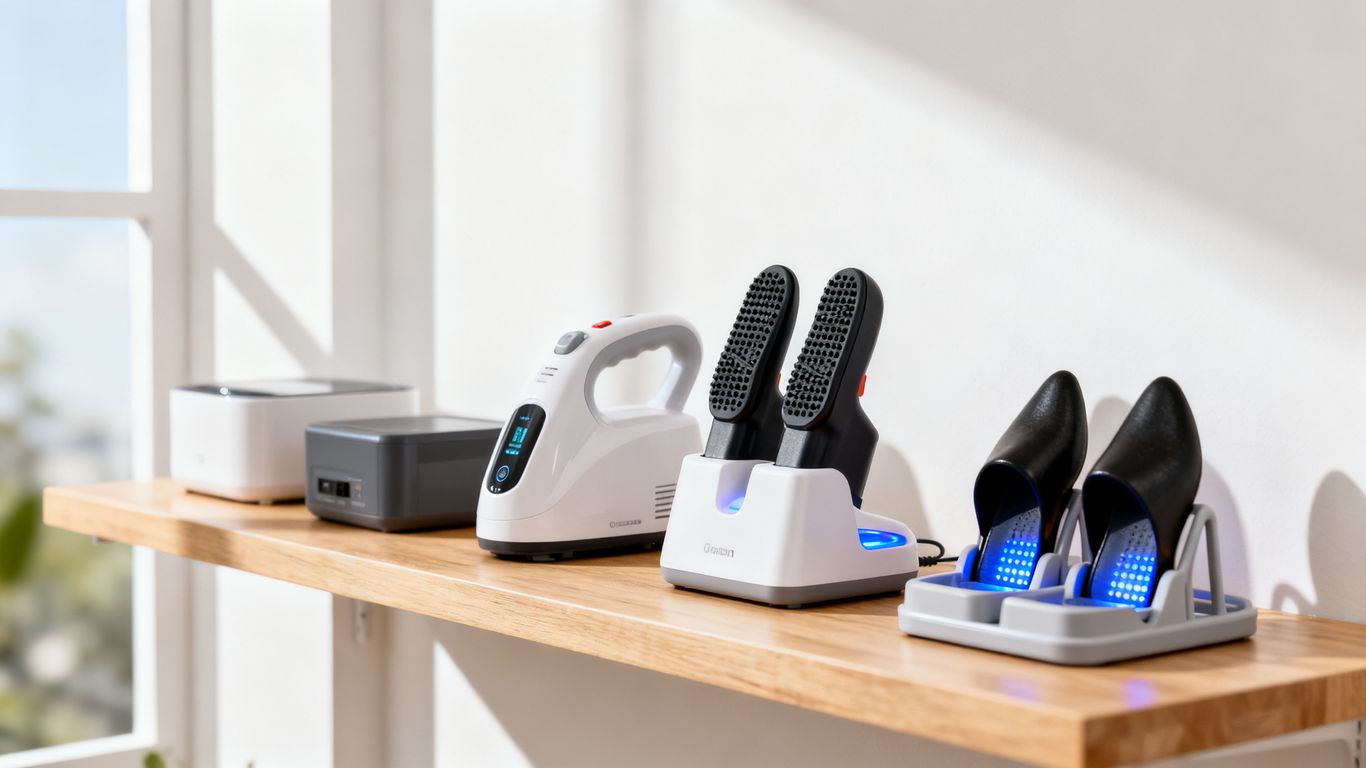
Choosing the right equipment depends largely on your lifestyle, climate, and the materials of your footwear. Whether you are dealing with daily commuting shoes or high-performance athletic gear, different technologies offer varying levels of speed and convenience.
Electric forced-air dryers vs. convection models
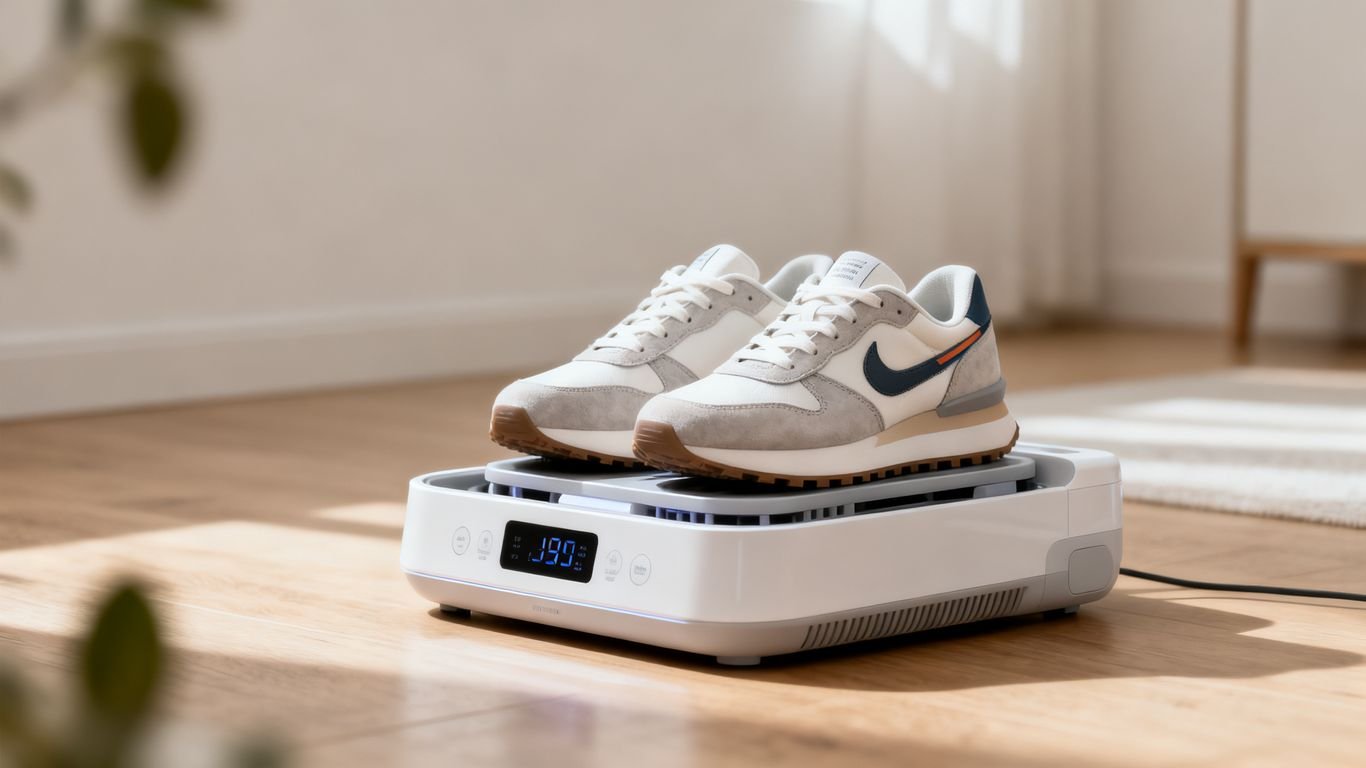
Electric forced-air units use an internal fan to circulate heated or ambient air directly into the shoe’s toe box, drastically cutting down drying time. Convection models, meanwhile, rely on passive heat rising to dry the material, which is quieter but significantly slower. For those living in tropical regions, managing moisture effectively is crucial, much like the engineering behind the Aerofy DualCore 20, which is purpose-built for the unique humidity challenges faced by residents in Singapore.
Portable moisture-absorbing packets and desiccant bags
These passive solutions consist of natural volcanic minerals or silica gel that pull humidity directly from the interior of the shoe. They provide a simple, plug-and-play moisture control method for travelers who need to keep boots fresh on the move without access to electrical outlets.
Ultraviolet light sanitizing dryers
Beyond just removing humidity, these devices use UV-C light waves to neutralize odor-causing microorganisms residing within the shoe lining. This hybrid approach is ideal for sports enthusiasts who balance moisture removal with the need to prevent bacterial proliferation after a long workout.
Essential features to look for before buying
When evaluating a unit, consider the balance between drying capacity and power consumption. The following table highlights factors to weigh when selecting your ideal model:
| Feature | Benefit | Importance |
|---|---|---|
| Timer settings | Prevents over-drying | High |
| Adjustable arms | Fits various sizes | Medium |
| Silent operation | Minimal noise disturbance | Low |
Most users should prioritize units with automatic shut-off timers to protect delicate materials from extended heat exposure. To optimize your overall indoor environment, remember that effective humidity management often starts with using a professional-grade dehumidifier for the wider space before targeting individual items.
Benefits of using a shoe dehumidifier
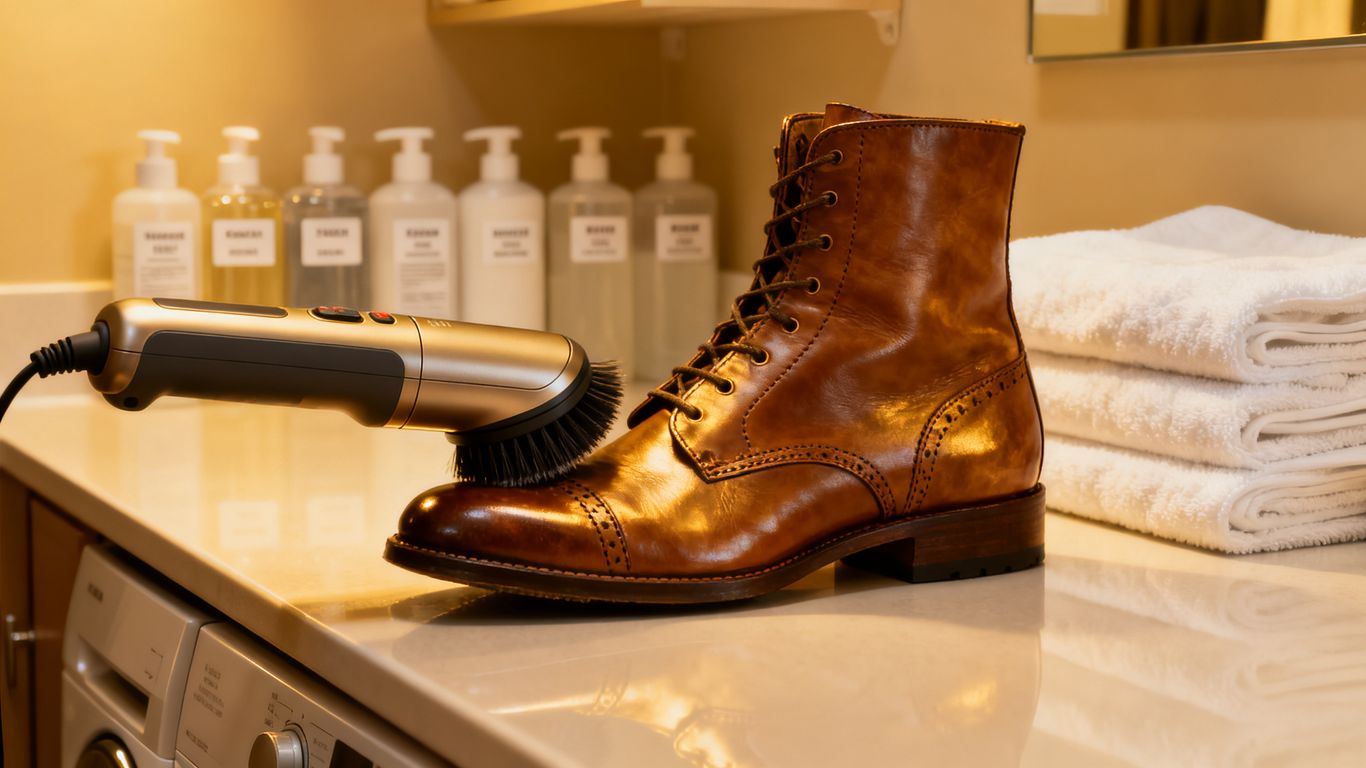
Integrating a dedicated drying solution into your routine provides tangible advantages for both your health and property. By stabilizing the internal environment of your shoes, you preserve the structural integrity of the materials, which is far more cost-effective than frequent replacements.
Extending the lifespan of high-performance footwear
Constant moisture weakens glue bonds and causes natural fibers to degrade prematurely, leading to cracked soles and structural failure. Consistent use of a drying system allows the materials to revert to their original shape without trapped water damaging the support cushioning.
Preventing bacterial and fungal growth
Moist, dark environments are the perfect breeding ground for mold and mildew that produce persistent musty odors. A dehumidifier disrupts this cycle by eliminating the water necessary for growth, ensuring that your footwear remains hygienic over a long period.
Eliminating persistent odors at the source
💡 Real-World Scenario
Imagine coming home from a rainy commute. You have a pair of expensive leather boots that are completely soaked and smelling faintly of mildew. Instead of leaving them in a dark closet, you place them on a dryer. Within hours, the smell disappears, and the leather feels supple again, avoiding the common "locker-room" scent that settles in after a few days of neglect.
Reducing the risk of athlete’s foot and skin irritation
The medical benefits of keeping shoes dry cannot be overstated, as excessive humidity is directly linked to skin irritation. When footwear is stored properly, you are essentially investing in your comfort and long-term dermatological health.
Step-by-step guide to drying your shoes safely
Safely removing moisture requires more than just heat; it requires a structured approach that respects the integrity of your fabrics. If you are ever unsure about proper climate control in your home, consulting resources on optimizing indoor climate can help you decide if you need to Buy Now for your living space.
Preparing footwear by removing laces and insoles
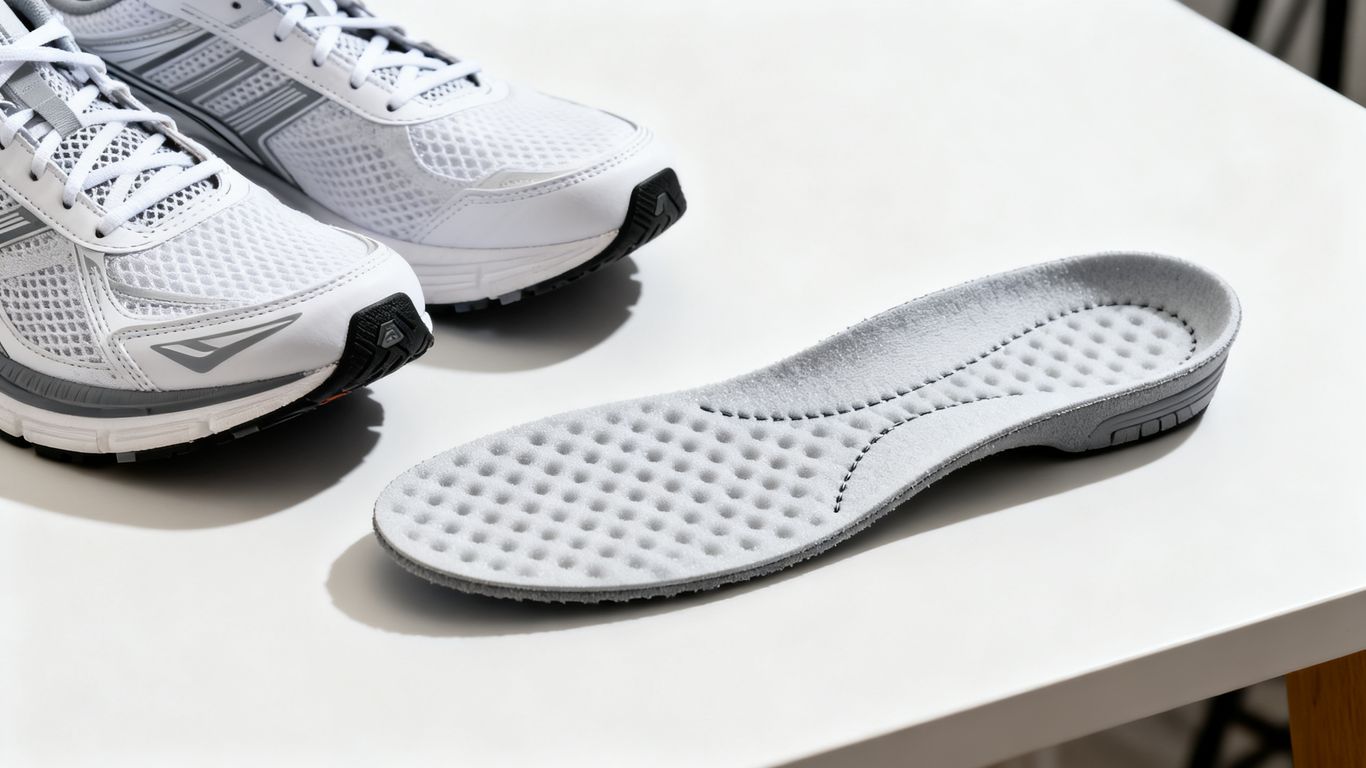
Before initiating the drying cycle, loosen the laces completely and pull out any removable insoles to allow air to reach the deep footbed. This simple act drastically increases the evaporation surface area and ensures the device works to its full potential.
Positioning shoes for optimal airflow
Ensure that the airflow nozzles are positioned deep inside the shoe, but avoid pushing them so hard that you deform the structure of the heel or toe. Improper positioning can lead to uneven drying, resulting in dry patches and remaining moisture in the hard-to-reach areas of the shoe.
Setting the correct temperature or timer
Always defer to lower-temperature settings when dealing with sensitive shoes like wool sneakers or synthetic performance trainers. A cycle of two to four hours is typically sufficient for most materials, though leather may require a slightly longer, lower-intensity session to prevent hardening.
Determining when the drying process is complete
Once the cycle is complete, touch the interior lining; it should feel dry to the touch and slightly cool, rather than hot. If you notice any stubborn dampness, refrain from immediately running another heat cycle and let the air continue to circulate naturally for fifteen minutes.
Common mistakes to avoid when drying shoes
Avoiding damage requires a nuanced understanding of how high temperatures can interact with chemical adhesives and natural proteins in leather. Users of Aerofy air purifying appliances often report that once they apply the same care standard to their footwear as they do to their home environment, their belongings last years longer.
Using excessive heat on delicate leather or suede
High heat causes natural oils in leather to evaporate, leaving the material brittle and prone to cracking. Always prioritize airflow over temperature, which is why Aerofy dehumidifiers are preferred by many because they emphasize stable, controlled environments rather than aggressive heating.
Over-drying natural fiber materials
Wool and cotton insoles can lose their structural elasticity and shrink if left on heat for too long, becoming uncomfortable to wear. It is important to remove them from the active heating zone as soon as they feel dry.
Failing to maintain the dehumidifier unit
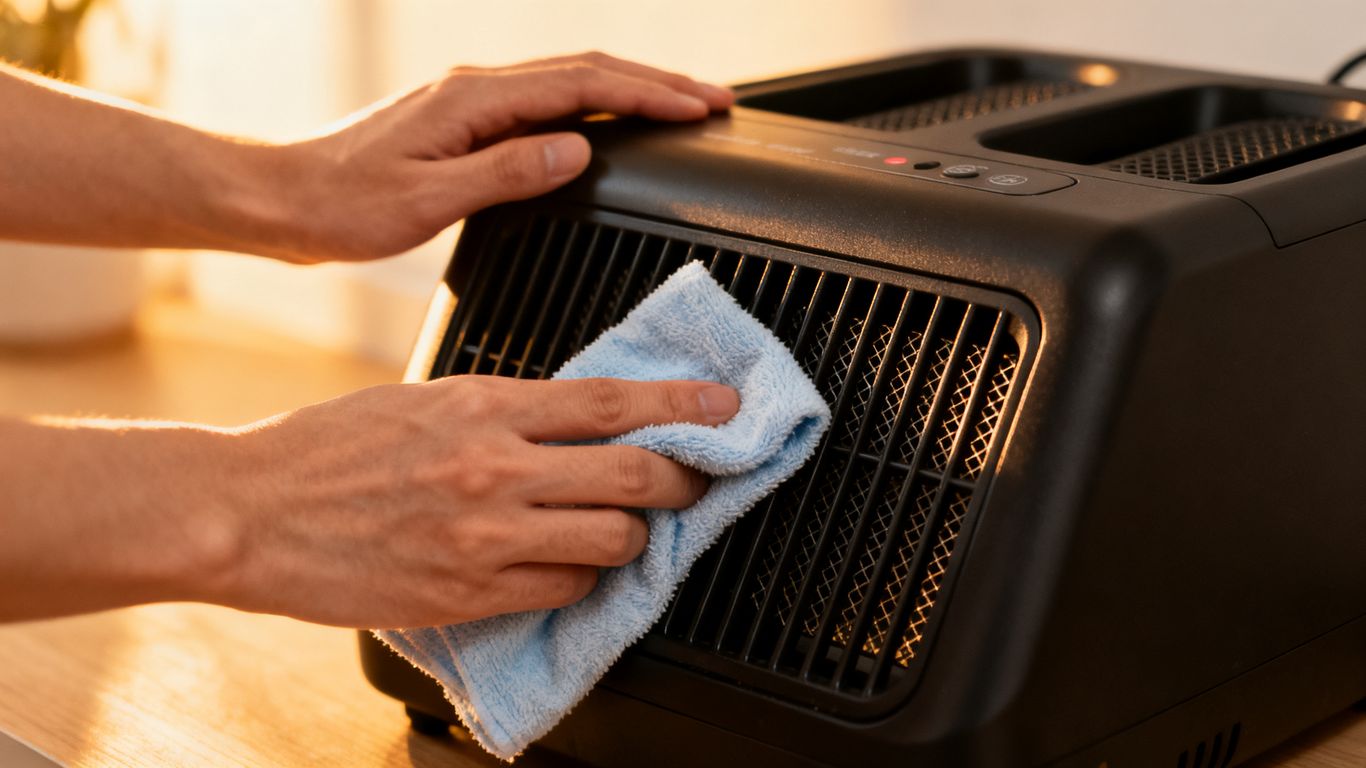
Neglecting to clear dust from the intake vents reduces airflow volume, causing the internal motor to heat up unnecessarily. Ensuring your devices are clean is just as vital as understanding the best dehumidifier placement for your household.
Ignoring manufacturer care instructions for specific shoe types
Different brands use unique internal adhesives that react differently to various drying temperatures and airflow speeds. Always check the shoe label, as some high-tech running shoes specifically warn against traditional heat-based drying methods.
Maintenance tips for your shoe dehumidifier
Keeping your equipment in top shape ensures it delivers consistent results without breaking down during the rainy season. Just as you avoid a safe and cozy outdoor fire pit damage through proper inspection, you must monitor your appliance for mechanical wear.
Cleaning the vents and external surfaces
A quick wipe-down with a damp, lint-free cloth removes dust and prevents particles from being blown into your shoes. Make this a monthly ritual to extend the life of the internal fan.
Replacing or recharging desiccant materials
If your device uses desiccant bags, remember to microwave or bake them according to the specific manufacturer instructions once their color-changing indicator signals saturation. Replacing them when they no longer react shows that the minerals have lost their micro-porous effectiveness.
Storing the device during the off-season
Store your dryer in a cool, dry place inside its original box or a sealed plastic bag to prevent internal oxidation of electronic components. This protects the delicate circuitry from ambient humidity when not in active use.
Troubleshooting common mechanical or airflow issues
If the fan makes unusual noises, check the intake for debris or pet hair that may have snagged the blades. If the unit fails to heat, ensure the power cord is not pinched or taut, which can lead to internal wire damage over time.
Conclusion
Investing in a quality shoe dehumidifier is a simple yet effective way to maintain the hygiene, comfort, and longevity of your footwear, proving that even small adjustments to your daily routine can yield significant long-term benefits for your home environment.
Frequently Asked Questions
Can I leave my shoe dehumidifier on all night?
Most modern units are equipped with timers designed for safe overnight operation, but it is best to check the manufacturer’s manual for specific runtime limits to prevent overheating.
Is it safe to use a shoe dehumidifier on leather boots?
Yes, but you should use low-heat or ambient-air settings specifically to avoid drying out the natural oils in the leather, which can cause cracking.
How often should I clean the air filter on my dryer?
Ideally, you should check and lightly clean the intake filter once every two to three months, or more frequently if you live in a particularly dusty or pet-heavy home.
Will a shoe dehumidifier help with chronic foot odor?
It can certainly help by keeping the environment dry, which limits the growth of bacteria, though it should be used in conjunction with good general foot hygiene and moisture-wicking socks.
Can I use a shoe dehumidifier on athletic gear like boxing gloves?
Yes, these devices are highly effective at drying out non-footwear sports gear, provided the airflow nozzles fit into the item’s opening correctly.
Do I need to buy different dehumidifiers for different shoes?
No, most units come with adjustable arm widths or flexible hoses that accommodate a wide variety of footwear, from small children’s sneakers to large work boots.
What is the ideal humidity range for storing shoes?
For general fabric and leather footwear, keeping your closet area between 30% and 50% relative humidity helps prevent both mold growth and material decay.