
Key Takeaways
Preserving a personal library requires more than just careful handling; it necessitates active environmental management to combat the persistent threat of ambient moisture. Maintaining a stable climate is the single most effective way to prevent permanent degradation of your paper-based collection.
- Exposure to high humidity leads to mold growth and foxing on pages.
- Refrigerant dehumidifiers work best in warm climates, while desiccant models excel in cooler areas.
- Proper room sizing ensures your equipment operates efficiently without excessive noise.
- Consistent airflow in storage spaces prevents pockets of stagnant, humid air from forming.
- Regular filter maintenance is essential to protect both your books and the longevity of your cooling system.
Why humidity control is critical for book preservation
Books are essentially delicate structures made of organic materials that constantly react to the environment around them. When the air becomes too damp, these materials absorb moisture, leading to structural weaknesses and long-term biological threats that often appear as discolored spots or warped covers. Managing these variables is a standard part of responsible collection maintenance.
How moisture exposure degrades paper fibers
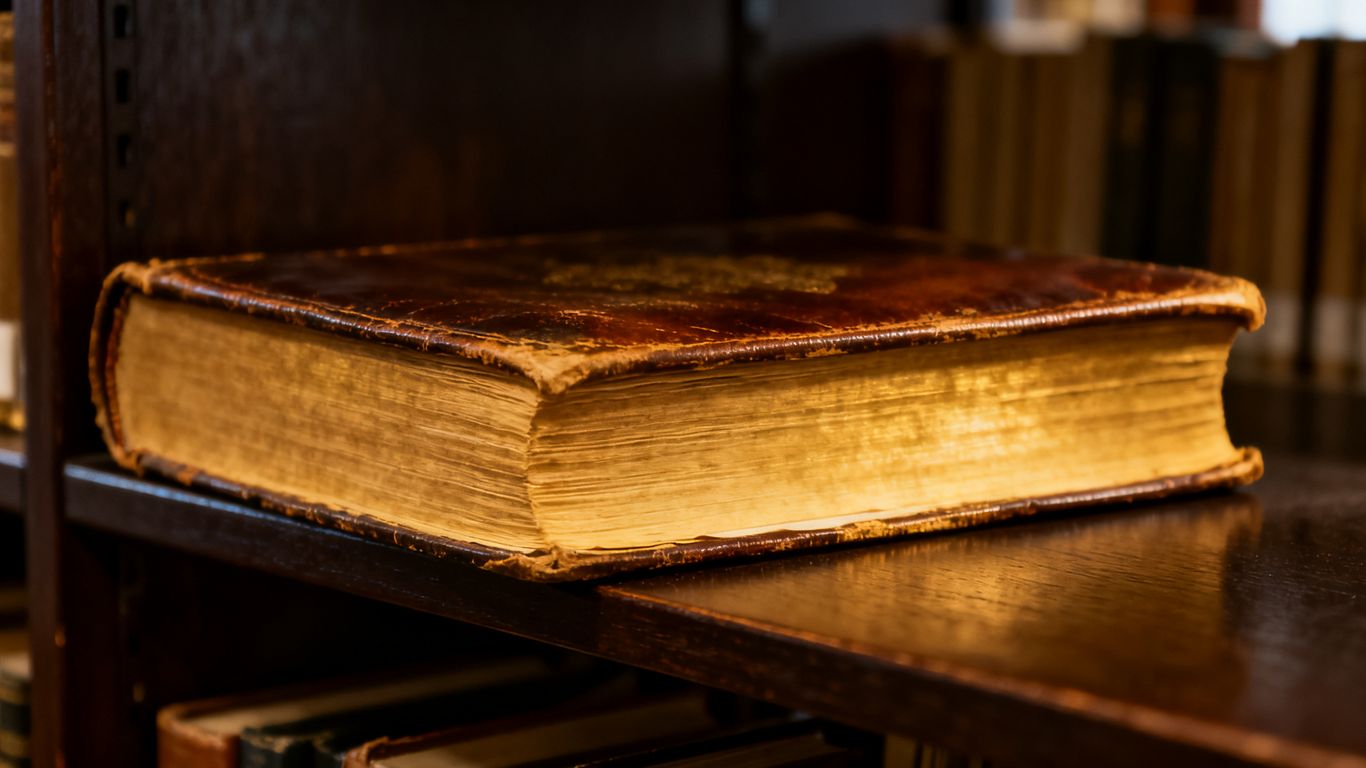
Paper fibers are naturally hygroscopic, meaning they expand as they absorb water and contract as they release it. Constant cycling between these two states causes the physical strands within the paper to weaken over time. When this happens, pages may eventually become brittle, leading to micro-tearing during typical opening and closing. For owners of sensitive collections, understanding the risks is a vital step in environmental stability.
The link between humidity, mold, and foxing
Mold spores are omnipresent in most home environments, but they require a steady supply of moisture to germinate and proliferate. Once humidity levels cross the 60% threshold, these spores feed on organic components like paper sizing and adhesive, producing unsightly dark clusters known as foxing. Below is a breakdown of how specific humidity ranges impact the structural integrity of your items:
| Humidity Level | Impact on Paper | Risk Assessment |
|---|---|---|
| 30% – 50% | Ideal for longevity | Minimal risk |
| 51% – 60% | Moderate swelling | Caution advised |
| Above 65% | Mold & Foxing | Severe damage |
Ideal humidity levels for paper-based collections
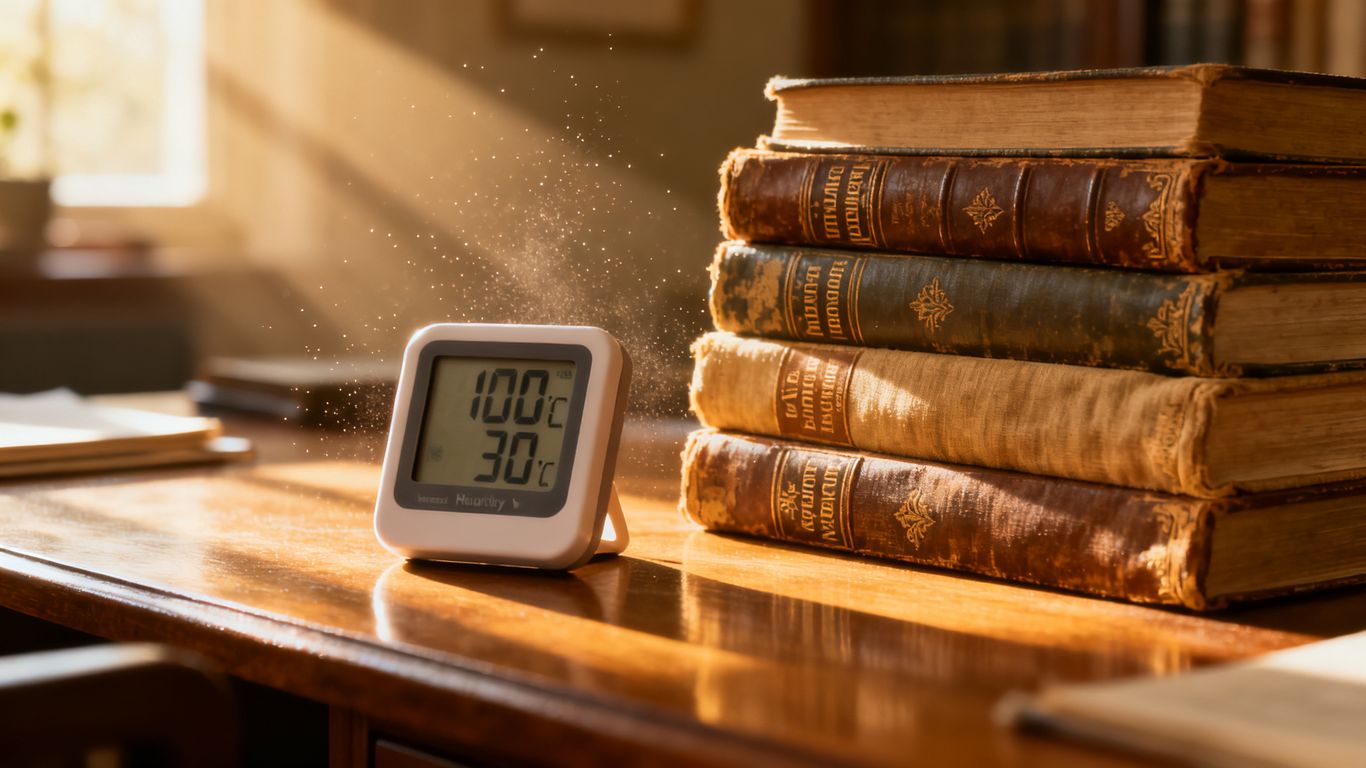
To ensure your library remains in pristine condition, aim to keep your storage area between 40% and 50% relative humidity. This range is balanced enough to prevent the growth of harmful fungi while stopping the paper from becoming overly brittle due to extreme dryness. It is important to monitor environmental conditions using a digital hygrometer to ensure your equipment is effectively maintaining this target.
Types of dehumidifiers suitable for small book spaces
Choosing the right appliance for your library requires matching the device’s technology to your specific ambient conditions. In tropical environments where temperatures remain high, you need technology that can handle the specific challenges of constant humidity without struggling. Effective moisture control is often the difference between a thriving library and a damaged one.
Refrigerant dehumidifiers vs. desiccant models
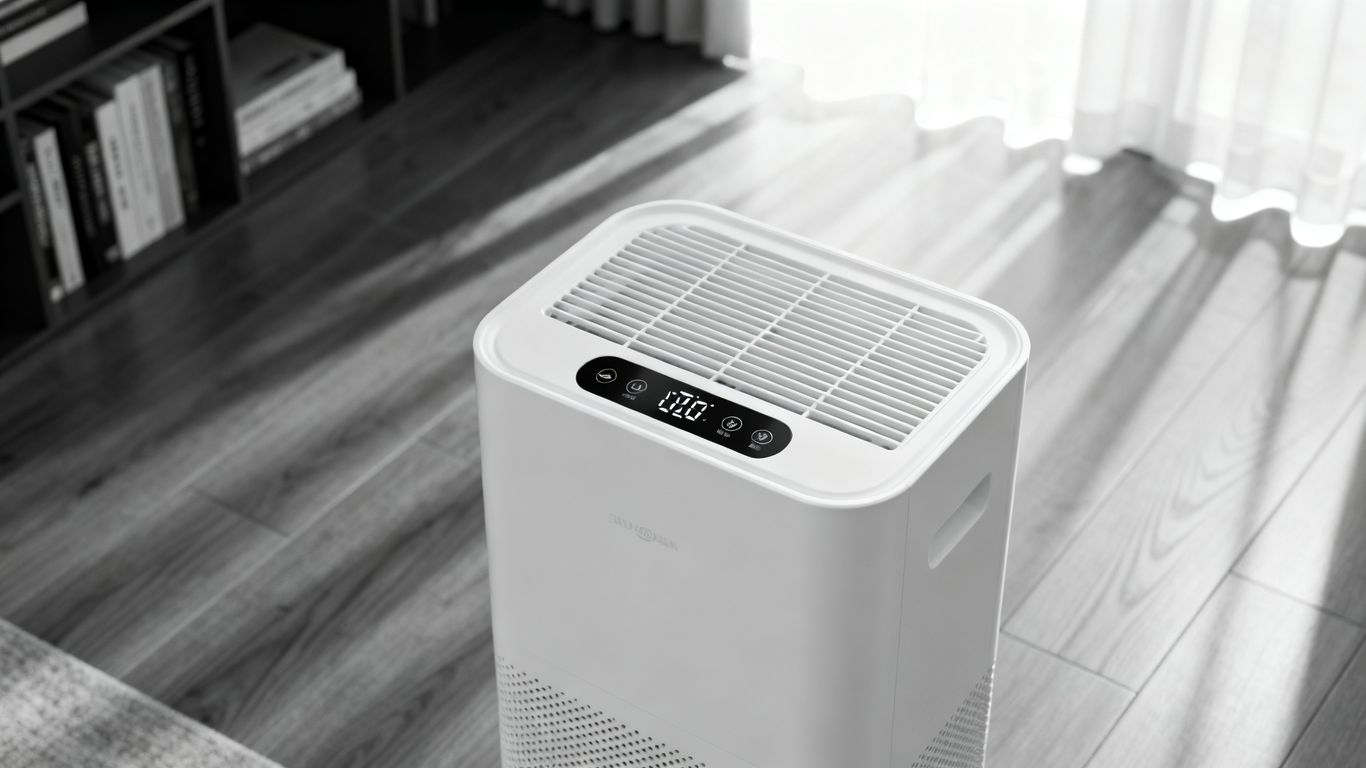
Refrigerant units use a cooling coil to condense water, making them highly efficient in warmer, humid climates. Conversely, desiccant models use chemical materials to draw moisture from the air, which makes them much quieter and more effective in cooler settings. For those living in Singapore, Aerofy has engineered the DualCore 20 to operate with high precision in tropical conditions, combining robust performance with thoughtful design.
Portable mini dehumidifiers for bookcases and shelves
For tight spaces like enclosed bookshelves, small peltier-based or passive devices are often the only physically possible choice. While these lack the rapid moisture extraction of larger units, they help create a stable micro-climate within the bookshelf itself. They are best applied as a secondary measure alongside a primary room-sized portable dehumidifier.
Using passive desiccant bags for enclosed cabinets
In scenarios where electricity cannot reach a cabinet, silica gel or calcium chloride desiccant bags provide a simple, portable option. These are excellent for short-term protection, but they must be monitored closely to ensure they haven’t reached their absorption capacity. Keeping an eye on these helps prevent moisture related damage without needing a power outlet in every closet.
Factors to consider when buying a dehumidifier for your library
Before making an investment, you must evaluate the actual workload your device will handle based on the volume of the space. A machine that is too small for the room will run constantly, driving up energy costs, while one that is too large may be excessively loud for a reading room environment. Carefully calculating technical needs ensures a quiet, unobtrusive experience.
Calculating the size of your storage space
Most manufacturers base the capacity of their machines on square footage, but volume and the number of books in the room also matter, as dense storage holds more moisture. If you are dealing with a basement space or a room with poor insulation, you might need extra capacity compared to a well-sealed bedroom. We recommend mapping out your storage environment parameters before finalizing a purchase to ensure the unit size matches your specific square footage.
Energy efficiency and continuous drainage options
Running a machine 24/7 adds up in electricity costs, so looking for a model with an efficient rotary compressor is a smart move. Look for units that offer a continuous drainage hose, which allows you to bypass the water tank entirely and vent directly into a floor drain if available. This feature is a game changer for long-term moisture management.
Noise level considerations for living areas
When your books are stored in a space where you spend significant time, such as a study or living room, decibel output becomes critical. You want a unit that operates at a low volume; modern home appliances with quiet modes are ideal for keeping your area peaceful. Here are the primary factors to check before buying:
- Extraction capacity rated for your room volume.
- Energy star ratings for lower operational costs.
- Customizable humidity settings for precise control.
- Availability of continuous drainage attachments.
Optimal placement strategies for maximum efficiency
Proper placement is often more important than the power of the machine itself, as it dictates how effectively moisture is pulled from the air. Placing a unit in an isolated corner can leave the rest of the room damp, while a central location usually ensures better distribution. Learning these airflow dynamics is vital for any collector.
Positioning devices inside custom bookcases
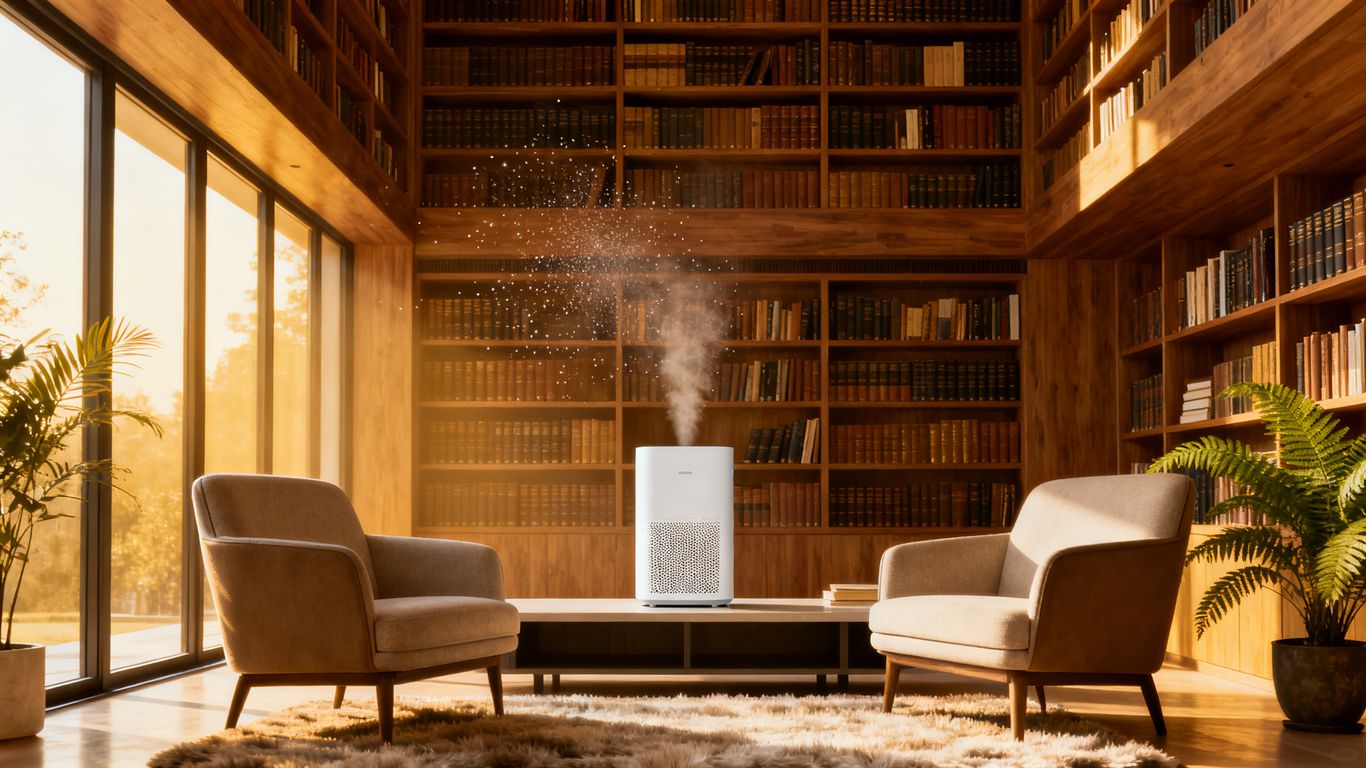
If you have wall-to-wall shelving, ensure there is at least six inches of clearance between the device and the shelving unit to prevent restricted airflow. When units are blocked by furniture, their sensors often provide inaccurate readings, causing the compressor to cycle prematurely. Proper placement avoids common humidity mistakes and ensures consistent performance.
Managing airflow in windowless rooms and basements
In rooms without natural ventilation, you must actively assist the air circulation. Using a small fan alongside your dehumidification unit can push moist air away from book-heavy corners and toward the unit’s intake. Scenario Time: Imagine you walk into a storage closet in a basement. You feel that ‘thick’ air and notice a musty scent near the baseboards. By adding a small oscillating fan near the floor, you help the dehumidifier circulate and capture that trapped moisture effectively.
Creating a sealed environment for rare books
For the most sensitive and rare volumes, a sealed cabinet or specialized storage container is superior to trying to manage the humidity of an entire room. By reducing the overall volume of the space that needs processing, you can maintain a much more consistent climate for your most valuable items through smaller, targeted control devices.
This approach of creating micro-climates offers the best possible safeguard for unique or non-replaceable antique books. It is the standard strategy for preserving items in humid locales like those recommended by the Aerofy team for tropical climates.
Maintenance and safety best practices
Routine care ensures that your device continues to function effectively without becoming a hazard itself. Dust and debris are the enemies of efficient operation, and neglecting your machine can lead to poor air quality and subpar performance. Following a regular maintenance schedule is key.
Cleaning filters to prevent dust buildup on book edges
Filters should be checked and cleaned every two to four weeks. If a filter becomes clogged, the unit must work twice as hard to pull air through, which wears out the motor. Furthermore, clean filters also trap dust that might otherwise settle on your book edges, saving you additional cleaning time.
Monitoring water tank levels vs. automatic shut-off
Most modern machines have an automatic shut-off feature, but relying on it too often can be inconvenient. Manually checking the tank during your weekly book inspection is a better approach. If you find yourself forgetting the tank, it is likely time to install a continuous drainage line.
Preventing fire hazards in confined storage corners
Storage areas are often tight, which can lead to overheating if there isn’t enough wall clearance for the machine’s exhaust. Never place a dehumidifier directly against furniture or curtains. Always ensure that the power cord is in good condition; a slab leak repair or other water-related plumbing emergency near your equipment should be addressed immediately if it threatens to expose electrical elements to moisture.
Conclusion
Protecting your books from moisture requires a reliable, consistent approach to humidity control, and finding the right unit is the first step toward long-term preservation of your collection.
Frequently Asked Questions
Why does my room smell musty despite running a dehumidifier?
If you notice a musty smell even with a running dehumidifier, the unit may be improperly sized for the volume of your room, or the air filter may be clogged. Check your filter and ensure there are no pockets of trapped, stagnant air behind large furniture pieces.
How often should I empty the water tank?
In a highly humid environment, you might need to empty the tank daily, while in more moderate climates, every few days is sufficient. If emptying the tank becomes a burden, look for models that support gravity-fed continuous drainage.
Can I use a dehumidifier in a basement with no windows?
Yes, a dehumidifier is actually essential in a windowless basement, as there is no natural way for moisture to escape. Ensure you have proper air circulation and consider using a unit with a built-in humidistat for automated control.
What is the ideal humidity for a home library?
Aim for a relative humidity level between 40% and 50%. This range is generally recognized as safe for paper, leather bindings, and adhesives typically found in book manufacturing.
Do dehumidifiers affect air quality?
Yes, by removing excess moisture, dehumidifiers prevent mold and mildew growth, which significantly improves indoor air quality. Some units also feature integrated air purification systems to provide an even cleaner environment.
Is it safe to leave a dehumidifier running 24/7?
It is generally safe to leave a modern, high-quality dehumidifier running continuously as long as it has an automatic shut-off feature or continuous drainage. Always ensure the device has proper clearance for airflow to prevent overheating.
How many square feet can a standard dehumidifier cover?
Coverage depends on the pint capacity of the unit. A 30-pint unit might be sufficient for a moderate bedroom, while larger basements or extensive libraries may require a system rated for 50 pints or more to maintain effective control.
Buy Your Dehumidifier Today
Ready to finally protect your precious library from the damaging effects of humidity? Buy Now and pick the perfect unit to keep your books safe for decades to come.