Key Takeaways
Controlling indoor humidity is a fundamental step in protecting your home from moisture-related damage and microbial spread. Managing the environment effectively requires an understanding of how these systems interact with your living space.
- Maintaining indoor humidity between 30% and 50% significantly inhibits mold reproduction.
- A dehumidifier acts as a preventative measure rather than an agent that removes existing growth.
- Physical cleaning remains necessary for active surface patches, even when using air quality equipment.
- Proper maintenance of your device ensures consistent moisture extraction performance over time.
- Combining moisture management with structural repairs creates a long-term strategy for a healthy home.
The difference between killing mold and preventing growth
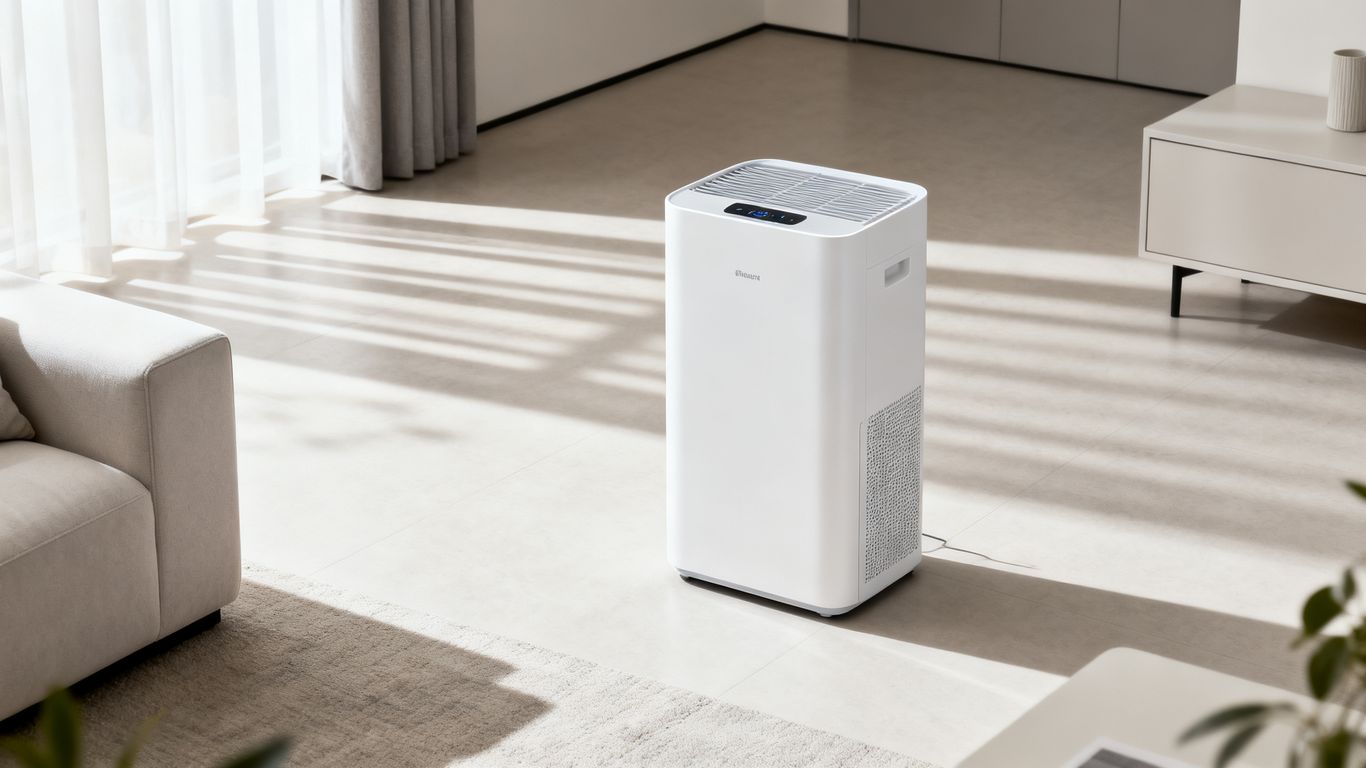
Many homeowners assume that running an appliance will instantly eliminate active contamination in their living areas. The reality of whether a will dehumidifier kill mold answer is straightforward: these machines create conditions that stop growth but do not kill existing colonies on walls or materials. Instead, they deny the environment the moisture required for mold to thrive, effectively pushing existing patches into a state of dormancy while preventing the colonization of new surfaces.
Understanding mold dormancy versus death
When a room becomes too dry to support mold, the colony enters a state of dormancy where it stops producing spores and extending its reach. It is not technically dead, as it will reactivate the moment moisture levels rise again, which is why consistent control is required. Devices like the Aerofy DualCore 20 are designed with a high-efficiency rotary compressor to reliably pull moisture from the air, maintaining conditions that keep these dormant patches from becoming active threats.
Why mechanical extraction cannot remove physical colonies
Once spores have settled and formed visible colonies, they become attached to the surface architecture of your home. Mechanical moisture extraction does not possess the capability to wash away or neutralize these established physical structures.
| Surface Type | Cleaning Requirement | Dampness Risk |
|---|---|---|
| Non-porous metal | Wipe with detergent | Very Low |
| Sealed wood | Professional treatment | Moderate |
| Drywall or gypsum | Full material replacement | High |
As the table above illustrates, the material involved dictates whether it can be cleaned or if it needs removal, regardless of how effectively you manage the humidity in the room.
The role of spore stabilization in dry environments
Low humidity creates an environment where spores remain temporarily stabilized rather than airborne and active. However, physical disturbance such as walking by or cleaning these areas without proper precautions will release them. Utilizing HEPA air purification in conjunction with humidity management ensures that any disturbed particulates are captured before they can re-settle.
How humidity levels influence mold reproduction
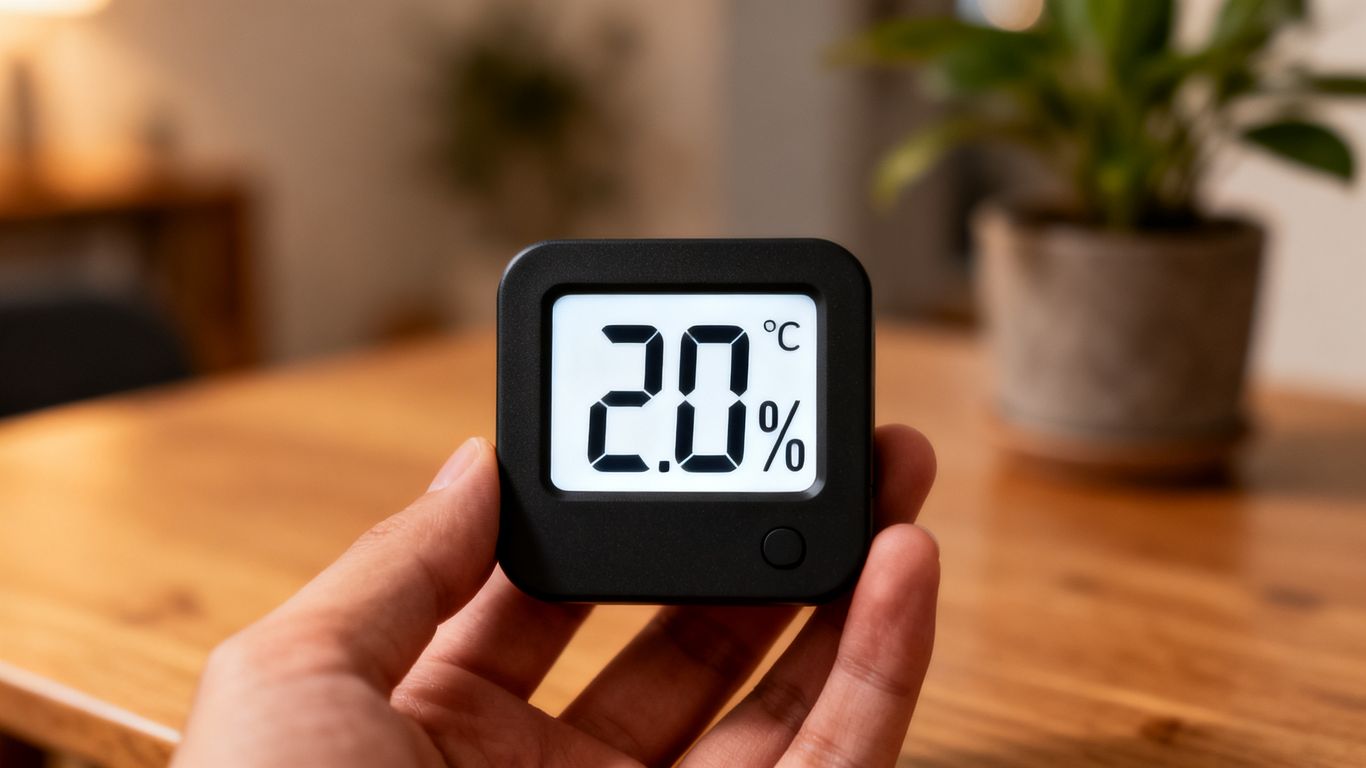
Environment dictates the rate of biological growth within any residential structure. When relative humidity consistently stays above the 60% mark, the baseline conditions shift to favor the rapid reproduction of unwanted organisms, even in corners where air circulation remains stagnant.
Ideal relative humidity ranges for residential areas
Stabilizing the environment between 30% and 50% relative humidity provides a buffer that discourages mold from gaining a foothold. This range is considered the sweet spot for comfort and structural longevity, ensuring that materials stay within a dry threshold that inhibits mold and mildew proliferation.
The science of moisture-driven mold activation
Moisture acts as the catalyst for mold metabolism, allowing it to penetrate materials and release digestive enzymes that break down organic surfaces. Once the threshold is crossed, activation happens quickly across carpets, curtains, and furniture pads.
Monitoring your home with hygrometers
You cannot effectively manage what you do not measure, which makes the use of a digital hygrometer essential for any homeowner. Tracking patterns allows you to spot spikes in humidity before they result in musty odors or damp spots.
- Check your hygrometer in corners where air is trapped.
- Observe trends during rainy seasons or evening humidity spikes.
- Adjust your dehumidifier settings based on the recorded data trends.
Following these steps provides a clear view of your indoor climate, ensuring your equipment operates exactly when needed to maintain proper conditions.
When a dehumidifier is the solution versus when to call pros
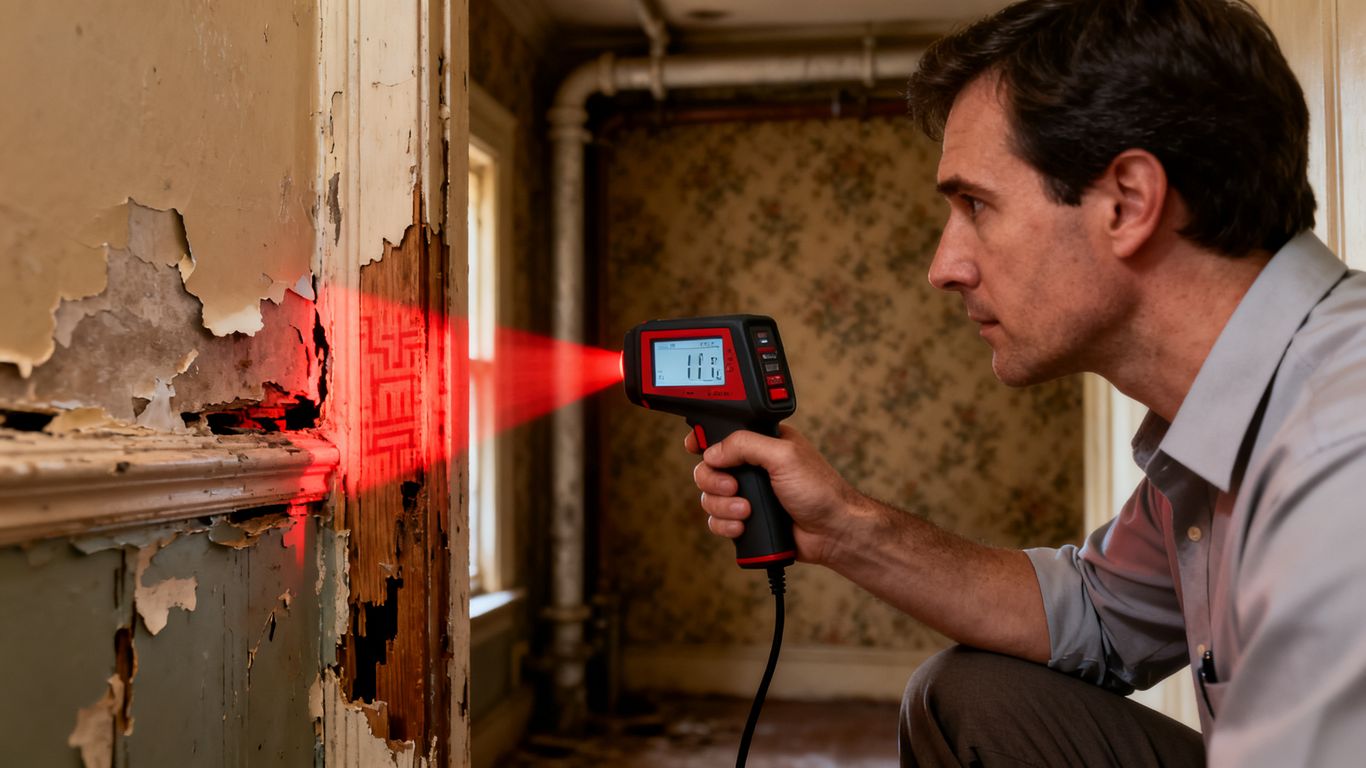
Determining the scale of your moisture problem is key to effective management. Sometimes surface maintenance is enough, but hidden sources of liquid water require a different approach to ensure long-term stability.
Identifying surface mold versus deep structural mold
Visible surface mold that is limited in scope often responds well to cleaning and subsequent humidity control. Deep structural mold, however, often implies slab leak repair needs or issues behind walls that will continue to feed moisture into the structure despite a machine running in the room.
Recognizing signs of mold contamination in HVAC systems
If you smell a musty odor that intensifies when the cooling system activates, you likely have contamination within your ductwork or air handler unit. This requires specialized cleaning services rather than localized drying.
Health considerations for sensitive or allergic individuals
For those sensitive to airborne particulates, aggressive moisture control is just the first step in creating a safe environment. Addressing the physical removal of allergic triggers often requires expert help to ensure the property is fully remediated.
Strategic dehumidifier placement and maintenance
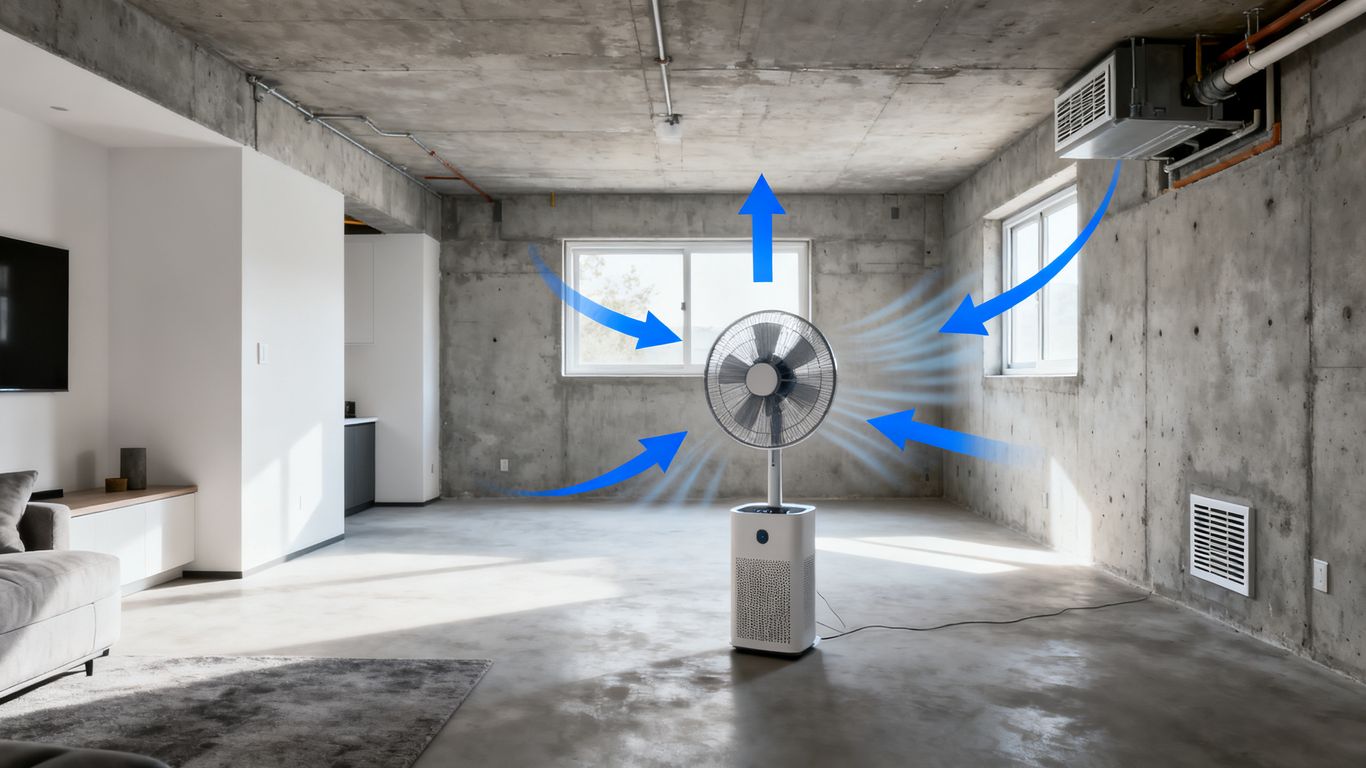
Placement significantly dictates the efficiency of your device. A unit placed against a wall or in a tight corner will struggle to cycle air effectively, leading to localized damp spots even while the machine indicates it is running.
Optimizing airflow in basements and crawl spaces
Centralizing the unit in an open space with at least several feet of clearance on all sides allows the system to pull in moist air from the entire lower level. Proper airflow prevents the formation of dead zones where moisture accumulates.
The importance of regular filter cleaning and drainage
A clean filter allows the cooling coils to interact with the maximum volume of air, maintaining the efficiency of the R290 refrigerant cycle necessary for condensation extraction.
This simple routine prevents the unit from over-taxing its energy consumption while keeping the indoor environment within safe thresholds.
Selecting the right capacity for your square footage
Choosing a machine based on your total square footage prevents the unit from cycling on and off too frequently. An undersized unit will never reach the target humidity, while an oversized unit consumes unnecessary power.
Holistic approaches to long-term mold control
Maintaining a healthy home requires evaluating the entire property as a system rather than relying on one appliance. Structural integrity often plays a larger role in moisture control than many residents realize.
Analyzing and fixing structural leaks and plumbing deficiencies
Persistent unexplained dampness frequently links back to hidden plumbing failures or foundation waterproofing issues. Fixing these root causes eliminates the source of the moisture that would otherwise continue to fuel the biological growth you are trying to suppress.
Improving indoor ventilation and air circulation
Natural ventilation serves as your first line of defense during dry weather, while mechanical systems assist when external conditions are too wet. Creating a cross-breeze or utilizing dedicated exhaust fans in kitchens and bathrooms prevents daily moisture from steam and cooking from settling into materials.
Selecting effective cleaning solutions for existing active growth
When you clean active patches, use appropriate surfactants that lift the spores from the surface before you apply the dehumidification strategy. This ensures that when the area dries out, you are not leaving behind remnants that continue to break down the surface material.
Conclusion
Effective mold management balances active moisture control with a commitment to maintaining your home’s structural integrity. By using a combination of proper ventilation, consistent humidity monitoring, and professional remediation when needed, you create an environment that resists growth and supports long-term comfort.
Frequently Asked Questions
Does high humidity always mean I have mold?
High humidity does not automatically signify a current disaster, but it serves as a strong indicator that conditions are favorable for growth over time.
Can I use a fan instead of a dehumidifier?
Fans only move air around the room and increase evaporation; they do not remove the actual moisture from the air, meaning your humidity levels remain unchanged.
Is it safe to run a dehumidifier 24/7?
Most modern units feature automatic humidistats and shut-off functions, making them designed for continuous, safe operation as long as the drainage path remains clear.
What do I do if my dehumidifier smells musty?
A musty smell from the machine itself usually points to a dirty filter or a full condensation tank that requires immediate cleaning to restore air quality.
Does a dehumidifier help with allergy symptoms?
By reducing the reproductive capacity of allergens like dust mites and mold, these machines help lower the overall burden of triggers in your indoor air.
How often should I check my humidity level?
During times of seasonal change or heavy rainfall, checking your digital hygrometer daily helps you understand when your unit needs to operate more frequently.
Will closing windows always prevent mold?
Closing windows keeps outside humidity out, but you must ensure you have internal ventilation strategies in place to manage the moisture generated by daily activities inside your home.
Expert Moisture Support
If you are ready to secure your living space from excess humidity, Buy Now to explore our advanced solutions. Our engineering team designs effective appliances specifically for high-moisture tropical environments, helping you maintain a balanced and healthy home year-round.