
Key Takeaways
- Bamboo charcoal acts as a natural porous filter that captures excess moisture and airborne pollutants effectively.
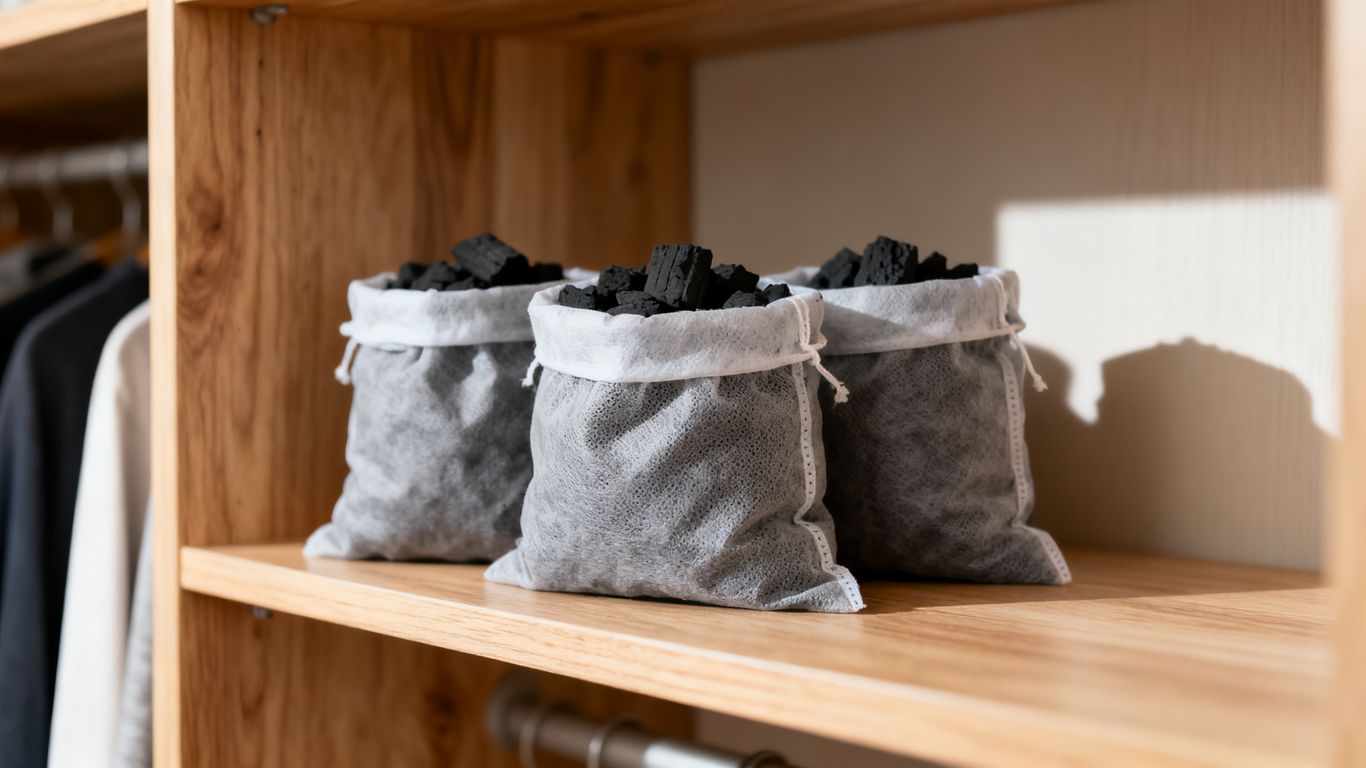
- These bags are perfect for enclosed areas such as closets, drawers, and gym bags where traditional machines might not fit.
- Regularly refreshing your charcoal bags in direct sunlight restores their adsorption capacity significantly.
- While ideal for moisture control, these bags serve as a supplementary solution alongside professional dehumidifiers for whole-home management.
- Choosing charcoal components provides an eco-friendly way to manage indoor humidity levels without consuming electricity.
The science behind charcoal dehumidifiers
Understanding the mechanics of moisture control requires looking beyond standard appliances toward natural materials. Bamboo charcoal works through a unique process of physical interaction with the air, rather than mechanical condensation. This process makes it an incredibly effective, low-maintenance companion for maintaining a stable environment in small, stagnant spaces.
How bamboo charcoal absorbs moisture
Bamboo charcoal is created by heating Moso bamboo to extreme temperatures in a low-oxygen environment. This process turns the raw wood into a complex, porous carbon material. When moisture-laden air flows through these porous structures, the water molecules are pulled out of the air and stored within the carbon matrix.
Adsorption vs. absorption explained
The fundamental mechanism at play here is technically adsorption. While absorption involves one substance being internalized by another, charcoal utilizes its vast internal structure to bind particles directly to its surface. This natural magnetic-like pull attracts water vapor and odors without using any chemical binding agents or artificial fragrances.
Pore structure and surface area impacts
The efficacy of bamboo charcoal depends entirely on its surface area. The high-temperature carbonization process creates millions of microscopic gaps, giving a single gram of charcoal a surface area equivalent to a football field. This massive footprint allows a small bag to process a surprising amount of ambient humidity over time.
Essential environmental health benefits
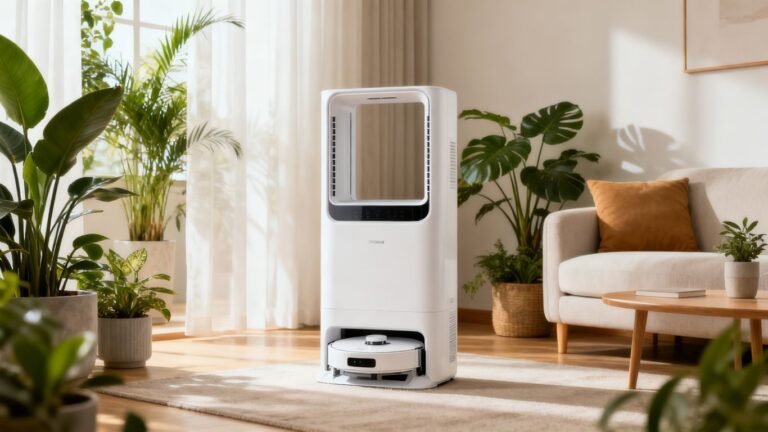
Maintaining a healthy indoor environment is vital, especially in tropical regions where high humidity is a constant challenge. Excess moisture acts as a catalyst for various household issues, from structural damage to health hazards. Beyond using the DualCore 20 for major rooms, supplementing smaller, out-of-the-way areas with charcoal is a practical strategy for every homeowner.
Reducing mold and mildew growth
High humidity levels provide the fuel that mold and mildew colonies need to thrive on walls and fabrics. By placing charcoal bags in stagnant corners, you can actively reduce the humidity levels that these fungi require to germinate, preventing costly remediation down the line.
Combating dampness in storage spaces
Storage spaces often suffer from poor air circulation, which can lead to trapped moisture and musty smells. Implementing charcoal bags in these areas helps clear the backlogged humidity efficiently, ensuring your belongings stay dry and protected.
Protecting electronics and delicate items
Electronics are notoriously sensitive to moisture-induced corrosion, which can lead to catastrophic internal hardware failure. The following table provides a quick reference for recommended charcoal placement based on item sensitivity:
| Item Category | Sensitivity Level | Recommended Bag Quantity |
|---|---|---|
| Camera Gear | High | 1 Small Bag |
| Winter Clothing | Medium | 2 Large Bags |
| Home Electronics | High | 1 Medium Bag |
| Antique Books | Medium | 1 Large Bag |
Using these simple additions helps maintain a dry buffer zone around sensitive equipment in humid climates.
Air quality and odor neutralizer functions
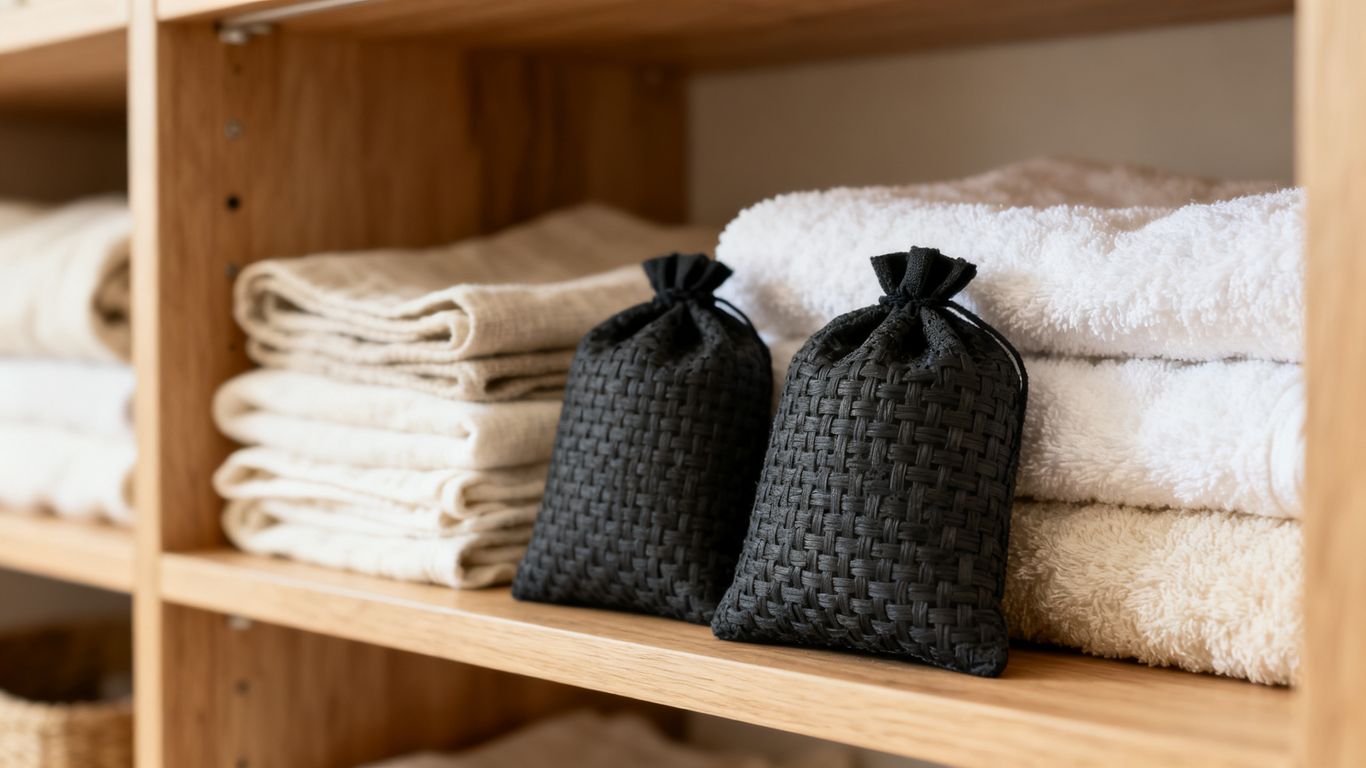
Charcoal serves as an elegant solution for indoor air hygiene, acting quietly while you go about your day. While an Aerofy unit is perfect for heavy-duty purification, the charcoal bags function as subtle, continuous air cleaners that target stubborn lingering smells and airborne particles.
Removing volatile organic compounds (VOCs)
VOCs are chemical compounds commonly found in household cleaners, paints, and furniture that off-gas over time. The porous nature of bamboo charcoal allows it to trap these VOC molecules, cleaning the air of irritants that could otherwise exacerbate respiratory issues in sensitive individuals.
Eliminating trapped odors from household fabrics
Fabrics like curtains and upholstery act as sponges for household odors like smoke or stale cooking smells. Stashing purified charcoal bags near these items allows the charcoal to draw in the odor molecules, neutralizing them before they can settle deeper into the fibers.
Creating a neutral indoor scent profile
You can easily achieve a clean environment by focusing on the following actions that help maintain air quality:
- Placing charcoal bags near high-traffic entryways to neutralize outdoor smells.
- Vacuuming soft furniture weekly to prevent dust-bound moisture traps.
- Using unscented charcoal products to ensure your home remains truly neutral.
- Refreshing bags monthly even if they still seem to be working.
This simple routine helps ensure your living space feels refreshed and inviting without relying on synthetic sprays or chemical air fresheners.
Sustainability and eco-friendly advantages
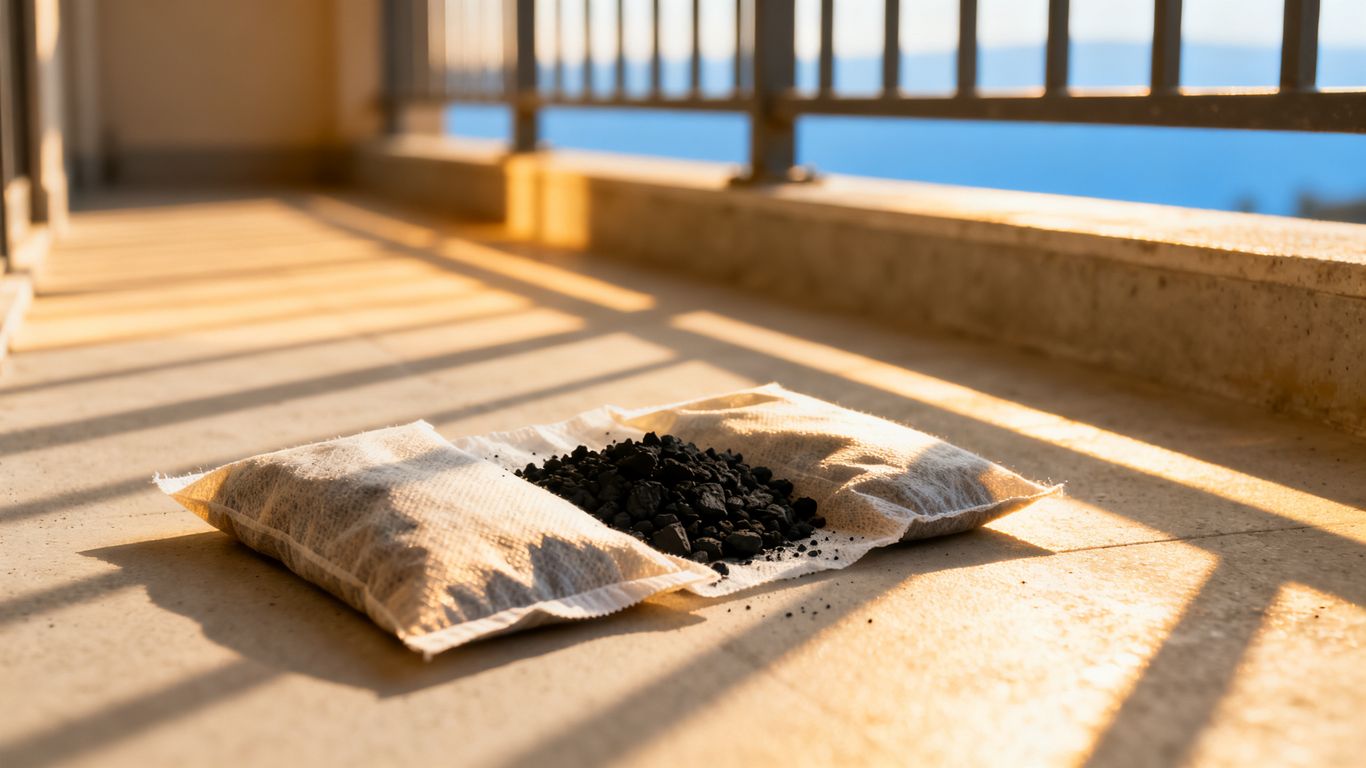
Choosing natural bamboo charcoal for your home aligns perfectly with a more sustainable lifestyle. Unlike mechanical dehumidifiers that rely on energy-intensive compressor cycles, charcoal is a passive solution that requires zero electricity to function, making it an excellent partner for eco-conscious households.
Comparing charcoal bags to electric dehumidifiers
Mechanical dehumidifiers are necessary for high-moisture situations like a slab leak repair scenario or basements with flooding risks, but they represent a high energy draw. Charcoal sits on the opposite end of the spectrum, providing a gentle, decentralized approach to moisture control that never hits your power bill.
Reusability and the lifecycle of charcoal bags
One of the most impressive benefits is that bamboo charcoal is fully renewable. By placing your bags in direct sunlight once a month for a few hours, the UV rays and heat release the trapped moisture, effectively clearing the carbon pores for another cycle of adsorption.
Biodegradability at the end of product life
After a year of service, the charcoal reaches its operational limits. At this point, the material is perfectly safe to be broken open and used as a soil amendment in your garden, providing beneficial aeration to your plants.
Best practices for implementing charcoal dehumidifiers
Effective implementation is the difference between a dry closet and a musty one. Positioning matters immensely because the charcoal can only process the air that directly passes through its pores.
Strategic placement for maximum efficiency
Place bags in areas with minimal airflow, such as the back of drawers or deep storage closets, where dampness is most likely to settle. It helps to ensure that the fabric of the bag is breathable so that air can circulate through it easily.
Managing the size of the bags for room volume
For a small storage bin, a single small sachet may suffice, but a walk-in wardrobe might require several large, breathable charcoal pouches to have any measurable impact. Always err on the side of using more bags rather than fewer, especially in humid regions.
Maintenance and solar-recharging routines
Treating the bags to a solar soak periodically is the most critical maintenance step you can take. Setting a recurring date, like the first Sunday of the month, ensures you never forget to clear the pores.
Scenario Time
Imagine you are dealing with persistent humidity in your home’s basement areas, potentially leading to signs like musty smells or visible cracks. While you might consider below-grade waterproofing for the structural aspects, you notice your stored seasonal clothing starts feeling damp and cold to the touch. You decide to supplement your heavier portable dehumidifier setup by placing three large charcoal bags among the clothes: one on the shelf, one on the floor, and one hanging on the rack. Within a week, the musty scent has faded significantly as the charcoal actively works to balance the moisture levels in the tight space.
Conclusion
Integrating charcoal-based moisture control into your daily life provides a sustainable, effective, and low-effort way to maintain fresher air and protect your household from dampness. By combining these natural air purifiers with advanced engineering, you create a comprehensive approach that ensures your living environment remains healthy, comfortable, and pleasant throughout the year.
Frequently Asked Questions
Can charcoal dehumidifiers replace electric ones?
Charcoal bags are meant to serve as a supplementary solution for small, stagnant spaces rather than a direct replacement for high-capacity electric units. They lack the extraction volume necessary for significant moisture issues like major spills or basement dampness, where a powered appliance is essential.
How often should I recharge the charcoal?
It is generally recommended to place your charcoal bags in direct sunlight once per month for at least two to three hours. This process gently heats the carbon, allowing the trapped water molecules to evaporate and restoring the pores’ ability to adsorb pollutants.
Does the charcoal add any scents to my home?
High-quality bamboo charcoal is entirely unscented and works by trapping odors rather than masking them. If you notice a scent from a bag, ensure it is truly charcoal-based and does not contain artificial fragrances intended to provide ‘clean’ smells.
How long until I see results?
In a closed environment like a shoe cabinet or closet, you will often notice a significant reduction in musty odors within 24 to 48 hours. Moisture control effects are slightly more gradual and may take several days to become fully apparent depending on the ambient humidity levels.
Can I use these bags in a bathroom?
They are highly effective in smaller bathrooms to help reduce localized humidity and prevent musty towels. However, they should not be positioned right next to the showerhead or in areas with consistent water splashing, as excess liquid saturation can damage the fabric casing.
What happens if the bag gets wet?
If the bag is directly exposed to spilled water or liquid contact, it will become saturated and ineffective. You should remove it, let it dry naturally in a well-ventilated area, and then perform a thorough solar refresh before placing it back into service.
Are these bags safe for pets?
Yes, bamboo charcoal is an entirely natural, chemical-free material. There are no toxic resins or artificial fragrances that could pose a risk if a pet happens to sniff or briefly carry a sachet, though we always recommend keeping them out of reach of curious animals.