Key Takeaways
Understanding how to manage moisture in your home is vital for maintaining air quality, especially in tropical regions where dampness is constant. Using the right tools ensures your living space remains comfortable and free of unwanted mold.
- Air conditioners provide incidental moisture removal during cooling cycles.
- Dedicated dehumidifiers use advanced filtration for superior humidity management.
- Recognizing condensation on walls acts as a primary indicator for extra drying.
- Proper airflow is critical for device efficiency and home coverage.
- Specialized appliances built for the tropics offer better climate control.
The mechanics of air conditioning and dehumidification
Many homeowners struggle with heavy, muggy air and often ask if an air conditioner alone is enough to handle these conditions. While an AC unit affects the overall environment by chilling the air, it works differently than a device designed specifically for humidity control. Understanding these technical nuances helps you decide if you rely solely on cooling or if you need an additional, purpose-built air dehumidifier for your living space.
How an air conditioner removes moisture from the air
Air conditioners function by passing indoor air over cold refrigerant lines, which naturally cools the gas, causing water vapor to transition into a liquid state. This process is essentially a byproduct of the primary goal—lowering the temperature of a room until it reaches a comfortable thermostat setting. Because this moisture extraction is incidental, it ceases as soon as the unit hits your desired temperature and the compressor cycles off.
The role of the evaporator coil in capturing condensation
Inside your cooling system, the evaporator coil serves as the cold surface where airborne humidity is captured. When damp, humid air meets these freezing coils, droplets form and trickle into a collection pan, which then drains outside the building. Effective moisture removal relies entirely on the continuous operation of this cooling cycle, meaning the removal of humidity is strictly tied to the temperature cooling function.
Distinguishing between temperature control and moisture removal
While cooling lowers the "feel" of the heat, moisture removal changes the chemical composition of the air by reducing the actual water volume suspended in the room. A dedicated system, like an Aerofy appliance, is engineered to prioritize this moisture reduction through a humidistat, while an AC prioritizes reaching a specific temperature. When the room reaches the set goal, an AC unit stops working, even if the humidity level remains dangerously high.
How the dry mode on your air conditioner works
Most modern cooling units feature a ‘Dry Mode’ explicitly designed to help in moderately damp environments. You might wonder, "is aircon a dehumidifier when in this setting?" The short answer is that it operates like a low-intensity cooling cycle that focuses more on moving air slowly across the cold coils to trap liquid while minimizing how much it drops the temperature. It is a useful temporary fix for sticky, stagnant days.
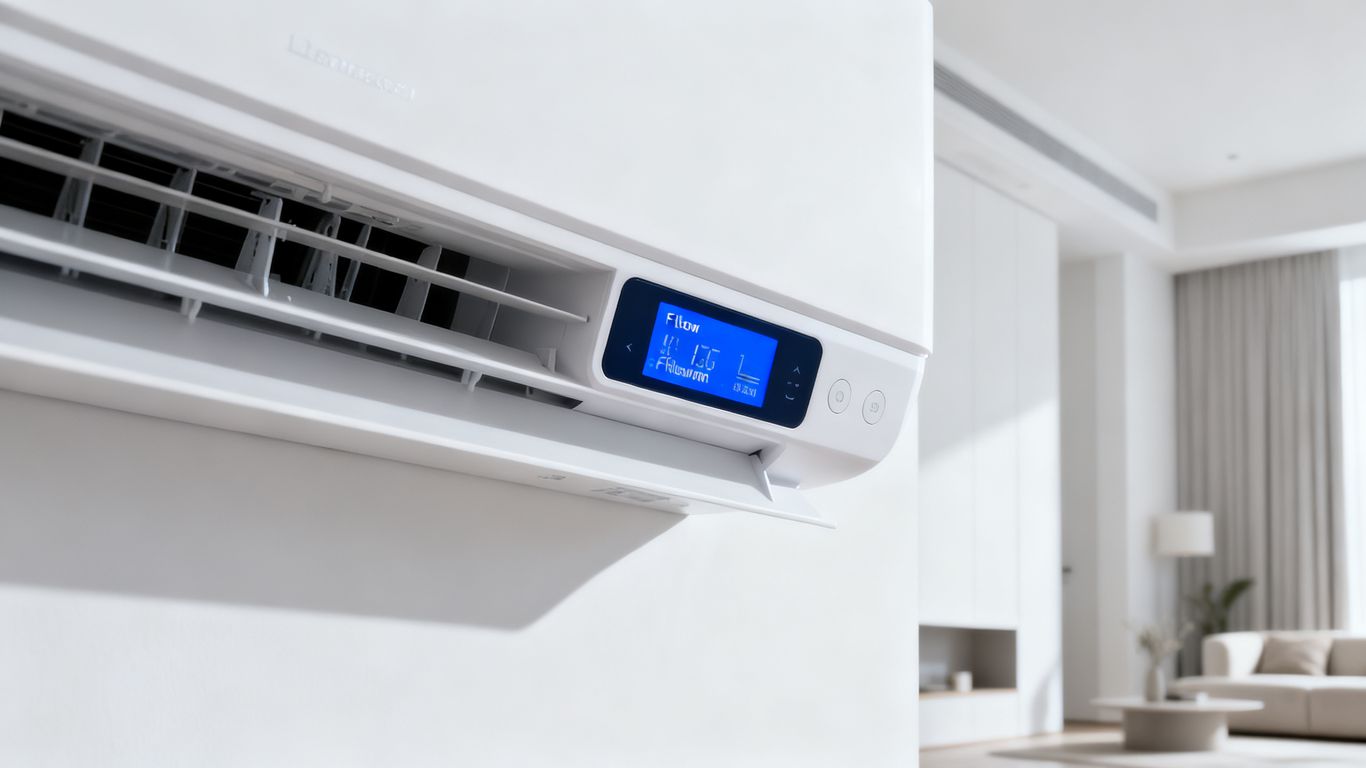
When to activate dry mode for optimal humidity control
When the outdoor temperature is comfortable but the air feels heavy, activating this mode provides modest relief. It is best used during transitional weather where the air feels heavy but you do not want the room to become too cold for relaxing or sleeping. By running the fan at lower speeds, the unit forces air to interact with the cold surfaces longer, resulting in better moisture capture per minute.
How dry mode impacts room temperature during operation
Operating in this mode usually results in slight cooling because the refrigeration cycle must still run to condense the moisture. If your home has high humidity, the machine will work longer than standard cooling to hit a target. Because the fan moves slowly, the air coming out is cooler but the volume is lower, leaving the room temperature relatively stable while the air conditioner handles internal dampness.
Limitations of air conditioner dry mode compared to dedicated dehumidifiers
Dry mode lacks the intelligent sensing and rapid extraction capabilities of a dedicated machine. Here is how they generally compare in performance during typical humid weather:
| Feature | AC Dry Mode | Dedicated Dehumidifier |
|---|---|---|
| Primary Goal | Temperature regulation | Precise humidity levels |
| Energy usage | High consumption | Optimized efficiency |
| Capacity | Limited moisture capture | High extraction volume |
Using specialized equipment like the Aerofy series allows you to maintain a set percentage of humidity, which prevents the excess drying or under-performing that often occurs with standard AC settings.
Comparing air conditioners and standalone dehumidifiers
Deciding between two major appliances can be daunting, but the primary factor is the climate where you live. In places like Singapore or the tropics, managing humidity 24/7 is not something an AC can do efficiently, as it would cause your electricity bills to skyrocket while failing to maintain a precise healthy range.
Energy efficiency in humid climates
Standalone units are built to run constantly at a low power draw, whereas an air conditioner is designed for rapid cooling using heavy compressors. Over time, running an AC just to dry the air is far more expensive than using a dehumidifier designed for long-term usage. Modern units now feature efficient compressors that consume significantly less electricity than a home cooling system.
Capacity and moisture removal rates per hour
When choosing your solution, think about the total volume of moisture removal you need daily. Dedicated systems offer several distinct advantages over standard climate control options:
- They provide measurable and consistent humidity reduction.
- They operate independently of the room temperature.
- They often include dual-functionality like air purification.
- They feature large reservoirs or continuous drainage options.
By ensuring you have enough capacity for the room size, you avoid the common trap of using an undersized unit for a high-traffic basement area.
Noise levels and maintenance requirements
Noise is a factor when placing a machine in a bedroom or office. An AC system produces significant sound because it involves a fan and compressor, frequently located outdoors. In contrast, a standalone dehumidifier is designed for interior placement and whisper-quiet operation, though they require routine tank emptying or professional maintenance to ensure the filters remain effective.
Signs your home needs a dehumidifier instead of an air conditioner
If you find that your air conditioner is running constantly but your rooms still feel damp, it is time for a change. High indoor humidity is not just uncomfortable; it is a catalyst for biological issues that can affect your air quality. Addressing these signs early prevents damage to furniture, walls, and potentially your respiratory health.
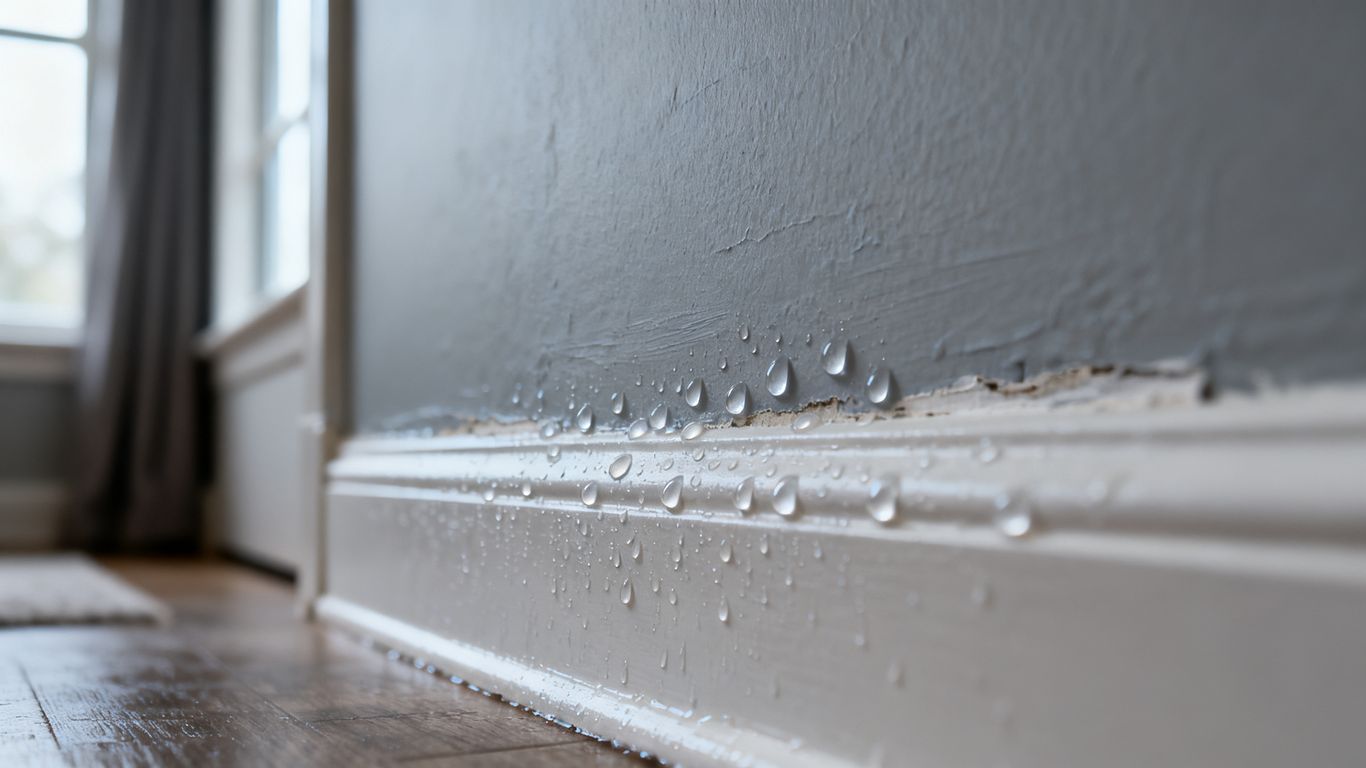
Addressing recurring mold and mildew growth in specific rooms
Mold thrives in rooms with poor air circulation and high moisture levels, such as bathrooms, laundry rooms, or closets. Even if the rest of your house is kept cool by an AC, these specific zones often remain damp. A dehumidifier works locally to drop the relative humidity, making it impossible for mold spores to take root or spread across your surfaces.
Managing high humidity levels during cooler or transitional weather
When it is raining outside and the air is naturally heavy, you do not want to freeze the house by turning on the AC just to extract moisture. A dedicated system allows you to keep your comfort intact while targeting only the water vapor. This is the perfect time to find your solution for maintaining a balance between temperature and moisture effectively.
Dealing with persistent dampness in basement or crawl space areas
Basements are notorious for their lack of natural airflow and frequent moisture ingress from the ground. Since an AC usually does not vent air into these secluded areas, your home is left vulnerable to structural rot. Moving a portable, high-efficiency dehumidifier to these spaces keeps the humidity below the 50% threshold, which is essential for protecting the integrity of your home.
Cost-benefit analysis of climate control solutions
Understanding the financial impact involves looking at both the upfront purchase price and the cumulative monthly impact on your utility bills. Many residents underestimate the power consumption of a standard AC unit compared to a localized humidity control solution which is optimized for duty cycles.
Calculating power consumption for air conditioners vs dehumidifiers
Air conditioners cycle on and off based on high-load cooling, which leads to significant power consumption spikes. A dedicated system like the Aerofy unit operates on low-vibration, energy-efficient rotary compressors that maintain a constant, low-draw performance. This results in much lower monthly costs for households trying to maintain a steady, healthy environment all year round.
Comparing upfront investment and total cost of ownership
Investing in a quality system pays for itself by preventing the damage caused by mold or musty humidity. While a standard AC is a higher initial investment, adding a secondary dedicated machine provides better long-term value. You avoid the costs of mold remediation, repairs to structural dampness, and the inefficiency of over-cooling your house just to feel dry.
Evaluating the lifespan and durability of both appliance types
Climate control appliances in tropical regions are subject to extreme humidity which can corrode internal components. High-quality appliances engineered for the tropics use better materials and specific protection on coils to handle environmental stress. Selecting a specialized unit provides a longer, more reliable service life compared to a basic household unit that may fail when exposed to ongoing high humidity.
Troubleshooting indoor humidity problems
Scenario Time: Imagine you walk into your living room after a long work day. You notice the air feels heavy, and there is a faint musty scent lingering near the bookshelf near the wall. You wonder if your AC is enough, so you decide to check the environment for yourself.
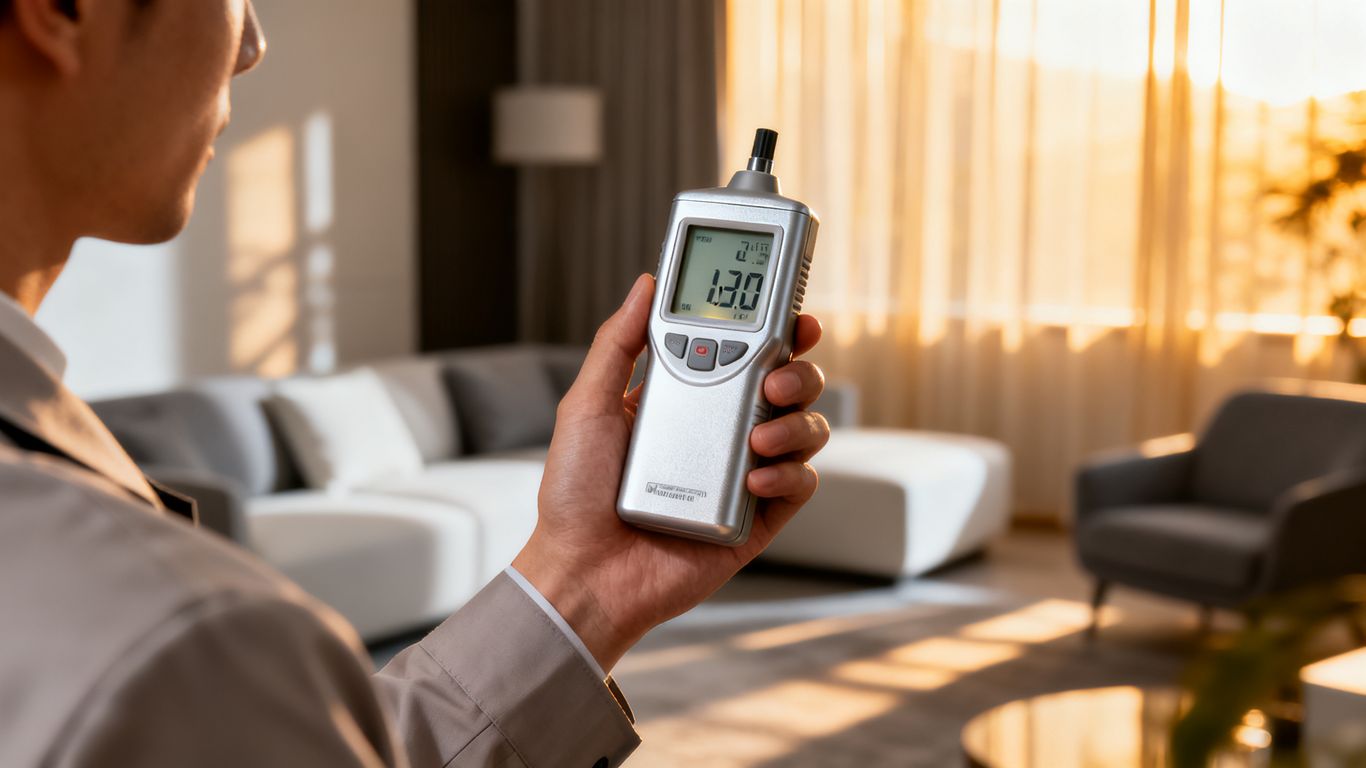
Testing accurate humidity levels with a hygrometer
The most important step in troubleshooting is actually observing the numbers. A simple digital hygrometer gives you a real-time reading of your room’s environment. If your baseline is consistently above 60%, you are standing in an environment primed for mold. Knowing this specific reading allows you to justify adding a dedicated dampness-control machine.
Impact of proper ventilation and air circulation on moisture levels
Moisture often settles into pockets where air is stagnant. By simply using ceiling fans or ensuring windows are closed during peak humidity, you can control the intake. If this doesn’t help, placing your climate control appliance in a central location allows for the maximum possible air exchange throughout the square footage of the room.
Balancing indoor heat and humidity for maximum comfort
Comfort is a relationship between temperature and humidity. Often, lowering the humidity by 10% makes the room feel drastically cooler, allowing you to raise your AC temperature by several degrees to save on energy costs. By using your dehumidifier to manage the dampness specifically, you achieve a more precise and comfortable sense of well-being.
Conclusion
While air conditioning provides some relief, it is only a partial answer regarding moisture control; a dedicated unit is the definitive, smart way to manage your home’s air quality effectively and maintain a balanced, comfortable environment throughout the year.
Frequently Asked Questions
Does running a dehumidifier help with allergies?
Yes, reducing excessive moisture to levels between 40% and 50% effectively prevents dust mites and mold spore growth, which are two of the biggest triggers for indoor allergy sufferers.
How often should I drain the water reservoir?
In highly humid environments, you may need to empty the tank daily, although many modern models offer continuous drainage hoses that allow you to bypass manual emptying entirely.
Can I use my device in the bathroom?
Yes, it is excellent for removing steam after showers, but ensure the unit is kept away from direct water contact and is properly positioned for safety in any room with high plumbing activity.
Is it safe to leave my appliance on while at work?
Most current systems are designed for continuous operation and feature automatic shut-off sensors that activate when the reservoir is full, making them safe for unattended use.
Does a dry room feel warmer?
When you remove moisture, the air feels more balanced, but it does not make the room warmer. In fact, removing humidity is the most effective way to help your body naturally cool itself through perspiration without feeling sticky or uncomfortable.
What happens if the air becomes too dry?
If the humidity drops below 30%, you may experience dry skin or throat irritation. High-quality appliances include sensors to prevent this, ensuring the humidity stays in that perfect "Goldilocks" zone.
Can I move it between rooms?
Portable units with castors are designed to be moved between living areas, basements, and bedrooms, allowing you to treat specific spots where you notice signs of dampness like musty smells or condensation.