Key Takeaways
A dehumidifier acts as a climate-control device, extracting excess moisture from indoor environments to create comfortable and healthy conditions. These units are essential for managing humidity levels in tropical climates, especially within residential spaces.
- Dehumidifiers help keep relative humidity strictly between 30% and 50%.
- Excess moisture control is critical for preventing mold, mildew, and health-related respiratory issues.
- Portable units allow for targeted moisture removal in specific rooms or localized problem areas.
- Regular maintenance of filters and water tanks is necessary to ensure long-term device efficiency.
- Proper airflow is the foundation for effective residential humidity management.
What is a dehumidifier’s core function
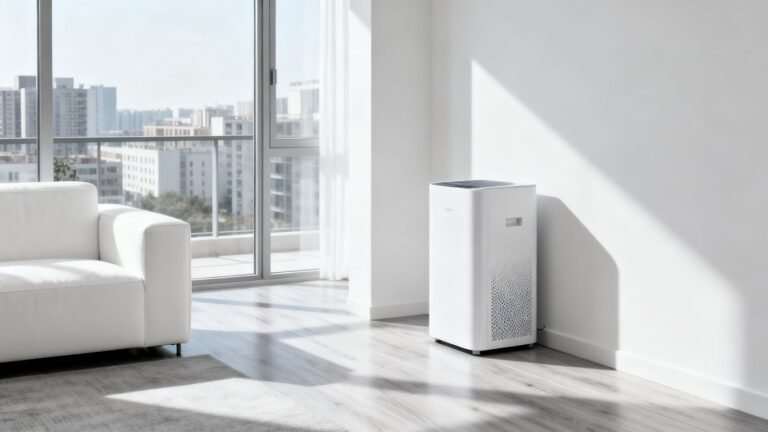
At its simplest, a dehumidifier is an appliance tasked with pulling moisture out of the air. By drawing ambient air into the unit, it forces moisture to condense before returning dry and climate-stable air back into your living space. People often ask what is a dehumidifier used for, especially in humid regions, and the answer lies in its ability to force unwanted water vapor out of your home environment.
How moisture is removed from the air
When moist air enters the machine, it is pulled over cold cooling coils, causing the water vapor to turn into liquid droplets. This condensation process ensures that the air being released back into your room is significantly drier than the air that entered. This mechanism effectively stabilizes your indoor climate.
Refrigerant versus desiccant technology
Most modern units leverage either refrigerant or desiccant cycles to draw out water. You will find that an Aerofy DualCore 20 uses advanced systems like a high-efficiency rotary compressor to manage moisture levels effectively in tropical settings. Refrigerant models act like small refrigerators to condense water, whereas desiccant models pull moisture through a chemical adsorbent wheel.
Understanding relative humidity levels
Relative humidity indicates how much water vapor the air currently holds compared to what it could hold at a specific temperature. Aiming for a target range of 30% to 50% is generally ideal for homeowners. Keeping sensors accurate is vital for maintaining this balance without causing the air to feel uncomfortably parched.
Key components of the dehumidification process
Key parts include the intake fan, heat exchanger coils, compressor, and a collection reservoir. These work in unison to pull air through the system, cycle it over cold surfaces, and deposit the captured water. Maintaining these components ensures reliable performance throughout the seasons.
Common signs that your home needs a dehumidifier

Homeowners often overlook the subtle cues that their indoor air has become oversaturated. High humidity levels usually manifest through atmospheric changes or visible degradation of home surfaces. When you notice these persistent issues, deploying a specialized unit becomes a practical necessity for property health.
Identifying persistent musty odors
A lingering damp smell is a classic indicator that humidity is trapped in fabrics, walls, or carpets. These odors often stem from stagnant water vapor that provides a breeding ground for microorganisms. Before you buy from us, observe if the scent originates from specific stagnant corners or closets.
Detecting condensation on windows and walls
Water droplets appearing on window glass or corners of walls signal that the dew point has been reached indoors. This physical evidence suggests that the air is holding too much moisture to remain comfortable. Ignoring these damp surface manifestations can lead to long-term structural harm.
Recognizing mold or mildew growth in damp areas
Visible dark spots or fuzzy textures on surfaces need immediate attention. High humidity facilitates the rapid spread of fungi, which can degrade building materials over time. Below is a breakdown of common signs and their typical implications for your home layout.
| Surface Type | Observation | Action Suggested |
|---|---|---|
| Drywall | Dark staining | Check humidity levels |
| Furniture | Microscopic mold | Use air dehumidifier |
| Carpet | Damp underfoot | Increase air circulation |
By staying proactive with these signs, you can prevent underlying damage before it becomes more expensive to repair.
Monitoring indoor humidity with a hygrometer
A digital hygrometer provides an objective reading rather than relying on guesswork. When displays consistently show humidity above 60%, it is time to intervene. Objective measurement takes the uncertainty out of your maintenance schedule.
Health benefits associated with dehumidifier use
Controlled humidity is a primary factor in creating a healthier residence. By removing excess water from the air, you create a less hospitable environment for common indoor irritants that thrive in dampness. Investing in quality climate control directly contributes to your family’s respiratory comfort.
Reducing dust mites in your living space
Dust mites require high humidity to survive and reproduce effectively. By lowering your indoor readings, you naturally inhibit their population growth. This simple environmental change is highly effective for sensitive households.
Alleviating allergy and asthma triggers
Excessive air moisture effectively suspends various allergens, making them harder to manage. Controlling the climate helps your Aerofy system manage particulate matter better, reducing sneezing or wheezing. A consistent environment is a core step in mitigating these common household triggers.
Preventing respiratory issues related to mold
Mold spores are a known health risk when inhaled in high concentrations. By keeping surfaces dry, you inhibit the colonization of these biological threats. Consistent use of air treatment appliances helps ensure your home avoids the presence of airborne toxins.
Improving overall indoor air quality
- Improved air comfort leads to deeper breathing.
- Balanced conditions reduce fatigue associated with heavy air.
- Lower humidity supports better sleep quality in tropical climates.
- Optimized air environments help minimize skin irritation.
These collective benefits transform how you experience your own home daily.
Protecting your home structure and valuable belongings
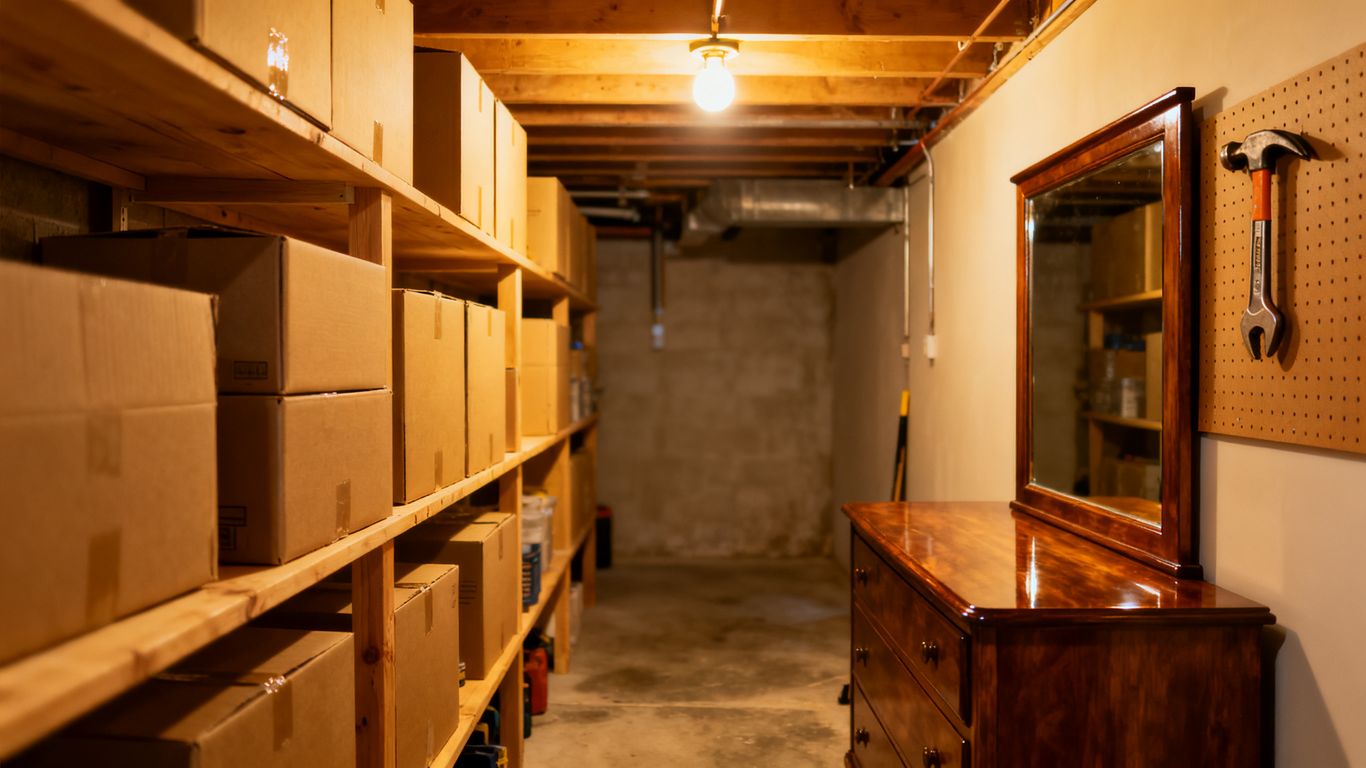
Moisture is a silent factor in the gradual decay of household assets. Wood, fabrics, and electronics are particularly vulnerable when stored in high-humidity conditions for prolonged periods. Installing a professional dehumidifier protects your investment in quality furniture and electronics.
Preventing wood rot and warping of furniture
High moisture content causes wood cells to swell and eventually rot. Using a machine keeps these materials stable and preserves the integrity of your cabinetry and tables. Environmental stability prevents the structural deformation of natural wood pieces.
Protecting electronics from moisture damage
Sensitive internal circuitry in modern devices remains at risk from corroding humidity. Consistent operation of an air treatment device ensures your technology stays dry and functional. This added layer of protection extends the lifespan of expensive computers and media equipment.
Keeping basement storage free from dampness
Basements are naturally predisposed to seepage and dampness. By creating a dry zone, you turn this lower level into a useful storage space rather than a waste ground for ruined belongings. Regular air cycling prevents the musty environments typical of subterranean spaces.
Maintaining the integrity of carpets and drywall
Dry conditions are key to keeping your home finishings looking brand new for years. When you control moisture, drywall stays crisp and carpets remain free of lingering damp rot. Investing in commercial photography showcases how a home remains pristine when treated with the right environmental controls.
Best practices for getting the most out of your dehumidifier
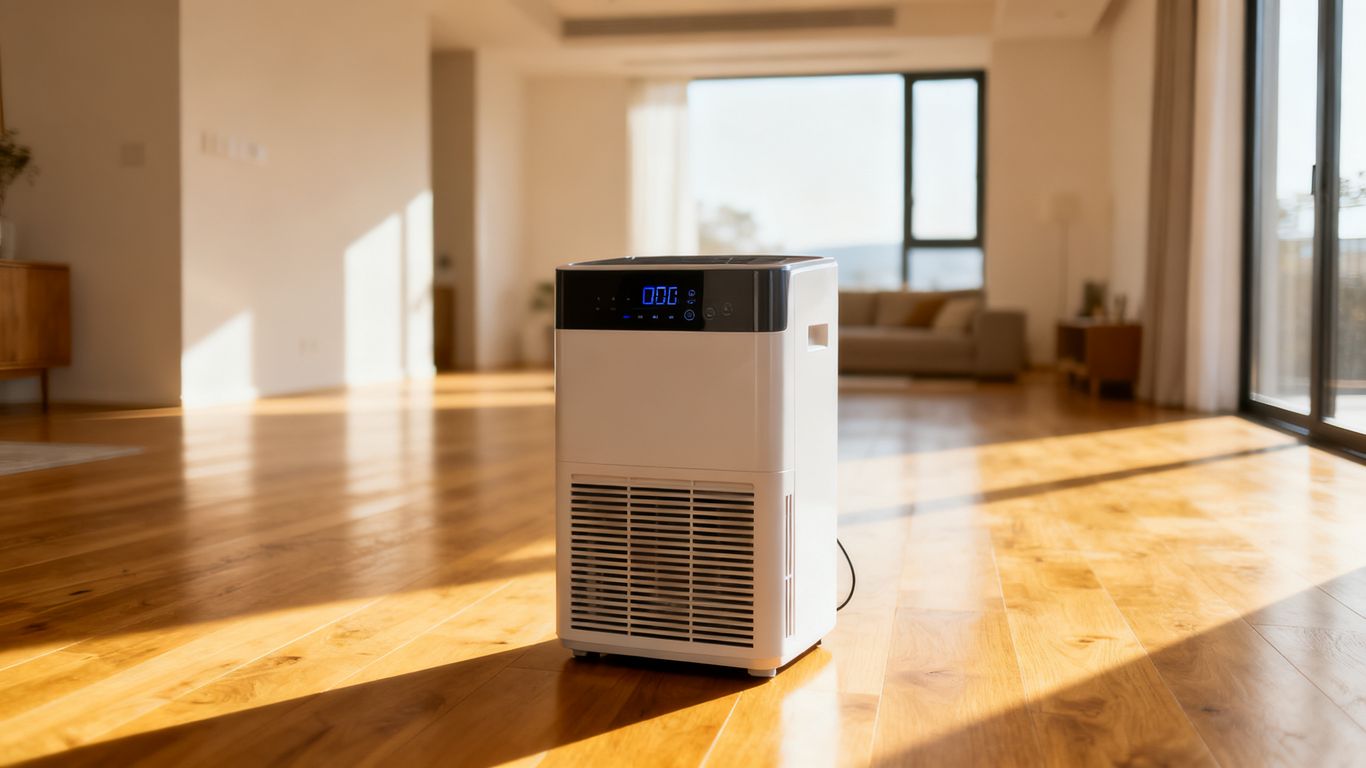
Maximizing your appliance involves more than just plugging it in. Positioning and maintenance are key to achieving the desired environmental results for your specific lifestyle and home layout. An Aerofy unit works best when you align the operation with your specific seasonal needs.
Selecting the right capacity for your square footage
A system rated for too small a room will run constantly without success. For larger spaces, seek out high-capacity models that move sufficient air volumes throughout the entire floor plan. Accurate square footage measurement is the essential step for successful dehumidification across your property.
Optimal placement for efficient air circulation
Placing your unit near the source of moisture prevents humidity from migrating through the house. Ensure the intake is not blocked by furniture or curtains so the machine can pull air freely. The middle of an open space usually provides the highest level of performance efficiency.
Managing water drainage and tank maintenance
Emptying the collection bucket regularly prevents biological growth within the unit. If your model supports continuous drainage, linking it to a floor drain saves time and effort during peak season usage. Consistent care keeps the machine running at peak output.
Programming humidity target settings for different seasons
Adjust your target levels throughout the year to account for changing weather patterns. Tropical rainy seasons require different settings than drier periods. Flexible programming allows your appliance to adapt to external conditions while maintaining a stable indoor environment.
Conclusion
Choosing to manage indoor moisture is a foundational step in maintaining property value and improving personal respiratory health. By incorporating proper air treatment, you secure your home against unseen damage while creating a noticeably more comfortable living atmosphere, especially in challenging, humid climates.
Frequently Asked Questions
Can a dehumidifier replace an air conditioner?
No, they serve separate functions. While an air conditioner cools the air and extracts some moisture as a byproduct, a dehumidifier is specialized for moisture control alone. You should use them as complementary systems rather than direct substitutes.
What is the ideal humidity level for a home?
Experts generally recommend maintaining a range between 30% and 50% relative humidity. Staying within this window balances comfort while preventing microbial growth.
Does running a dehumidifier cost a lot of electricity?
Most modern units are designed for energy efficiency, though costs vary based on usage and capacity. Running them only when necessary, rather than 24/7, helps manage your monthly power consumption.
Where should I place the device in my house?
Place it in areas that are frequently damp, such as basements, laundry rooms, or bathrooms. Ensure it is away from walls or obstructions to allow the air intake to function correctly.
How often should the filter be cleaned?
It is best to check and perform light cleaning every two weeks depending on your home’s air quality. Dust buildup can impede airflow and reduce the system’s effectiveness over time.
Is it normal for the machine to blow warm air?
Yes, this is part of the standard operating process. As the unit releases dry air back into the room, it passes through an internal heating component that warms it slightly, which is completely expected behavior.
Can these units prevent mold on walls?
They are highly effective at slowing or stopping mold spread by removing the moisture required for fungal colonization. However, they cannot remove existing mold colonies; you must physically clean current growth before the unit can prevent its return.