Key Takeaways
Understanding your appliance’s energy profile helps maintain comfort without excessive cost. Follow these essentials to ensure efficiency in your home:
- Dehumidifier energy use depends heavily on the specific technology, such as refrigerant or desiccant systems.
- Monitoring your local kilowatt-hour rate is the most accurate way to forecast monthly operational expenses.
- Proper filter maintenance directly prevents motor strain and improves overall energy efficiency.
- Utilizing smart features like built-in humidistats stops the machine from running longer than necessary.
- Strategic room placement ensures the unit processes air effectively without fighting thermal barriers.
Understanding energy consumption of dehumidifiers
Dehumidifiers serve as vital tools for managing indoor climates, particularly in regions where humidity levels remain consistently high throughout the year. While many homeowners worry about their power draw, the actual energy profile of these devices is often quite manageable when viewed against the broader context of home appliance use. Understanding the underlying technology reveals how moisture removal occurs while keeping electricity demands in check.
How compressor-based dehumidifiers function
Most modern units used in humid tropical climates utilize a rotary compressor system to cycle refrigerant, effectively cooling the internal coils. As warm, damp air passes over these chilled surfaces, moisture condenses into water and drains into a tank, leaving behind conditioned air that is then reheated to room temperature. This mechanical process is remarkably consistent, especially in units equipped with efficient R290 refrigerant, which balances performance with lower environmental impact. You might imagine your dehumidifier as a bridge between high humidity and a balanced environment, working quietly to draw moisture away before it can settle into furniture or walls.
Comparing desiccant versus refrigerant models
Selecting the right technology often depends on your specific environment and temperature patterns. Refrigerant-based units are incredibly effective in warmer climates because they rely on the temperature difference between the coils and the air to extract water. Desiccant models, by contrast, use a rotor coated in a substance that absorbs water directly, which can be energy-efficient but often serves different specific temperature needs. For residents in Singapore, refrigerant systems are the industry standard for their ability to handle persistent humidity without the need for high-heat regeneration cycles.
Key factors influencing daily wattage requirements
Several environmental and mechanical variables dictate exactly how many watts your machine pulls during a typical cycle. While a manufacturer might list a peak wattage, real-world consumption fluctuates based on the thermal load and the current dew point. Factors like insulation quality in your home and the consistency of the cooling cycle mean that your actual electricity usage may result in a variable efficiency profile that shifts throughout the day. It is helpful to view the wattage rating on the label as a maximum ceiling rather than a constant draw, as modern units are designed to modulate their internal activity.
Calculating the cost to run your unit
Calculating the true expense of running climate control appliances is a straightforward process when you have the right data points at hand. By combining the wattage rating provided by the manufacturer with your local utility rate, you can arrive at a realistic monthly projection. This transparency allows you to incorporate air quality management into your household budget with confidence.
Reading manufacturer wattage ratings
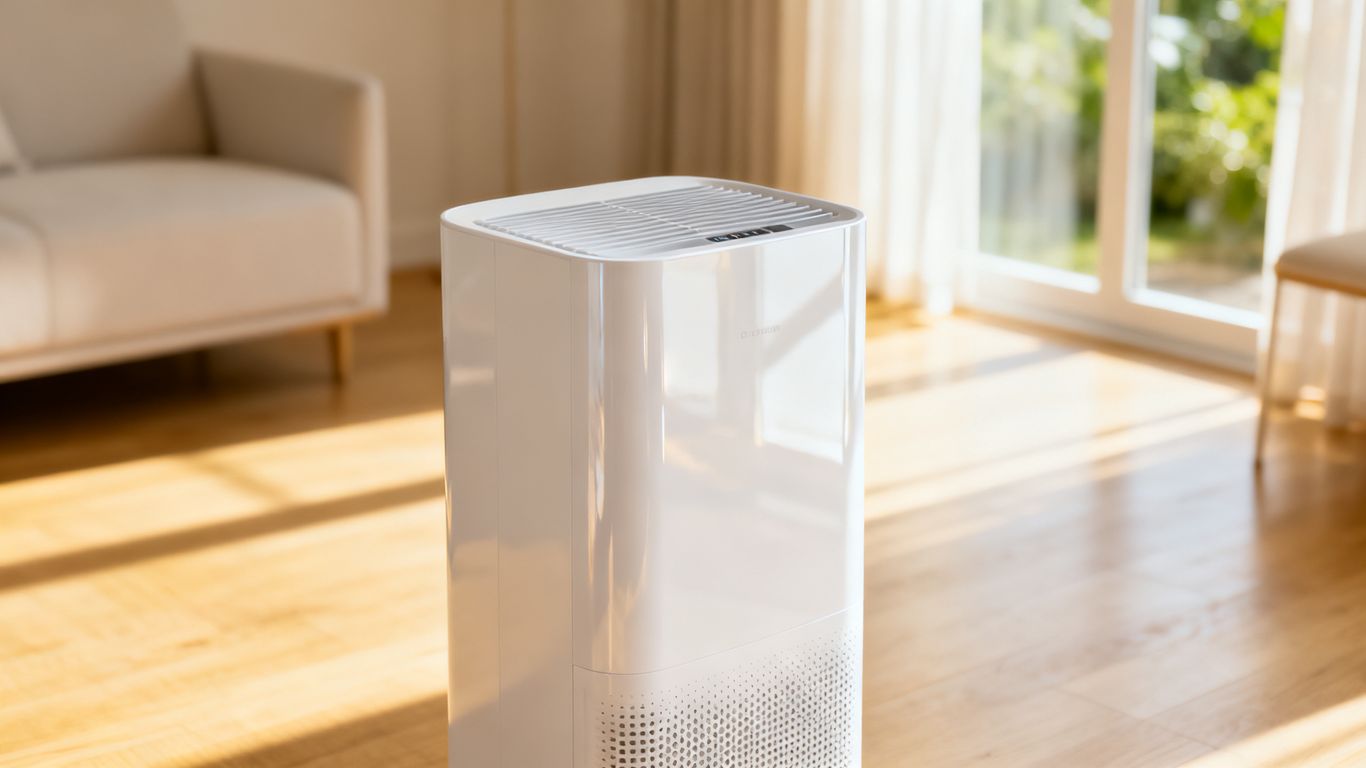
Every appliance includes a technical data plate that specifies the power draw in watts, which is the primary metric for calculating cost. To turn this data into a monthly figure, you generally multiply the wattage by the estimated hours of operation per day and divide by 1,000 to reach a kilowatt-hour value. Understanding this baseline is essential, as some units offer optimized power stages designed to maintain dry conditions with significantly lower energy consumption than full-capacity modes.
Using local utility rates to estimate monthly expenses
Once you have determined your daily kilowatt-hour consumption, simply multiply that figure by your utility provider’s cost per unit, which is typically found on your monthly billing statement. Keeping an energy-saving dehumidifier running consistently is often more affordable than many residents anticipate, provided the device is sized correctly for the intended square footage. Accurate calculation removes the guesswork, allowing you to manage your climate needs without worrying about surprise fluctuations in your bills.
Evaluating the difference between continuous and cycling operation
| Operational Mode | Typical Power Usage | Primary Benefit |
|---|---|---|
| Continuous Run | Highest | Maintains strict humidity levels |
| Intelligent Cycling | Variable | Optimizes energy efficiency |
| Scheduled Timer | Lowest | Prevents unnecessary operation |
Selecting an operational method that fits your lifestyle is crucial for energy management. Continuous run modes ensure that your target humidity is never exceeded, while cycling modes allow the Aerofy unit to rest once the surrounding area reaches a set dryness level. Many users find that once the initial humidity excess is removed, cycling modes significantly reduce power waste without sacrificing air quality.
Variables that impact electrical usage
Energy efficiency is not solely dependent on the machine itself; it is a partnership between the hardware and the environment. Factors like floor plan, airflow, and indoor temperature all interact with the machine’s cooling cycle to determine how long it needs to run. By controlling these variables, you can extend the lifespan of your appliance and minimize your energy burden.
The role of ambient humidity levels
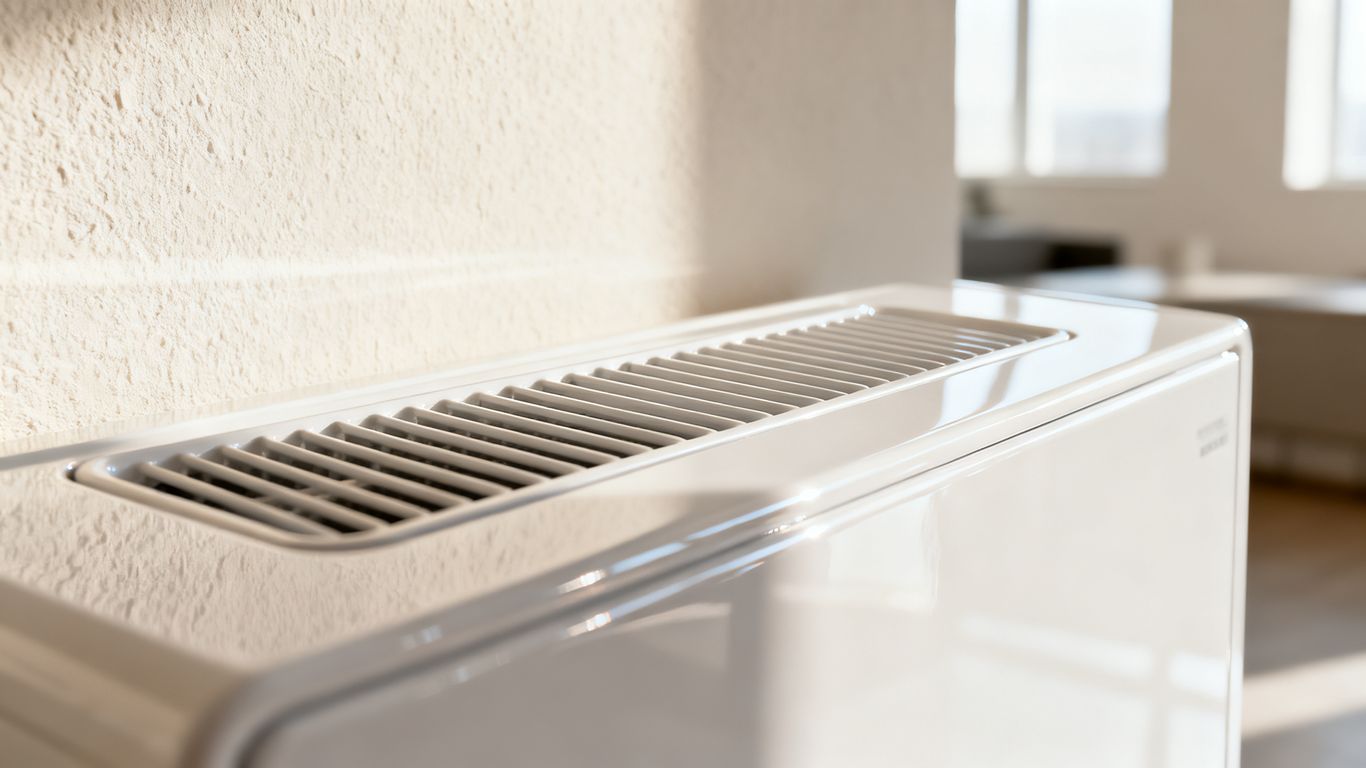
When ambient humidity is high, the refrigeration system must fight harder to reach the dew point, which leads to longer run times and increased power consumption. If a space is consistently damp, it is often more efficient to use a device specifically designed for the tropics that features a high water extraction capacity. By effectively managing the baseline moisture, these units reach their target settings faster and enter standby mode more often, saving electricity in the long run.
Impact of room temperature on machine stress
Room temperature directly influences the delta between the coil and the air, impacting how much electricity is consumed during the condensation process. If a room is excessively warm, the compressor works harder to cool the coils, increasing energy demand. Maintaining a moderate temperature through proper airflow and ventilation can reduce this mechanical stress, ensuring the compressor doesn’t have to work as hard to pull moisture from the air.
Importance of filter maintenance for energy efficiency
Maintaining your filters is arguably the most important physical step for preserving energy efficiency, as restricted airflow forces the internal fan to work significantly harder than designed. When dust or particulates accumulate on the intake, the unit must consume more electricity to draw air through the HEPA filtration system. A clean filter allows for smooth, unobstructed airflow, meaning your device can achieve optimal moisture removal rates while maintaining its intended low power profile.
Strategies for minimizing energy consumption
Reducing the energy needed to control your indoor environment often comes down to small, strategic adjustments in placement and settings. By refining how your device encounters air, you allow it to focus on its primary task of dehumidification rather than struggling against obstacles. Effective management ensures you receive the maximum benefit from your investment with minimal draw on your home’s power supply.
Utilizing built-in humidistats and auto-shutoff features
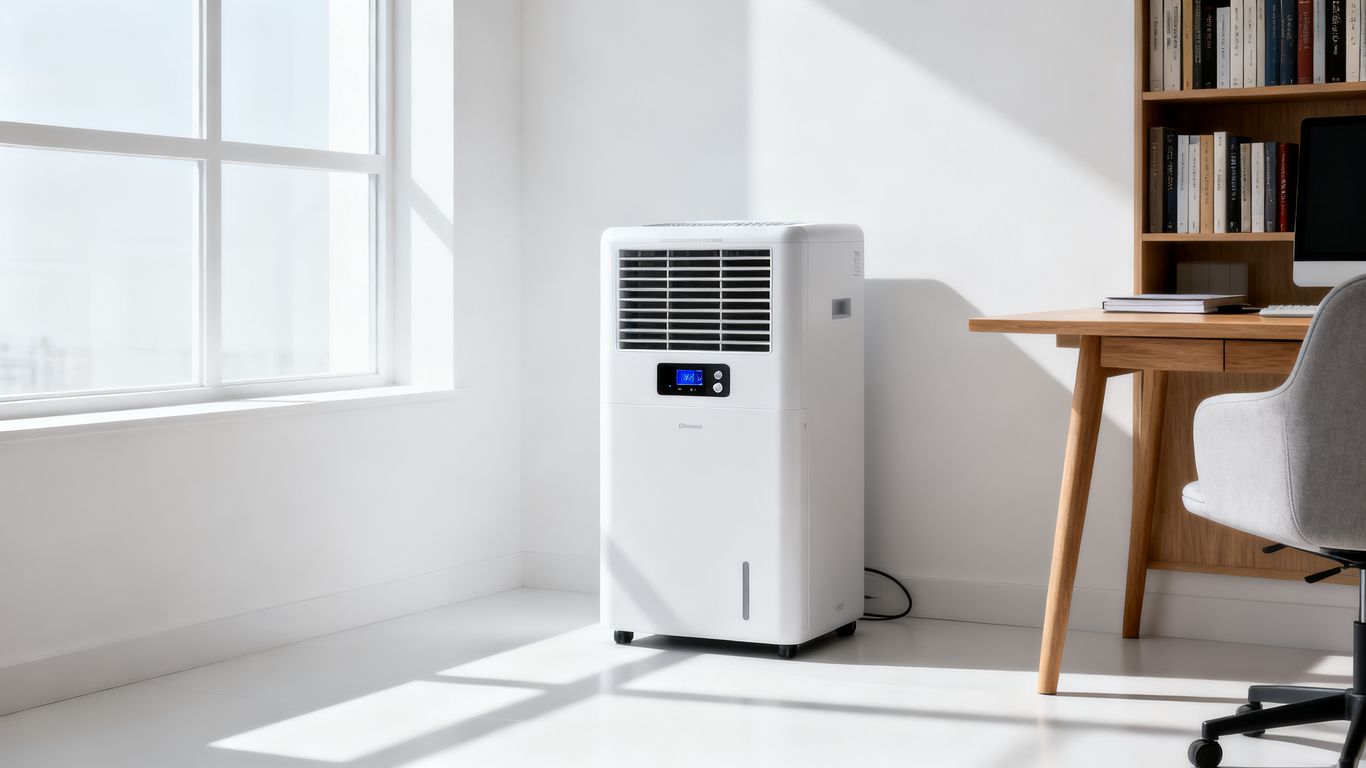
Smart features are your best ally in keeping electricity bills manageable. An integrated humidistat allows the unit to monitor moisture levels in real-time and engage auto-shutoff features the moment conditions reach your desired comfort level. Instead of running indefinitely, the machine only triggers when the humidity climbs, which is common in areas like laundry rooms or basements where moisture levels fluctuate unexpectedly.
Positioning the unit to improve intake airflow
Optimal efficiency is achieved when the intake and exhaust vents have at least 20 centimeters of clearance. If the unit is crowded against walls or furniture, it will re-process the same air, forcing it to run for longer periods to get a result. Placing your dehumidifier in the center of the room or near a space with natural circulation ensures that it encounters fresh, humid air, allowing for a shorter, more intense work cycle that ultimately consumes less energy than a long, drawn-out idle period.
Scaling settings based on the target room size
It is essential to match your device capacity to the square footage of your space. A small unit forced to work in a large open living area will never satisfy its set humidity point, resulting in a continuous loop of power consumption. Choosing the DualCore 20 for larger spaces allows the system to process the air capacity effectively, reaching target levels quickly and shutting down as intended. Scaling your device selection ensures that you are not paying for more electricity than is strictly necessary for your living environment.
Comparing dehumidifier costs with other appliances
When we place dehumidifier energy usage alongside other household appliances like air conditioners or heaters, the perspective changes significantly. While compressors require consistent energy, they are far more specialized and efficient than general HVAC systems, which move mass volumes of air. Understanding this distinction helps alleviate concerns about daily costs versus the high value of health-focused moisture control.
Assessing the energy burden relative to HVAC systems
Standard air conditioning systems are designed to manage both temperature and humidity, which requires massive energy draws to cycle enormous quantities of air. A dehumidifier acts as a highly targeted solution, focusing exclusively on moisture reduction while avoiding the massive electrical drain of an overall cooling system. In many cases, it is much more economical to supplement your cooling with a dehumidifier to lower room humidity, which can make the air feel cooler and potentially lead to savings on your primary AC bills.
Putting portable unit efficiency into perspective
Portable units provide targeted control where traditional cooling fails to reach, such as basements or storage cabinets. Because they operate on a smaller, more contained scale, the total kWh consumption for a dehumidifier is usually a fraction of what a standard refrigerator or space heater might use. When considering the benefits of mold prevention and structural protection, the cost to run your unit is widely considered a low investment for a significantly healthier indoor environment.
Determining when continuous operation is actually more economical
Scenario Time: Imagine a basement area during the rainy season where mustiness starts to bloom in the corners. You could cycle the unit on and off twice a day, but this forces the compressor to start and stop frequently, which puts strain on the mechanical components. In such cases, maintaining a steady, low-energy continuous run allows the device to keep the moisture at a constant, equilibrium level. This prevents the peaks of humidity that trigger high-intensity cycling and uses less total energy than a choppy, forced-stop operational schedule.
Conclusion
Effectively managing your indoor climate is a balance of choosing the right engineering for your specific conditions and maintaining your device for peak operation. By understanding how your dehumidifier works and applying smart usage strategies, you can protect your home from moisture damage while keeping electricity usage well within a comfortable range for your household budget.
Frequently Asked Questions
Why does my dehumidifier release warm air?
Dehumidifiers release warm air because their internal process involves cooling air to remove water and then passing it across a warm condenser coil to return it to the room, which is a standard part of the refrigerant cycle.
Should I turn my dehumidifier off at night?
It is generally not necessary to turn off a dehumidifier at night, especially in high-humidity climates, as it helps prevent moisture buildup while you sleep and improves overall indoor air quality.
How often should I clean the dehumidifier filter?
Depending on your home’s dust levels, you should check and clean the filters at least once every two to four weeks to ensure the motor operates without unnecessary strain.
Can a dehumidifier replace my air conditioner?
While a dehumidifier helps make air feel more comfortable by lowering humidity, it does not actually lower the temperature of the air, so it cannot function as a replacement for an air conditioning system.
Is it safe to leave a dehumidifier running unattended?
Modern units are designed with safety features such as auto-shutoff and anti-overflow sensors, making them safe to operate in an unattended capacity provided the unit is kept on a flat surface.
How do I know if my room is too dry?
If you experience static electricity buildup or unusual dryness in your skin or respiratory passages, the humidity level may have dropped below the healthy 30% to 50% range.
Does running a dehumidifier reduce mold growth?
Yes, keeping your indoor humidity below 50% significantly discourages mold spores from settling and germinating on surfaces, making it a powerful tool for home hygiene.