Key Takeaways
Understanding the difference between climate control appliances is essential for maintaining home comfort. Here are the primary considerations for your living space.
- Air conditioners and dehumidifiers utilize different mechanical principles for indoor comfort.
- Humidity levels consistently above 60% often require dedicated moisture management solutions.
- Integrated appliances frequently offer dual functionality for improved air quality and space efficiency.
- Power usage varies significantly based on whether the unit is actively cooling or merely drying.
- Regular maintenance of filters and water reservoirs is mandatory for machine longevity.
Understanding the core difference
Many homeowners struggle to distinguish between the various appliances designed to modify indoor environments. While both devices manage air quality, their engineering goals are distinct enough to require specific use cases. An air conditioner focuses primarily on thermal regulation, whereas a dehumidifier addresses moisture saturation independently of temperature.
How air conditioning works
Air conditioning units operate by transferring thermal energy from a room to the exterior. Through the use of a refrigeration cycle involving an evaporator coil and a compressor, the system cools air while collecting moisture as a byproduct of the condensation process. This dual action is why your aircon often dries the air while it lowers the room temperature.
How a dehumidifier works
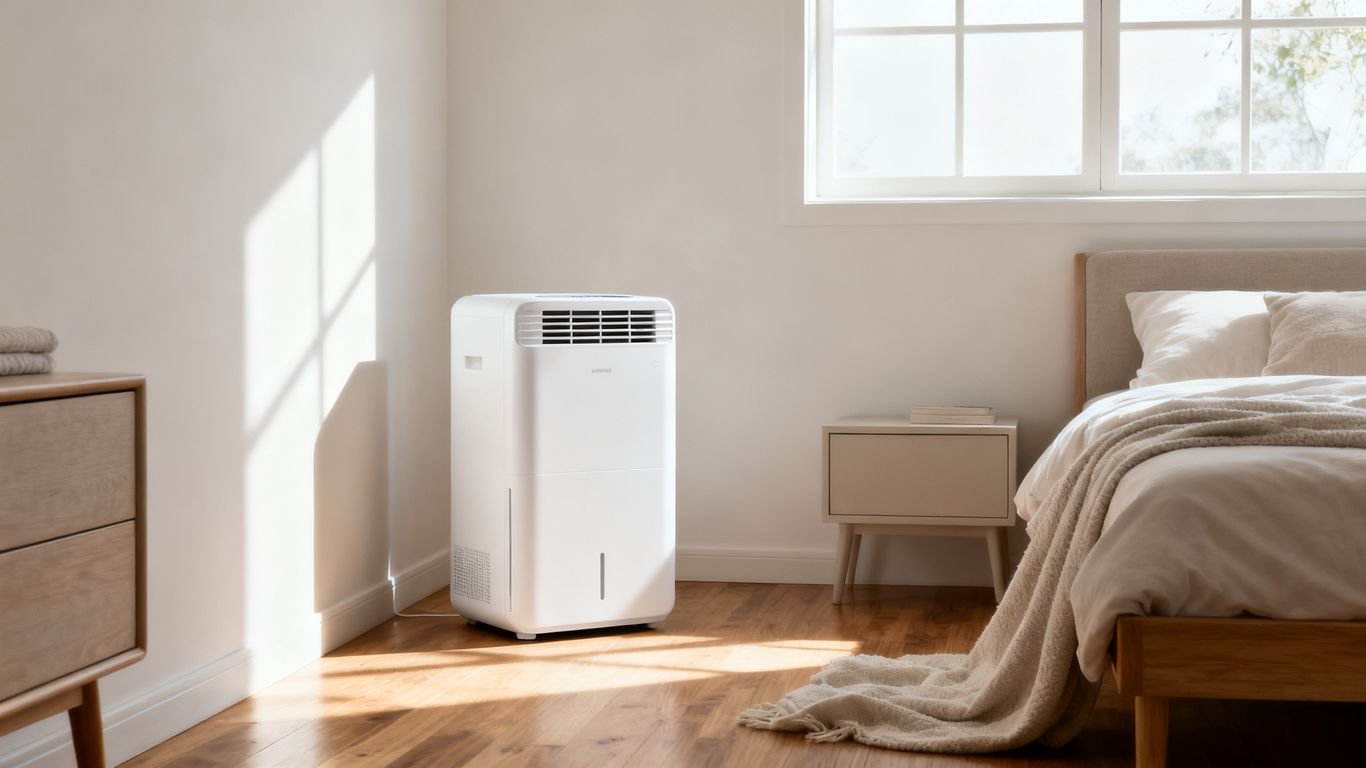
A dehumidifier acts as a standalone moisture removal specialist. It draws in ambient air, pulls the humidity out using refrigerated coils, and then reheats the air before returning it to the living space. Specialized units like the Aerofy DualCore 20 are engineered for this specific process, maintaining precise humidity levels without the intent of cooling the room.
Fundamental differences in design and intent
At their core, these machines approach comfort from opposing angles. An air conditioner is a heat-exchanger designed for thermal comfort in Singapore’s humid climate, while a dehumidifier is a moisture control specialist ensuring air remains dry enough to prevent mold and musty odors. You can effectively compare these technology formats based on your primary discomfort: rising heat or persistent dampness.
Cooling vs. humidity control
When your environment feels muggy, identifying the source of that sensation is your first step. It is easy to assume that a room simply needs more cooling, but often the culprit is excessive moisture lingering in the furniture and walls.
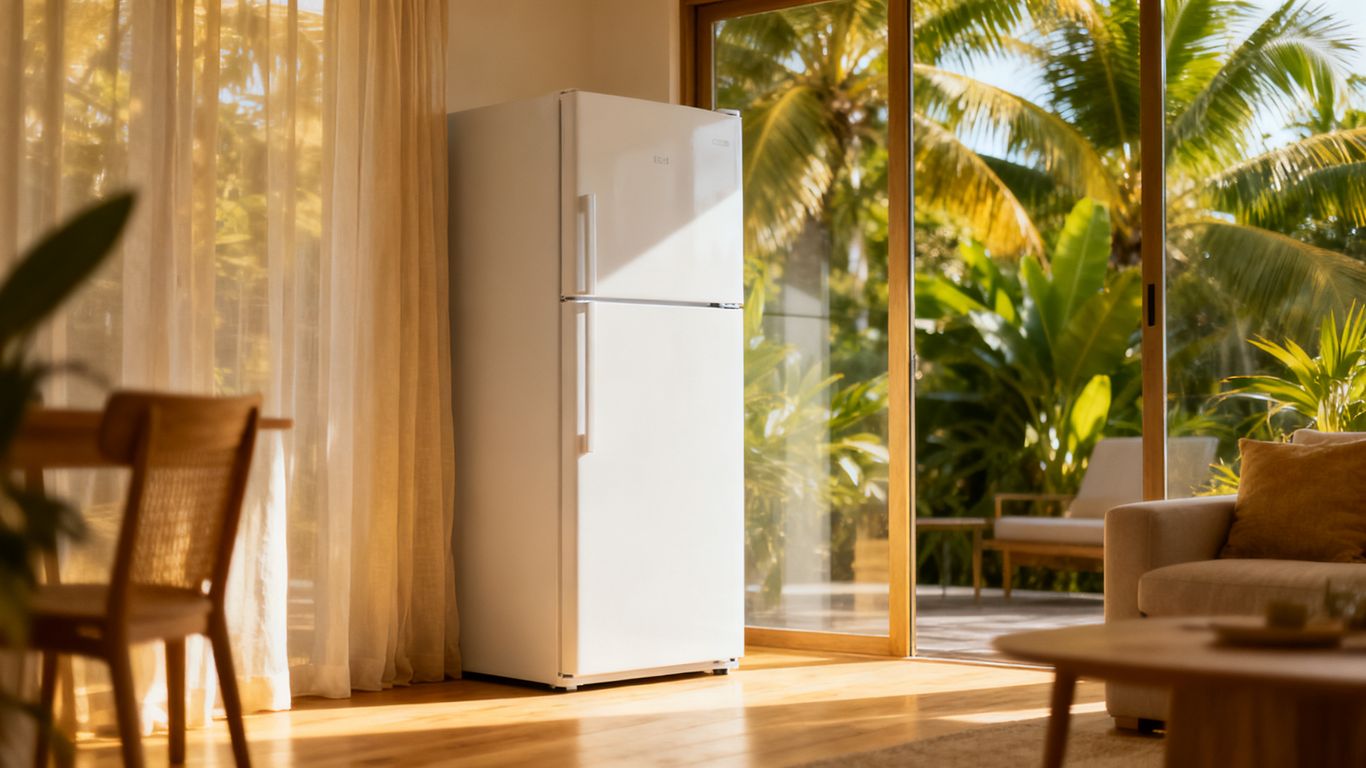
Managing indoor temperature effectively
Thermal management requires moving BTUs out of your home. If your space reaches uncomfortable temperatures, the air conditioner is the only reliable appliance to strip away the heat. By venting this energy outdoors, the air conditioner creates a stable, cool environment for working or resting.
Extracting moisture from the air
Moisture control remains a silent necessity for property preservation. Without active extraction, damp air leads to damage in wood flooring and upholstery. Using a device to control indoor moisture helps maintain healthy humidity levels between 30% and 50%, which is the sweet spot for most domestic environments.
When the functions overlap in humid environments
There are moments when both systems appear to do the same thing, particularly in tropical regions. While an air conditioner extracts moisture, it is not optimized for it. Conversely, a dehumidifier lacks the capacity to reduce ambient temperature, and in some cases, the motor heat might even make the room feel slightly warmer, an effect explained in detail through the lens of thermodynamics.
Energy efficiency considerations
Running high-performance appliances requires a calculated approach to electricity consumption. Understanding how these machines draw power allows you to maintain comfort while keeping costs manageable.
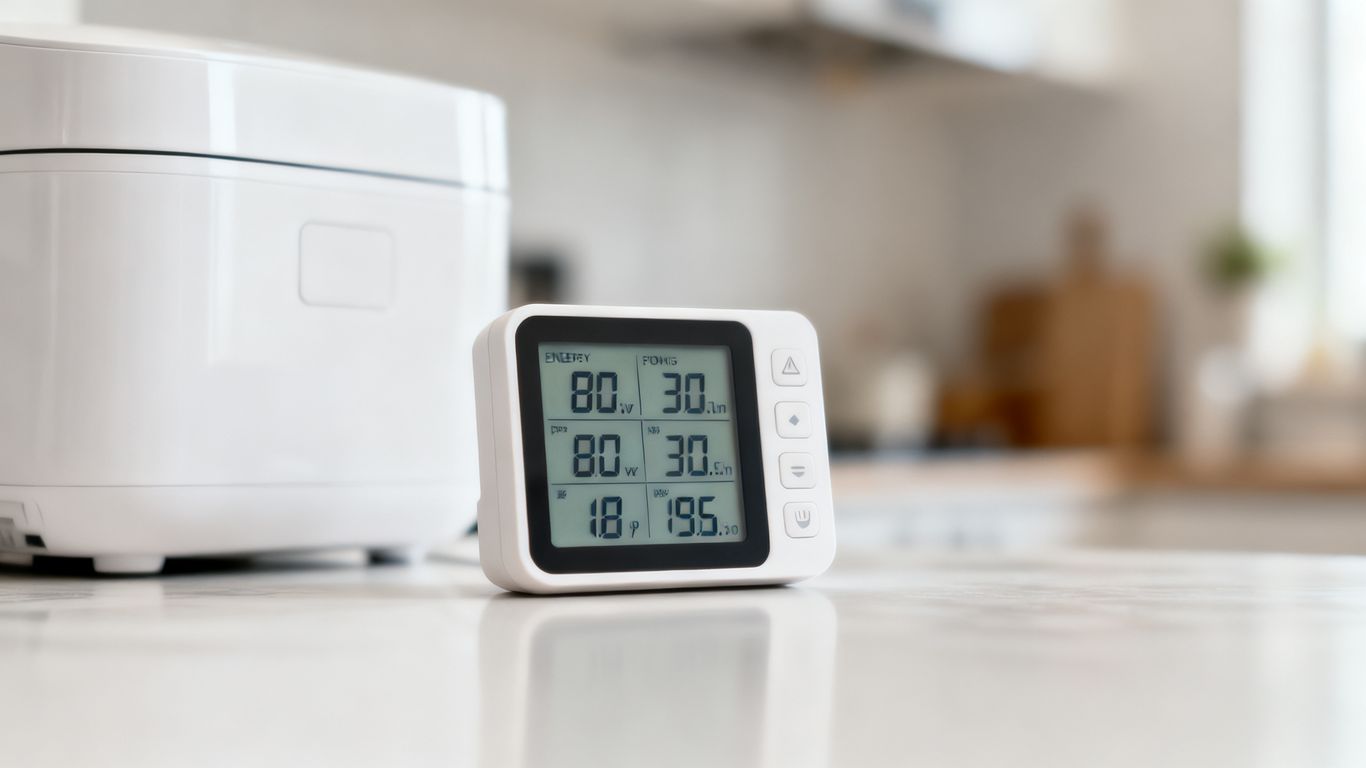
Power consumption patterns of air conditioners
Air conditioners are among the most power-hungry appliances in any household. Because they work to cycle significant volumes of air and displace heat, they operate with higher wattage requirements than simple fans or standalone drying units.
Electricity usage of dehumidifiers
Dehumidifiers generally consume significantly less energy than air conditioners. Because they are not tasked with the intensive work of heat transfer, they focus on the refrigeration cycle needed just to condense water vapor. You can easily manage costs by opting for energy-saving models that feature automated sensors to shut off once the target humidity is reached.
Impact on utility bills in different climate types
| Appliance Type | Primary Function | Wattage Range | Best Climate Use |
|---|---|---|---|
| Air Conditioner | Cooling & Heat Transfer | 900W – 3000W | Hot / Sunny |
| Dehumidifier | Humidity Removal | 200W – 600W | Humid / Damp |
| Hybrid System | Dual Purpose | 400W – 1200W | Variable Tropics |
Selecting the right system involves balancing your local seasonal needs against these consumption trends, ensuring you do not pay for power that your climate does not mandate. Managing your utility bills becomes much simpler when you match the tool to the specific environmental challenge.
Choosing the right appliance for your space
Determining which unit serves your home best comes down to auditing your air quality needs. If you find yourself frequently adjusting the thermostat to fight off that clammy sensation, you likely have a humidity issue rather than a thermal one.
Signs you need an air conditioner
- Indoor ambient temperature spikes above 28 degrees Celsius during peak hours.
- The room remains stuffy and warm despite ventilation attempts.
- You require active cooling for a home office or bedroom sanctuary.
Signs you need a standalone dehumidifier
- Visible condensation appears on windows during the early morning.
- You notice a persistent musty odor in closets or near corner walls.
- Your clothes feel slightly damp even when they are supposedly dry.
Can you run both systems simultaneously?
Running both devices is often the secret to achieving perfect comfort in challenging tropical environments. While the AC handles the heat, the dehumidifier takes over the humidity regulation, allowing the AC to work less hard. This collaborative approach keeps energy usage efficient and keeps your living space feeling crisp.
Maintenance and long-term care
Appliances that handle air and water require consistent attention to prevent internal bacterial growth. Whether you are using a basic unit or a high-end Aerofy system, neglect will eventually degrade performance.
Cleaning and filter replacement schedules
Filters are the first line of defense against dust and debris accumulation inside the cabinetry. We recommend checking these every two weeks for HEPA units, ensuring that airflow remains unobstructed and the motor does not overexert itself.
Managing drainage and reservoir requirements
Most units utilize a removable tank that requires manual emptying. In high-humidity areas, this water management task can occur daily, so consider units that allow for continuous drainage via a hose directly into a floor drain.
Troubleshooting common performance issues
If your unit stops collecting water, check for ice buildup on the coils, which often signals restricted airflow. Ensure you have adequate clearance for ventilation around your unit to keep sensors calibrated correctly.
Cost-benefit analysis
Investing in a controlled indoor environment is a financial commitment. Evaluating the upfront cost alongside the long-term utility savings and personal health benefits provides a clear picture of what makes sense for your household budget.
Upfront purchase price comparisons
Standalone dehumidifiers are typically much more affordable than full-scale air conditioning installs. For those looking to Buy Now without a massive investment, a quality entry-level appliance can offer immediate relief from dampness for a fraction of the cost of a mini-split system.
Maintenance and long-term repair expenses
Air conditioner service calls for refrigerant or electrical faults are significantly more expensive than basic filter replacements for smaller units. Choosing reliable, purpose-built equipment often mitigates the frequency of these service visits over time.
Determining the return on investment for your home
Investing in humidity control protects your furniture and improves respiratory health. While the cost may seem like an extra burden in the short term, the protection of your property from water damage and the reduction in potential mold remediation costs create a compelling long-term value proposition for any homeowner.
Conclusion
Deciding between these two powerful household tools is rarely a matter of choosing one or the other, as both serve distinct roles in keeping your home environment comfortable and healthy. By carefully monitoring your room’s temperature and moisture levels, you can make an informed investment that protects your property and enhances your day-to-day comfort, whether through a cooling unit or a dedicated moisture management solution.
Frequently Asked Questions
Does an air conditioner function as a dehumidifier in cooling mode?
Yes, an air conditioner extract moisture naturally as a byproduct of cooling air, but it lacks the specialized controls of a dedicated machine and may cycle off too soon to actually dry the space.
Can a dehumidifier lead to mold if not maintained properly?
If the internal reservoir or collection bucket is not cleaned regularly, it can host bacteria and yeast growth that may be recirculated into the air, potentially exacerbating mold concerns.
What humidity level is considered ideal for a living room?
Aiming for a relative humidity between 30% and 50% is generally considered the optimal range to prevent both uncomfortable dampness and overly dry conditions.
Should I place a dehumidifier in a basement?
Basements are often the best location for a dehumidifier because they are prone to subterranean water seepage and lack effective natural ventilation, making them high-risk zones for trapped humidity.
How does a desiccant dehumidifier differ from a compressor type?
Desiccant units use absorbent materials to pull moisture from the air, making them much more effective in cooler environments, whereas compressor-based units excel in warm, humid spaces.
Does running a dehumidifier make a room significantly quieter?
Most modern dehumidifiers produce a consistent fan noise, which many users find acts as a pleasant white noise, though compressor models can produce a hum that fluctuates throughout the day.
Is it worth leaving a dehumidifier on full-time?
If your home has a recurring humidity issue, using a unit with a built-in humidistat that allows it to cycle automatically is the preferred way to keep air quality stable without constant intervention.