Key Takeaways
Controlling moisture in small storage spaces is vital for protecting your valuables from damage caused by tropical humidity. These five points summarize the best approach for long-term protection.
- Dehumidifier rods function by gently warming the ambient air to prevent condensation.
- Calculate your cubic footage before selecting a unit to ensure proper humidity management.
- Proper placement near the bottom of an enclosure promotes consistent thermal circulation.
- Always maintain a buffer between heating elements and sensitive items like leather or electronics.
- Monitoring your enclosure with an external hygrometer verifies that conditions remain safe.
Understanding how dehumidifier rods work
The role of thermal circulation
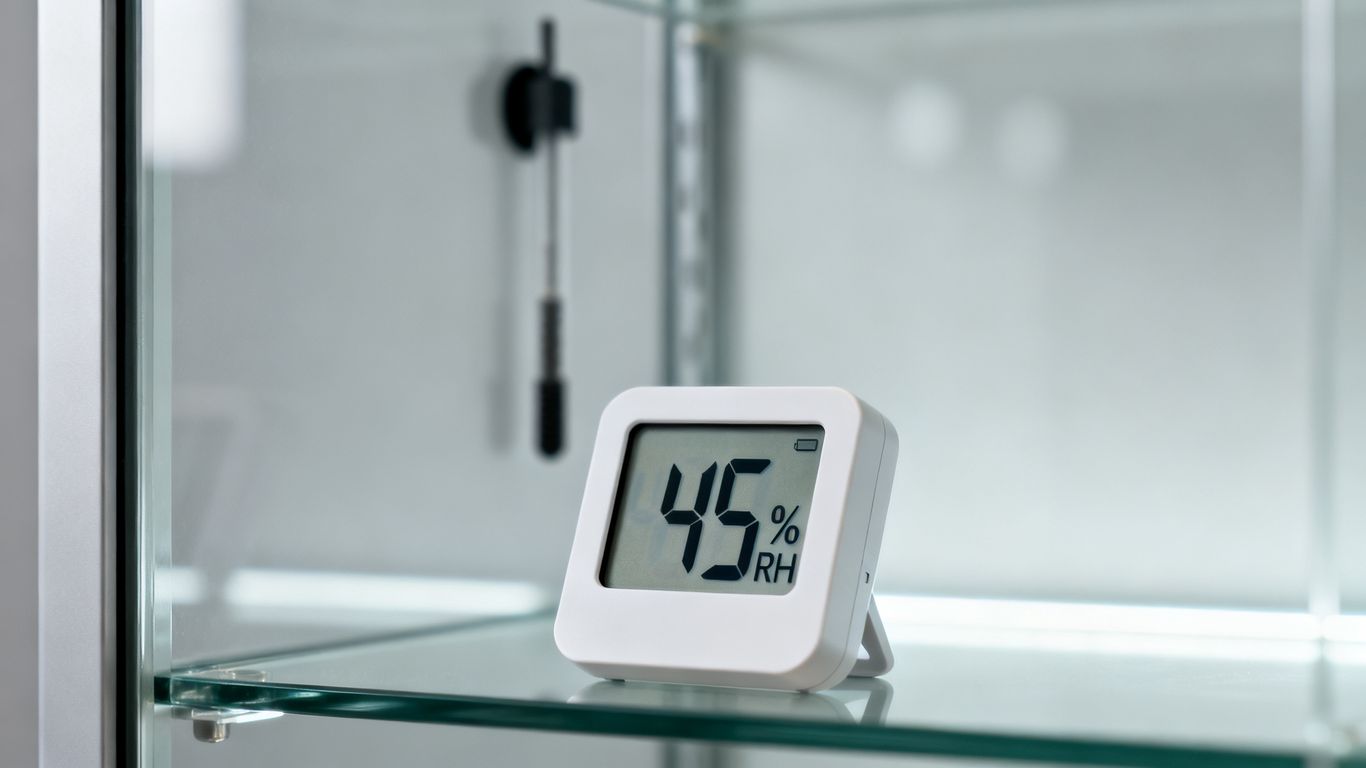
Thermal circulation occurs when a stationary heat source interacts with the ambient environment. As air near your dehumidifier rod warms up, it becomes less dense and naturally rises toward the top of the storage compartment. This creates a subtle but steady airflow that replaces damp air with drier, warmer air, effectively preventing stagnant pockets where mold often thrives. This is a foundational principle we prioritize at Aerofy when considering how climate-specific appliances interact with closed storage environments.
Managing relative humidity in enclosed spaces
Managing humidity levels is essential for gear prone to corrosion in humid regions. By slightly raising the temperature inside a safe or cabinet, the device effectively lowers the relative humidity levels, keeping the environment above the dew point. In Singapore, where we deal with consistent moisture throughout the year, this simple heating principle acts as a highly reliable defense mechanism against the rapid onset of mildew.
Why heat prevents condensation
Condensation forms when moist air hits a cold surface, causing water vapor to transition into liquid moisture. By elevating the air temperature within a closed unit, the unit prevents surfaces from cooling down enough to hit that threshold. Integrating a Goldenrod 18" Electric Dehumidifier Rod provides the consistent, low-wattage heat needed to stop this cycle, protecting valuables from the damaging effects of trapped atmospheric water.
Choosing the right rod size
Calculating the volume of your storage unit
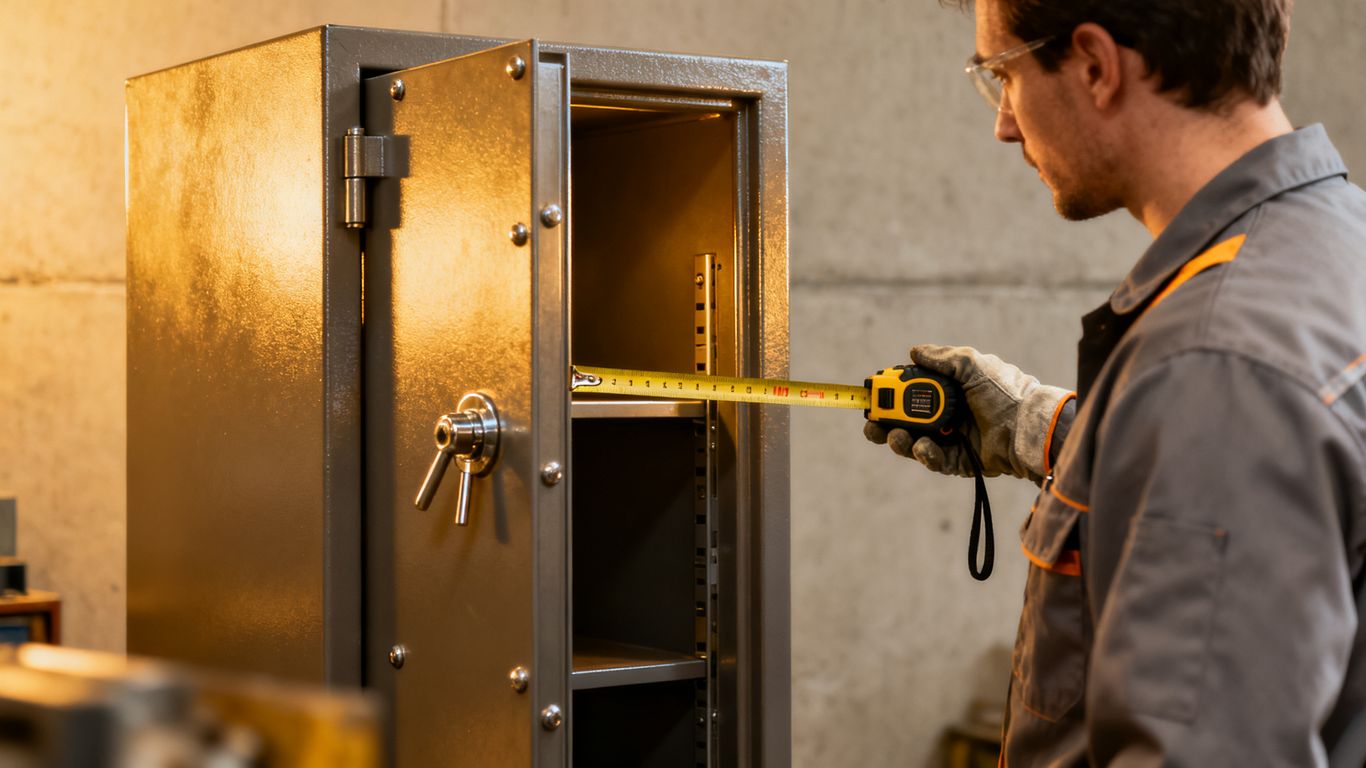
Before you select your equipment, you need to know the internal volume of your storage space. Multiply the height, width, and depth of your unit in feet to get the cubic footage. A PEET 18" Safe Dehumidifier Rod works best for enclosures up to 200 cubic feet, but smaller cabinets may only require a more compact model to achieve the desired effect without overpowering the small space.
Matching rod length to compartment dimensions
Matching the rod length to your cabinet dimensions ensures the heat is distributed evenly throughout your storage area. Placing an undersized rod in a large, tightly packed safe leaves corners vulnerable, while an oversized rod can waste energy. It is about balancing the thermal output with the volume of air you intend to keep dry, which is why Lockdown Dehumidifier Rods offer size variations tailored to different storage capacities.
Differences between 12-inch and 18-inch models
A 12-inch unit is typically suited for handgun safes and small lockers, while the 18-inch or 24-inch versions are better for large gun safes and deep cabinets. This variation allows you to scale your protection based on the dimensions of your container. Regardless of the size, the core engineering ensures that energy efficiency remains a priority for long-term usage, similar to how Aerofy shop now approaches appliance design for regional climate challenges.
Proper installation and positioning
Installing near the base for maximum airflow
Placement is the most significant factor in how effectively these units work. Because heat rises, installing the rod near the floor of your cabinet allows the convection process to cycle air from the bottom up, forcing moist air out and keeping the interior consistently dry. If you fail to place the unit low, you may find that the top of your storage space is dry while the bottom remains damp.
Electrical considerations and plug management
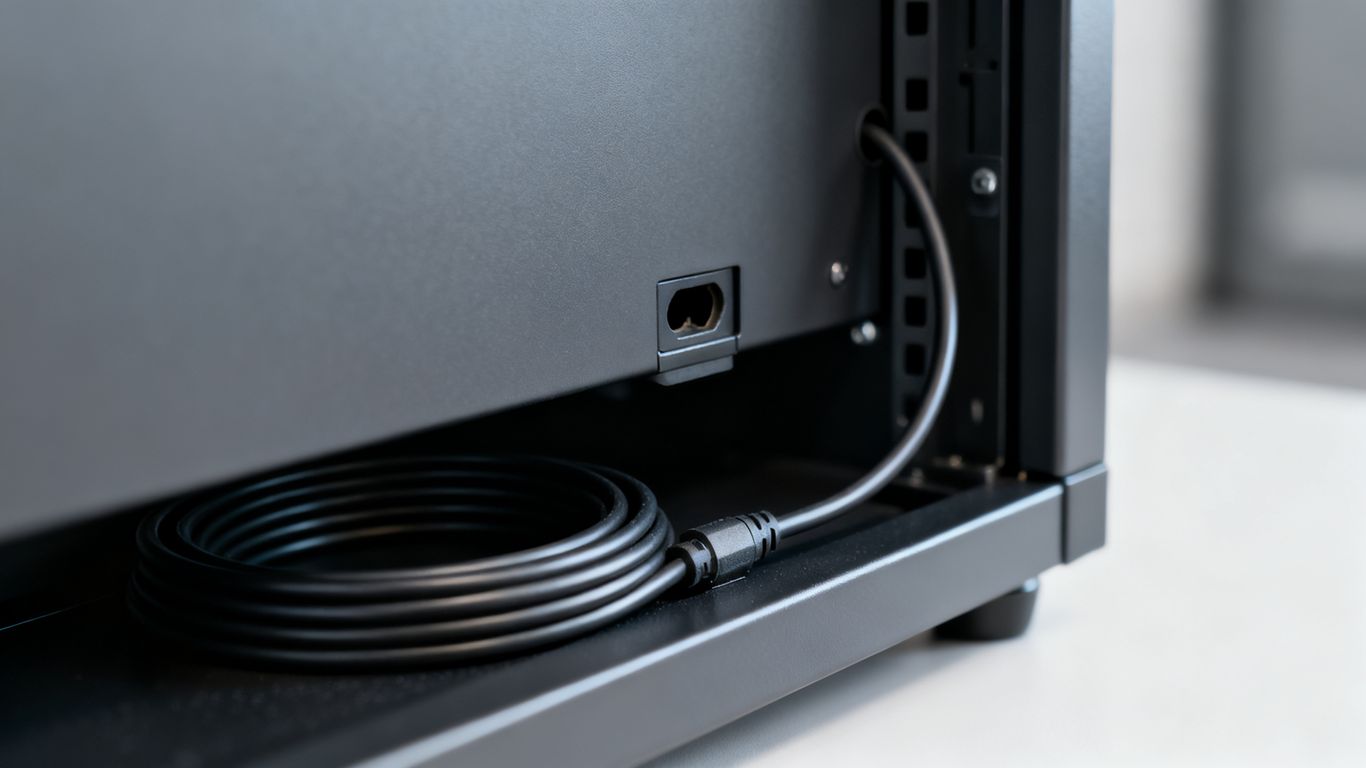
Most modern rods include a removable plug or a slim design to allow for easy routing through power access ports in common safe brands. You should ensure any excess cord is neatly managed away from heating elements to prevent damage. Many users find it helpful to verify that the power outlet has enough slack to reach the rod without creating tension on the connection, which could cause a disconnect over time.
Maintaining clearance from sensitive contents
When organizing your storage space, you must consider the distance between your items and the heated component. Use this guide to determine safe distance buffers for various materials often found in storage cabinets:
| Item Category | Minimum Safe Distance | Material Sensitivity |
|---|---|---|
| Electronic Devices | 6 Inches | High Heat Impact |
| Leather Goods | 4 Inches | Texture Drying |
| Firearms / Metal | 2 Inches | Radiant Heat Safety |
- Always clear items that could melt or warp near the heating element.
- Do not stack flammable boxes or synthetic fabrics directly on top of the device.
- Verify that the unit remains horizontal or vertical with an airflow gap on all sides.
- Keep small items away from the rod to maintain an unobstructed heat radius.
Following these simple steps ensures that you are protecting your belongings without creating new potential hazards in your storage setup.
Safety considerations and maintenance
Preventing direct contact with damageable materials
Safety is the primary concern when using any heat-related appliance in an enclosed area. By maintaining clear air space around the rod, you ensure it operates at its designed efficiency while protecting delicate plastics and fine leathers from excessive warmth.
As with all climate control solutions, never place a device where it might press directly against sensitive synthetic materials. Aerofy engineers always recommend checking that the contact surface remains stable under long-term exposure to warmth.
Continuous operation versus intermittent usage
These devices are engineered for continuous 24/7 operation to ensure the enclosure remains permanently dry. Turning them on and off frequently can allow moisture to cycle back in, leading to condensation during the cooler periods of the night. Leaving the device running ensures a constant thermal barrier against the daily fluctuations of tropical humidity.
Periodic inspection of heating elements
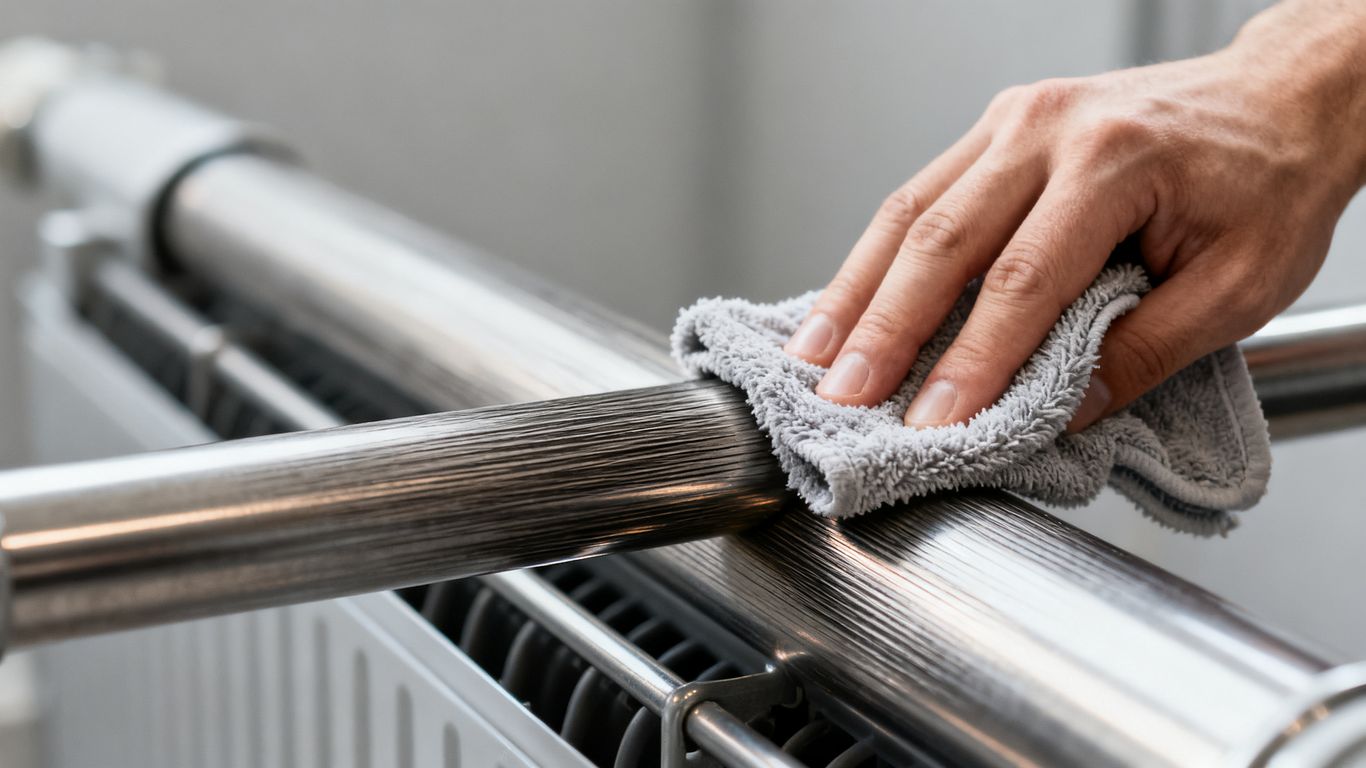
Occasionally inspect the outer casing for dust buildup. A heavy coating of dust acts as an insulator, forcing the unit to work harder and reducing its ability to displace moisture. Simply wiping down the housing with a dry, lint-free cloth should be enough to keep the unit in top shape throughout the year.
Using external hygrometers to verify effectiveness
Since these rods don’t typically include internal sensors, using a small, digital hygrometer is the best way to verify your setup. You can observe the moisture levels before installing the rod and compare them to the readings afterward. This simple verification gives you the peace of mind that your gear is properly sheltered from corrosive dampness.
Common applications beyond gun safes
Protecting fragile optics and electronics
High-value items like camera lenses and microscopes are highly prone to internal fungus growth if stored in damp conditions. By placing a MAXSafes® 12" 7W Dehumidifier Rod in your camera equipment cabinet, you maintain a level of dryness that keeps optical coatings intact and clear of hazy mold spots.
Managing moisture in musical instrument cases
Wooden instruments, such as guitars and violins, fluctuate significantly depending on the humidity of their storage environment. A small, controlled heat source can stabilize the moisture content in the wood, preventing the warping and checking that often follows sudden, sharp changes in the atmospheric environment.
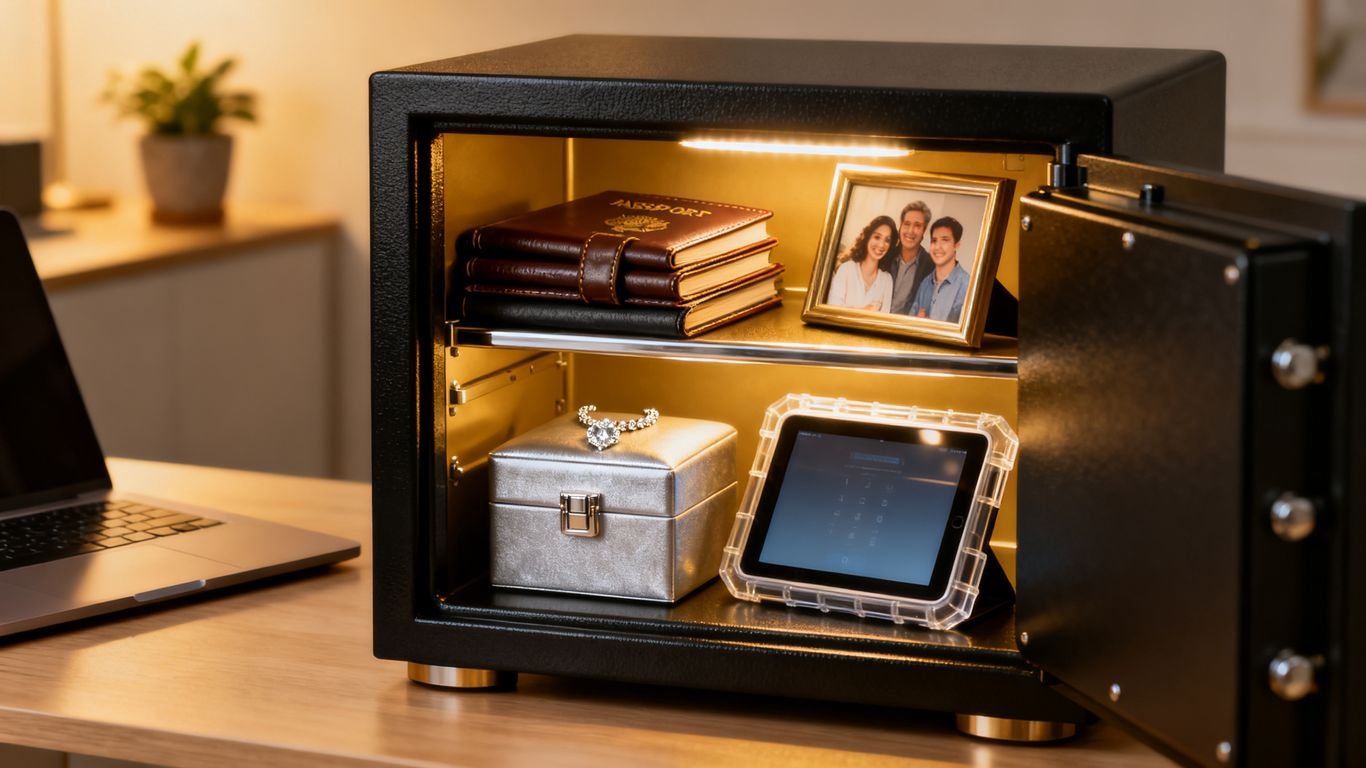
Improving storage conditions for archival documents and leather goods
Leather, paper, and archival photos can turn brittle or develop mold if stored improperly. Integrating moisture control helps preserve the suppleness of leather and keeps paper materials from clinging together due to static humidity. This acts as a reliable DFS bankroll management equivalent for your physical property: investing a small amount now prevents the substantial loss of valuable assets later.
Conclusion
Deploying a dedicated heating rod is a highly effective way to defend your valuables from the relentless humidity characteristic of tropical climates. By following proper placement, size guidelines, and safety practices, you can create a stable, dry sanctuary for your most important possessions, ensuring they remain protected and functional for years to come.
Frequently Asked Questions
Do these rods consume a lot of electricity?
No, they typically use low wattage, similar to a standard light bulb, making them very energy-efficient for continuous protection.
Can I install these in a wooden cabinet?
Yes, they are generally safe for wooden cabinets, provided you keep a small clearance between the rod and the wood to allow for proper airflow.
How long should I expect the device to last?
Most quality units are built to provide years of consistent service without needing replacement, provided they are kept clean.
Will these get hot enough to start a fire?
They are designed to operate at safe temperatures intended only to warm the air slightly, though you should always follow manufacturer clearance guidelines.
Can I use these in a vehicle or boat?
They are designed for enclosed, non-combustible spaces, so refer to the manufacturer manual before using them in smaller, potentially volatile environments like vehicles.
Should I use these alongside another dehumidifier?
In very large spaces, you might pair them with other ventilation solutions, but they are designed to be the primary moisture control for storage cabinets.
How do I know if the unit is working?
If you are unsure, place a small hygrometer inside the unit to see if the internal relative humidity remains lower than the air outside the cabinet.