Key Takeaways
Understanding whether dehumidifier water is suitable for reuse requires recognizing its specific chemical and biological makeup. While the water is technically a byproduct of air cooling, it poses distinct health risks due to contamination common in household environments.
- Dehumidifier water is not distilled and can contain trapped atmospheric particulates.
- Bacterial growth thrives rapidly in stagnant collection tanks.
- Always prioritize your health by avoiding human consumption of collected condensate.
- Repurposing this water for non-edible plants or cleaning is a practical household alternative.
- Regular maintenance of your collection tank is essential for home hygiene.
The composition of dehumidifier water
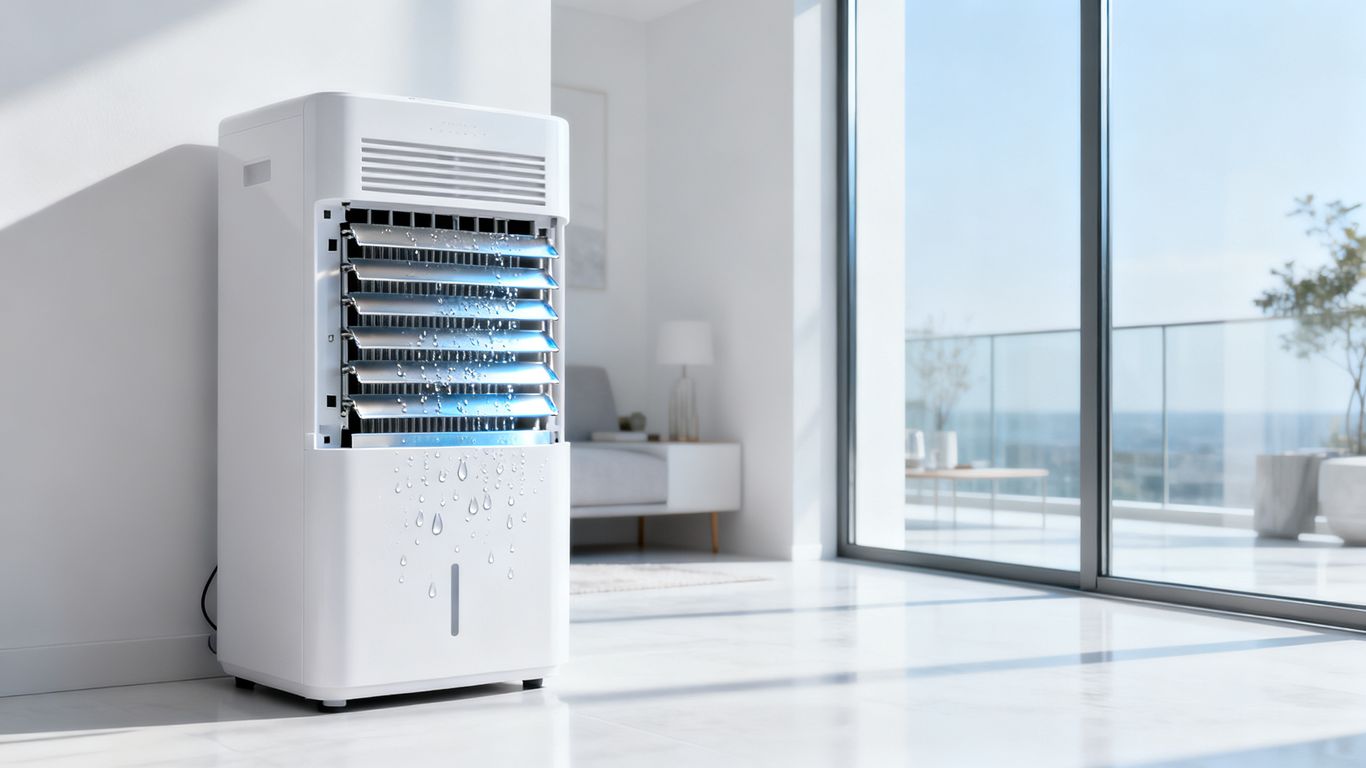
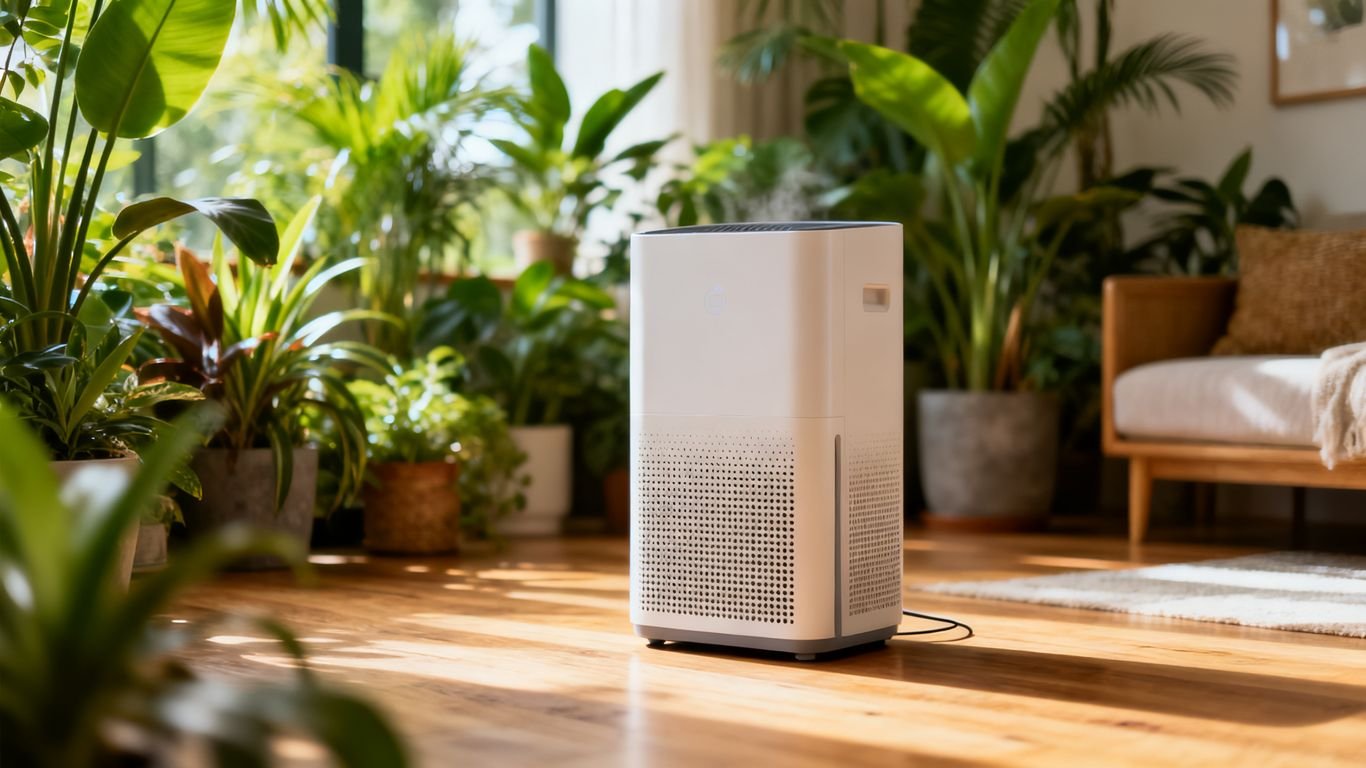
Dehumidifiers are essential tools for managing humidity, particularly in tropical environments where moisture levels can remain consistently high throughout the year. As the machine pulls in air, it passes over cooling coils that force water vapor to condensate, which then flows into a reservoir. Utilizing an advanced appliance like the Aerofy DualCore 20 ensures that this moisture management is performed with high-efficiency cooling and filtration cycles designed to handle challenging local climates efficiently.
How dehumidifiers extract moisture from the air
These machines work by using a refrigeration-based process where a blower draws moist air across chilled evaporator coils. As the air contacts the cold surface, it reaches its dew point and releases moisture as liquid drops. This process effectively lowers the overall humidity within a space, helping homeowners achieve a comfortable environment without relying solely on air conditioning. When you use the Aerofy DualCore 20, you are leveraging a precise system designed to optimize this heat exchange and moisture removal effectively.
Accumulation of atmospheric dust and particulates
While the condensation process mimics distillation, the intake air is often laden with common indoor pollutants that wash into the bucket along with the water. Airborne dust, pet dander, and microscopic debris accumulate on the cooling coils and are flushed into the tank during the cycle. Consequently, even before the water settles, it serves as a collection medium for various surface-level contaminants, making it fundamentally distinct from pure water sources like bottled or filter-treated tap water.
Potential for chemical leaching from internal coils
In addition to organic particulates, the water frequently comes into contact with the machine’s internal hardware. Condensate can pick up trace amounts of residues from plastic housings or even metal alloys used in the construction of the evaporator coils. These metallic or synthetic compounds are not typically filtered out by the machine, so the fluid quality can vary significantly based on the age and material composition of the specific unit you are using.
Why it is not safe to drink
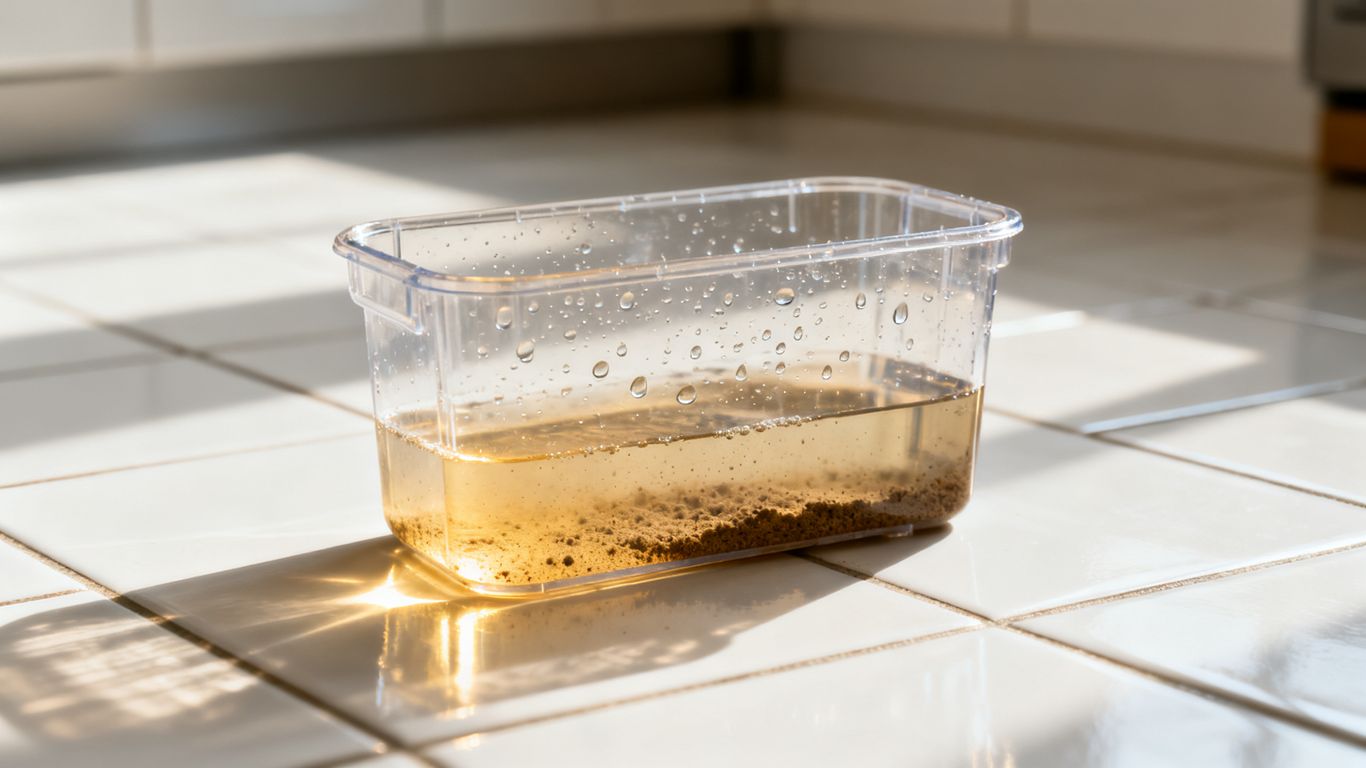
Despite its appearance, which might lead some users to believe it is distilled, the water inside a dehumidifier tank is fundamentally unfit for consumption. The combination of warmth, residual moisture, and organic matter creates a primary landing zone for microbial colonies that would never be found in a clean water supply. While homeowners often ask whether it is safe for pets or personal use, the consensus among sanitation experts is to treat this byproduct as strictly non-potable.
Bacterial and mold growth in the collection tank
Microorganisms are naturally present in every home and quickly infiltrate the collection reservoir of a dehumidifier. Because the tank is rarely sterile, bacteria can multiply exponentially in the stagnant water sitting at room temperature. This biofilm formation is not only a health risk but also a significant contributor to the musty odors that people often notice in rooms where a dehumidifier is operating without frequent cleaning.
Contamination from airborne fungal spores
Beyond domestic dust, the air often carries microscopic fungal spores that settle into the unit. When these spores land in the water reservoir, they find an environment that facilitates rapid germination and colonization. This biological activity introduces complex substances into the tank that can cause allergic reactions, respiratory irritation, or illness if this water is ever accidentally consumed or used in environments where it can become airborne.
Risk of heavy metal exposure from internal components
Internal sensors, brackets, and copper-based coils can periodically leach trace heavy metals into the condensate over time. While the levels may seem insignificant in a single tank, the potential for steady, long-term exposure is a clear danger. Because the water is not processed with any reverse osmosis or advanced membrane filtration, these environmental contaminants and metal ions remain suspended in the collected fluid.
Health risks associated with improper use
Understanding the biological hazard is only the first step in maintaining a safe, healthy living environment. When water sits in a container for extended periods, the chemical property shifts from a simple condensate to a complex soup of bacteria. We must be highly vigilant about hygiene protocols to avoid creating secondary indoor air quality issues that can aggravate allergies or trigger sinus problems throughout the household.
Potential for gastrointestinal distress
Consuming even small amounts of this stagnant water can lead to severe gastrointestinal upset, including nausea, cramping, and systemic discomfort. The presence of hidden toxins and high concentrations of bacterial colonies means that the human digestive system is often unprepared to process the fluid safely. This risk is compounded by the fact that the water, while appearing clear, carries no nutritional value and acts strictly as a delivery vehicle for potentially harmful biological pathogens.
Long-term effects of ingesting stagnant water
Chronic or repeated ingestion creates a scenario where the body is repeatedly stressed by pathogens that wouldn’t normally be in our intake pipes. Over time, this constant low-level chemical and microbial burden can degrade your immune resistance to common water-borne ailments. It is essential to treat this as waste water and utilize it only for applications where accidental ingestion by humans or animals is virtually impossible.
Specific safety warnings for pets and children
💡 Real-World Scenario
Imagine you are setting up a home office. You leave a dehumidifier running throughout the afternoon. Your toddler or a curious cat might discover the water tank and attempt to drink from it. Because pets and children are generally more susceptible to lower doses of microbial contamination, having an unlocked or easily accessible collection bucket poses a genuine household danger. Ensure that your drainage systems are child-proofed and that pets cannot access the reservoir under any circumstances.
Recommended household uses for dehumidifier water
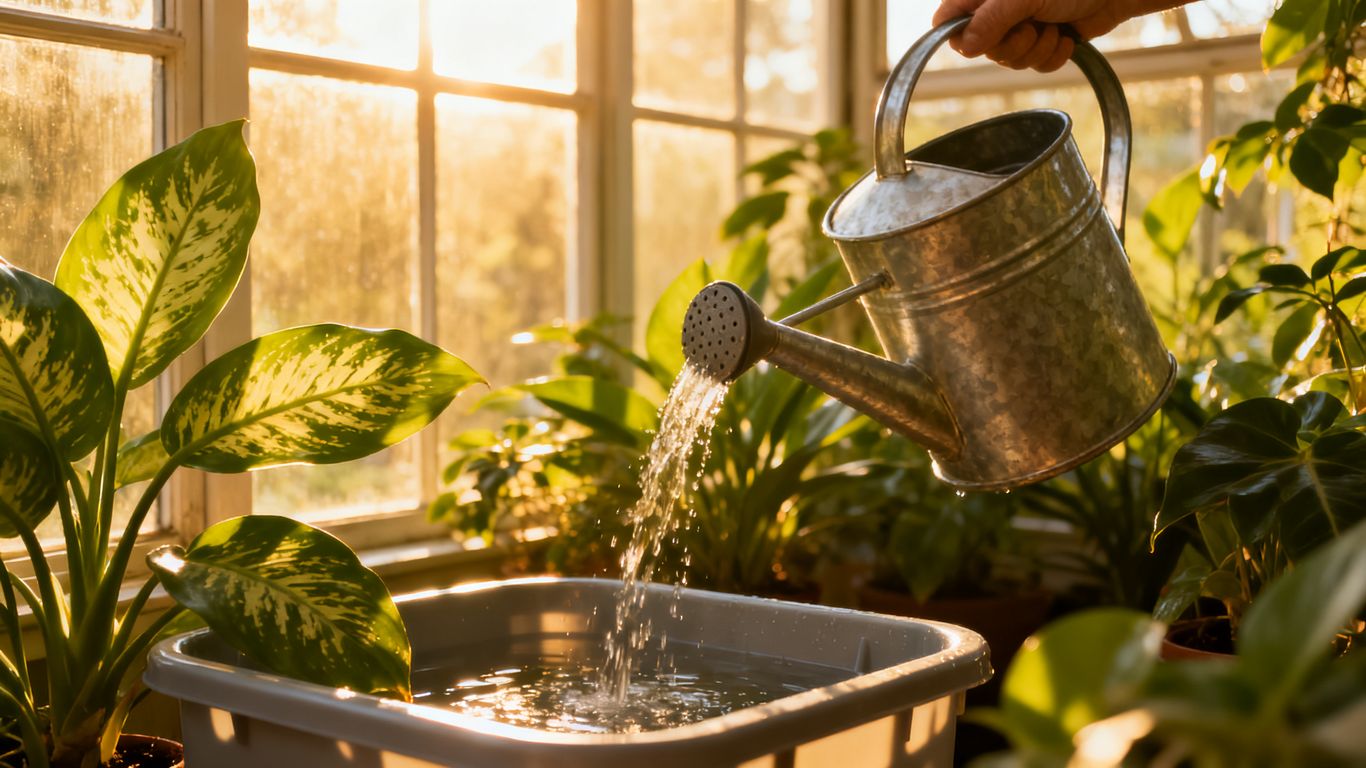
Instead of wasting the water, you can choose to divert it toward tasks that do not involve human or animal ingestion, provided you handle the tank carefully. This approach turns a waste product into a utility, saving on water bills while keeping the household running effectively. The following table highlights common, safe ways you might consider integrating this resource into your home management plan:
| Usage Type | Benefit | Note |
|---|---|---|
| Ornamental Plants | Saves potable water | Avoid using on vegetables |
| Floor Cleaning | Cleans hard surfaces | Use with standard detergent |
| Steam Appliances | Reduce mineral buildup | High purity levels help |
Watering non-edible ornamental plants
Using this water for houseplants can be a surprisingly effective way to recycle moisture. Generally, non-edible plants like ferns or palms thrive on the water because it contains fewer dissolved salts than tap water. However, keep in mind these important safety steps to ensure your plant care remains healthy:
- Never use this water for herbs or vegetables intended for consumption.
- Pour the water directly onto the soil rather than spraying the leaves.
- Monitor your plants to ensure no fungal issues arise from the recycled water.
- Dispose of the water instead of storing it for more than a day.
Cleaning hard floors and household surfaces
For mopping ceramic tile, vinyl, or concrete flooring, this recycled water is quite adequate. It acts as a neutral base for floor cleaners that would otherwise work with city water. When using the Aerofy DualCore 20, the consistent water output makes it simple to gather enough moisture for small cleanup tasks throughout the home, proving that thoughtful engineering helps you manage both air quality and resource management simultaneously.
Use in steam irons and automotive coolant systems
Because the water is relatively low in minerals, it can be useful for filling steam devices if you follow strict cleaning cycles. Using it in a steam iron reduces the scaling that often clogs nozzle openings, as there are fewer calcium deposits to build up in the heating chamber. Similarly, in specific non-engine applications where pure water is required, this resource can be a functional, cost-effective substitute for distilled versions.
Best practices for tank maintenance and sanitation
Effective maintenance is the cornerstone of responsible dehumidification. Without regular attention, your appliance can inadvertently become a source of irritation or biological concern due to the buildup that occurs naturally in wet environments.
Strategies to prevent biofilm buildup
To prevent the rapid growth of algae and mold, establish a cleaning routine that occurs when the tank is emptied. Scrubbing the surfaces with a mild, non-abrasive soap and allowing the unit to air dry periodically will inhibit the formation of slime. By preventing these biological films from taking root, you keep your home safer.
Effective methods for regular tank disinfection
Disinfection goes beyond simple soap and water. Utilizing a diluted solution of food-safe vinegar or a mild bleach mix ensures that persistent spores are eradicated before they have a chance to colonize the interior plastic. Rinse the reservoir thoroughly after any chemical disinfection to avoid releasing those smells into the air during the next operating session.
Identifying when to replace an aging dehumidifier unit
Even high-quality machines have a limited lifespan. You should look to replace your unit if you notice 056e signs of permanent scaling inside the coils, if you hear unusual grinding noises, or if the water tank smells musty despite intensive cleaning. Operating an aging unit like an earlier generation of the Aerofy DualCore 20 is typically safe, but newer units generally offer better filtration and more efficient drainage, ensuring your 9532 investment provides long-term value and comfort.
Conclusion
In summary, while dehumidifier water is an interesting byproduct of your home’s environmental control system, it must be handled as a non-potable resource that requires careful management to prevent bacterial and fungal growth. By adopting a routine of regular tank sanitation and using the water only for appropriate non-edible applications, you can enjoy the benefits of cleaner, drier indoor air while protecting the safety of your family and pets.
Frequently Asked Questions
Why does my dehumidifier water smell like mildew?
Musty odors usually indicate that mold spores or bacteria have colonized the reservoir or the cooling coils, turning the tank into a breeding ground while the unit is stationary.
Can I use a filter to make this water drinkable?
Standard household filters are not sufficient to remove all biological contaminants or accumulated heavy metals, which is why experts strongly advise against drinking this condensate under any circumstances.
Is it safe to mop my floors with this water?
Using this water for mopping hard surfaces such as tile or laminate is generally considered safe, provided you perform the cleaning task promptly and do not leave the stagnant water sitting in the mop bucket for extended periods.
How often should I empty the collection tank?
It is best to empty the tank daily or whenever it reaches the indicator limit to prevent the water from sitting long enough for significant bacterial multiplication to occur.
Could my pets get sick from drinking this water?
Yes, because animals are sensitive to the bacteria and mold spores found in dehumidified water, consumption can lead to gastrointestinal illnesses or, in extreme cases, more severe infections.
Does the water quality change based on the climate?
Yes, in humid tropical climates, the air carries more spores and dust, which results in faster accumulation of contaminants in the water reservoir compared to drier, cooler environments.
Can I use the water for my indoor herbs and vegetables?
You should absolutely avoid using this water for any edible herbs or vegetable gardens because the chemical and biological contaminants present may be absorbed, creating a direct pathway for bacteria into your food chain.