Key Takeaways
- Excess bathroom moisture creates a breeding ground for mold and musty odors.
- Consistent humidity control protects bathroom fixtures and wall surfaces from long-term decay.
- Selecting a compact unit designed for small, damp spaces ensures efficient air treatment.
- Strategic placement near the source of moisture, while respecting electrical safety, is vital.
- Proper maintenance, including regular filter care, prevents mechanical failure and optimizes performance.
Understanding toilet and bathroom excess humidity

Health impacts of bathroom mold
High humidity levels often lead to the proliferation of mold, which produces spores that settle on surfaces. Inhaling these spores can trigger respiratory discomfort or allergic reactions for sensitive individuals, making it essential to maintain a dry environment for your home’s wellbeing. Even in Los Angeles homes where design often emphasizes modern, airy aesthetics, ignoring dampness can result in significant indoor air quality degradation.
Common sources of moisture in the restroom
Bathrooms become naturally damp due to hot showers, dripping faucets, and general plumbing condensation. You can track these moisture pathways using a standard maintenance checklist to see which areas require immediate attention.
| Moisture Source | Impact Level | Mitigation Strategy |
|---|---|---|
| Steamy Showers | High | Use exhaust fan |
| Leaky Toilet | Medium | Fix plumbing seals |
| Wet Towels | Low | Proper ventilation |
Keeping these surfaces dry prevents water from saturating wall cavities, which is critical for long-term home maintenance.
How humidity affects bathroom surfaces
Excess moisture doesn’t just feel uncomfortable; it physically wears down porous materials like grout and wooden vanity units. Over time, moisture causes unsightly blistering paint and wood rot that can be costly to repair. By stabilizing the environment, you ensure that your bathroom finishes remain durable and aesthetically pleasing for years to come.
Benefits of placing a dehumidifier near the toilet
Preventing structural damage to walls
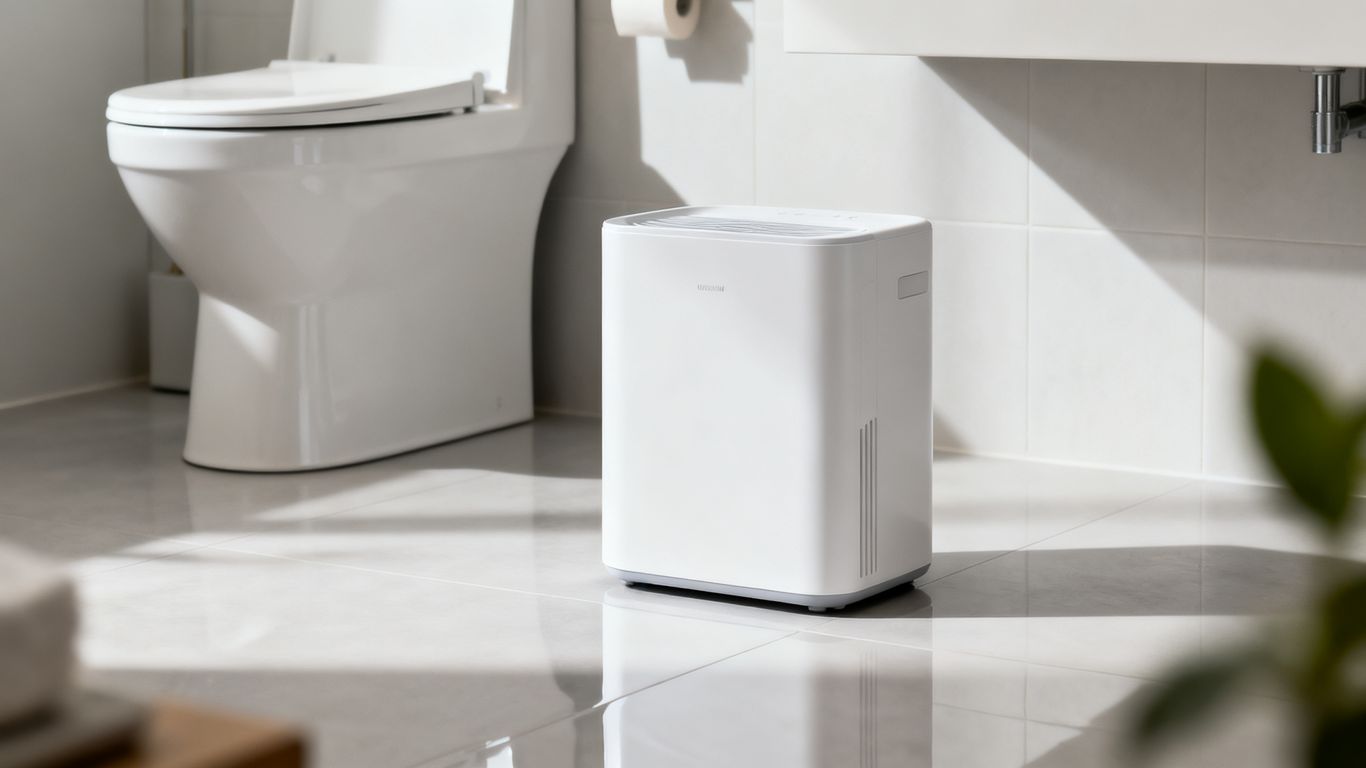
When a bathroom remains consistently damp, wallpaper and drywall absorb that moisture, potentially leading to deep structural rot. Placing an Aerofy unit near the source helps pull humidity away from walls before it has a chance to settle and penetrate interior surfaces.
Improving air quality and odor control
Musty odors are usually tell-tale signs of trapped humidity in small, poorly vented restrooms. A specialized unit like the DualCore 20 removes contaminants and excessive moisture, which helps keep the air fresh even in confined spaces.
Discouraging mold and mildew growth
Preventing mold growth requires a proactive approach where you address moisture before it blossoms into fungal colonies. A reliable, well-engineered device creates a hostile environment for spores by maintaining humidity levels within a healthier range.
- It limits the conditions where mold colonies typically thrive.
- It helps keep the air feeling crisp rather than stagnant.
- It protects towels, mats, and fabrics from absorbing dampness.
These simple steps ensure that your, and your family’s, hygiene routine remains in a cleaner, more controlled setting.
Selecting the right unit for small spaces
Compact designs for tight bathroom layouts
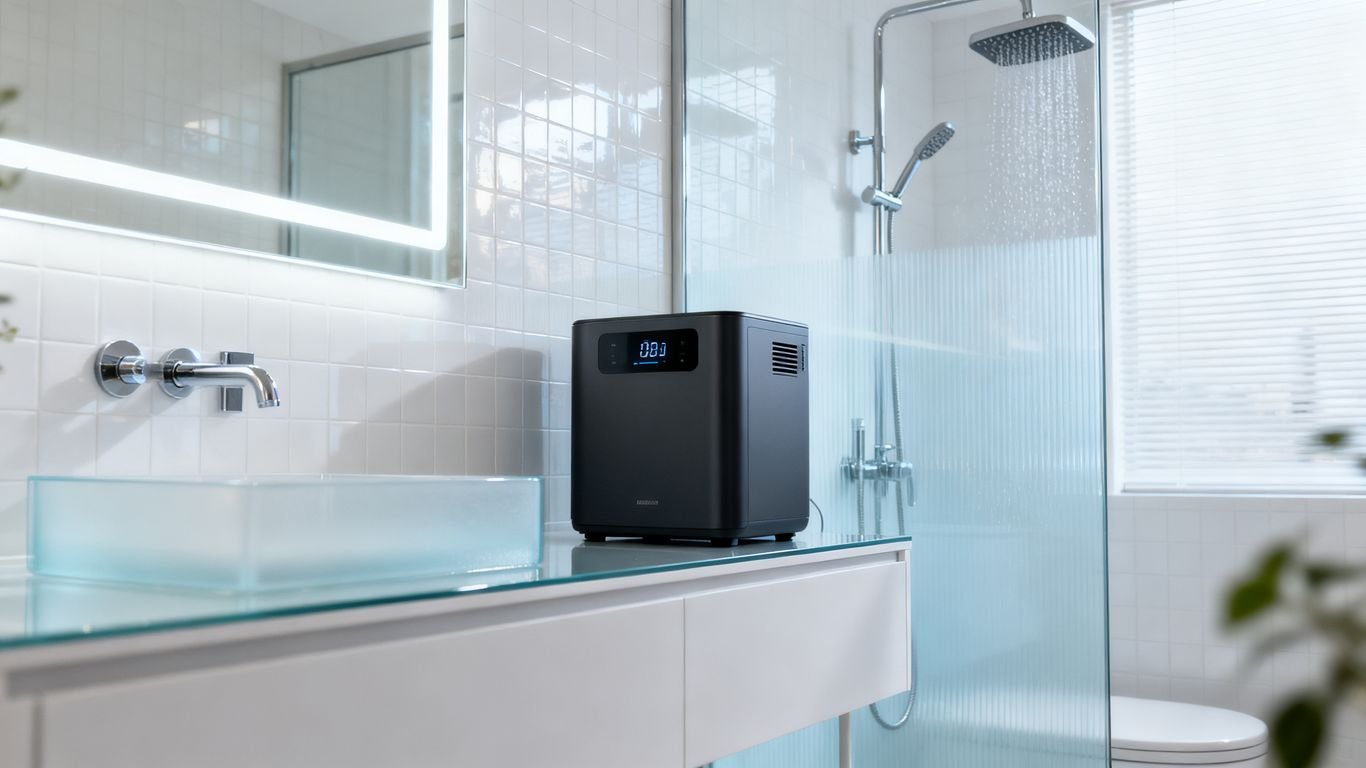
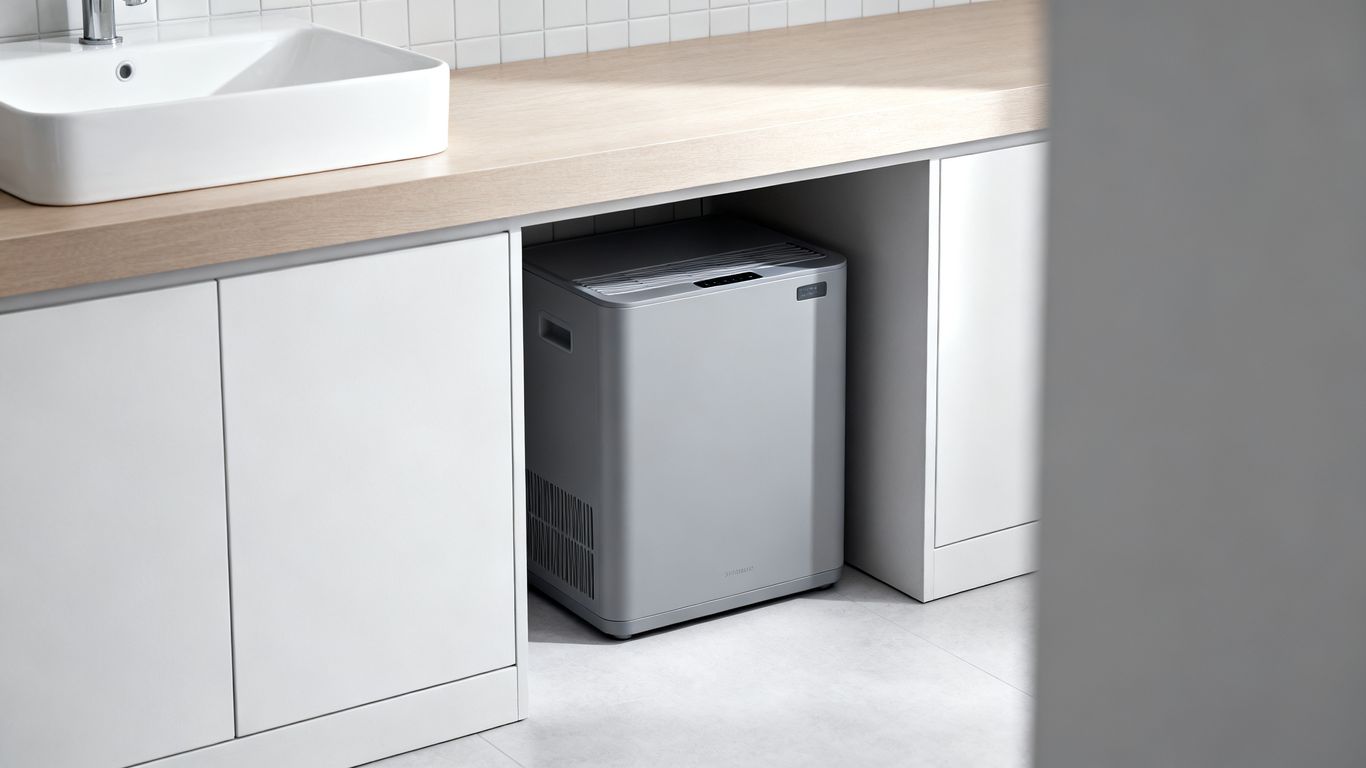
Space-constrained bathrooms require hardware that doesn’t obstruct movement or clutter the sink area. A purpose-built dehumidifier manages to fit into small corners while maintaining enough airflow to effectively lower the room’s moisture levels.
Essential features for damp environments
Look for units that feature robust filtration systems and energy-efficient compressors meant for tropical climates. The DualCore 20 combines high-capacity removal with intelligent moisture sensing, which ensures you aren’t running the unit longer than strictly necessary.
Understanding dehumidification capacity requirements
Capacity isn’t just about the size of the machine; it is about how much water it can extract based on your bathroom’s specific humidity levels. Avoid generic models; instead, focus on units featuring R290 refrigerant and high-quality rotary compressors designed to operate reliably in humid environments.
Proper placement and safety considerations
Safe distances from water sources
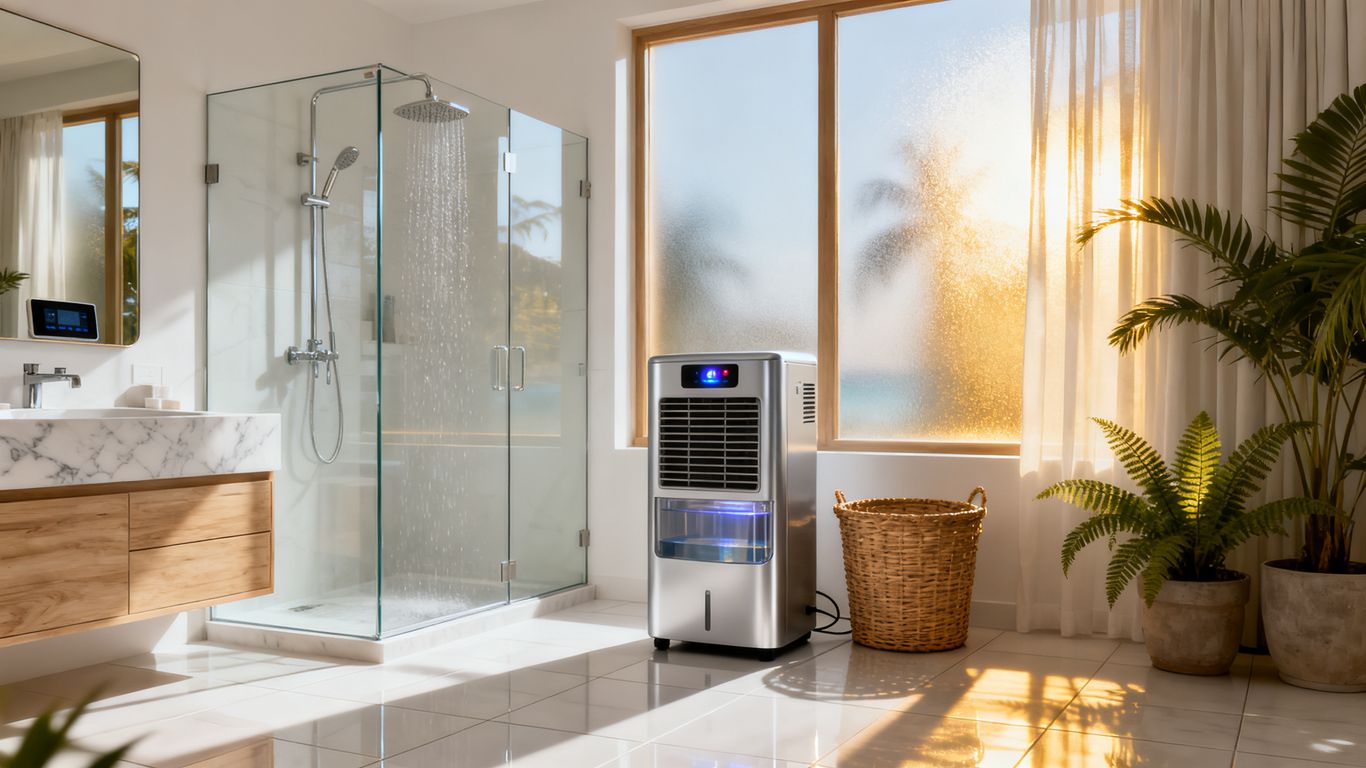
Safety is paramount when electricity meets water, so always keep your appliance at least a few feet away from the showerhead or tub. Using a dedicated dehumidifier that is engineered for bathroom use provides peace of mind through improved build quality and moisture-resistant internal components.
Ensuring adequate airflow for performance
Placement should be strategic; avoid tucking the unit behind bulky cabinets or under cluttered vanity skirts. The air intake needs an unobstructed path to cycle air effectively, ensuring the DualCore 20 maintains peak performance throughout the drying cycle.
Power cord safety in wet areas
Always ensure that your outlet has a ground-fault circuit interrupter (GFCI) to protect against shorts in wet environments. Keep the excess cord length neatly tied to prevent it from draping into puddles near the toilet.
Maintenance tips for bathroom dehumidifiers
Checking and emptying the water tank
Regularly checking your collection tank is the easiest way to prevent overflow and ensure consistent operation. If your bathroom experiences high moisture, you might need to empty the tank daily to prevent the internal float sensor from triggering an auto shut-off.
Cleaning filters to prevent dust buildup
Dust and lint from towels can quickly clog intake filters and stifle the unit’s internal mechanics. A quick monthly rinse or vacuum of the intake will prolong the life of your equipment and keep air flowing smoothly.
Recognizing signs of mechanical failure
If you hear unusual grinding or observe the unit cycling on and off rapidly, it may indicate a motor issue or a clogged condenser. Addressing these signs early prevents more complex breakdowns and keeps your bathroom clean and dry.
Alternative humidity control methods
Improving ventilation with exhaust fans
While a dehumidifier is a powerful tool, it performs best when paired with a strong exhaust fan to pull heavy steam out of the room. Running your fan for ten minutes after a shower gives the unit a head start, significantly reducing the energy needed for dehumidification.
Using absorbent materials for mild moisture
For very minor humidity issues, placing silica gel packets in cabinets or using absorbent cloths can help manage dampness in storage areas. These passive methods are best considered supplemental to active electronic moisture control.
Evaluating the impact of temperature changes
Temperature fluctuations in a tropical bathroom can affect the condensation rate within your unit. Keeping a consistent indoor climate helps the refrigeration cycle work at its most efficient, ensuring your Aerofy remains effective regardless of external weather.
Conclusion
Maintaining a dry bathroom is a vital part of protecting your home from mold and structural degradation, especially in a tropical environment. By selecting the right dehumidifier for your needs and following proper placement and maintenance routines, you can create a fresh, healthy space that protects both your family’s health and your property’s value.
Frequently Asked Questions
Can I leave my dehumidifier running 24/7 in the bathroom?
It is generally safe to leave a properly certified unit running, provided it is kept away from direct water contact and the water tank is emptied regularly or set up for continuous drainage.
Does running a dehumidifier make a bathroom warmer?
Most dehumidifiers release a small amount of heat from their compressor as they operate, which might make a very small room feel slightly warmer, though this effect is usually negligible.
Should I close the door while the dehumidifier is running?
Yes, closing the door helps the unit create a controlled environment and prevents it from having to treat the humidity of the entire house, which increases efficiency.
How often should I clean the bathroom dehumidifier filter?
Cleaning the filter every two to four weeks is recommended to prevent debris buildup, which allows the machine to pull moisture effectively without straining the motor.
Will a dehumidifier eliminate existing black mold spots?
While it prevents new growth, a dehumidifier will not remove existing mold colonies; those must be manually cleaned with appropriate mold-killing solutions before starting your moisture control routine.
Can I use a dehumidifier instead of an exhaust fan?
Ideally, both work best together, as a fan removes steam quickly while the dehumidifier lowers the ambient humidity, providing a comprehensive solution for wet areas.
What is the ideal humidity level for a bathroom?
Maintaining levels between 40% and 50% is generally ideal for inhibiting mold growth and ensuring comfort without making the air feel too dry.
Take Back Your Bathroom
Protect your home from the damaging effects of excess humidity with engineered solutions that stand the test of time. Buy Now to experience the difference a specialized unit makes for your daily comfort and long-term home maintenance.