Key Takeaways
A dehumidifier machine helps you take control of your indoor air quality by managing moisture levels, essential for preventing mold and mildew growth. Following these fundamental steps ensures your home remains comfortable and protected against dampness throughout the year.
- Select a model with the right pint capacity based on room square footage and humidity levels.
- Prioritize units with energy-efficient features like digital sensors and auto-defrost functionality.
- Place the equipment in a central, unobstructed location for optimal air circulation.
- Clean internal filters and water storage components consistently to maintain peak system performance.
- Regularly inspect drainage pathways to avoid leaks and ensure continuous operation in damp environments.
Understanding how a dehumidifier machine works
Modern moisture management relies on sophisticated engineering to pull water vapor from your home’s air. For residents in the tropics, understanding how these systems operate is the first step toward effective climate control, as high ambient humidity requires specialized, efficient handling. Whether you are using a DualCore 20 or looking for general advice, the core objective remains trapping moisture before it settles into walls or furniture.
Refrigerant versus desiccant technology
Most common residential units act as condensate systems, which utilize refrigerant to cool internal coils significantly below the dewpoint. These are highly effective for warm, humid climates because they rapidly condense vapor into liquid water collection tanks. Conversely, desiccant technology acts by bonding moisture to specialized absorbent materials, making them a quieter, albeit often less power-efficient, alternative for cooler environments.
The role of the compressor and cooling coils
At the heart of the system, the rotary compressor works to circulate refrigerant through cooling coils. As warm, damp air passes over these chilled surfaces, the rapid temperature drop forces the water to condense and drip into a reservoir. Reliable systems, such as those engineered by Aerofy, prioritize high-quality compressor parts to ensure long-term cooling efficiency in intense tropical humidity.
Condensate collection systems
Once the water condenses, it must be effectively stored or evicted from the apartment or house space. Most portable units feature a sliding collection bucket equipped with an automated shutoff switch to prevent overflows when the tank reaches maximum capacity. Advanced setups allow for continuous gravity drainage via an integrated back-port, though this requires consistent, downhill positioning to avoid pooling.
Airflow and fan motor considerations
Efficient moisture removal cannot happen without consistent airflow moving through the unit’s intake and across the filtered cooling area. A powerful fan motor pulls in stagnant, humid air, processes it through the cooling cycle, and releases dry, clean air back into the room. Maintaining unobstructed circulation paths is vital for ensuring the intake isn’t starved of air, which would otherwise lead to short-cycling or inefficient cooling.
Factors to consider when selecting a dehumidifier machine
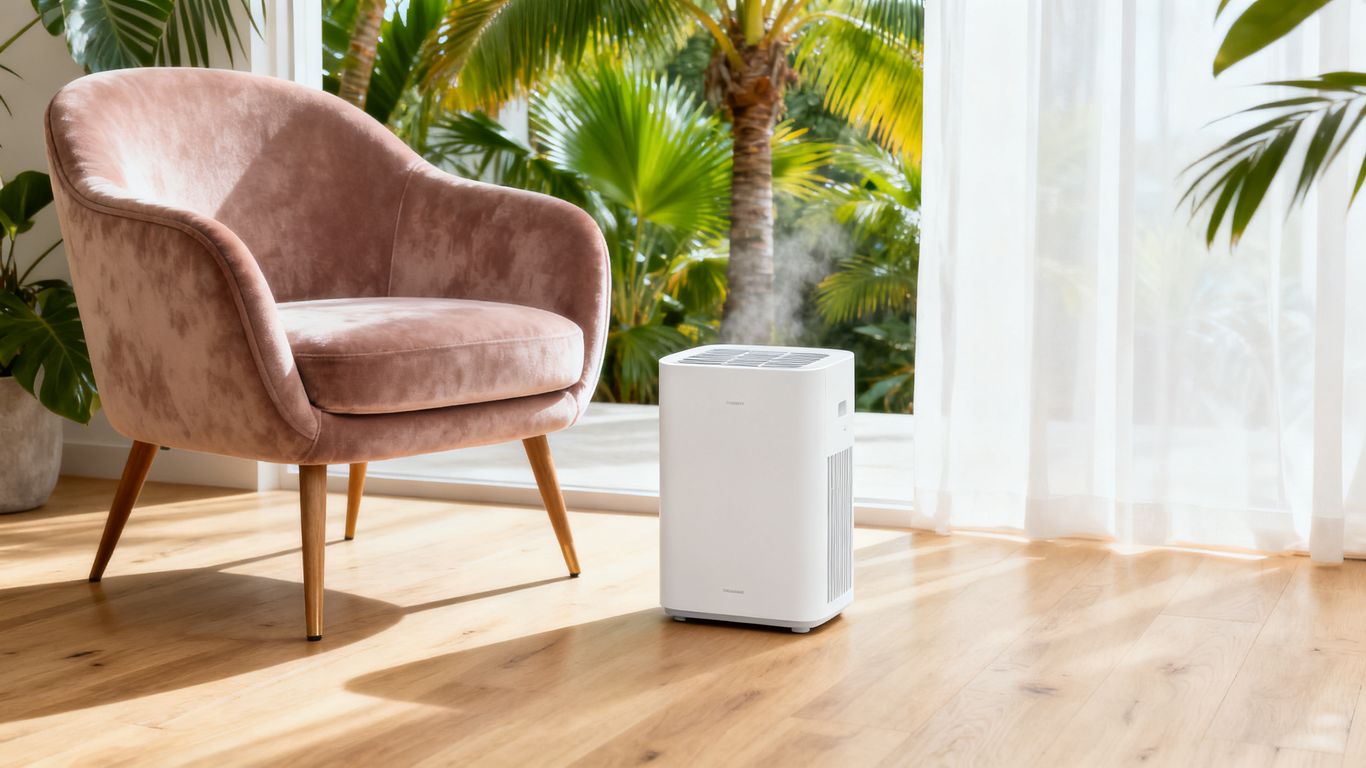
Choosing the correct device involves more than matching features to a price tag; it requires an assessment of your home’s environmental stresses. For many, finding the right balance between power and space is the ultimate obstacle when preventing long-term structural moisture damage. When you shop for dehumidifiers and compare options, focus on the specific metrics that dictate performance in your exact square footage.
Room size and moisture removal capacity
Assessing your square footage is essential to avoid using an underpowered unit that never truly tackles the ambient dampness. Small, compact spaces might benefit from mobile units, while larger open-plan living areas require systems rated for higher throughput. Always calculate the footprint of the area needing treatment rather than the size of the whole residence to ensure the device isn’t overworking itself.
Understanding pint capacity ratings
Capacity is usually measured by how many pints of moisture the unit extracts in a twenty-four-hour period, serving as a primary indicator of overall system strength. For spaces that feel perpetually damp, a unit with a higher pint rating provides the necessary buffer to handle high humidity peaks during rainy seasons. A well-engineered machine balances this rating with energy draw, ensuring you don’t compromise your utility budget for comfort.
Energy Star certification and power efficiency
Modern appliances often include indicators like Energy Star certification, which show they meet strict power usage guidelines while maintaining high-performance standards. This efficiency is critical if you plan on running the unit continuously to combat chronic moisture. Investing in a high-efficiency DualCore 20 helps keep operating costs predictable even when the humidity sensors demand frequent active cooling cycles.
Noise levels for different living spaces
In bedrooms or home offices, the decibel rating becomes a priority to ensure the unit doesn’t disrupt your daily rest or concentration. While all refrigerant-based machines require a compressor that generates some sound, premium models utilize vibration-dampening materials to minimize their footprint. Choosing a unit that offers quiet-mode settings allows for effective air drying without forcing you to pick between peace and moisture control.
Optimal placement of your dehumidifier machine
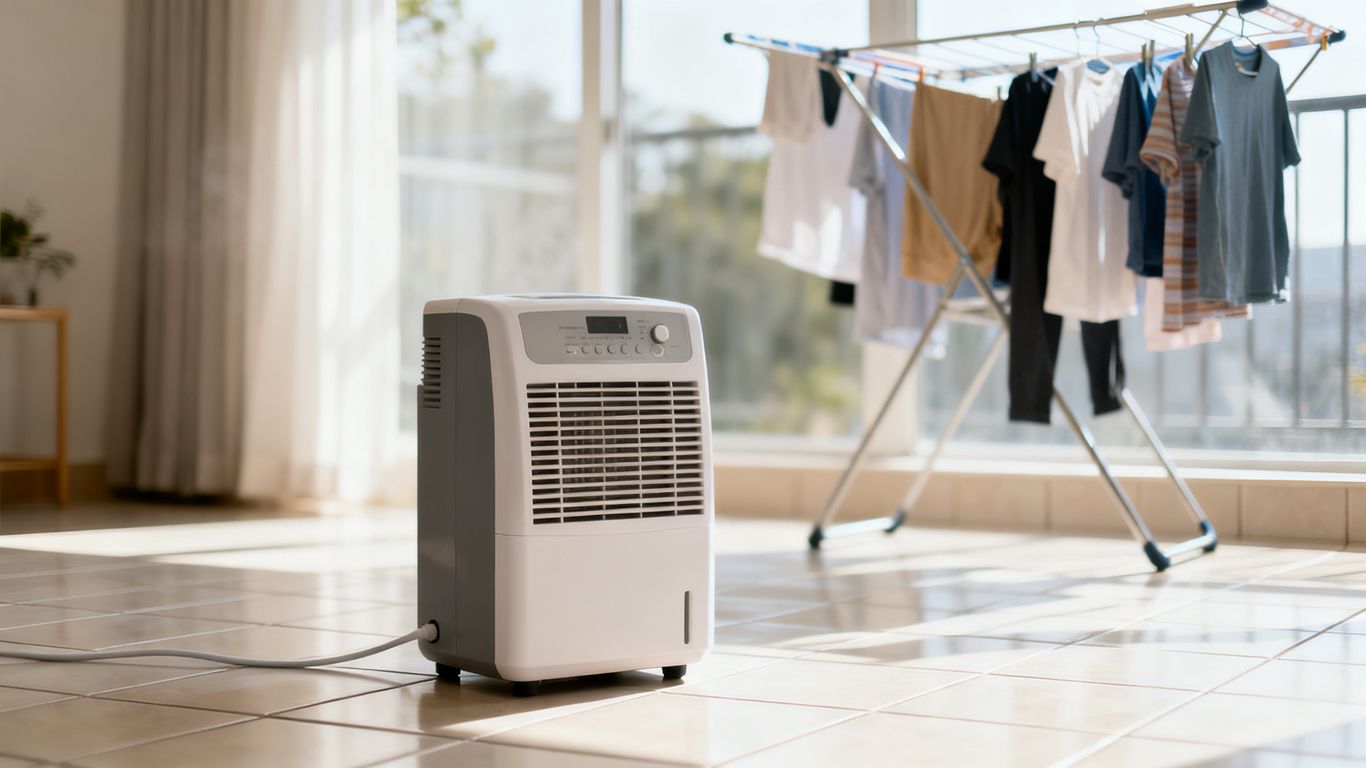
Strategically placing your device is just as important as selecting the right model, as physical positioning dictates how effectively air circulates through the entire room. If the system is hidden away in a dead corner, it effectively cycles the same pocket of air rather than scrubbing the entire room’s humidity. You can improve your home by ensuring the unit has breathing room to function at its design capacity.
Identifying areas of high humidity
High-traffic spots, laundry areas, or rooms with significant airflow restrictions are natural candidates for your first unit placement. Using a hygrometer allows you to verify spots that consistently exceed 60% relative humidity, which is often the threshold for mildew development. Once you have pinpointed these trouble spots, you can rotate the machine through them during seasonal changes.
Proper clearance for airflow
Every machine acts as an air pump, and like any pump, it requires room to breathe without hitting obstacles that prevent exhaust or intake. You should aim to keep at least 15 to 20 centimeters of clearance around the back and side vents to avoid backpressure. This simple habit prevents the motor from overheating and helps the refrigerant system maintain consistent cooling efficiency.
Strategic positioning in basements and crawl spaces
In basements where ground moisture penetration is a factor, placing your machine on a stable, level surface is non-negotiable for longevity. If direct drainage via a hose is available, position the unit near a floor drain to leverage gravity rather than relying on the internal tank. This allows the system to operate indefinitely without the constant need for manual maintenance or emptying, which is ideal for remote corners.
Avoiding obstructions near walls or furniture
While it is tempting to push equipment flush against a wall, doing so disrupts the flow of air and limits the unit’s ability to sample the room’s true humidity levels. Ensure that draperies, furniture, and wall decorations are moved away from the airflow path. By following these straightforward rules for equipment placement you gain much better, more uniform moisture reduction across the entire floor plan.
Integrating smart features and controls
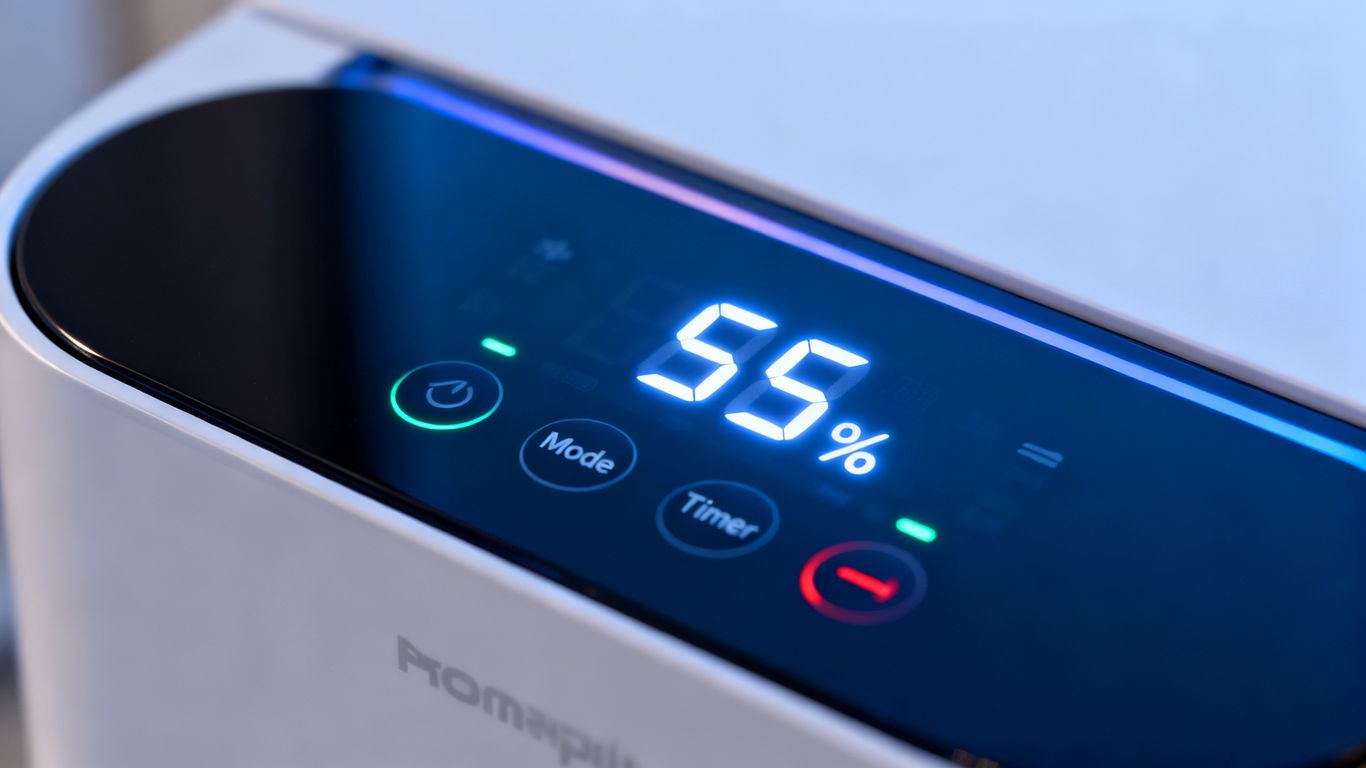
Smart integration transforms a static appliance into an active partner in your home’s environmental management. Modern technology allows you to move beyond basic on-and-off switches, giving you precise command over how your device responds to changing atmospheric conditions. To understand the technical aspects of how humidity sensing and remote control work together, consider these standard features.
Automatic humidistat sensors
Digital humidistats continuously monitor current moisture levels in the room and adjust the compressor operation to hit your target setpoint. Once the desired humidity is achieved, the unit can cycle down to save electricity, making this feature the most effective way to optimize your utility usage. Many high-end units allow for fractional percentage adjustments, providing a level of precision that mechanical dials simply cannot match.
Programmable timers and scheduling
Daily schedules allow you to synchronize the unit’s performance with your lifestyle, such as ramping up operation while you are out of the house. By programming these cycles, you ensure the air remains clean and dry during peak hours without needing manual intervention for every session. This scheduling flexibility is especially useful for managing power usage during specific time windows.
Wi-Fi connectivity and remote monitoring
Remote monitoring grants you the ability to check the current status or adjust the target humidity from your phone, regardless of where you are. This capability is a massive convenience for homeowners who travel often or manage multiple spaces, providing real-time alerts if the water tank reaches capacity. Below is an overview of how these features commonly compare in terms of convenience and user capability:
| Feature | Main Advantage | Best Usage Scenario |
|---|---|---|
| Remote Scheduling | Energy efficiency | Daily away-from-home intervals |
| Real-time Alerts | System maintenance | High-capacity basement running |
| Digital Humidistat | Precision comfort | Bedrooms and living rooms |
Incorporating these smart controls means you spend less time managing the machine and more time enjoying a consistent, comfortable home environment.
Auto-defrost and restart functions
Auto-defrost features are vital for systems that deal with colder, damper conditions, as they prevent ice from coating the evaporator coils and choking the unit. Should a power flicker occur, an integrated auto-restart function remembers your previous settings, allowing the system to resume moisture removal immediately without forcing you to reconfigure the entire control panel.
Maintenance tips for your dehumidifier machine
Properly looking after your unit ensures that the internal components stay clean, preventing the accumulation of dust or biological growth that can impact air quality. Establishing a simple maintenance cadence helps protect your initial investment and prevents the most common operational headaches. If you ever feel unsure about maintenance or see a warning light stay on after cleaning, check your manual for specific safety protocols.
Cleaning and replacing air filters
Filters are the first line of defense for the internal cooling coils, effectively blocking fine dust and pet dander. You should perform a visual check every two weeks, rinsing the filter under warm water if it appears gray or clogged. Keeping this mesh clear is one of the most effective ways to lower the load on the fan motor and ensure optimal airflow throughout the room.
Draining the water tank versus continuous drainage
Manual bucket emptying is simple, but it demands consistent attention to stop water from overflowing if the system is running at high capacity. For busy households, configuring a continuous drain setup provides an automated, stress-free alternative. Follow these steps to ensure a leak-free setup for a continuous drain application:
- Confirm the unit is positioned on a flat, level surface relative to the drainage point.
- Use a high-quality, clear vinyl hose that is free of internal kinks or twists.
- Secure the end of the hose firmly into a floor-level drain or container.
- Periodically inspect the hose connection point for leaks to prevent water pooling.
Once connected, your setup will handle most of the daily work without requiring you to constantly pull out and empty the internal tank.
Troubleshooting common leaks or condensation issues
If you notice water gathering under the base of the machine, it often points to a simple alignment issue with the bucket or a blockage in the drain port. Always ensure the internal valve is snapping into place correctly whenever you slide the reservoir back into the unit. If the problem persists despite a clear drain valve, inspect the internal condensate pump for hidden debris.
Seasonal storage considerations
When the weather dictates that an active dehumidifier isn’t required, you should perform a comprehensive clean before putting the machine away for the season. Empty all remaining water, wipe down the intake grids, and let the components air-dry completely for a full day before covering. Storing it in a cool, dry area ensures that mold or musty smells don’t develop inside the unit while it sits idle.
Troubleshooting common performance issues
Occasional performance hitches are a normal part of owning any household appliance, and most can be traced back to basic environmental factors or clogged filters. Understanding when to troubleshoot the unit yourself and when to call a professional keeps your home environment stable. Here is how you can perform a quick diagnostic check before fearing the worst.
Why the unit may stop collecting water
If your unit is running but failing to fill the reservoir, first verify that the current room humidity is actually higher than your target humidistat setpoint. Sometimes the machine is working perfectly, but the room is already dry enough that no more extraction is required. If the air in the room is humid but the unit stays dry, check for a clogged filter that might be restricting flow.
Addressing unusual noises or vibrations
Dehumidifiers should produce a consistent hum, but rattling, grinding, or squealing noises suggest internal obstruction or a mechanical misalignment. Ensure the unit is sitting on a perfectly level floor, as uneven surfaces are the most frequent culprit for vibration. If the noise continues on a perfectly flat surface, look for loose casing screws or internal parts vibrating against the shell.
Managing foul odors from the unit
Foul odors are almost always caused by trapped organic matter in the air filter or stagnated mildew build-up inside the water collection system. Regular cleaning with a mild, safe disinfectant keeps the collection tank fresh and prevents growth. If the smell persists after a complete deep-clean of the tank and filter, check the internal coil area for accumulated dust that could be dampening the airflow.
Signs that your compressor may be failing
Repeated, sudden cycling on and off that doesn’t correspond to the humidistat suggests that the compressor is struggling with a thermal overload or an internal cooling issue. While a hot compressor is normal during long-run cycles, a unit that makes a strained humming sound and pulls no moisture is a major warning flag. When these critical signs appear, it is time to contact the technical support team to inspect the electrical system components.
Conclusion
Taking regular care of your device and understanding its core mechanics ensures that your investment remains a powerful tool for improving your comfort. By balancing correct placement, regular maintenance, and smart usage settings, you will enjoy a healthier, drier, and more refreshing air quality in every room.
Frequently Asked Questions
How often should I empty the water tank?
You should empty the tank as soon as the warning light indicates the reservoir is full, or at least once daily in high-humidity conditions.
Can I run a dehumidifier 24/7?
Yes, most modern units are designed for continuous operation and can safely run around the clock to maintain your desired humidity levels.
Where is the best place to put the unit?
Position it in a central, open area of the room with at least 20 centimeters of clearance on all sides to allow maximum airflow.
Does a dehumidifier replace an air conditioner?
No, while they both remove moisture, dehumidifiers are not designed to lower the temperature of your home and do not serve as a substitute for air conditioning.
What humidity level is considered ideal?
Maintaining a relative humidity level between 30% and 50% is generally considered the sweet spot for health and comfort in residential settings.
Is it normal for the output air to feel warm?
Yes, the heat produced during the refrigeration cycle is a standard by-product of the unit’s cooling process and is normal operation.
How do I store the unit long-term?
Clean all surfaces and the water tank thoroughly, let it dry completely for 24 hours, and store it in a clean, dust-free environment.