Key Takeaways
Understanding the distinct roles of air management devices is vital for creating a healthy home climate. This guide clarifies whether you need filtration, moisture control, or a combination of both.
- Air purifiers specialize in removing airborne particulate matter.
- Dehumidifiers effectively lower relative humidity to prevent mold.
- These appliances serve complementary but mechanically distinct functions.
- Integrated units often save space by combining both capabilities.
- Assessing your specific environmental challenges dictates the right choice.
Understanding the core function of each device
Many homeowners struggle to navigate the differences between various climate control appliances. It is a common misconception that one machine covers every household need, but when people ask if someone is air purifier same as dehumidifier, the answer is always no. Each device employs unique engineering to tackle specific indoor environmental issues rather than acting as a universal solution.
How air purifiers trap indoor particulates
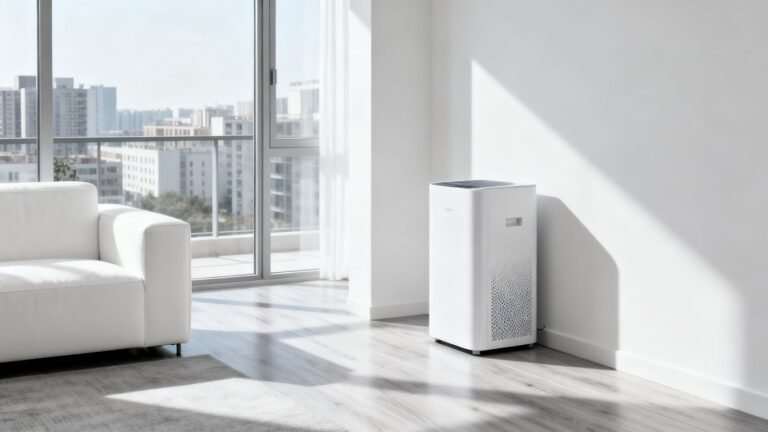
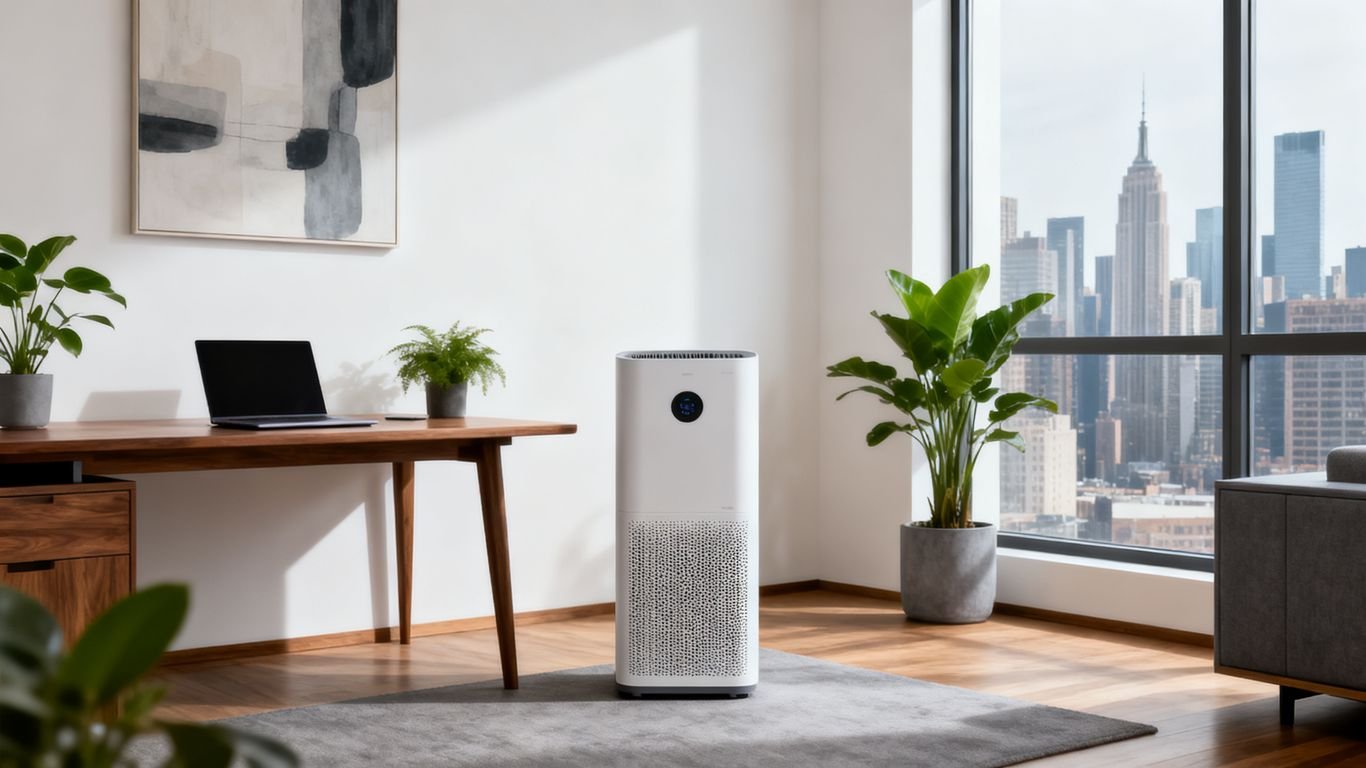
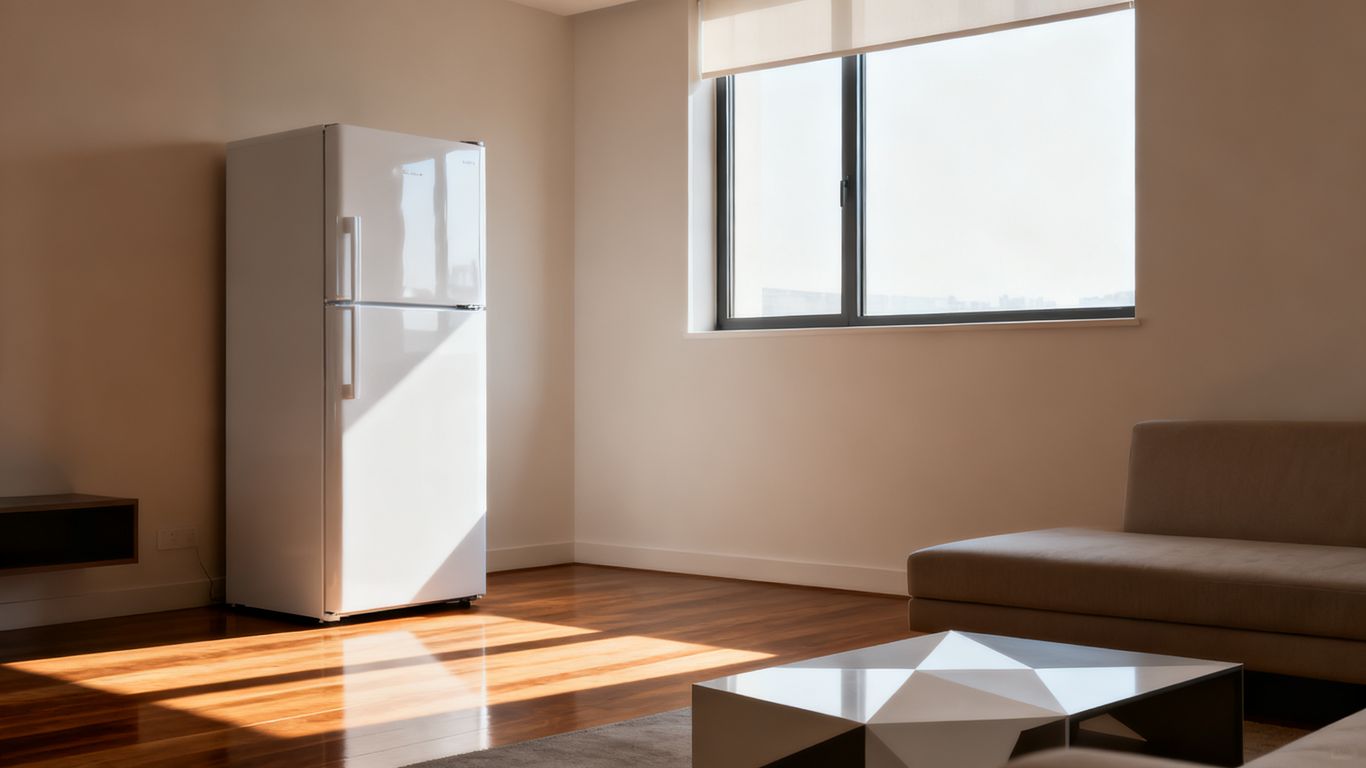
Air purifiers focus on physical filtration of the atmosphere within a room. These units force air through a series of dense media layers, such as HEPA filtration or activated carbon, to capture microscopic particles like dust, pollen, and pet dander. By continuously cycling air, these devices remove floating irritants that might otherwise settle on your surfaces or stay suspended for you to inhale.
The moisture extraction process in dehumidifiers
Dehumidifiers operate on a refrigeration loop to reduce the absolute water content in a room. Using a rotary compressor and R290 refrigerant, the device draws in humid air and cools it over cold coils, forcing water vapor to condense into a collection tank. This active reduction of humidity prevents the saturation of walls and fabrics, which is essential in tropical climates like Singapore.
Primary goals: air purity versus humidity control
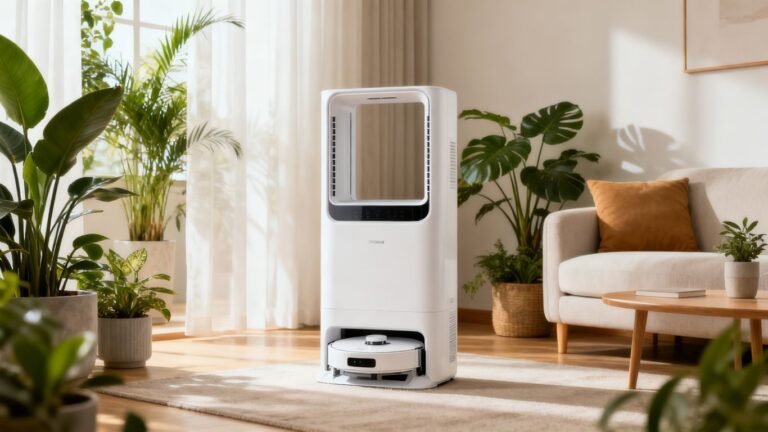
While purifiers target particulate density, dehumidifiers prioritize the physical state of the air to avoid dampness. Trying to rely on one to do the job of the other typically leads to frustration and ineffective results. The DualCore 20 from Aerofy exemplifies how integrated design attempts to bridge this gap by providing both functions in one unit. Users interested in holistic indoor air quality management often buy now to address these dual threats.
Health impacts and indoor environmental benefits
Improving your home environment involves more than just aesthetics; it is about mitigating the unseen factors that impact well-being. Excessive moisture and high concentrations of particulates can both contribute to long-term health complications if left unchecked. Selecting the correct appliance strategy ensures that you are actively protecting your living space from these biological and chemical stressors.

Mitigating respiratory issues with advanced filtration
Advanced mechanical filters catch pollutants small enough to penetrate deep into your respiratory system. When you use a modern purifier, you are significantly reducing the load on your lungs by stripping out smoke and fine dust particles. This creates a safer breathing environment for those sensitive to seasonal allergens or urban pollution.
Preventing mold growth through moisture management
Mold requires high localized humidity to thrive, especially in dark corners or poorly ventilated closets. A dehumidifier maintains the relative humidity below the threshold where fungal colonies can establish themselves, keeping your structure safe. The following table highlights why controlling humidity is a top priority for preventing common household issues:
| Issue Factor | Dehumidifier Impact | Air Purifier Impact |
|---|---|---|
| Mold Prevention | High Reduction | Negligible |
| Dust Mite Control | High Reduction | Minimal |
| Allergen Removal | Low Reduction | High Reduction |
Improving overall comfort for allergy sufferers
By managing both humidity and dust, you create a home that is physically less taxing on your immune system. Consistent environmental control improves daily comfort while reducing flare-ups caused by allergens that accumulate in damp, stagnant air. Once your air is properly filtered and dried, you will likely notice a dramatic change in how fresh your home feels throughout the day.
Scenarios requiring the use of an air purifier
There are moments when the external environment requires an aggressive, targeted response. Whether it is an unexpected spike in smog or simply the day-to-day struggle with shedding pets, a dedicated filter becomes your primary line of defense against declining air hygiene.
Managing wildfire smoke and airborne pollutants
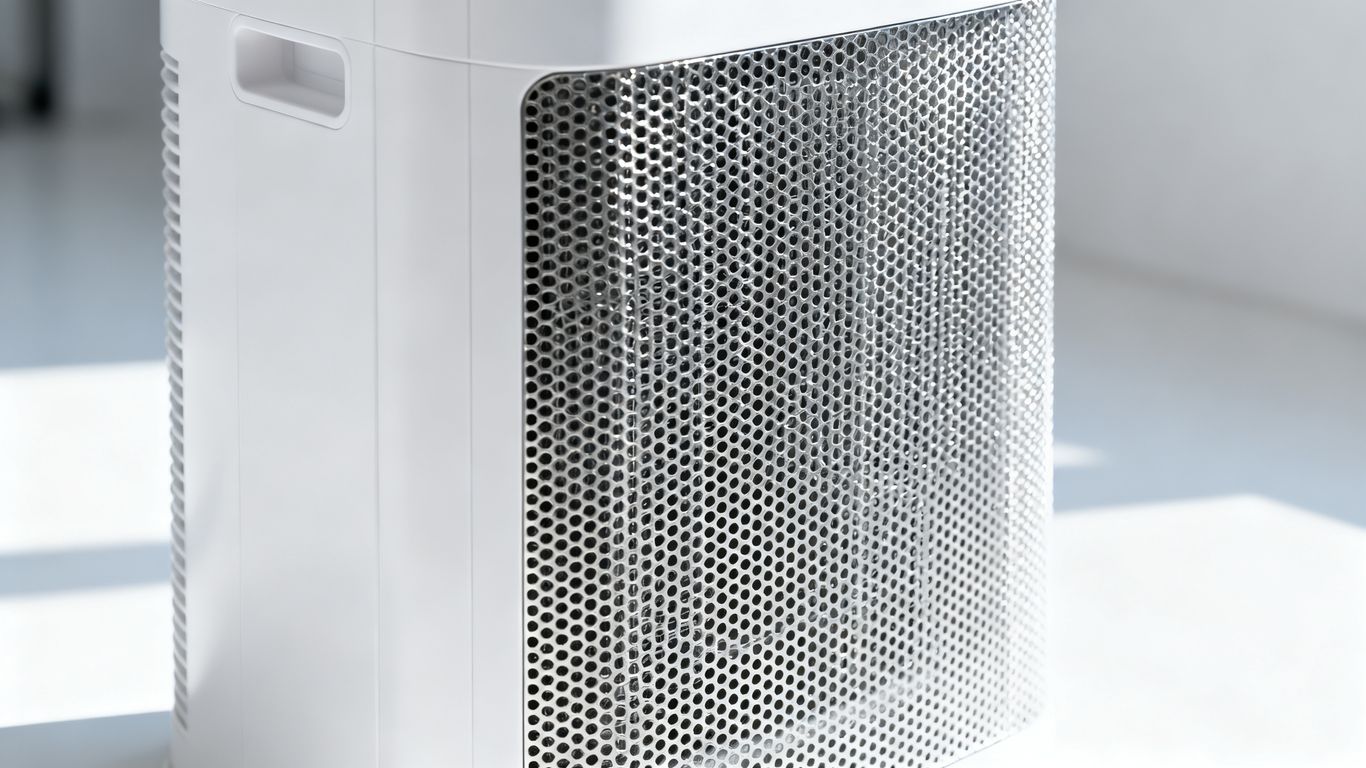
During times of high outdoor pollution, particulate matter can easily infiltrate indoor spaces. A purifier with high-efficiency media acts as a barrier, ensuring that the air you breathe remains within safe limits even when the outside world is filled with haze or smoke.
Capturing pet dander and common household dust
Pet dander is notorious for sticking to textiles and circulating through HVAC systems. Purifiers maintain clean air by pulling these tiny flakes from the space before they can accumulate on furniture. Taking this approach helps maintain a cleaner home with less frequent manual scrubbing of surfaces.
Reducing exposure to volatile organic compounds
Many household products, such as paints, adhesives, and cleaning sprays, release harmful gases over time. Addressing these chemical threats requires activated carbon layers that catch molecules that mechanical filters might miss. Having this level of protection is essential for modern homes filled with synthetic materials.
Determining when a dehumidifier is the necessary choice
Ignoring excess dampness almost always results in long-term structural and biological damage. If your home exhibits any of the following signs, it is time to deploy moisture control technology to prevent lasting harm to your property.
Controlling dampness in basements and crawlspaces
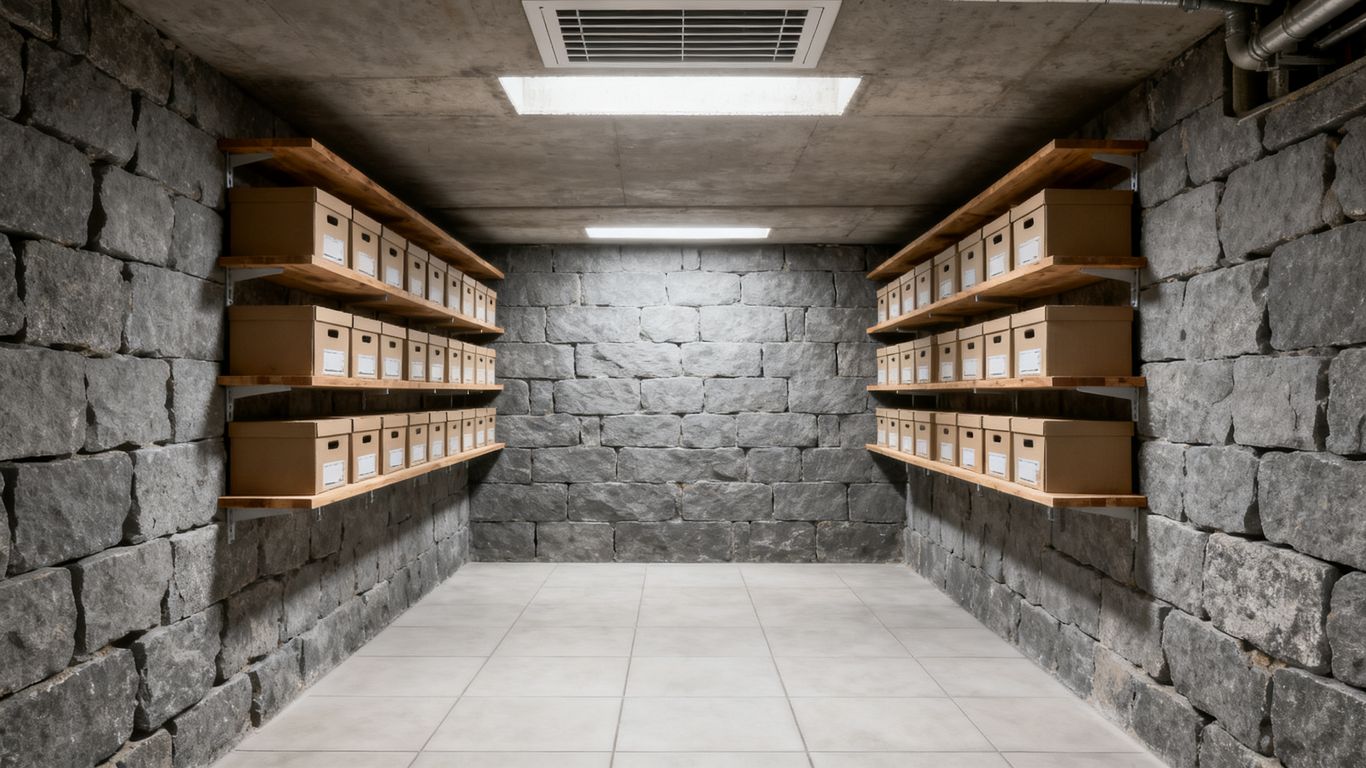
These areas often lack proper ventilation, leading to standing moisture that ruins stored goods and causes structural decay. Installing a dehumidifier here acts as a constant guard against water accumulation.
Protecting wooden furniture and structural integrity
When furniture absorbs too much moisture, it warps, rots, and swells unexpectedly. You can keep your investments intact by maintaining a stable relative humidity year-round. This is particularly important for residents in humid locations who expect devices to be built for the tropics.
Managing humidity levels to inhibit dust mite reproduction
Dust mites are a primary allergen trigger that cannot survive in drier air. By consistently dropping humidity below 50%, you make your home inhospitable to these organisms, effectively neutralizing that specific threat. The following list identifies the specific signs of excessive moisture:
- Noticeable musty or damp odors in confined storage rooms.
- Condensation droplets consistently forming on glass window panes.
- Peeling paint or wallpaper in high-humidity zones like pantries.
- Visible damp spots forming on ceiling corners or floorboards.
Integration strategies for better indoor air quality
Successfully managing your home environment often requires a balanced approach that pairs both technologies. Many users discover that running a coordinated system leads to superior outcomes compared to using either device in complete isolation. Proper planning of where to place these machines can yield significant energy and performance gains.
Benefits of running both systems simultaneously
Operating both a dehumidifier and an air purifier allows you to tackle biological threats and chemical pollutants at the same time. While the unit extracts moisture, the filtration system captures the particles that thrive in humid environments. This dual approach is essential for achieving a truly pristine living space.
Optimizing placement for airflow efficiency
Position your units away from walls and obstructions to allow for maximum circulation of untreated air into the intakes. Efficiency drops significantly if the air intake is blocked, so ensure clear pathways around your home climate systems. Proper positioning is a small detail that drastically changes how quickly air cycles through the room.
Assessing energy consumption and maintenance needs
Modern systems often track energy use, but you must also keep up with filter replacements and tank drainage to remain effective. Regular maintenance ensures you are not running inefficient hardware that struggles to keep up with your home’s environmental demands. By keeping these tasks on a schedule, you ensure your indoor climate remains consistently comfortable.
Conclusion
Choosing between an air purifier and a dehumidifier requires assessing the specific challenges your home faces, whether it is high humidity levels or poor particulate air quality. By leveraging specialized technology, you can protect your living space and your long-term respiratory health through consistent moisture and pollutant management.
Frequently Asked Questions
Can I use a dehumidifier to clean my home’s air?
Dehumidifiers are not designed to filter airborne particles and offer no protection against dust, allergens, or VOCs.
Is it harmful to run an air purifier for 24 hours?
Running an air purifier around the clock is generally encouraged to maintain a consistent level of air cleanliness without interruption.
How often should I check my humidity levels?
Monitoring humidity weekly allows you to track changes in seasons and adjust your settings appropriately to keep your environment stable.
Does high humidity cause air purifiers to malfunction?
Extreme high humidity can sometimes saturate paper-based filters, reducing their capacity, but it generally will not cause the device to fail completely.
Are there any DIY ways to replace an air purifier?
There are no effective DIY substitutes for specialized HEPA filtration systems, as they rely on specific airflow and fiber density to function.
How does outside air affect the efficiency of these units?
Opening windows frequently allows outside pollutants and moisture to rush back in, forcing your devices to work significantly harder to recover.
What happens if I don’t use a dehumidifier in a humid area?
Without a dehumidifier, you invite mold, mildew, and potential structural damage that can be very costly to remediate later on.