Key Takeaways
- Maintaining indoor humidity between 30% and 50% is crucial for health and property preservation.
- High humidity often manifests through persistent musty odors, visible condensation, or mold growth.
- Seasonal shifts often necessitate consistent dehumidifier monitoring, even in climate-controlled environments.
- Strategic device placement near central airflow areas improves overall moisture extraction efficiency.
- Regular filter maintenance and smart capacity selection are vital for operational longevity and performance.
Understanding ideal humidity levels in your home
Optimizing your home’s air quality starts with acknowledging that moisture content directly dictates comfort. When water vapor lingers in your living space, it impacts everything from respiratory health to your home’s structural integrity. Understanding exactly when to use dehumidifier units empowers you to maintain a balanced and healthy indoor climate.
The health impacts of high humidity
Excessive airborne moisture provides the perfect breeding ground for environmental triggers that affect your well-being. When relative humidity levels consistently remain elevated, you might notice an increase in allergy symptoms and respiratory discomfort, as dust mites and airborne spores thrive in damp conditions. By actively managing these levels, you can prevent the biological proliferation of allergens in your personal space.
Recommended indoor humidity ranges
Most environmental experts suggest that indoor relative humidity should remain within the 30% to 50% range for optimal comfort and hygiene. Falling below 30% often causes dry skin and static electricity, while exceeding 50% starts to encourage mold growth and structural decay. Keeping your home within this narrow window of stability is the best approach to ensuring a comfortable living environment year-round.
How to measure indoor moisture levels
To effectively manage your home’s air quality, you first need to establish a clear baseline. The most accurate way to assess saturation levels is by using a digital hygrometer, which provides real-time data on the local air moisture content. Reliance on guesswork often leads to improper equipment usage; utilizing objective data lets you know exactly when your space requires intervention beyond natural ventilation.
Seasonal factors for dehumidifier usage
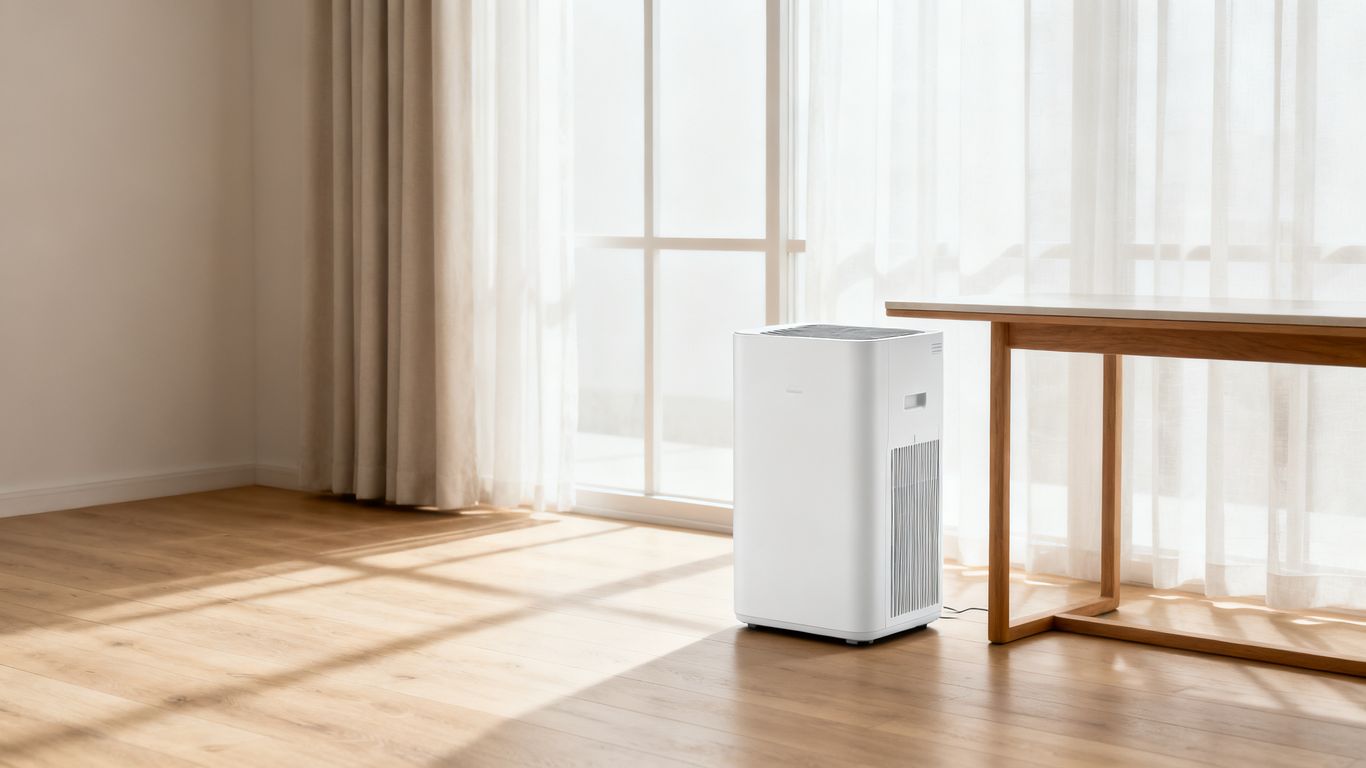
Seasonal changes dramatically dictate how moisture accumulates in your residence, regardless of whether you live in a tropical climate or a temperate one. Transitioning from humid, rain-soaked months to drier winter periods requires a strategic shift in how you operate moisture control equipment. Many homeowners find that using solutions like the DualCore 20 allows them to adapt to these shifts seamlessly because it is purpose-built by engineers who understand the unique challenges of high humidity.
Managing humidity during humid summer months
During the peak of the tropical wet season, your home can easily become a sponge for atmospheric moisture that drifts indoors whenever doors or windows open. Even with air conditioning, the air may feel thick and sticky because the cooling system isn’t always removing moisture at the required rate. You should prioritize running your appliance during these times to stay under that 50% threshold consistently.
Addressing moisture buildup in damp winters
Winter often brings a rise in surface condensation because cold, outdoor air meets warm, interior surfaces, resulting in high internal humidity. This is the time when you are most likely to encounter damp clothing or localized mold near exterior-facing walls. Utilizing an appliance helps extract this hidden moisture, preserving your fixtures and preventing damage to clothing stored in closets or utility rooms.
Transitional seasons and ventilation challenges
Spring and autumn bring fluctuating temperatures that can cause ‘seesaw’ humidity levels as you pivot between heating and cooling your space. During these quieter months, relying on natural ventilation can introduce more moisture than it removes. It is a smart move to monitor humidity levels closely during these periods, as the lack of consistent HVAC operation can lead to stagnant air pockets where moisture hides.
Identifying signs of excess moisture

Paying attention to the physical cues your home provides can save you from costly renovations in the long run. Subtle shifts in your environment often act as early warning signals that warrant immediate attention to humidity control measures. When you see or smell these changes, it is typically the right time to protect your property and improve the air quality of your living environment.
Detecting musty odors and dampness
One of the most immediate indicators of latent moisture is a faint, earth-like smell lingering in secluded corners of your home. If you notice these scents in areas that don’t receive much sunlight, it points to localized mold colonies that are slowly releasing spores into your air. These odors often persist until the source of the dampness is identified and actively removed.
Recognizing condensation on windows and walls
Water beads forming on glass surfaces or damp patches on wallpaper are prime examples of moisture saturation nearing dangerous levels. When condensation appears, it means the air is holding more water than it can sustain at current temperatures, eventually cooling and settling on your interior surfaces. This is a clear indicator that your indoor air quality needs improvement to prevent permanent material rot.
Inspecting for mold and mildew growth
Visible dark spots on bathroom grout, ceilings, or fabric upholstery are concrete signs that humidity levels have allowed fungal growth to take hold. Once these colonies are established, they require deep cleaning along with an immediate reduction in the local moisture saturation to prevent them from spreading. Regular moisture control helps ensure that your living spaces remain structurally sound and free from these irritants.
Evaluating changes in wood and furniture integrity
Excessive fluctuations in air moisture can wreak havoc on expensive interior fixings by causing them to warp, swell, or crack over time. Below is a breakdown of common materials prone to moisture damage:
| Material Type | Primary Risk Factor | Maintenance Tip |
|---|---|---|
| Solid Wood Floors | Swelling and buckling | Monitor humidity below 50% |
| Leather Furniture | Potential for mildew | Ensure consistent air circulation |
| Drywall and Paint | Peeling and bubbling | Dehumidify central living zones |
It is often the case that proactive climate control solutions provide the difference between a pristine residence and one that suffers from ongoing maintenance headaches. If you notice these changes, it is time to look at your options for professional-grade air solutions.
Specific rooms that require moisture control
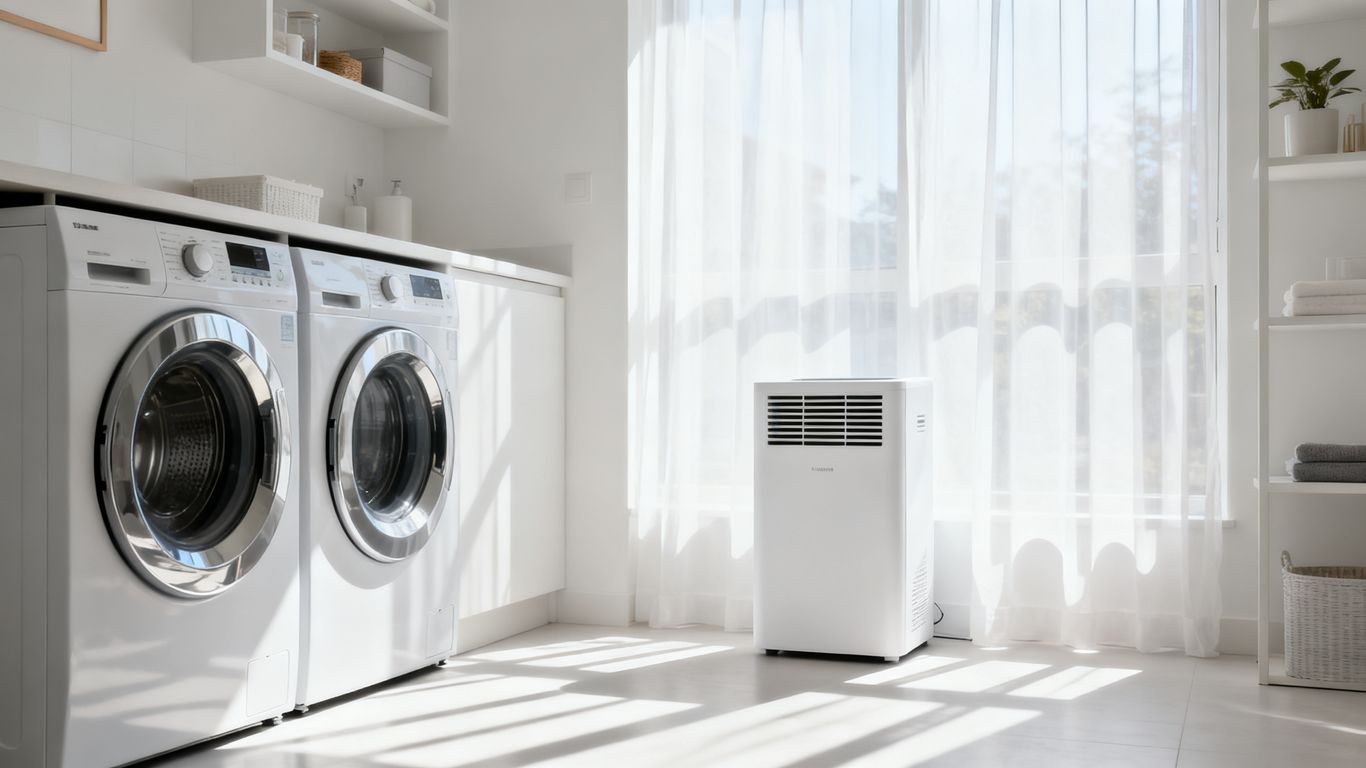
Not every corner of your house needs the same degree of moisture management, but certain areas are almost perpetually prone to dampness due to their functionality. By strategically targeting these zones, you can contain moisture before it spreads to the rest of your residence and becomes a systemic problem. Focusing your efforts here often yields the highest improvement in your home’s total air hygiene.
Managing basement dampness and flooding risks
Basements often suffer from rising damp and temperature gradients that make them highly hospitable to moisture capture via concrete walls. Because these areas are underground, they rarely have the luxury of natural drainage or light exposure. Using a large-capacity dehumidifier in these spaces can effectively offset the constant intrusion of moisture from the foundation and surrounding soil.
Controlling steam in bathrooms and laundry rooms
Steam-generating appliances and high-frequency water use make these rooms the highest contributors to household moisture levels. If a bathroom lacks an exhaust fan that vents directly outside, the air saturation remains trapped indefinitely. Using a compact unit in these areas can help dissipate steam quickly after showers or laundry loads, extending the life of your paint and fixtures.
Preventing humidity issues in bedrooms
Your bedroom is a sanctuary where you spend a third of your life, making air quality absolutely paramount for deep sleep and health. High humidity levels combined with soft furnishings often lead to a buildup of dust mites that can disrupt your rest. Maintaining a steady humidity level helps keep soft materials like bedding and curtains fresh and free from irritation-inducing dander.
Protecting sensitive environments like home offices
Scenario Time: You notice that your important paper documents in your home office are feeling slightly tacky, and your expensive technical gear seems to be accumulating dust more quickly than usual. This is a common situation for remote professionals using spaces like those supported by OutTask IT solutions, where hardware reliability is a priority. Keeping the humidity in your office within the ideal range ensures your technical assets remain in peak operating condition and your documentation stays legible.
Dehumidifier placement for maximum effectiveness
Where you decide to stage your equipment frequently determines how quickly you will observe a return to your target dryness levels. If a unit is tucked away in a corner behind bulky furniture, it will struggle to process the overall volume of air in your home effectively. Understanding the physics of airflow is essential if you want to get the best out of your investment.
Selecting a central location for airflow
For whole-home operation, finding a central location allows your equipment to draw air from multiple rooms, creating an efficient circulation loop. When you place a unit in a hallway or centrally located living room, you encourage the cross-flow of dryer air, which accelerates the moisture extraction process across your entire floor plan. Effective placement mimics the design philosophy of an energy-saving dehumidifier built for total coverage.
Keeping units away from walls and obstructions
Air quality appliances, especially those reliant on rotary compressors, require a minimum clearance to pull in and exhaust air without resistance. Placing your unit at least 30 centimeters away from any obstruction allows the heat exchange process to function properly without forcing the motor to work harder. Proper spacing prevents the device from short-cycling, which preserves its internal components over time.
Ensuring proper drainage access
Continuous operation is only sustainable if you don’t have to manually empty the water tank three times a day. If your setup allows for it, connecting a drainage hose to a floor drain or sink provides an effortless way to keep your residence dry without ongoing supervision. Choosing the correct moisture control solution that supports this functionality can simplify your maintenance routine significantly.
Balancing dehumidifier use with hvac systems
Your dehumidifier should ideally complement your existing cooling system rather than compete with it. If you run your unit in a room while the air conditioner is blasting ice-cold air, you might find the dehumidifier struggling to reach the target humidity levels because of the rapid temperature drop. It is often most effective to use them in sequence or in areas where the home’s cooling doesn’t reach effectively.
Best practices for optimizing dehumidifier performance
Operational success depends on more than just switching the unit on and walking away. Consistent attention to technical details ensures that your equipment continues to work as intended, providing lasting comfort and cleaner air. These best practices are designed to maximize the lifespan of your unit, reflecting the engineering design that informs premium home climate solutions.
Choosing the right capacity for your square footage
If you purchase a unit that is too small for your space, it will run constantly while failing to achieve the desired relative humidity, leading to unnecessary wear. Conversely, an oversized unit will cycle on and off frequently, which is inefficient. Always verify the extraction capacity against the square footage of your intended room to ensure balanced, quiet, and meaningful performance.
Maintaining filters for consistent unit efficiency
Filters in your unit act as a first line of defense against dust and debris, and a clogged filter severely restricts airflow. You should aim to vacuum or rinse your filters every two to four weeks depending on your local air quality. Keeping these clear ensures that the internal components receive a steady stream of air, maximizing the efficacy of the unit’s Rotary compressor.
Setting target humidity levels on the device
Most high-quality units come with a programmable humidistat that allows you to specify a target percentage. Setting this to 45% or 50% is generally ideal for balancing energy conservation with comfort. Once the unit reaches the threshold, it will throttle back, which saves electricity compared to running at maximum settings indefinitely.
Monitoring energy consumption and runtime
Getting to know how long your unit takes to reach your desired humidity settings helps you understand your home’s unique moisture profile. If you find the unit running 24/7 without changing the humidity level, you might have a ventilation issue or a leak allowing fresh, moist air in. Keep track of these periods to Buy Now or upgrade your equipment if your home’s moisture load has outpaced your current device’s capabilities.
Conclusion
Mastering moisture levels in your home is an ongoing process that yields significant rewards in health, comfort, and structural longevity. By monitoring your environment, selecting the appropriate equipment, and sticking to maintenance schedules, you create a living space that feels fresh regardless of the season or the climate outside.
Frequently Asked Questions
Does high humidity cause health issues?
Yes, consistently high humidity levels can trigger respiratory irritations, asthma symptoms, and allergy flares due to the increased presence of mold and dust mites.
What is the most efficient humidity level for the home?
Experts generally recommend keeping your indoor relative humidity between 30% and 50% to ensure a comfortable balance that prevents both excessive mold growth and overly dry air.
Can I use a dehumidifier instead of an air conditioner?
While a dehumidifier removes moisture and makes the air feel more comfortable, it is not designed to lower the ambient temperature, so it should not be considered a direct replacement for an AC unit.
Where is the best place to put a dehumidifier?
Placement in a central, high-traffic area with at least 30 centimeters of clearance on all sides is ideal for promoting maximum airflow and efficient moisture removal throughout your home.
How often should I clean the dehumidifier filter?
For consistent performance and improved air quality, you should check and clean or vacuum the filter at least every two to four weeks depending on the environmental conditions.
Will a dehumidifier fix a musty smell?
Yes, a dehumidifier is highly effective at eliminating the musty odors often found in damp areas like basements or laundry rooms by physically removing the excess moisture that allows odors to form.
Is it safe to leave a dehumidifier running 24/7?
Modern units are designed to run continuously, provided they have proper drainage or a tank auto-shutoff feature, making them safe for long-term use in damp environments where constant control is required.