Key Takeaways
Managing moisture is essential for health in our tropical landscape, and choosing the right unit makes all the difference for your living space.
- High indoor humidity causes persistent mold and musty odors.
- Active dehumidifiers perform better than passive moisture absorbers in the long term.
- Focus on tank capacity and energy efficiency when evaluating small models.
- Strategic placement near damp clusters improves airflow and moisture removal.
- Regular maintenance of filters and water tanks prevents mechanical issues.
Understanding Singapore’s humidity levels
Singapore experiences high ambient humidity year-round, which naturally pushes moisture into our living quarters. This constant exposure can compromise the lifespan of home furniture and exacerbate respiratory discomfort for residents. Addressing these conditions effectively begins with acknowledging how moisture accumulates in enclosed spaces.
The impact of high humidity on Singaporean homes
Excess moisture often manifests as damp patches on walls or the growth of mold behind heavy furniture. High humidity levels protect your property by preventing these issues before they take root in your living room or study. Without active management, these conditions lead to musty odors that linger in soft furnishings permanently.
Signs you need a dehumidifier in your bedroom or closet
Noticeable signs include persistent condensation on window panes and a damp feeling lingering on linens or clothing. If you find your cupboards feeling heavy with moisture, it is time for a small dehumidifier singapore solution to stabilize your environment. Detecting these signals early allows for quick mitigation before mold spores begin to spread.
Difference between moisture absorber boxes and active dehumidifiers
Passive boxes rely on desiccant crystals to draw moisture, which is often insufficient for Singaporean basements or small walk-in wardrobes. In contrast, an active unit uses a rotary compressor to pull moisture out of the air significantly faster. This mechanical extraction is far more reliable for long-term consistency.
Essential features for a small dehumidifier
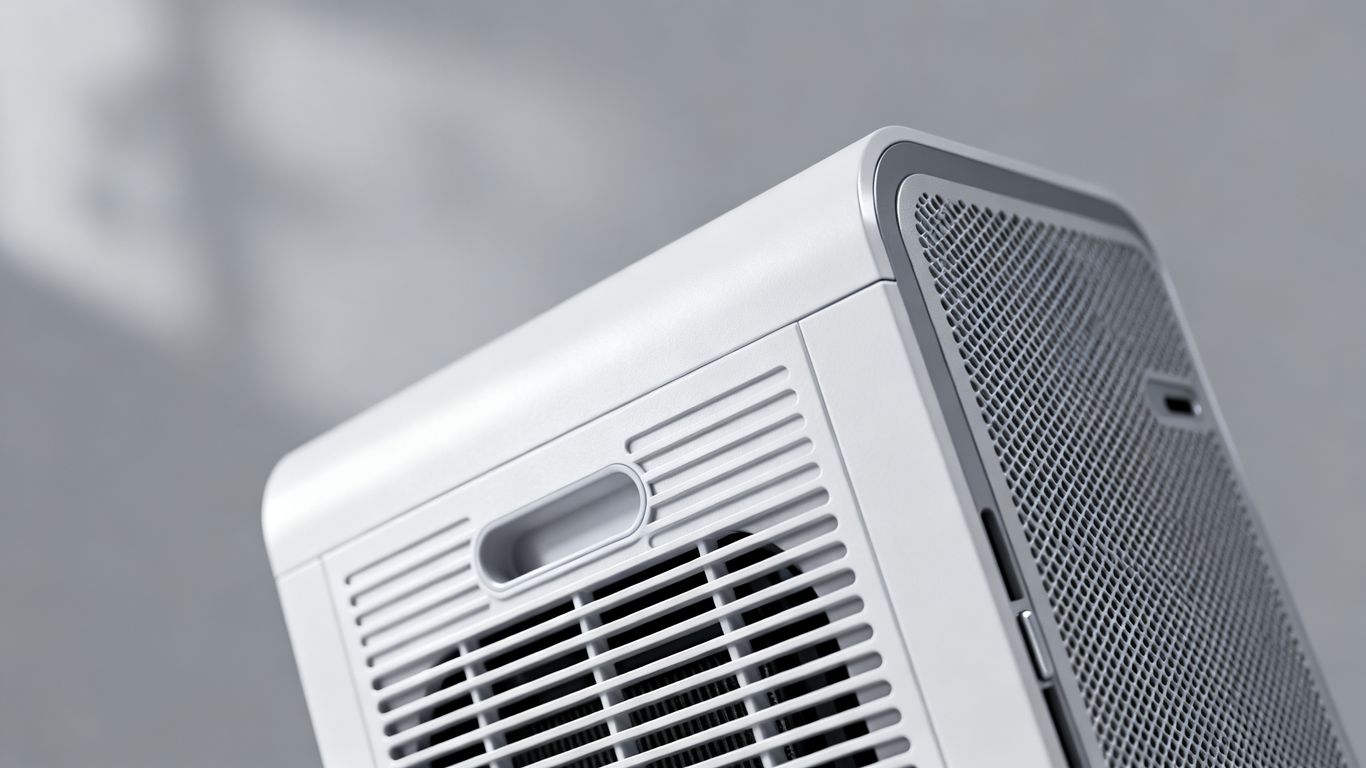
Selecting equipment for the tropics requires precise engineering to handle high-water-load environments effectively. You should look for units that balance footprint with actual moisture extraction power to avoid under-performance. Practicality dictates that size should never come at the expense of consistent airflow control.
Tank capacity and effective coverage area
Tank size dictates how often you need to empty the unit, which becomes tedious if it is too small for your room. Most residents benefit from a tank that minimizes daily interference while handling moderate indoor humidity challenges. We recommend reviewing the following table to understand how capacity influences your choice.
| Unit Type | Recommended Area | Tank Capacity | Frequency |
|---|---|---|---|
| Ultra-Mini | Under 50sqft | 0.5L | Daily |
| Mid-Compact | 50-150sqft | 2.0L | Alternate Days |
| Standard | Over 150sqft | 4.0L | Weekly |
Selecting a unit that matches your square footage avoids overworking the motor, saving energy and extending the life of the appliance.
Energy efficiency ratings and power consumption
Continuous operation is often necessary in our climate, making energy-efficient parts like a reliable rotary compressor vital. Lower power draw translates to significant savings on monthly utility bills while maintaining a healthy home environment.
Noise levels for quiet residential use
Noise output should remain below 40dB to ensure your sleep cycle or concentration during work is not disturbed by the machine. Quiet operation is key for bedroom units, where the motor should run smoothly without jarring clicks or hums.
Integrated smart sensors and automated modes
Modern electronics now feature automated humidity sensing that adjusts output based on real-time room data. This eliminates the guesswork for homeowners trying to find the best dehumidifier balance, especially when ambient moisture fluctuates between day and night.
Top placements for small dehumidifiers
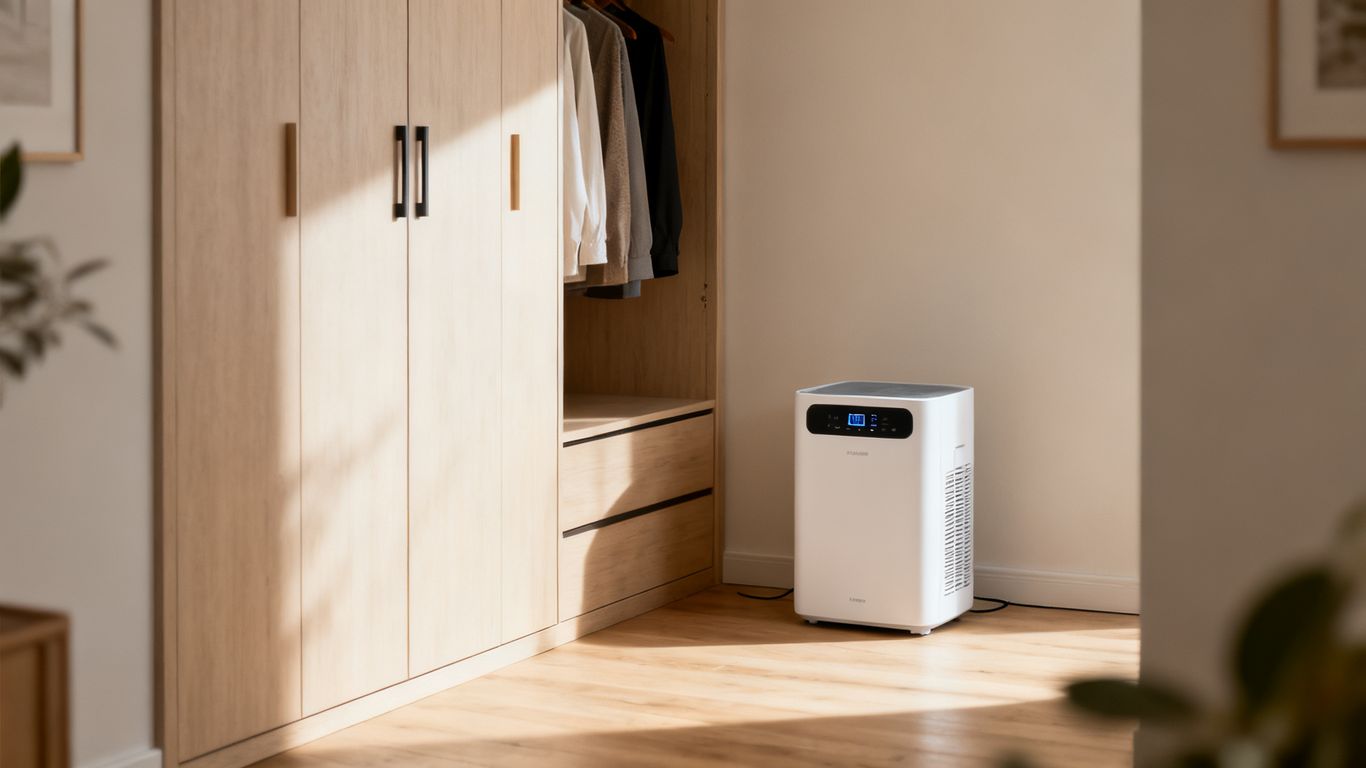
Optimizing wardrobe spaces to prevent mold growth
Your wardrobe is often the first place to suffer from poor circulation. Positioning a unit near entrance points of cabinets encourages better air exchange throughout the contents. This helps combat high humidity by ensuring clothing stays fresh and free from localized mold bloom.
Managing bathroom moisture to protect fixtures
Bathrooms accumulate extreme levels of water vapor after every shower, which can damage fixtures and paint over time. Using a dedicated compact dehumidifier assists in rapidly clearing fogged-up mirrors and damp surfaces after use.
Improving airflow in small home offices
In small workspaces, humidity levels can impact the performance of sensitive electronics and your own comfort. Improving airflow with a strategically placed unit prevents stale air from accumulating throughout your workday. This ensures a comfortable living space that keeps your focus sharp.
Strategic positioning for bedroom comfort
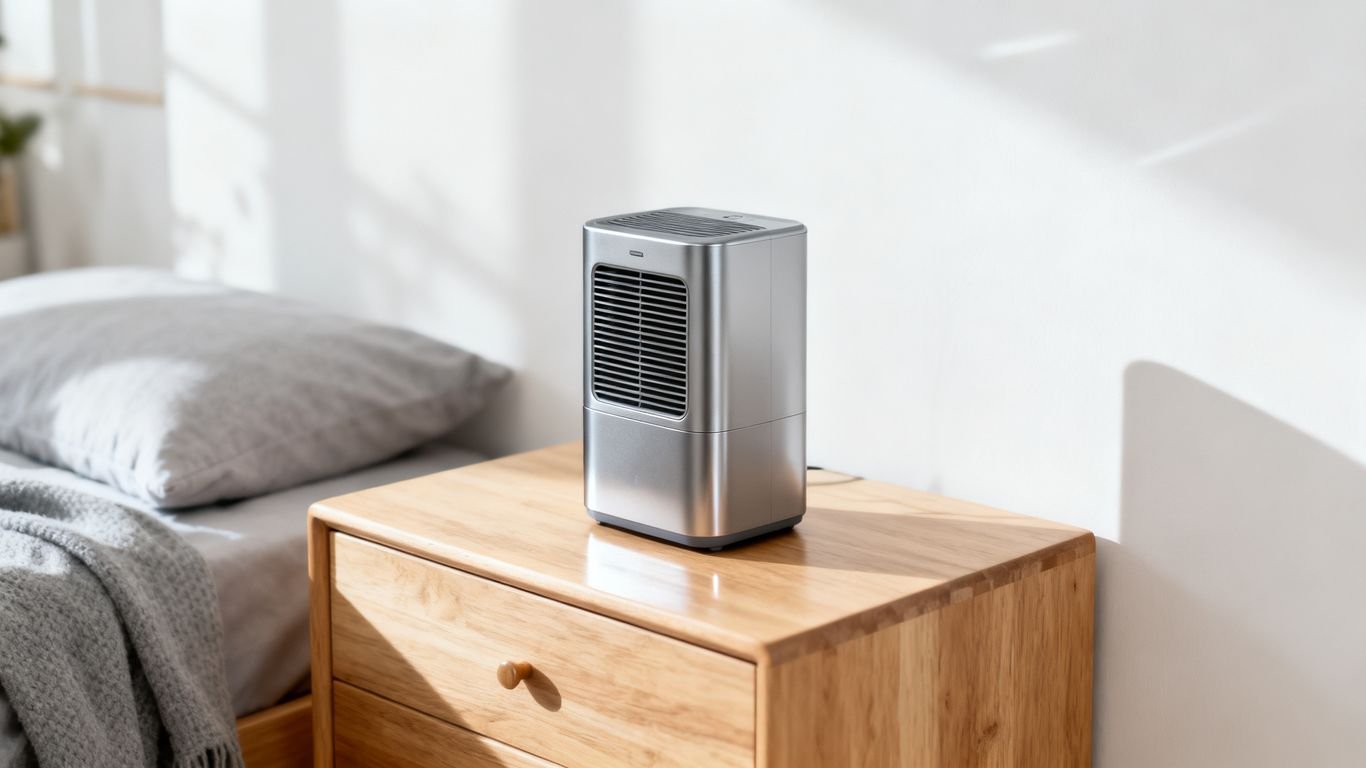
Place your unit on a flat, stable surface within the room, avoiding corners where air might stagnate. Correct placement ensures that the high-end compressor inside the device can intake air from all directions. Consider these factors:
- Maintain at least 30cm clearance from walls for proper intake.
- Avoid placing the device behind heavy curtains or furniture.
- Elevate units on a small stand for better intake airflow.
- Keep the exhaust pointed toward the center of your sleep area.
Following these steps ensures that the device maintains optimal performance throughout the night.
Maintenance tips for long-term performance
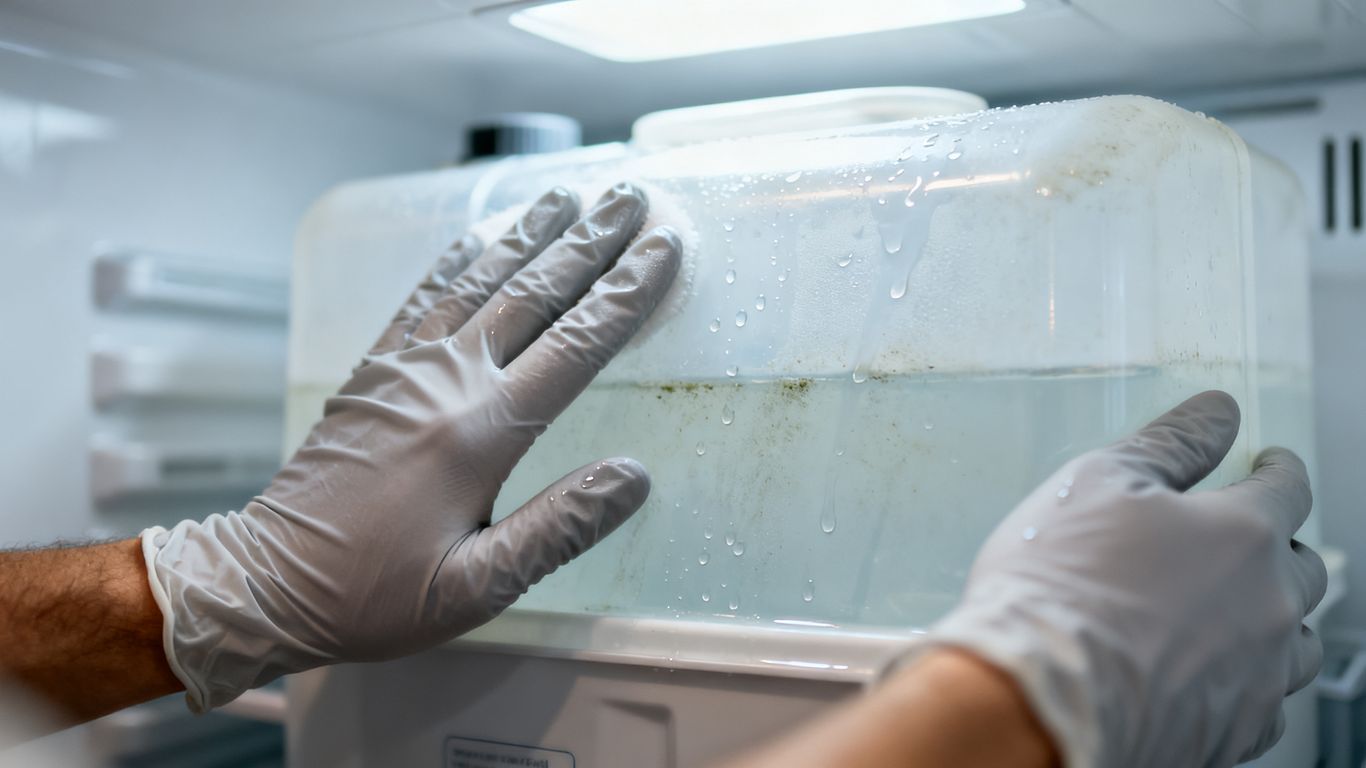
How to clean the water tank and sensors correctly
Regular care is required to ensure that dust and mildew do not accumulate inside the collection tank. Neglecting this part of the unit creates a breeding ground for microorganisms, counteracting the benefits of the machine. Always rinse and dry the bucket completely after each scheduled cleaning session.
Managing filter replacements and maintenance intervals
Filters are the front line of defense against dust and debris that could clog the internal coils. Sticking to a regular maintenance cycle is non-negotiable for anyone living in a dusty, humid climate. Proper upkeep preserves the efficiency of your unit.
Troubleshooting common drainage issues in mini units
If you notice water pooling at the base of your unit, check the rubber stopper or the hose connection points. Often, a minor misalignment is the culprit rather than a mechanical failure. Simply re-seating the bucket often restores the proper drainage path.
Comparing portable vs. static small dehumidifiers
Advantages of lightweight desktop models
Desktop units are flexible and easily moved from a workspace to a nightstand, which is helpful for homeowners with multiple high-humidity zones. Their portability allows you to improve indoor air quality anywhere you need support, without requiring permanent installation.
Power limitations of compact USB-powered options
USB units are excellent for tiny desk areas but lack the oomph to lower humidity in an entire bedroom. While convenient, their modest moisture removal capabilities are confined to very narrow radiuses of operation.
Why wall-mounted or static mini units might be better
Static units are engineered for consistent output and usually feature superior internal components compared to portable versions. If you are serious about controlling indoor moisture, anchoring a unit provides a more reliable and hands-off approach to long-term climate management.
Safety considerations in a tropical climate
Handling electrical appliance heat output
Dehumidifiers naturally produce warmth as a byproduct of their compression cycle. Placing your unit in a ventilated spot ensures this heat dissipates appropriately without raising the local room temperature significantly. Ensuring your machine uses an efficient refrigerant is key to managing this heat effectively.
Preventing overheating during continuous operation
Continuous operation requires high-quality wiring and safety cut-offs, so it is vital to avoid plugging into damaged outlets. If you are learning how to ship household goods and need to verify the safety profile of your appliance, always look for the local safety standards marks that confirm the hardware can manage long durations of load.
Verifying safety standards for home electronics in Singapore
Always ensure that your home appliance carries the necessary certifications for local voltage and climate safety. These markers guarantee that the product, like an Aerofy design, is purpose-built to survive the rigors of our environment without electrical risk or fire hazards.
💡 Real-World Scenario
Imagine you just moved into a pre-war shophouse and noticed your favorite leather jacket has developed a strange white film after just two weeks of rainfall. You try standard moisture boxes, but the smell remains, and the jacket feels damp. By introducing a unit that integrates HEPA filtration and mechanical moisture extraction, you realize the jacket stops feeling tacky within 48 hours. This real-world comparison proves that while passive solutions cover up the problem, active systems actually eliminate it.
Conclusion
Securing a healthy environment in your residence comes down to selecting equipment built to handle the unique moisture challenges of our region through consistent, reliable engineering.
Frequently Asked Questions
Why does my dehumidifier make a clicking sound?
This is often just the auto-turnoff switch activating when the tank is full, or the compressor cycling on and off. If the sound remains constant during operation, ensure the unit is on a level surface.
Can I leave a dehumidifier running while I travel?
Most modern units have a permanent drainage option that allows them to run safely for extended durations. It is useful to use this if you want to keep your closet moisture-free while you are away, provided the drainage hose is set up correctly.
How often should I empty the water tank?
This depends entirely on local humidity and the machine’s capacity. In high-humidity conditions, you might need to empty it once or even twice daily to prevent the unit from shutting down automatically.
Do I need to be concerned about the electricity bill?
Modern dehumidifiers are engineered for residential use, and today’s models are fairly efficient. If energy usage is a primary concern, look for units with an inverter system that modulates power draw instead of running at full blast.
Is it normal for air coming out to feel warm?
Yes, the heat exchange process naturally releases warm air back into the room. This does not mean the dehumidifier is malfunctioning, though proper spacing ensures this warmth does not raise the overall room temperature too much.
Should I place the unit inside or outside my wardrobe?
For the best results, place the unit in the room near the wardrobe, ensuring the doors are slightly cracked for airflow. Placing the unit directly inside is often not feasible due to space and airflow requirements.
Can these units really prevent mold growth?
Yes, by maintaining humidity levels consistently below sixty percent, you create an environment where mold spores struggle to germinate or thrive on your walls and clothing.
Ready to improve your home?
Shop Our Selection of high-performance air management solutions designed specifically for tropical living today.