Key Takeaways
Finding the right environment requires balancing moisture levels with particle filtration, especially in humid regions. These integrated appliances offer a streamlined way to manage your indoor climate and health:
- Dual-function units capture humidity while simultaneously filtering fine particulates like pollen.
- Proper capacity selection is essential for effective moisture removal in larger rooms.
- HEPA filtration ensures the removal of 99.97% of airborne allergens for cleaner breathing.
- Smart sensors help maintain optimal humidity levels, preventing mold and mildew growth.
- Choosing an energy-efficient model provides long-term cost benefits for daily operation.
1. Top pick for large basements
Basements often suffer from persistent moisture issues that require robust, constant climate management. To effectively dry out large subterranean areas, you need a unit that combines high-capacity water extraction with deep-cycle air purification to prevent stale odors. Discover the benefits of utilizing a system engineered to handle higher moisture throughput without compromising on air freshness. A highly effective approach relies on a reliable machine that maintains a consistent environment, ensuring your storage spaces or living areas stay dry regardless of how humid the outside air becomes.
Scenario Time
Imagine you are converting your unfinished basement into a home theater. You notice that even with the lights off, the air feels heavy and the corners show signs of dampness behind the storage bins. You decide to set up a powerful unit that can cycle the entire volume of that room every hour, keeping moisture below 60%. By doing this, you protect your electronics from corrosion and prevent the musty scents that often settle into carpet or fabric. Using a proven DualCore 20 system ensures your new space remains comfortable and clean for long movie marathons.
2. Best budget-friendly model for small rooms
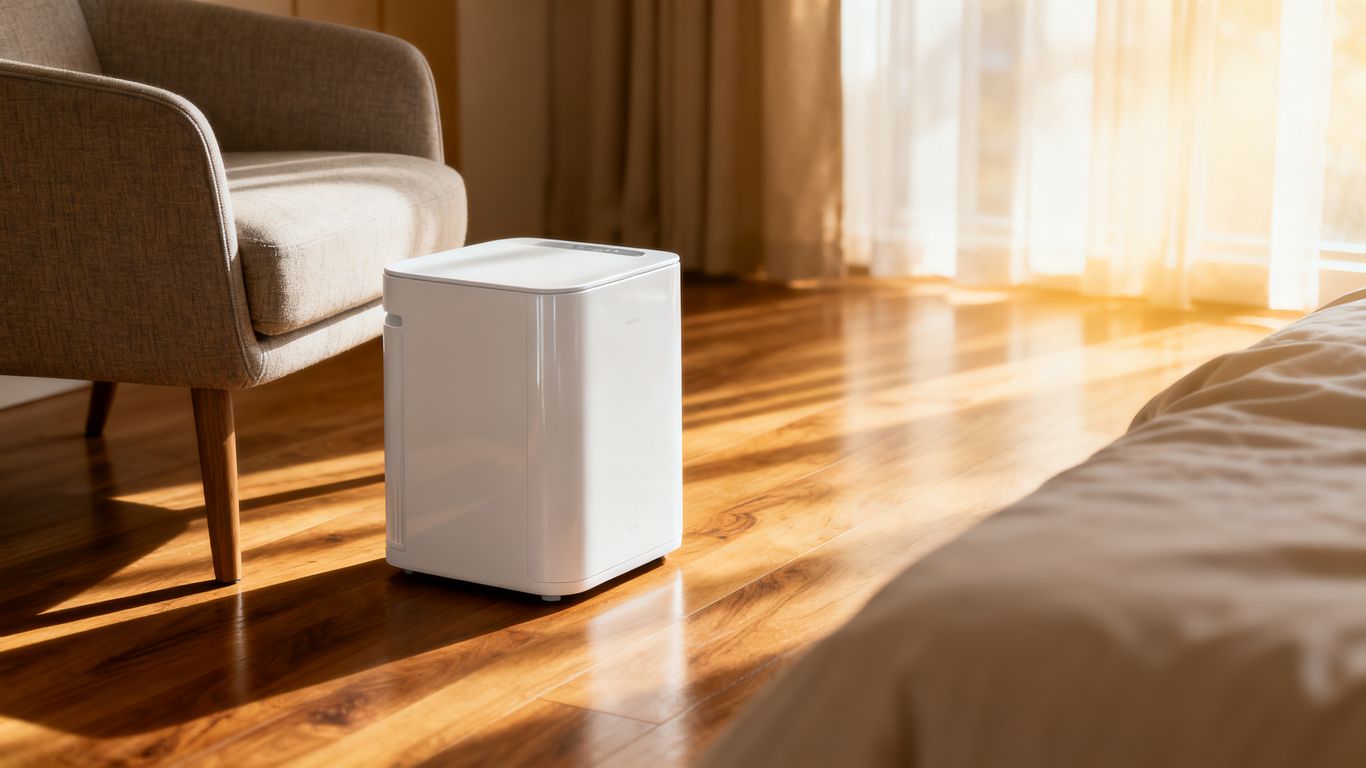
Finding an affordable way to address air quality in smaller bedrooms or offices is often about choosing a unit that prioritizes essential filtration over unnecessary bells and whistles. Many users overlook small-capacity dehumidifiers that include basic particle capture, but these can be surprisingly effective for localized humidity control. When you choose the right appliance for a home office, you gain better focus and fewer respiratory irritants. It is a practical move to select a model that fits your budget without skimping on quality components like a proper pre-filter or a reliable intake fan system.
3. Most energy-efficient air purifier and dehumidifier
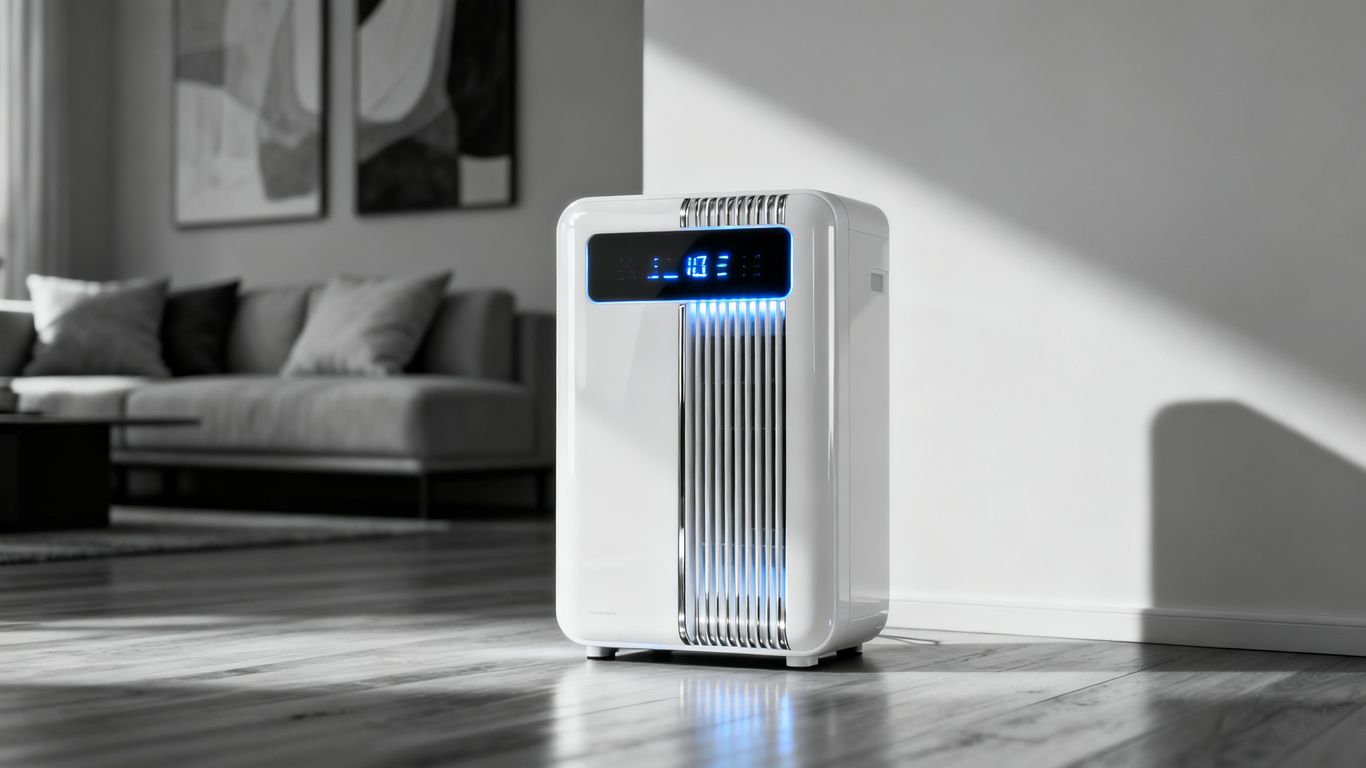
Energy efficiency matters significantly when you run appliances throughout the day. A truly sustainable choice utilizes advanced cooling systems, like R290 refrigerant, to move moisture effectively while consuming minimal power. When you understand the differences between power-hungry conventional units and optimized systems, you can lower your electricity bill while maintaining a healthy home.
Integrating power management
Operating an efficient system means relying on intelligent internal compressors that cycle based on real-time humidity sensors.
| Feature | Performance Standard | Benefit |
|---|---|---|
| Energy Use | Eco-Drive Mode | Lower utility costs |
| Filtration | True HEPA layer | Removes 99.97% particles |
| Humidity Range | 30% to 80% | Climate adaptability |
You will notice that consistent, low-wattage operation is far superior to units that kick into high gear only after a room has become excessively damp or dusty.
4. Best all-in-one unit for apartment living
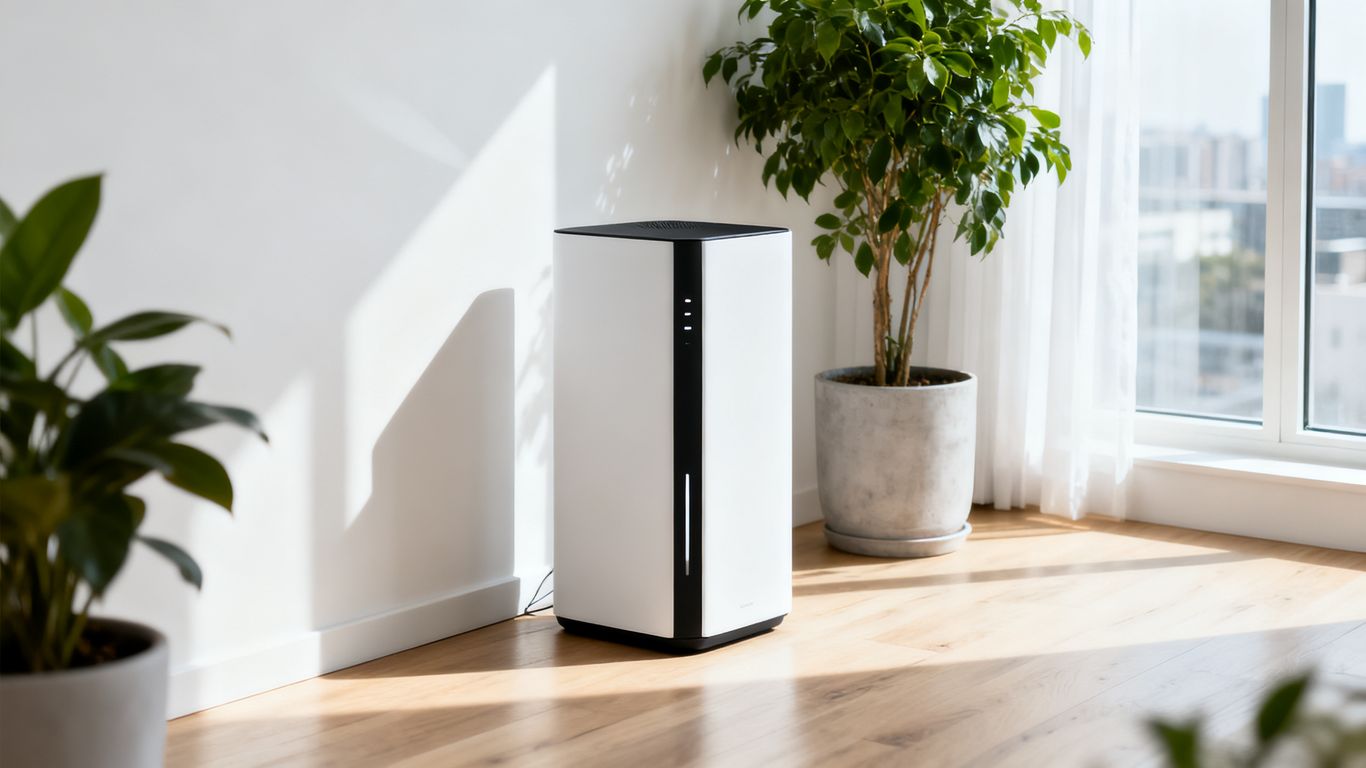
Apartment living demands appliances that serve multiple purposes without dominating your floor space. Integrating both purification and moisture removal into a single chassis helps you avoid the clutter of two separate machines. Many residents learn how to implement solutions that maximize their square footage while ensuring their flat remains a sanctuary from urban pollutants and tropical humidity.
Essential space-saving setup
- Place the device away from solid walls to allow unrestricted air intake.
- Ensure the water tank is accessible for frequent emptying during peak season.
- Regularly clean the pre-filters to keep the airflow consistent across the evaporator coils.
- Utilize digital timers to align the dehumidifier cycle with your daily routine.
This deliberate placement allows your device to manage the entire living room efficiently, keeping the air crisp and dry.
5. Most reliable choice for allergy and asthma sufferers
For those managing chronic respiratory conditions, the combination of medical-grade filtration and humidity control is non-negotiable. Allergens thrive in high moisture, where dust mites and mold spores reproduce rapidly. By keeping indoor air moisture levels consistently low, you stop these irritants from becoming airborne in the first place. Relying on integrated 2-in-1 systems that feature high-efficiency particle trapping ensures that household pollutants are captured before they can trigger a reaction, providing a essential barrier against seasonal or home-based allergens.
6. Quietest operation for master bedroom use
Noise levels are a critical factor when keeping your sanctuary restful. Modern engineering has allowed manufacturers to create machines that use low-vibration rotary compressors, which dampen the hum typically associated with moisture-removal cycles. You can enjoy a peaceful night’s rest while the machine quietly maintains the exact humidity level you prefer, acting as a background guard rather than a disruptive appliance. Proper maintenance, such as ensuring the unit sits on a level floor, also aids in creating the quietest possible environment for your primary bedroom.
7. Premium smart home air-quality system
Modern smart air-quality systems transform your home into a reactive environment that manages its own atmosphere. These units connect to your local network, allowing you to monitor trends in real-time and adjust settings wherever you are located. It is useful to explore factors to consider before upgrading to a smart system, as the ability to see air quality metrics directly on your smartphone changes the way you interact with your indoor climate. You gain confidence knowing that your environment is protected by sensors that act faster than human observation allows.
Conclusion
Selecting a 2-in-1 appliance is a thoughtful step toward creating an environment where comfort and respiratory health are maintained through precise engineering and efficient design. By choosing a system that balances moisture control with robust filtration, you effectively tackle the unique challenges of your living space while ensuring a fresher, drier environment throughout the year.
Frequently Asked Questions
Can I run a dehumidifier and an air purifier at the same time?
Yes, running both devices simultaneously is often beneficial for managing high humidity levels alongside airborne particle counts, especially in spaces prone to mold growth.
How often should I check the water tank?
Depending on the humidity level and the size of your unit’s tank, you may need to empty it daily during particularly wet periods to ensure the appliance continues to function efficiently.
Do these units need special electrical outlets?
Most residential combination units are designed to work with standard household power sockets and do not require heavy-duty electrical installations.
Will an air purifier remove moisture?
No, a standard air purifier does not have the mechanics to extract humidity from the air; you specifically need a dehumidification component to reduce dampness.
How does humidity affect air quality?
High humidity levels promote the growth of dust mites and mold spores, which can drastically reduce indoor air quality and exacerbate respiratory issues.
What do CADR ratings mean for dual-function units?
CADR, or Clean Air Delivery Rate, indicates how quickly an air purifier can clean the air; for dual units, it applies specifically to the particle filtration portion of the cycle.
Why does my unit make a bubbling sound?
This is typically a normal result of the refrigerant cycling through the condenser coils, but ensure your unit is level and the filter is correctly seated to avoid excessive operation noise.