Key Takeaways
Rechargeable dehumidifiers offer a convenient, wireless way to manage humidity in small, enclosed spaces by using silica gel to pull moisture from the air.
- These devices require no electricity during operation, making them safe for confined areas like safes and drawers.
- Monitoring indicator windows is essential to determine when the desiccant material needs to be recharged.
- The regeneration process typically involves plugging the unit directly into a wall outlet until the crystals dry out.
- Understanding the volume of your storage area helps in picking the right capacity for effective moisture removal.
- Proper maintenance and occasional cleaning ensure long-term functionality and consistent performance from your desiccant unit.
How a rechargeable dehumidifier works
Understanding how a rechargeable dehumidifier functions begins with recognizing the simple, effective science of desiccant materials. Most of these compact gadgets rely on high-grade silica gel to capture water vapor without needing batteries or a continuous power cord. As experts at Aerofy often point out when designing solutions for tropical comfort, isolating humidity in tight spaces is often more important than just cooling the air.

Silica gel absorption process
The absorption process functions through natural chemical attraction, where the silica gel beads actively draw moisture molecules from the surrounding environment. This silent, passive capture prevents the accumulation of musty odors and protects soft materials from feeling damp. For those looking for long-term strategies, learning how to choose the right equipment makes a significant difference in climate control.
Identifying saturation states
Most modern units utilize a visual indicator window that reveals the status of the internal material. When the beads are dry, they typically appear one color, shifting to a distinct, darker hue as they retain maximum moisture levels. This simple feature removes the guesswork, alerting you exactly when the unit is no longer effective and requires a reset.
The regeneration cycle
When saturation is reached, the device enters the regeneration cycle, which involves heating the silica gel to release the trapped water vapor. Users simply connect the plug-in base to an AC wall outlet, allowing the built-in heating element to dry the crystals out thoroughly. Once the indicator displays the refreshed status, the unit is ready to be repositioned to continue protecting your gear for another cycle.
Ideal locations for your rechargeable unit
These portable dehumidifiers shine in areas where traditional powered dehumidifiers simply cannot reach or fit. Because they do not vent air or create heat, their placement is flexible and highly efficient for smaller zones. Aerofy engineers prioritize this type of targeted humidity management as a practical addition to maintaining better air quality in moisture-prone climates.
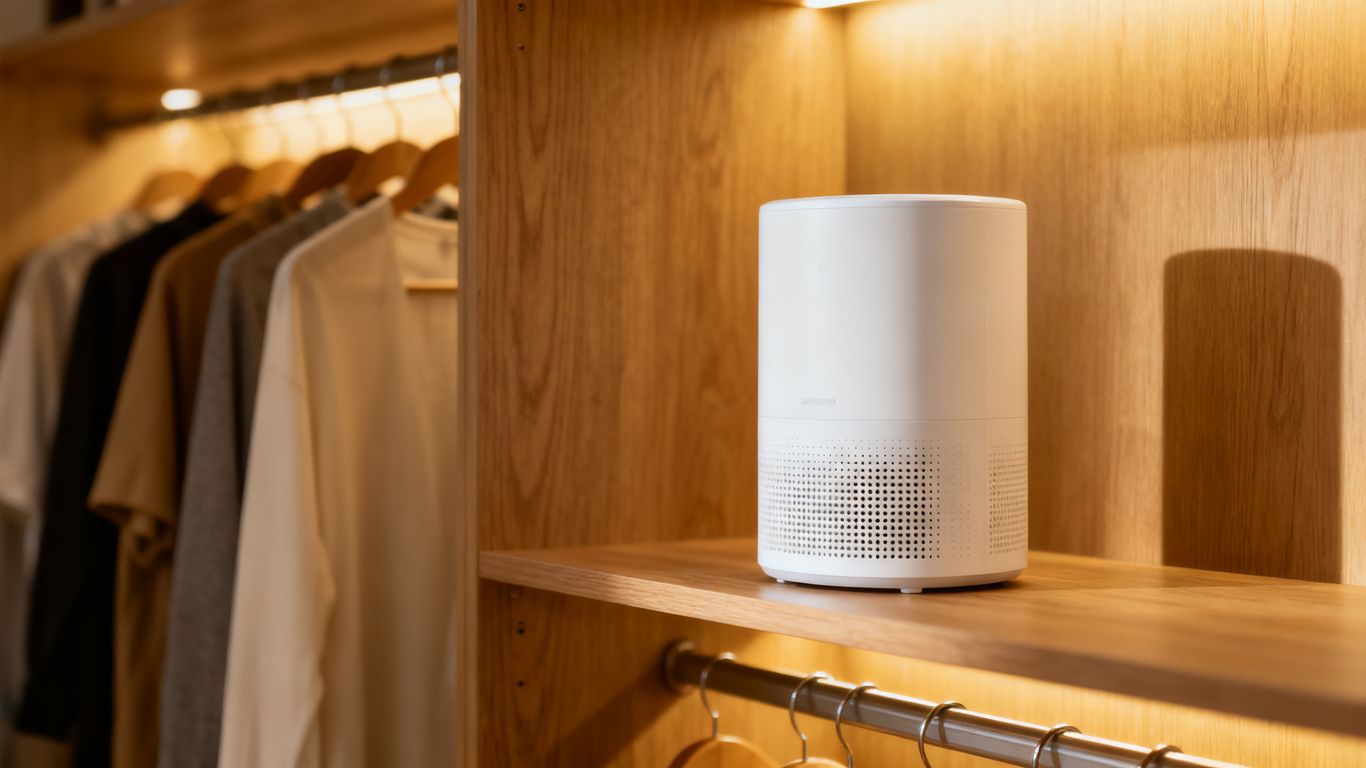
Small closets and wardrobes
Using a unit in a wardrobe prevents the dreaded musty scent that often develops on fabrics stored during monsoon seasons. Placing the device on a shelf or hanging it within the clothing rack keeps the humidity levels strictly controlled. Proper selection like an effective wardrobe dehumidifier helps preserve your favorite garments throughout the year.
Gun safes and tool cabinets
Moisture is the primary enemy of metal, leading to rust on tools and sensitive hardware in short order. By placing a unit inside a gun safe or toolbox, you create a dry microclimate that stops oxidation before it starts. Devices like the Lockdown Rechargeable Dehumidifier demonstrate how reliable desiccant solutions provide essential oversight for valuable items kept in storage.
Under-sink cabinet protection
Cabinets situated beneath kitchen or bathroom sinks often suffer from high humidity and occasional dampness from plumbing leaks. Setting up a renewable unit in these dark, confined spaces acts as a proactive shield against mold growth. We have compiled a list of common room factors to consider when you monitor humidity in these zones:
| Location Type | Humidity Concern | Recommended Frequency |
|---|---|---|
| Bathroom Drawer | High | Bi-weekly |
| Tool Cabinet | Moderate | Monthly |
| Storage Closet | Low | Quarterly |
After placing these devices, it is helpful to check the storage environment every few weeks to confirm the unit is still in its active, moisture-absorbing state.
Boat and vehicle storage
Long-term storage of cars or boats creates a prime environment for interior mildew, especially when stored in humid coastal regions. These rechargeable tools operate continuously in stagnant air, protecting upholstery and electronics from the damaging effects of trapped condensation. One benefit of using these units is that they represent a highly effective moisture control strategy that avoids any permanent electrical wiring.
Evaluating your specific moisture needs
Before deploying your desiccant device, consider the environmental context, including the overall size of the room and the items you need to protect. Even though these units do not provide the massive volume reduction of an Aerofy DualCore 20 system, they are perfect for managing the local environment around specific goods. It is useful to measure the space’s dimensions before jumping into a purchase.
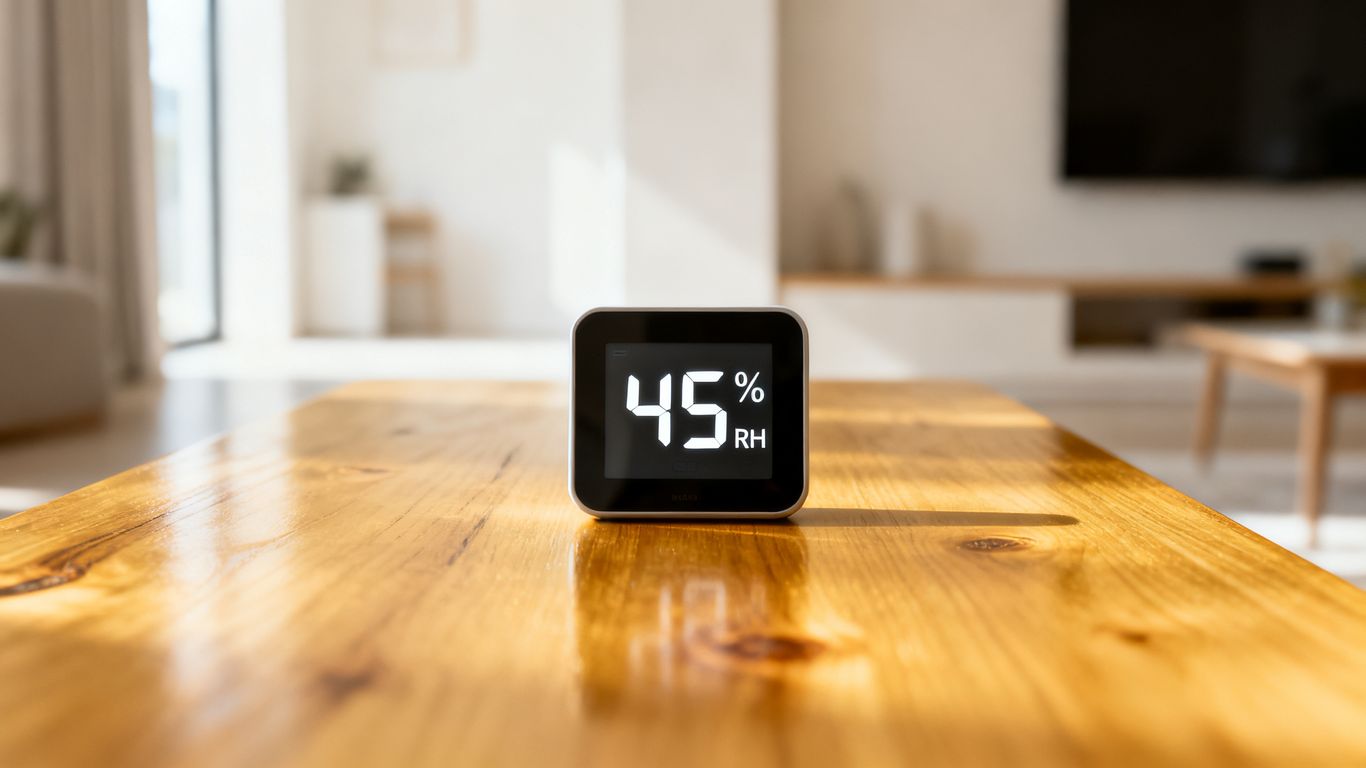
Determining the room square footage
While rechargeable units are better rated by their cubic volume capacity, calculating the approximate square footage helps identify if you need multiple units. A primary rule of thumb is that if a space feels noticeably thick or damp, individual drawer units won’t overcome the ambient conditions. Sometimes checking exact location pinned with a digital tool can show you where your highest moisture points are located, guiding where to prioritize placement.
Understanding humidity limits for stored goods
Different items have unique thresholds for moisture exposure before sustaining damage. For example, leather accessories and silver hardware require a lower baseline humidity than simple metal components. The list below highlights key categories that benefit significantly from added protection:
- Sensitive photographic equipment and camera lenses.
- Fine jewelry and expensive metal watch collections.
- Collectible documents, paper records, and family photos.
- Leather bags, belts, and luxury shoe items.
When in doubt, aim to keep your storage area within a safe, moderate dryness range to avoid the cracking or oxidation that excess moisture causes.
Selecting between passive vs. active units
Deciding between passive desiccant units and active dehumidifiers depends on your goals for the space. Active units are better for rooms like bedrooms, while passive units are ideal for isolated drawers and safes. Understanding the distinction ensures you don’t overspend on power for jobs that a simple silica unit can handle gracefully.
Safety and maintenance tips
Keeping your device performing optimally requires a few simple maintenance steps, mostly focused on the charging cycle and casing care. While these units are generally low-maintenance, they must be handled correctly to maximize their lifespan. Aerofy, with their focus on engineering-led designs, suggests treating these devices as precise instruments rather than disposable components.
Avoiding overheating during charging
Always charge your unit in an open space where air circulation is abundant, preventing heat buildup around the casing during the regeneration cycle. Never cover the device with cloth or leave it in a drawer while it is actively plugged into the wall. As a simple precaution, ensure that the exterior vents stay clear of dust particles to allow the heater to function safely.
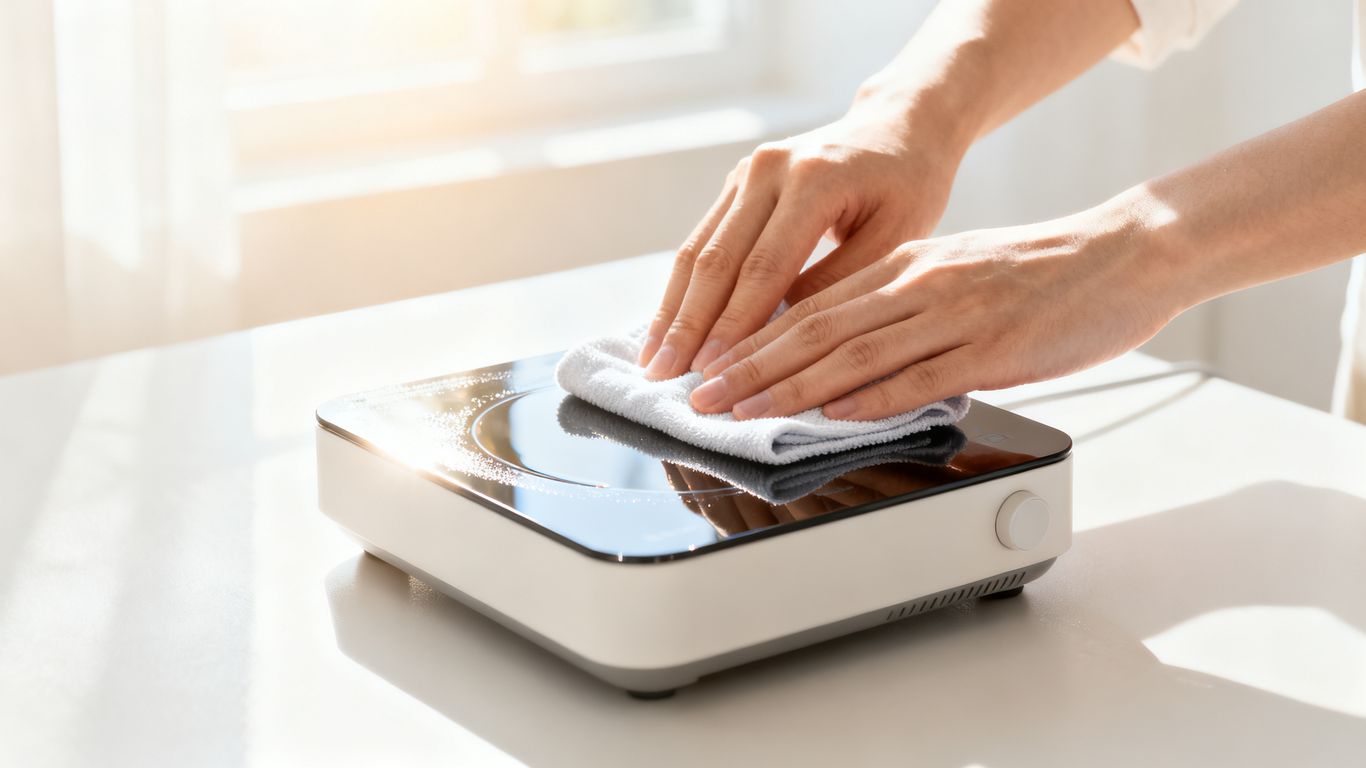
Cleaning the exterior casing
Dust buildup can block airflow, which lowers the efficiency of the silica beads inside. Use a dry, clean cloth to wipe down the surface of the casing every few months, ensuring no debris creates a thermal barrier. This prevents buildup that might impact the internal components or make the unit work harder than necessary during the next charging cycle.
Troubleshooting indicator light issues
If the indicator window fails to change after extended charging, check your wall outlet with another appliance first to ensure power is flowing correctly. If the device remains stuck in one state despite ample charging time, the desiccant material might be fully exhausted or the unit’s heating element may have reached the end of its projected lifespan. Do not attempt to open the casing yourself, as this can break the factory-sealed protective environment.
Proper storage during periods of inactivity
When you do not need the unit for several months, recharge it fully, place it in a dry, cool area, and seal it inside a plastic bag if available. This prevents it from absorbing ambient moisture while sitting idle in your garage or attic. When you finally retrieve it, it should be ready to go, though a short refresher charge is often recommended to ensure peak performance.
Comparing common unit designs
There are numerous styles on the market, each claiming various benefits regarding recharge speed or coverage. Choosing between them often comes down to your personal workflow preferences and where you plan to store the unit. It is sometimes best to buy it once and pick a design that fits your long-term storage habits.
Plug-in wall units vs. docking stations
Plug-in units often come with a built-in AC plug, allowing them to hang directly on a wall socket for charging. Docking stations offer a slightly more refined experience, as you set the canister onto a base, which can be safer for higher outlets. Both effectively cycle the beads, but the choice is purely a matter of space constraints and convenience in your home’s layout.
Color-changing indicator window systems
Most high-quality desiccant devices use moisture-sensitive cobalt chloride-free beads that safely change color when full. This visual indicator is a cornerstone of the user experience, providing immediate feedback that would otherwise require weight measurements or complex sensors. It is a simple, effective solution that avoids the need for digital alerts or smartphone integration.
Durability of desiccant materials vs. electrical components
While silica beads can often be regenerated hundreds of times, the electrical heating element is typically the weak point in the unit. Premium units prioritize high-quality heating coils to ensure hundreds of cycles before failure occurs. This durability gap is why buying from reputable brands matters rather than choosing the cheapest alternative you find online.
Conclusion
Investing in a quality rechargeable dehumidifier provides a simple and sustainable path to protecting your valuables from the constant challenges of humidity. By following the guidance above, you can maintain a dry, safe environment in your closets, safes, and cabinets, effectively preventing the damage caused by excess moisture. With the right care and placement, these small but powerful tools will continue to safeguard your possessions for many years to come.
Frequently Asked Questions
How long does a typical rechargeable unit last between charges?
Most units last anywhere from two to four weeks depending on the relative humidity of the environment. High-humidity rooms will naturally force the unit to saturate more quickly than dry storage spaces.
Is it safe to leave a rechargeable dehumidifier inside a wooden safe?
Yes, these devices are designed to operate safely inside enclosed wooden furniture and safes. They produce no open flames, and the heat generated during the charging cycle occurs only when the device is removed from the storage area and plugged into a wall outlet.
Can I use these units to replace a powered room dehumidifier?
Rechargeable desiccant units are intended for small, confined spaces only. They lack the air volume capacity of powered machines and cannot effectively reduce humidity levels in a full-sized bedroom or living room.
Does the silica gel material ever need to be replaced?
Under normal usage, the desiccant material inside most modern rechargeable units is designed to last for the entire lifespan of the device. You typically do not need to refill or replace the beads unless the casing has been damaged.
Will the device work effectively in non-enclosed spaces?
These units are not efficient in open air, as they work by creating a controlled microclimate in an enclosed area. If you place them in an open room, the amount of humidity will overwhelm the beads almost instantly.
How do I know for sure that my unit is fully recharged?
Your indicator window will provide a clear color change, typically turning back to the original color signifying the beads are dry. Check the manufacturer’s manual, as some units indicate completion with a change from pink to blue, while others use different color pairings.
Are the materials inside these units toxic?
Most modern rechargeable units utilize non-toxic, eco-friendly silica gel. They are safe to handle, even for households with children or pets, provided the unit remains intact and is used strictly for its intended moisture-absorption purpose.