Key Takeaways
Finding the right moisture management tool for your home is essential for maintaining air quality and protecting structural integrity. Follow these core considerations to ensure you select the appropriate device for your specific environment:
- Prioritize units with adequate moisture removal capacity for your bathroom size.
- Always check if the unit supports continuous drainage for high-humidity areas.
- Look for devices with washable filters to minimize long-term maintenance costs and effort.
- Consider energy efficiency ratings to ensure operational costs remain manageable over time.
- Select models with smart humidity sensors to automate control and prevent over-drying.
1. Compact dehumidifiers for small bathroom spaces
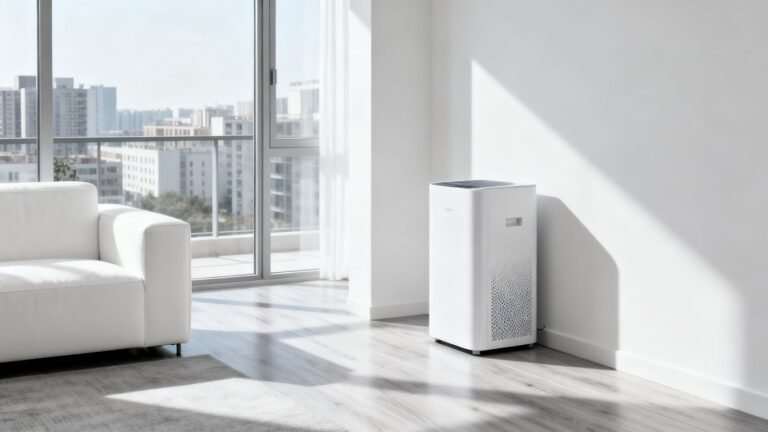
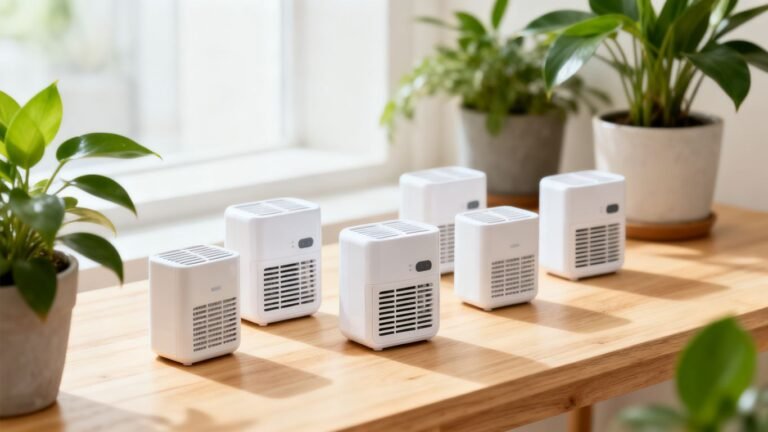
When dealing with tight floor plans, every square inch matters, making size a primary constraint for many homeowners. Compact units often prioritize portability, allowing them to tuck into corners or sit on vanity countertops without creating a cluttered environment. These devices are intentionally designed to manage moisture where bulky appliances simply cannot fit.
Finding the best dehumidifier for bathroom setups requires balancing physical footprint with the capacity to extract water effectively. While some smaller models use thermoelectric technology, those designed for frequent use in humid climates often perform better with more robust internal components capable of handling rapid steam buildup from hot showers.
2. Quiet operation units for overnight drying
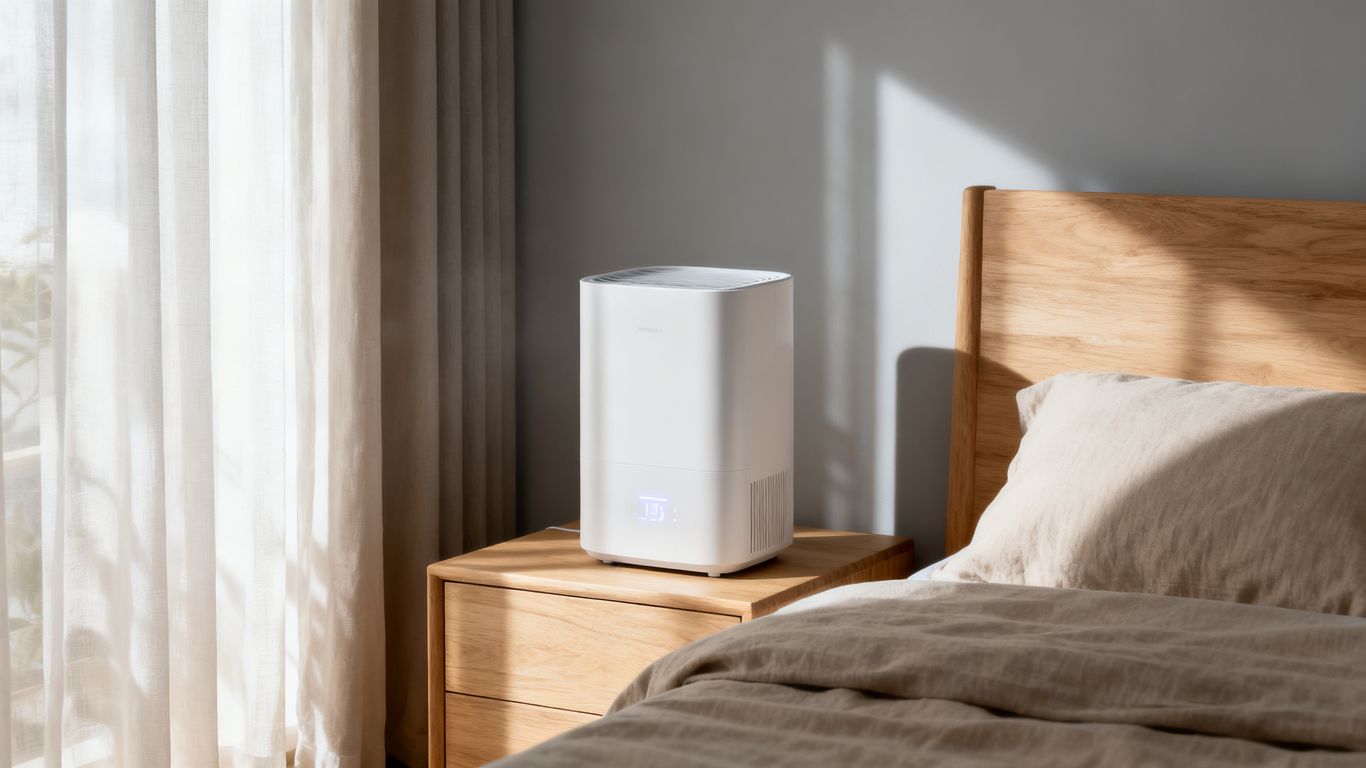
Noise levels can be a deciding factor when appliances are located near sleeping areas or within shared home spaces. Modern engineering focuses on sound insulation, ensuring that the necessary drying process does not disrupt the peace of your home. Fans and compressors are now engineered to operate at lower decibels without sacrificing the air-flow volume needed to clear the room.
For residents in Singapore seeking a balance between silence and performance, Aerofy offers advanced units that maintain quiet operations while effectively managing moisture. These appliances are designed to be unobtrusive, allowing them to remain active throughout the night after a final evening shower, ensuring the bathroom is dry by the next morning.
3. Wall-mounted models for permanent bathroom installation
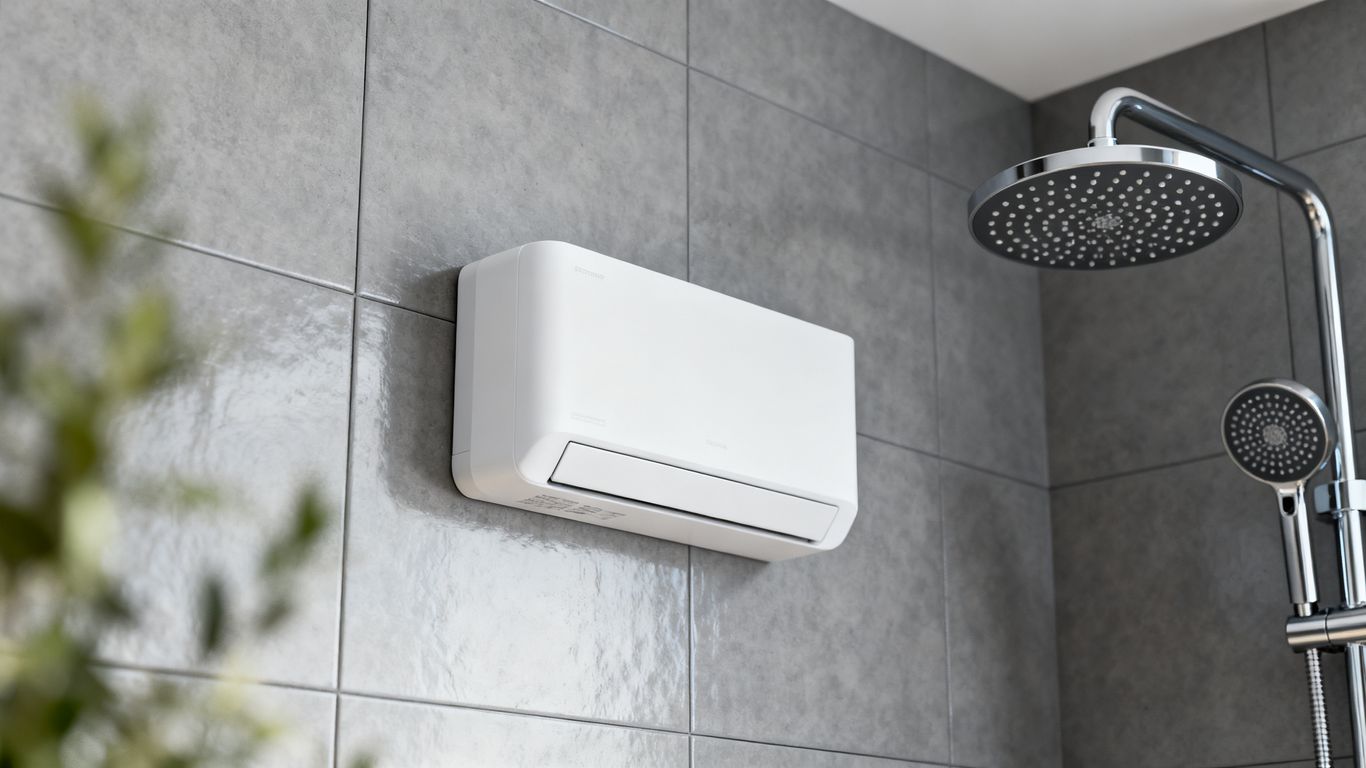
Wall-mounted options are an excellent choice for homeowners looking to save precious floor space permanently. These units integrate directly into the room’s layout, providing a clean appearance that eliminates the need for trailing power cords or bulky floor units. By installing these models at a set height, you ensure consistent air circulation throughout the space.
Effective wall integration requires careful placement near existing ventilation points to assist the room’s natural air exchange capabilities. By leveraging the existing structure, you create a more efficient drying cycle that combats mold more effectively than portable alternatives.
This installation method requires a basic level of handy skill but offers long-term benefits in terms of layout optimization and improved home air quality. Once installed, these units often feature simplified interface controls that make daily humidity adjustments straightforward for every member of the household.
4. Portable dehumidifiers with high moisture removal rates
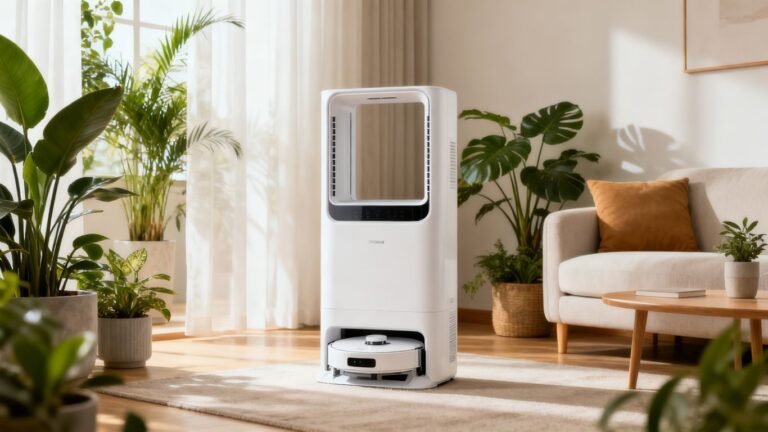
High-performance portable units are engineered to handle significant moisture loads, often found in bathrooms that lack proper window ventilation. These machines are typically heavy-duty, featuring efficient cooling coils and high-capacity water tanks that prevent the need for constant emptying. Their primary advantage is the ability to move between rooms if your home’s moisture patterns shift seasonally.
- High moisture extraction rates for rapid drying
- Large tank capacity reducing maintenance frequency
- Casters or wheels for easy maneuverability
- Built-in humidistats for automatic target settings
- Modern antimicrobial coating on internal reservoirs
Using a powerful, portable model provides peace of mind, especially during rainy seasons when humidity levels spike. Many users appreciate the versatile dehumidifier capabilities that allow these tools to transition from smaller bathroom drying tasks to managing larger living areas with ease.
5. Energy-efficient units for cost-conscious homeowners
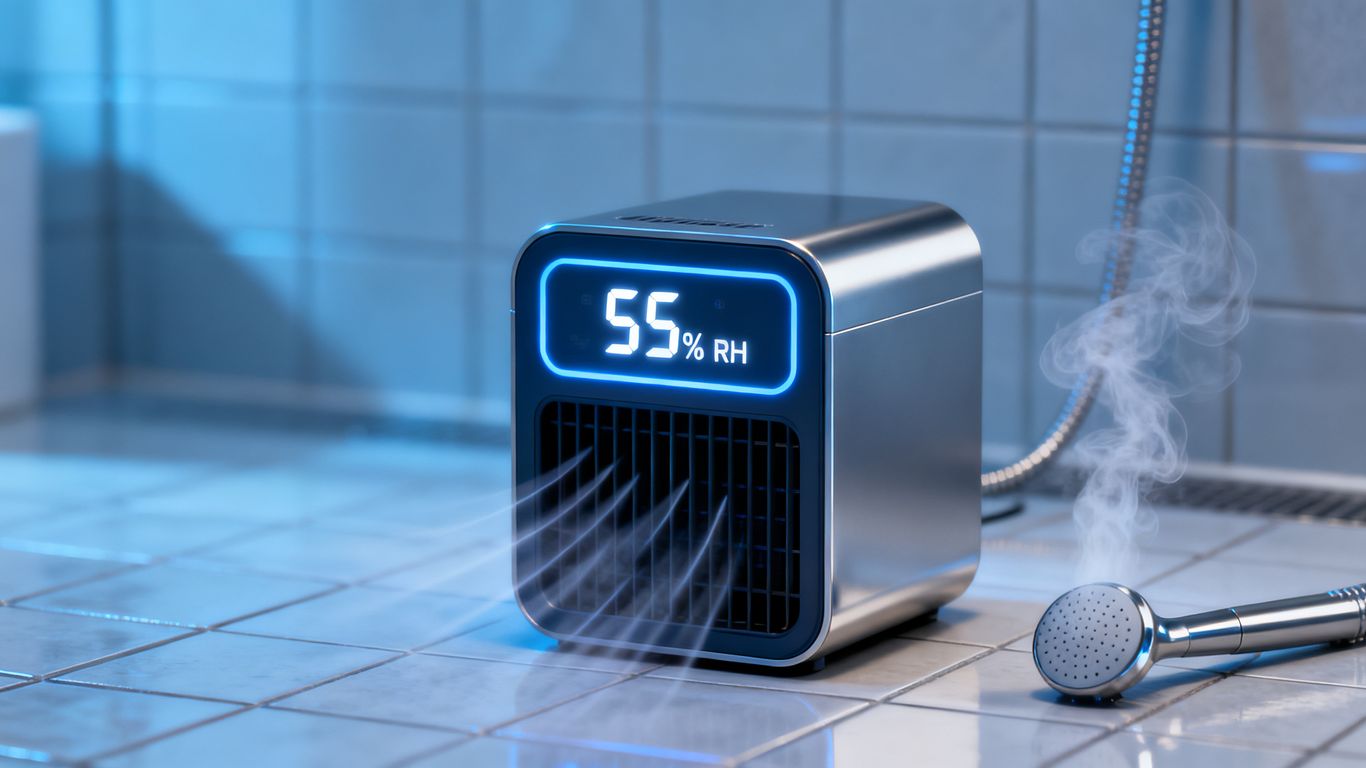
Running high-capacity appliances can quickly impact electricity bills, making energy efficiency a priority for budget-conscious homeowners. Modern technology has seen massive improvements in the power-to-performance ratio of these appliances. Features like automatic shut-off and variable-speed compressors ensure that the unit only consumes power when strictly necessary to maintain the desired humidity setpoint.
When evaluating units, look for models that provide high-performance extraction without excessive energy draw. The following table highlights common specifications to consider when comparing energy consumption patterns for such devices.
| Unit Type | Power Consumption | Typical Daily Usage | Best For |
|---|---|---|---|
| Small Portable | 200 Watts | 4-6 hours | Small Baths |
| Mid-Size Tower | 450 Watts | 8-10 hours | Master Baths |
| Large Capacity | 750 Watts | Full Day | Large Homes |
Selecting the right model means assessing your average usage duration. An efficient unit that perfectly matches your space’s volume will always be more cost-effective than an overpowered machine that cycles on and off frequently.
6. Smart dehumidifiers with humidity control sensors
Smart features have transformed how we maintain indoor environments. These units use high-precision sensors to constantly monitor local water vapor levels, automatically adjusting their internal settings to keep the room within a specific range. You can often track these metrics through a corresponding app, allowing you to monitor your home’s health while at work or traveling.
Integrating smart dehumidifier capabilities allows for a ‘set and forget’ lifestyle. The DualCore 20 stands out in this category by providing real-time data on humidity levels, allowing homeowners to trust their appliance to keep the bathroom within the ideal healthy range without manual intervention.
7. Budget-friendly options for effective moisture management
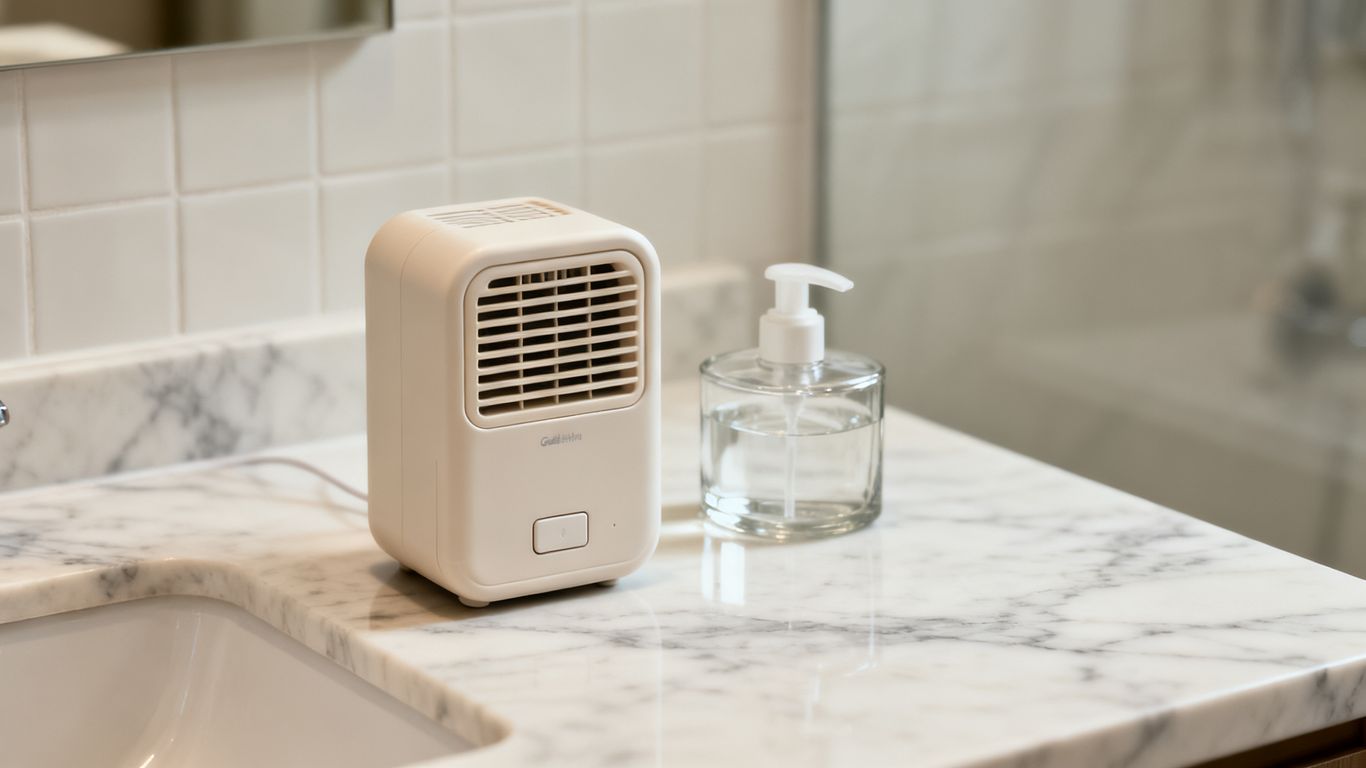
Effective moisture control does not always require high-end luxury appliances. Several reliable options are available for those who need functional, no-frills performance at a lower price point. These units often skip integrated Bluetooth or advanced sensors in favor of reliable, manual-dial control systems that have been tested and perfected over many years.
Focusing on core mechanics—such as the quality of the compressor and the robustness of the fan motor—allows manufacturers to keep costs down while delivering consistent results. While these models might not offer high-tech connectivity, they satisfy the fundamental requirement of lowering moisture levels to inhibit mold and mildew growth in bathrooms.
8. Dehumidifiers with continuous drainage capabilities
For bathrooms where moisture levels are consistently high, the constant need to empty the tank can become tiresome. Continuous drainage is an essential feature here: by attaching a hose to the unit’s drainage port, the water is diverted directly into a sink or drain, eliminating the need for manual intervention.
This setup essentially creates a maintenance-free moisture bridge. Before choosing a unit, ensure it includes an appropriately sized hose or connection kit, as this feature is the key to successfully managing environments where the unit would otherwise need to be emptied twice daily.
9. Low-maintenance models with washable filters
Maintenance is an inescapable part of owning any home appliance, but models with easily accessible, washable filters make the habit much easier to stick to. Periodically cleaning these filters prevents dust buildup, which otherwise forces the motor to work harder, decreasing the unit’s lifespan and increasing energy pull.
Most modern designs allow for quick filter removal without the need for specialized tools. Keeping this routine consistent prevents musty odors and ensures that the air passing through the device remains clean, ultimately extending the service life of your investment.
10. Design-focused dehumidifiers that blend with bathroom decor
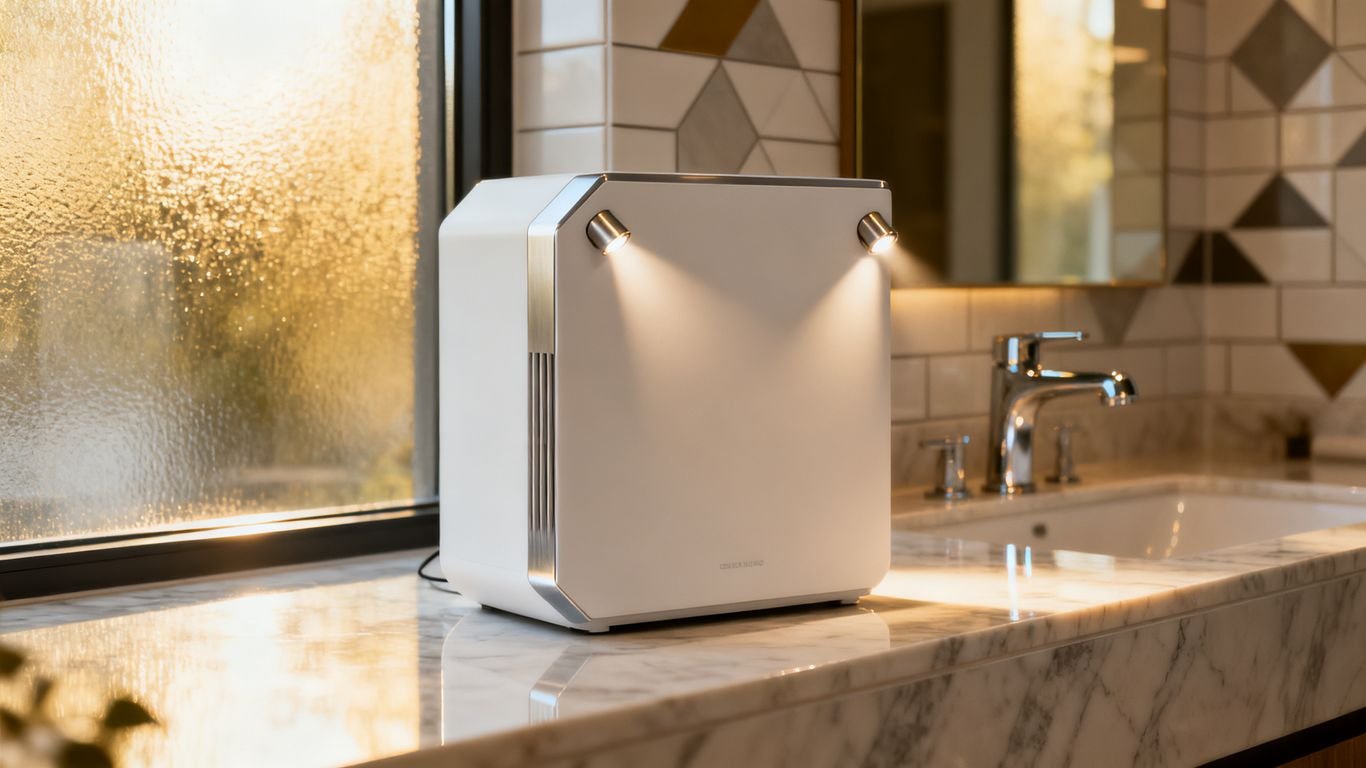
Modern home design emphasizes the aesthetic integration of every appliance. Today’s dehumidifiers are moving away from purely utilitarian looks, adopting sleeker silhouettes, matte finishes, and neutral color profiles that complement contemporary bathroom vanities. Choosing a unit that aligns with your interior design means you no longer have to push it out of sight when guests visit.
An Aerofy unit, for instance, focuses on a minimalist look that feels purposeful and integrated rather than like an afterthought. By making these devices visually appealing, manufacturers acknowledge that these appliances are permanent fixtures in our homes, not temporary solutions for localized leaks.
Conclusion
Choosing the right device balances moisture extraction efficiency against noise levels, energy usage, and your bathroom’s specific layout; by prioritizing these engineering factors, you ensure a dry, healthy environment that protects your home from the long-term impact of high humidity.
Frequently Asked Questions
Can a dehumidifier replace my bathroom exhaust fan?
While a dehumidifier is excellent at pulling moisture from the air, it works best alongside an exhaust fan. The fan handles the initial bulk of steam during a shower, while the dehumidifier manages the humidity levels afterward to ensure everything dries thoroughly and mold does not find a foothold.
What is the ideal humidity level for a bathroom?
To prevent mold and mildew, you should aim to keep the relative humidity in your bathroom between 40% and 50%. This range is low enough to prevent fungal growth but high enough that it won’t cause the room to feel uncomfortably dry or irritate your skin.
How often should I clean the dehumidifier filter?
It is generally recommended to clean the filter every two to four weeks, depending on how often the unit runs. If you live in a particularly dusty environment or have pets, you may want to check the filter more frequently to maintain optimal airflow.
Do I need a special drainage hose for my unit?
Most units that support continuous drainage come with a standard connection port, but you will typically need a standard garden hose or the specific tube provided by the manufacturer. Always check the manual to ensure the hose diameter matches the unit’s drain output for a leak-free setup.
Can I leave my dehumidifier on 24/7?
Yes, many modern dehumidifiers are designed for continuous operation. However, using a unit with a built-in humidistat is highly recommended, as it allows the device to cycle off once it reaches your pre-set humidity level, saving electricity and reducing overall wear.
Are larger dehumidifiers better for small bathrooms?
Not necessarily; an oversized unit may cycle on and off too frequently, which is inefficient. A compact model with a capacity matched to your square footage is typically better, as it runs longer, consistent cycles which are more effective for moisture management.
Will a dehumidifier eliminate existing mold?
No, a dehumidifier is a preventative tool that stops mold spores from thriving by removing the moisture they need to reproduce. If you already have active mold growth, you will need to clean the area thoroughly with appropriate solutions before the dehumidifier can effectively prevent it from returning.