
Key Takeaways
A disposable dehumidifier acts as an accessible, non-electric method for moisture management in confined household spaces. By utilizing chemical agents, these compact devices effectively pull excess water from the air to protect your belongings.
- Disposable models rely on calcium chloride to attract and dissolve moisture.
- They are best suited for small, unventilated areas like closets and cabinets.
- Saturation usually occurs when crystals fully dissolve into a brine solution.
- Unlike mechanical systems, they require no power but reach capacity limits quickly.
- Regular inspection of the collection chamber is critical to prevent leakage.
Understanding how a disposable dehumidifier works
When we look at simple ways to manage indoor humidity, these passive units are often the first stop for many households. These devices function without a motor, relying entirely on the properties of specific hygroscopic materials to pull water vapor from the surrounding atmosphere.
The role of calcium chloride pellets
Most commercial units, such as the DampRid system, feature a reservoir filled with calcium chloride crystals. This substance is highly hygroscopic, meaning it greedily attracts water molecules from the air. As the crystals pull moisture in, they begin to bond with the hydrogen and oxygen, storing the water within the reservoir as a liquid.
Chemical reaction versus mechanical air drying
Unlike an electronic device, which uses coils to condense water, these units rely on a spontaneous chemical dissolution process. The solid salt pellets absorb moisture until they become a saturated brine solution. This process is quiet, energy-efficient, and effective for small, isolated zones where traditional airflow circulation might be absent.

Understanding absorption limits and capacity
These passive absorbers are limited by the physical amount of salt they contain. Once the salt has fully transitioned into brine, the chemical reaction effectively ceases. You can expect a temporary reduction in localized dampness, but these units generally lack the reach to lower humidity across an entire living room or open-plan apartment.
When to know a unit is fully saturated
Monitoring your unit is straightforward, as most manufacturers provide a clear plastic container. When the solid crystals disappear completely and the reservoir is filled with liquid, it has reached its maximum capability. At this stage, the unit should be replaced or, if refillable, emptied and reset with fresh components.
Top locations for moisture control
Strategic placement of these aids is the key to preventing the growth of mold or musty smells in your home. By stationing them near known humidity hotspots, you act as a first line of defense for your personal effects.
Managing humidity in closets and wardrobes
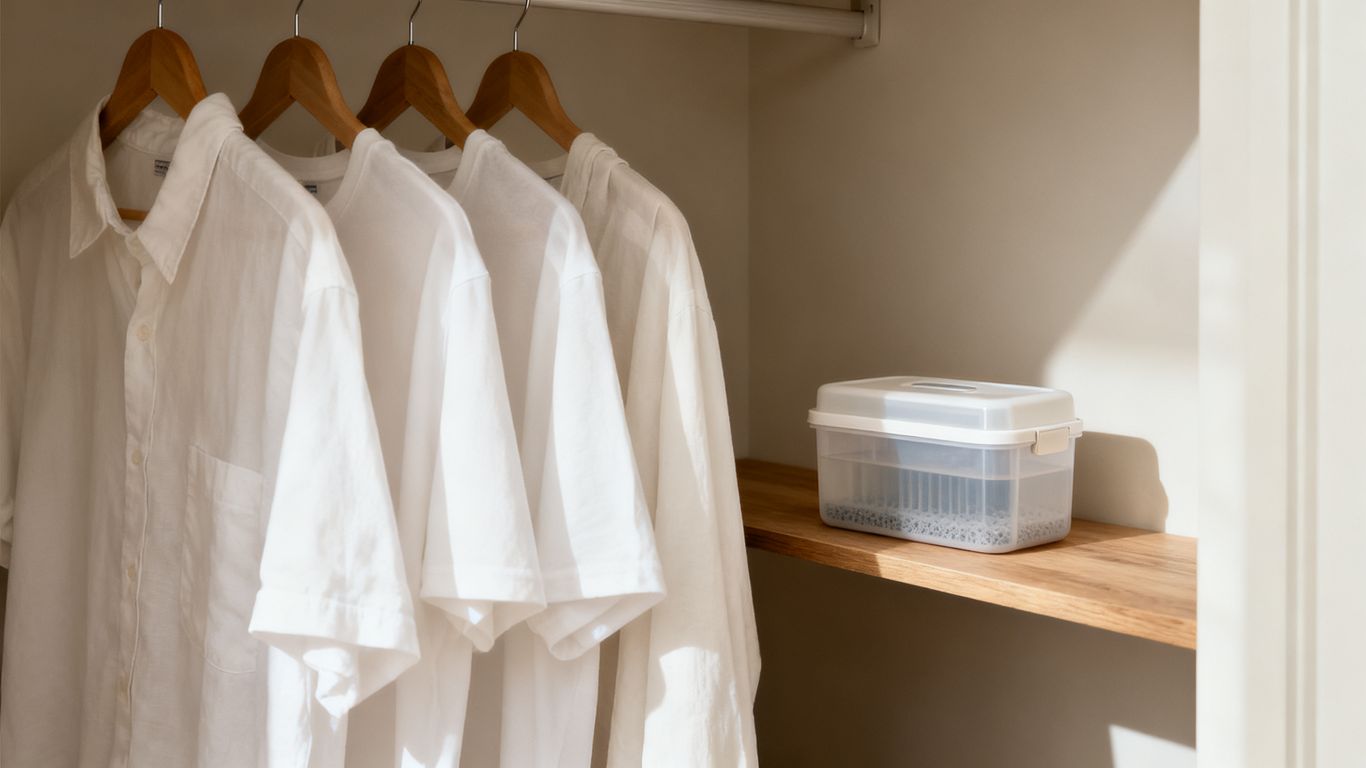
Closets are famously susceptible to stagnant air and trapped moisture. Using units inside these narrow confines protects fabric and leather from the degradation caused by extended humidity exposure. For smaller areas, consider a wardrobe dehumidifier as a reliable primary tool for fresh-smelling garments.
Protecting storage units and seasonal gear
When packing away winter coats or camping equipment, moisture control is essential to prevent long-term damage like mildew or warping. Consider these essential tips for your storage space:
- Place the unit on a flat, stable surface.
- Ensure clear airflow around the intake vents.
- Use multiple units for larger shelving units.
- Keep items slightly apart to allow air passage.
After placing these, maintain a check frequency of at least once per month to ensure they remain functional.
Improving air quality in bathrooms and laundry rooms
Bathrooms encounter high spikes in humidity that can make air feel heavy and stale. While a passive unit cannot replace mechanical extraction, it serves as an excellent supplementary support to help dry the air faster after a shower or during a laundry cycle.
Managing moisture in basements or crawlspaces
Basements often suffer from perpetual dampness due to their location below grade. While heavy-duty moisture issues usually require a high-capacity electric unit, these disposable options offer a great way to manage isolated damp patches or protect sensitive boxes stored in corners.
How to select the right product
Choosing the incorrect capacity for your specific square footage is the most common pitfall when shopping for these items. Taking a moment to assess the volume of your room helps ensure you don’t overspend on hardware that is physically incapable of drying your environment.
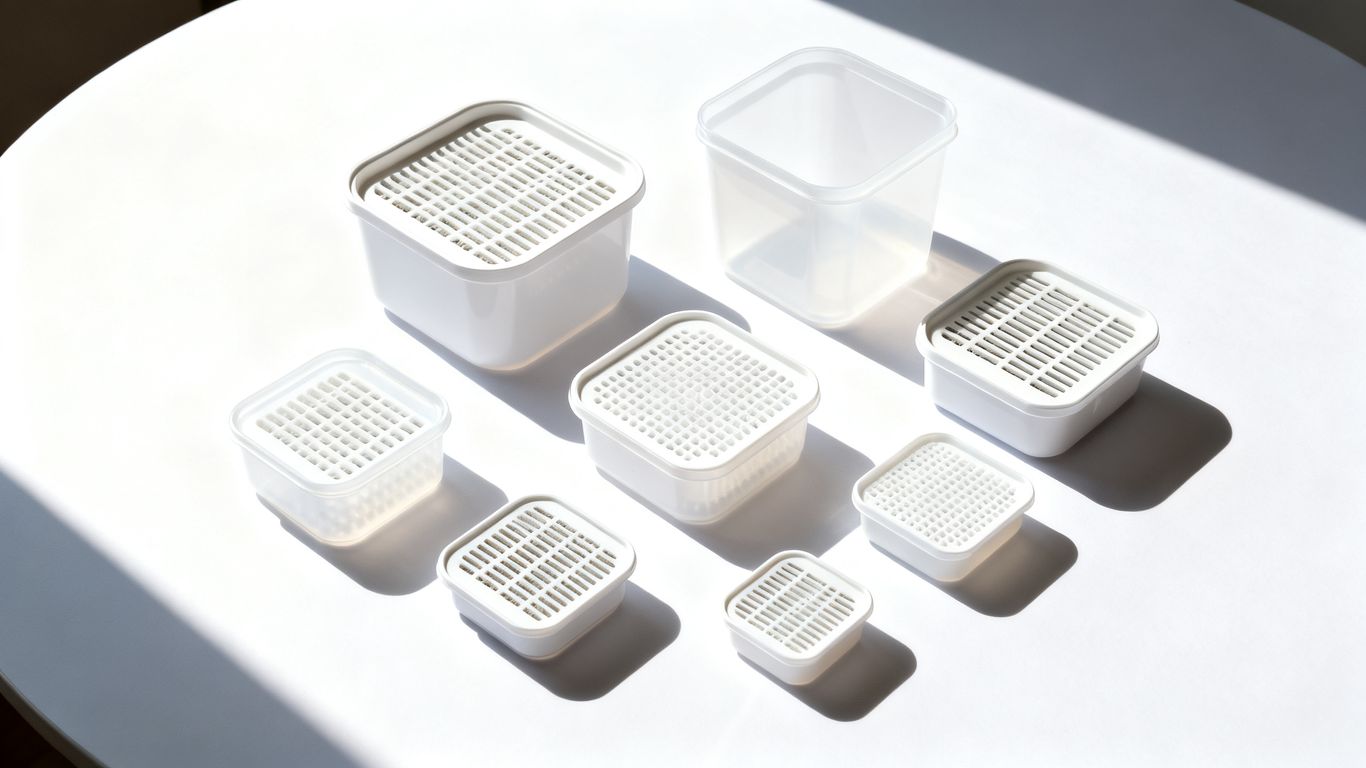
Assessing square footage requirements
Consider the total volume of your room rather than just the footprint. If you are dealing with significant water ingress or larger spaces, passive systems may be overwhelmed. For spaces exceeding these small limits, users often find that an Aerofy DualCore 20 provides a more permanent and efficient result.
Comparing lifespan and moisture absorption rates
The rate at which a unit saturates is entirely dependent on the ambient humidity of your home. In a very damp climate, a pack may only last a few weeks, whereas in drier regions, it could persist for months. Always review the product packaging for indicated capacity ranges.
Choosing between scented and unscented options
Many manufacturers offer variety, ranging from neutral options to those infused with lavender or linen scents. For individuals with asthma or chemical sensitivities, unscented versions are the preferred choice, as they purely perform the task of moisture removal without altering the air profile.
Evaluating container size and placement fit
Look for a form factor that slides easily behind or under furniture if you prefer to keep your moisture management discreet. Smaller 500ml teardrop units like the Livivo design often work best for tight corners and narrow shelf gaps.
Safety and storage best practices
Handling chemical agents requires caution, particularly in homes with curious children or active pets. Always prioritize secure placement and responsible management of the collected liquid.
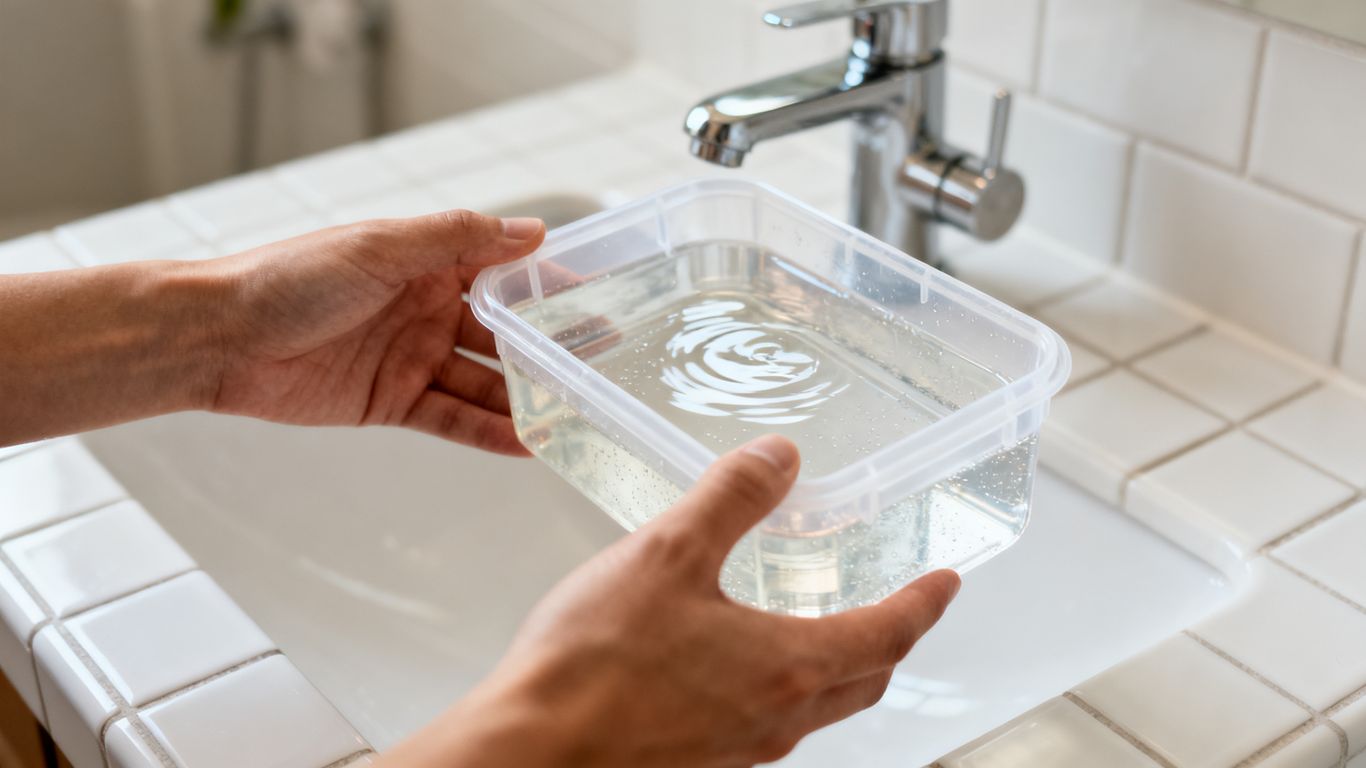
Proper handling of calcium chloride crystals
These crystals are safe when contained, but direct skin contact with the concentrated brine that forms during saturation can be irritating. Always wash your hands thoroughly after replacing a unit, and never attempt to reuse or consume the liquid brine trapped inside the bucket.
Keeping units away from children and pets
Because these units contain a concentrated salt-based liquid, they pose a serious ingestion hazard to animals. If a pet consumes the brine, it can cause severe health complications due to its high salinity. Always place units in locations accessible to adults only, such as on high closet shelves.
Environmentally responsible disposal methods
When your device is full, Taylor International Movers suggest checking local municipal guidelines for plastic disposal. The brine solution itself can usually be safely poured down the toilet, provided it is flushed with plenty of water, though you should check the manufacturer instructions on the packaging first.
Managing accidental leaks or spills
Leaks can occasionally occur if the container is cracked or tipped over. If a spill happens on carpet or hardwood, soak up the liquid immediately with a damp cloth, then clean the area with mild soap. Persistent residue may require professional attention to avoid staining.
Comparing disposable units to electronic dehumidifiers
💡 Scenario Time: Imagine you have a small, walk-in closet in a humid apartment with no power outlets. You need to stop your clothes from becoming damp, but you cannot run an extension cord. This is the exact moment when a manual unit shines, offering a simple solution without the need for an electrical setup.
| Feature | Disposable Units | Electronic Dehumidifiers |
|---|---|---|
| Power Needed | None | Yes (Plug-in) |
| Initial Cost | Low | Higher |
| Noise Levels | Silent | Low to Moderate |
| Best Case Use | Small Closet | Large Room/Basement |
Cost-effectiveness for small versus large spaces
For compact, isolated storage, disposable units are significantly more cost-effective as they avoid the initial investment of a mechanical system. Mechanical units are better justified in large living areas where humidity levels demand consistent, active extraction power round the clock.
Portability and power independence benefits
Since they do not rely on an outlet, these absorbers can fit deep inside safes, drawers, and under-bed storage containers. This level of portability is virtually impossible with active machines that require a steady power supply and air circulation for both the compressor and the exhaust fan.
Comparing long-term operational noise levels
There is no operational noise, making these units ideal for use in bedrooms, pantries, or libraries where peace and quiet are essential. Mechanical systems, even those engineered for efficiency, will always generate some degree of white noise during operation.
Efficiency in high-humidity versus low-humidity environments
In regions with extreme tropical humidity, disposable units will reach saturation very quickly, proving less efficient than a high-performance mechanical dehumidifier. The latter is capable of continuously cycling air and removing liters of moisture, which is necessary for maintaining a baseline of 40-50% humidity long-term.
Maximizing the lifespan of moisture absorbers
Strategic placement for airflow optimization
Though these devices don’t require power, they still need to be located where air currents are naturally present. Avoid burying them in the back of a tightly packed closet, as stagnant zones will significantly slow the hygroscopic reaction required for them to function effectively.
Monitoring saturation cycles in the home
Keep a log or a note on your phone to track how often your units require replacement. If you find yourself changing them every two weeks, your space is experiencing heavy moisture infiltration that may necessitate a more robust, long-term mechanical solution than passive absorbers can provide.
Strategies for rotating multiple units
In larger spaces, spread multiple compact units around the room rather than relying on one solitary device. This distribution allows for more balanced moisture control across the entire area, preventing localized damp spots that might otherwise go unnoticed.
Identifying when environments require industrial solutions
You will know that your environment has outgrown disposable solutions if you observe visible condensation on walls, peeling wallpaper, or persistent odors despite regular replacement. At this stage, professional-grade air treatment is the only viable path to structural health.
Conclusion
Selecting the right moisture management product is a simple way to maintain the longevity of your belongings and indoor air comfort. Whether you choose the ease of disposable units for small closets or upgrade to a more powerful, permanent solution for your entire home, managing your environment is a key investment in your property. Buy Now and take the first step toward a drier, fresher home by investing in the moisture control solutions that best match your space and specific climate challenges.
Frequently Asked Questions
How long does a typical disposable unit remain effective?
Most units last between three to six weeks, though this duration fluctuates wildly based on the temperature and relative humidity levels present in your specific living area.
Is it safe to leave these containers on hardwood flooring?
While the containers are designed to be leak-proof, placing them on a tray or saucer is a simple, effective precaution that protects your floors from any potential condensation drips or accidental spills.
Can I dispose of the leftover salt water in my garden?
No, the brine solution collected is a concentrated mixture that can harm soil and plants; always empty the reservoir into a toilet or sink according to the label’s regional guidelines.
Do these products actually eliminate existing mold spores?
Disposable units do not kill mold spores; they only work to dry the air, which inhibits the conditions mold requires to thrive and spread throughout your home.
Does scenting the air cover up the smell of mold?
Scented units are designed to mask odors, but they will not address the source. If you still smell a faint musty odor after placing a unit, you likely need a professional mold inspection.
What should I do if the crystals harden into a solid brick?
This is normal if the unit was exposed to air during shipping or storage, but it may slow the absorption process; gently tap the sides of the container to break them up.
Will these work if I leave the windows open?
Opening the windows will constantly introduce more humid air, quickly overwhelming the limited capacity of a disposable absorber and rendering it ineffective rather quickly.