Key Takeaways
Maintaining a dry closet is essential for protecting fabrics from mold, mildew, and musty odors in humid environments. These five strategies help address excess moisture throughout your home:
- Use rechargeable silica gel for long-term reusable moisture control.
- Hanging moisture bags are effective for temporary or small-space needs.
- Electric mini dehumidifiers offer automated protection for larger wardrobes.
- Charcoal bags provide a subtle, low-maintenance approach to odor absorption.
- Proper airflow significantly reduces the risk of trapped condensation build-up.
1. Rechargeable silica gel canister dehumidifiers
Many homeowners struggle with the persistent dampness that characterizes tropical storage environments. Rechargeable silica gel canisters offer a practical way to manage this by pulling moisture from the air into absorbent beads that change color when full. Once saturated, these canisters are reactivated through heat, making them a durable choice for long-term use compared to single-use alternatives. This reusable dehumidifier guide explains how these systems effectively preserve clothes and sensitive gear throughout the seasons.
2. Hanging moisture absorber bags
For those needing a quick and accessible solution, hanging bags utilize calcium chloride to draw humidity into a collector pouch. They are particularly popular in small wardrobe designs where floor space is limited and passive solutions are preferred. Residents in hot, damp regions often rely on disposable dehumidifiers to keep seasonal garments fresh, as they do not require electricity or complex installation. These units serve as a low-barrier starting point for many households fighting visible dampness in enclosed cabinets.
3. Electric mini dehumidifiers for small spaces
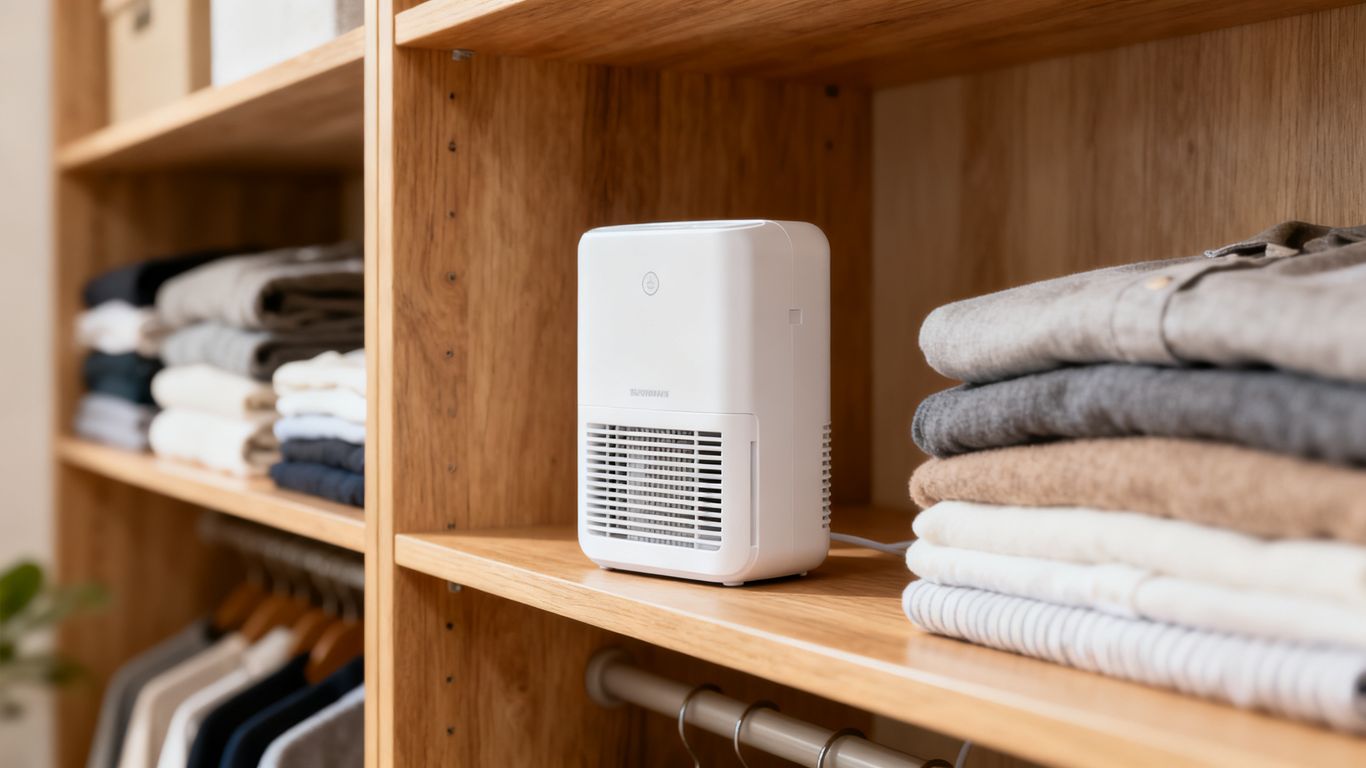
When passive methods struggle against extreme humidity, electric units provide active moisture removal that keeps environments consistent. These machines are engineered to pull water vapor continuously, preventing the stagnant conditions that foster mold growth. When choosing an electric device, consider these important factors for your space:
- Energy efficiency ratings for continuous operation
- Quiet operation modes to avoid disruption at night
- Auto-shutoff features for safety when full
- Compact physical footprint relative to shelf space
Integrating the Aerofy DualCore 20 into your wardrobe setup allows for robust removal of moisture using advanced technology. This device ensures that your clothes remain protected from the aggressive effects of humidity, operating with a rotary compressor that is specifically optimized for tropical climates.
4. Natural charcoal bamboo air purifying bags
Beyond simply removing water, many users look for ways to manage the musty smells that accompany wet weather. Charcoal bamboo bags work as natural desiccants while simultaneously trapping odor particles from the air. While they may not match the capacity of mechanical machines, their aesthetic quality makes them an excellent addition to shoe cabinets or delicate fashion storage where chemical-free solutions are desired. Many residents keep closets fresh by placing these bags discreetly alongside their clothing.
5. Refillable calcium chloride moisture traps
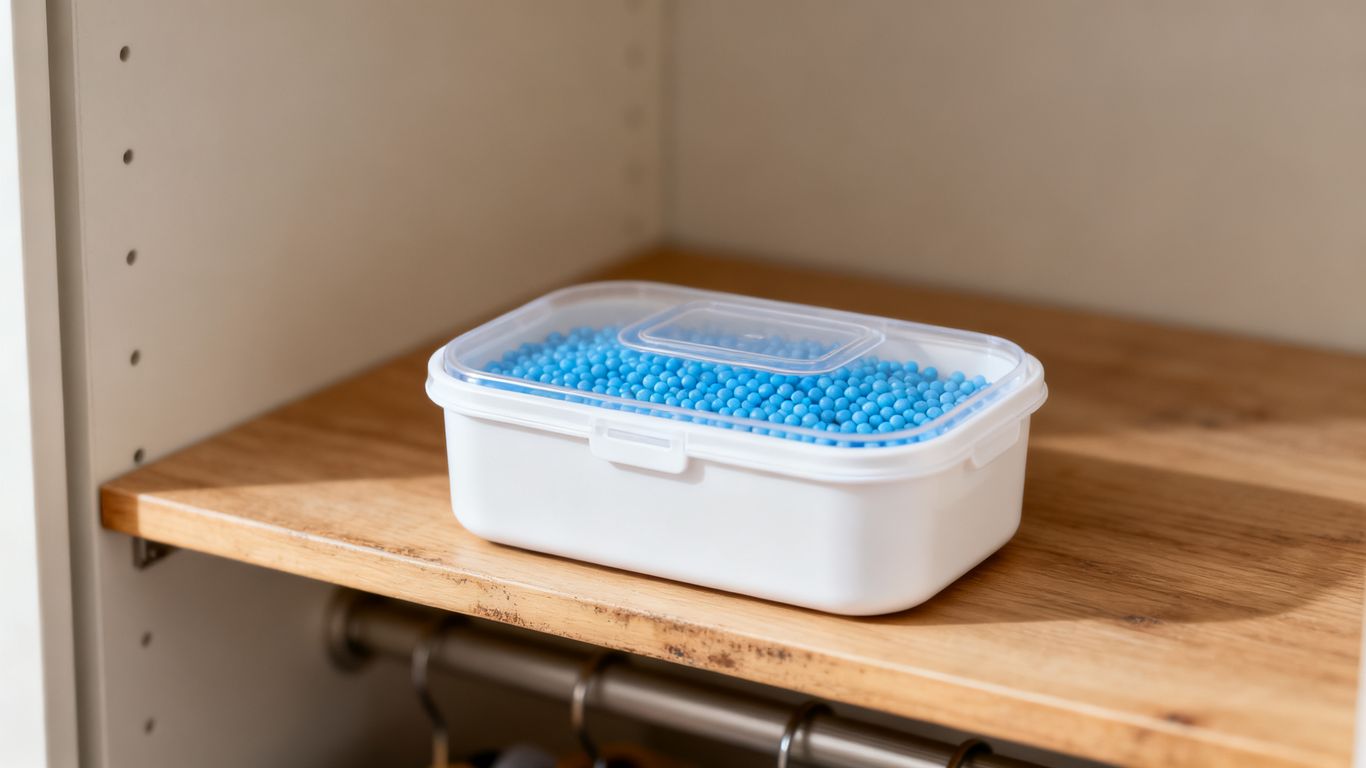
For those who prefer a balance between convenience and waste reduction, refillable moisture traps allow users to replace only the calcium chloride component after use. This design is common in various closet dehumidifier systems where the plastic reservoir is kept long-term while the absorbent material is cycled out. It remains one of the most effective ways to treat localized dampness without needing a power outlet nearby.
6. Portable peltier-effect dehumidifiers
Portable Peltier-effect units represent the sweet spot between passive sachets and heavy-duty compressors. By cooling a metal surface to condense moisture, these quiet devices actively pull water from the air, making them ideal for walk-in closets where silence is necessary. Owners looking for a modern dehumidifier preference often turn to this thermoelectric technology for its compact design and efficient energy use in small, sealed areas.
7. Desiccant dehumidifying rods for closet bars
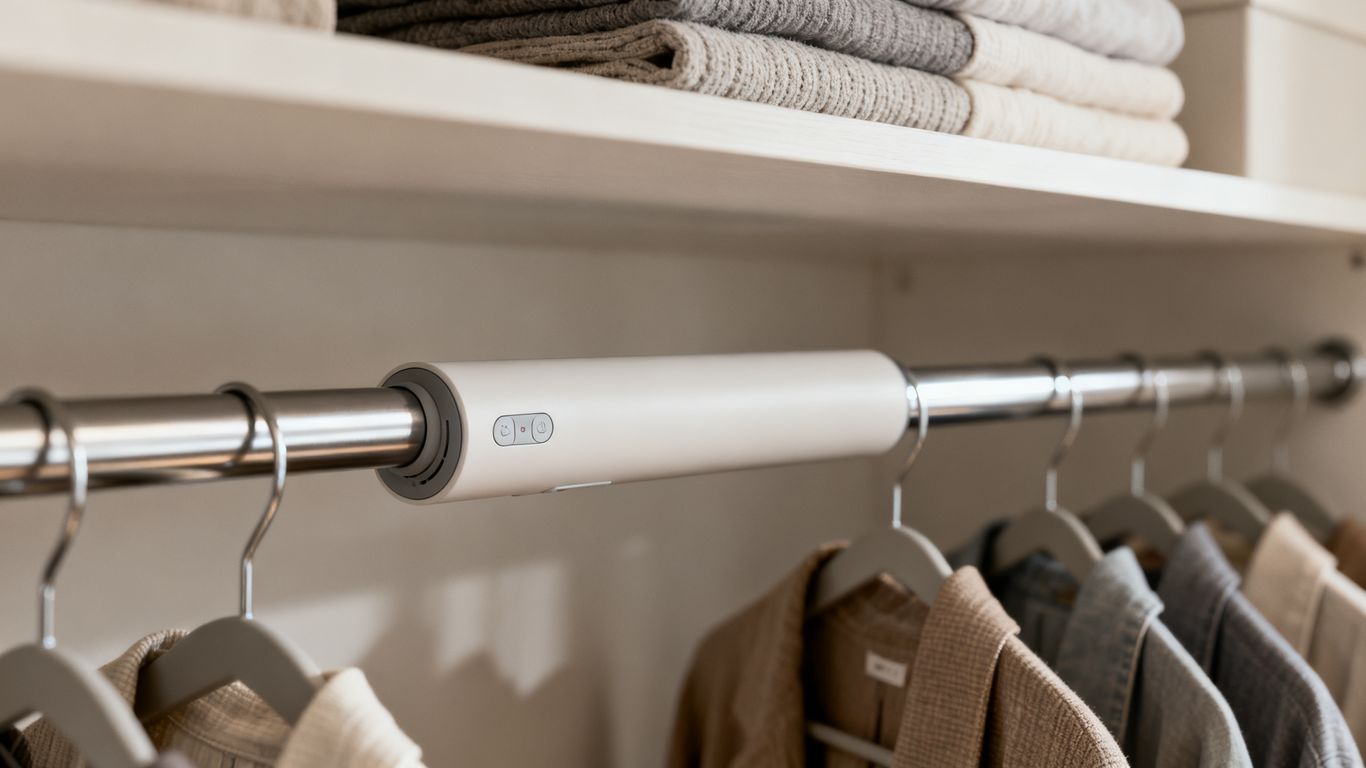
Dehumidifying rods function by slightly warming the air inside the closet, which effectively lowers the relative humidity and prevents condensation. This passive approach is remarkably simple, and you can find the best configuration for your space by comparing the rod length with your bar size. The following table contrasts the effectiveness of these thermal rods with other popular methods:
| Method | Maintenance Required | Space Required | Effectiveness |
|---|---|---|---|
| Thermal Rod | Minimal | Low | Consistent |
| Hanging Bag | High | Medium | Short-term |
| Electric Unit | Moderate | High | Superior |
By keeping the localized temperature just above the dew point, these rods act as an invisible, silent climate control solution for wardrobe interiors that might otherwise trap cold, moist air.
8. Large capacity wall-mounted units
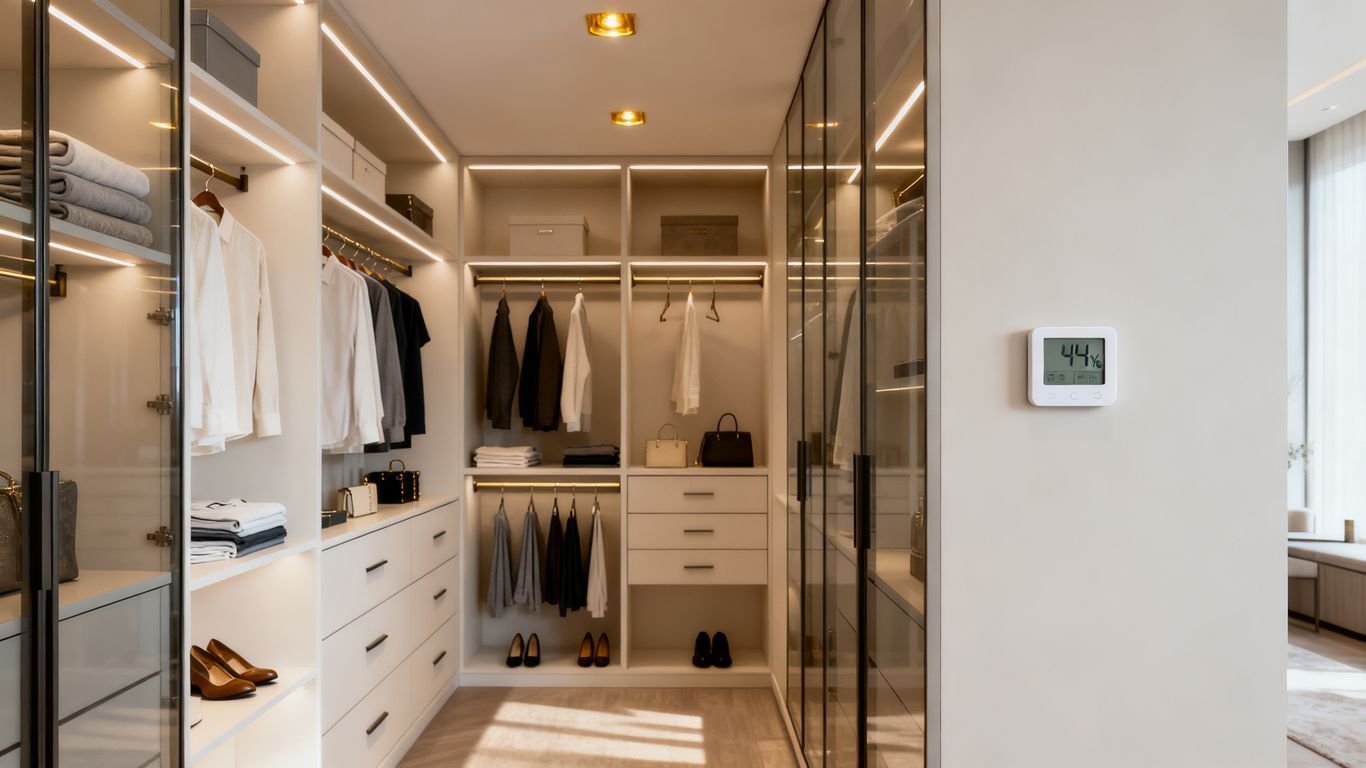
For expansive walk-in wardrobes that serve as storage for diverse collections, small canisters are often insufficient. Wall-mounted units offer higher moisture-removal capacity without consuming precious drawer or shelf area. These specialized appliances ensure that large, enclosed volumes stay regulated, protecting expensive investment textiles from the damage caused by heavy condensation.
9. Whisper-quiet thermoelectric closet dryers
These dryers combine gentle heat with low-wattage fans, ensuring constant airflow that is crucial for stopping mold formation on leather goods and fine fabrics. Many users secure their wardrobe using these units, noting that the combination of temperature regulation and airflow is essential for long-term preservation. You can buy now from our premium collection to ensure your closet receives the professional-grade care required to prevent humidity damage throughout the year.
10. Sustainable reusable clay-based absorbers
Clay-based absorbers utilize natural minerals that can be dried out and reused indefinitely, providing a circular solution to moisture problems. These units are highly effective in smaller environments like gun safes or jewelry drawers where small footprints are required. As with most dehumidifiers, consistent monitoring of the absorbent levels ensures that your belongings remain in pristine condition against climate swings.
Scenario Time
Imagine preparing for a humid week where temperatures fluctuate rapidly at night. You walk into your home office closet to grab a sweater and notice the fabric feels slightly clammy to the touch. By installing a dedicated humidity control device, you prevent that damp feeling before it turns into noticeable mildew. Troubleshooting the right placement for your device—usually on the floor or near the source of incoming cold air—will yield the best results for your specific wardrobe layout.
Conclusion
Selecting the right closet dehumidifier depends on your specific layout constraints and the ambient humidity levels in your region, but taking action remains the most important step for preserving your wardrobe. Whether you opt for thermal rods or active electric systems, managing the moist environment in your home consistently shields your clothing from the long-term degradation caused by mildew and mold.
Frequently Asked Questions
How do I know if my closet needs a dehumidifier?
If you consistently notice a musty odor upon opening the door, feel dampness on your clothing, or see signs of mold on shoes or walls, your closet likely requires active humidity management.
Can a dehumidifier damage my clothes?
Most modern closet-specific dehumidifiers are designed to function within safe humidity ranges, so they will not dry out fabrics excessively or damage delicate materials when used according to the manufacturer’s instructions.
How often should I check my closet dehumidifier?
For water-collecting units, weekly checks are advisable to ensure the reservoir does not overflow, while rechargeable desiccants should be inspected monthly to monitor their saturation status.
Does airflow improve dehumidification results?
Yes, sufficient airflow helps prevent pockets of stagnant air where humidity often spikes, so keeping your closet organized rather than overstuffed can improve the efficiency of your chosen device.
Are there natural alternatives to chemical dehumidifiers?
Options like charcoal bags or silica gel are natural alternatives to chemical-based absorbers, helping to pull moisture and odors from the air without requiring harmful synthetic treatments.
Can I use a closet dehumidifier for a walk-in wardrobe?
Yes, but for larger walk-in spaces, you may require a more powerful electric unit or multiple localized devices rather than a single small hanging bag to effectively cover the entire square footage.
Will a dehumidifier eliminate existing mold?
No, a dehumidifier is a preventative tool designed to stop future mold growth by controlling humidity; it will not remove or kill mold that has already established itself on surfaces.