Key Takeaways
Selecting the right equipment is vital for maintaining a comfortable indoor climate. Use these points to guide your purchase decision.
- Match the device capacity to the square footage of your space.
- Prioritize units with high-quality filtration if air quality is a concern.
- Ensure the drainage system aligns with your maintenance capabilities.
- Consider noise levels for rooms where comfort takes priority.
- Evaluate energy efficiency ratings to manage long-term operating costs.
Understanding how an electric dehumidifier works
Electric moisture control relies on distinct mechanical principles to protect your indoor environment from excessive dampness. Understanding the underlying technology helps you differentiate between units designed for casual use and those built for demanding tropical climates.
Compressor-based versus thermo-electric models
Compressor-based units function much like traditional air conditioners, using a refrigerated coil and a condenser to cool the air below its dew point. This method is highly effective for large volumes of air, especially in residential settings. In contrast, thermo-electric models, which often utilize Peltier technology, transfer heat without mechanical moving parts. These are quiet but limited in their ability to handle high humidity loads, making them better suited for small, isolated spaces rather than entire homes.
The role of moisture condensation mechanics
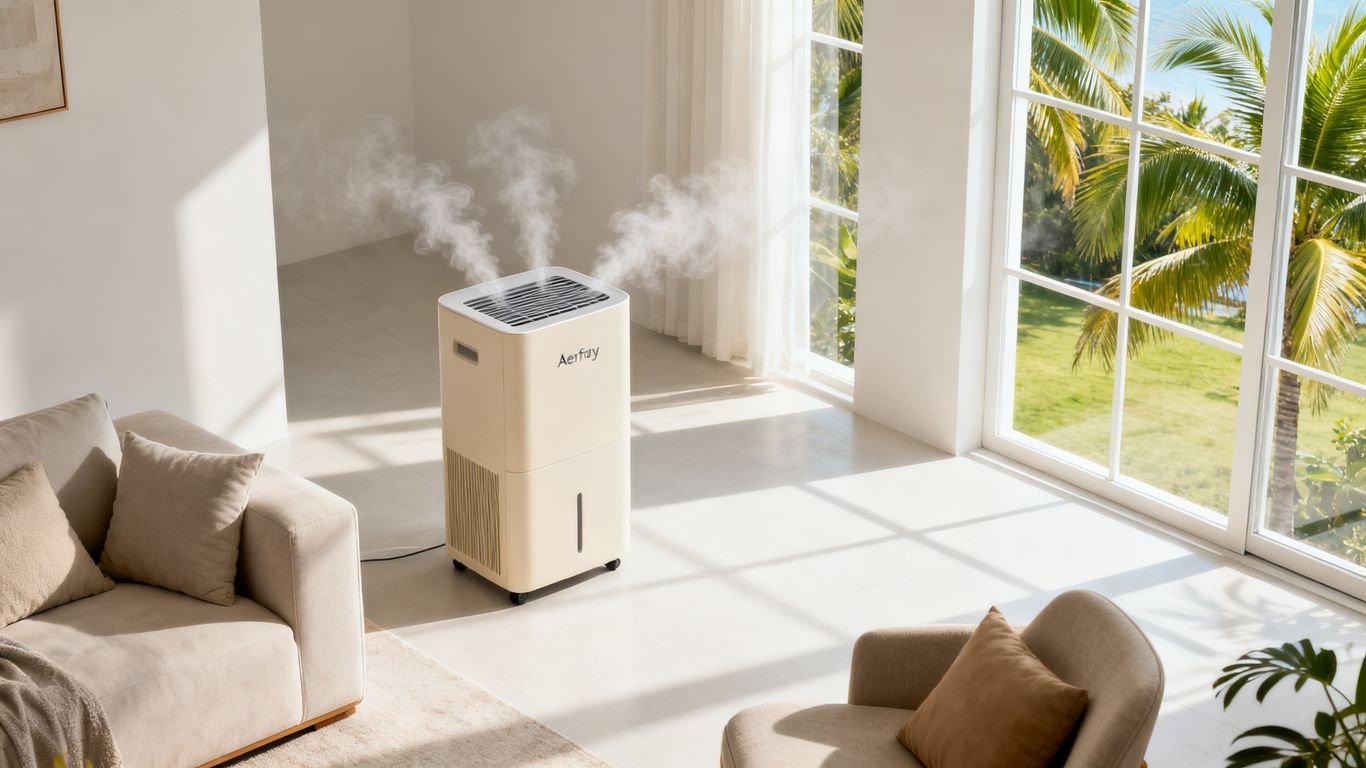
When moist, warm air comes into contact with the chilled coils of a compressor-based unit, the water vapor rapidly turns into liquid droplets. This condensate is then gathered in an onboard tank or diverted via a drain hose. Managing this phase-change process requires precision engineering; devices like the Aerofy DualCore 20 are purpose-built to navigate the challenges of high-humidity environments through advanced airflow designs. By maintaining a constant flow over the cold surface, these units ensure that moisture is pulled from the atmosphere consistently.
Energy consumption and efficiency ratings
Efficiency is determined by how much water is removed per kilowatt-hour of electricity. Because tropical climates require prolonged operation, modern units often incorporate R290 refrigerant to improve heat exchange while minimizing environmental impact. Effective systems balance motor power with output volumes to prevent unnecessary energy waste.
| Efficiency Factor | Low-Power Unit | High-Performance Unit |
|---|---|---|
| Compressor Type | Rotary | Inverter |
| Refrigerant | Traditional | R290 |
| Run Time | Continuous | Adaptive |
The table above shows why matching your specific needs to the machine’s internal hardware is a critical step in reducing energy output over time.
Key factors to consider when choosing a unit
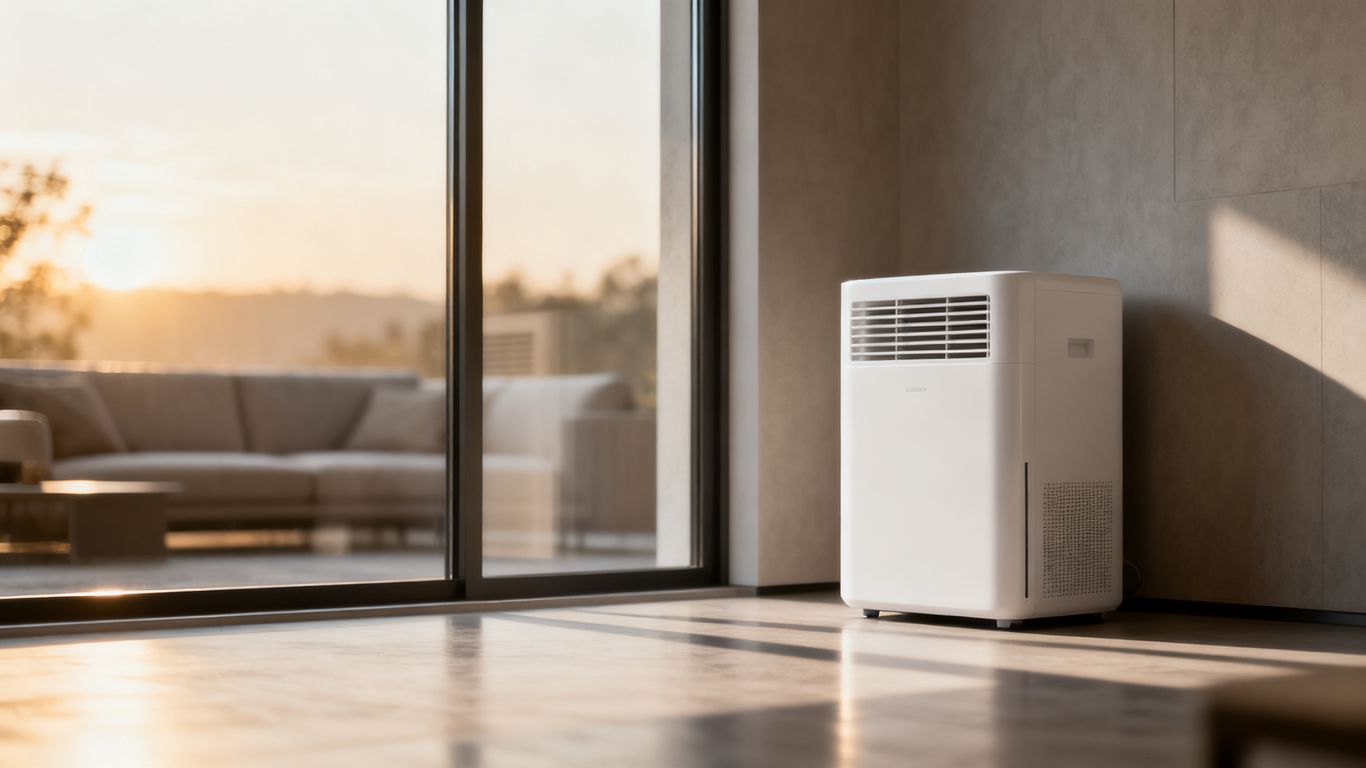
Selecting the right machine involves evaluating internal components against your physical environment. Beyond simple aesthetics, you should look for features that make daily operation manageable while ensuring the device lasts through many seasons of heavy use.
Noise levels and quiet operation features
Modern dehumidifiers are rated by their decibel output, with many featuring ‘night modes’ that lower motor intensity during sleep hours. High-quality fans and sound-dampening materials within the casing help keep operation unobtrusive even when the compressor is working at peak load.
Built-in humidistats and sensor technology
Sophisticated units use internal sensors to monitor humidity levels in real-time, allowing them to turn off automatically once the target range is achieved. This prevents unnecessarily dry air and saves significant power during months with fluctuating weather patterns.
Portability and caster mobility
If you move your device between different rooms or levels of your home, robust caster wheels and ergonomic handle designs become priority features. A well-designed unit should feel balanced when rolling, even when the internal water reservoir is partially filled.
Auto-drain and bucket capacity designs
For those who prefer a set-it-and-forget-it approach, auto-drain compatibility allows you to connect a standard hose for continuous moisture removal. If you must use a bucket, look for a large capacity relative to your room size so that emptying becomes a weekly chore rather than a daily inconvenience.
Determining the right capacity for your space
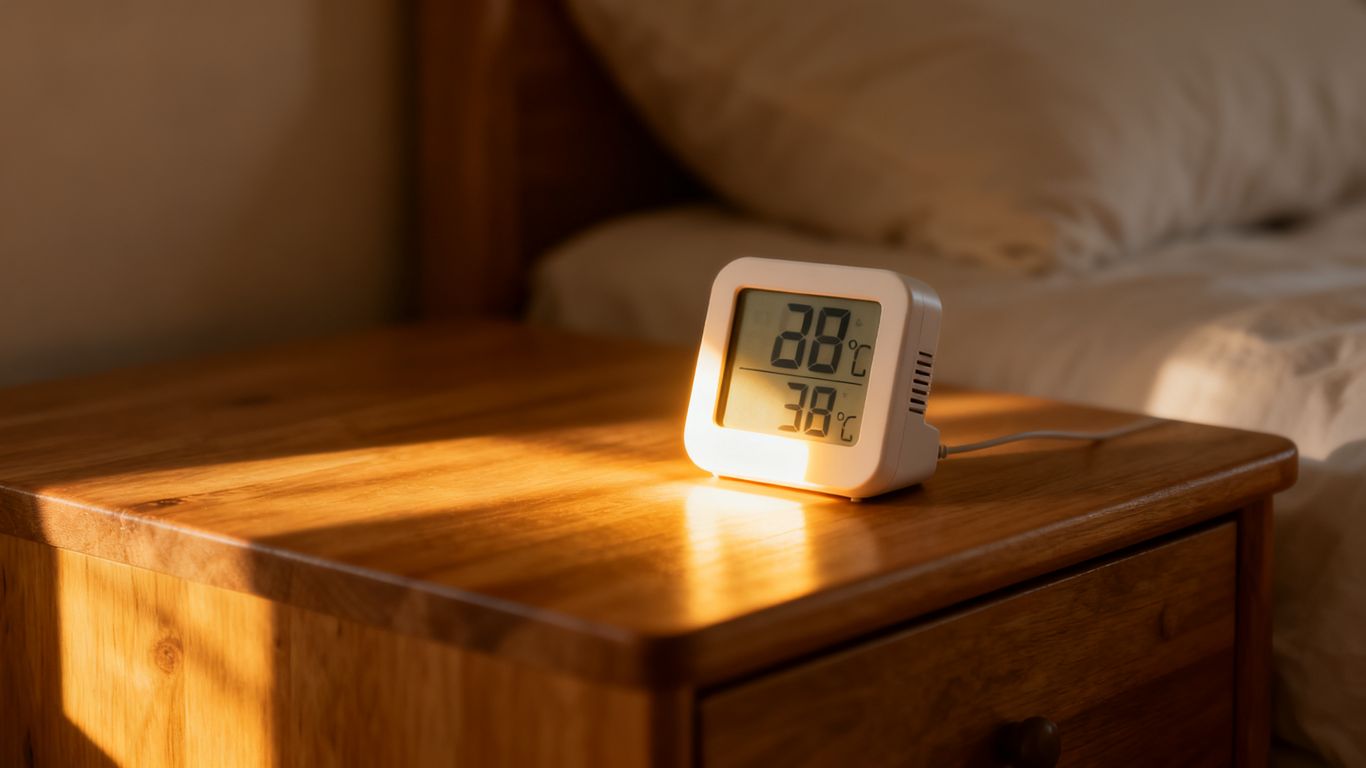
Finding the correct pint capacity requires a precise assessment of your living conditions, as an underpowered unit will run constantly without providing real relief. In high-humidity climates, you are rarely just dealing with dampness; you are also combatting the rapid growth of mold and mildew dca7 if the air remains stagnant.
Assessing square footage requirements
Most manufacturers base their capacity ratings on square footage, but ceilings and overall ventilation play an equal role. For spaces under 500 square feet, a compact unit might suffice, but larger open-concept living areas require higher-capacity machines that can cycles the air efficiently.
Impact of humidity levels in specific rooms
Areas with water sources, such as laundry rooms or bathrooms, demand a higher extraction rate than bedrooms or home offices. It is often wise to choose a unit sized for the dampest room in your house, even if you plan to move it occasionally.
How room temperature affects overall performance
Thermodynamic laws dictate that warmer air holds more moisture, meaning compressor systems work most effectively at higher temperatures. If you operate your unit in a cold, damp basement, you may notice it struggles compared to when it is in a warm, humid living room.
Placement tips for maximum effectiveness
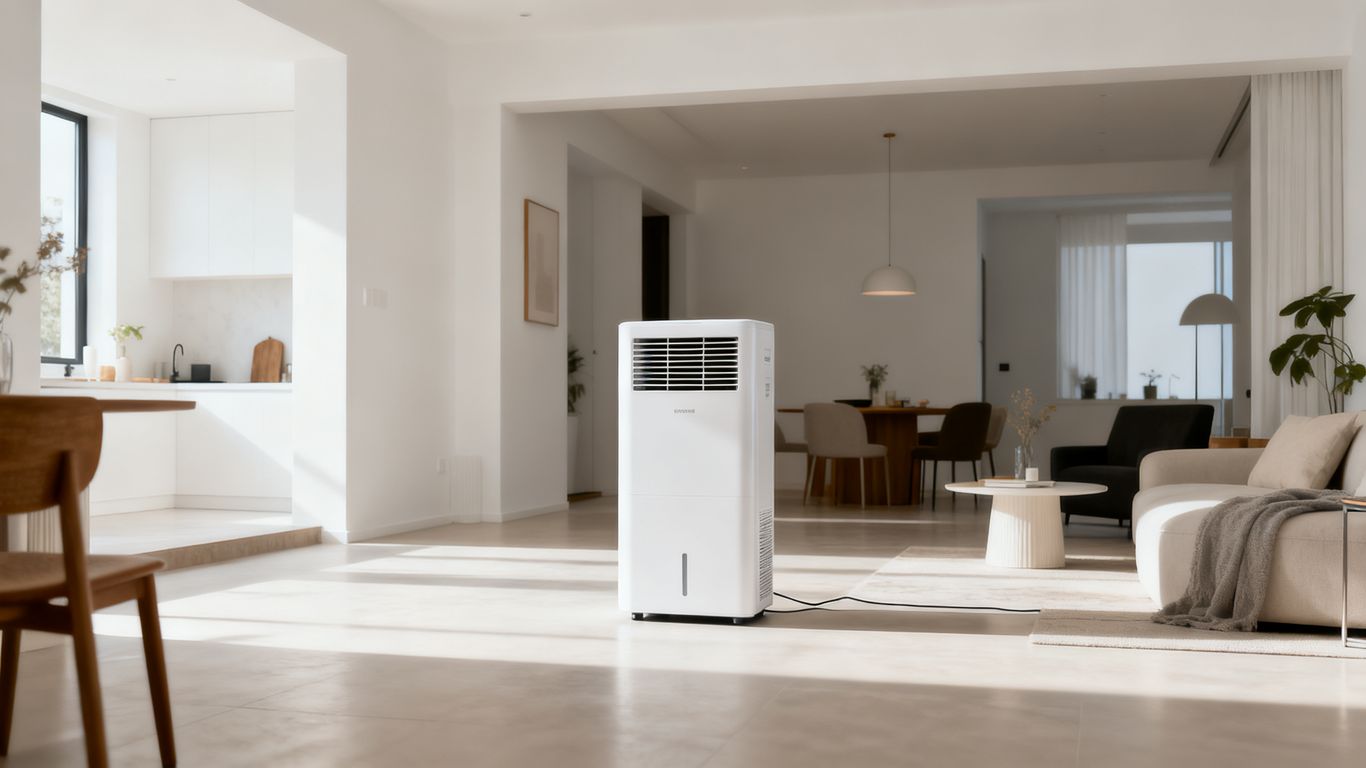
Your unit’s placement determines how well it distributes air throughout the room. Proper clearance is essential for the intake and exhaust vents to function without restriction.
Ideal distances from walls and furniture
Always maintain a clearance of at least twelve inches from any wall or heavy fabric furniture. This prevents the unit from recycling the same pocket of air and allows fresh air to enter the intake vents freely.
Strategic positioning in basements and crawl spaces
Place your unit near the area with the most visible moisture, but keep it clear of potential flooding if you are located in a basement. If the region is extremely damp, you might consider professional lighting setups or dehumidifiers that feature advanced anti-corrosive coatings to withstand the harsh environment.
Avoiding confined spaces with limited airflow
Do not tuck your dehumidifier inside a small, reach-in closet, as it will quickly raise the local temperature and fail to cycle the air from the rest of the room. Instead, place it centrally in the main living space to maximize the intake area.
💡 Scenario Time: Imagine you own a three-bedroom apartment in a humid tropical climate where you struggle with condensation on your windows every morning. You decide to Buy Now a unit with integrated moisture sensors. By placing the device centrally in the living room and connecting a continuous drain hose to your utility room floor drain, you ensure that the humidity remains stable at 50% without you ever needing to check a bucket.
Essential maintenance for longevity
Maintaining your equipment is as important as the initial purchase. Regular care ensures the system operates at peak capacity while protecting the air quality in your home.
Cleaning and replacing air filters
Dust and debris accumulation on the air filter is the most common cause of poor performance. Washable mesh filters should be rinsed with lukewarm water every two weeks, while HEPA-grade filters found in products like the Aerofy DualCore 20 should be inspected and replaced according to the manufacturer’s suggested interval to ensure HEPA filtration remains effective.
Sanitizing the collection bucket and tank
Bacteria and algae thrive in dark, moist reservoirs. Once a month, clean the tank with mild soap and water to prevent the growth of mildew and the release of musty odors into your living space.
Inspecting drainage hoses for clogs
If you use a gravity drain hose, check the line periodically for mineral buildup or kinks. A simple flush with water is often enough to keep the flow consistent.
- Shut off the device and unplug it from the power source.
- Locate the hose connection and visually inspect for debris.
- Flush the hose with a mixture of water and gentle cleaner.
- Reconnect and re-tighten the seal to prevent leaks.
Properly clearing the drainage path ensures the device handles heavy moisture loads efficiently without spilling over.
Seasonal storage best practices
If you plan to store your unit during drier winter months, ensure it is completely dry before packing it away. Wrap the cord carefully, and if the space is prone to dust, cover the unit to prevent debris from settling in the intake coils.
Troubleshooting common dehumidifier issues
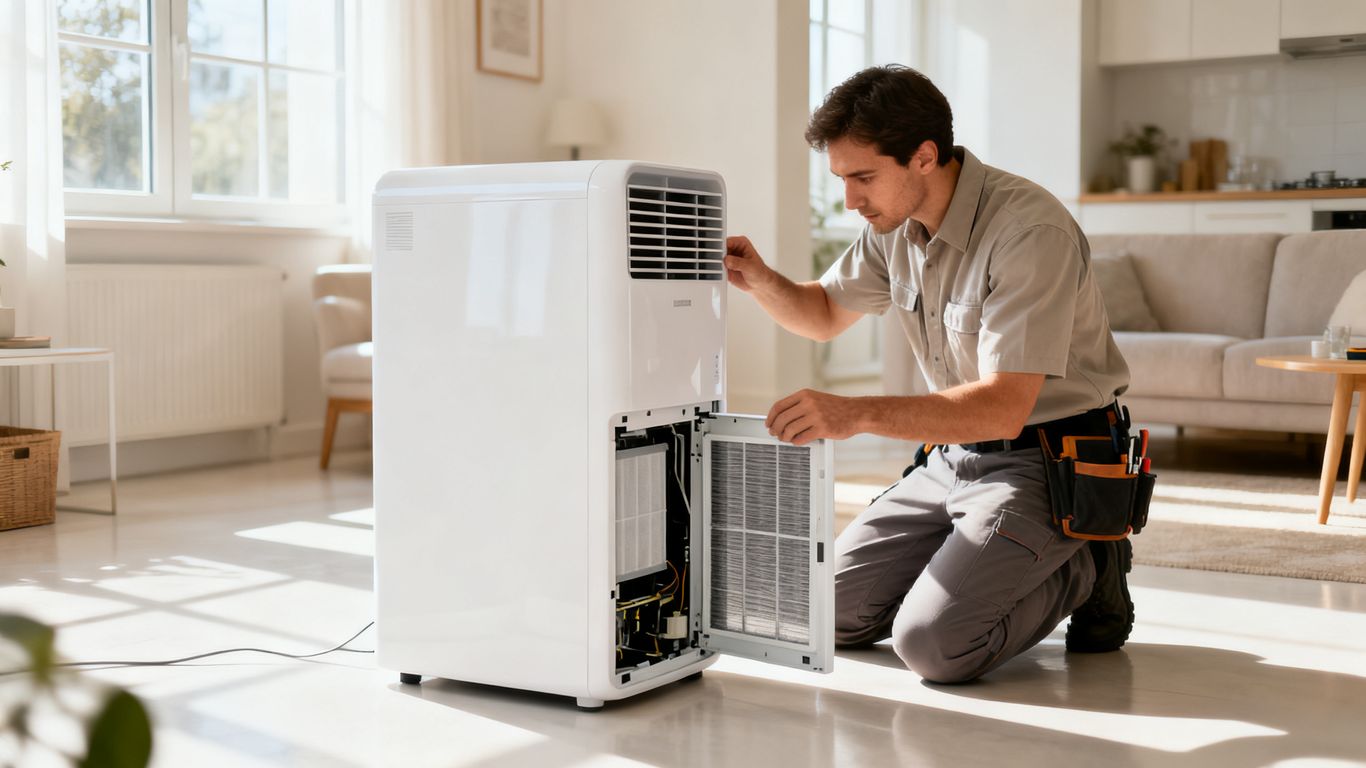
Most operational problems in high-quality units are solvable with minor adjustments. If your device appears to be malfunctioning, follow these steps to restore performance.
Addressing units that stop collecting moisture
First, check if your target humidity is set correctly on the dial or display. If the room is already at the desired humidity, the unit will naturally pause its extraction cycle to save energy.
Interpreting control panel error codes
Refer to your user manual for specific error definitions. Commonly, these codes indicate that the bucket is full, the air filter is blocked, or the ambient temperature is outside the optimal operating range for the compressor.
Dealing with icing or frost buildup
If ice forms on the cooling coils, the room is likely too cold for the refrigerant to function properly. Most modern units have a built-in auto-defrost cycle; if the ice persists, power the unit down to allow the coils to thaw naturally.
Noise irregularities during operation
Odd vibrating sounds often occur when a unit is on an unlevel or soft surface. Ensure the unit is on a firm, flat floor to minimize vibration, and check that no foreign objects are stuck in the fan blades.
Conclusion
Choosing the right electric dehumidifier transforms your indoor air quality by managing excess moisture levels, preventing structural damage, and creating a healthier home. By understanding how these machines function, assessing your specific capacity needs, and adhering to simple maintenance routines, you can enjoy a drier, more comfortable environment in even the most humid climates.
Frequently Asked Questions
Can a dehumidifier replace an air conditioner?
No, they serve different functions. A dehumidifier focuses on moisture, while an air conditioner focuses on lowering the temperature of the air.
What is the ideal humidity level for a home?
Most experts recommend keeping indoor humidity between 30% and 50% to prevent mold growth and maintain physical comfort.
Do I need to clean the device frequently?
Yes, cleaning the air filter every two weeks and sanitizing the water tank monthly are essential steps for long-term performance.
What happens if the water reservoir is not emptied?
Modern electric dehumidifiers include an auto-shutoff feature that triggers once the bucket reaches maximum capacity to prevent overflowing.
Can I run a unit in a basement?
Absolutely, a compressor-based model is highly effective for basements, provided there is enough space around the intake for proper airflow.
Will a dehumidifier increase my electricity bill?
While running any appliance adds to energy usage, selecting an energy-efficient unit and using an auto-humidistat significantly lowers total costs.
How long should a dehumidifier last?
With consistent cleaning and proper filter maintenance, a high-quality unit should provide effective service for many years.