Key Takeaways
- Choosing between a dehumidifier and basic absorption units depends on the source and severity of your moisture issues.
- Electric dehumidifiers, like Aerofy solutions, excel at active moisture removal in larger or highly humid living spaces.
- Passive moisture absorbers are best relegated to small, isolated areas like closets or cabinets where air circulation is restricted.
- Understanding the cubic footage of your room helps estimate if a device can effectively manage the local air volume.
- Long-term maintenance, including cleaning coils and replacing absorbent packets, is essential for optimal humidity control.
Understanding how a dehumidifier works
When managing indoor air quality in tropical regions, understanding the mechanics of moisture removal is critical. Powered units serve as the workhorses for persistent dampness, offering consistent performance that passive methods often lack.
Mechanical refrigeration process
Most standard electric units utilize a cooling cycle similar to an air conditioner. Warm, moist air is drawn in across evaporator coils cooled by R290 refrigerant. As the temperature drops below the dew point, water vapor condenses into liquid form and drips into a collection tank.
Desiccant wheel dehumidification
Unlike refrigerant models, desiccant systems employ a rotating wheel coated with a hygroscopic material. This medium captures humidity at the molecular level, which is then released outside the airstream via a small heater. These systems are highly effective in cooler environments where compressor-based cooling might frost over.
Ideal use cases for powered units
For areas experiencing constant mugginess, a targeted solution is vital. The Aerofy DualCore 20 represents a purpose-built approach to this by utilizing both advanced dehumidification and purification technology simultaneously. These high-capacity units are designed to maintain stable relative humidity levels, preventing the recurrence of damp-related allergens in living areas.
The role of a moisture absorber
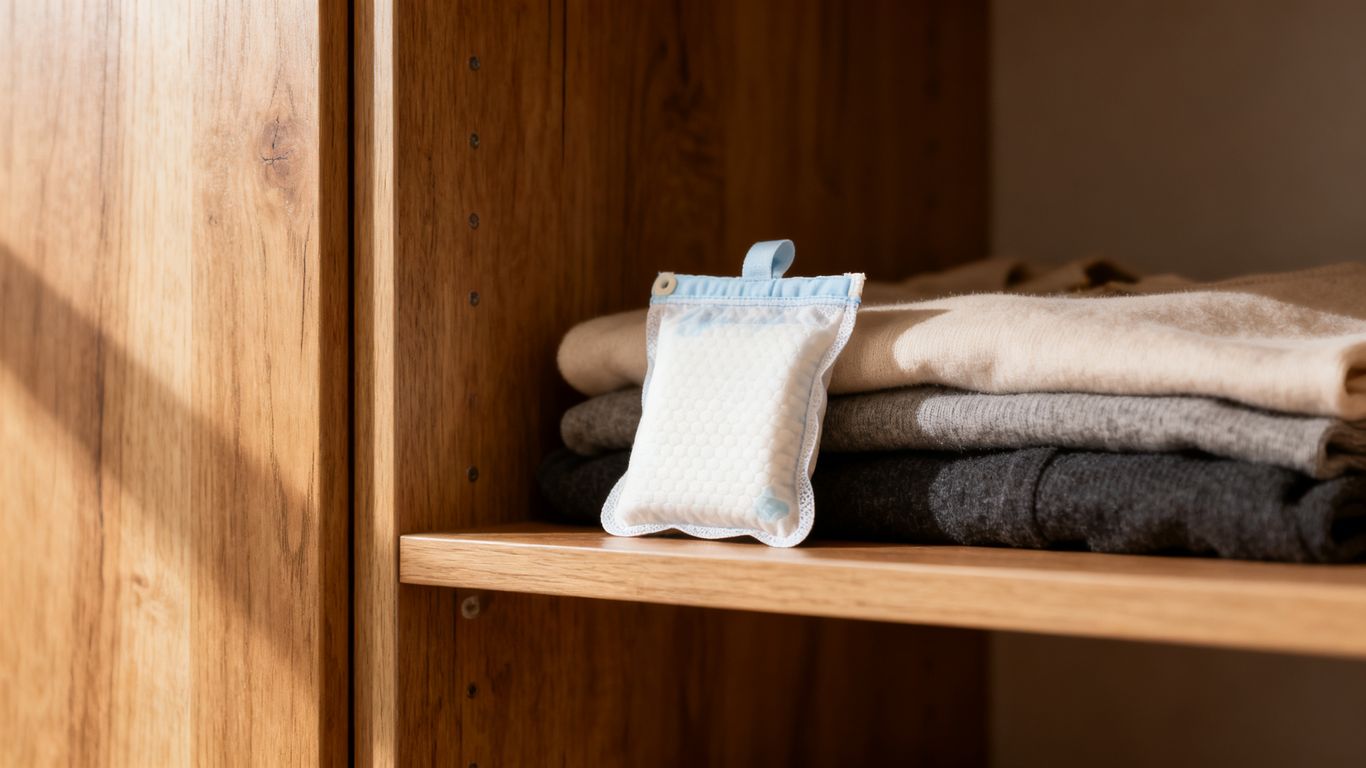
Passive controls occupy a niche role in humidity management, specifically for environments where power access is non-existent. These products often rely on chemical reactions rather than kinetic air processing to stabilize local conditions.
How desiccant packets remove water
Most disposable dehumidifiers utilize calcium chloride crystals that aggressively attract water from the surrounding air. As the crystals absorb moisture, they dissolve, turning the captured vapor into a concentrated brine solution that settles at the bottom of the container.
Passive absorption limitations
Passive devices suffer from a finite capacity and a slow rate of capture compared to mechanical systems. They cannot circulate large volumes of air, meaning their impact is restricted to a very small radius, effectively rendering them useless in open-plan rooms.
Best areas for placement in a home
Placement is the most crucial factor for these limited resources. The most effective locations include enclosed zones such as:
- Sealed wardrobe interiors or walk-in closets.
- Interior kitchen cabinets beneath sink plumbing.
- Stored containers used for seasonal gear.
- Small safes or document storage chests.
Proximity to these areas ensures that humidity is captured before it can compromise sensitive materials like fabric or paper. Proper spacing allows these passive units to control home humidity without becoming an obstruction, though they require routine manual monitoring.
Comparing efficiency and coverage
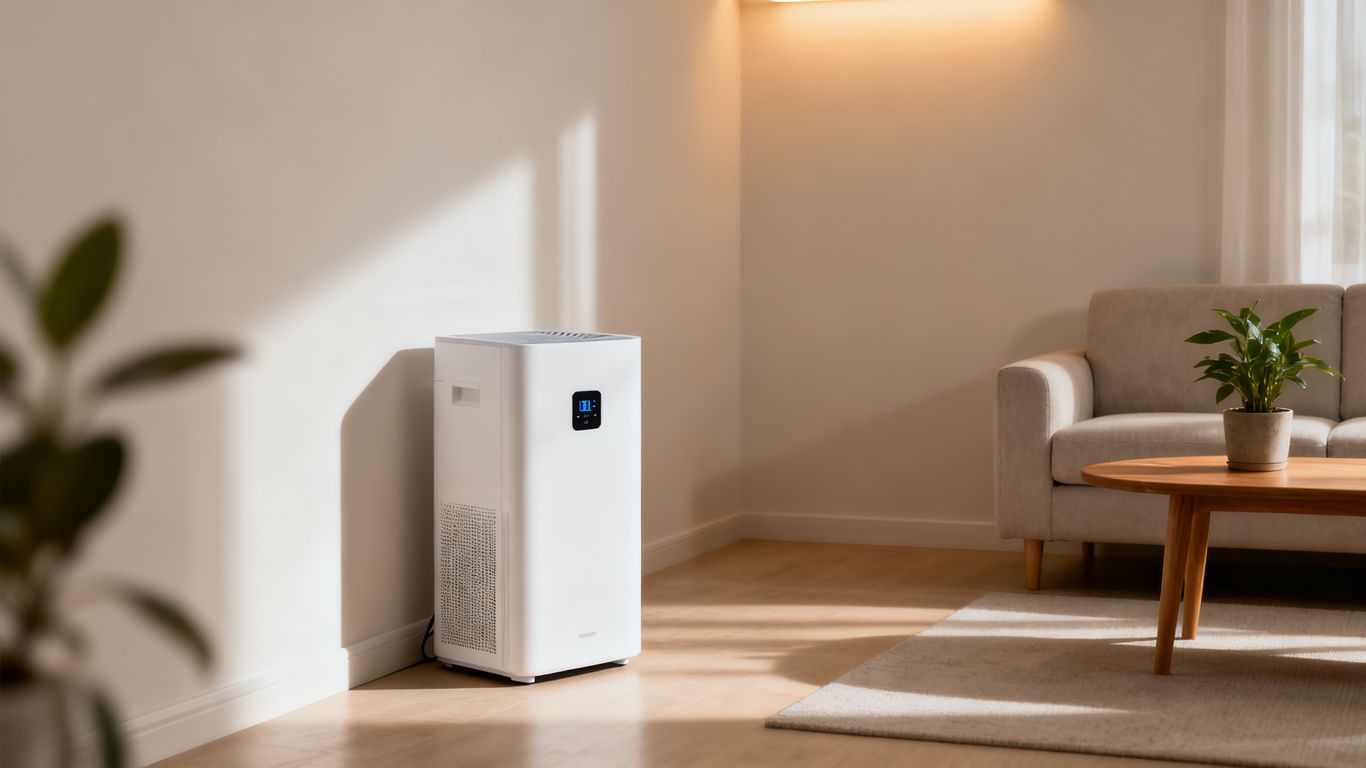
Selecting the right tool requires measuring the scale of your moisture problem against the capacity of your equipment. A table comparing the primary performance metrics helps clarify which solution is appropriate for specific home scenarios.
| Feature | Electric Dehumidifier | Disposable Absorber |
|---|---|---|
| Moisture Capture Rate | High (Continuous) | Low (Passive) |
| Power Consumption | Moderate | Zero |
| Ideal Environment | Open Living Areas | Small Enclosed Spaces |
| Maintenance Cycle | Periodic Filter Clean | Monthly Replacement |
Cubic footage and air volume requirements
Evaluating the total volume of your room is necessary for selecting an appliance that will not run continuously. An undersized unit will fail to achieve your target humidity level, leading to wasted electricity and mechanical strain.
Speed of moisture removal
Electric units operate with active fans that cycle all the air in a room through coils every hour. This rapid turnover is necessary to suppress mold development in high-humidity zones whereas passive units lack the mechanical reach required to influence air volume in a meaningful timeframe.
Long-term cost of operation versus replacement
While electric units represent a higher upfront investment, they provide a consistent, high-volume performance. Conversely, relying on disposable absorbers for large areas often leads to high recurring costs as the frequency of replacement increases during wet seasons.
Environmental impact and safety considerations
Sustainability in moisture control is a major consideration for modern households, particularly when dealing with chemical waste or appliance efficiency.
Chemicals used in disposable absorbers
Most passive products use calcium chloride or silica gel. While effective, these materials pose risks if they leak through the packaging. It is essential to choose containers that are robustly built to prevent the brine from contacting surfaces or flooring.
Energy consumption of electric dehumidifiers
Energy efficiency is a hallmark of modern engineering. The Aerofy DualCore 20 illustrates this by using optimized rotary compressors that provide maximum output while minimizing annual electrical usage, making them a practical choice for long-term daily operation.
Safe disposal and recycling protocols
Environmental responsibility dictates that users must not simply dump concentrated brine into garden soil or plumbing that isn’t designed for it. Proper disposal should follow local waste guidelines, typically draining into sink drains followed by heavy rinsing to avoid chemical accumulation.
Factors to consider before making a purchase
Understanding the actual humidity levels in your home is the first step toward effective mitigation. Reliance on subjective feelings—like the smell of a closet or the feel of bedsheets—is rarely sufficient for making an informed purchase.
Measuring humidity levels in your space
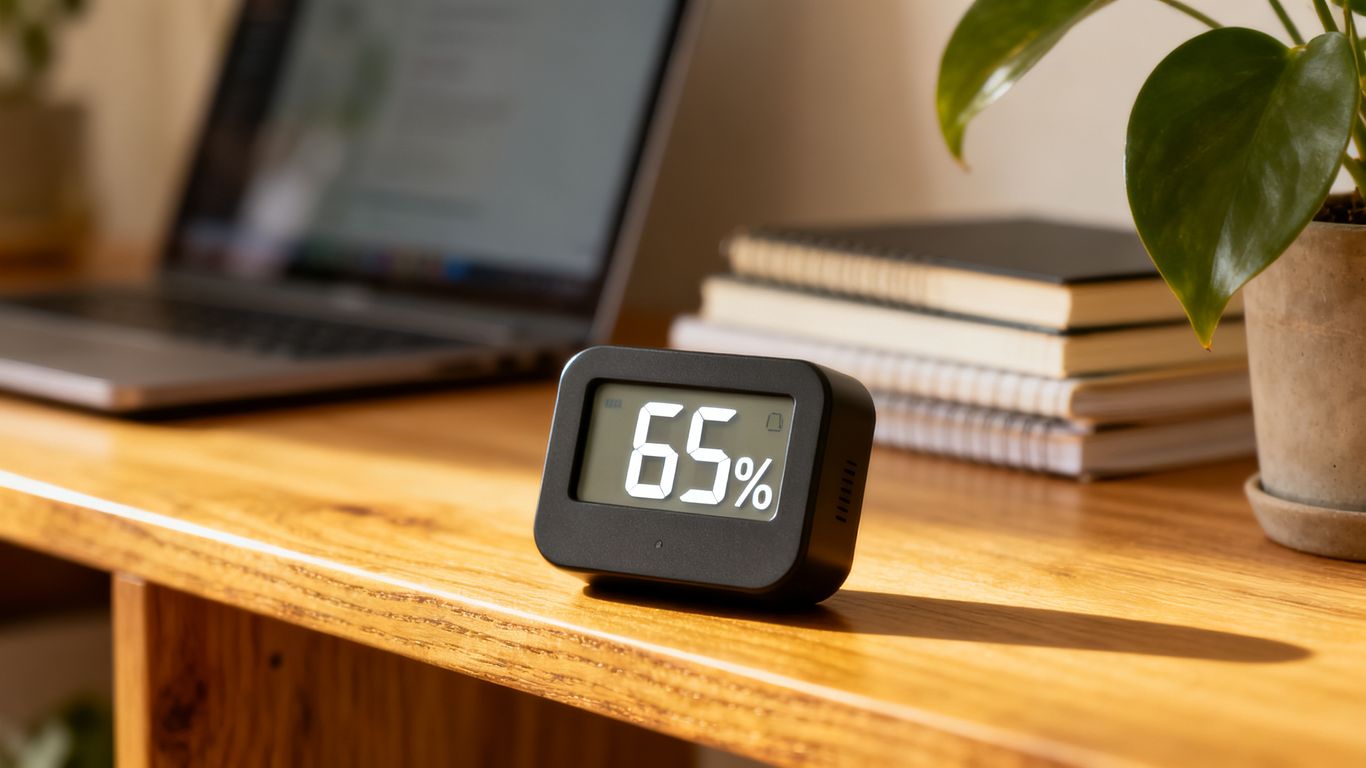
Using a digital hygrometer allows you to track humidity patterns over several days. This objective data helps you determine if your space requires a dehumidifier vs dehumidifier and air purifier combination or if simple ventilation improvements would suffice.
Budgeting for maintenance and longevity
Budgeting beyond the sticker price includes the cost of replacement filters, seasonal deep cleaning, or the recurring cost of replacing absorbent bags. An appliance that is easy to service, such as a model with a removable/washable air filter, often has a much longer functional lifespan.
Determining the severity of the moisture problem
If you are dealing with physical condensation on windows or persistent damp patches on walls, you need to buy now for an active, high-capacity solution immediately. Passive units are insufficient for structural moisture problems and should only be used as a supplementary measure after a primary issue is solved.
Maintaining your moisture control equipment
Properly cared for equipment will outlast cheaper, neglected alternatives. Preventive maintenance is the single best way to ensure the consistent, reliable performance of your humidity control setup.
Cleaning filters and coils on electric units
Dust accumulation on filters and coils acts as a thermal insulator, preventing the heat exchange needed for dehumidification. Routine cleaning using a soft brush or vacuum prevents the system from running hot or becoming inefficient.
Routine preventive maintenance is the most effective way to extend the lifespan of your mechanical moisture control systems, ensuring they continue to operate at peak efficiency throughout the year.
When to swap out desiccant packs
Passive packs should be inspected at least once a month. Once the chemical crystals have fully turned into liquid, the unit has reached saturation and will stop absorbing moisture, necessitating an immediate replacement to maintain the space.
Detecting common signs of mold and mildew growth
Visible spots on ceilings or lingering musty smells indicate that humidity levels are consistently too high. If these signs appear even while using a dehumidifier, check your unit’s placement for blockages or confirm that preventing mold growth is supported by cleaning your air intakes.
Scenario Time
Imagine you are living in a compact apartment near the coast, dealing with persistent "sticky" air during the monsoon season. You notice the leather in your shoes starts smelling stale, and window condensation becomes a regular morning event. By placing a hygrometer in the room, you realize humidity is dancing above 75%. You decide to switch from using dozens of small, messy chemical bags to a single electric unit. After one week of constant operation, the air feels noticeably crisper, your leather goods remain dry, and you no longer worry about damage to your wardrobe.
Conclusion
Achieving the right balance involves identifying whether you need a quick fix for a small space or a high-performance, long-term solution for your living environment. While passive absorbers have their place in sealed cabinets, investing in a robust, electric-based system provides the only scalable way to truly manage humidity in tropical climates.
Frequently Asked Questions
Can a dehumidifier replace air conditioning?
No, while dehumidifiers make a room feel more comfortable by reducing humidity, they are not designed to lower the room temperature like dedicated air conditioning systems.
How often should I check my disposable absorbers?
It is recommended to check these containers at least every two to four weeks depending on the relative humidity of your living environment.
Why does my dehumidifier run, but the water tank stays empty?
This often happens if the ambient humidity level is already lower than the setting you chose, or if the unit’s internal air intake is clogged with dust.
Do I need to empty the water tank every day?
This depends entirely on the size of your tank and the humidity level of the room; however, high-capacity units usually need attention at least once every 24 to 48 hours.
Why does my home still have a musty smell?
This can indicate that active mold growth has already established itself in walls or carpets, requiring cleaning or physical removal that a dehumidifier alone cannot achieve.
Is it safe to leave a dehumidifier running while I am out?
Yes, modern appliances are designed for continuous, unattended operation, provided they are placed in a safe location with adequate clearance for airflow.
What is the ideal humidity range for a home?
Most professionals recommend keeping relative humidity levels between 40% and 50% to maintain comfort and prevent microbial growth.