
Key Takeaways
Determining whether a climate-controlled home environment is right for you involves understanding how moisture impacts your personal health and property. This article covers the essential role of moisture reduction to help you maintain a comfortable, resilient home.
- Maintaining indoor humidity between 30% and 50% mitigates risks of mold and structural decay.
- Excess moisture serves as a catalyst for dust mites, which trigger common respiratory allergies.
- Targeted dehumidification protects sensitive electronics and wooden furnishings from long-term corrosion.
- Seasonal shifts often mandate increased moisture management to keep interiors feeling fresh.
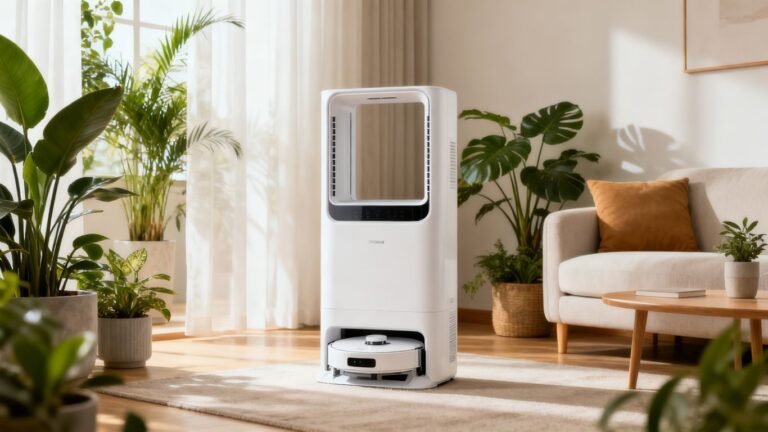
- High-efficiency units like the Aerofy DualCore 20 provide both purification and moisture removal for tropical living.
Why humidity levels matter in your home
Managing the water vapor content within your living space is vital for creating a environment that supports longevity for your finishes and comfort for your family. Unchecked moisture creates a cycle of damage that often goes unnoticed until the physical signs become expensive to address. By keeping your indoor climate stable, you prevent the atmospheric conditions that allow biological growth and material degradation to flourish.

Understanding relative humidity and health impacts
Relative humidity represents the ratio of moisture in the air compared to the maximum amount the air can hold at a given temperature. When levels climb above 60%, the air becomes a breeding ground for triggers that worsen respiratory conditions such as asthma. Maintaining a stable range ensures that your home environment remains healthy and comfortable rather than feeling heavy or stagnant.
Long-term effects of excess moisture on building structures
Continuous exposure to damp air leads to the breakdown of building materials, causing swelling in doors, baseboards, and structural supports. If you are preparing to install or refinish flooring, using professional tools is only half the battle; without adequate humidity control, your investment risk is greatly increased. Excessive water vapor eventually compromises paint integrity and causes drywall to soften, leading to severe maintenance needs.
Differentiating between ideal, dry, and damp indoor environments
It is helpful to categorize indoor air quality based on the moisture saturation levels observed throughout the year. The following table provides a quick reference guide for evaluating your daily indoor conditions.
| Humidity Level | Environment | Recommended Action |
|---|---|---|
| 30% – 50% | Ideal | Maintain existing settings |
| 50% – 60% | Damp | Monitor high-risk areas |
| Above 60% | Humid | Deploy a dehumidifier |
By tracking these metrics, homeowners can effectively manage indoor humidity and prevent the onset of common property issues before they result in costly repairs.
Key benefits of using a dehumidifier
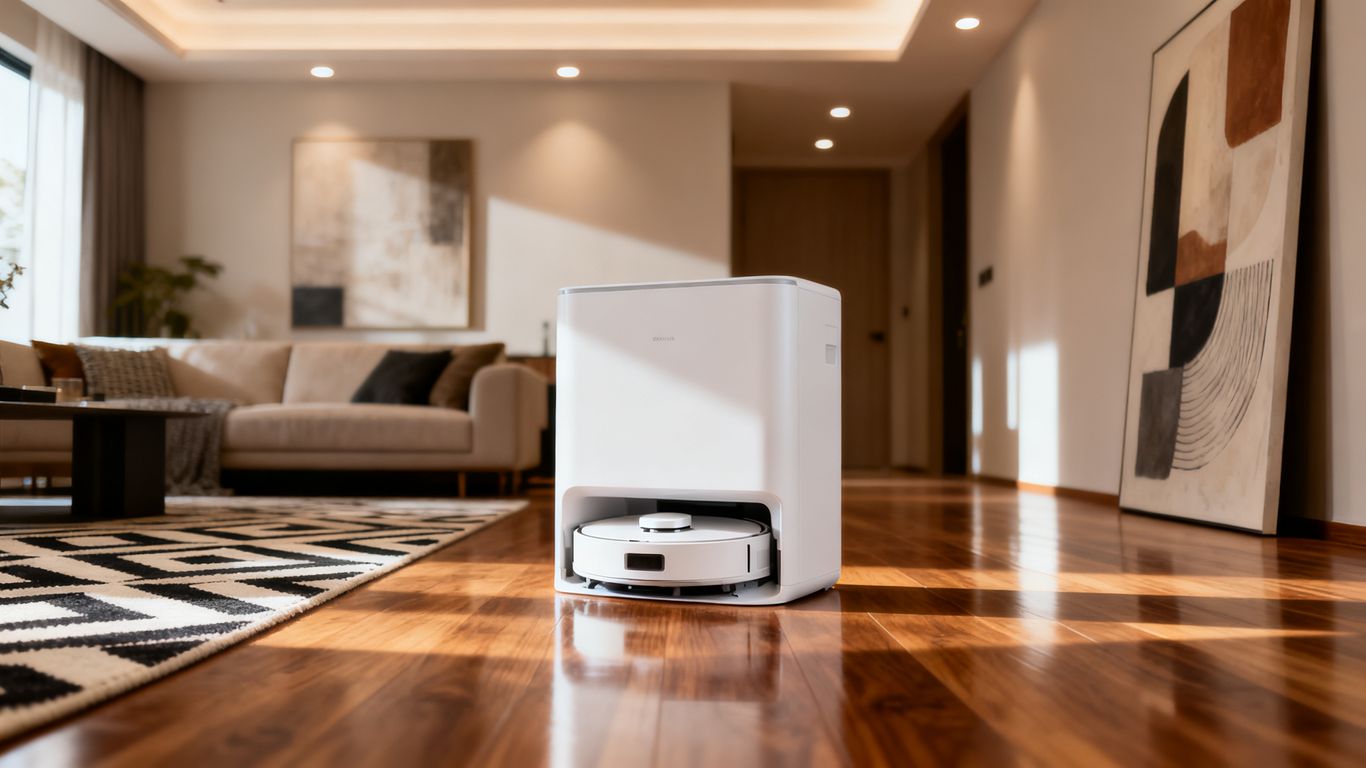
Investing in a dedicated appliance is one of the most effective strategies for residents living in high-moisture climates. Rather than relying on air conditioning alone, which is not designed to balance humidity independently, a purpose-built system can extract excess moisture while maintaining optimal energy efficiency. The Aerofy DualCore 20 addresses these challenges by combining advanced moisture extraction with air purification technology.
Reducing common allergens like dust mites and mold spores
Dust mites and mold spores thrive in environments where moisture lingers in fabrics and wall cavities. By keeping your air dry, you physically remove the conditions these allergens require to reproduce. Using an aerodynamic solution to filter and dry the air simultaneously reduces the load on your HVAC system while significantly improving the purity of your home.
Eliminating musty odors in basements and crawl spaces
Musty smells are a hallmark of trapped water molecules settling in dark, unventilated zones of your home. These persistent odors are often caused by mildew growth on sub-floors or behind partitions. Once you combat excess dampness with a powerful dehumidifier, the airflow is restored, stripping the air of the odor-causing particles that define a damp, enclosed basement.
Protecting electronics and furniture from moisture damage
Sensitive circuit boards and wooden furniture are highly susceptible to corrosion and warping when exposed to constant humidity. A dedicated unit helps safeguard sensitive electronics by keeping the dew point low enough to prevent condensation from forming on metal connections. This simple step preserves your valuables and avoids the electrical failures that typically result from humid stagnation.
Warning signs that your home needs a dehumidifier
Your home often provides subtle hints before major structural damage occurs, and recognizing these signals early is key to home maintenance. These indicators are common in tropical regions, yet they are frequently overlooked until the signs are severe. Keep an eye on windows, ceilings, and your own physical comfort to determine the necessity of an upgrade to your air management.
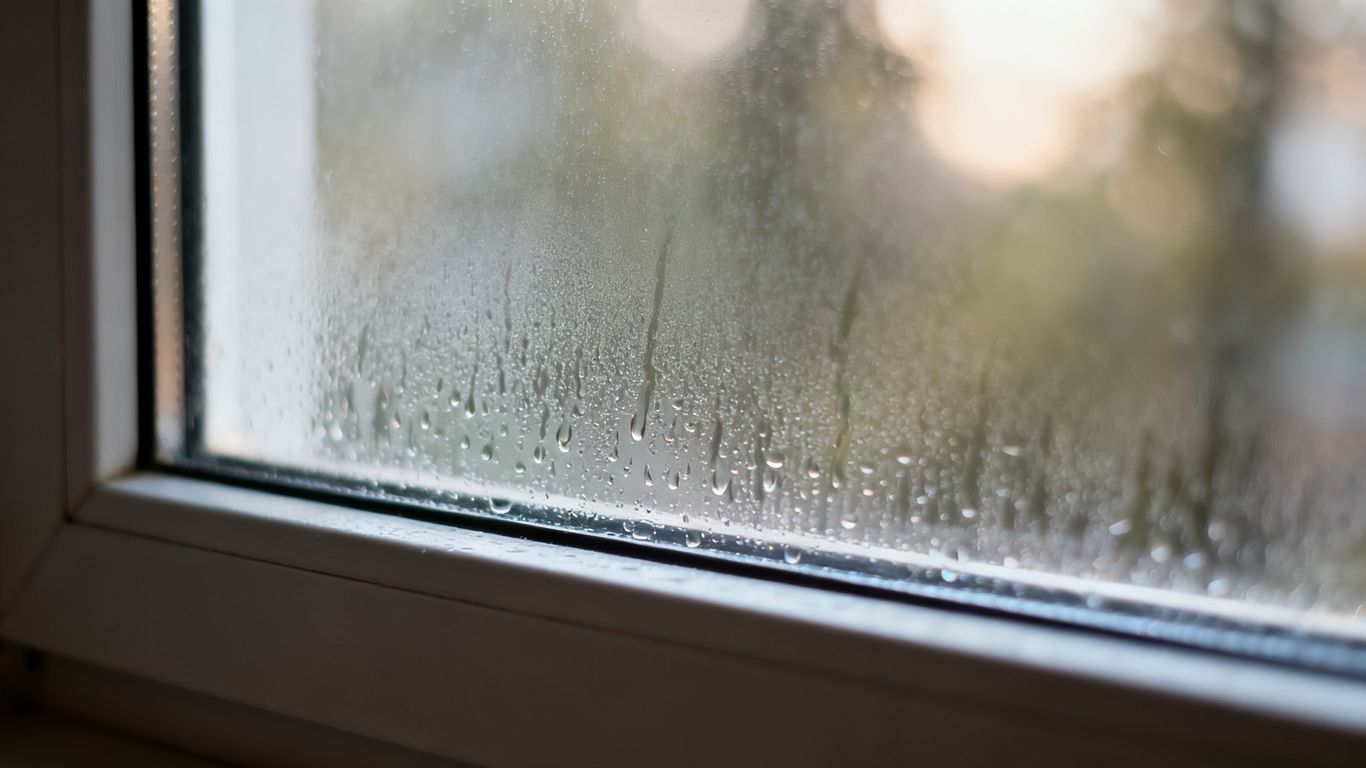
Identifying visible condensation on windows and walls
When warm, moist air makes contact with cool surfaces, liquid water manifests as condensation. This is a primary indicator that your indoor environment is too saturated, often hinting at hidden moisture problems within your wall cavities. Promptly addressing this is vital, as it prevents the water from seeping into your framing.
Monitoring frequent mold growth or damp spots on ceilings
Mold growth is an aggressive visual cue that your current climate control strategy is failing to keep up with moisture levels. If you notice small, blackened spots or persistent damp rings on your ceiling boards, it is time to reassess your ventilation strategy. Addressing these problem areas with a targeted dehumidifier prevents spores from penetrating deeper into your building material.
Recognizing persistent smells and a heavy, sticky feeling in the air
If you return home and immediately experience that heavy, sticky feeling in the air, your home is likely well above the humidity comfort threshold. This unpleasant and pervasive sticky climate indicates that your house walls are not breathing properly. Adding a dedicated moisture-management device is essential for creating a refreshing, dry atmosphere.
When is a dehumidifier actually necessary?
Deciding when to operate your device is largely a matter of seasonal observation and regional planning. While some homeowners run their units continuously for peace of mind, others prefer to base usage on environmental shifts. Whether you are dealing with a deluge or just managing seasonal mugginess, a proactive schedule makes for a predictable home life.
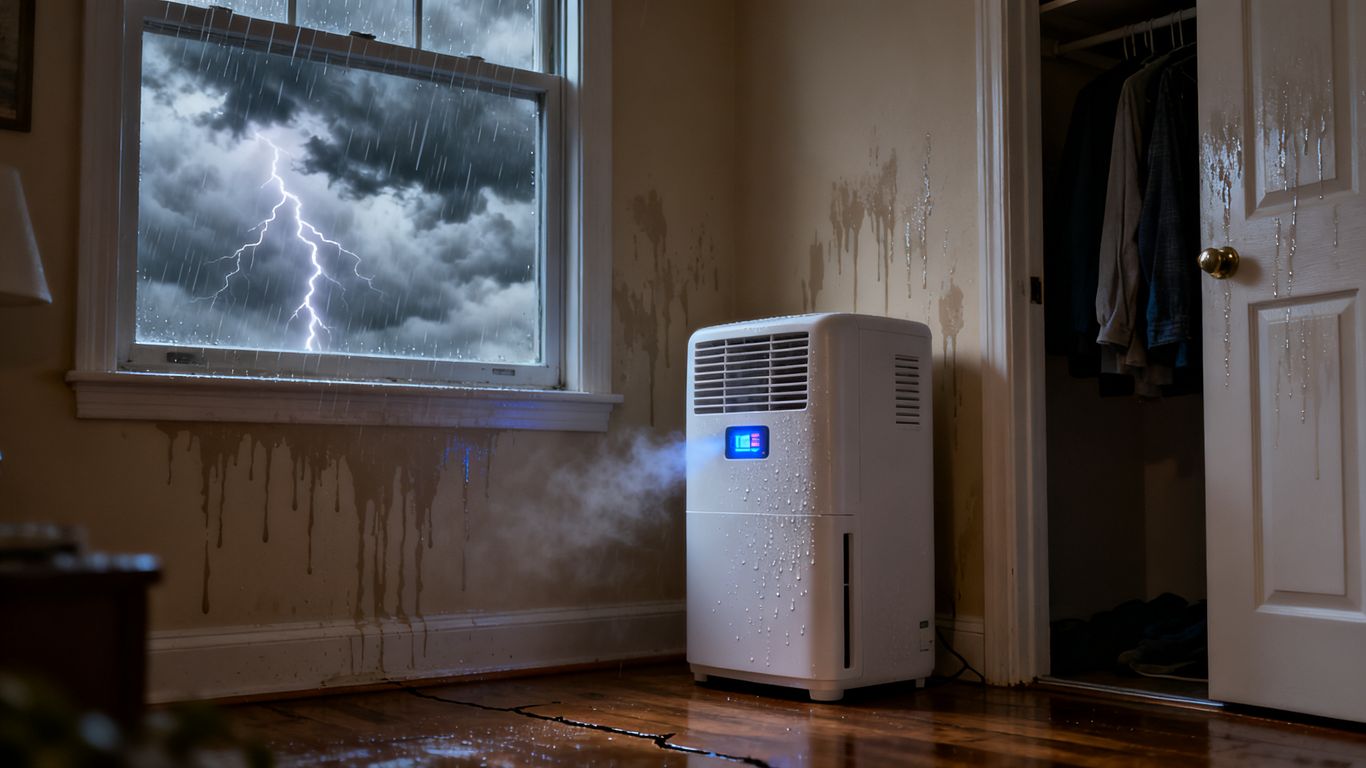
Managing seasonal humidity spikes during summer months
Summer often brings a surge in outdoor moisture that makes its way indoors through open doors and ineffective seals. During these peak heat waves, the air feels heavier, making it difficult for the body to cool itself through natural sweat evaporation. This is an ideal time for the Aerofy DualCore 20 to maintain interior stability while letting your main AC focus on cooling down temperatures.
Considering regional climate variables in coastal areas
Residents near the coast deal with salt-laden air and high humidity that persist year-round due to proximity to the ocean. These regions require a more robust, consistent approach to climate management than inland residents. Below are common strategies used to keep coastal interiors stable:
- Running devices in high-traffic laundry rooms.
- Keeping bathroom vents clean and powered during showers.
- Using specialized units engineered for tropical climates.
- Ensuring central placement to maintain consistent flow.
Following these steps ensures that even in high-humidity zones, your living space remains protected from saline and water-induced degradation.
Addressing specific moisture traps like laundry rooms and bathrooms
Laundry and washrooms are naturally prone to extreme spikes in vapor concentration. Without adequate discharge, this moisture migrates to other parts of the home. Using a portable device to target these specific moisture traps keeps the rest of the house dry and prevents the potential for localized humidity damage.
Factors to consider before purchasing a unit
Selecting the right equipment involves balancing the physical needs of your space with the technical specifications of available products. Many buyers prioritize size, but understanding your home’s total square footage and local ventilation patterns is equally important to avoid wasting electricity. The goal is to select a unit that effectively handles your specific environmental challenges without being undersized or excessive.
Calculating the appropriate capacity for your square footage
A small unit in an oversized room will run indefinitely without reaching optimal humidity levels, causing unnecessary wear and electricity consumption. Conversely, a unit too large for a small room might be overkill, leading to frequent cycling. Aim for a capacity that matches your room volume to ensure the system is operating at peak efficiency when moisture levels rise.
Evaluating power consumption and energy efficiency ratings
Given that these appliances often run for hours, finding one with energy-saving modes is essential for your utility bills. Look for systems that feature precise auto-shutoff sensors which effectively control moisture levels while minimizing energy draw. High-quality appliances are built to balance performance with power awareness.
Choosing between compressor and desiccant operational modes
Compressor units work similarly to refrigerators, cooling their own coils to pull water from the air, which makes them highly efficient in warmer environments. Desiccant units, however, use chemical-based adsorption, which is often better for cold or extreme-dampness scenarios. Understanding these technological differences ensures you pick the best tool for your living conditions.
Conclusion
Ultimately, the question of is dehumidifier useful is answered by the level of comfort, health, and property preservation you seek to gain in your daily life. By effectively managing the air within your home, you protect your investment, improve your respiratory health, and ensure that your living spaces remain refreshing regardless of what the weather feels like outside.
Frequently Asked Questions
Can a dehumidifier replace an air conditioner?
No, they are fundamentally different tools. While a dehumidifier can make a space feel more comfortable by reducing humidity, it does not lower the room temperature; an air conditioner is designed strictly for temperature regulation.
Should I empty the collection tank every day?
Frequency depends on the current humidity and the size of your tank. Many models will shut off automatically when the tank is full, but it is best to check the levels daily in highly humid environments to keep the system running efficiently.
Where is the best place to put a dehumidifier?
Place your unit in a centrally located area with plenty of space around it to facilitate proper airflow. Avoid pinning it against walls or behind furniture, and keep it away from direct heat sources to ensure it functions accurately.
Do dehumidifiers affect room temperature?
Yes, the process of removing moisture generates a slight amount of exhaust heat. While this is typically negligible in larger rooms, you might notice a very minor increase in warmth in smaller, enclosed spaces after long-term operation.
Can I leave a dehumidifier running while sleeping?
Most modern units are designed for continuous operation and are quiet enough to run in a bedroom. As long as you have enough space for airflow and follow safe maintenance procedures, running one overnight is perfectly standard.
Will a dehumidifier fix my mold problem permanentely?
It will prevent new growth by removing the moisture mold needs to live, but it won’t kill existing colonies on walls. You must clean and remediate any established mold spots before a dehumidifier can successfully prevent them from returning.
Do I need to clean the device regularly?
Yes, cleaning the filter and checking the coils for dust buildup every few weeks is essential for performance. A clean intake ensures the unit can effectively extract moisture without putting extra stress on its internal components.
Ready for a Dryer Home?
If you are tired of dealing with high humidity and the lingering effects of moisture, our premium dehumidifier solutions are engineered to keep your home healthy, fresh, and perfectly dry. Reach out to our team to find the model that suits your space today.