Key Takeaways
- Dehumidifiers effectively manage humidity by either cooling air to cause condensation or using desiccant materials for moisture absorption.
- Compressor units utilize a refrigeration cycle with cool coils and internal heat exchangers to remove liquid from the air.
- Desiccant systems rely on rotating wheels coated in moisture-attracting materials to capture water vapor continuously.
- Proper airflow and filtration, such as through HEPA-rated systems, ensure that both moisture and particulates are removed simultaneously.
- Optimal indoor relative humidity levels typically fall between 40% and 50% to prevent mold and the growth of dust mites.
The core mechanics of compressor dehumidifiers
Understanding the dehumidifier working principle starts with the refrigeration cycle, which mirrors the technology found in household refrigerators or AC units. By circulating a refrigerant through a closed loop, the system creates drastic temperature differences that force moisture out of the air. This process is essential for maintaining comfort in tropical environments where ambient humidity constantly threatens living spaces.
The role of the refrigeration cycle
The refrigeration cycle is the engine that drives modern moisture removal. A compressor circulates refrigerant gas through the system, compressing it to increase its temperature and pressure before sending it to the condenser.
Condensation on the cooling coils
As the cooled refrigerant flows through the evaporator coils, the surface temperature drops significantly below the dew point of the humid air crossing over them. This rapid cooling converts airborne water vapor into liquid droplets, which then bead up and flow into a collection area.
The function of the evaporator and condenser
These heat exchange components work in tandem to manipulate air temperature and moisture content. The evaporator coil draws heat from the incoming air, while the condenser coil discharges heat to bring the air back to a comfortable room temperature before exhaust.
Heat exchange processes
In Aerofy systems, efficient heat exchange is critical for energy savings.
| Process Phase | Temperature Effect | Moisture Status |
|---|---|---|
| Initial Intake | Room Ambient | High Humidity |
| Cooling Phase | Decreased | Water Extraction |
| Reheating Phase | Increased | Dry Air |
This cycle ensures that the air returned to your room is not just dehumidified but also optimized for thermal comfort.
How desiccant dehumidifiers remove moisture
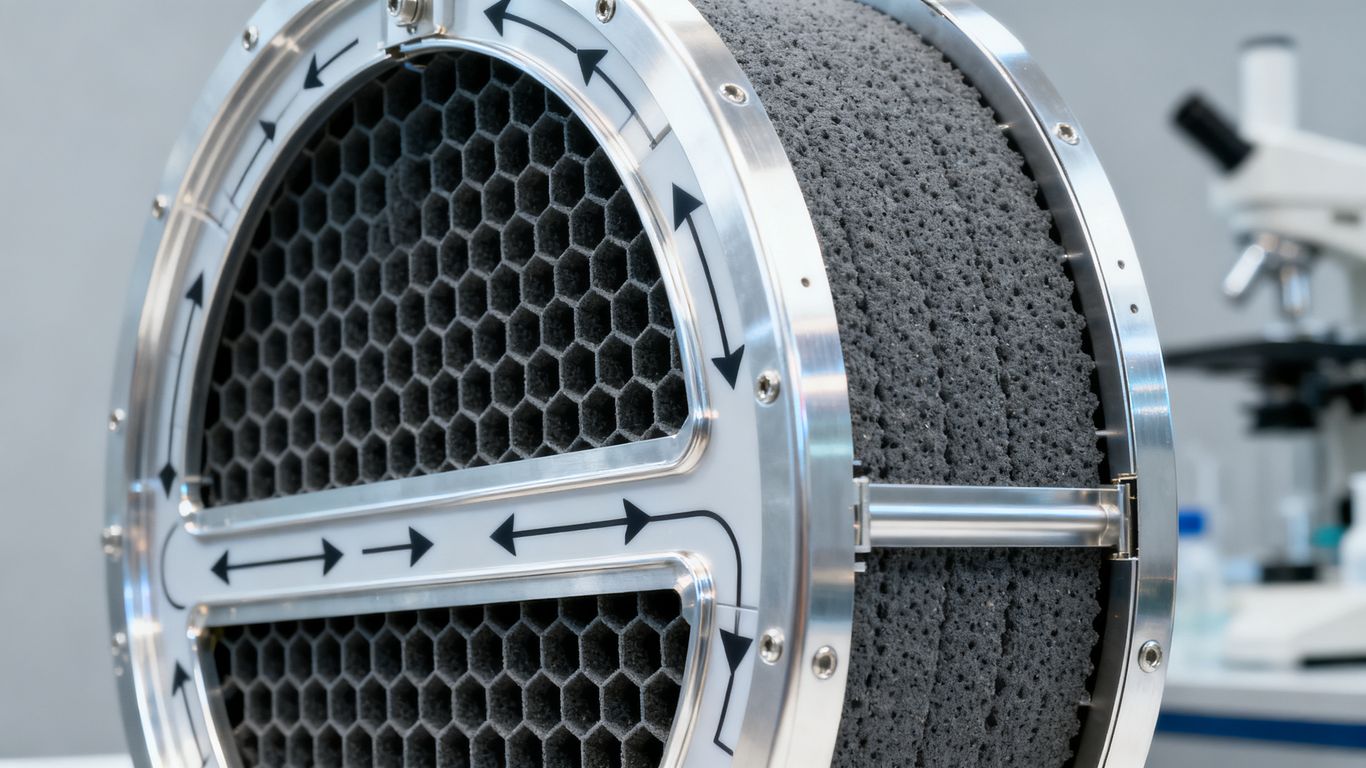
Desiccant dehumidifiers approach humidity control without relying on the standard refrigeration cycle. Instead, these machines utilize materials that actively bond with water molecules directly from the atmosphere. This technology is particularly adept at handling lower temperatures where traditional cooling coils might struggle due to potential freezing.
Chemical absorption and physical adsorption
At the microscopic level, desiccants use a combination of surface bonding and chemical reactions to hold water molecules. Some materials rely on van der Waals forces, while others chemically hydrate, allowing for highly efficient capture of humidity from the air stream.
Functionality of the rotating desiccant wheel
The heart of the device is a porous, honeycomb-like structure coated with silica gel. This wheel rotates slowly, passing through an incoming stream of damp air where it absorbs moisture, then moving into a heated sector where the water is released.
Thermal regeneration of the desiccant material
To ensure the unit can run continuously, the absorbed moisture must be offloaded. Hot air flows through a secondary segment of the wheel, driving out the captured moisture as vapor, which is then vented away, leaving the wheel ready for another cycle.
Ideal use cases for desiccant technology
Desiccant models shine in colder climates or industrial settings where moisture control must be achieved without standard ambient cooling. Because they don’t produce condensate liquid, they are often maintenance-friendly and highly effective in specialized climate zones.
Airflow dynamics and fan operation

Successful moisture removal is entirely dependent on how effectively air is moved through the machine. Without a steady, calculated flow rate, even the most efficient dehumidifier will fail to cover the volume of a room effectively. The Aerofy engineers designed their airflow channels to minimize turbulence, ensuring that air interacts with the removal media for as long as possible.
Intake of damp ambient air
Low-pressure zones are created at the intake port, drawing in surrounding gas. This movement is the first step in the condensation removal process.
The impact of air circulation speed
Internal fans must balance speed with residential sound levels. If the air moves too quickly, there may not be enough contact time with the cooling coils or desiccant wheel to extract a sufficient amount of water.
Air filtration before moisture removal
The DualCore 20 incorporates advanced intake filtration, ensuring that dust and allergens do not settle on sensitive internal components. By pre-filtering the air, you prevent clogging across the coils and maintain airflow consistency over time.
Mechanisms for releasing dry air
Once the air has been processed, it is pushed back into the room via a final exhaust port. This phase relies on 1. internal geometry for flow direction, 2. calibrated fan blade angles, and 3. pressure differentials that force the now-dried air outward.
Scenario Time
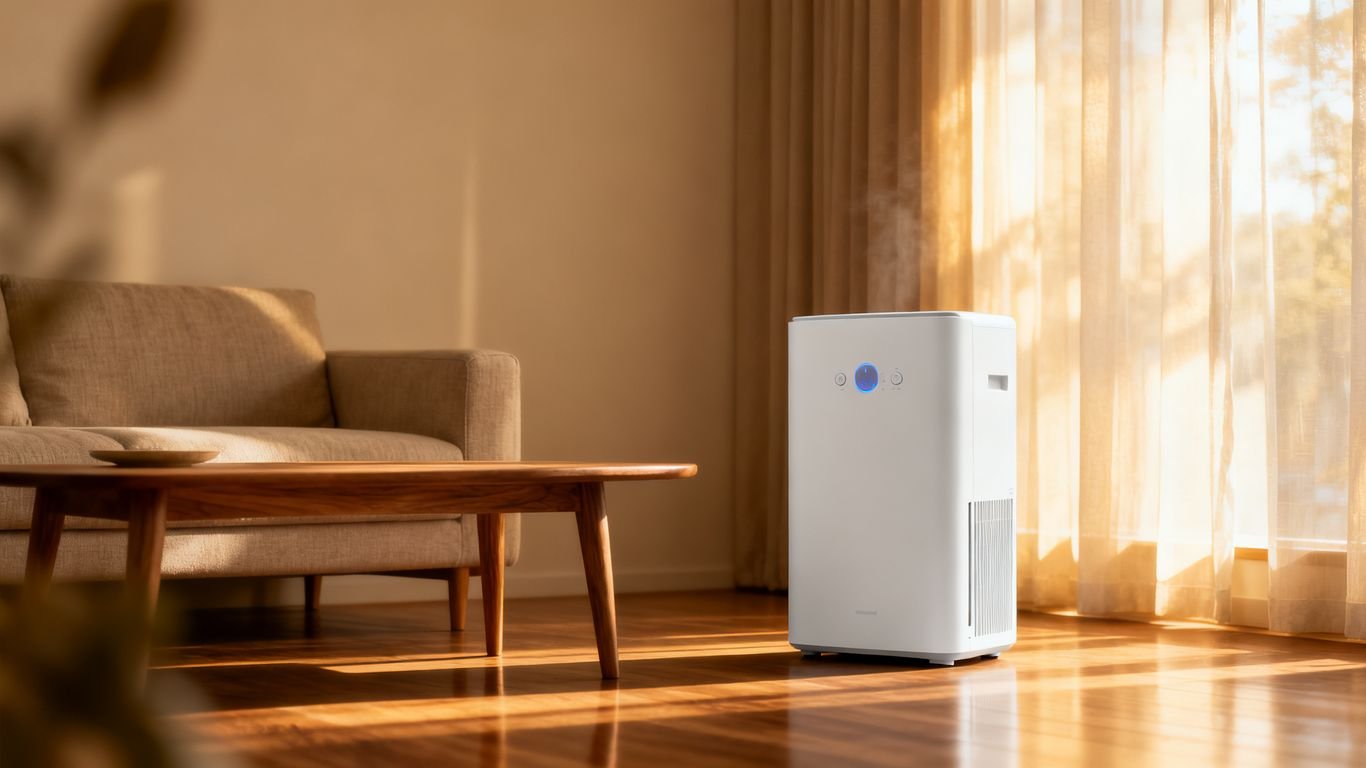
Imagine you are living in a humid apartment where your walls feel damp and your clothes stay slightly clammy even after a full day in the closet. You choose the DualCore 20 for its specific tropical design, setting it to a target of 45% relative humidity to ensure your home stays protected from mold during the wet season.
Moisture collection and phase separation
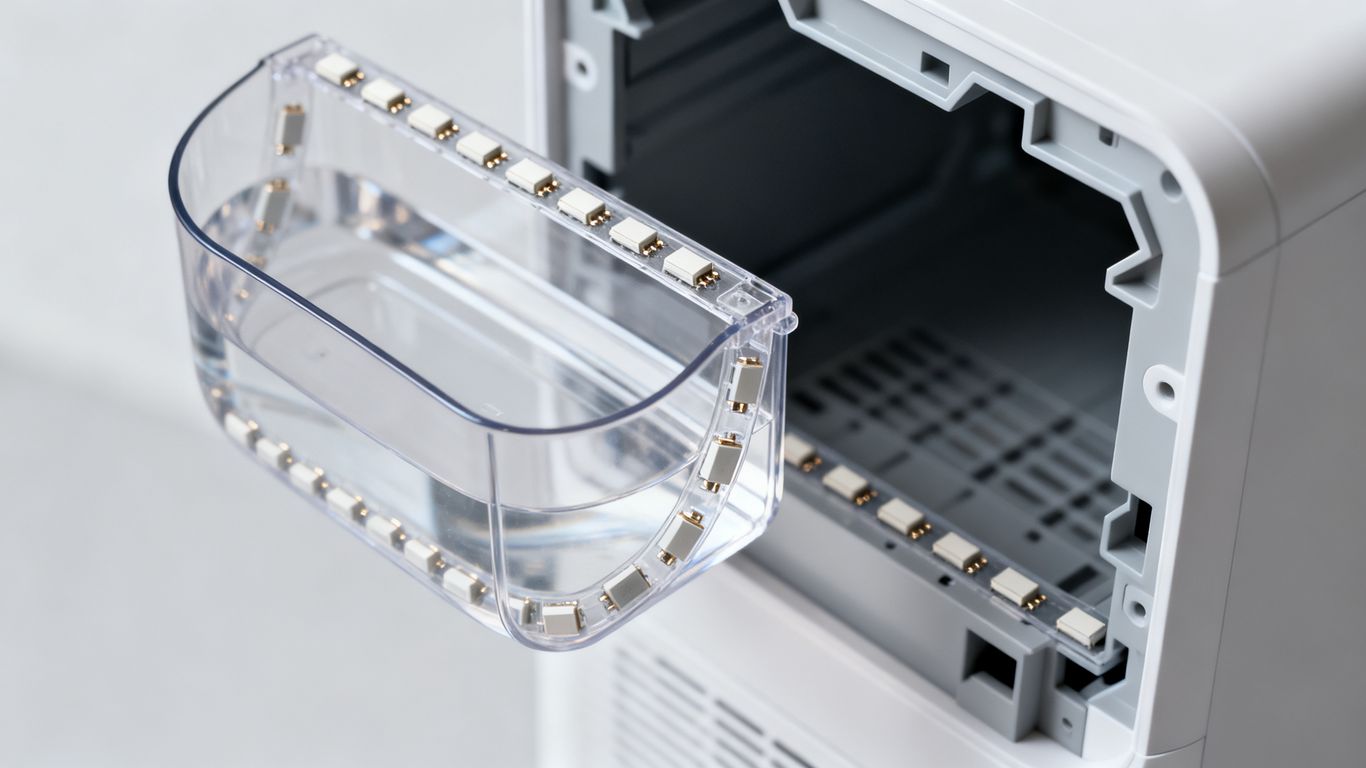
Once water vapor has transitioned into liquid, the machine must manage the collection reliably to prevent overflow and internal damage. Modern appliances use automated systems to monitor the capacity of the internal water tank and trigger alerts or automatic shutdowns.
Condensate movement and drainage pathways
Gravity is the primary force guiding liquid into the reservoir. Angled internal channels are specifically engineered to ensure that water does not pool in sensitive electronic areas.
Electronic sensors for reservoir management
Precision float switches detect when the water reaches a threshold height. This ensures that the system halts operation before any leakage occurs, which is a key safety design feature for long-term home use.
Gravity-fed versus pump-assisted drainage
Many users prefer a continuous drainage hose, which bypasses the internal tank entirely. Gravity-fed systems require unit elevation above the drain, while advanced pump-assisted systems can discharge water over a ledge or into a high-level sink.
Engineering design to prevent leakage
Sealed housings are non-negotiable in high humidity environments. Every joint is gasketed or ultrasonically welded to ensure the internal moisture path remains distinct from the external electrical components.
Sensors and control system logic
Modern dehumidifiers are smarter than ever thanks to integrated logic controllers that adjust performance based on real-time data. These systems ensure that energy consumption is minimized while humidity remains within a target window.
Monitoring moisture levels with hygrostats
Digital humidistat components measure the air’s moisture content continuously. The system compares this data against the user-defined setpoint and makes instantaneous decisions on whether to power the compressor or focus solely on fan-driven circulation.
Benefits of variable speed motor controls
Variable speed fans allow the machine to ramp up during high-humidity events, such as mid-day after a heavy rain, and slow down when the room reaches the desired saturation level, reducing noise and power usage.
Managing ice buildup with automated defrost cycles
If the evaporator coils reach freezing temperatures, the system risks ice crusting, which blocks airflow. Automated sensors detect this state and briefly cycle the refrigerant in reverse or disable the compressor while keeping the fan running to melt the ice safely.
Enhancing energy efficiency through integrated logic
By optimizing run times, a high-quality dehumidifier reduces its operational overhead. Intelligent processors buy now by calculating the precise energy needed to maintain comfortable living conditions without over-processing the air.
Conclusion
Understanding the mechanics of your dehumidification device helps ensure it lasts longer and performs better when you need it most. By maintaining consistent filter airflow and monitoring the moisture collection system, you can effectively combat the unique challenges of tropical humidity and protect your living environment for years to come.
Frequently Asked Questions
Why does my dehumidifier blow out warm air?
Because the refrigeration cycle compresses gas to facilitate heat exchange, the exhaust air is slightly heated by the condenser coils after the moisture has been removed.
What is the ideal humidity range for a home?
Experts generally recommend keeping indoor relative humidity between 40% and 50% to discourage the development of mold, mildew, and common household allergens.
Can a dehumidifier replace an air purifier?
While some units combine both functions, a standard dehumidifier is primarily designed to remove water vapor, whereas an air purifier is designed to capture particulates like dust, pollen, and smoke.
How often should I clean my filter?
It is recommended to clean your air filter at least once every two to four weeks depending on the environmental conditions and the frequency of operation to maintain proper airflow.
Do dehumidifiers use a lot of electricity?
Energy consumption varies based on the size of the room, the volume of moisture removed, and the unit’s energy efficiency rating, though modern digital controls have significantly improved performance compared to older models.
Should I close my windows and doors when using the unit?
Yes, keeping windows and doors closed ensures the device is only working on a contained environment, which significantly speeds up the dehumidification process.
What happens if the water reservoir overflows?
Most modern units have a built-in sensor that automatically shuts off the unit when the bucket is full, preventing any messy leaks or water damage.