Key Takeaways
Maintaining the right humidity level is vital for protecting your clothing from mold and musty odors, especially in humid climates.
- Rechargeable silica gel packs are a low-maintenance, renewable moisture control solution.
- Electric dehumidifiers effectively remove moisture from larger or frequently accessed closets.
- Hanging bags offer an affordable, space-saving option for enclosed wardrobes.
- Regular inspection of your wardrobe’s environment helps keep air dry and fresh.
- Proper airflow is as essential as the mechanical removal of excess water vapor.
1. Rechargeable silica gel dehumidifier packs
Silica gel packs function as an excellent passive moisture trap that can be reused indefinitely. These units contain specialized beads that absorb water vapor from the air until their capacity is reached, visible through a color-changing indicator. Once the beads are saturated, you simply plug the unit into a wall outlet to heat and release the moisture, regenerating them for continued protection of your favorite garments.
This method is highly favored by many looking for cost-effective solutions for small storage zones. Users often find that these compact packs fit perfectly into crowded drawers or hung within tight wardrobe corners where bulky hardware simply would not belong.
2. Mini electric dehumidifiers for small spaces
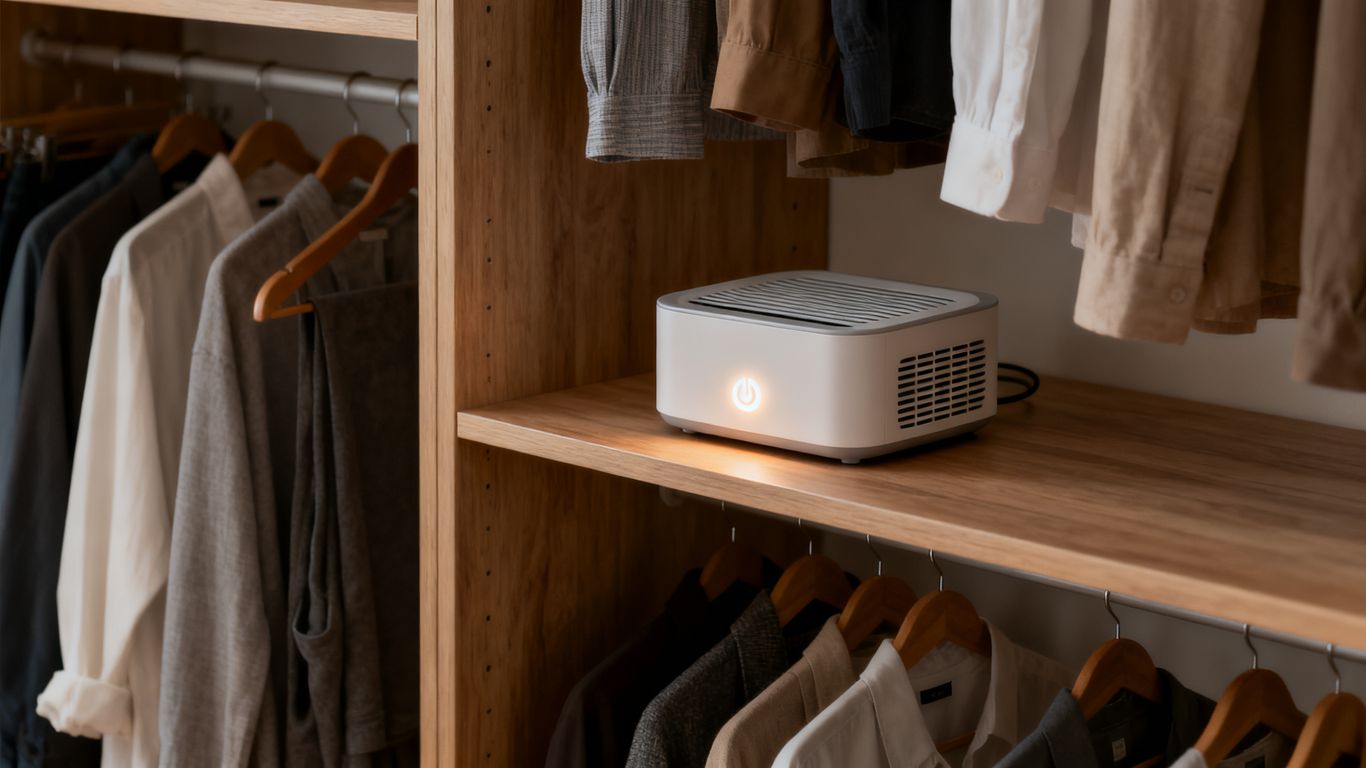
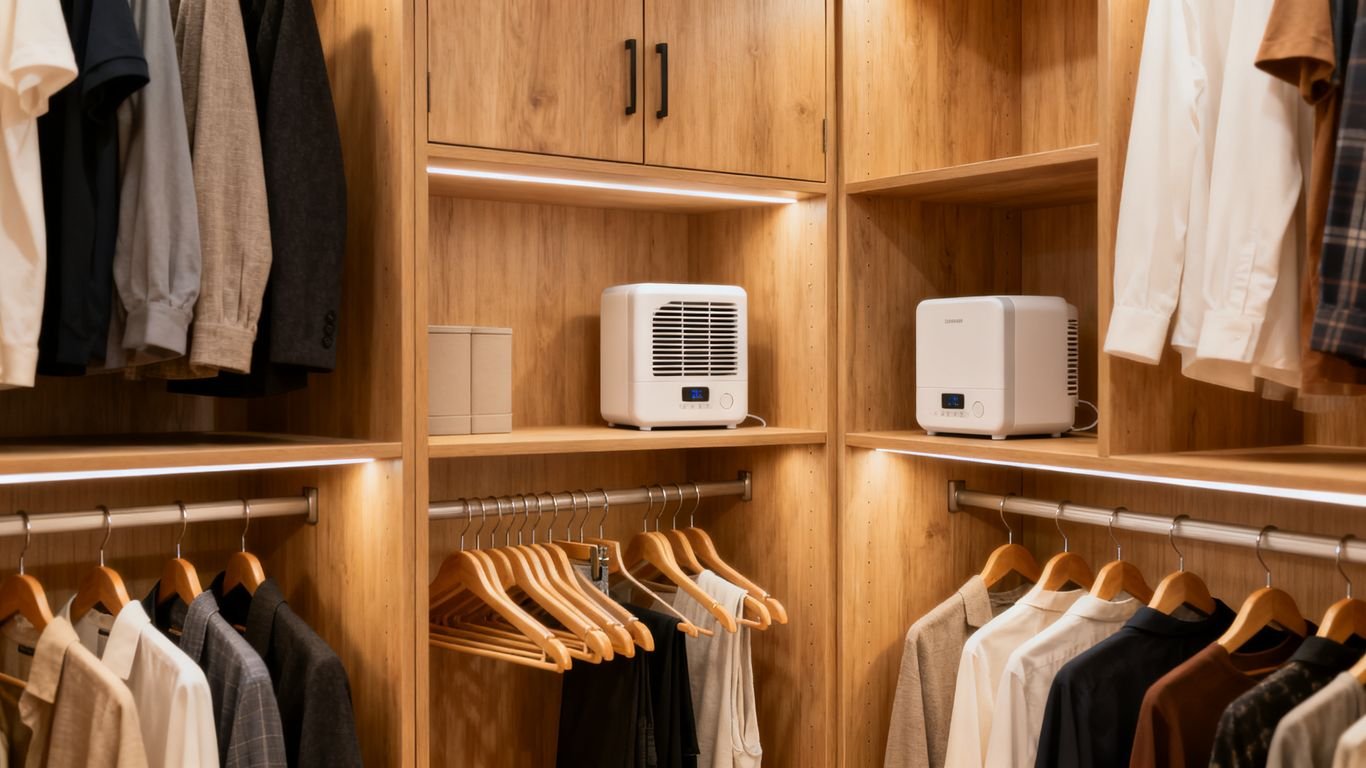
Mini electric dehumidifiers use advanced technology to consistently manage the atmospheric moisture levels inside enclosed cabinets. Unlike passive chemicals, these powered units actively pull in humid air and condense the vapor into a small, removable collection tank. They are engineered to operate quietly, making them a suitable choice for bedrooms or walk-in closets where noise levels are a concern.
Selecting the right model depends on your closet volume. When you are looking to truly optimize your environment in humid regions like Singapore, consider the Aerofy expertise in tropical air management. For those interested in deeper air treatments, investigating a DualCore 20 unit might provide that extra peace of mind for larger storage areas.
3. Hanging moisture absorber bags
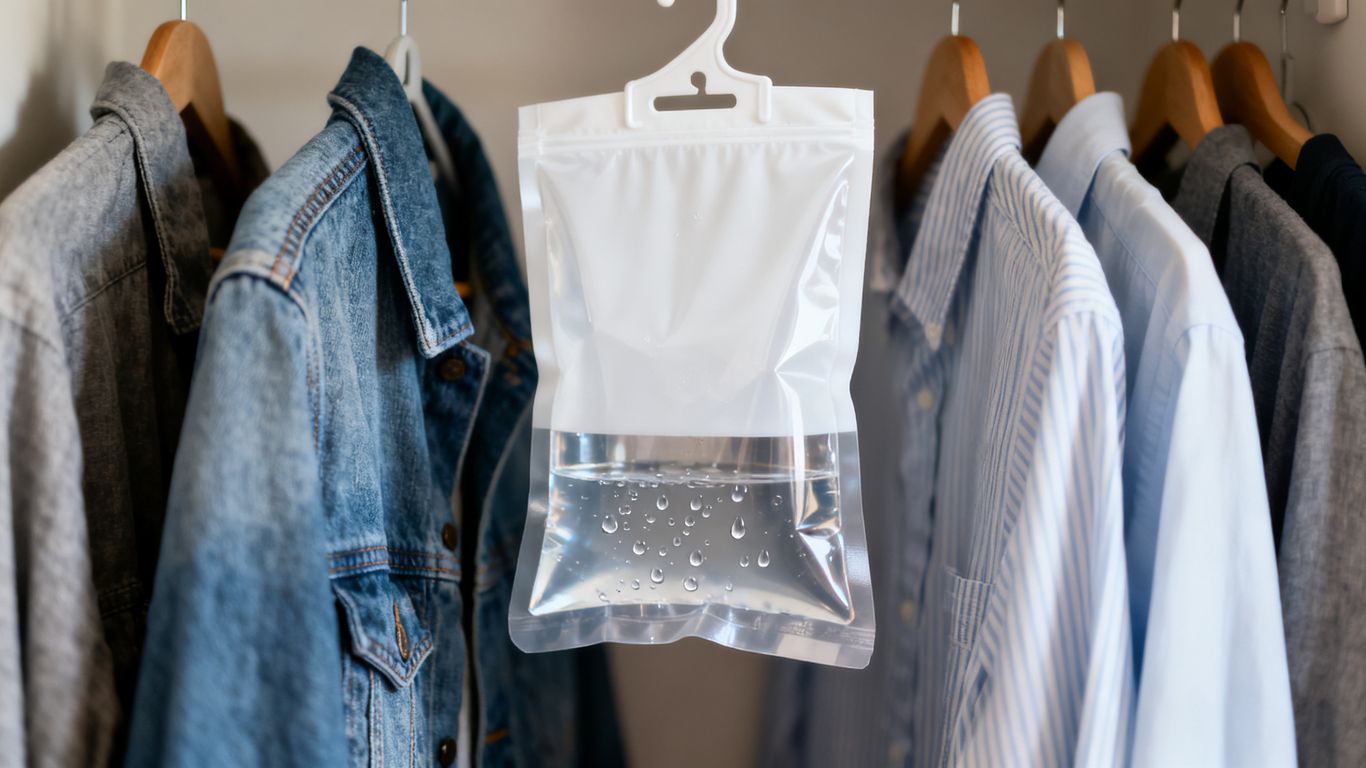
These hanging absorbers are perhaps the most popular way to keep individual sections of a wardrobe fresh. The bags contain hygroscopic calcium chloride crystals that dissolve as they attract moisture, eventually dripping into a clear lower reservoir. This disposable dehumidifier system is straightforward for tight, stationary storage areas where power outlets are unavailable.
- Ideal for small, unventilated hanging spaces.
- Simple visual check to see water levels.
- Extremely lightweight and requires zero installation.
- Cost-effective for maintenance across many closets.
Understanding how to effectively manage humidity in small closets transforms your seasonal storage habits. By replacing these bags periodically, you ensure that the air remains dry enough to prevent textile degradation.
4. Carbon-activated dehumidifying packets
Carbon-activated packets combine moisture control with the ability to neutralize unwanted odors. By integrating activated charcoal with an absorbent desiccant, these packets clean the air while pulling out water molecules that contribute to the musty smell typical of poorly ventilated closets. They are non-toxic and work silently, providing an invisible layer of defense for delicate fabrics like silk and wool.
5. Portable thermoelectric wardrobe dehumidifiers
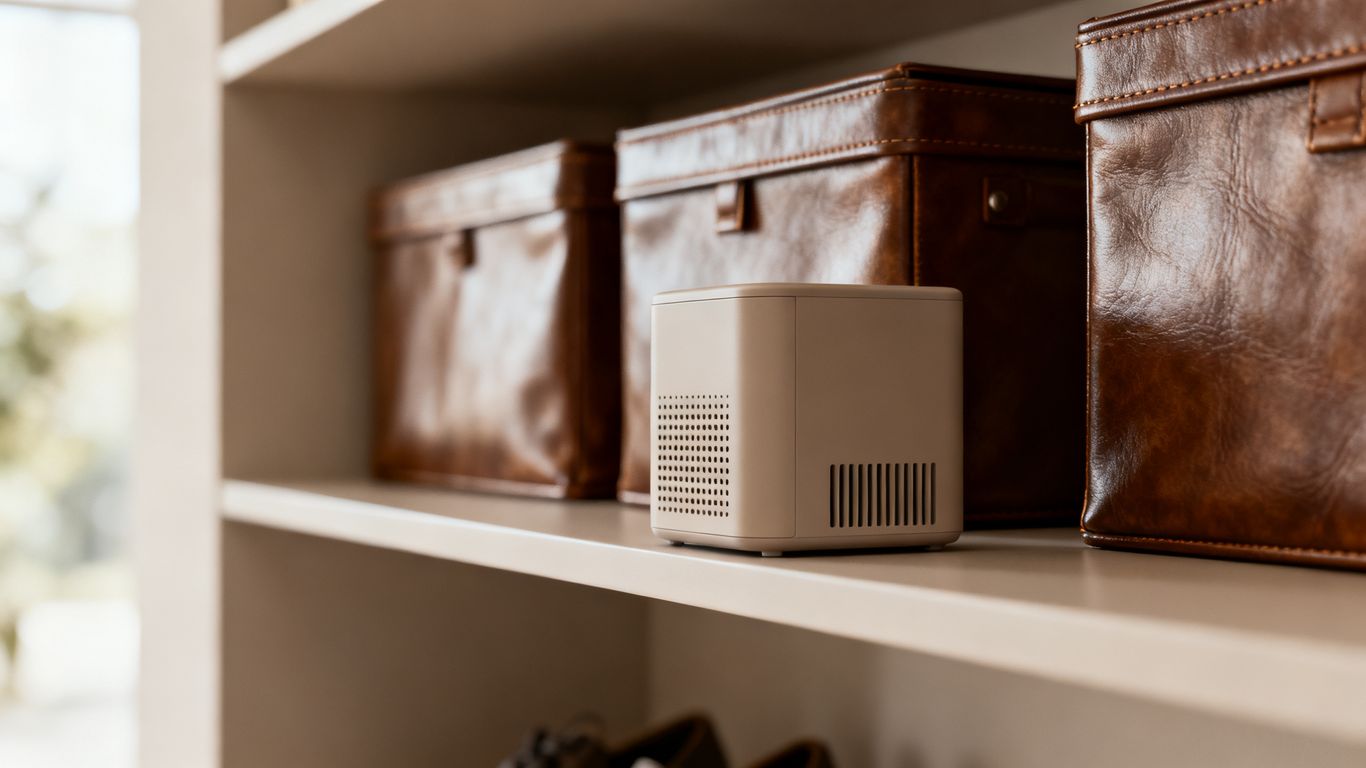
These devices operate by cooling a plate to condense water vapor, making them highly effective for localized cooling and drying tasks. Since these units are compact, they prioritize efficiency for users who need a specific spot to remain dry without the high energy draw of full-sized machinery. If you reside in hot, humid zones, you might find that choosing a dehumidifier that uses low-wattage heat is the best way to prevent mold without overheating your storage room.
| Feature | Thermoelectric Model | Passive Bag | Electric Rod |
|---|---|---|---|
| Power Req | 50W | None | 15W |
| Life Span | 5+ Years | 1 Month | 10+ Years |
| Function | Active Intake | Absorption | Radiant Heat |
Selecting the technology that fits your specific needs ensures that your belongings remain protected from the effects of tropical humidity.
6. Refillable calcium chloride moisture traps
Refillable traps use the same chemical reaction as disposable bags but allow you to keep the outer casing, reducing plastic waste. Once the crystals have fully turned into a brine, you simply pour the liquid down a drain and replace the crystal refill pack. This approach is better for your wallet and the environment over a long period, especially if you have multiple closets requiring regular supervision.
7. Integrated closet humidity control systems
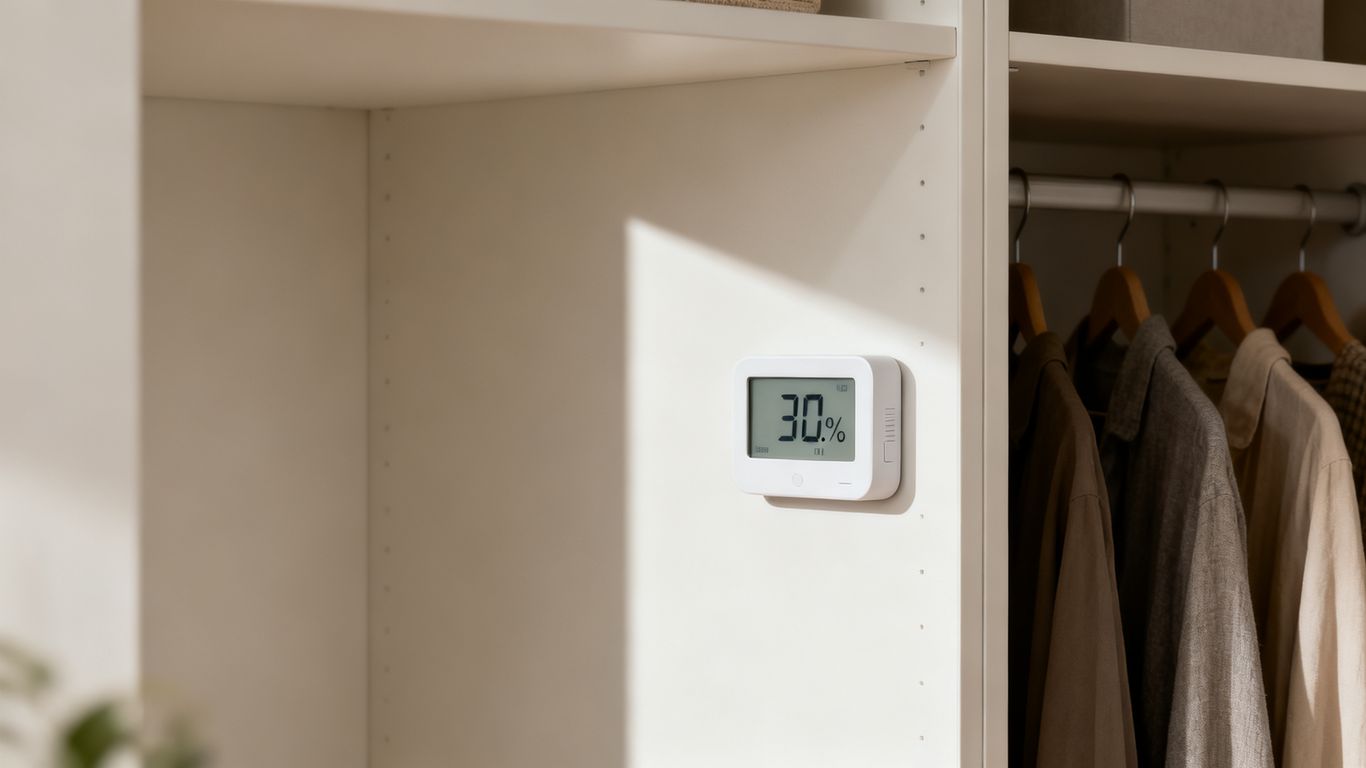
Integrated systems often involve a multi-point approach to air quality control. By coupling specialized fans with Air dehumidifiers that regulate ambient levels automatically, you can achieve a stable climate that resists mold growth indefinitely. Utilizing a dehumidifier rod can also be part of a larger plan to keep leather products and heavy textiles from becoming damp or ruined during a particularly rainy season.
Consistent airflow is the silent partner to any dehumidification strategy, helping to disperse lingering water vapor before it can settle onto sensitive clothing fibers.
Implementing a robust setup requires a bit of planning but pays off by preserving your entire wardrobe collection for years without the constant stress of checking for mildew spots.
8. Ultra-compact USB-powered air dryers
These modern units draw very little energy and can be powered by standard mobile chargers or power banks. Because they are designed for micro-spaces, they work well for jewelry boxes, camera storage, or small sections of a dresser. While they lack the capacity for a full walk-in closet, they are excellent for the most delicate items requiring a dry buffer.
9. Eco-friendly bamboo charcoal bags
Bamboo charcoal is a natural, sustainable method to manage moisture and odor. These porous bags act like a sponge for airborne chemicals and water particles, and by placing them in direct sunlight once a month, you can reactivate their absorption properties. They provide a simplistic, chemical-free way to maintain a fresh-smelling closet while being completely safe to use around any family members or pets.
10. Heavy-duty crystalline desiccant canisters
These canisters hold massive amounts of absorbent material and are designed for severe humidity cases. Often used in storage lockers or very large basement wardrobes, they offer the highest capacity of any non-electric desiccant. Because they are large, they ensure that your garments stay dry even in environments prone to high groundwater moisture levels, as seen in many humid climates.
Conclusion
The best dehumidifier for wardrobe maintenance depends on your unique space constraints and the severity of the local moisture levels, but prioritize consistent, low-energy solutions that align with your lifestyle. By combining active electric units with passive desiccant backups, you create a comprehensive barrier against mold, ensuring that your clothes stay fresh and protected regardless of the tropical conditions outside.
Frequently Asked Questions
How often should I check my wardrobe dehumidifier?
You should inspect your dehumidifier at least once a month, as this allows you to catch saturation before moisture levels spike and provides an opportunity to recharge or replace the units.
Does high humidity cause mold in my closet?
Yes, humidity levels consistently above 60% create the ideal environment for mold spores to grow on fabrics, leading to unsightly spots and a persistent, damp odor.
Can I place my dehumidifier directly on my clothes?
It is best to maintain some clearance between the dehumidifier and your clothing to ensure optimal airflow and prevent any chemical or liquid contact with sensitive fabrics.
Are there natural ways to dehumidify a wardrobe?
Yes, using bamboo charcoal or silica gel is a natural, effective way to manage moisture levels without chemical additives, provided you maintain them per the manufacturer’s suggested schedule.
Why do my clothes smell musty if my room is dry?
Musty odors often originate in the stagnant air pockets inside a closet, where humidity can be higher than in the open bedroom due to poor ventilation.
Does a dehumidifier need a large closet to work?
Most wardrobe-specific dehumidifiers are compact, making them perfectly suited for small, enclosed spaces where proper ventilation is absent.
What are the first signs of excessive closet moisture?
Look for a heavy feeling in the air, a musty odor, or visible condensation on hard surfaces like mirrors or door handles when you first open the closet in the morning.