Key Takeaways
Optimizing your home air requires a clear understanding of humidity control and particle filtration. Use this list to prioritize your specific air quality goals efficiently.
- Air purifiers utilize mechanical filters to capture microscopic airborne irritants.
- Dehumidifiers extract moisture via condensation to stop mold and dust mite growth.
- High-humidity environments in tropical regions require robust moisture management for health.
- Combining technologies often provides the most comprehensive approach to indoor comfort.
- Regular maintenance of filtration components and drainage systems ensures long-lasting performance.
Understanding the core differences between an air dehumidifier and an air purifier
Choosing between these two essential appliances depends on whether you are struggling with biological growth or airborne pollutants. Often, residents mistakenly assume one can substitute for the other, but their engineering pathways remain fundamentally distinct. Understanding these systems ensures your home environment remains stable and healthy.
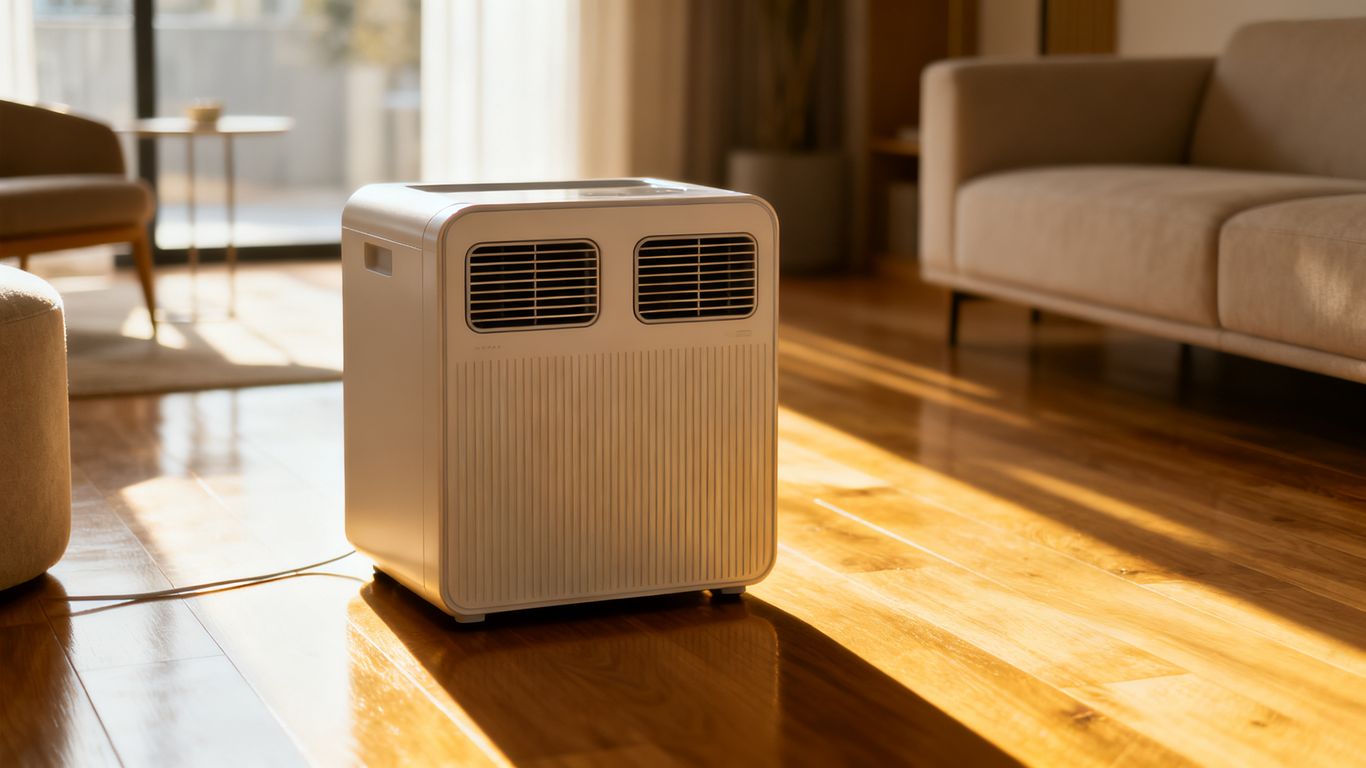
How an air purifier improves indoor air quality
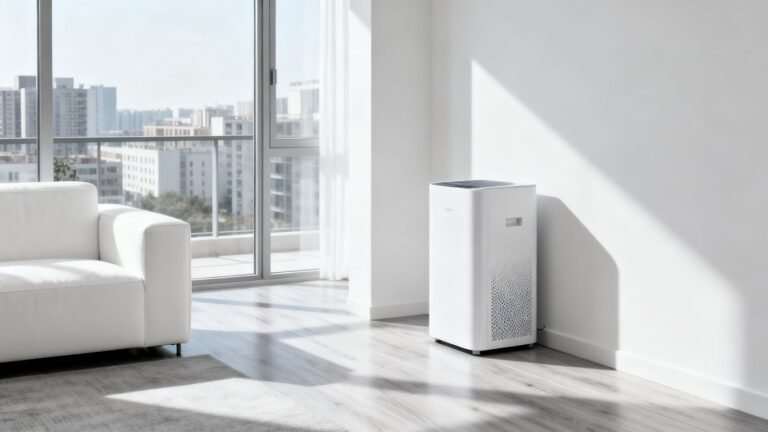
Air purifiers function by drawing air into a cabinet using an internal fan, forcing it through a series of specialized filters. These devices focus on pulling airborne particles like dust, pollen, and pet dander out of your living space to improve respiratory comfort. Relying on HEPA filtration systems, they offer a direct way to reduce the concentration of particulate matter that lingers in the air.
How a dehumidifier manages indoor humidity levels
Dehumidifiers target the invisible moisture content present in your home, which is essential for preventing structural degradation and biological growth. They operate by cooling air to the point of condensation, allowing water to collect in a basin while returning drier air to the room. By keeping moisture levels within the optimal 40% to 60% window, these devices stop the dampness that attracts pests and allergens.
Mechanical distinctions in filtration versus condensation technology
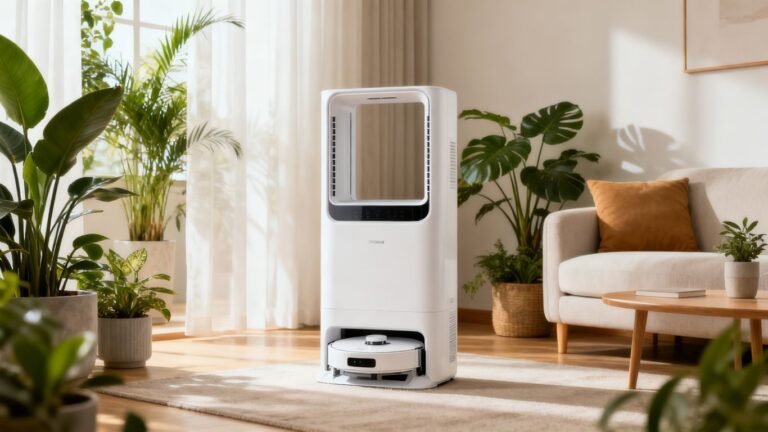
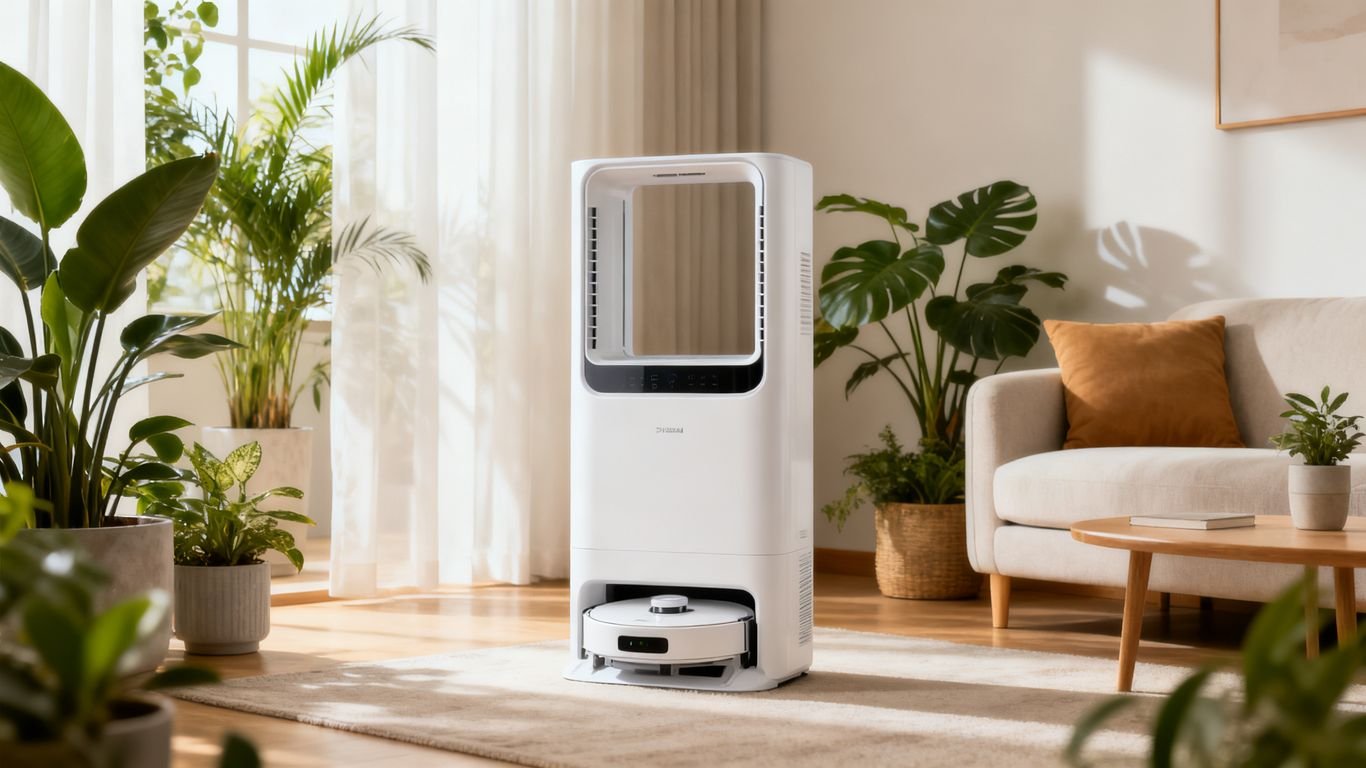
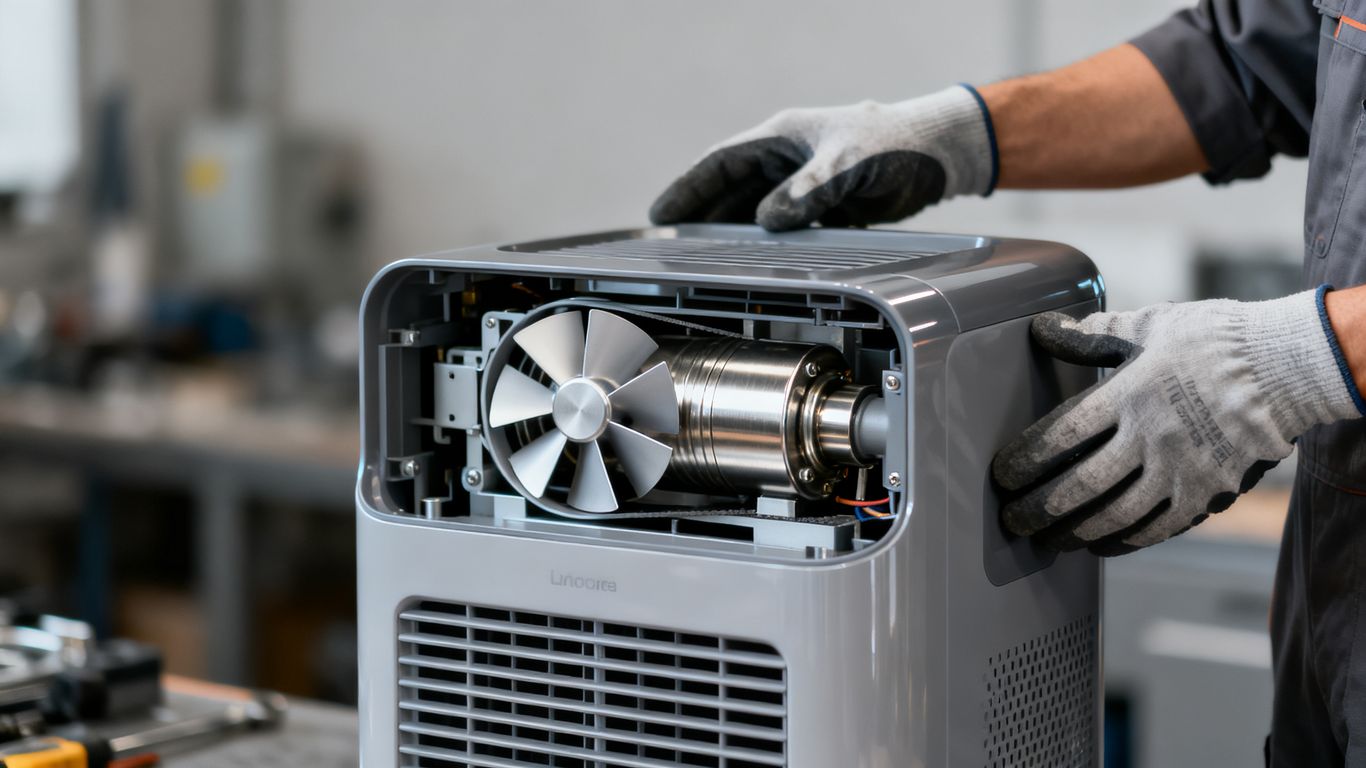
While purifiers use fabric or fiberglass media for physical trapping, dehumidifiers rely on thermodynamic cycles to change the state of moisture. Most high-performance units, including the DualCore 20 dehumidifier and air purifier by Aerofy, engineer these two systems into a singular housing to save space. This integration leverages a compact rotary compressor for the cooling phase while managing airflow through high-grade filter media.
Solving specific air quality issues
Addressing home air quality effectively requires correctly diagnosing whether your problem originates from wet surfaces or floating particulate matter. Once you identify the root cause, applying the right technology will prevent persistent issues from escalating into major health or structural concerns. Proper monitoring allows you to stay proactive rather than reactive.
Identifying signs of excess moisture in your home
Excessive indoor humidity creates subtle clues that homeowners should notice early to prevent lasting damage. Watch for these common indicators:
- Musty or damp smells lingering in closets and confined spaces.
- Persistent condensation forming on window panes during early morning hours.
- Soft, warping wood surfaces on furniture located in low-airflow areas.
- Development of dark, fuzzy spots on bathroom walls or behind heavy furniture.
When these signs appear, simple cleaning is insufficient; managing the ambient moisture is the only way to resolve the underlying condition.
Dealing with airborne allergens and particulate matter
Airborne irritants vary in size, but dedicated filtration removes them before they irritate your lungs or skin. Fine particulate matter, often from outdoor pollution or indoor cooking, requires a refined approach to air filtration to ensure every breath is clean. This focus on particle removal is distinct from moisture control, requiring high-velocity fans that consistently treat the volume of air within a given room.
When you might actually need both devices simultaneously
In many tropical environments, solving for air health necessitates an integrated strategy since humidity promotes the activity of both mold and dust mites. Running both systems ensures that mold spores are not only killed by reduced moisture but also captured if they become airborne. Using a solution like the Aerofy DualCore 20 allows users to manage both threats through one intuitive purchasing link rather than crowding their floor space with two separate, bulky machines.
Health benefits provided by each system
Maintaining the right atmosphere indoors protects your long-term health by reducing stressors on your immune and respiratory systems. Air quality and humidity levels act as constant variables in your overall well-being, influencing everything from skin health to sleep quality. A balanced home climate becomes your first line of defense against seasonal health challenges.

Alleviating respiratory conditions through air filtration
Filtration cleans the air of triggering agents, which can be life-changing for residents dealing with seasonal or chronic respiratory sensitivity. Capturing tiny dander and pollen grains means your home remains a sanctuary where your lungs finally get the rest they deserve from external environmental pollution.
Preventing mold growth to protect your internal environment
Mold is a persistent threat, especially in humid regions, as it thrives where air does not circulate. By systematically lowering the relative humidity, you prevent spores from germinating, which ultimately preserves your walls, clothing, and books from decay. This proactive control stops property damage before it requires expensive intervention.
Managing seasonal asthma triggers and dust mite populations
Dust mites proliferate in high-moisture air, making humidity control the primary strategy for their elimination. If you control the moisture and then deploy HEPA-grade filtration for the remaining irritants, you create the cleanest imaginable indoor environment for your family. This two-pronged health strategy covers the root causes of household discomfort effectively.
Operational and maintenance considerations
Every home appliance demands a routine for success, and understanding the energy and cleaning requirements is vital for long-term satisfaction. Efficient machines often utilize advanced components like an R290 refrigerant to manage cooling cycles without massive electricity spikes. Keeping your system running smoothly requires just a little bit of attention to detail during your periodic home maintenance checks.
Energy consumption patterns and long-term costs
Efficiency matters when appliances run twenty-four hours a day, so evaluating the power draw of your system is a smart investment. Dehumidifiers usually represent the larger portion of energy use due to the mechanical nature of their refrigeration compressors when compared to the simple motor of a fan-based purifier.
Essential maintenance for HEPA and carbon filters
Filters are the workhorses of any purifier, and their lifespan depends heavily on the volume of air treated and the local pollution levels. Replacing these elements according to the manufacturer’s suggested schedule prevents the resistance that causes motor strain. A clean filter ensures maximum airflow and cleaner output.
Managing water collection tanks and drainage for dehumidifiers
Most modern dehumidifiers offer both a manual tank and a continuous drainage option for hands-off management. If you opt for the tank, set a calendar reminder to empty it, as stagnant water can become an unintended breeding ground if neglected. If you utilize a vertical drainage hose, verify that it stays free of clogs to maintain a consistent output flow.
Choosing the right tool for your specific room
Room selection defines how hard the machine works and how effectively it performs its air-treating task. Placing a unit capable of treating a huge basement into a small bedroom is wasteful, just as an undersized device will struggle to make an impact in a large open-concept living area. Accuracy in selection ensures the appliance works within its design parameters for optimal efficiency.
Assessing basement moisture versus bedroom air purity
Basements often suffer from foundation seepage or poor ventilation, making moisture control the absolute priority. Bedrooms, meanwhile, require high-performance airflow and silent HEPA filtration to maintain comfort while you sleep. Identify which room has the greater issue—structural dampness or airborne dust—to determine your primary machine placement.
Determining the ideal capacity for your square footage
Capacity ratings are based on the volume of air the machine can effectively cycle in an hour. Most manufacturers provide a square-foot rating, but remember that high ceilings and frequent door usage in tropical climates will push the machine to its limit. Always size up slightly to ensure your unit doesn’t run at 100% capacity constantly.
Placement strategies for maximum efficiency and airflow
Place your unit in a central location away from walls or furniture to allow the intake and exhaust vents to work properly. Never hide these devices behind heavy curtains or under shelves, as this blocks the essential air circulation needed for them to sense humidity correctly. Proper placement is the easiest way to improve the performance of your ventilation investment.
Making the final decision based on your priorities
Your final choice should align with the specific environmental challenges unique to your home and geographic location. Since Aerofy products are specifically built for the tropics, they are designed to handle the moisture surges common throughout Singapore’s rainy seasons while simultaneously scrubbing the air. Balancing structural preservation with personal health is the hallmark of a well-maintained home.
Prioritizing air freshness versus structural preservation
If you find your household suffers from frequent allergies, air freshness through filtration must lead your priority list. Conversely, if your home exhibits bubbling paint or damp-smelling closets, dehumidification is your absolute necessity. The right appliance acts as a guardian for both your belongings and your physical health.
Budget-conscious decision making for indoor comfort
Investing in a dual-purpose appliance offers an immediate cost benefit by reducing the amount of power used for two motors and consolidating two maintenance schedules into one. Avoiding cheap, low-end units that fail after a single season will ultimately save you money on replacements and repairs over time.
Weighing noise levels and system portability
Consider where you plan to place the machine during the night, as compressor-based moisture removal does create a consistent low-level hum. Portable units with casters allow you to move the device from living spaces during the day to bedroom areas at night, providing versatile protection. Make sure your chosen model includes design features that prioritize quiet operation without sacrificing efficiency.
💡 Scenario Time
Imagine moving into a ground-floor apartment in a dense city center. Within weeks, you notice the walls feeling clammy and a slight musty scent upon returning from work. Concurrently, city dust coating your window ledges makes you realize standard filtration isn’t enough. You install a high-performance dehumidifier and air purifier combo. Suddenly, the air feels crisp and the structural dampness disappears, proving that specialized equipment manages the environment more effectively than basic ventilation.
Conclusion
Investing in the right air management technology transforms your living space into a breathable, dry, and clean sanctuary that protects both your family and your property. Whether you choose individual units or an integrated solution, the benefits of moisture and particle control are undeniable in ensuring a comfortable atmosphere. Take the time to assess your specific room environment before you buy to guarantee that you achieve the perfect airflow and humidity balance for years to come.
Frequently Asked Questions
Can a dehumidifier operate effectively as an air purifier?
No, dehumidifiers and air purifiers are designed for entirely different mechanical tasks. While a dehumidifier removes water vapor from the air, it lacks the specialized filtration media required to capture fine allergens like dust, pollen, or VOCs.
Is it possible to use both devices at the same time in the same room?
Yes, running both devices simultaneously can be highly effective, especially in damp, allergen-prone areas. The dehumidifier works to lower internal moisture to stop biological growth, while the purifier scrubs the air of particulate matter simultaneously.
What is the ideal percentage of humidity for a healthy home?
Most experts recommend keeping indoor relative humidity between 40% and 60%. This range is low enough to prevent mold and dust mite growth but humid enough to keep mucous membranes and skin from becoming overly dry.
Do I need to clean the air purifier filters often?
Filter life varies depending on usage and air quality, but most units require a check every three months. Regularly vacuuming pre-filters can extend the life of the primary HEPA filter, keeping your machine running at its peak efficiency.
Does high humidity cause airborne pollution to stay in the home?
High humidity can contribute to the accumulation of certain biological pollutants, such as mold and dust mites, but it does not necessarily trap non-biological dust. However, dampness makes the air feel much heavier and can exacerbate respiratory difficulties associated with air pollution.
Can a dehumidifier help reduce odors in my house?
Yes, by removing the excess moisture that allows odor-causing bacteria and mold to thrive, a dehumidifier can significantly reduce lingering musty smells. This is common in basements or bathrooms where moisture remains trapped in porous surfaces.
How do I know if my purifier is actually working?
Many modern air purifiers feature real-time air quality sensors that display changing levels as they operate. Otherwise, you may notice a decrease in visible dust accumulation on surfaces or a reduction in the persistent feelings of nasal congestion within the treated room.