Key Takeaways
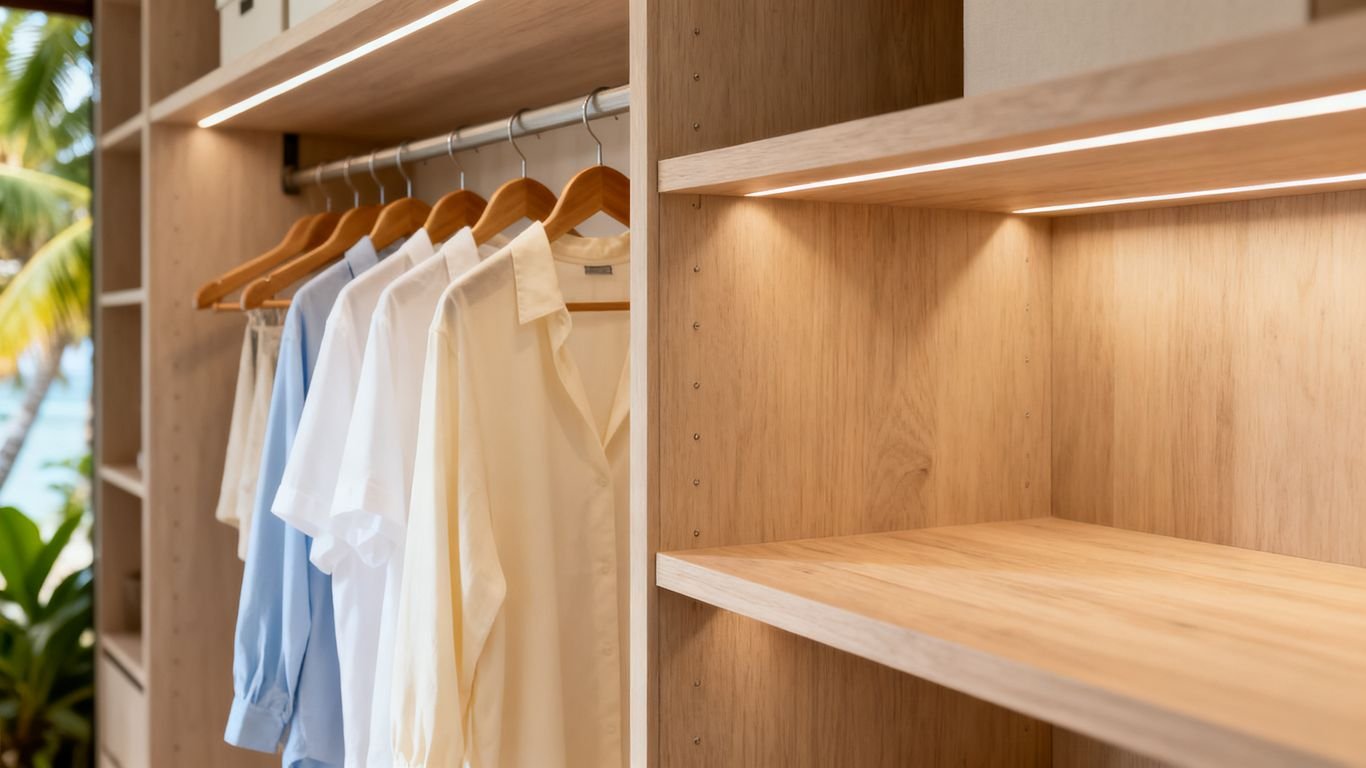
Maintaining the right humidity levels in your closet is essential for preserving the lifespan of your clothing and preventing structural damage from dampness. Incorporating a specialized heating rod provides a low-maintenance, consistent solution for enclosed spaces.
- Dehumidifier rods function by gently warming surrounding air to lower relative humidity.
- Unlike silica packets, rods offer continuous protection without needing frequent replacement or recharging.
- Proper installation requires adequate clearance to allow heat dissipation and moisture evaporation.
- Measuring closet volume helps determine the correct thermal output needed for effective results.
- Regular surface cleaning prevents dust buildup and maintains efficient heat distribution.
What is a dehumidifier rod and how does it work?
Managing moisture in your wardrobe is a common challenge, especially in tropical climates where excess humidity can compromise your most valuable belongings. A dehumidifier rod serves as a passive climate control device, providing a steady source of low-level heat to keep the internal closet environment dry. By elevating the ambient temperature slightly above room temperature, these units disrupt the conditions necessary for moisture condensation.
The mechanics of heat-based moisture control
When these units are powered, they generate a consistent, mild heat that effectively lowers the relative humidity within a confined space. This process keeps articles of clothing dry and prevents the air from becoming stagnant or damp. While Aerofy focuses on comprehensive air health, simple tools like these rods are undeniably practical for small, enclosed storage zones where larger units cannot fit.
Differences between rods and silica-based absorbents
Many homeowners often rely on desiccant packs or silica beads, but these reach a saturation point quickly in high-humidity environments. A wardrobe dehumidifier rod, in contrast, offers a permanent solution that does not require constant intervention or disposal. You simply mount it, plug it in, and let it operate without ever having to worry about recharging or replacing chemical packets.
Ideal wardrobe conditions for rod installation
For best results, you need a closet that is relatively sealed to ensure the warmed air remains concentrated near your garments. If your wardrobe has significant gaps or airflow leaks, it becomes difficult for the unit to maintain a lower dew point. It is useful to verify current conditions with a hygrometer, as explained when you choose an air dehumidifier.
Benefits of using a dehumidifier rod in your closet
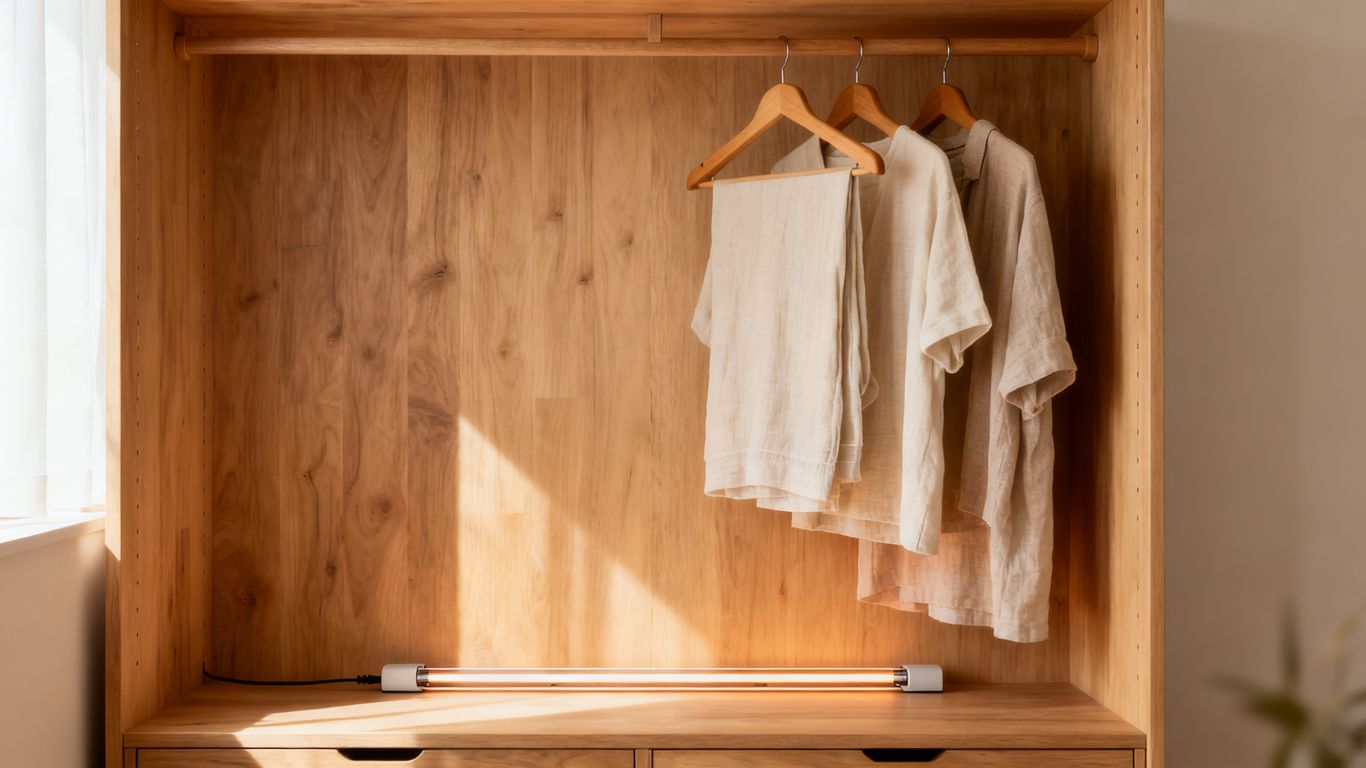
Using a dedicated heating device in your closet provides peace of mind that your expensive fabrics are protected from the silent damage of moisture. By maintaining a consistent, warm climate, you create an environment where mold and mildew cannot easily gain a foothold. This approach is highly effective in humid regions where Aerofy engineers often identify excessive evaporation and condensation as primary threats to indoor property longevity.
Preventing mold and mildew formation on fabrics
When air stops circulating properly, fabrics become susceptible to fungal spores that thrive on dampness. A rod actively prevents these conditions by ensuring no cold spots exist where moisture could settle. It is the most reliable way to protect your seasonal attire from long-term decay during periods of high ambient humidity.
Eliminating musty odors in enclosed storage spaces
Musty smells are a classic sign of trapped moisture and trapped microbial activity. By keeping the air circulating and warm, the rod removes the environment that sustains those unpleasant odors, keeping your clothes smelling fresh day after day. This is a common struggle, often compared to the confusion when you choose between a humidifier and a dehumidifier.
Protecting delicate materials like leather, suede, and silk
These fine materials are particularly sensitive to moisture absorption and can suffer permanent damage if not handled correctly. Proper storage helps maintain the texture and structural integrity of your high-end pieces, listed as follows:
- Leather bags remain supple rather than stiffening from trapped moisture levels.
- Suede accessories are less likely to develop visible mold spots after prolonged storage.
- Silk garments maintain their natural fiber strength instead of becoming brittle.
- Natural fibers resist the development of persistent dampness that invites moth larvae.
Scenario Time
Imagine you just noticed a white, dusty layer on your favorite leather boots hidden in the back of your walk-in closet. You realize the space feels sticky and smells slightly like wet cardboard, which usually suggests moisture issues similar to those discussed when you evaluate an air purifier and a dehumidifier. You decide to install a climate-control rod to gently warm the closet, ensuring you can buy a dehumidifier setup that finally keeps your boots dry throughout the upcoming monsoon season.
Factors to consider before purchasing a dehumidifier rod
Selecting the right equipment requires balancing your physical closet needs with the device functionality. Small, energy-efficient choices are often best for basic storage, though understanding the specific dimensions allows you to optimize output. Homeowners often look for specific capabilities, but it is wise to distinguish between simple rods and the portable dehumidifier options offered by brands like Aerofy.
Calculating the wardrobe or closet volume
To ensure efficacy, you must first calculate the volume of your closet in cubic feet or meters. A rod that is too small for a large space will not raise the temperature enough to affect humidity levels. Reference the table below to determine appropriate sizing requirements for your specific needs.
| Closet Size (sq ft) | Recommended Rod Rating | Expected Humidity Reduction |
|---|---|---|
| Under 10 sq ft | 10W – 15W | 5-10% |
| 10 – 20 sq ft | 20W – 30W | 7-12% |
| Over 20 sq ft | 40W – 50W | 10-15% |
Once you have determined the proper wattage based on the total area, you can select a unit that effectively manages the moisture within that specific footprint.
Assessing power consumption and energy efficiency
Most modern rods are designed to run 24/7 with minimal power usage, often comparable to an LED light bulb. Checking the energy efficiency ratings ensures that your investment in moisture control does not result in a spike in your monthly electrical costs. It is worth investigating if your setup could benefit from HEPA filtration or if simple heat is sufficient for your specific concerns.
Evaluating safety features such as thermal cut-off switches
Safety is paramount when placing electrical devices in an enclosed, fabric-filled environment. Always look for units that include a thermal cut-off switch, which prevents the rod from overheating beyond a safe ceiling temperature. Ensuring you have a product designed for the tropics provides extra comfort regarding fire safety and build quality.
Installation tips for optimal performance
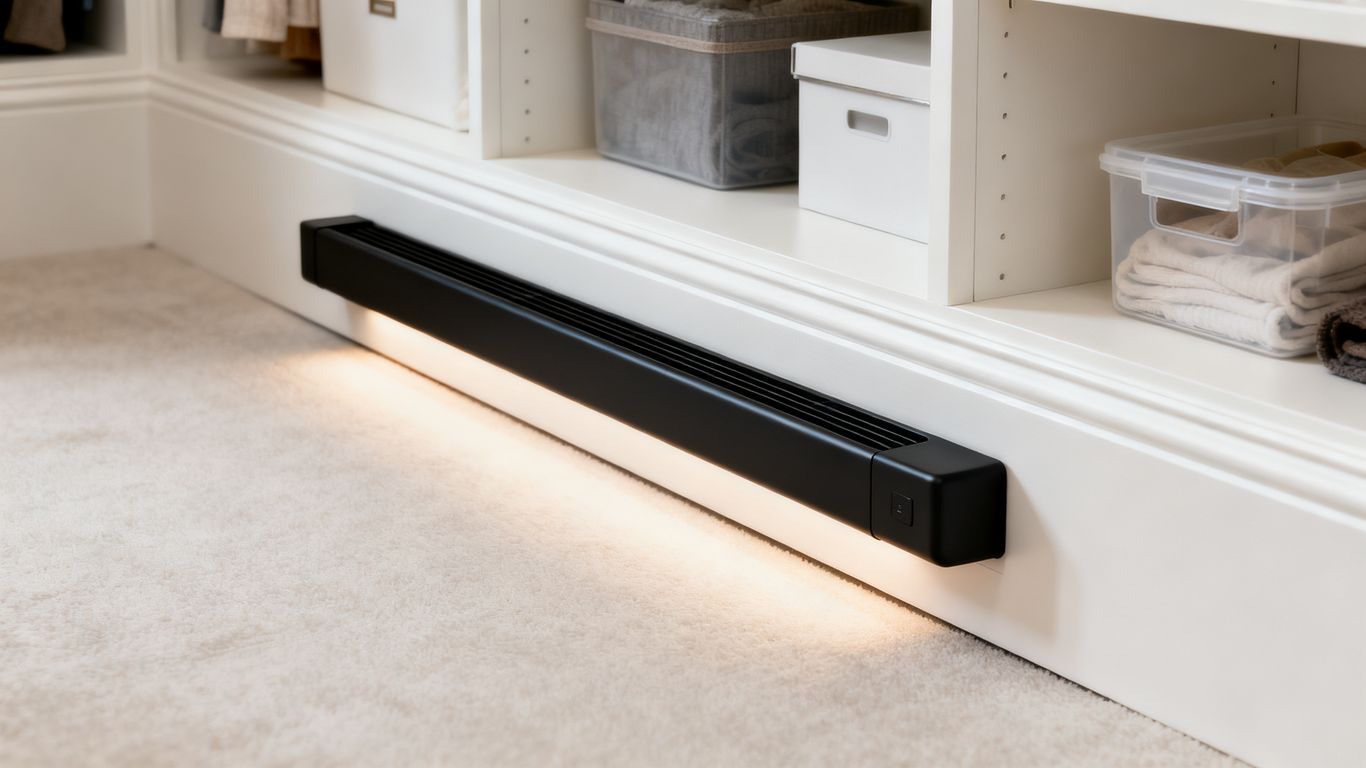
Proper placement transforms the effectiveness of your heater, allowing heat to flow naturally throughout the entire volume of air. Avoid blocking the rod with too many hanging items, as these will trap heat and prevent proper circulation. Many users on platforms like Houzz advocate for testing the location for 48 hours to observe how moisture levels change before finalizing the setup.
Choosing the right mounting position within the wardrobe
Mounting the rod at the lowest possible point is critical, as heat rises and will naturally push air upward through your clothes. You can securely attach it to the bottom shelf or the base of the closet, provided you leave enough space for convection to occur. This method helps maintain a warmer pocket at the base, creating a dry foundation for your stored goods.
Ensuring adequate clearance for heat dissipation
While the rods operate at low temperatures, they still require air clearance to function safely and efficiently. If you cram your clothes against the device, you create a potential heat soak which reduces efficiency and stresses the internal components. Maintain about 2-3 inches of clear space around the entire length of the rod for best results.
Wiring and electrical considerations for permanent setups
Since these units run constantly, you may want to manage the cords to prevent them from tangling with clothing items. An organized power run using non-flammable clips keeps the closet organized and reduces the risk of accidental pulls or knocks. For DIY enthusiasts, this is as straightforward as it gets, provided you keep your AI music video generators and other gadgets tucked away in separate, dry zones.
Maintenance and safety best practices
Keep your rod in top shape by following simple care intervals that protect your investment. Even though they are low-maintenance, they are not "set it and forget it" forever. Occasionally inspecting the rod helps ensure it is still functioning as expected.
Cleaning the rod surface to prevent dust insulation
Dust acts as an insulator, which can reduce the heat output and force the unit to work harder than necessary. Wipe the rod down with a soft, dry cloth every few months to remove accumulated fluff or debris. This simple action keeps your device working effectively and maintains its expected temperature output.
Monitoring ambient humidity levels for efficiency
Use a digital hygrometer to track your closet’s humidity levels over time. If you notice levels failing to drop despite consistent rod operation, you may need to check the closet for seals or gaps. Reducing dampness effectively is a primary step to reduce allergy symptoms caused by mold growth.
Implementing essential fire safety precautions in confined spaces
Ensure that no flammable fabrics are in direct, prolonged contact with the rod. While the heat is gentle, keeping clear airspace is the best practice for ultimate safety in any small, home-based storage environment. Consistent inspection ensures the Damp Defender DD24 or your rod of choice stays in peak condition.
Troubleshooting common dehumidifier rod issues
Even with reliable equipment, you might encounter minor hiccups. Knowing how to interpret signs of failure or sub-optimal performance is key to maintaining your wardrobe climate.
What to do if the unit feels cool to the touch
If the unit is not producing the expected warmth, first verify the power supply at the wall socket. Check your circuit breakers or GFCI outlets as high-humidity environments can sometimes trigger them. If the power is active but the unit remains cold, it may have an internal thermostat failure.
Addressing high dampness levels despite constant heating
If dampness persists, you might have compromised seals in the closet door or the room itself. Ensure your wardrobe doors close fully and that the ambient room humidity is not so high that the closet cannot stabilize. You might discover better controls by seeking expert advice on how to combat high humidity in your living space.
Deciding when it is time to replace or upgrade your rod
Most units last for many years, but signs of cord fraying, exposed wiring, or erratic heating rhythms are indicators that it is time for a replacement. Do not attempt to repair heating elements yourself; instead, replace the unit to ensure continued safety and efficient operation in your home.
Conclusion
Investing in a dehumidifier rod is a practical, cost-effective way to protect your wardrobe and ensure your favorite garments remain free from mold and musty odors for years to come. By following proper installation and maintenance steps, you create a healthier storage environment that extends the life of your leather, silk, and wood-based items.
Frequently Asked Questions
Does a dehumidifier rod really stop mold growth?
Yes, by keeping the air temperature slightly elevated in a closed closet, it prevents the relative humidity from reaching the saturation point where mold and mildew typically bloom.
How long can I leave the rod turned on?
These devices are specifically engineered for continuous, long-term operation and can be left on for 24 hours a day to provide ongoing protection against moisture.
Should I place the rod on the ceiling or the floor?
Because heat naturally rises, the rod is most effective at the base of the closet, which allows the warm air to circulate upward through the hanging items.
What is the ideal humidity range for a closet?
It is recommended to keep relative humidity levels around 50% or slightly lower to effectively inhibit the growth of common household mold and mildew spores.
Do these rods make any noise while running?
They are entirely silent, as they do not contain fans, compressors, or moving parts, making them perfect for bedrooms or walk-in closets where quiet is preferred.
Can I use a rod in a closet containing electronics?
While the heat is low, it is generally better to keep sensitive electronics in an area with managed thermal conditions, as excessive heat buildup can potentially damage internal components.
Will the rod affect my power bills noticeably?
These devices typically consume very little electricity, similar to a small light bulb, making them a very energy-conscious method for maintaining dry storage conditions.