
Key Takeaways
Dehumidifier balls are simple, chemical-based moisture absorbers perfect for small, confined environments where airflow is limited. Use this guide to optimize your home humidity management beyond these basic tools.
- These absorbers use hygroscopic salts to pull humidity directly from stagnant air.
- Proper placement in closets or storage bins maximizes the localized impact of the desiccant.
- They function silently and require no power, making them distinct from active units like the DualCore 20.
- Saturation is visually obvious when the collection basin fills or the desiccant dissolves completely.
- Always handle these units with care to prevent the salt residue from contacting your skin or surfaces.
How do dehumidifier balls work
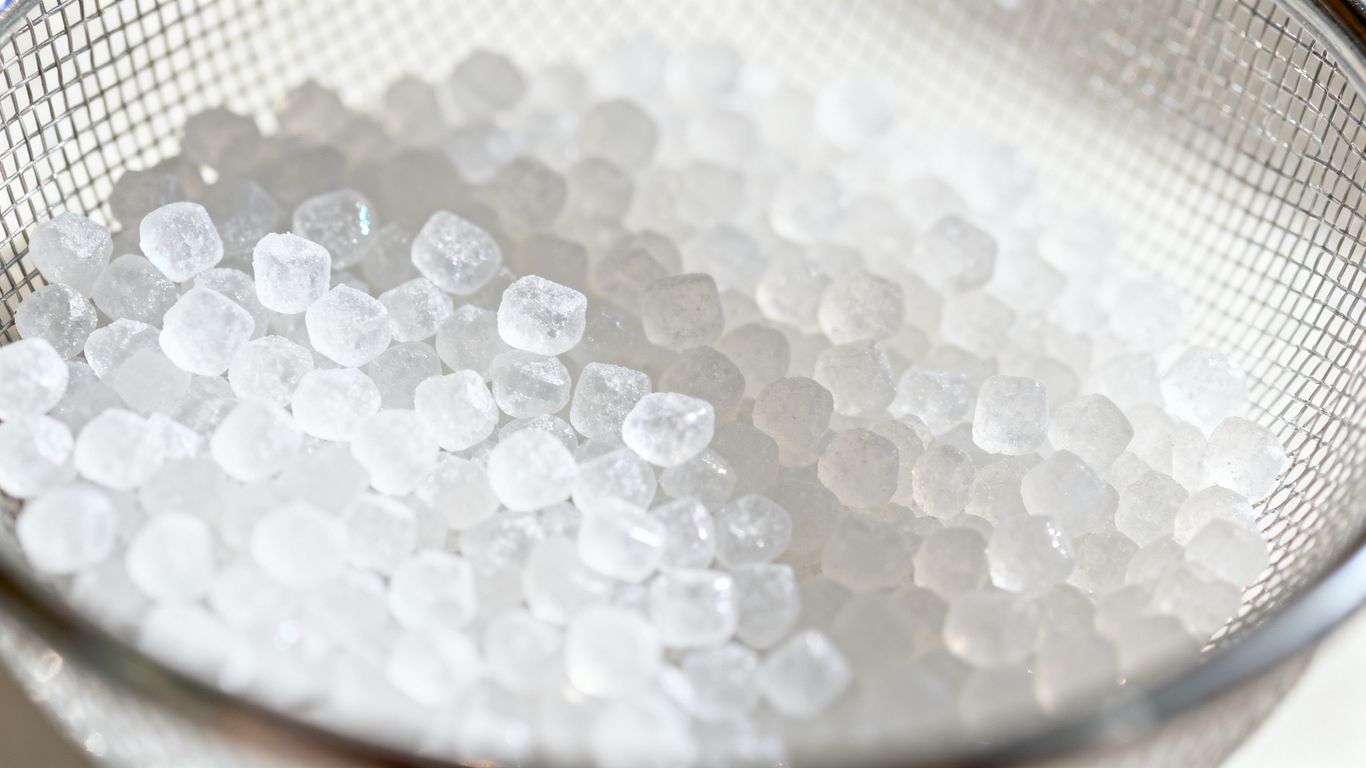
The science of desiccant materials
Desiccants are substances designed to induce a state of dryness by absorbing water vapor present in the surrounding air. When exposure occurs, these materials pull moisture into their structure, holding it until they reach a point of saturation.
Understanding calcium chloride absorption
The most common compound found in these products is calcium chloride, a highly hygroscopic salt. This material chemically binds with environmental humidity, eventually turning from dry granules into an aqueous solution as it collects water from the air.
Limits of passive moisture removal
Passive absorbers lack the capacity to process high volumes of air, which is why dehumidifier balls are only suited for enclosed spaces. Unlike active dehumidification systems, they cannot reach target humidity levels in large rooms.
Where to place dehumidifier balls in your home
Target areas for basements and crawl spaces
Basements often suffer from trapped humidity that leads to musty odors. While they are useful here, ensure they are placed on stable surfaces where potential spills will not damage your flooring.
Managing humidity in bathrooms and laundry rooms
Excessive steam after a shower creates a prime environment for mold; these units help mitigate short-term moisture spikes. Combining them with other bathroom moisture control methods ensures a more thorough defense against dampness.
Protecting closets and storage containers
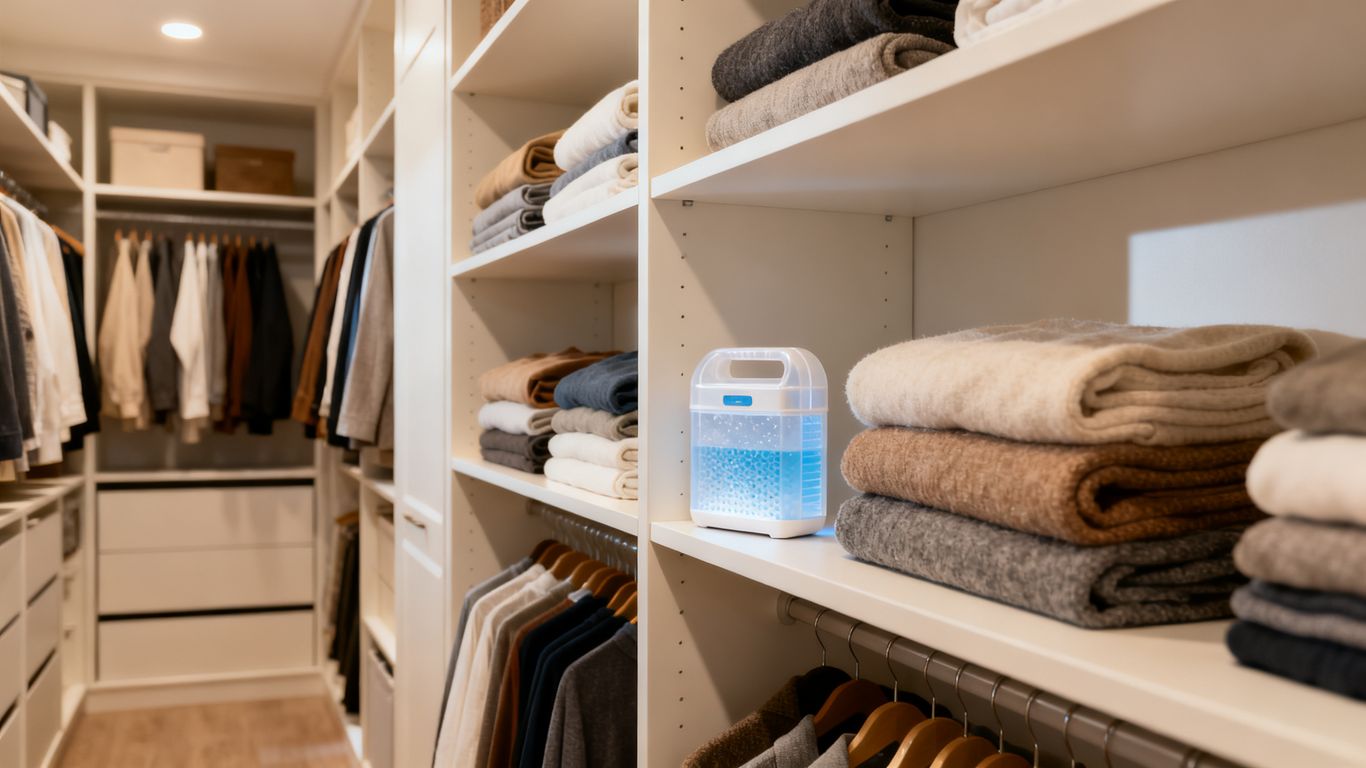
Storing clothing requires careful protection against the elements. Using a wardrobe dehumidifier helps prevent fabric damage in storage cupboards where airflow is otherwise non-existent.
Optimal airflow considerations
These materials need contact with the air to absorb water effectively. Do not bury the container; leave it in a spot with enough clearance so that the air can hit the intake grill freely.
Benefits of using dehumidifier balls versus electric units
Energy efficiency and cost effectiveness
Because they do not require electricity to run, these units have a zero-cost impact on your utility bills. This is a significant advantage over high-power systems that use refrigerant cycles to pull water from the air.
Silent operation in quiet environments
In bedrooms or home offices, noise is a concern; these products are completely soundless. Unlike mechanical units, they perform their duty without the hum of a compressor or fan.
Portability for small spaces
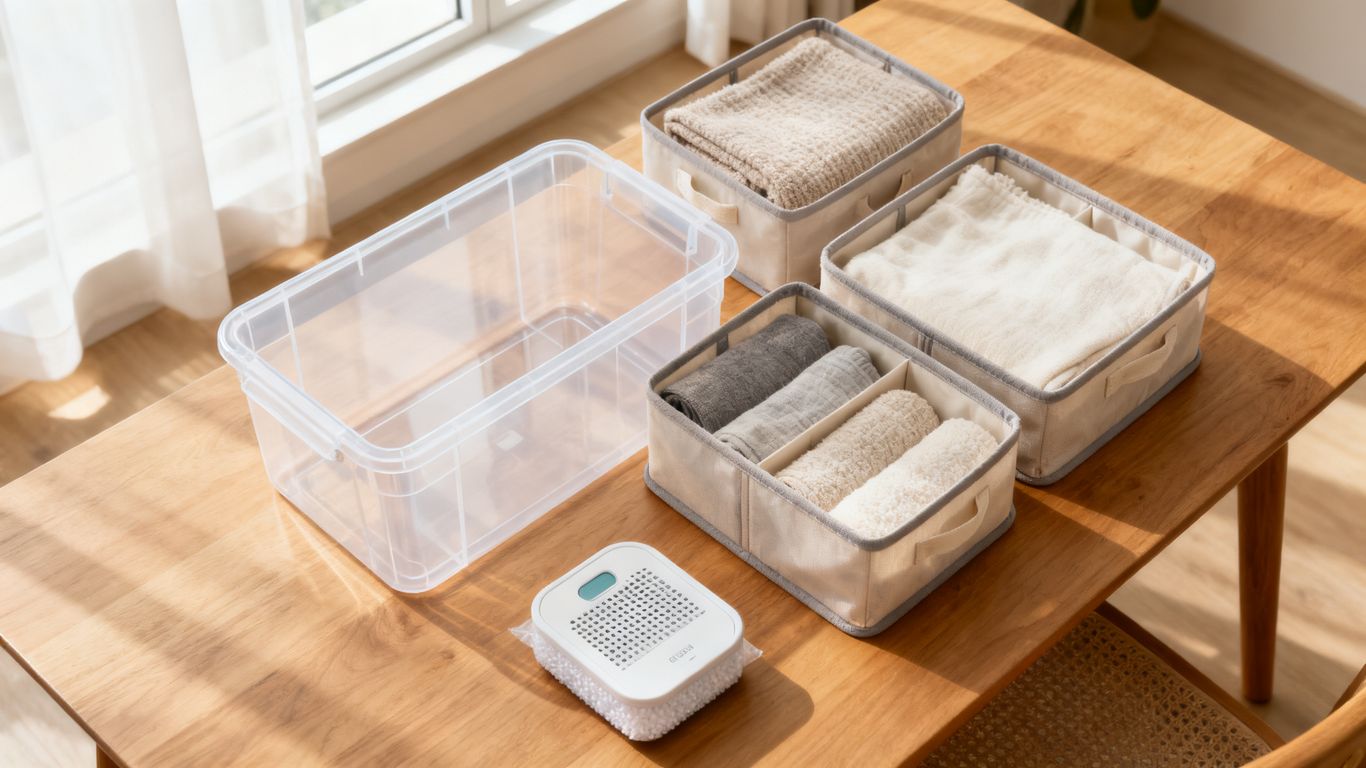
Small containers fit easily into places a full-sized unit simply cannot access. This makes them a flexible tool for travel, RVs, or tight cabinets.
No specialized electrical maintenance
Mechanical units often need clean coils and drained tanks, whereas these need only a periodic visual check.
When to replace your moisture absorbers
Identifying visual signs of saturation
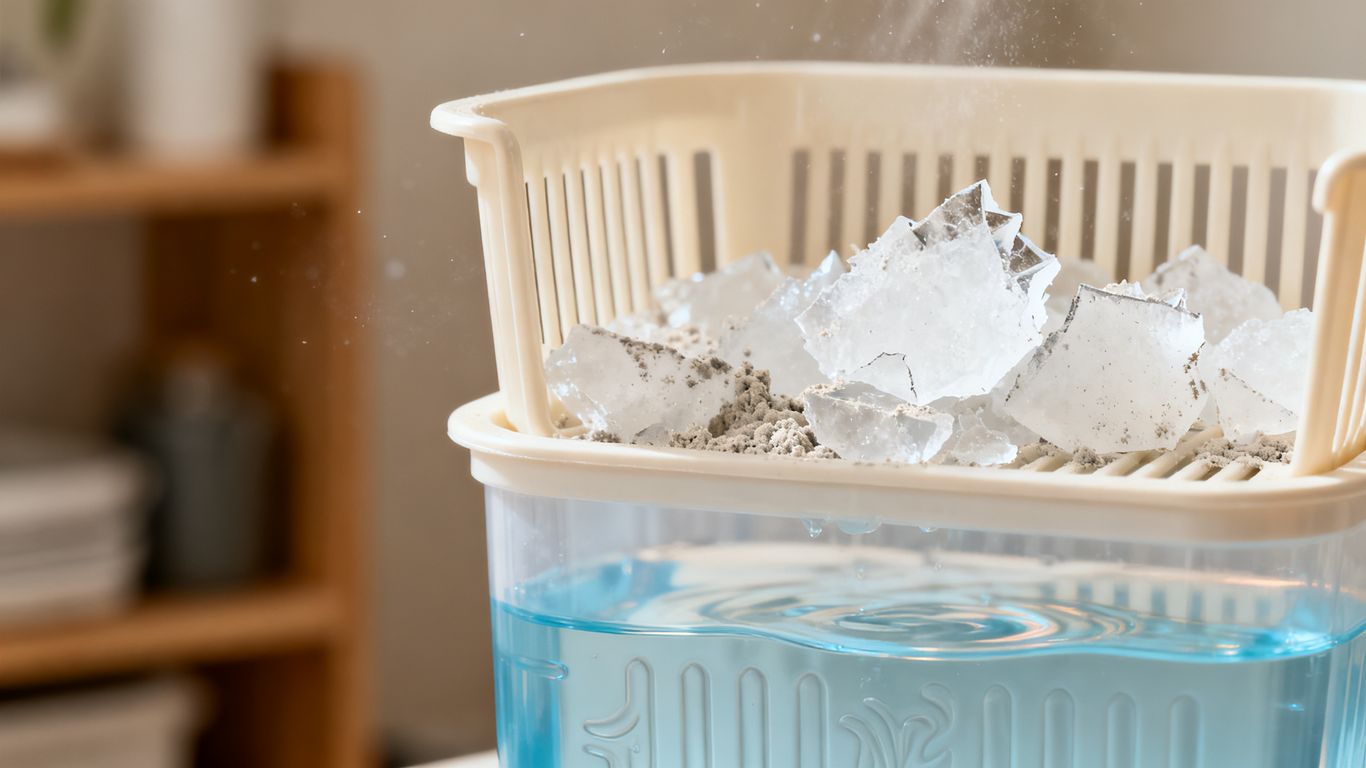
Most units arrive as white granules or pellets. As they collect water, the crystals will diminish until you see only a pool of liquid at the bottom of the collection basin.
Establishing a regular replacement schedule
Depending on your local humidity, the average lifespan of a unit can vary. We recommend a monthly check-in to ensure you aren’t leaving spent units in your storage spaces.
Factors affecting the lifespan of the desiccant
| Factor | Impact on Lifespan |
|---|---|
| High Humidity | Shortens life as the material fills rapidly |
| Small Enclosed Area | Prolongs life by limiting moisture load |
| Temperature Extremes | Can accelerate consumption of the chemical |
Fluctuations in seasonal humidity can significantly change how quickly your unit reaches capacity.
Safety tips and handling precautions
Toxic concerns and pet safety
While these products are generally safe when used as directed, the contents can be irritating if ingested. Ensure units stay away from areas accessible to small children or pets who might be curious about the container.
Preventing leakage with stable placement
Always ensure your moisture-absorbing device sits on a level and stable surface to prevent the concentrated saline liquid from spilling over onto carpets or wood finishes.
Placing the device on a tray or inside a secondary bowl provides an extra layer of protection during the final stages of the product’s lifespan.
Proper disposal of residue and collected liquid
When the unit is empty, check the manufacturer guidelines for your local waste system. Often, the liquid can be diluted and poured down the drain, but you should verify this to avoid plumbing issues.
Skin contact and protective measures
- Wear rubber gloves when handling a container that has already begun collecting liquid.
- Rinse skin thoroughly if you accidentally touch the concentrated calcium chloride solution.
- Use a damp cloth to wipe down the exterior of the container before moving it.
- Wash your hands immediately after you dispose of the collected liquid.
Prompt cleanup is vital to avoid any irritation from the saline residue.
Troubleshooting common issues with moisture collection
Why the balls may not show immediate accumulation
If you find the unit isn’t filling up, verify that the area is not too well-ventilated. These units require a semi-sealed environment to catch moisture effectively.
Low water collection in specific climate conditions
In extremely dry weather, the device simply has nothing to collect. This is normal behavior for desiccant absorbers and does not mean the product is defective.
Resolving spilled desiccant and cleanup methods
Scenario Time: You accidentally nudge your absorber in the closet, and it tips, leaving a crusty residue on your wooden shelf. First, wipe up as much of the liquid as possible with a dry towel. Then, use a damp cloth to neutralize the salt, and finally, wipe the area with a dry cloth to prevent moisture damage to the wood surface.
Conclusion
Integrating passive moisture absorbers into your maintenance routine is a simple way to protect your belongings from the subtle creep of humidity. By selecting the right size for your space and monitoring them for saturation, you can keep your home feeling fresh and dry without the need for additional power consumption.
Frequently Asked Questions
Are these absorbers safe for wooden furniture surfaces?
They are safe if the container stays intact, but the collected liquid acts as a corrosive salt solution. Always place the container on a tray to avoid the risk of spills on your delicate wooden surfaces.
Can I reuse the liquid for anything else?
No, the liquid collected is essentially a saturated brine of dissolved chemicals and it should be disposed of in a sink according to instructions. It is not suitable for any other household application.
Should I use these in my car during the winter?
They can help reduce condensation on interior windows during damp weather. Just ensure the unit is wedged in place or secured so it does not slide around while the vehicle is in motion.
Will cold temperatures affect the absorption rate?
Yes, very cold air carries significantly less moisture than warm air. As a result, the absorption process will happen much slower in unheated garages or sheds during the winter months.
Do these work as well as an air purifier?
These products are strictly for moisture control and do not perform air purification tasks like filtering dust or volatile compounds. If coffee cherries or chemical odors are strong, you may need additional measures.
How many units do I need for a large bedroom?
Passive units are rarely efficient for large rooms regardless of the quantity used. These are best suited for localized spots like wardrobe storage or smaller closets rather than entire bedrooms.
Can I microwave the crystals once they are saturated?
No, you cannot recharge these units by heating them. Once the desiccant pellets have dissolved into liquid, the chemical change is irreversible, and the unit must be replaced.