
Key Takeaways
Living in a tropical environment often means grappling with excess moisture, which leads to structural damage and health concerns. Understanding the signs of high humidity helps you determine if a specialized system like the DualCore 20 is the right appliance for your needs.
- Persistent dampness or musty smells are primary indicators of home humidity.
- Maintaining indoor humidity between 30% and 50% protects both property and health.
- Physical signs include window condensation, peeling wallpaper, and mold buildup.
- High-performance units often combine purification with moisture removal for better air.
- Proper maintenance ensures efficiency, preventing costlier repairs down the road.
Recognizing the physical signs of excess moisture
Identifying whether your home is suffering from too much moisture often starts with simple observation of your living environment. You might find that your home feels perpetually damp, even when outside temperatures are moderate. By paying attention to subtle internal changes, you can catch humidity issues before they cause lasting harm.
Identifying condensation on windows and glass surfaces
When your home faces excess humidity, one of the most common early warnings is water accumulation on glass. You may see fogging or beads of moisture forming on windows, especially in the early morning. This happens because warm, moist air inside the home strikes the cool surface of the glass, causing liquid to settle.
Detecting persistent musty or damp odors in rooms
If you step into a room and notice a heavy, lingering smell, it is a significant indicator of trapped moisture. This odor often arises as a result of fungal growth that remains unseen behind cabinets or in upholstery. Even air quality treatments might fail if the underlying dampness persists within the structure.
Spotting visible mold and mildew growth on walls or textiles
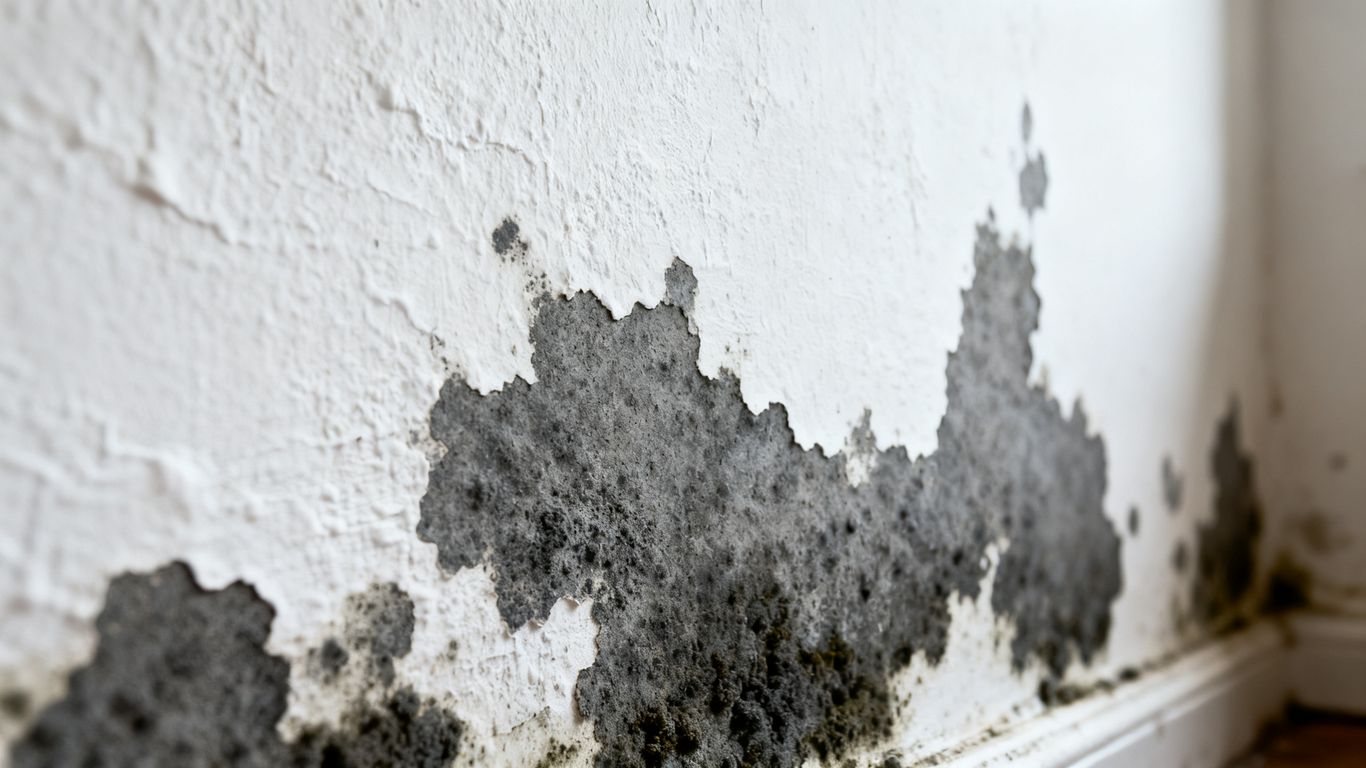
Dark spots spreading across corners or fabrics suggest that moisture levels have reached a critical breaking point. These spots are not just aesthetic issues but indicators that your indoor climate supports biological growth. You should monitor areas like laundry rooms and bathrooms where stagnant water has the potential to collect quickly.
Noticing peeling paint, wallpaper, or rotting structural wood
When moisture sinks into your walls or wooden fixtures, the long-term impact on your property begins to show. Paint might start to blister or peel, while wooden baseboards or cabinets may show signs of warping. Addressing this moisture is crucial to maintaining the building’s integrity, as these materials can harbor permanent damage.
Understanding the health impacts of indoor humidity
Humidity that stays consistently high can become a factor in your daily physical well-being. It affects how you breathe and how your body reacts to the air within your four walls. Managing your climate isn’t just about preserving furniture; it’s about creating a living space that supports your long-term health.
How high humidity triggers allergies and respiratory issues

Excessively damp air creates a cycle where allergens become more prominent and easier to inhale. When moisture is trapped, your home becomes a playground for microscopic triggers that affect sensitive individuals. Dealing with these requires a focused strategy, which is why managing humidity levels is essential for those with asthma or persistent congestion.
The link between damp indoor air and dust mite proliferation
Dust mites are organisms that thrive in environments with higher moisture levels. In tropical regions, moisture control is often tied to controlling dust mite colonies that settle in carpets and soft furnishings. Lowering internal humidity levels below the 50% mark makes your home significantly less hospitable to these pests.
Balancing humidity levels for skin and sinus comfort
| Condition Type | Relative Humidity Level | Impact on Comfort |
|---|---|---|
| Dry Air | Below 30% | Sinus irritation |
| Balanced | 30% – 50% | Ideal comfort |
| Humid | Above 60% | Sticky and clammy |
Maintaining the right balance ensures that your skin doesn’t feel dried out while still avoiding the thick, sticky feeling of stagnant air. A consistent and comfortable environment requires careful tracking. By monitoring these levels, you can avoid the extremes that typically cause physical discomfort.
Managing mold spores to prevent allergic reactions
Mold spores released by damp surfaces are a primary cause of indoor allergic responses. When growth is left unchecked, it degrades the quality of the air you circulate throughout your rooms. Using proper purification alongside dehumidification can help capture these spores before they impact your breathing.
Assessing your home environment and household climate
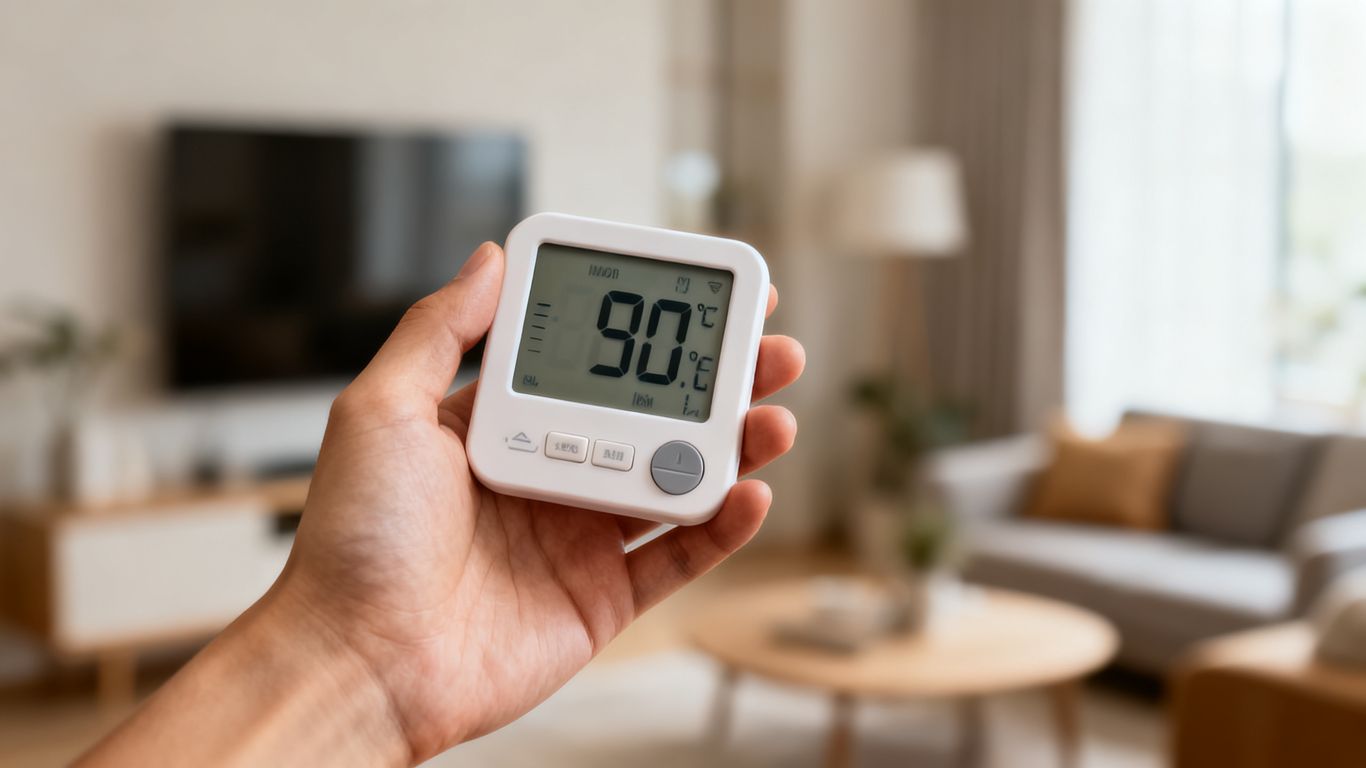
Your specific home environment depends on factors like architecture, material choice, and proximity to regional climate shifts. Understanding these variables helps you decide whether a standalone solution might be necessary for your situation. Taking stock of your home’s layout is an important step in determining the effectiveness of your climate control approach.
Evaluating regional climate and seasonal humidity spikes
Depending on where you live, seasonal shifts can cause sudden increases in indoor saturation. Tropical climates often require year-round monitoring because the outdoor humidity remains high regardless of the season. Keeping an eye on how these external factors impact your indoor space keeps surprises at bay.
Checking moisture accumulation in basements and crawl spaces
Subterranean areas often act as the first point of failure for moisture control. These spaces lack the airflow needed to dissipate moisture, leading to faster accumulation. If you notice dampness in these areas, your strategy for improving indoor air should include dedicated ventilation to mitigate potential structural issues.
Considering the impact of home building materials and insulation
Modern building standards aim for tighter seals, which prevent moisture from escaping naturally. While this improves energy efficiency, it also contributes to trapped water vapor within a structure. Understanding your home’s build allows you to adjust your moisture management effectively.
Monitoring temperature fluctuations that influence moisture levels
Changes in temperature dictate when air will release its water content. When warm air meets cold surfaces, condensation is likely to occur. Observing these patterns helps you predict when and where you need the most support from your appliances.
Weighing the benefits of adding a dedicated unit
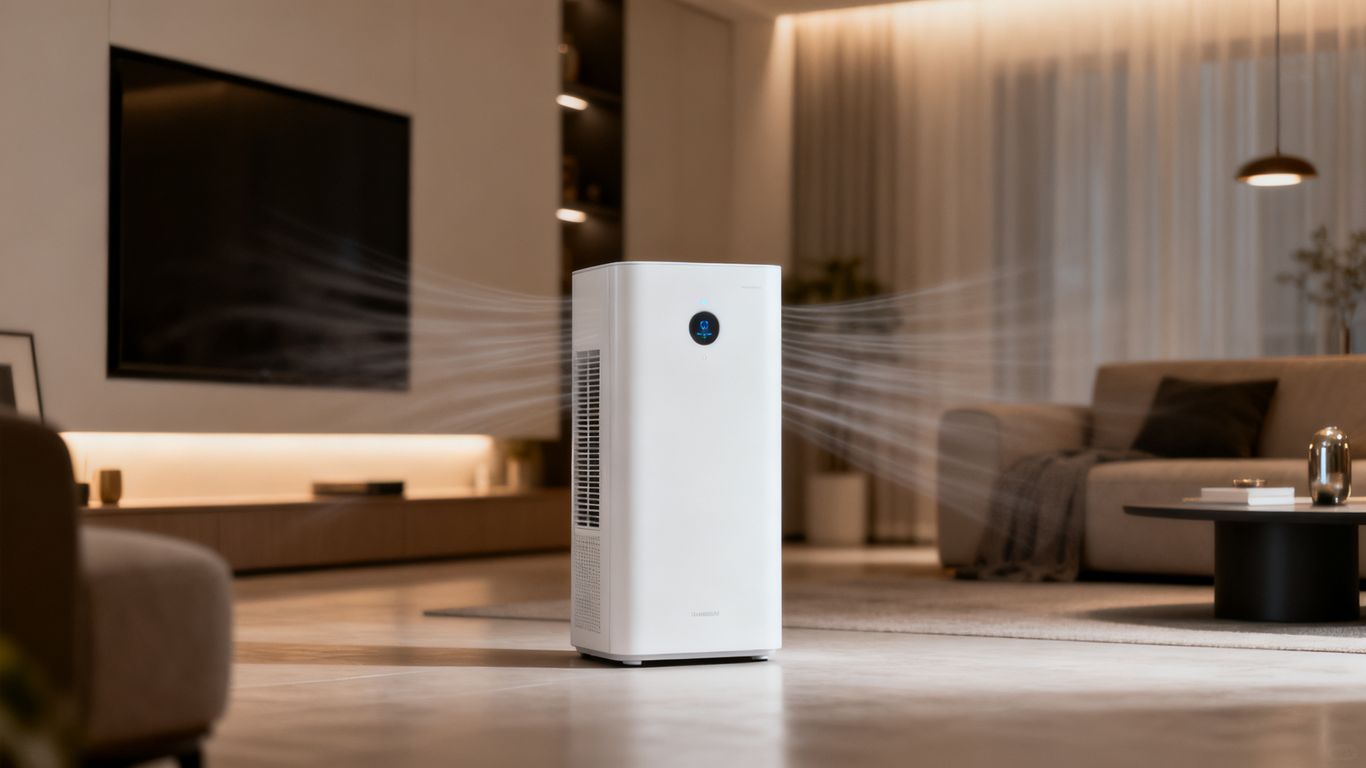
Adding a dedicated piece of equipment is often the most practical way to regain control over your environment. Appliances like the DualCore 20 are specifically engineered for tropical climates, providing a reliable way to manage both moisture and air cleanliness. Choosing the right unit is about ensuring it matches your specific climate challenges.
For most residents, the decision to install a system involves several practical considerations:
- The necessity of continuous moisture extraction for property protection.
- The desire to remove musty odors without using strong chemicals.
- The need for automatic shut-off features for energy savings.
- Integration of air purification for cleaner breathing conditions.
By prioritizing these factors, you can find a solution that fits your home perfectly.
Protecting personal electronics and furniture from moisture damage
High humidity damages everything from your computer hardware to leather furniture upholstery. Moisture causes internal corrosion in electronics and mold growth on organic textile fibers. Investing in quality equipment prevents these costly repairs and replacements.
Improving the efficiency and workload of your cooling system
Your air conditioner works harder when the air is thick with humidity. By lowering the moisture content, you allow the AC to cool the room without struggling against excess water vapor. This leads to a more balanced load and may extend the life of your comfort systems.
Enhancing general indoor air quality throughout the home
Air quality is synonymous with your health and comfort. A unit that targets both humidity and airborne particulates provides a more comprehensive approach than simple ventilation. When you choose the right unit, you address moisture while simultaneously clearing dust and mold spores from the air you breathe.
Providing comfort during muggy or humid summer months
Sometimes, the simplest reason is the most important: comfort. Nobody wants to sit in their home feeling clammy and sticky. A solid dehumidifier removes the excess dampness, making the ambient temperature much more bearable.
Selecting the right equipment for your specific needs
Selecting equipment involves matching the capacity and the technology to your square footage. Not every room requires the same level of intervention, so it’s useful to look at the layout of your home first. Think carefully about where you will place your machine and how you intend to empty the collection tank.
Understanding pint capacities for different square footage
Capacity refers to how much moisture a unit can pull from the air in a 24-hour period. Larger spaces require higher capacities to remain effective, while smaller bedrooms or walk-in closets can work with more compact models. Always verify square footage recommendations provided by the manufacturer.
Differentiating between desiccant and compressor dehumidifiers
Compressor units work similarly to refrigerators, using cold coils to condense water. Desiccant units use drying materials to absorb moisture, which can be more effective at lower indoor temperatures. Aerofy builds their models with technologies suitable for warm and humid conditions, emphasizing operational efficiency.
Evaluating noise levels for bedroom or living area placement
If you plan to run your machine in a bedroom, noise becomes a vital factor. Look for units that offer a ‘quiet’ mode or low-decibel settings during operation. Consistency is key, so consider how it fits into your daily routine and sleeping habits.
Comparing continuous drainage options and manual water tanks
Most units come with a removable tank that requires regular emptying. If you find this inconvenient, continuous drainage setups allow for a hose to feed directly into a floor drain. This feature is particularly useful for basement areas or high-humidity living rooms where the tank would otherwise fill very quickly.
Calculating energy consumption and typical operating costs
Long-term energy use is a factor for any appliance running in the background. Look at the power usage specs to calculate how much adding a device will change your monthly bills. Highly efficient units are designed to reach target humidity quickly and cycle off to save electricity.
Conclusion
Regaining control over your home’s moisture level is one of the most effective ways to boost your comfort and preserve your property’s value. By observing physical indicators and choosing an engineered solution like the DualCore 20, you create a space that is healthier and more enjoyable to live in year-round.
Frequently Asked Questions
What are the main signs that humidity is too high?
High humidity often manifests as condensation on windows, a lingering musty odor, visible mold spots, and paint that begins to peel or bubble.
Is keeping the doors and windows open enough to lower humidity?
In many tropical climates, opening windows often brings more moisture inside because the outdoor air is already saturated, making a mechanical solution more effective.
How does a dehumidifier differ from an air conditioner?
While an air conditioner is designed primarily to reduce temperature by moving heat, a dehumidifier focus on extracting excess moisture while often returning the air to the room at a similar temperature.
Can a dehumidifier help with mold growth?
Yes, keeping the air below the threshold required for mold to thrive effectively prevents it from spreading and growing on your walls, fabrics, and furniture.
Where is the best place to put a dehumidifier in a home?
Centrally located units perform best for general airflow, but individuals often place them in rooms with poor ventilation, like basements, laundry areas, or bathrooms.
How often should I clean the dehumidifier filter?
Most manufacturers recommend cleaning the air filter every few weeks to keep the unit running efficiently, though this frequency might increase if you have pets or a lot of dust.
Will a dehumidifier fix my allergies?
By reducing the proliferation of mold, dust mites, and other moisture-seeking allergens, a dehumidifier can significantly reduce the triggers of allergy symptoms for many people.