
Key Takeaways
Understanding moisture control is vital for home health, especially in warm and humid regions. These five points summarize the core aspects of selecting and operating an effective appliance for your space.
- Translating "dehumidifier" requires knowing specific regional characters like "除湿机" for Mainland China and "除濕機" for Taiwan.
- The refrigeration cycle remains the primary method for extracting water vapor from indoor air.
- Proper capacity selection is determined by space size and daily moisture removal rates rather than generic marketing claims.
- Maintaining filters and drainage systems is essential to ensure longevity and prevent microbial growth within the unit.
- Controlling indoor humidity between 30% and 50% effectively discourages mold, mildew, and dust mite infestations.
Translating the term "dehumidifier"
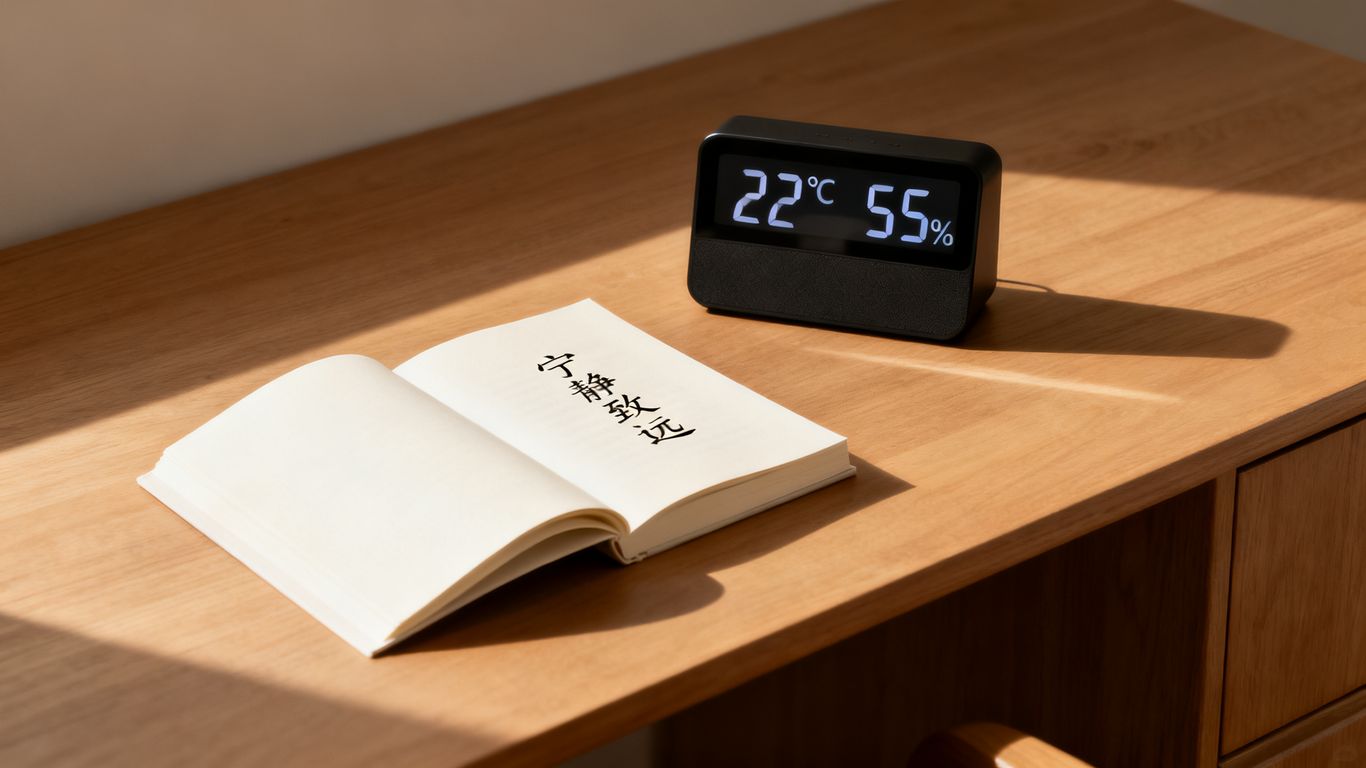
Navigating international terminology often involves understanding significant regional differences in script and phonetics. When searching for the correct device to manage dampness, identifying the term dehumidifier中文 accurately ensures you find models suited to your local power standards and language settings. Whether you are researching technical specifications or reading user manuals, grasping these subtle differences between regions helps clarify your shopping experience.
Common Chinese terminology for dehumidifiers in Taiwan and Hong Kong
In Taiwan and Hong Kong, the traditional Chinese characters are standard, and you will most frequently encounter the term "除濕機" (chúshī jī). This term directly translates to "moisture-removal machine" and is the label used across all major appliance retailers and marketplaces in these areas. Understanding this regional terminology is helpful when you are searching for technical documentation or specific local hardware.
Standard Mandarin terms used in Mainland China
In Mainland China, the simplified character set is used, represented as "除湿机" (chúshī jī). While the pronunciation remains consistent with its traditional counterpart, the written distinction is critical for digital search queries and browsing online platforms like Taobao or JD.com. Using these accepted terms ensures that your search results yield devices that comply with national electrical certification standards.
Nuances between regional dialects and industry jargon
Beyond basic branding, regional variations can sometimes include terms derived from English loanwords or industry-specific jargon related to climate control. Manufacturers often differentiate between portable domestic units and larger industrial-grade systems, sometimes using localized prefixes for specialized functions. Being aware of these slight shifts prevents confusion when comparing global appliance specifications that might otherwise look identical.
How a dehumidifier functions
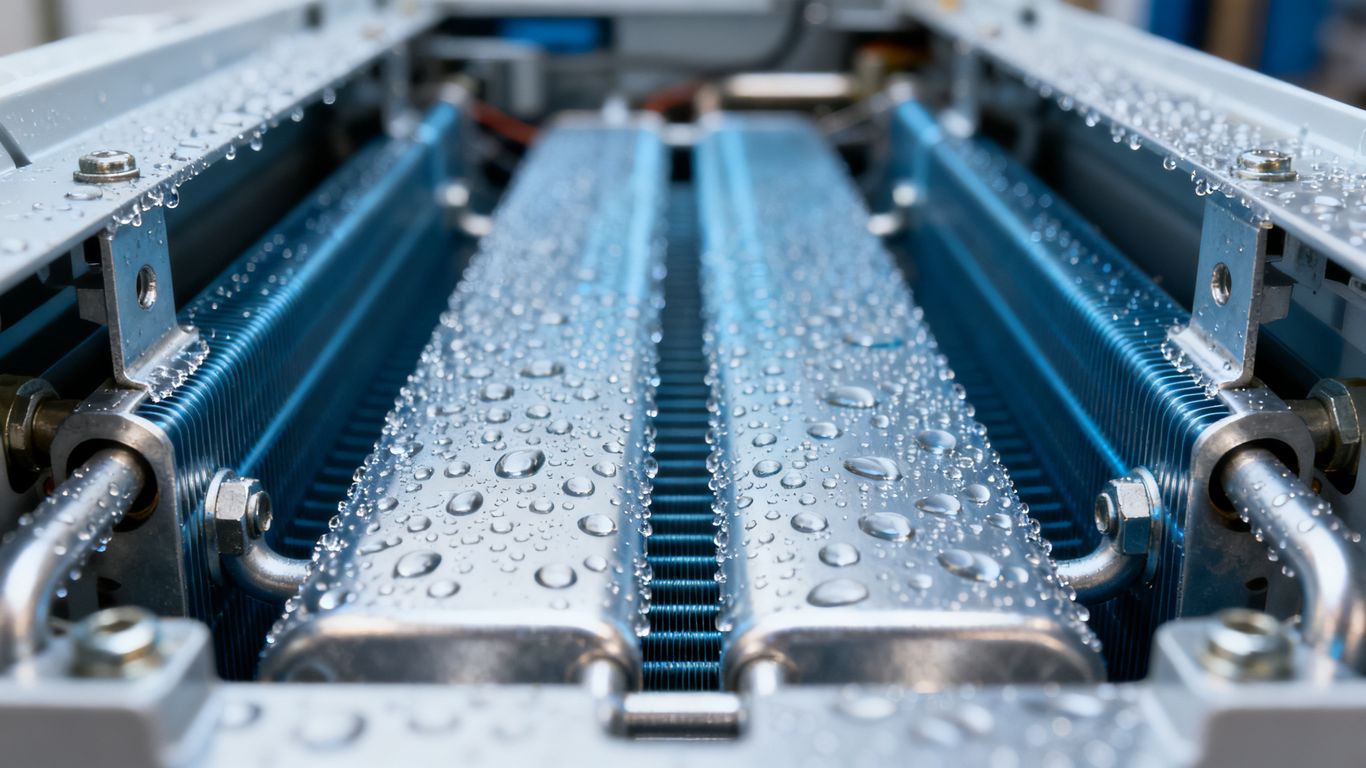
Most modern climate control devices operate by manipulating the physical properties of moist air as it passes over cold surfaces. By cooling the air to its dew point, these machines cause moisture to transition from a gaseous state into liquid droplets that can be effectively managed. The internal engineering of these systems, such as the use of compressors, represents the gold standard for maintaining dry, healthy indoor environments.
The mechanics of the refrigeration cycle
At the start of the process, an internal fan draws warm, humid air into the unit and directs it across a series of refrigerated evaporator coils. These coils are kept at extremely low temperatures, which forces the water vapor within the air to condense rapidly into liquid water. This cyclical action is fundamental to how high-performance climate tools maintain stability in your home.
How refrigerant gas draws moisture from the air
To facilitate this cooling process, the system circulates a chemical refrigerant through a closed-loop circuit involving a compressor and an expansion valve. This refrigerant changes pressure and temperature effectively, allowing the coils to stay cool while the condenser releases heat elsewhere. The following table illustrates the role of key components in this process:
| Component | Function | Status |
|---|---|---|
| Compressor | Pressurizes the gas | Active |
| Evaporator Coils | Cools incoming air | Active |
| Drainage Tank | Holds collected water | Standby |
These components work in tandem throughout the dehumidification cycle to condense moisture from every cubic foot of air passing through the chassis.
Condensation and water collection processes
Once the water has transitioned to a liquid state, it trickles down into a collection bucket or is directed into a permanent drainage hose. This physical collection is the final step in reducing the latent heat and moisture content of your indoor air, a process often explained in technical air management guides.
Practical applications for dehumidifiers
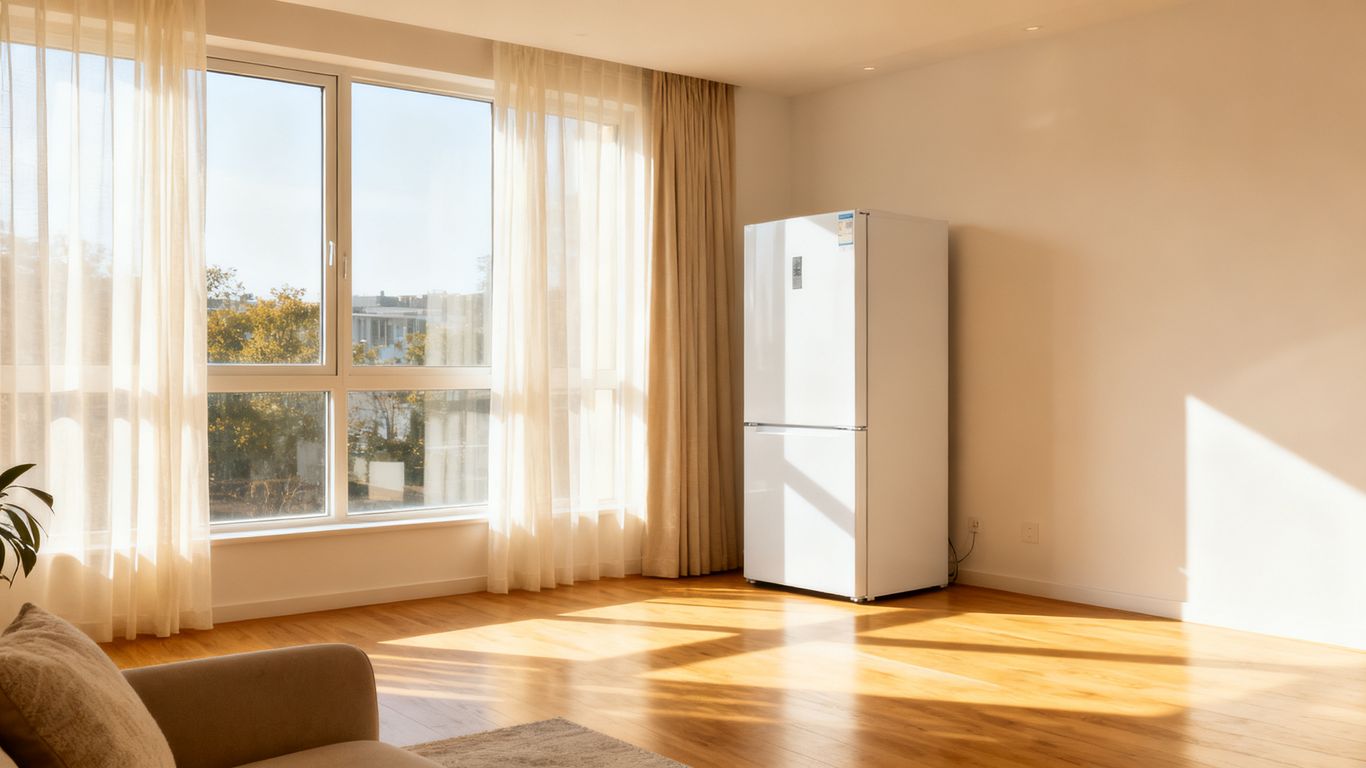
Targeted humidity management is essential for preserving furniture, textiles, and building structures from the damage caused by prolonged exposure to dampness. Using a device designed for moisture control in tropical climates allows homeowners to create a more resilient living environment. By automating the extraction of excess vapor, you decrease the burden on other cooling systems while maintaining comfort.
Reducing humidity to prevent mold growth in homes
Excessive indoor dampness is the primary driver for common household issues such as musty smells, structural rot, and the proliferation of fungi. To combat these risks, consider these proactive steps:
- Perform regular checks on basement walls and corners for signs of condensation.
- Keep your indoor relative humidity steady between 30% and 50%.
- Invest in efficient moisture removal solutions that offer integrated air filtration.
- Use sensors to monitor humidity spikes in closets and storage areas.
Protecting electronics and sensitive materials from moisture damage
High moisture levels can severely degrade the lifespan of consumer electronics and sensitive documents. When indoor air is too humid, internal components are susceptible to corrosion, and paper archives can quickly develop mold, creating the need for a dedicated climate management unit that addresses both humidity and air purity.
Improving indoor air comfort in tropical and humid climates
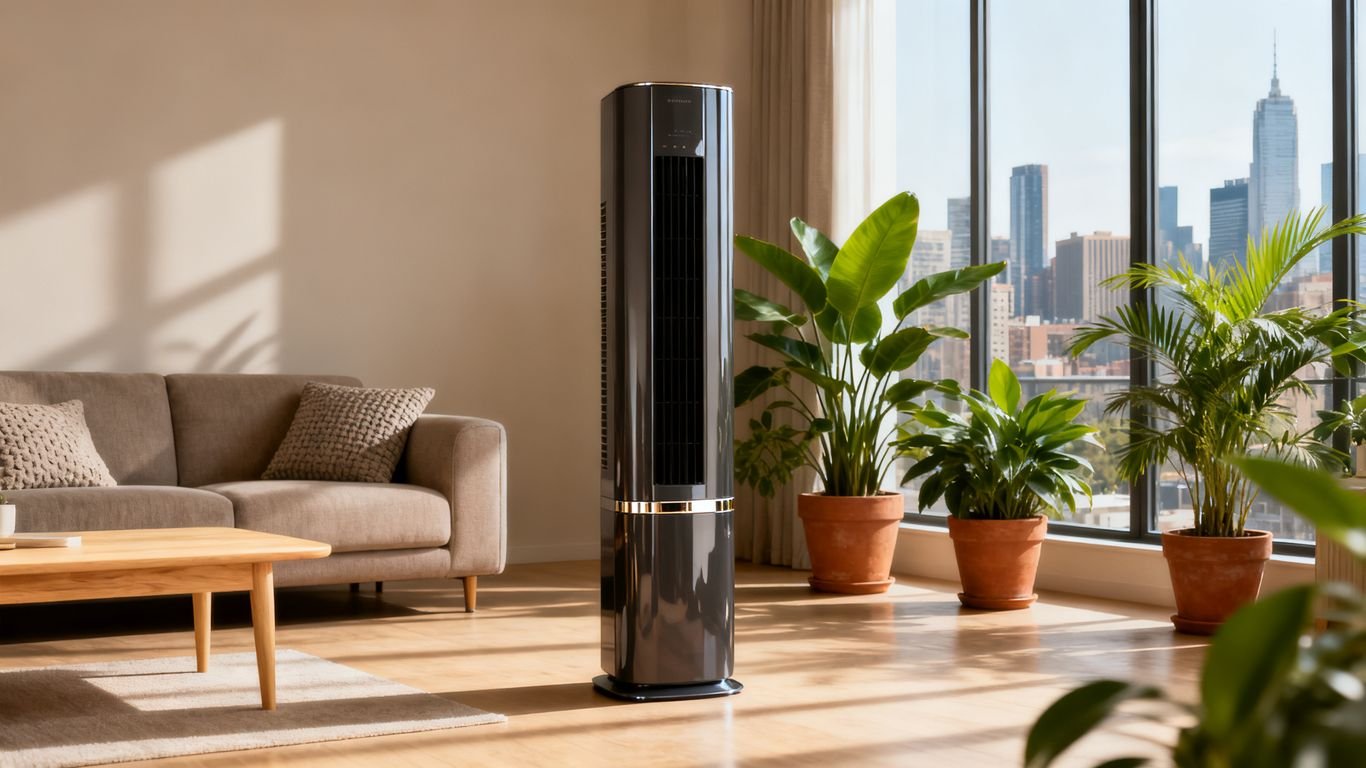
Designing solutions specifically for the tropics requires a combination of high extraction power and efficient air purification for clean breathing. The Aerofy DualCore 20 is purpose-built to address high-humidity environments, utilizing its sophisticated internal engineering to handle both purification and dehumidification seamlessly in one unit. By using a single well-engineered system like this, you can protect your living space from the unique challenges of tropical moisture while maintaining fresh, filtered air for your family.
Key features to consider when buying
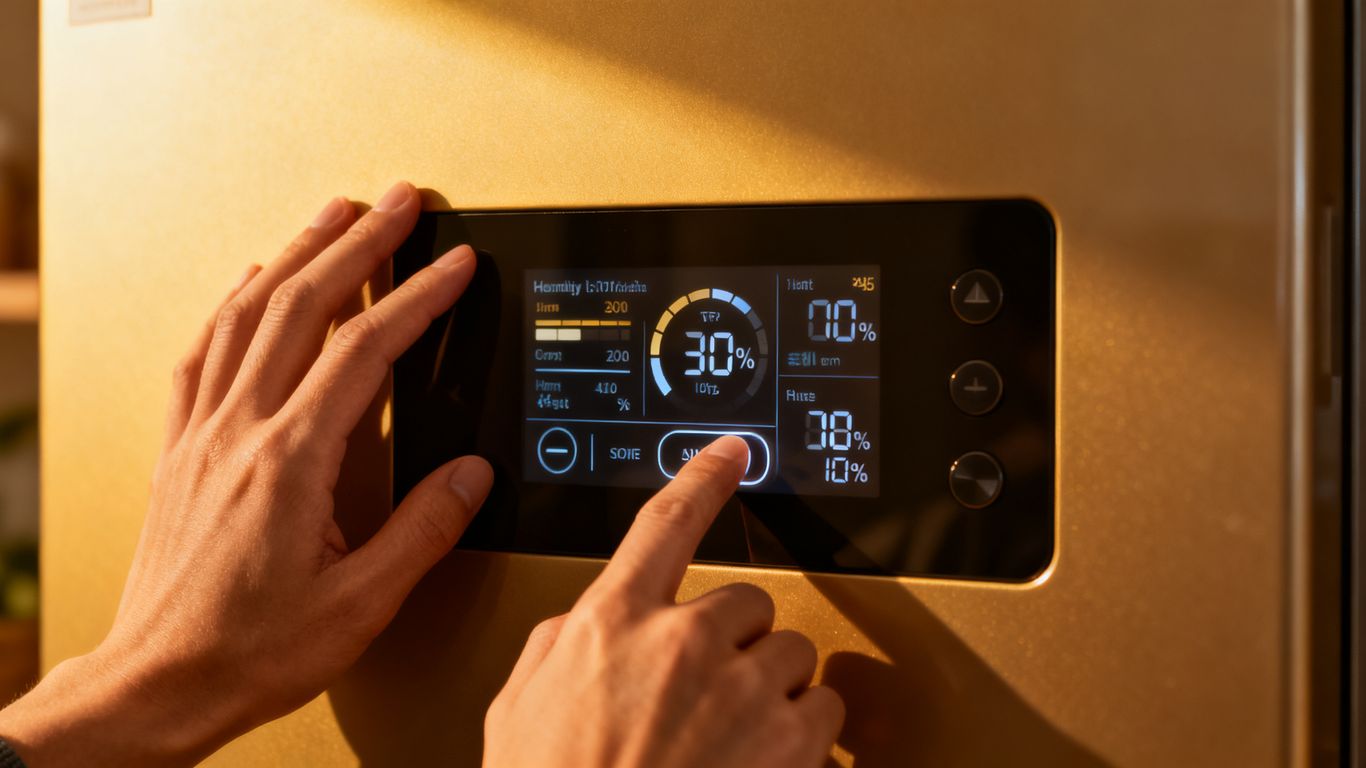
Selecting the right device involves looking closely at performance metrics and the specific technology integrated into the unit. Features such as modern sensors or improved energy efficiency can drastically change how you interact with your device on a daily basis. An Aerofy appliance features advanced rotary compressor technology and high-quality parts that ensure consistent performance, allowing homeowners to rely on their equipment without constant manual adjustments.
Understanding capacity ratings expressed in liters per day
Capacity ratings are typically given in liters per day, indicating how much moisture a unit can remove under specific conditions. It is important to match this number to the actual size of your living area, as purchasing a unit that is too small for a large space will prevent you from reaching your desired comfort levels.
Energy efficiency standards and smart integrated features
Energy ratings are a reliable way to check how well a unit operates under continuous load. Smart features, like those found in modern home appliances, allow you to monitor humidity trends through an app or set schedules that align with your daily routine while keeping power consumption low.
Noise level considerations for bedrooms and living spaces
When a device runs frequently, noise output becomes a major factor, particularly for bedrooms or study areas. Look for models engineered for quieter operation and consider the placement of the unit relative to where you spend most of your time to ensure your climate management doesn’t disrupt your daily rhythm.
Maintenance and safety tips
Keeping your equipment in top condition requires consistent attention to the physical components that handle airflow and water. By following a basic care schedule, you protect your investment and ensure that the indoor atmosphere remains healthy for everyone in the home.
Cleaning and replacing air filters regularly
Air quality depends on the cleanliness of the filters, as dust buildup can impede airflow and force the internal motor to work significantly harder. You should inspect your unit every few weeks to ensure the filters are free of debris, replacing them according to the manufacturer’s suggested schedule to maintain peak performance.
Properly draining the water tank or using continuous drainage hoses
For those who prefer not to empty buckets manually, using a continuous drainage hose is a highly practical workaround. Ensure the hose is positioned downhill so water flows by gravity, preventing backups that could result in leaks or an automatic device shutoff.
Troubleshooting common operating errors and sensor malfunctions
Even reliable machines may occasionally signal an error due to a faulty sensor or an obstruction in the line. Troubleshooting typically involves following the manufacturer’s reset procedure or checking power connections to restore normal functionality.
Routine maintenance cycles are integral to the long-term reliability of any climate-controlled home atmosphere and prevent the accidental damage caused by neglected internal water collection components.
Following these simple care protocols keeps your hardware running smoothly year after year.
Conclusion
By understanding the functionality, terminology, and maintenance needs of dehumidifiers, you can take control of your indoor climate with confidence. Protecting your home from excess moisture not only improves your immediate comfort but also secures your property against the long-term invisible damage of mold and humidity. For those ready to upgrade their living space, buy a professional unit designed specifically for the challenges of your environment.
Frequently Asked Questions
What is the ideal humidity level for a home?
The ideal indoor humidity level typically falls between 30% and 50%. Staying within this range is generally considered optimal for preventing mold growth while maintaining air that feels neither too damp nor too dry.
Can a dehumidifier replace an air conditioner?
While a dehumidifier removes moisture, it is not designed to lower ambient air temperature like an air conditioner. Some air conditioners provide a basic dehumidifying function, but they are not as efficient for targeted moisture removal as a dedicated appliance.
How often should I empty the water tank?
The frequency depends on the humidity levels and the capacity of the tank. In very damp environments, you may need to empty it once a day, while in dryer conditions, the tank might only fill every few days.
Does running a dehumidifier change the room temperature?
Because of the way the compressor and internal motor operate, you may notice a slight increase in air temperature around the exhaust vent. However, reducing humidity often makes a room feel more comfortable, even if the actual temperature remains stable.
Are these devices safe to leave on when I am away?
Most modern units are equipped with automatic shut-off sensors that activate once the tank is full or the target humidity is reached. Always ensure the device is placed on a flat surface in an open area to maintain safe operation when left unattended.
Do I need to use an air purifier as well?
While dehumidifiers extract moisture, air purifiers focus on filtering particulates like dust and pollen. Some modern devices combine both functions into a single unit, providing a dual solution that addresses both ambient humidity and air quality for a cleaner, healthier home atmosphere.
Is continuous drainage better than using the tank?
Continuous drainage is significantly more convenient as it eliminates the need for manual emptying. It is an excellent choice for areas with high moisture accumulation where you want a "set it and forget it" solution for your climate management.