
Key Takeaways
Understanding why your dehumidifier warms the room helps ensure you are using it correctly to maintain indoor comfort. Here are the most important takeaways from this guide:
- Dehumidifiers naturally release heat while extracting moisture from the air.
- Warm exhaust is a standard byproduct of the internal refrigeration cycle.
- Proper airflow and spacing are vital to keep the appliance operating efficiently.
- A unit that feels hot to the touch may simply be working hard during high humidity.
- Recognizing the difference between normal heat generation and a malfunction is crucial for safety.
The science behind dehumidifier airflow
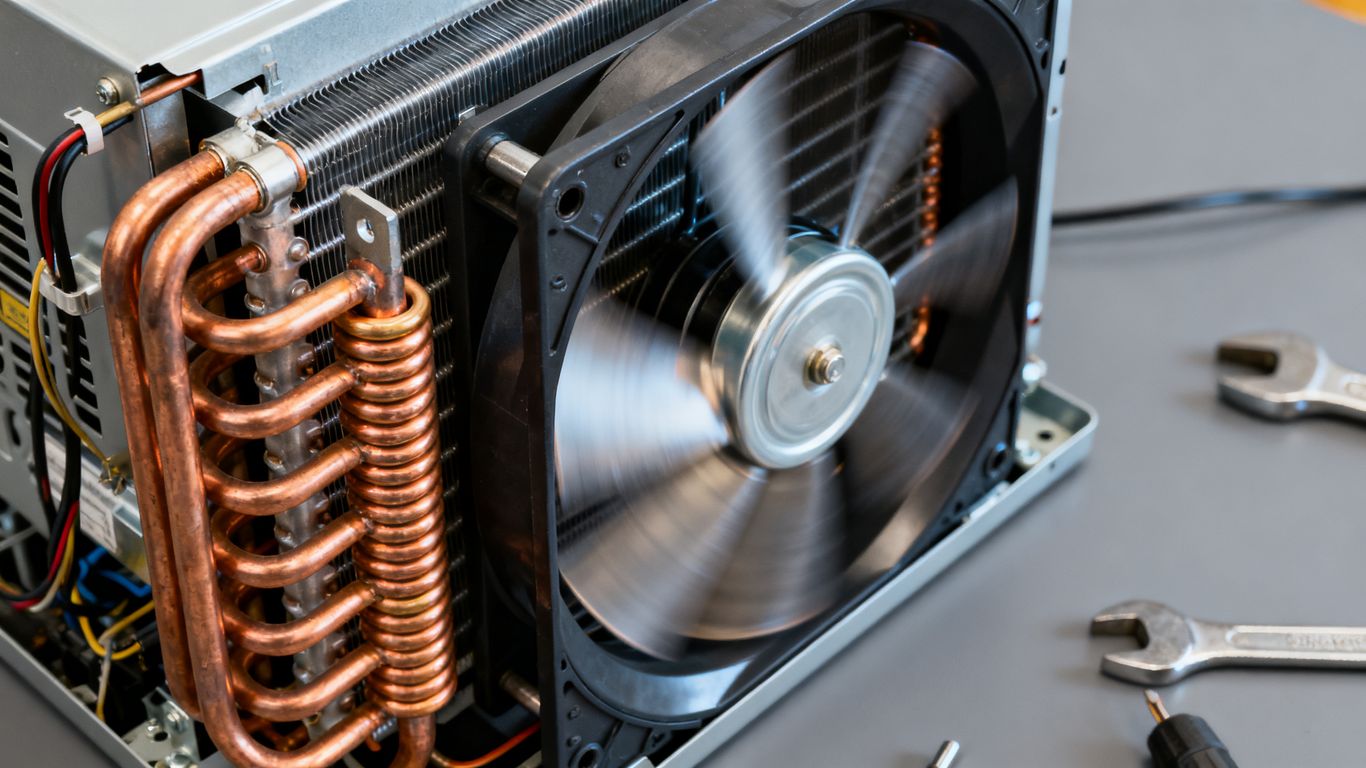
Dehumidifiers are essential tools for managing indoor moisture, but the process of removing water vapor inherently involves thermodynamic transfers that result in heat generation. When you notice your unit exhausting air, you are witnessing the final stage of a carefully calibrated cooling and heating cycle designed to pull water out of the air.
How refrigerant cycles create exhaust
Most high-efficiency appliances rely on a classic refrigeration cycle to manage moisture, similar to the technology found in an the Aerofy DualCore 20. The system draws humid, stale air into a chamber where it passes over cold evaporator coils, causing the moisture to condense into droplets. As this air passes through the unit, the refrigerant absorbs heat, which must then be released to continue the cycle.
The role of the condenser coil
Once the moisture is removed, the remaining air has been chilled, but it cannot be released back into your living space at such a low temperature. To restore balance, the air must pass over the condenser coils. These hot coils transfer the energy captured during the cooling process back into the outgoing air stream, effectively reheating it to a comfortable temperature before it leaves the unit.
Heat energy dissipation in compressor-based models
The air being pushed back into the room is naturally warm because of this heat energy transfer. In effective units, heat energy dissipation is a sign that the compressor is performing its job accurately through steady refrigeration cycles. Without this reheating step, room temperatures would plummet, potentially causing moisture to condense immediately on your walls rather than inside your machine.
💡 Real-World Scenario
Imagine you just finished a long, rainy weekend in a tropical climate where it feels like the walls themselves are sweating. You turn on your dehumidifier, and within an hour, the room feels noticeably drier but slightly warmer than before. You might find yourself reaching for a fan or an air conditioner because your initial goal was to get cooler, but remember that the device is actually preventing the much more uncomfortable sensation of sticky, humid air clinging to your skin.
Is it normal for my dehumidifier to output warm air?
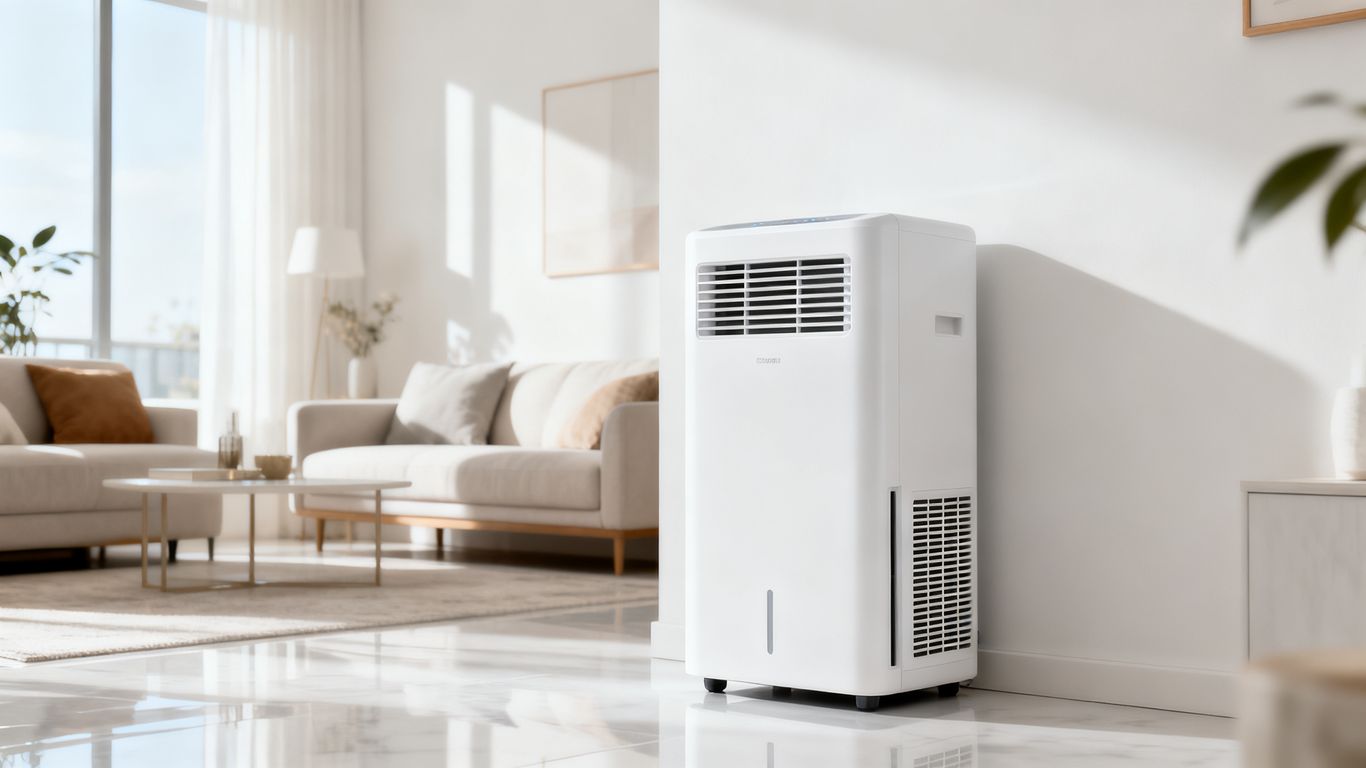
Feeling warmth from your appliance is a common anxiety for many homeowners, but in most situations, it is a perfectly standard occurrence. The appliance is essentially acting as a heat pump; it doesn’t create heat out of nowhere, but rather moves it from one place to another through its internal core components.
Distinguishing between normal operation and malfunction
It is helpful to identify when the warmth is simply part of the standard process versus when there might be a legitimate issue. If your unit is effectively dropping the relative humidity levels, the heat is just a physical manifestation of the extraction process, whereas a burning smell or grinding noise is a sign to stop immediately.
Factors influencing exhaust temperature
Certain environments and settings will cause the dehumidifier to generate more apparent heat than others. We have organized the expected behavior below to help you gauge the operating status:
| Operating Condition | Expected Exhaust Feel | Primary Mechanical Action |
|---|---|---|
| Standard Dehumidification | Moderately Warm | Compressor active, reheating coil active |
| Fan-Only Mode | Room Temperature | Compressor off, internal fan moving air |
| Defrost Mode | Chilly/Cold | Reheating coils inactive for thaw cycle |
By comparing your unit’s current output to these behaviors, you can better understand why it feels the way it does during operation. If the unit remains in the "warm" phase even after the humidity drops, it may be time to adjust your target setpoints.
Why the output air feels significantly warmer than the intake
Because the dehumidifier shrinks the relative humidity of the air, the output stream contains less water, which technically changes the specific heat capacity of that air. This reduction, combined with the heat added back by the condenser, creates a perceptible temperature delta that can be surprising to many users who are unaccustomed to the mechanics of moisture control. This is the standard result of thermodynamics—the process required to pull moisture out of the air you breathe.
Common reasons why a unit may feel excessively hot
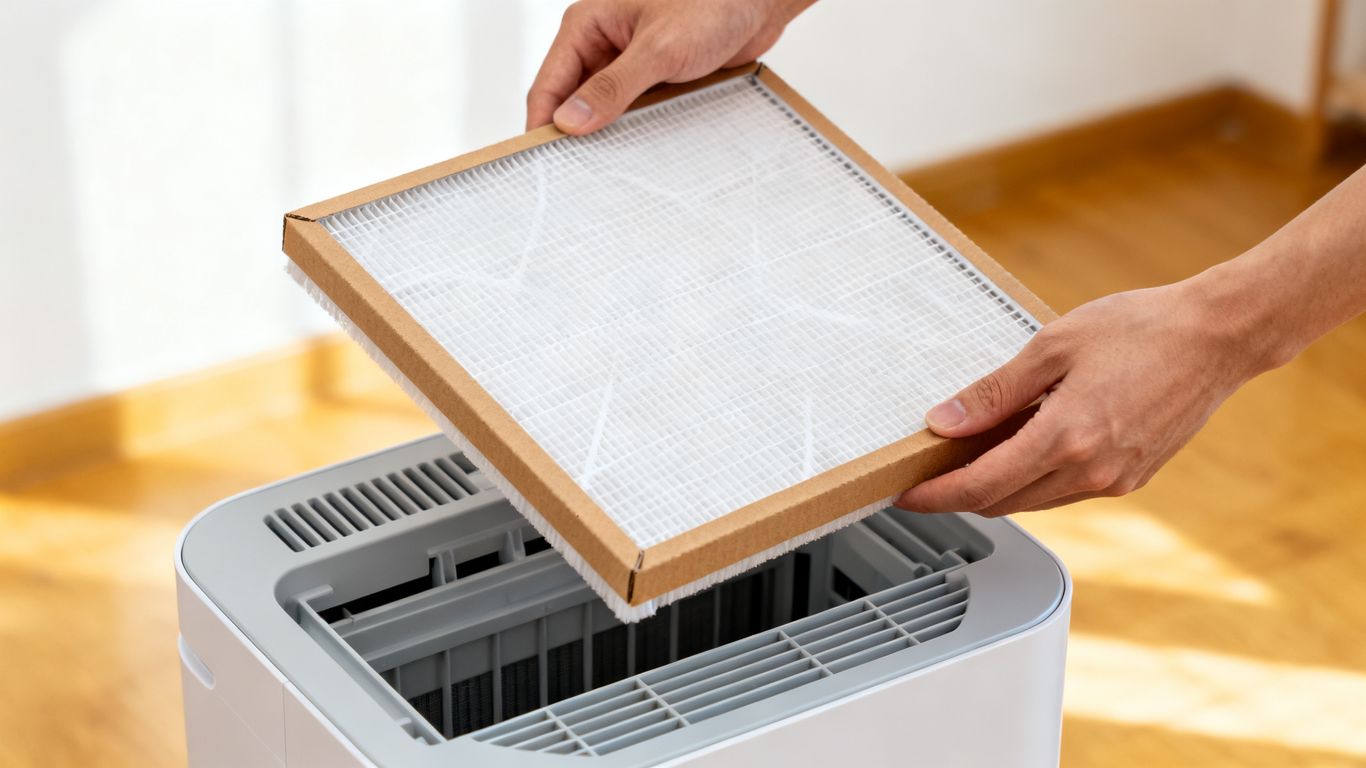
While some heat is normal, an appliance that is burning to the touch or causing the ambient room temperature to spike excessively suggests that the internal airflow or the unit’s workload is being compromised. When a machine struggles to breathe or works past its capacity, its cooling efficiency drops significantly.
Clogged air filters obstructing airflow
One of the most frequent mechanical issues involves restricted intake. When your filter becomes packed with dust and lint, the fan must work much harder to pull air through the system, creating strain that leads to increased friction and heat. To maintain peak performance, consider these maintenance steps:
- Inspect the intake filter every two weeks for debris.
- Vacuum or wash removable filters monthly for maximum air quality.
- Ensure the exit louvers are fully open during operation.
- Keep the surrounding intake area free of curtains or furniture.
Regular care prevents the need to compensate for poor suction by running the unit for longer periods, which ultimately saves electricity and prevents wear on the motor.
Inadequate spacing around the unit
Dehumidifiers require a generous buffer of space, typically twelve to eighteen inches on all sides, to move air efficiently. If the air outlet is pushed against a wall, the exhaust will simply cycle back into the intake, creating a feedback loop of hot air that prevents the unit from ever truly drying the room.
Mechanical strain from continuous, high-humidity operation
When a home is battling high humidity levels for extended periods, the compressor may run without cycle breaks. Using the machine on the highest setting for days on end requires constant power, which generates internal heat. If you need 24-hour operation, ensure the unit is rated for continuous use or move to a more efficient model.
Fan motor issues creating friction heat
If the internal fan motor is worn, bearings may seize or create unnecessary friction, which manifests as heat at the output vent. If you notice a buzzing or mechanical whine along with excessive heat, this indicates that the blower may soon require replacement or lubrication by a qualified technician.
Impact of hot exhaust on room temperature
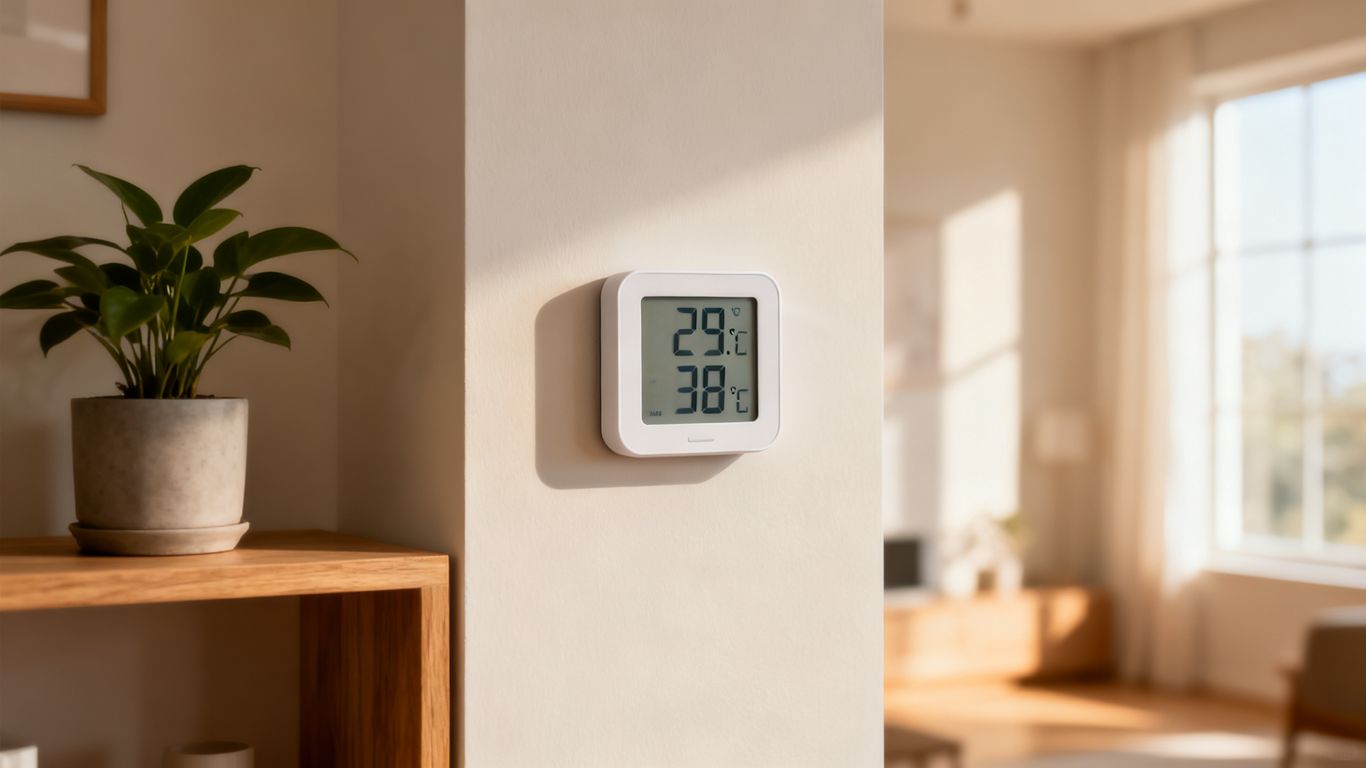
It is a common error to think of these units as cooling devices because they dry the air. In reality, compressor-based units operate in a way that contributes a slight amount of thermal energy to the room. Understanding this is key to managing your home climate correctly.
Misconceptions about dehumidifiers as cooling devices
Many users express frustration when the dehumidifier doesn’t perform like an air conditioner. You should consult experts who utilize the right equipment for specific climate goals, as a dehumidifier is designed to lower dew points rather than ambient air temperature. While the reduction in humidity will improve how you feel, the thermometer in the room will not drop.
Sensible heat versus latent heat removal
Dehumidifiers excel at stripping away moisture, which is known as latent heat, from the air. While they are not cooling machines, the energy they consume is eventually released back into the air as sensible heat. This gain is usually offset by the benefit of drier air, but it is a distinct trade-off in smaller volumes.
How room size affects ambient temperature shifts
In larger spaces with good circulation, the heat generated by a dehumidifier is dispersed rapidly. In small bathrooms or sealed utility closets, however, that captured heat has nowhere to go, causing a noticeable rise in room temperature. > Utilizing external ventilation or leaving the door ajar can significantly help disperse the exhaust warmth while the unit continues to dry the space effectively.
By managing this airflow, you avoid the sensation of being in a sauna while your belongings stay protected from the damp.
Tips for managing exhaust heat in small spaces
In confined areas, thermal management becomes a necessity. Using your dehumidifier wisely can ensure it stays cool while keeping your environment dry and comfortable.
Optimizing placement for better thermal management
Positioning matters more than anything else for exhaust heat management. By aiming the output vent toward an open space or a drafty corner, you ensure the warm air diffuses before it affects your immediate area or the unit’s own intake sensors.
Using dehumidifiers in conjunction with air conditioners
If you find the heat becomes unbearable, it is standard practice to run the dehumidifier alongside an air conditioner set at a moderate temperature. The air conditioner will handle the ambient heat while the dehumidifier manages the moisture load, providing the best of both worlds for your comfort.
Maintenance schedules to keep operating temperatures optimal
Keep a strict schedule for cleaning coils and fans. When components are clean, they heat up less and operate more efficiently, requiring fewer cycles to reach your target humidity. A happy machine is a cool machine.
When to seek professional repairs
Sometimes, your best efforts at home maintenance simply aren’t enough to curb the heat. Knowing when the situation has moved beyond DIY care is critical for your electronics and property safety.
Identifying signs of severe overheating or burning smells
If the housing starts to smell like burning plastic or if you see smoke, unplug the unit immediately. These are signs of electrical failure or short-circuiting that cannot be diagnosed or fixed by an owner at home.
When to check for internal refrigerant leaks
If the compressor is running but the air is not becoming drier, you may have a system leak. Refrigerant leaks prevent the phase change required to condense water, meaning the machine runs without achieving its goal, which puts severe strain on the pump without any dryness benefit.
Evaluating the unit’s age and cost-effectiveness of repair
Older units may be reaching their end-of-life status. If the repair cost exceeds half the value of a replacement appliance, it is generally wiser to invest in a new model that utilizes modern, energy-efficient engineering suited for your specific area.
Conclusion
Managing a dehumidifier means balancing the benefit of moisture removal with the physical reality of heat exhaust. By keeping your filters clean, ensuring adequate spacing and ventilation, and recognizing that your machine is working to change the state of the room air, you can maintain a comfortable and dry home environment without worry.
Frequently Asked Questions
Can a dehumidifier replace an air conditioner?
No, they serve different functions, and a dehumidifier does not have the capacity to actively remove heat from a room like an air conditioner does.
Is it normal for my unit to run continuously?
It depends on the humidity levels, but if the unit is set to continuous run, it will not stop cycling unless manually turned off or set to a specific threshold.
Does higher room heat mean the dehumidifier is failing?
Not necessarily, as it is a natural byproduct of the compressor and motor working, but it can be exaggerated by a small room size or blocked airflow.
How much space should I leave around the unit?
Aim for at least twelve to eighteen inches of clearance on all sides to prevent the exhaust from cycling back into the intake.
Why does the dehumidifier release cold air sometimes?
This usually occurs during a defrost cycle, where the unit stops the compressor to warm the coils and prevent frost buildup from damaging the interior.
Should I turn on the dehumidifier if the room is hot?
Yes, because reducing humidity makes higher temperatures feel more tolerable, but ensure your room has proper cross-ventilation.
Can my unit get too hot to touch?
The surface should feel warm, but never uncomfortably hot to the touch; if the casing is too hot, it is likely an issue with poor circulation or a failing motor.