Key Takeaways
- Understanding the specific environmental needs of your home helps determine if moisture needs to be added or removed.
- A humidifier introduces vapor to combat dryness, while a dehumidifier extracts water to manage high-humidity levels.
- Maintaining indoor relative humidity between 30% and 50% is essential for respiratory health and structural integrity.
- Regional climate plays a significant role in which atmospheric control device provides the most value for your lifestyle.
- Regular maintenance of filters and water containers ensures that any air control system operates at peak capacity.
Fundamental differences between a humidifier and a dehumidifier
Balancing indoor environments involves understanding how atmospheric moisture affects our living space. Managing the air requires selecting the right equipment for the specific season and geography. Deciding between a humidifier and a dehumidifier often depends on whether you are fighting excessive dryness or managing constant dampness.
Primary functions and operation mechanisms
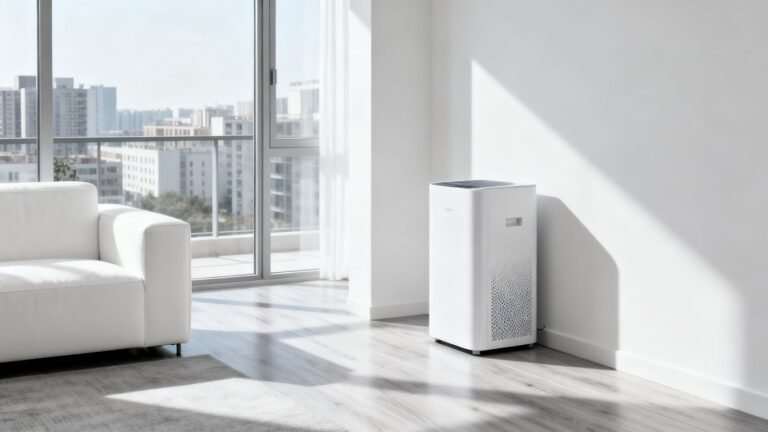
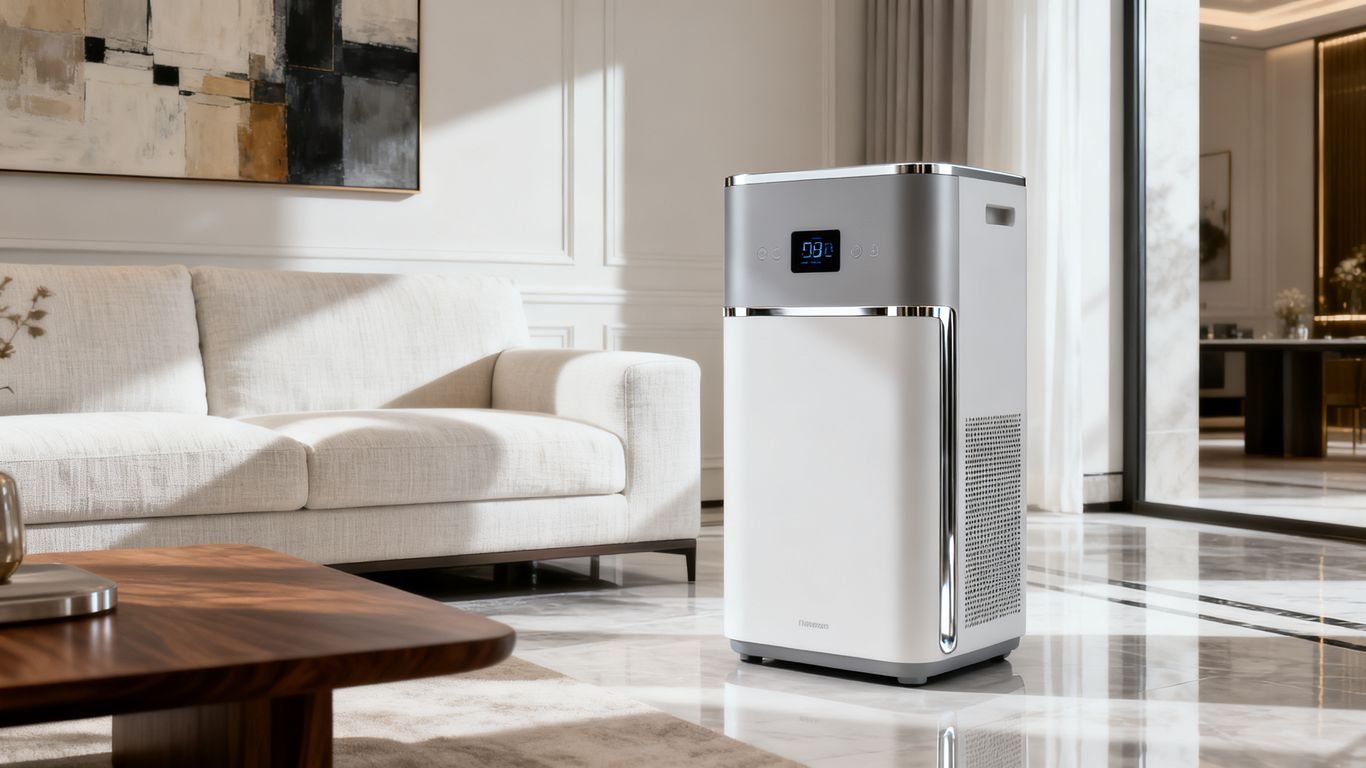
Humidifiers are designed to release water vapor into the air to increase moisture levels, which helps protect the skin and airways during arid periods. Conversely, units like the DualCore 20 serve the opposite purpose by extracting excess humidity through condensation cycles. These dehumidifier systems pass warm, damp air over refrigerated coils, similar to those found in air conditioning units, to strip away liquid and collect it in a dedicated basin.
Ideal indoor humidity levels for residential environments
Most health organizations and building experts agree that a standard relative humidity range, typically between 30% and 50%, is optimal for residential stability. When levels stray from this margin, homeowners often encounter issues ranging from respiratory distress to physical degradation of property. Maintaining this balance is a core goal for anyone prioritizing long-term comfort and property longevity.
The impact of local climate on device selection
Different geographical regions dictate the primary challenges you will face with air quality management. For those residing in tropical climates like Singapore, high ambient humidity is a constant factor that requires robust moisture management. Relying on devices engineered specifically for such environments is safer than using generic options.
Signs you need a humidifier in your home
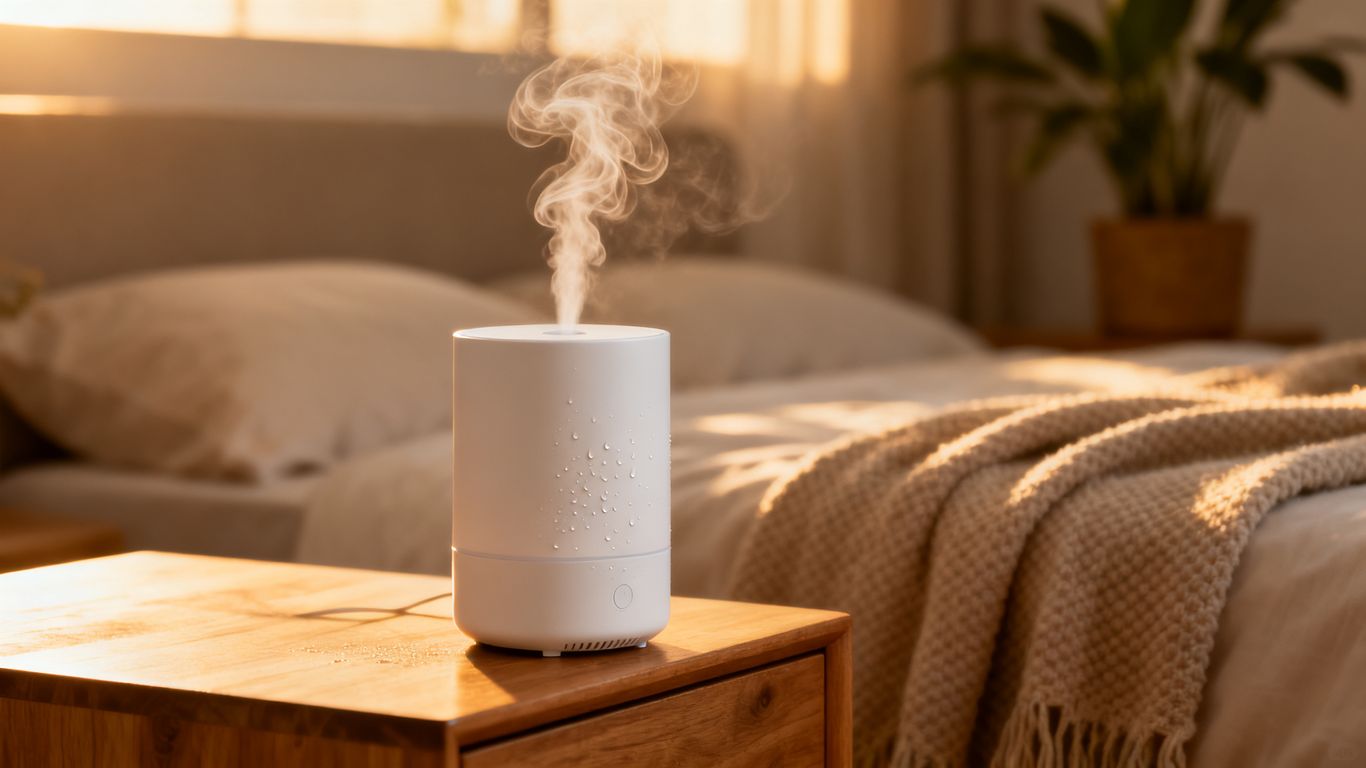
Detecting the need for supplemental moisture is usually tied to physical discomfort or material changes in your environment. These signals often arrive as temperatures drop or when heating systems start working overtime, drying out the indoor air aggressively. Ignoring these signs can lead to lingering issues with static, skin condition, and wooden fixture durability.
Physical symptoms of dry air during winter months
When ambient humidity plummets, your body is often the first to register the change. Typical indicators include persistently dry skin, chapped lips, and irritation of the nasal passages that can lead to nosebleeds. These symptoms suggest that the air lacks the necessary water content to keep mucous membranes hydrated and functional.
Protecting hardwood floors and antique wooden furniture
Wood is an organic, hygroscopic material that reacts to changes in environmental moisture. When indoor air is too dry, timber can shrink, crack, or separate at the joints, threatening the integrity of your flooring and valued heirlooms. Consider these preservation steps to keep hardwood lasting longer:
- Seal gaps around windows to minimize drafts that bring in dry air from outside.
- Use a dedicated humidifier to keep RH levels steady at 40%.
- Monitor antique pieces periodically for signs of separation or fiber damage.
- Apply appropriate furniture polish after the dry season subsides.
Consistency in moisture levels prevents long-term warping, ensuring that your home’s structural and aesthetic elements remain intact for future decades.
Impact on the health of houseplants and indoor greenery
Many indoor plants thrive in tropical-like conditions and suffer when forced into arid environments. If your ferns or palms exhibit brown, crunchy tips, it is a clear call for increased humidity. Providing a consistent moisture environment through proper air management helps maintain the vibrant foliage and health of your indoor greenery.
Recognizing when your space requires a dehumidifier
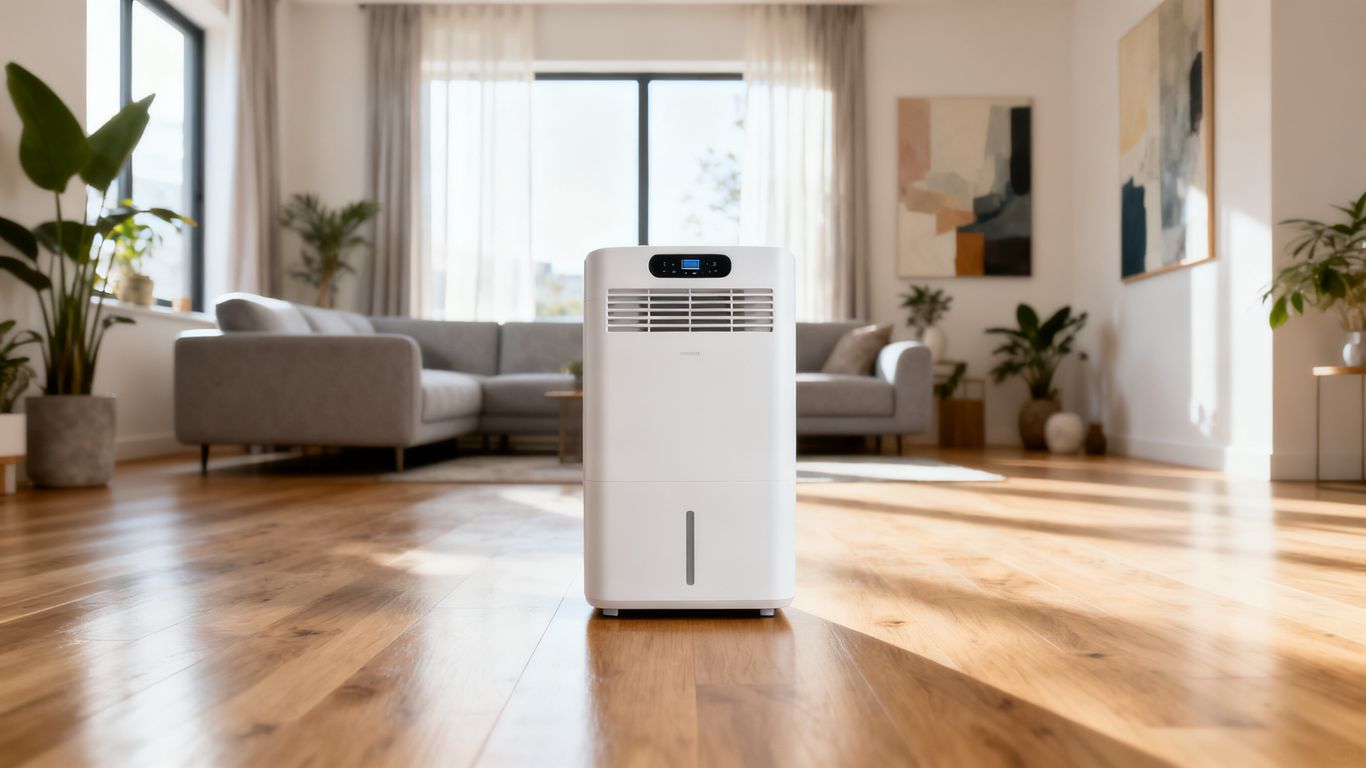
In humid regions where sticky air and clinging dampness dominate, a dehumidifier becomes an essential appliance. These systems remove the heavy vapor that causes discomfort and damage, making them vital for preventing the issues common in our specifically humid atmosphere.
Identifying moisture-related structural damage and mold growth
High humidity provides the perfect growing conditions for mold, mildew, and other biological contaminants. If you notice discoloration on walls, peeling paint, or a recurring dampness under carpets, immediate action to lower the moisture content is necessary. Implementing Aerofy engineering ensures that you stop moisture buildup before it leads to full structural failure.
Combatting persistent musty odors in basements and crawl spaces
Persistent odors often stem from stagnation and high microbial activity due to trapped moisture in spaces lacking natural ventilation. The table below outlines how specific humidity conditions correlate with odor profile and equipment needs:
| Humidity Level | Risk Indicator | Recommended Action |
|---|---|---|
| Above 70% | High Mold Risk | Deploy Dehumidifier |
| 50% – 60% | Musty Odor Warning | Ensure Air Circulation |
| 30% – 50% | Ideal Stable Aim | Maintain Current Mode |
Using a powerful dehumidifier to process the air in these stagnant zones is the most effective way to address the source of these smells, rather than just masking the symptoms.
Improving thermal comfort during high-humidity summer seasons
Humidity makes heat feel more oppressive because it prevents sweat from evaporating effectively, keeping the body temperature higher than it should be. By utilizing advanced moisture absorption technologies, you create a living space that feels cooler and more breathable. This simple reduction in moisture creates a significant difference in how you experience the daily tropical climate.
Strategies for using both devices in one household
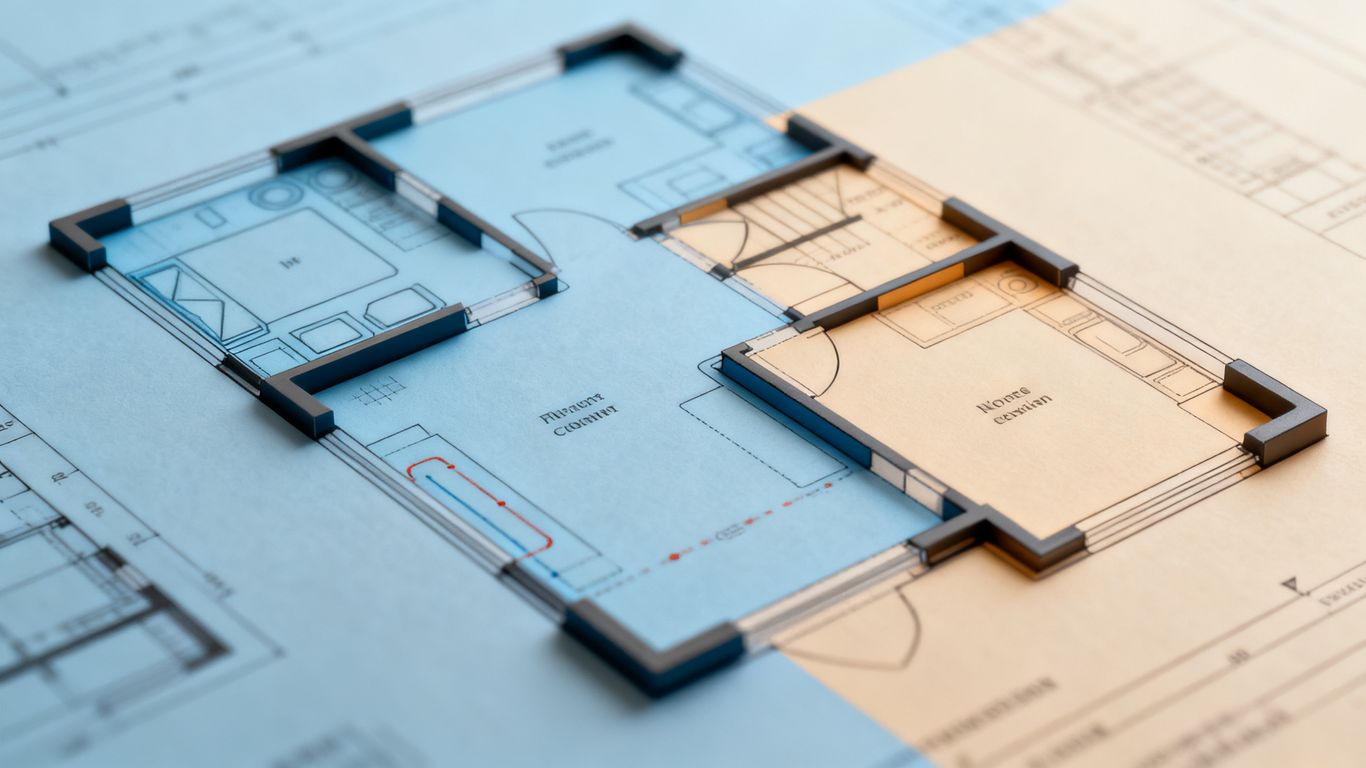
Integrating multiple climate control devices requires smart coordination. While it may seem counterintuitive to use both systems in one building, different rooms or usage times often demand specialized environmental adjustments. Careful management ensures you are not working against yourself when setting up your household climate strategy.
Managing seasonal transitions and humidity fluctuation
As the seasons shift, humidity levels can vary greatly, sometimes requiring a quick transition between your equipment. Keep track of your indoor hygrometer values to know exactly when to swap from the dehumidifier to your winter maintenance system. Efficiency in this transition saves energy and keeps the living environment stable.
Balancing air quality across different zones of a residence
Large homes often feature varied humidity demands due to architecture. A basement might require constant drying, while an upstairs bedroom may need targeted moisture addition during dry spells. You can treat these as separate environmental zones by assigning specific devices to each, ensuring that every corner of your residence remains within the comfort zone.
Avoiding conflict between devices in shared spaces
Never operate a humidifier and a dehumidifier in the same small, enclosed room simultaneously. Their opposing mechanical functions will cause them to run needlessly, driving up electricity usage while confusing the onboard sensors. If two devices must share a floor, ensure they are placed in different rooms or operate on timers that prevent overlapping, so each fulfills its intended role without conflict.
Maintenance requirements for long-term efficiency
Scenario Time: Imagine your unit is making a strange rattling sound, and the floor seems damp despite a full collection tank. This scenario often points toward a clogged drainage hose or an obstructed air intake. Such issues are common, but regularly inspecting your components helps prevent these disruptions from occurring.
Essential cleaning routines for water basins and components
Water basins are breeding grounds for algae and biofilm. Every two weeks, remove the tank, wash it with mild soapy water, and ensure it is air-dried completely before sliding it back into the Aerofy unit. This routine cleaning preserves the unit’s lifespan and keeps the processed air clean.
Filter replacement schedules for various modern models
Modern airflow appliances rely on multi-stage filtration to catch debris. Over time, these filters trap dust, fibers, and potential allergens, which forces the internal fans to work harder and reduces efficiency. Refer to the manual for your specific model to establish a clear replacement schedule—typically every six months for high-usage environments.
Troubleshooting common noise and drainage issues
If you encounter drainage issues, first check for blockages in the hose line. Often, mineral buildup can obstruct the narrow paths through which collected water travels. Regarding noise, check that the unit sits on a level floor and that there are no loose panels vibrating against the frame. Most modern equipment is engineered for quiet, stable operation when parked flat on firm surfaces.
Smart technology and integrated air control systems
Modern air management has moved beyond manual knobs and simple toggles. Today’s smart devices incorporate sensors that detect real-time humidity, allowing them to adjust their output automatically.
Benefits of built-in humidistats and automatic sensors
Built-in humidistats take the guesswork out of maintenance by constantly reading the air. These sensors allow the appliance to cycle on when moisture crosses a threshold and off when it reaches your target range, drastically improving energy efficiency.
Integrating portable units with whole-home HVAC setups
For those who prefer a holistic approach, portable units can supplement existing HVAC systems in problem areas. While whole-home systems handle the bulk, a portable unit can treat a damp home office or a dry library individually as needed. It acts as a surgical tool versus the blanket approach of central heating or cooling.
Utilizing app-based monitoring for real-time adjustments
Smartphone integration allows you to check your home’s status while you are away. Whether adjusting settings from the office or receiving alerts when a tank is full, these digital tools streamline the daily process of monitoring your environment. Keeping control accessible ensures that your home remains in balance every day of the year.
Conclusion
Mastering the interplay of a humidifier and a dehumidifier is a simple but transformative step toward achieving a truly stable home ecosystem. By carefully observing your indoor conditions and applying the right engineering for the job, you can protect your valuables, enhance your physical comfort, and ensure air quality matches the demands of your specific climate. Buy Now to invest in a solution that makes your life easier and your air fresher.
Frequently Asked Questions
How often should I monitor the humidity levels in my home?
It is a good practice to check these levels weekly, especially during seasonal shifts in weather when your home environment is most likely to fluctuate.
Can extreme humidity contribute to health issues?
Yes, high humidity can cause mold and dust mites, which are known to trigger asthma, allergies, and other respiratory conditions.
Does a dehumidifier replace the need for an air conditioner?
Though both remove moisture, an air conditioner is designed for cooling, while a dehumidifier focuses strictly on moisture extraction without significantly changing air temperature.
Should I place a unit near a window or door?
Placement depends on the layout, but generally, units work best in areas with central airflow rather than directly next to doors or windows where outside air alters the readings.
Is it normal for my dehumidifier to create condensation on its coils?
Yes, condensation on the coils is part of the standard dehumidification process, as the unit is pulling cold air over the copper tubing to extract water.
How do I know if the air in my home is too dry?
Look for symptoms such as static electricity shocks, dry skin, cracking wood furniture, or irritated throat and sinus sensations.
Can I run my air purifying devices while the dehumidifier is on?
Yes, running both simultaneously is often encouraged for those looking to manage both particulates and excess moisture in their air, leading to a much healthier overall environment.