Key Takeaways
Understanding how humidity impacts your home environment is essential for maintaining comfort and protecting your living space from damage. These five points summarize the core functions and usage of modern moisture-control technology.
- Dehumidifiers extract excess airborne moisture to prevent health issues like asthma and allergies.
- Tropical climates necessitate units engineered with efficient compressors for high humidity levels.
- Correct appliance placement significantly improves the efficacy of moisture removal in enclosed spaces.
- Regular maintenance of filters and water reservoirs ensures consistent machine performance and longevity.
- Proper humidity management protects your structural assets and belongings from long-term mold and mildew damage.
The science behind dehumidification
Dehumidification relies on basic thermodynamic principles to pull water vapor out of the air. By utilizing a refrigeration circuit similar to your air conditioner, these devices change the dew point of the air passing through them to force condensation. This process provides a reliable way to manage home comfort, especially for residents in Singapore and Southeast Asia who face constant humidity challenges.
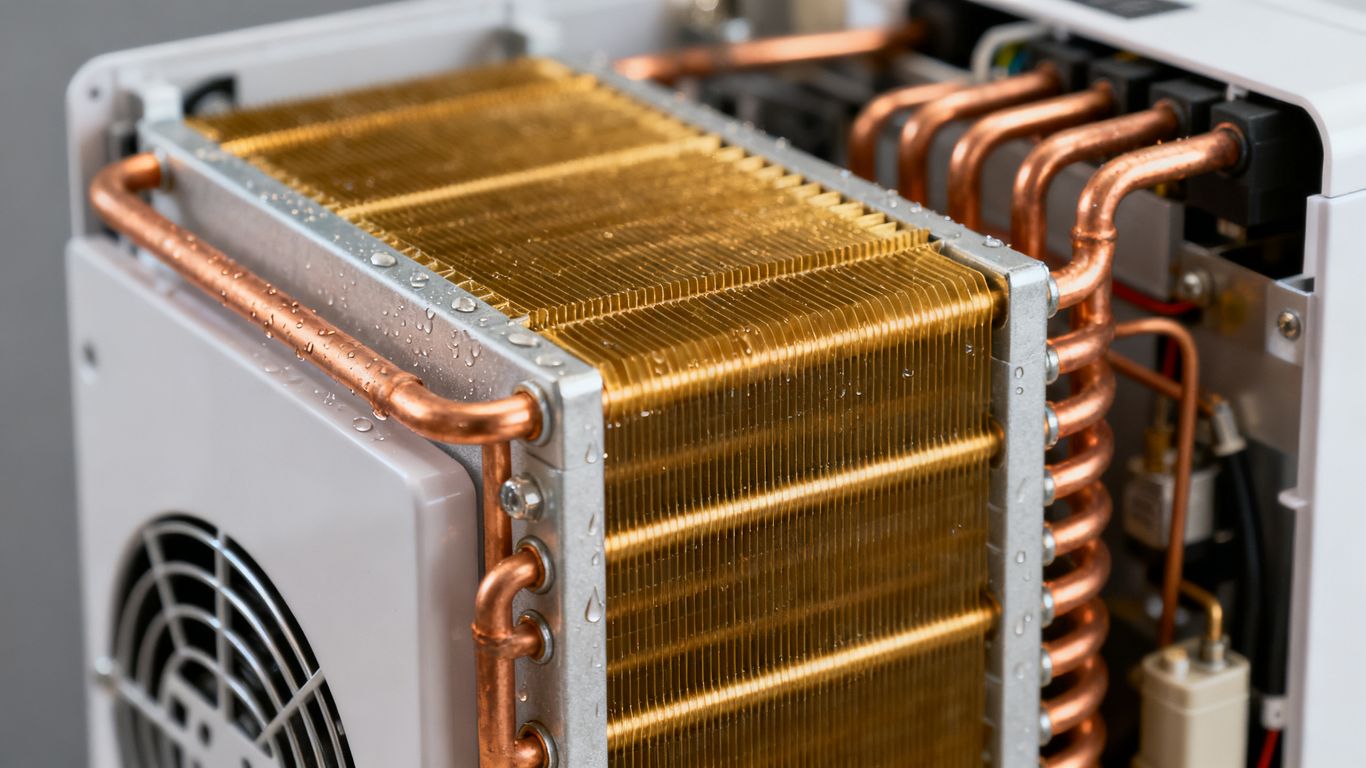
Understanding the refrigeration cycle
At the heart of the system, a compressor circulates refrigerant, typically an efficient R290 gas. This refrigerant absorbs heat as it transitions from a liquid state to a gaseous state within the evaporator coils, dropping the coil temperature significantly below the ambient room temperature. When warm, moist air is pulled across these freezing coils, the temperature of the air drops below its dew point, causing water vapor to lose energy and transform into liquid droplets.
The role of the fan and evaporator coils
The fan serves as the engine, maintaining a consistent flow of air through the internal system. The evaporator coils provide the surface area required for moisture to collect effectively. Once the air releases its water, the remaining air continues over the warm condenser coils. This step slightly reheats the air before it is exhausted back into the room at a lower relative humidity level, a core function shared by the DualCore 20 units designed for steady, daily operation.
How moisture is collected into the tank
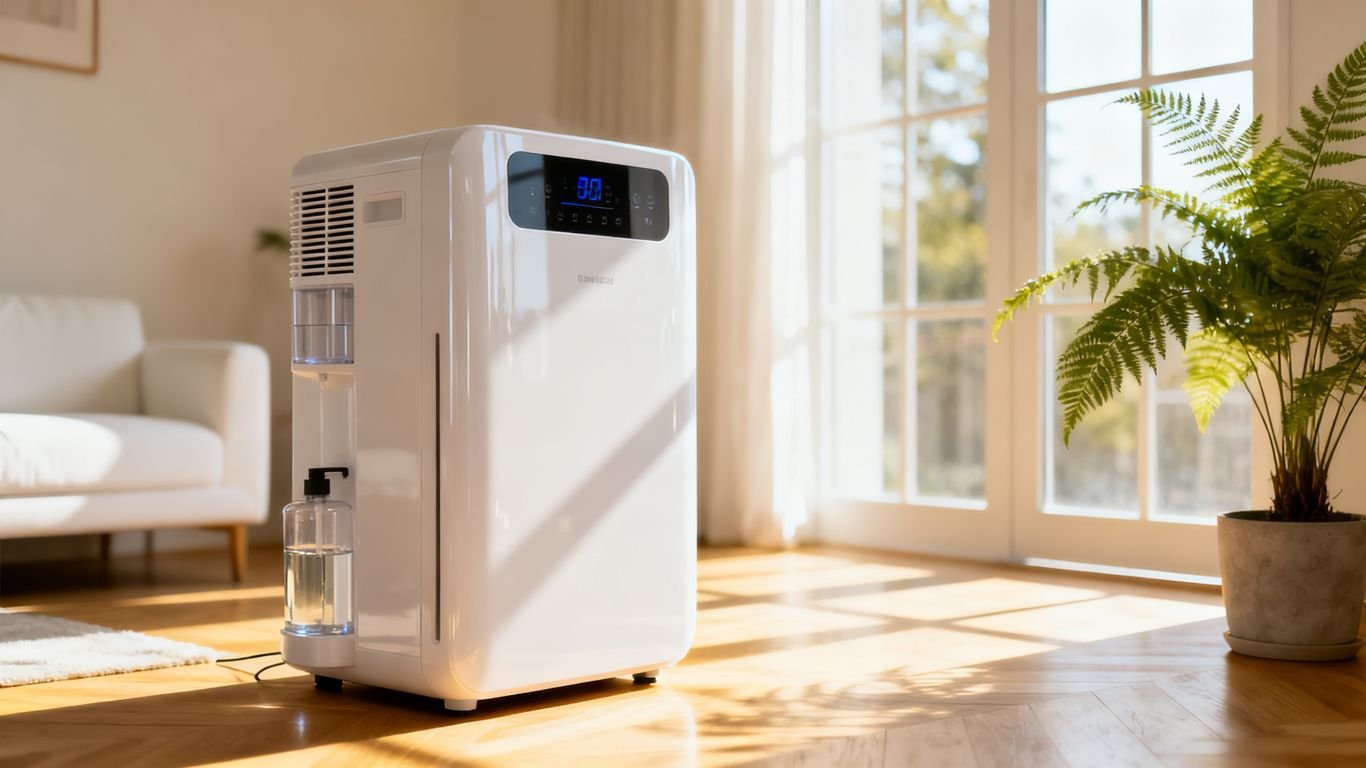
Gravity pulls the condensed liquid droplets into a collection reservoir, an essential part of the design. Once the reservoir reaches its capacity, a float switch triggers an automatic shut-off to prevent overflow. Properly managing the collection tank maintenance ensures that the unit functions safely without disruption to your home’s air quality.
Deciding if you need a dehumidifier
Identifying whether your home requires additional air treatment involves observing subtle environmental shifts. You might notice the air feeling heavy or observe physical changes in your home environment that indicate moisture levels have drifted outside the ideal range. These appliances are vital for those maintaining healthy humidity levels to prevent the long-term degradation of furniture and structural elements.
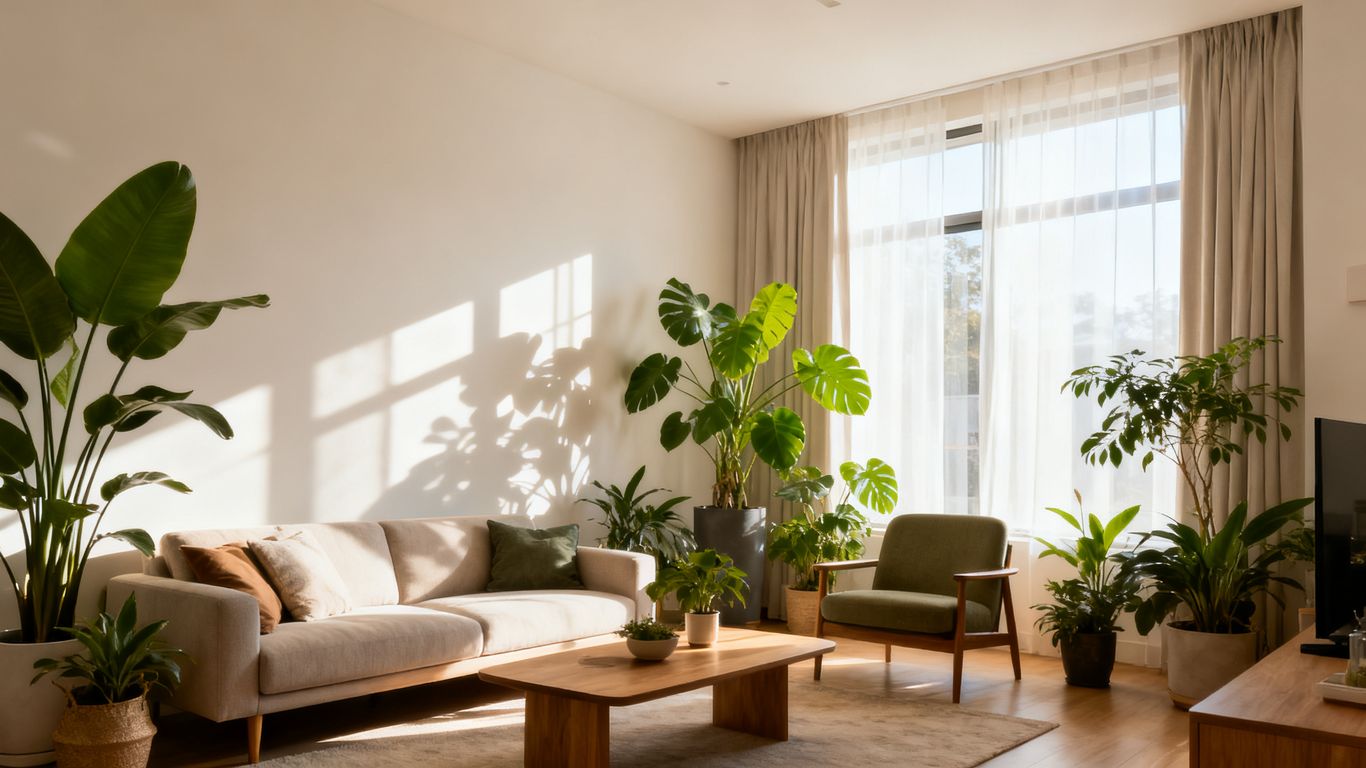
Identifying signs of high indoor humidity
Common indications include a musty odor, persistent condensation on windows, or the presence of salt-like or fuzzy patches on walls. Other signs include clothing that feels damp to the touch in your cupboard and the rapid growth of dust mites. These issues often arise in climates where ambient humidity remains high throughout the year.
Health impacts of excess airborne moisture
Excess moisture can create a breeding ground for microorganisms that trigger respiratory irritations. Chronic exposure to damp indoor air is linked to increased instances of asthma, allergic rhinitis, and general lethargy. Keeping your environment dry is a proactive step for wellness that directly improves your daily indoor air quality.
Preventing mold and mildew growth
Mold spores thrive in high-humidity zones, often infiltrating upholstery, carpets, and drywall if left unchecked. By utilizing the dehumidifying function of modern appliances to keep levels consistently below 60%, you inhibit the conditions necessary for these fungi to establish and propagate throughout your personal space.
Factors affecting dehumidifier performance
Several environmental and technical variables determine how effectively your device extracts moisture over time. Understanding these variables allows you to configure your unit for maximum efficiency whether you are targeting a small study or a large living room. Environmental factors and internal hardware must align to ensure effective moisture control and sustainability in your home.
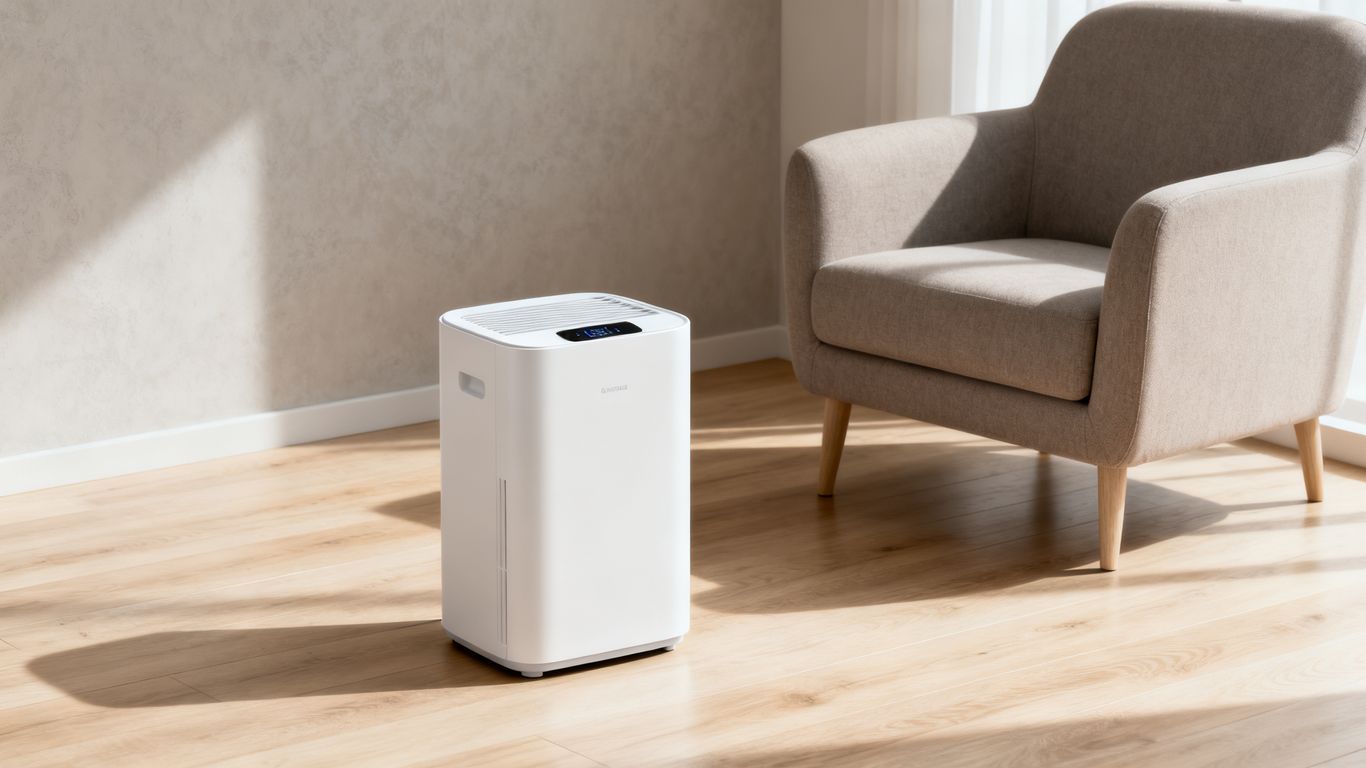
Room size and capacity requirements
Choosing the right capacity involves matching your machine’s pint-removal rate with the square footage of the space. Using a unit too small for your room will result in constant, ineffective operation, while a properly sized unit handles the workload without excessive energy usage.
| Setting Type | Average Sq Ft | Recommended Capacity |
|---|---|---|
| Small Closet | < 150 | 10-20 Pints |
| Medium Room | 200-500 | 25-35 Pints |
| Large Living Area | 500+ | 50+ Pints |
The table above provides a general guideline for choosing your equipment. Selecting the right size ensures that your DualCore 20 device can operate optimally within your space.
Impact of ambient room temperature
Temperature drives the efficiency of the refrigeration cycle. Units perform best in warmer conditions where the delta between the air and the cold coils is most pronounced. In very cool spaces, the internal coils might encounter ice buildup, which necessitates an automatic defrost cycle to keep things running properly.
The effect of airflow obstructions
Your unit requires clear paths at its intake and exhaust vents to function. Follow these guidelines to maintain optimal performance:
- Maintain a clearance of at least 50 centimeters from any wall.
- Keep the unit away from curtains or furniture that could block airflow.
- Position the unit in an area with natural air circulation.
- Avoid placing heavy items on top of the console controls.
Adhering to these simple steps allows your device to manage the volume of air required to pull moisture effectively from the environment.
Where to place your appliance for maximum efficiency
Optimizing your placement is a critical but often overlooked step. By centering the unit, you allow it to draw in the most humid air and recirculate the dry air efficiently throughout the room, reducing the load on the compressor. Smart placement helps achieve consistent indoor climate results, ensuring your air quality remains high.
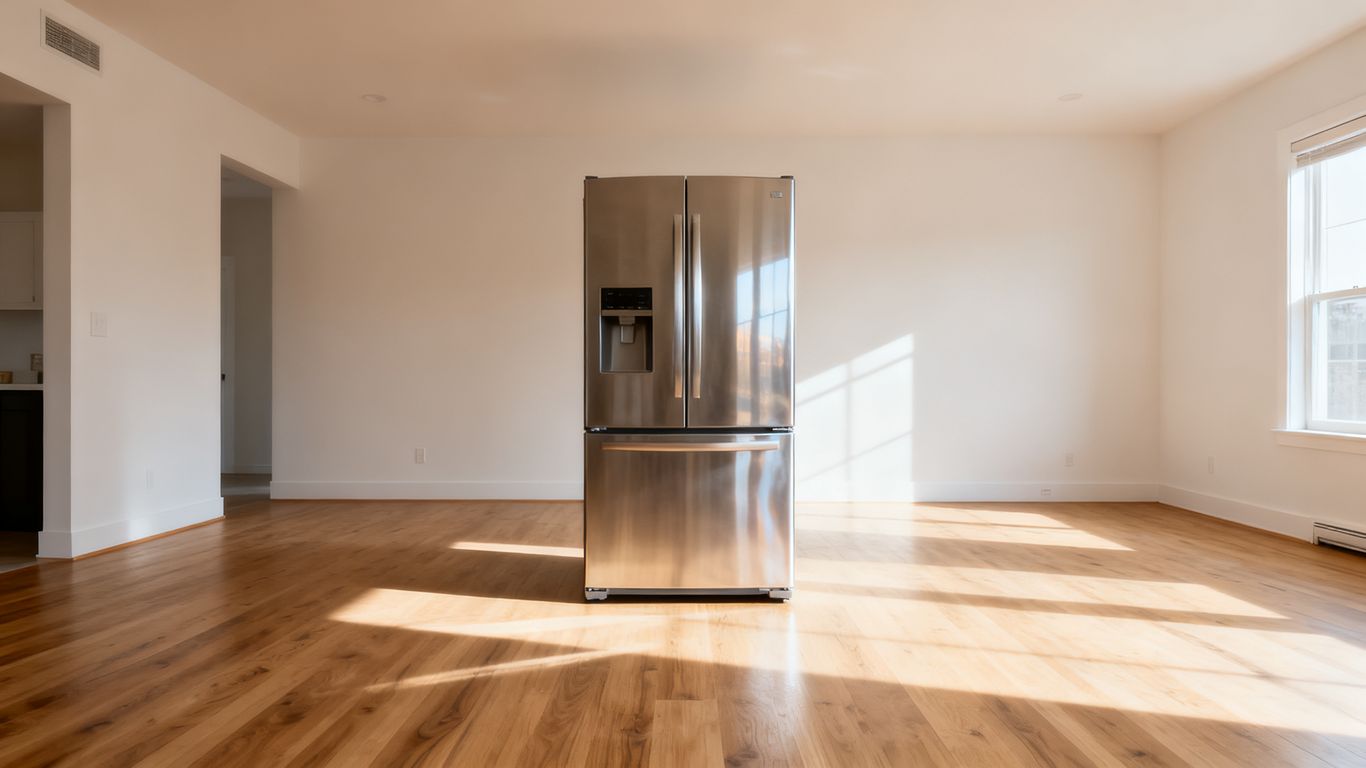
Avoiding corners and enclosed spaces
Placing a unit in a tight corner constricts the airflow, leading to short-cycling where the unit constantly switches off prematurely because the air right in front of the intake is falsely dry. Always aim for an open area where the air intake has 360-degree access to the room’s atmosphere.
Centering the unit in damp zones
If you have a basement or a specific room that is a primary moisture concern, place the unit in the middle of that room. This ensures it pulls air from all sides effectively, rather than working only on a corner of the space while leaving the back areas humid.
Managing distance from furniture and walls
Leaving adequate space around the unit doesn’t just improve efficiency; it also reduces the operational noise by preventing vibration resonance through surrounding objects. Providing breathing room for the unit protects your furniture from direct intake suction and prevents structural overheating.
Maintenance tips for consistent operation
Consistent care is the secret to extending the lifespan of your appliance. Regularly clearing away dust and managing liquid collection helps your unit maintain the engineering effectiveness of your investment.
Cleaning the air filter regularly
Dust accumulation on filters is the leading cause of restricted airflow and cooling inefficiency. Vacuum the filter lightly every fortnight to ensure the unit can breathe. This simple habit keeps your energy costs low and ensures the internal machinery isn’t working harder than necessary.
Checking and draining the water reservoir
Emptying the reservoir before it reaches the automatic cut-off point ensures the unit stays on and active. If your device has a continuous drainage hose option, utilize it for large spaces or areas with high humidity where you cannot check the tank frequently.
Inspecting coils for ice accumulation
Occasionally, during operation, check the cooling coils for any signs of white frost or heavy ice accumulation. If ice appears, it usually indicates the room temperature is too low for the current settings or the filter is too dirty to allow proper air turnover. Address these by cleaning the filter or slightly increasing the room temperature.
When a dehumidifier might not be the answer
While highly effective, there are times when a dehumidifier is not the primary solution to your home’s moisture problems. Recognizing these scenarios saves you the cost and effort of running a device when external structural repairs are the real requirement.
Differentiating between high humidity and leaks
If you find puddles of water under pipes or see active water stains on ceilings, you have a plumbing or roof issue, not an ambient humidity problem. A dehumidifier will fail to keep up with active bulk water entry; seek a contractor to fix leaks before considering air treatment.
Addressing insulation and ventilation issues
Sometimes, high indoor moisture is caused by poor ventilation in areas like bathrooms or kitchens. Ensuring windows or exhaust fans are functioning often handles the humidity spike better than a portable unit. Combine these with your dehumidifier to create a wholistic moisture control strategy.
Limitations in extreme cold environments
In very cold climates, regular refrigerant dehumidifiers can struggle to function due to rapid coil icing. If you live in an environment that regularly hits freezing, you might need a desiccant model, which absorbs moisture chemically rather than through cold-coil condensation.
Conclusion
Maintaining the right balance of moisture in your home is vital for both your immediate comfort and the long-term integrity of your property. By understanding the mechanical principles, choosing the right capacity, and following consistent maintenance schedules, you can easily control your environment and enjoy a cleaner, healthier living space every single day.
Frequently Asked Questions
How often should I empty the water tank?
This depends on your local humidity levels and the capacity of your unit. In very humid conditions, you may need to empty it once or twice daily, while in more moderate conditions, you might only need to check it every few days.
Does running a dehumidifier make a room significantly colder?
It does not directly function like an air conditioner to lower room temperature. However, it can make a room feel slightly cooler by lowering the humidity, which allows the body to cool itself more effectively through sweat evaporation.
Is it safe to leave a dehumidifier running unattended?
Modern units are designed with automatic shut-off features that trigger when the water tank is full, making them safe for unattended operation in most residential settings.
Can I use a dehumidifier in my bedroom while I sleep?
Yes, many people find it helpful to run a unit in their bedroom to improve air quality, provided the noise levels are acceptable for you and the unit is placed in a safe position away from bedding.
How does the energy consumption of a dehumidifier compare to an air conditioner?
Dehumidifiers generally draw less electricity than full-stage air conditioning units because they focus solely on moisture removal rather than lowering the total heat energy of the room to a large degree.
Should I close the windows and doors while using it?
Yes, keeping windows and doors closed will significantly increase the unit’s efficiency by preventing the continuous intake of fresh, moist air from the outside environment.
What is the ideal humidity range for a home?
Most experts recommend keeping indoor relative humidity between 30% and 50% to prevent the growth of mold and dust mites while maintaining a comfortable breathing environment.