Key Takeaways
Installing a wall mounted dehumidifier offers a permanent way to manage indoor moisture without sacrificing valuable floor space. These systems provide consistent atmospheric control, protecting homes and businesses from structural damage and health hazards related to biological growth.
- Improved air quality by preventing mold, mildew, and dust mite infestations.
- Significant space savings compared to bulky, floor-standing refrigerant models.
- Reliable maintenance-free operation through direct-to-drain plumbing and auto-start humidistats.
- Customizable capacity levels matched to specific basement, crawlspace, or living area needs.
- Efficient energy management for long-term residential and light commercial use cases.
Understanding the benefits of a wall mounted dehumidifier
Selecting the right climate control strategy often starts with evaluating the specific moisture sources in your environment. A wall mounted dehumidifier provides a permanent fixture for consistent humidity regulation, moving away from portable units that often clutter high-traffic hallways and utility rooms. This approach is particularly effective in spaces where airflow constraints or limited square footage make conventional appliances impractical.
Space-saving advantages for small rooms
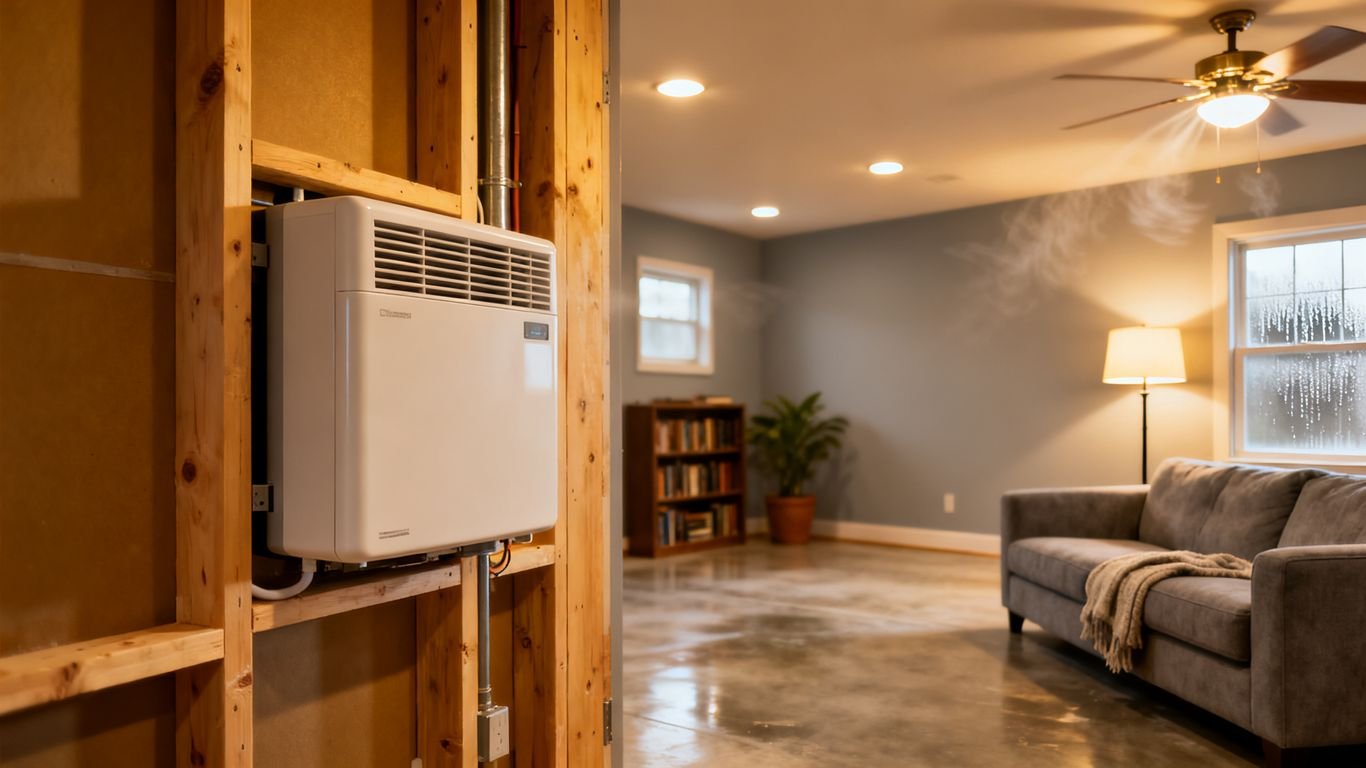
By mounting your moisture control equipment directly to the wall or recessing it between standard studs, you unlock floor space that was previously unusable. These units are engineered for unobtrusive operation, sitting flush with the wall surface in apartments, finished basements, or small home offices. The slim profile ensures that you maintain your room layout while the appliance works silently behind the scenes to keep the atmosphere stable.
Permanent drainage solutions to avoid manual emptying
One of the most significant frustrations with portable equipment is the daily chore of carrying heavy water buckets. A wall mounted unit typically ties directly into your building’s drainage system, allowing gravity or a small integrated pump to move condensate out of the structure automatically. For those who prioritize a set it and forget it approach to maintenance, this integration is a massive upgrade over traditional tanks.
Improved air quality through continuous humidity control
Continuous moisture extraction prevents the buildup of humidity that fuels poor air quality and respiratory sensitivities. By keeping the intake and output air cycles running at consistent intervals, these units support a healthier environment that limits the proliferation of airborne spores. Unlike generic solutions, a specialized unit like the Aerofy DualCore 20, designed for tropical climates, manages air purification in tandem with humidity to ensure comfort.
Reduced risk of mold and structural damage
Excess dampness compromises the integrity of walls, support beams, and flooring over time. A permanent system mitigates this by maintaining a set humidity baseline 24/7, halting the cycle of condensation development on cold surfaces. Addressing moisture early is essential for property longevity and keeps your investment in top condition.
- Essential tool for preventing structural wood rot.
- Suppresses the growth of hazardous surface mold.
- Protects expensive cabinetry and interior finishes.
- Maintains stable ambient conditions for sensitive materials.
Key features to look for before you buy
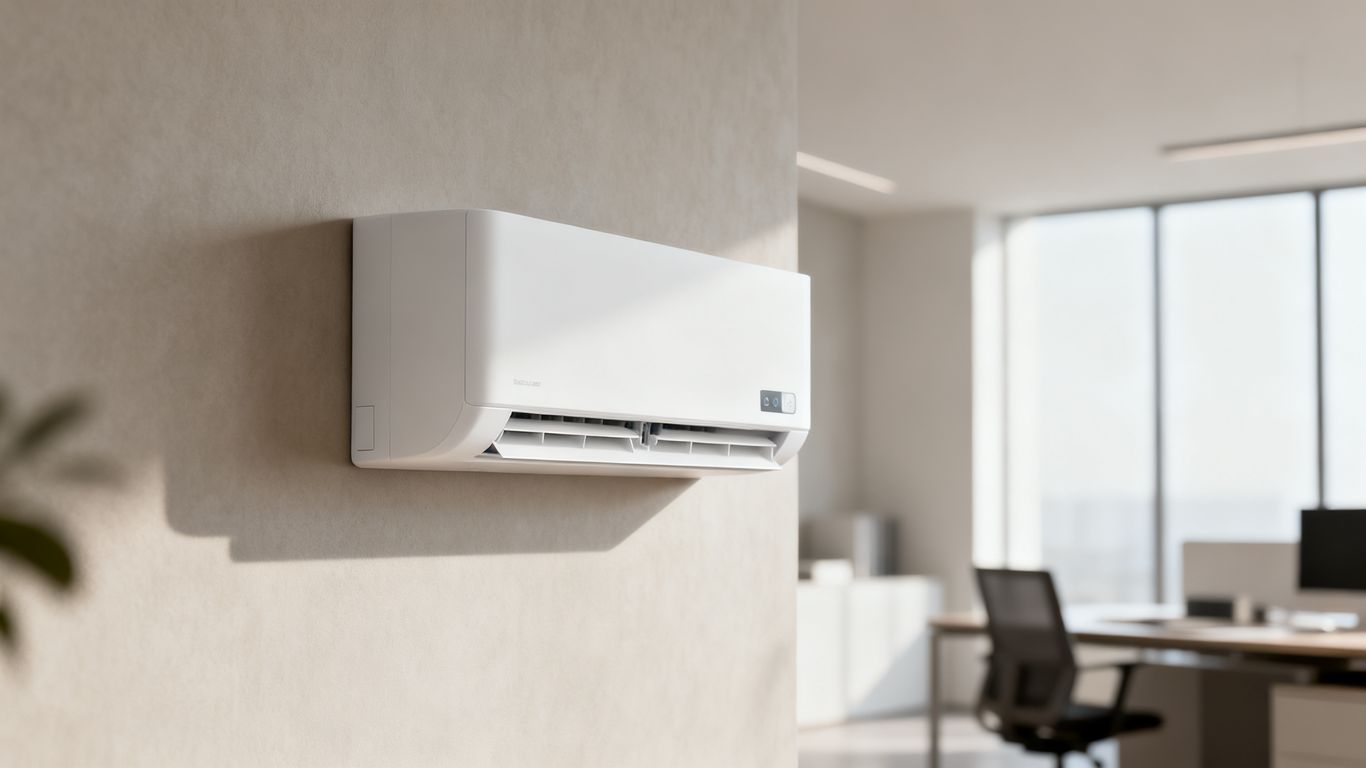
Choosing the correct hardware involves matching the unit’s capacity and electronic features to your room’s physical volume. When evaluating candidates, look for systems that allow for precise, automated control rather than simple on-off switches. This ensures that your unit remains energy-compliant even while providing heavy-duty performance throughout the year.
Pints per day rating based on room size
The pint capacity of a unit reflects its ability to extract moisture per 24 hours under specific temperature and humidity conditions. You must assess the square footage and potential source of the moisture, such as a damp crawlspace versus a light bedroom, to avoid an oversized or strained system. Selecting a unit with too low a capacity will force the compressor to run needlessly, while too high may lead to short-cycling.
Integrated humidistats for automatic operation
Modern sensors allow you to dial in an ideal relative humidity, typically between 40% and 50%, and leave the unit to manage itself. A reliable Aerofy system will monitor ambient levels and turn the internal motor on or off automatically when the room reaches your target threshold. This precision prevents your living space from becoming excessively dry while ensuring that moisture never gains a foothold.
Noise level considerations for living spaces
If you are mounting the unit in a sleeping area or office, checking the decibel rating is a must. Many modern designs now incorporate silent fan technology and insulated chassis to minimize vibration transfer to the wall. Look for models that emphasize a quiet noise floor, ensuring the device provides total comfort without disrupting quiet moments in your home or workspace.
Energy efficiency ratings and power usage
Efficiency is measured in how many pints of moisture the system can extract per kilowatt-hour of electricity consumed. Since you are building a permanent installation, opting for high-efficiency components reduces long-term operational costs significantly. Consider this comparison of typical extraction power usage patterns:
| Unit Style | Average Watts | Best Usage Scenario |
|---|---|---|
| Residential Wall | 200 – 300 W | Finished basements |
| Light Commercial | 400 – 600 W | Large storage rooms |
| Industrial Grade | 800 W+ | Commercial facilities |
Selecting a unit that balances performance with power draw ensures you can manage a healthy space without a massive impact on your monthly utility bill.
Comparing residential vs. commercial wall mounted units
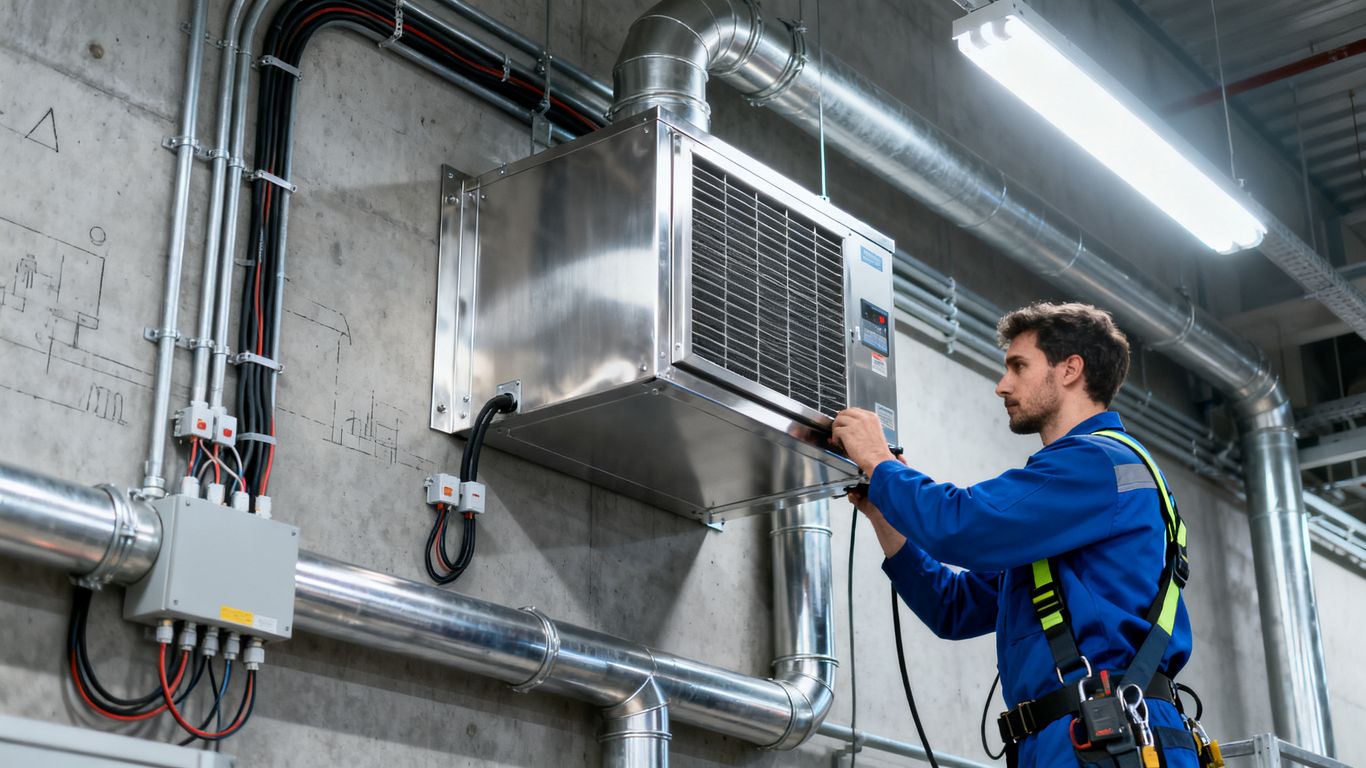
Understanding the scale of your needs defines whether you require a compact residential device or a hardened commercial solution. While both share the same basic refrigeration cycle, commercial-grade systems are constructed with corrosion-resistant materials and higher duty cycles meant for intense, continuous demands. Choosing incorrectly could lead to premature wear in demanding environments like hospitality or multi-family housing.
Handling extreme humidity in crawlspaces or basements
Extreme environments, especially damp sub-floor areas, put massive strain on standard equipment. Commercial units like the Defender Series HWD-45 excel here, often including ruggedized cases that resist chemical vapors or extreme condensation accumulation. When you need heavy moisture removal where standard room air simply won’t suffice, look for units with specialized coil coatings to prevent decay.
Durability requirements for high-traffic environments
Public or communal spaces require tamper-proof controls and heavy-duty exteriors that survive accidental bumps. A commercial unit is designed for longevity in settings where the system cannot be easily accessed or adjusted by the public. This security is vital for maintaining consistent air control without the risk of unauthorized adjustments or mechanical damage.
Filtration systems for indoor air purification
High-end units often pair moisture extraction with advanced air filtration components to neutralize odors or pathogens. In a humid climate, stopping the musty smell from moving moisture requires more than just removing water; it requires filtering the particulates that feed mold. Aerofy appliances focus on these dual requirements, offering engineered paths to clean air.
Complexity of controls and remote monitoring options
Advanced monitoring tools are a defining difference between home use and facility management. Professional units allow for remote monitoring interfaces, enabling managers to track humidity levels and identify error codes from a central console. This eliminates manual checking rounds and alerts maintenance staff immediately if a drainage line becomes clogged or the unit loses power.
Essential installation safety and logistics
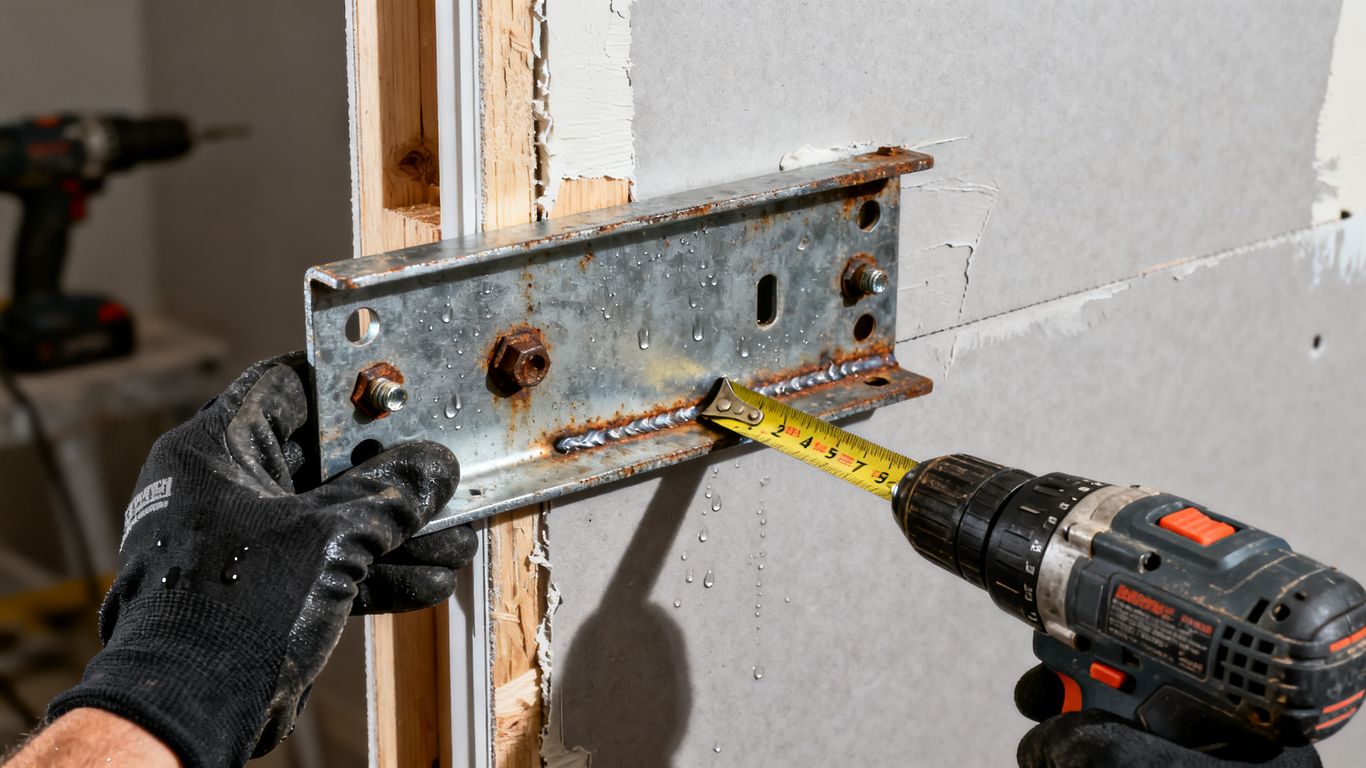
Properly integrating a dehumidifier requires coordinating structural, electrical, and plumbing logistics early in the process. Skipping these foundational steps is a recipe for maintenance headaches, or in worse cases, serious property liability. Ensure your work complies with local building codes, as you do not want to navigate legal claims regarding Contant Law, P.C. or other liability issues due to an unpermitted, DIY electrical hazard.
Assessing wall structure and weight-bearing capacity
Before drilling a single hole, verify if the wall studs can support the weight of the unit and the vibrating motion of the compressor over time. A professional install often requires blocking or reinforcing the internal studs to create a rigid platform that prevents annoying rattling or drywall cracking. Never attempt to mount a dehumidifier to an unsupported drywall section alone.
Electrical requirements and circuit load management
Most wall mounted units are hard-wired or require a dedicated receptacle, depending on the power draw and local electrical codes. High-capacity dehumidifiers can pull significant current during the compressor start-up phase, necessitating a dedicated circuit to prevent tripping your breaker. Consult a certified electrician to ensure your wiring infrastructure can handle the load without overloading your home’s main panel.
Positioning for optimal airflow and circulation
Avoid placing a unit in an alcove or behind furniture where the air intake can be blocked. The machine needs enough clearance to draw in the full volume of room air to perform its work efficiently. Use the manufacturer’s suggested distances from corners or drapery to keep the airflow smooth and to prevent the unit from short-cycling on its own output heat.
Plumbing considerations for gravity-based or pump drainage
If you are using gravity to move water, verify your slope ratio before finishing the wall. For those requiring a pump, ensure that the discharge line is properly secured to avoid internal leaks that could damage the wall behind your equipment. > Creating a clear, unobstructed path for condensation discharge is the most critical step for achieving a long-lasting, maintenance-free finish.
This drainage planning remains the secret to professional-grade results.
Long-term maintenance best practices
Periodic care is the difference between a system that lasts for years and one that fails shortly after installation. By establishing a routine, you keep the internal coils free of dust and ensure the compressor operates at its designed efficiency. A well-maintained system requires fewer repairs and prevents the buildup of bacteria within the internal components.
Cleaning and replacing air filters periodically
Airflow is the lifeblood of your dehumidifier; a clogged filter chokes the motor, forces it to run longer, and consumes more power. Depending on your environmental dust levels, schedule a monthly inspection of the filter. Simply vacuuming or rinsing the mesh screens when they start to look grey will significantly extend the life of your unit.
Inspecting and clearing drainage pipes for clogs
Even in a well-installed system, slime or organic debris can build up in the drain line over time. Periodically flushing the line with a mild vinegar or cleaning solution prevents blockages that could cause the unit to overflow into your flooring. This simple proactive step is your first line of defense against humidity-related complications.
Monitoring compressor health and refrigerant levels
If your unit stops pulling water as efficiently as it once did, the refrigeration circuit itself might be the issue. While you cannot service the hermetically sealed gas levels, listening for strange grinding noises in the compressor is a good sign that professional service is needed. Keeping the external coils clear of debris helps the refrigerant exchange heat effectively, reducing wear on the system.
Troubleshooting common error codes and sensor alerts
Electronic controls are excellent for automation, but they can occasionally throw error codes if a sensor drifts out of calibration. Keep your manual handy to interpret these alerts, which often identify common issues like sensor disconnection or drainage overflow triggers. Resetting the device or clearing a simple pipe kink is often enough to resume normal operation safely.
Conclusion
Choosing and installing a wall mounted dehumidifier represents a significant shift toward a more stable, comfortable indoor climate. By prioritizing correct sizing, proper electrical planning, and scheduled filter maintenance, you ensure that your investment protects your space from the persistent moisture issues typical of tropical or humid living. With your equipment correctly positioned and secured, you can enjoy year-round humidity control that works silently and effectively behind the scenes.
Frequently Asked Questions
How often should I check my unit for drainage blockages?
It is wise to inspect your drainage lines at least every three to six months, particularly if the unit is located in a high-humidity area where mold or bacterial growth is more likely to occur inside piping.
Is it possible to install a wall unit in a bathroom?
Yes, provided the unit is specifically rated for high-moisture environments and you follow all electrical safety codes regarding proximity to water sources. Always verify the IP rating and manufacturer guidelines before considering such placement.
What signifies that a dehumidifier is struggling?
Signs of distress include higher than usual ambient humidity levels, persistent condensation on windows despite the unit being on, or loud, rattling noises originating from the compressor or fan motor.
Can I install a large capacity dehumidifier in a tiny closet?
Installing a large system in a very small space is generally discouraged, as the heat generated by the compressor will cause the temperature to spike, which can lead to inefficient operation and potential early shut-down due to thermal protection.
Do wall mounted units qualify for local climate vouchers?
Whether an installation qualifies for a voucher depends entirely on the specific terms offered by your provincial or regional utility authority. Always review the technical requirements and eligible categories before making your purchase to confirm compliance.
How loud is a standard between-stud unit?
Most high-quality residential in-wall units operate at a noise level roughly between 40 and 50 decibels. This is roughly the equivalent of a quiet library or the hum of a modern home refrigerator, making them suitable for living spaces.
Can this system replace my central HVAC air purifier?
While some wall mounted dehumidifiers offer advanced air filtration, they are primarily designed for moisture control. They can effectively supplement a central HVAC system, but they are generally not a full replacement for whole-house purification needs.