Key Takeaways
- Calculate your space’s square footage accurately to determine the necessary moisture extraction capacity.
- Prioritize units with energy-efficient certifications to keep long-term operating costs manageable for your home.
- Always check for the availability of replacement filters and parts before committing to a purchase.
- Understand the distinction between compressor and desiccant models to match the device to your local climate.
- Verify warranty terms and shipping policies to ensure your investment is protected from the moment it leaves the warehouse.
Determining your dehumidification needs
When you start the process to buy dehumidifier online, the first step is to assess the specific moisture dynamics of your living space. Moisture accumulation varies based on structural layout and local weather, making a localized assessment far more effective than generic advice. A thoughtful approach ensures you find equipment that addresses your actual environmental challenges rather than just following marketing claims.
Calculating the square footage of your space
Determining the size of the room is the foundational step in selecting an appropriate unit. Larger spaces require higher extraction, often measured in pints per day, to keep humidity levels comfortable. Over-sizing an appliance can lead to premature cycling, whereas under-sizing leaves the unit running constantly without impacting the humidity level. It is helpful to map your floor plan and identify primary air corridors before making a decision.
Identifying common moisture sources like basements or damp bathrooms
Basements and bathrooms often act as reservoirs for excess moisture, which can eventually spread throughout your entire home. Bathrooms experience sharp spikes in humidity after usage, while basements might suffer from water infiltration through foundations. If you are dealing with these chronic issues, prioritize units capable of continuous drainage so the reservoirs do not require manual emptying every few hours.
Assessing primary signs of excess humidity like mold and condensation
Visible signs of dampness are often the first objective indicator that your indoor air quality requires intervention. Condensation on window panes, recurring mold growth on drywall, or a musty odor near closets suggests that your ambient humidity is likely well above recommended levels. You can use a dedicated hygrometer to confirm these levels, providing data that helps you choose a unit with specific performance requirements.
Deciphering pint capacity requirements for different climate zones
Climate zones dictating external humidity significantly influence the daily load on your appliance. In tropical environments where humidity frequently hangs above 75%, you need a machine designed for high-volume moisture removal. Understanding these climate impacts allows you to choose an appliance that manages your environment with ease, such as the Aerofy DualCore 20 which is engineered specifically for such challenges.
Understanding key technical specifications
Navigating technical jargon is essential to separate high-quality hardware from ineffective consumer models. Features like refrigerant types, compressor durability, and filtration systems dictate how well your appliance performs over several years. Being highly informed here allows you to compare different products on a meaningful, objective basis.
Evaluating pint capacity versus room size dimensions
| Unit Type | Capacity Range | Recommended Use | Noise Profile |
|---|---|---|---|
| Compact | 10-20 pints | Bedroom/Closet | Very Low |
| Mid-Range | 30-50 pints | Living Room | Moderate |
| Heavy-Duty | 50+ pints | Basement/Garage | Higher |
Selecting based on these metrics ensures the unit handles your square footage effectively without excessive energy draw. Always match the pint capacity to your peak moisture scenarios, not the average daily humidity.
Comparing energy efficiency ratings and ENERGY STAR certification
Efficiency ratings translate directly into annual electricity cost savings. Models carrying official certifications have passed rigorous testing for power usage, which translates to a smaller environmental footprint. When factoring in the cost of operation, look for appliances that prioritize optimized internal components to maintain desired humidity levels with minimal power cycles.
Analyzing noise levels and decibel ratings for living areas
For units placed in bedrooms or home offices, noise management is just as critical as moisture removal. Modern engineering now utilizes acoustic dampening and high-quality rotary compressors to keep operation quiet during night cycles. Prioritizing models with low decibel ratings ensures that your search to buy dehumidifier online leads to a peaceful home environment rather than a disruptive noisy motor.
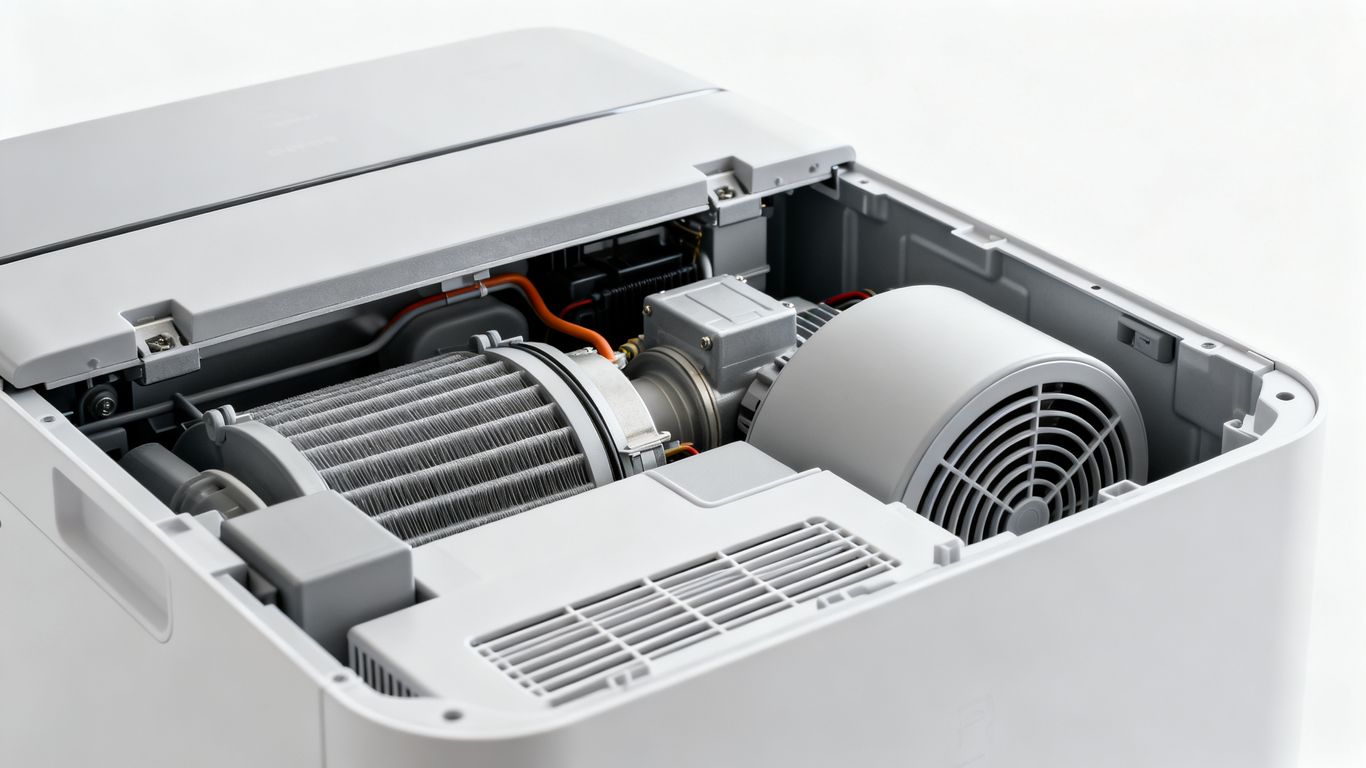
Investigating drainage options like internal reservoirs versus continuous hose hookups
Managing collected water efficiently significantly reduces the manual labor required to operate your dehumidifier. Internal tanks require frequent attention, which can be inconvenient for large-capacity units operating in high-humidity zones. Alternatively, continuous drainage via a standard garden hose connection allows the unit to run unattended for long periods, which is vital for maintenance-free operation in basements or vacation properties.
Evaluating reliable online retailers and marketplaces
Choosing where to purchase your unit is just as important as the model itself when considering post-purchase support. Reliable retailers provide transparency regarding stock availability, shipping lead times, and, most importantly, professional customer service access. Skipping this step can often lead to issues with warranty claims or difficulty getting support if the unit develops a fault.
Weighing the benefits of manufacturer websites versus third-party retailers
Buying directly from a manufacturer frequently ensures that you receive the latest version of their hardware with full, validated support. While third-party marketplaces might offer variable pricing, manufacturer sites like the ones referenced for Aerofy offer confidence that your purchase was handled by the experts who built it.
Reading verified customer reviews and identifying fake feedback
Authentic user reviews often highlight specific, long-term experiences that standard product descriptions miss. Look for feedback that mentions specific use cases, such as how a dehumidifier works in a specific climate, rather than comments on aesthetics. If you notice a high volume of generic or suspiciously positive reviews, consider cross-referencing information with professional review sites.
Checking return policies and warranty coverage specifics
Before finalizing any transaction, understand the logistics of returning a heavy appliance should it arrive damaged. Warranty coverage is a crucial safeguard for home appliances, and you should ensure the retailer handles claim processes directly. If you find yourself in a dispute involving a commercial contract or warranty violation, having access to reputable legal frameworks or clear support documentation is essential.
Comparing shipping costs and delivery timelines for large appliances
Large moisture removal units are heavy, meaning shipping costs can vary significantly depending on the courier and the distance. Check if local assembly or "white glove" delivery is available for heavier top-tier models. Fast delivery cycles mean you can start rectifying moisture issues sooner, protecting your furniture and flooring from potential damage.
Avoiding common pitfalls when shopping online
Shopping for appliances requires attention to technical detail to avoid common discrepancies that occur during digital transitions. Being aware of these issues helps you bypass the frustration of receiving the wrong model or realizing parts are unavailable when you need them most.
Verifying exact product model numbers to prevent receiving older versions
Manufacturers occasionally update internals while keeping exterior designs consistent. Always check the model number on the checkout page matches the latest technical specification sheet provided. Receiving an outdated unit could mean missing out on energy upgrades or more efficient HEPA filtration systems.
Watching out for third-party marketplace pricing markups
Third-party sellers on marketplaces sometimes list products at significantly higher prices than the manufacturer’s suggested retail price. Always conduct a quick price check across multiple platforms before clicking buy to ensure your investment remains competitively priced. This simple step prevents unnecessary overpayment for the exact same hardware.
Investigating the availability of replacement filters and parts
If you cannot source replacement filters or parts, your appliance becomes a liability once the initial filter degrades. Check that the manufacturer has a clear supply chain for essential items like washable filters or replacement tanks. Reliable brands will always maintain a steady supply of these items to ensure their machines remain operational for their full lifespan.
Understanding physical size constraints for apartment or crawlspace living
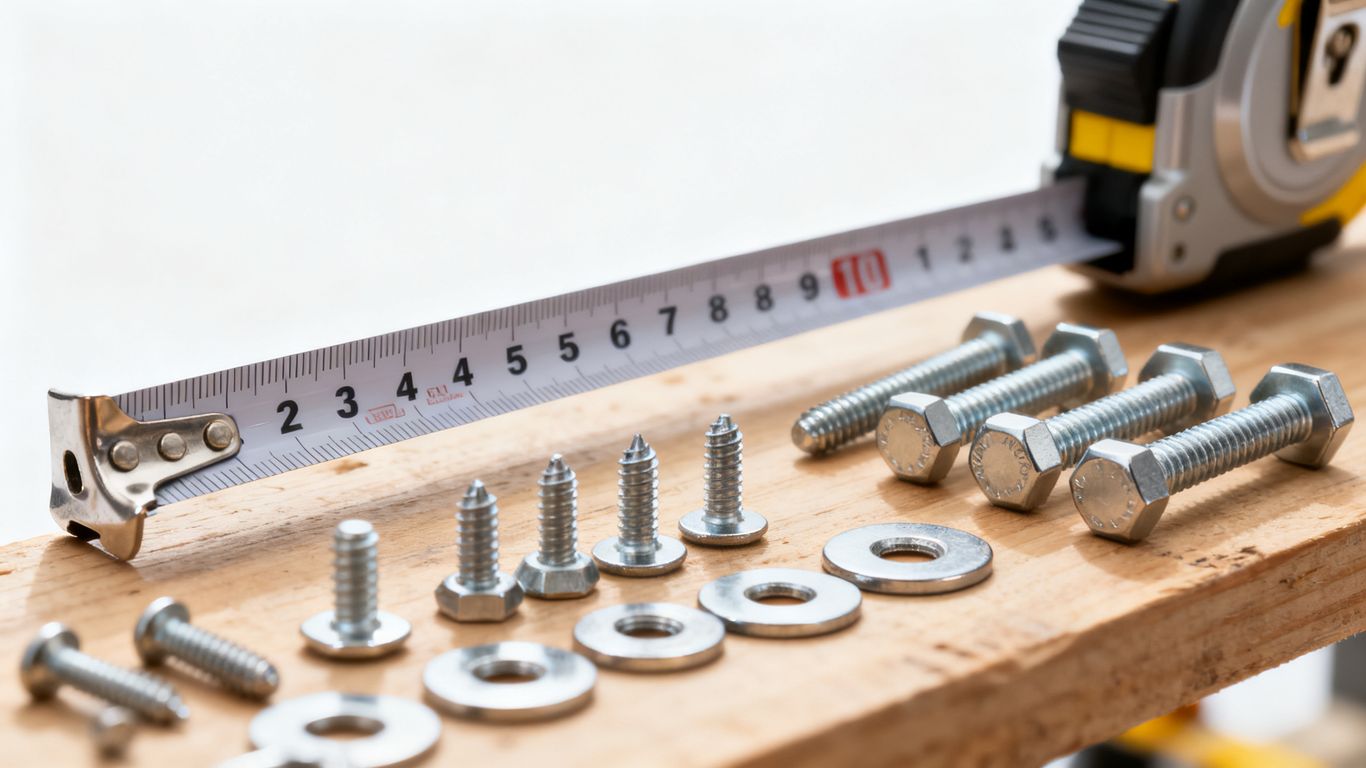
Dimensions are often ignored when shopping online until the unit arrives at your doorstep. Before committing, use a measuring tape in the intended location to ensure the footprint and height are suitable. If it is too bulky, you will constantly bump into the unit, leading to reduced use and poor air quality.
💡 Real-World Scenario
Imagine you are living in a humid area and find an expensive-looking unit online. You buy it, but once it arrives, you realize it is too wide for your crawlspace and the filter, which arrived slightly bent, is nowhere to be found on the company’s website. You are now stuck with a useless piece of hardware. Researching parts and exact measurements first prevents this costly mistake.
Maximizing value during the purchasing process
Securing the best value involves more than just finding the lowest price on a given day. It means considering the total lifecycle cost, including electricity, replacement filters, and potential promotional cycles. Being strategic with your purchase timing can result in significant long-term savings.
Utilizing price comparison tools and browser extensions
Digital tools can automatically track price fluctuations and alert you when a unit drops into your budget range. These extensions are excellent for identifying historical pricing trends, showing you whether a ‘sale’ is genuinely a discount or just a temporary price drop. This helps you buy dehumidifier online at a moment when the market value is truly lower.
Recognizing the best seasonal windows for promotional discounts
Many retailers align their sales cycles with seasonal transitions, particularly at the start of warmer or cooler periods. During these times, older inventory is often marked down to clear space for newer models. If you are not in an immediate rush, pinning your purchase to these calendar cycles can save you a significant percentage of the purchase price.
Factoring in long-term maintenance costs and estimated electricity usage
Initial price is only one component of the total cost; ongoing electricity usage is the other half of the financial equation. Look for models that provide average daily energy usage estimates, and multiply this by your local electricity rates. A unit that is slightly more expensive upfront but uses substantially less power will almost always be the smarter long-term fiscal choice.
Assessing the value of extended protection plans offered at checkout
Extended protection can be useful, but assess coverage specifics versus the cost of the plan. If the manufacturer warranty is already robust, you may not need additional coverage. However, if you are buying a complex unit with digital controls and advanced sensors, a manufacturer-backed protection plan might provide the peace of mind you need to secure your appliance.
Finalizing your online order
Double-checking your data before the order is processed is the final step in ensuring a smooth experience. A slight error in the configuration or shipping address can lead to significant delays and frustration, especially with heavy appliances. Being methodical at this stage ensures that the unit you carefully researched is the one that arrives at your home.
Confirming voltage compatibility for your home electrical system
Before submitting your payment, verify that the unit voltage matches your local power infrastructure. Using an appliance with incompatible voltage can cause immediate failure or create electrical hazards in your home. Always scrutinize the ‘Technical’ or ‘Specifications’ tab on the product page to ensure seamless compatibility with your wall outlets.
Selecting preferred payment methods and ensuring transaction security
Use secure payment platforms that offer fraud protection or chargeback rights for high-value items. Prioritizing standard, well-documented payment gateways ensures your personal and financial details are kept safe during the transaction. Many people prefer to buy now using reputable merchants to ensure transaction security and clear records.
Verifying delivery addresses and shipment tracking capabilities
Confirm the courier offers live tracking so you know exactly when your appliance will arrive at your address. For heavy items, it is often useful to check if the carrier provides a notification window for delivery, allowing you to be present to receive the unit safely. This prevents items from being left unattended in public areas or high-traffic corridors.
Setting up the unit immediately upon arrival to test for factory defects
Once your unit arrives, examine it for damage and perform a test run within the return window. Ensure that all advertised features, such as the digital humidity sensor and internal pump, function correctly immediately after unboxing. This ensures that if there is a factory defect, you can initiate a replacement process immediately rather than losing out on your warranty period.
Conclusion
Investing in the right dehumidifier is a vital step toward creating a balanced, healthy indoor environment, especially in tropical climates. By carefully assessing your room size, focusing on technical specifications, and choosing reliable retailers, you protect your home from the damaging effects of excess humidity. With the right equipment in place, you can enjoy improved air quality, preserved furniture, and a significantly more comfortable living space for years to come.
Frequently Asked Questions
Can a dehumidifier replace an air purifier?
While both are important for air quality, they serve different primary purposes; a dehumidifier manages moisture levels to prevent mold and musty odors, while a purifier removes fine particulate matter, though some models, like those engineered by Aerofy, combine both functions in one device.
What is the ideal humidity level for a home?
Most health organizations and manufacturers recommend maintaining indoor humidity between 40% and 50%, as this range is low enough to discourage mold growth and dust mites while being comfortable for human respiration.
How often should I empty the water reservoir?
Frequency depends on the capacity of the unit, the ambient humidity in your environment, and your room size, though many users find that in high-humidity climates, they need to empty the tank at least once or twice a day unless using a continuous drainage hose.
Does running a dehumidifier make a room hotter?
Compressor-based dehumidifiers do exhaust warm air as part of the moisture removal process, which can lead to a slight rise in ambient room temperature similar to other internal electronics operating in the space.
Can I leave my dehumidifier running unattended?
Most modern units are designed for safe, extended operation and feature automatic shut-off safety sensors that prevent overflow when the water reservoir is full, making them suitable for running while you are at work or away.
What happens if the humidity is too low?
Dropping humidity significantly below 30% can lead to discomfort, including dry skin, irritated sinuses, and potentially static electricity buildup or cracking in wooden furniture, which is why keeping the humidity in the recommended balanced range is key.
How do I troubleshoot a musty smell from the unit?
Musty odors are often caused by stagnant water or a dirty air filter, making regular maintenance like cleaning the filter bi-weekly and rinsing the internal water tank with mild soap vital to keeping the machine smelling fresh.