Key Takeaways
Understanding your dehumidifier fan is necessary for keeping your indoor environment dry and healthy. Follow these five primary takeaways for maintaining your appliance.
- The fan is critical for pulling air through the cooling coils.
- Regular airflow maintenance prevents moisture buildup and appliance strain.
- Dehumidifier fans may cycle off or stay continuous based on settings.
- Clean filters and clear intake paths maximize overall unit efficiency.
- Unusual noises often indicate debris or internal mechanical degradation.
1. Understanding the role of the dehumidifier fan
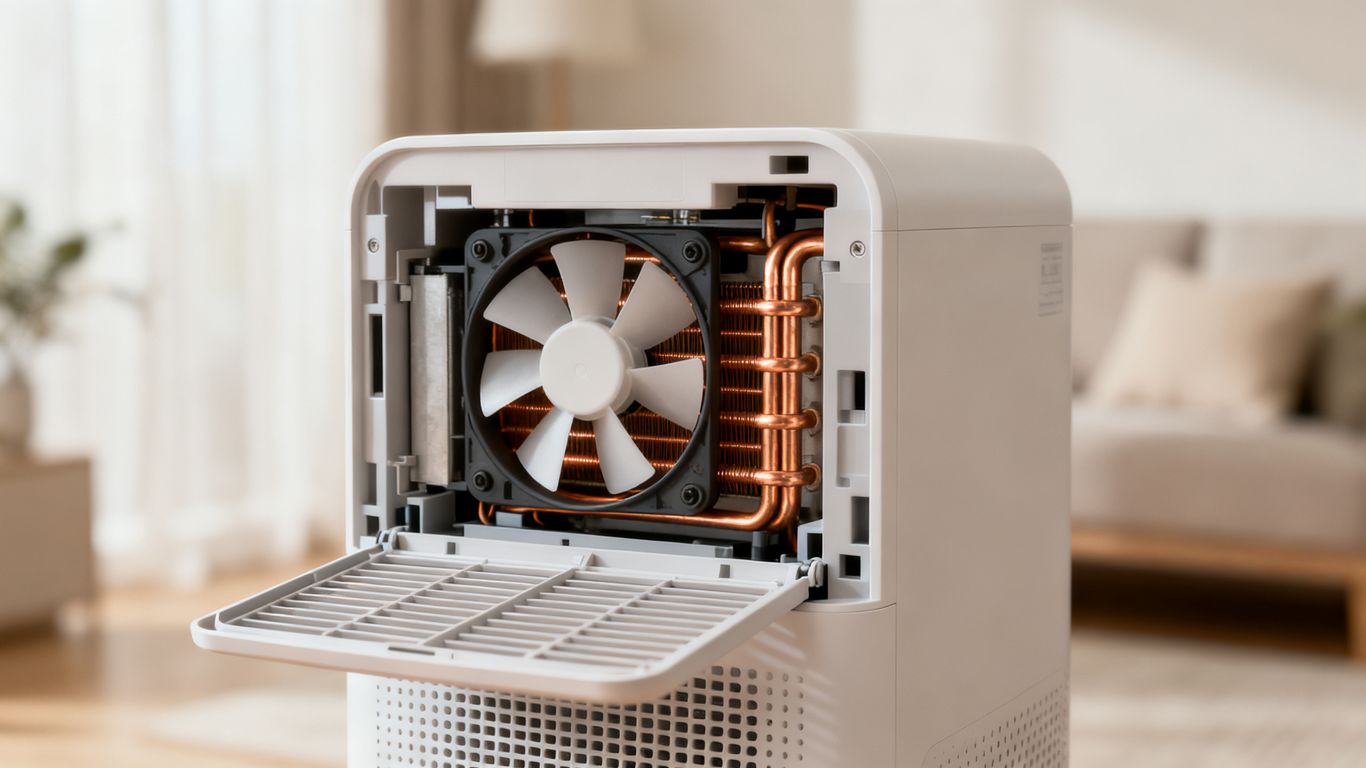
Why the fan running is essential for moisture removal
Your dehumidifier fan acts as the lungs of the entire system, constantly pulling ambient air across refrigerated coils. When moist air hits these cold surfaces, it undergoes a transformation as water vapor condenses into liquid, which is then drained away. This process relies on consistent airflow performance over time to effectively strip humidity from your living spaces. Without the fan functioning correctly, the unit cannot circulate air, meaning the coils remain stagnant and moisture reduction stops entirely.
How airflow patterns influence dehumidification efficiency
Efficient moisture removal depends on how well air is drawn throughout the room and cycled through the filter. If you place a unit in a corner, airflow patterns may become restricted, creating a localized "dry spot" while the rest of the room stays damp. Advanced units like the Aerofy DualCore 20 are engineered to facilitate optimal circulation paths from the intake to the exhaust, ensuring that every cubic meter of air gets processed properly. Improving your room’s airflow geometry is just as significant as the machine’s cooling capacity itself.
Mechanical differences between continuous and cycle-based fan modes
Many modern units offer different fan behaviors that change based on your humidity targets. In a continuous mode, the fan runs indefinitely, providing steady air movement even when the compressor pauses during dehumidifier usage. Cycle-based modes often sync the fan with the compressor to save energy, though this may lead to less accurate humidity sensing between cycles. Understanding these modes helps you balance energy costs with your specific need for air freshness versus dry conditions.
2. Troubleshooting common dehumidifier fan issues
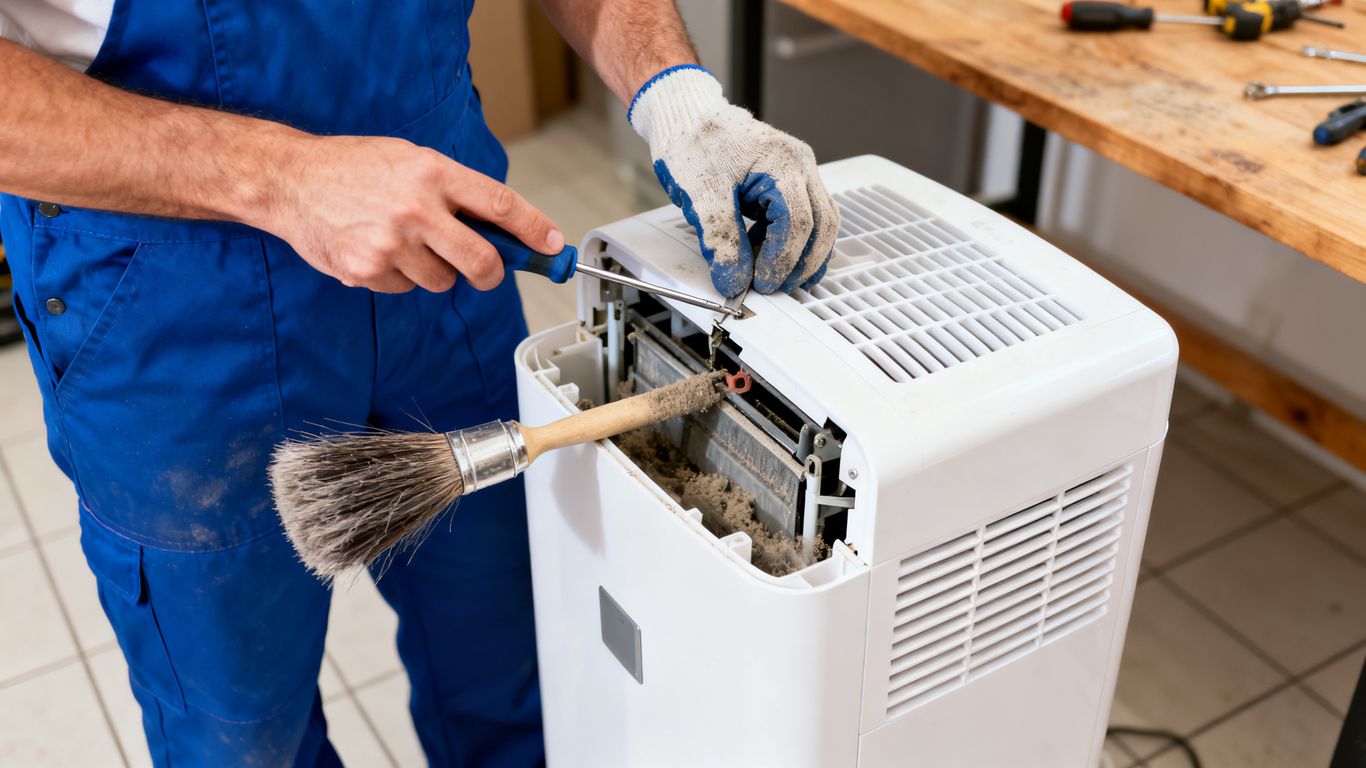
Diagnosing why your dehumidifier fan will not turn on
When your device refuses to start, the first step is checking the power supply and current settings. A common issue often involves a tripped safety switch or a full water reservoir preventing activation. If the power connection is fine and the tank is empty, you might be dealing with a blown fuse or a technical fault that prevents the electronic board from triggering the fan start-up sequence.
Managing abnormal noises coming from the fan motor
Squealing, grinding, or rattling sounds typically point toward debris caught in the blade assembly or a motor shaft nearing its end of life. Small items like hair or dust can build up over time, creating a physical imbalance that causes excessive vibrations. If you notice a high-pitched whine, it is highly likely that your fan motor’s bearings require lubrication or a complete replacement to avoid further damage to the unit.
Resolving the issue of the fan running while the compressor is off
It is entirely normal for your fan to continue running for a short time after the compressor stops. This "post-run" phase allows the unit to evaporate residual moisture from the coils, which prevents mold growth inside the device. If the fan keeps going for hours, consider checking settings or humidity levels to ensure the machine is properly calibrated to your ambient environment.
Recognizing when a fan sensor failure occurs
When a sensor fails, the unit may receive false information about airflow or motor speed, potentially causing the system to stop altogether. You might notice error codes on the LED panel or a total failure of the unit to adjust its drying speed despite high humidity. In these instances, professional repair is often necessary to recalibrate or replace the faulty internal sensing hardware.
3. Optimizing air circulation with your dehumidifier
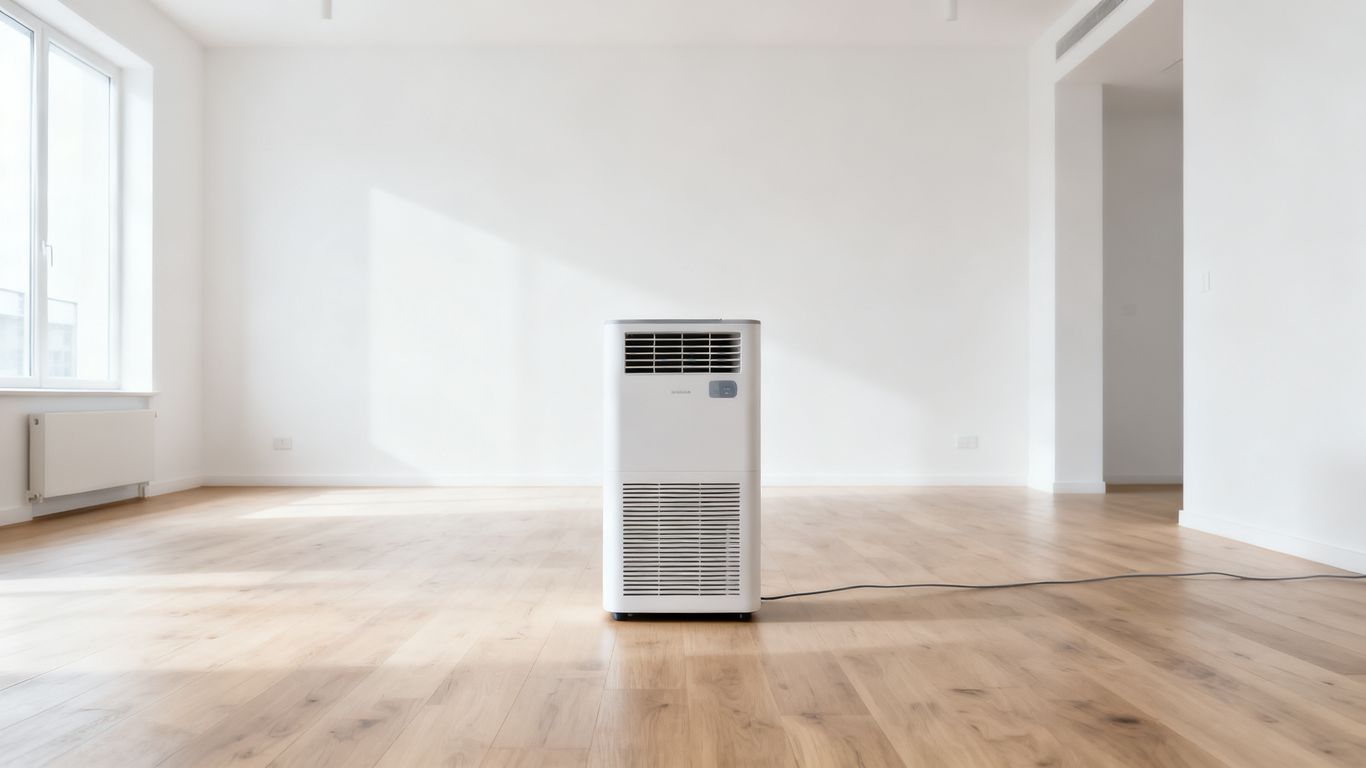
Positioning your unit for maximum intake efficiency
Placement is the most overlooked factor in achieving a dry home, specifically in a tropical setting such as Lake Chatuge. You should place your device in a central area with enough clearance for air to travel freely through the intake ports. Even a high-performance system like the Aerofy DualCore 20 will struggle if its intake is blocked by furniture or walls that restrict the entry of humid air into the coils.
Preventing air obstruction in tight spaces
Airflow paths are fragile; putting a unit in a tight closet can lead to short cycling where the unit only processes the air immediately around itself. To prevent this, keep at least thirty centimeters of space on all sides of the device to ensure that it has access to the full volume of room air. Following these guidelines ensures the internal refrigeration cycle operates without overheating due to poor air intake.
Benefits of using an external fan to supplement dehumidification
While your unit works hard to dry the air, an auxiliary fan can reach areas the dehumidifier cannot. Using an external fan pushes stagnant air from hidden nooks and closets toward the middle of the room, effectively homogenizing the humidity levels. This creates an optimal moisture balance that saves electricity by allowing the primary machine to focus on overall room volume rather than fighting pockets of localized humidity.
Setting the ideal fan speed for basement and crawl space applications
Choosing the correct speed depends on the volume of the space and the severity of the moisture levels, which can be seen in the table below:
| Fan Setting | Recommended Area | Primary Benefit |
|---|---|---|
| Low Speed | Small walk-in closets | Quiet operation, lower energy |
| Medium Speed | Standard living areas | Balanced drying for daily use |
| High Speed | Basements/Crawl spaces | Fast reduction of heavy moisture |
Selecting the right speed helps your dehumidifier usage patterns stay efficient. High speed is perfect for initial moisture reduction, while low speed maintains comfort without creating unwanted noise.
4. When to combine a dehumidifier with an exhaust fan
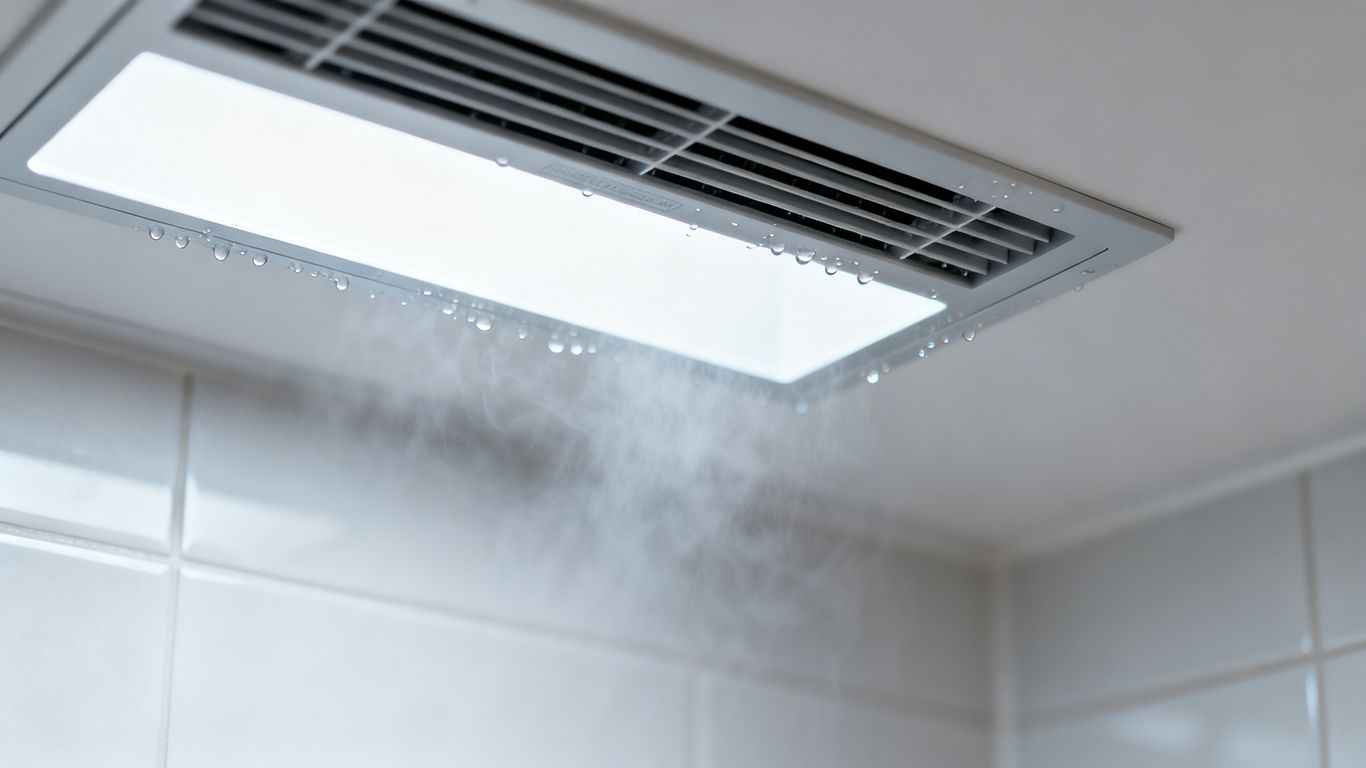
Balancing ventilation and dehumidification in bathrooms
Sometimes a dedicated unit is not enough to handle the sheer volume of steam produced during a shower. Bringing in an exhaust fan allows for the rapid removal of hot, humid air before it can settle into your surfaces. Once the bulk of the steam clears via the exhaust, your dehumidifier can take over to maintain a stable, comfortable environment and prevent structural wear.
Using external fans to manage crawl space humidity levels
Crawl spaces, being notoriously difficult, often require a mix of tools to succeed. Using both a dehumidifier and a ventilation fan allows you to push dangerous gases out while pulling the dew point down effectively. If you are struggling with a damp substructure, consider utilizing these strategies for a cleaner home:
- Ensure the crawl space is properly sealed against ground moisture.
- Run a low-voltage intake fan to guarantee fresh air exchange.
- Monitor your humidity levels with a separate external hygrometer.
- Use a high-capacity dehumidifier for long-term consistency.
- Schedule annual inspections to verify that all vent seals remain intact.
By following these steps, you safeguard your sub-floor area from the buildup of moisture that typically damages foundations and creates uncomfortable odors throughout the living space.
How supplementary ventilation affects desiccant versus refrigerant units
Ventilation impacts different types of machines in unique ways depending on how they handle water. Refrigerant units rely on cool coils to pull water from the air, which can be overwhelmed if excessive external ventilation constantly keeps the air fresh and warm. Desiccant units, however, are often less sensitive to air temperature, but they still thrive when you keep the air volume consistent inside a sealed space.
Avoiding negative pressure issues in sealed homes
If you have a very airtight home, exhaust fans can create negative pressure that inadvertently pulls moisture from outside through wall gaps. To avoid this, always maintain a balance between your exhaust ventilation and your dehumidifier setup. You should ensure that fresh air can enter gracefully without overloading your Aerofy unit, protecting your indoor climate from unintended external humidity influxes.
5. Cleaning and maintaining your dehumidifier fan components
Safely accessing the internal fan blades
Maintenance should always begin by unplugging your appliance to avoid electrical hazards. Once disconnected, follow the manufacturer’s directions to carefully open the side or intake panels. Accessing the fan blades allows you to wipe away surface grime, but be gentle so you do not disturb the motor alignment or the delicate balance of the fan assembly.
Removing dust buildup to improve motor performance
Dust acts as an insulator, trapping heat inside the motor and forcing it to work significantly harder than it should. Use a soft brush or a vacuum with a nozzle attachment for maintaining clean filters and fans; never use high-pressure air that might force particles further into the internals. A clean fan moves more air with less energy, directly lowering your electrical usage.
Frequency of maintenance for continuous use units
If you run your dehumidifier throughout the entire year, you must commit to a strict maintenance schedule. Every two to four weeks, inspect the intake screens and wiping down the accessible blades provides the best insurance against mechanical failure. For machines used in particularly dusty areas, increase the frequency of this inspection to ensure the motor bearings do not clog with settled dirt.
Signs that a fan motor requires professional repair
Failure is rarely sudden; it usually announces itself through subtle changes. A fan that no longer reaches its expected RPM, creates grinding noises that persist after cleaning, or exhibits intermittent shutting off are all red flags. At this stage, trying to fix the motor yourself may lead to larger issues; it is best to consult with a technician who specializes in your specific dehumidifier usage profile.
Conclusion
Maintaining the fan in your dehumidifier is the key to ensuring long-term operational success for your indoor climate control investment. By acknowledging the vital role airflow plays in moisture removal, you can extend the life of your device and ensure your home stays dry, fresh, and free from the hidden damage caused by trapped humidity. If you are ready to upgrade your home’s air quality, Buy Now and experience the engineering precision of our latest dehumidification systems.
Frequently Asked Questions
Is it normal for my dehumidifier fan to run all the time?
Yes, many dehumidifiers use a continuous fan mode to ensure accurate humidity readings and constant air circulation throughout the space.
How often should I clean the fan blades?
It is recommended to inspect and clean your fan blades every month to prevent the buildup of dust that can cause vibration or motor strain.
Can a dirty fan increase energy costs?
Yes, a dirty fan forces the motor to work harder to move air, which increases the energy consumption required to maintain your target humidity levels.
What do strange clicking sounds from my dehumidifier mean?
Clicking sounds often indicate that the fan blades are striking an internal obstruction or that the motor is having difficulty maintaining consistent rotation.
Should I turn the fan off when the room feels dry enough?
Most modern dehumidifiers will automatically cycle off or adjust the fan speed once the room reaches the set humidity level, so you generally do not need to intervene.
Can I use a vacuum to clean the fan motor area?
Yes, you can use a shop vac with a soft brush attachment, but you should be extremely gentle to avoid damaging the delicate fan components or wiring.
Will professional service fix a broken internal fan sensor?
Technicians can often replace or recalibrate internal humidity and airflow sensors to restore your dehumidifier to its original, highly efficient operating state.