Key Takeaways
Understanding the appropriate climate control device is essential for maintaining indoor comfort and protecting your home environment throughout the changing seasons.
- Humidifiers add moisture to prevent dryness, while dehumidifiers extract excess humidity to stop mold growth.
- Optimal indoor air quality typically relies on maintaining relative humidity levels between 30% and 50%.
- Choosing between these systems depends on your local climate, ventilation, and specific health or comfort requirements.
- Regular maintenance of water reservoirs or collection tanks is necessary to prevent bacterial growth and ensure mechanical efficiency.
- Integrated solutions often provide both purification and humidity regulation, which simplifies your climate management strategy.
Understanding what a humidifier does
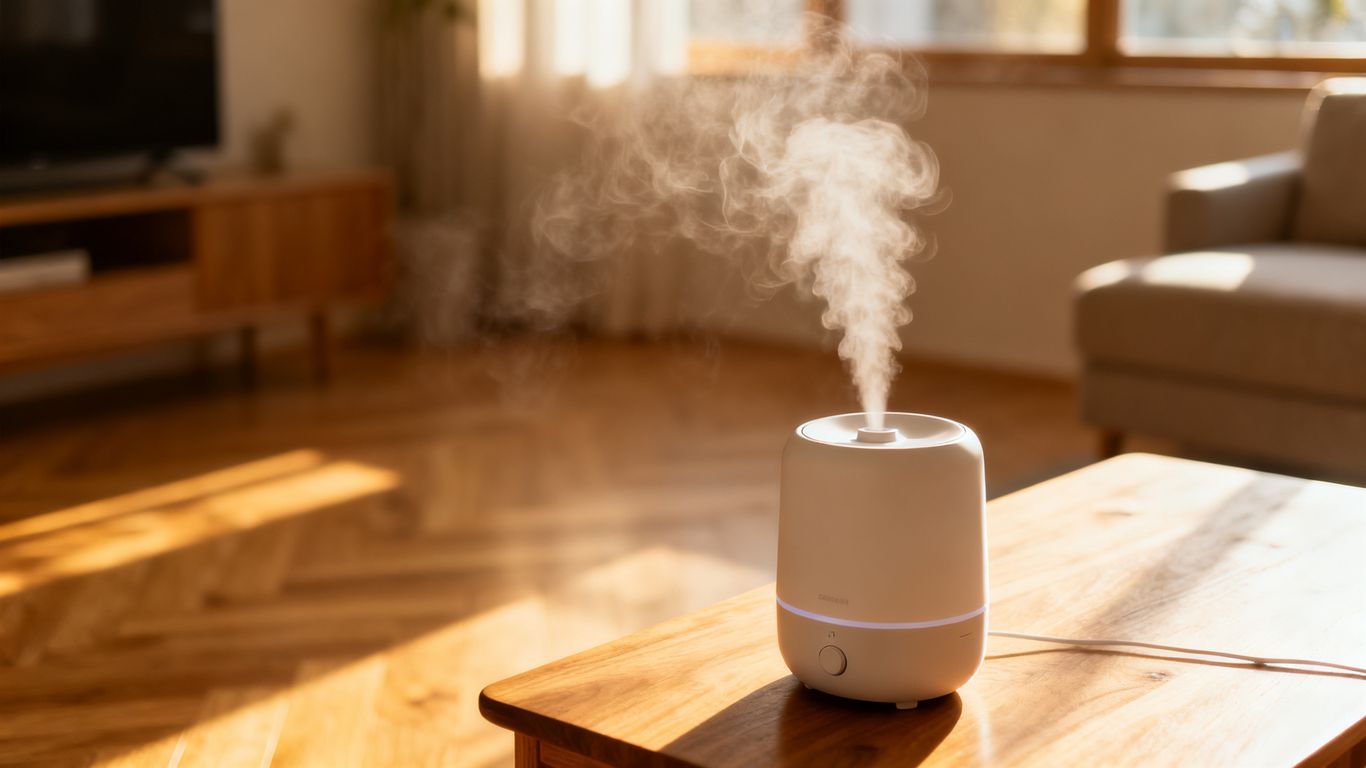
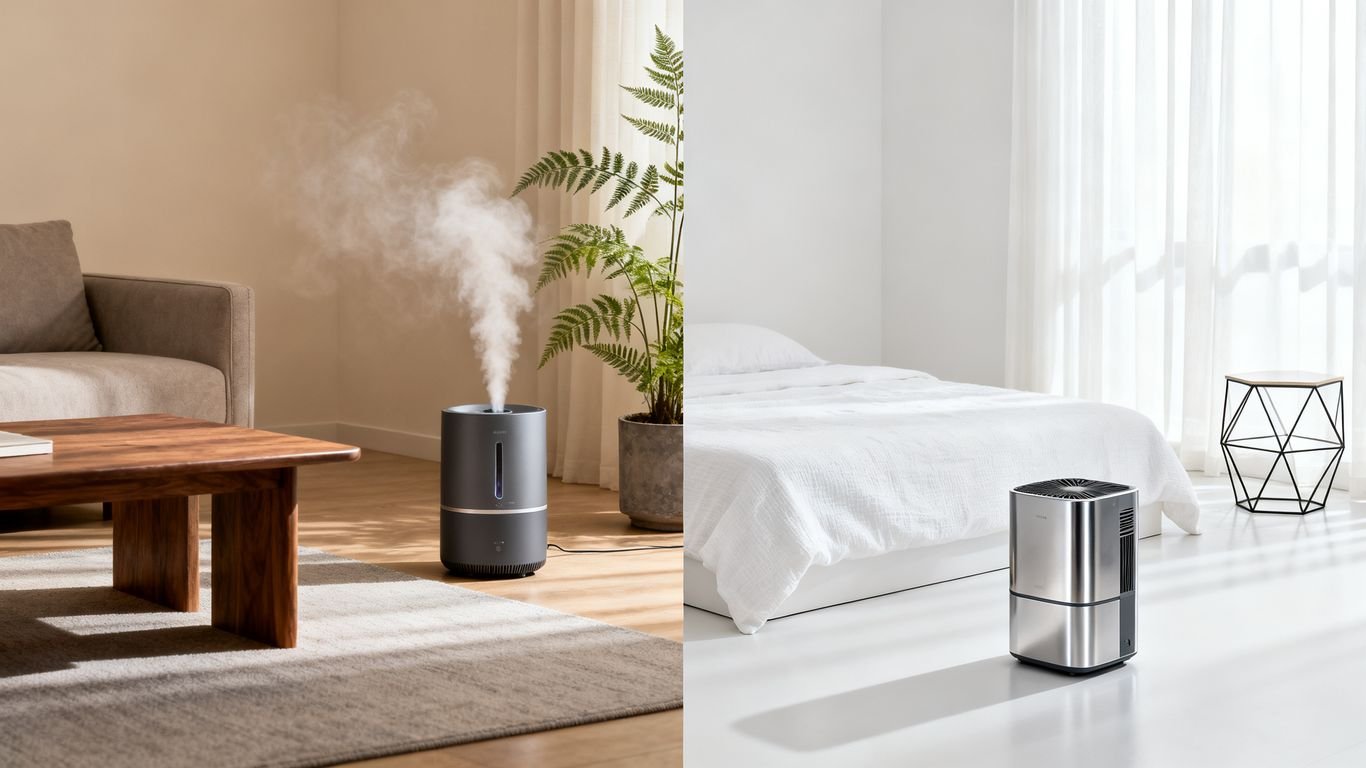
Humidifiers are designed to introduce water vapor into the air to counteract the drying effects of artificial heating or naturally arid climates. By elevating ambient moisture, these devices alleviate the discomforts often associated with low humidity levels.
Mechanism of moisture release
Most humidifiers operate by turning liquid water into mist or steam, which is then dispersed throughout the room. Depending on the design, this might involve ultrasonic vibrations, heat for evaporation, or simple fan-driven wicking systems that allow air to pass through a saturated filter to absorb moisture.
Primary use cases for home comfort
Homeowners typically utilize these systems during colder months when furnace and heating systems actively scrub moisture from the indoor air. Addressing this dryness helps minimize conditions that cause dry skin or static electricity buildup, keeping your living space more comfortable.
Common types of humidifiers
There are several distinct categories including evaporative, steam-based, and ultrasonic units. Each type utilizes different internal components like wicks or piezoelectric disks to release water vapor at varied rates and temperature levels, allowing for tailored moisture management.
Health benefits of proper indoor humidity
Maintaining a balanced humidity level can support healthier breathing by keeping sinuses hydrated. Using free online calculators to track your home’s environmental parameters ensures you never over-saturate your living space, preserving both your comfort and furniture integrity.
Understanding what a dehumidifier does
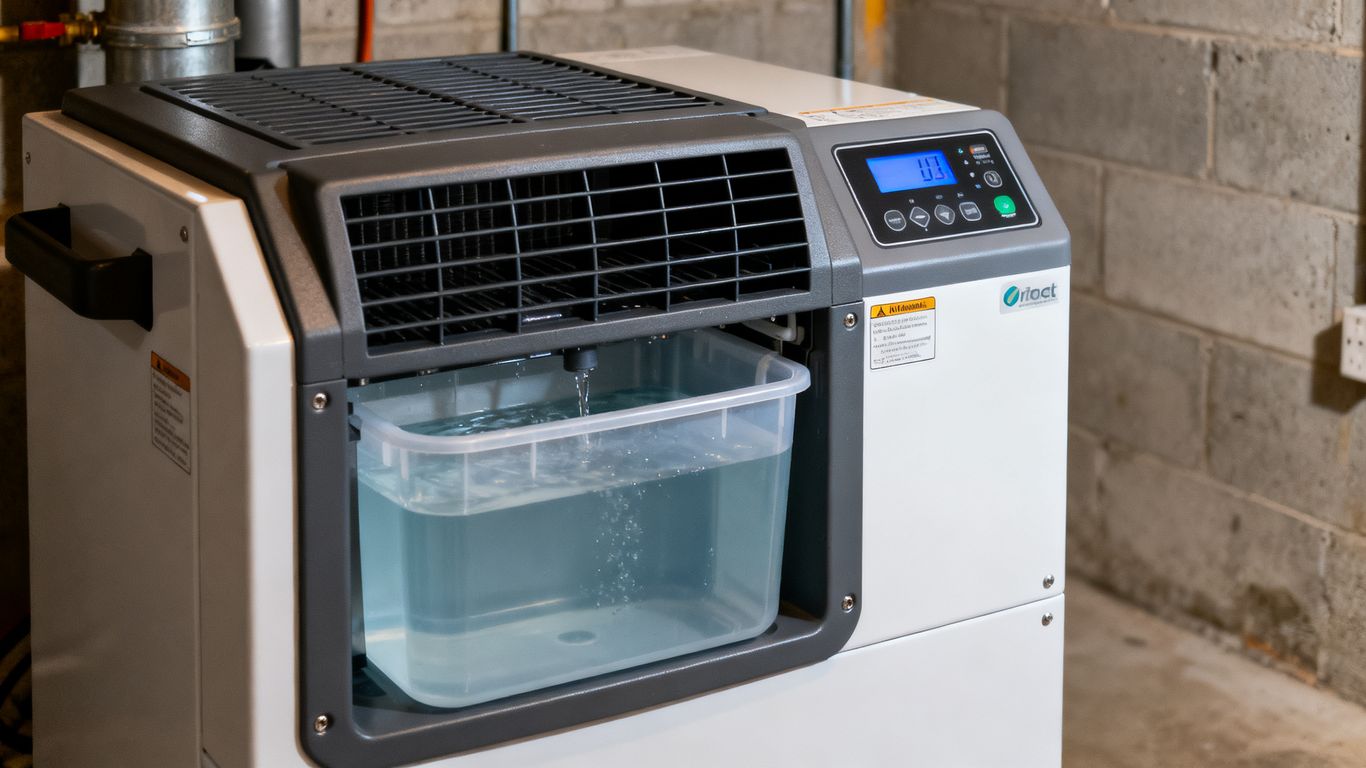
Dehumidifiers serve the opposite purpose, focusing on moisture extraction to protect property and improve air quality in damp environments. These systems are especially critical in tropical regions where high humidity is a constant concern for homeowners.
How moisture is extracted from air
Advanced units, like the Aerofy DualCore 20, utilize a high-efficiency rotary compressor to cycle air over chilled coils. This causes water to condense from the air; the dry air is then reheated and returned, creating a comfortable indoor experience.
Ideal room conditions for dehumidification
Rooms prone to dampness, such as basements, laundry areas, or bathrooms, benefit significantly from active moisture control. The guide to dehumidifiers explains that keeping these areas between 40% and 50% relative humidity prevents the environment from feeling heavy or clammy.
Preventing mold and mildew growth
High humidity levels provide the perfect breeding ground for fungal growth and dust mites. By maintaining dry air, you protect your property from persistent dampness, which is essential given that excess water can damage paint, wood, and wallpaper over long periods.
Signs you need a dehumidifier
Persistent musty smells, condensation on windows, and a generally heavy feeling in the air all indicate high humidity levels. A comprehensive guide on comparing these devices can help you identify when it is time to install a system to buy now for immediate relief.
Key differences in operation and installation
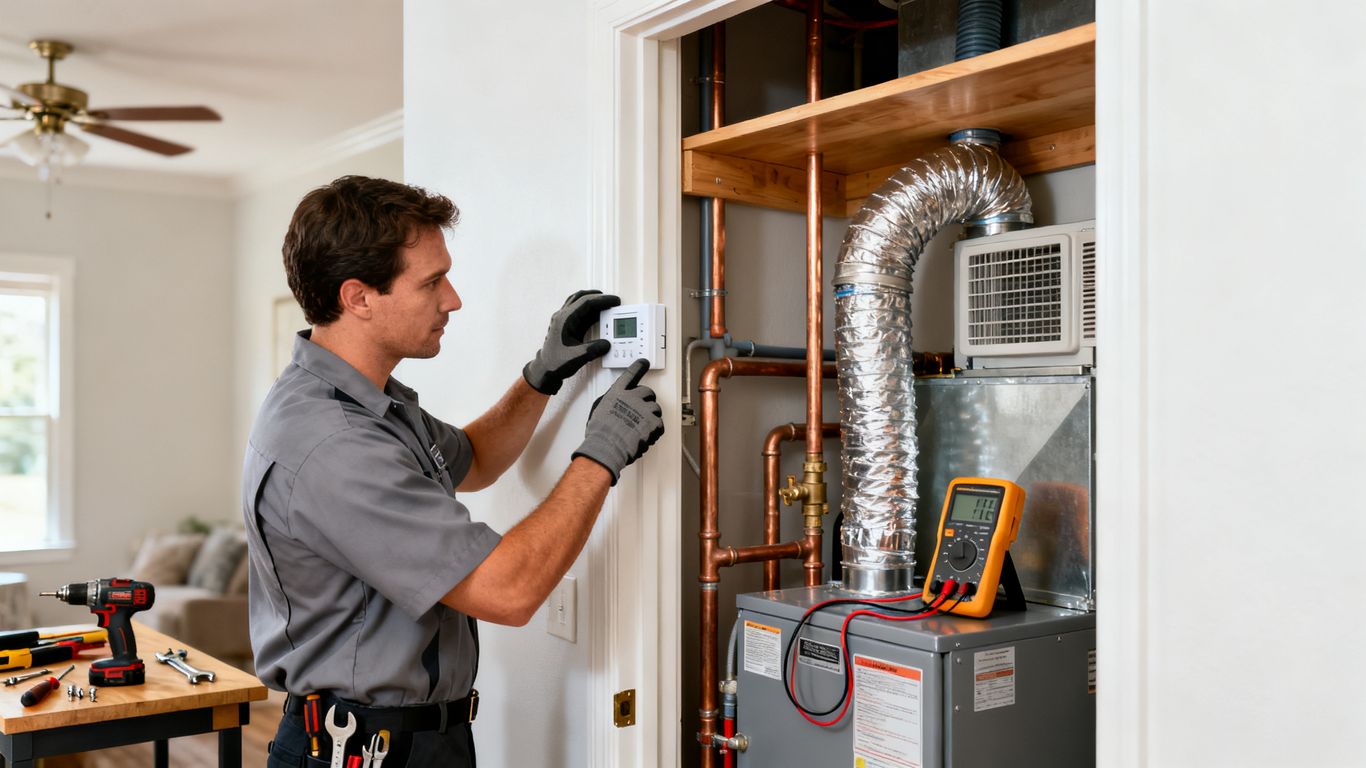
Operating these systems involves different logistical requirements, as one adds water and the other collects condensate. Understanding these mechanical differences helps in choosing right before committing to a home installation.
Portable versus whole-home systems
Portable units are ideal for targeted climate control in small to medium-sized rooms, whereas whole-home systems integrate directly into your HVAC ductwork. Selecting between these configurations is largely determined by your home’s existing ventilation and overall square footage needs.
Maintenance and water tank management
Portable units require either manual draining or gravity-fed hoses, while integrated systems drain directly into waste lines. Maintaining the collection tank is a vital task to ensure your machine performs at its peak without overflow issues.
Energy consumption comparisons
| Device Type | Power Usage | Main Function |
|---|---|---|
| Humidifier | Low | Add Moisture |
| Dehumidifier | Moderate | Extract Moisture |
| Dual-System | Optimized | Combined Control |
The energy consumption of these appliances varies based on their specific technology, such as the use of an efficient R290 refrigerant in modern units. Energy-conscious homeowners should review efficiency ratings to manage long-term operating costs effectively.
Differences in noise levels during operation
Most modern climate control units are engineered with sound dampening to ensure a quiet environment. This is particularly noticeable in high-quality systems, as they feature more refined compressors or fan motors designed to maintain balanced humidity while minimizing disruption in living or sleeping areas.
When to use a humidifier versus a dehumidifier

Determining the correct system relates to both personal comfort and regional seasonal changes. You must align your device choice with the actual moisture content within your rooms to achieve the best results.
Seasonal considerations for climate control
During winter, you will likely need a humidifier to replace the moisture stripped by cold-weather heating. In contrast, the summer rainy season often necessitates a dehumidifier to keep indoor air crisp and dry rather than stagnant and humid.
Evaluating your home’s current humidity level
Before choosing an appliance, use a hygrometer to measure the relative humidity. It is easy to learn how humidity matters for different regions, especially if you reside in a climate that fluctuates between extremes.
Accommodating specific medical needs
For residents dealing with respiratory sensitivities or allergies, air quality is paramount. Improving humidity alongside air quality control can alleviate symptoms associated with allergens like pollen or dust mites that thrive in high-moisture air.
Protecting wood furniture and musical instruments
Consistent humidity levels prevent wood from expanding or shrinking due to moisture changes. Valuable investments, such as hardwood floors and grand pianos, require a stable environment to remain in top condition, which is a key moisture control factor for serious homeowners.
Maintenance requirements to ensure unit longevity
Regular care is non-negotiable for anyone looking to keep their equipment running reliably for years. Consistent cleaning habits prevent mineral buildup and bacterial growth within the internal components of your machine.
Cleaning schedules for water reservoirs
Reservoirs should be cleaned every few weeks with mild soap and water to prevent algae. This is a simple but critical, essential step for longevity because internal tank cleanliness directly impacts the safety and quality of the air that enters your living space.
Filter replacement and tracking best practices
Replacing filters, including HEPA filters or pre-treatment screens, maintains airflow and system efficiency. Most manufacturers provide a suggested schedule, but you should adjust based on your home’s specific dust and humidity levels to keep the motor from overworking.
Winterizing units during dormant seasons
If you store a unit during the year when it is not needed, perform a full cleaning and drying cycle before storage. This prevents mold and mustiness while the device sits idle, ensuring it is ready for use when the next seasonal shift occurs.
Troubleshooting common performance drops
Performance dips are often caused by clogged filters or blocked air intakes rather than mechanical failure. Always inspect the input and output vents first to ensure air has a clear path for circulation, which allows the machine to pull moisture as intended.
Determining the right moisture control solution for your space
Choosing a solution requires looking at your own home dynamics. If you’re currently overwhelmed by the sheer number of options, pause and look at your floor plan.
Selecting the correct capacity for room size
Ensure the unit is sized appropriately for your total volume of air in high-traffic areas. Under-capacity machines will run constantly and fail to lower humidity or increase moisture to your desired setting, wasting energy in the process.
Integrating with existing HVAC infrastructure
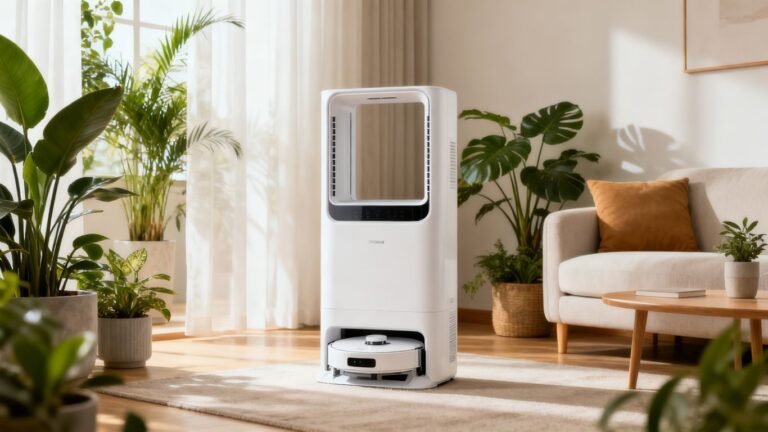
Consider whether your home’s current forced-air system can support an integrated humidifier or dehumidifier. Most modern designs from Aerofy are highly adaptable, meaning they offer robust, top-tier engineering for homes that require both air purification and humidity management in one unit, saving valuable floor space.
Budgeting for long-term ownership costs
Factor in replacement filters and electricity usage when calculating total cost. An efficient unit may have a higher entry price but lower lifetime costs compared to cheaper models that run poorly and consume excess power.
Balancing humidity against air purity considerations
Humidity management often goes hand-in-hand with filtration to ensure clean air. A 2-in-1 system can prove more effective than two separate ones, as they streamline your overall air quality goals without adding excessive clutter to your home interior.
Conclusion
Achieving the perfect balance of indoor humidity is an ongoing process that enhances both personal health and home preservation, but with the right Aerofy solution, maintaining that ideal environment becomes a seamless part of your daily home management.
Frequently Asked Questions
Can a humidifier make my room feel warmer?
Adding moisture to air can make it feel slightly warmer than dry air at the same temperature, which is why humidifiers are helpful during winter months when heaters make indoor conditions parched.
Do dehumidifiers actually clean the air?
While dehumidifiers primarily remove moisture, some models include air purification features that help filter out dust and particulate matter, though they are not full-scale replacements for specialized air purifiers.
Can I run a dehumidifier and an air conditioner at the same time?
Yes, you can run them together, and doing so often helps the air conditioner run more efficiently since the dehumidifier removes the moisture burden that makes air feel heavy.
How often should I empty the dehumidifier tank?
Emptying frequency depends on the room’s humidity and the container size, though most units will automatically shut off once the tank hits full capacity.
Will a humidifier cause mold in my home?
Over-humidifying a room can lead to condensation, which encourages mold; keep your indoor humidity below 50% to prevent this from becoming an issue in your living space.
What is the ideal humidity level for sleeping?
Most experts suggest that keeping your relative humidity between 40% and 50% provides the best comfort levels for a restful night of sleep without feeling too damp or too dry.
Are there any DIY ways to measure humidity?
You can technically use chemical salts to approximate humidity, but investing in a digital hygrometer is the most accurate and affordable way to monitor your home’s environmental metrics.