Key Takeaways
Understanding how to effectively manage moisture improves long-term home health and protects your personal belongings from the damage caused by high humidity. Following these simple steps will help you maintain a drier living environment using natural methods.
- Porous charcoal structures naturally draw moisture out of the air.
- Proper placement in enclosed spaces maximizes absorption effectiveness.
- Regular sunlight exposure is essential to keep charcoal bags functional.
- Passive absorption is best suited for small spaces like drawers.
- Severe moisture issues typically require active mechanical dehumidification.
How charcoal works as a natural moisture absorber
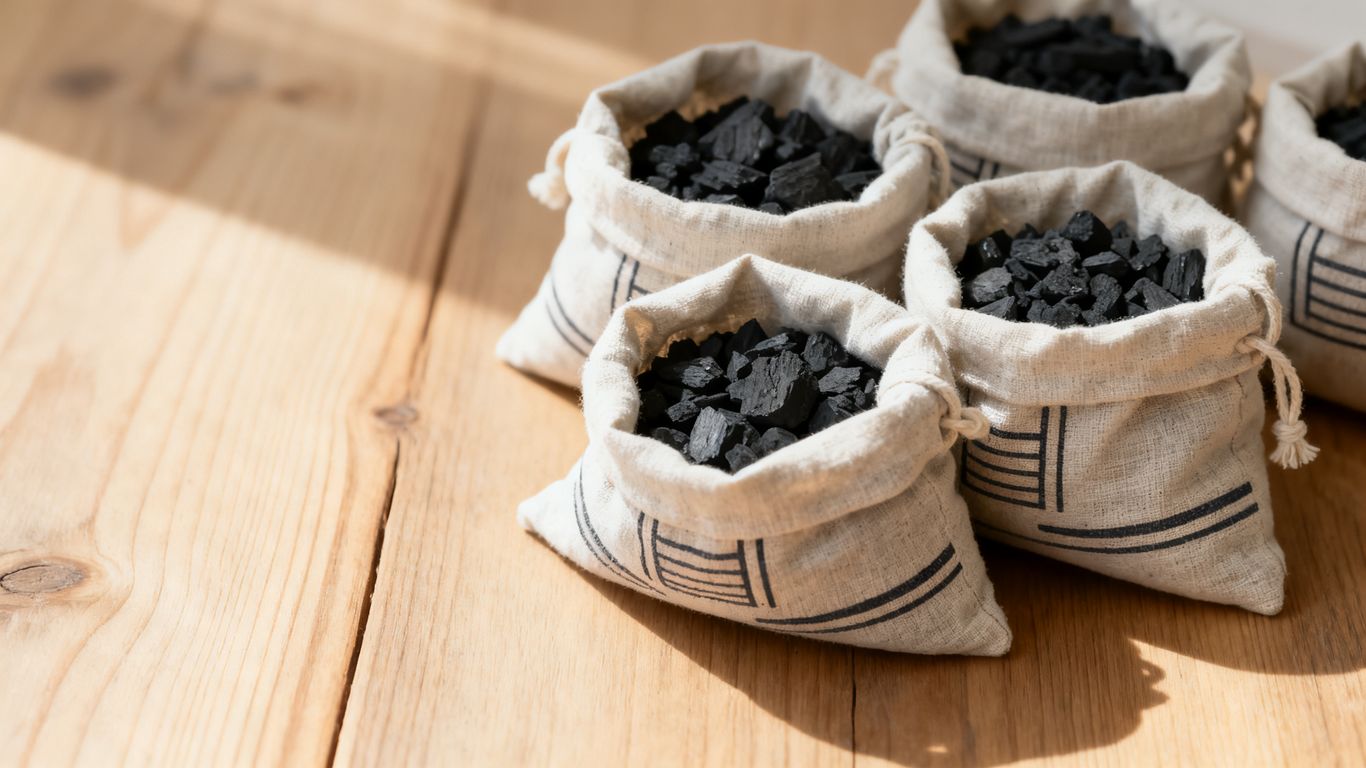
Charcoal functions as a natural moisture control agent by utilizing its high surface-to-volume ratio to trap water vapor molecules. This process allows it to reduce humidity levels in small, stagnant air pockets where moisture often gathers during seasonal transitions. It creates a cleaner environment by constantly regulating the immediate atmosphere around sensitive textiles and stored goods.
The science of physical adsorption
Physical adsorption occurs when water vapor molecules from the air adhere to the vast pore network within the charcoal structure. This is not a chemical reaction but a physical attraction where liquid molecules bind to the surface without altering the charcoal itself. Over time, the internal pores fill with captured moisture, which eventually necessitates refreshing the material to restore its original capacity.
Activated charcoal versus regular charcoal
Activated charcoal undergoes a high-heat treatment process that significantly expands its surface area, creating thousands of micro-pores invisible to the eye. While regular charcoal can absorb some odors, it lacks the technical density required for effective moisture management in humid climates. The activation process turns simple carbon into a sophisticated, high-performance medium for air quality control.
Why surface area defines moisture capacity
| Charcoal Type | Surface Area (m²/g) | Moisture Capacity |
|---|---|---|
| Regular Charcoal | 10–50 | Low |
| Activated Carbon | 500–1500 | High |
| Modified Bamboo Charcoal | 800–1200 | Moderate |
The effectiveness of your chosen material depends strictly on its available surface area. Higher surface area provides more landing sites for vapor, which is why choosing high-quality 4823 solutions makes a tangible difference in performance. Engineers design these materials to maximize these microscopic spaces for the most consistent results in enclosed compartments.
Comparing charcoal bags to electric dehumidifiers
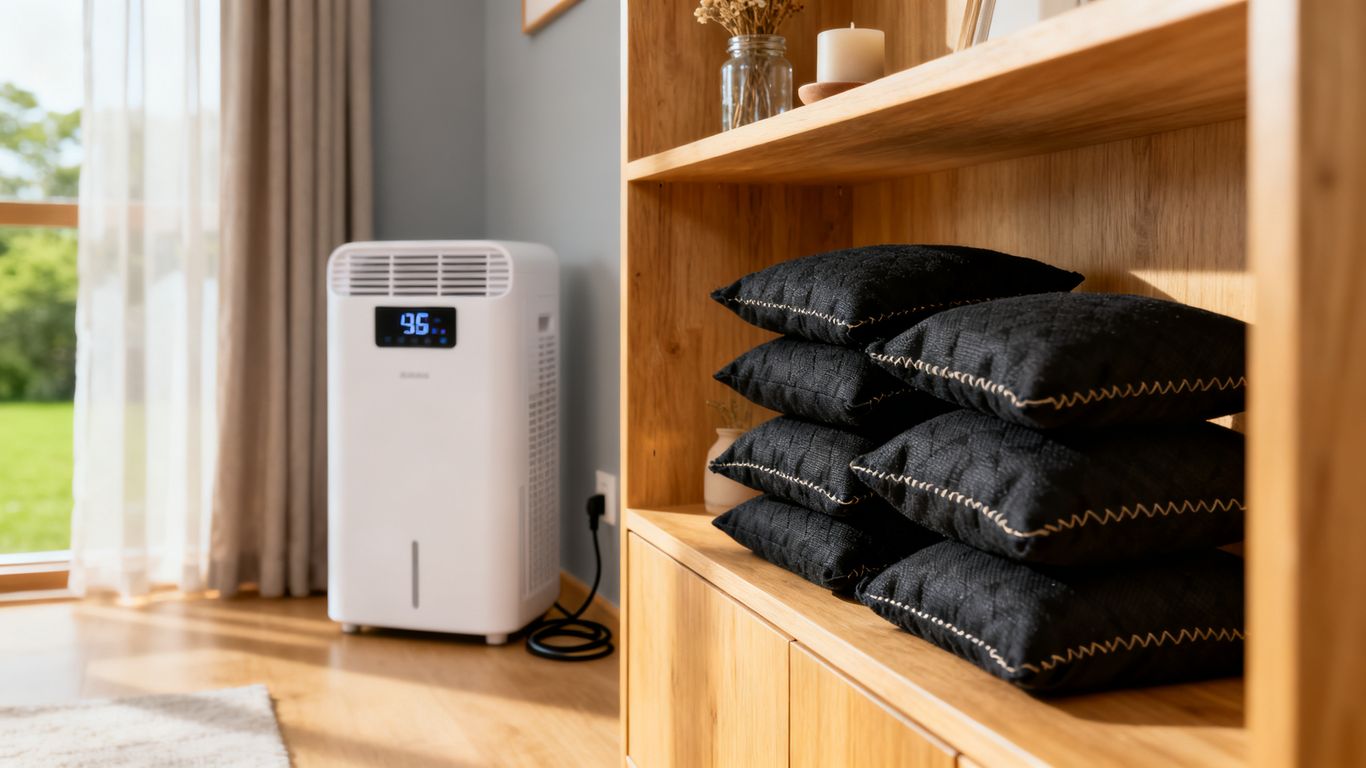
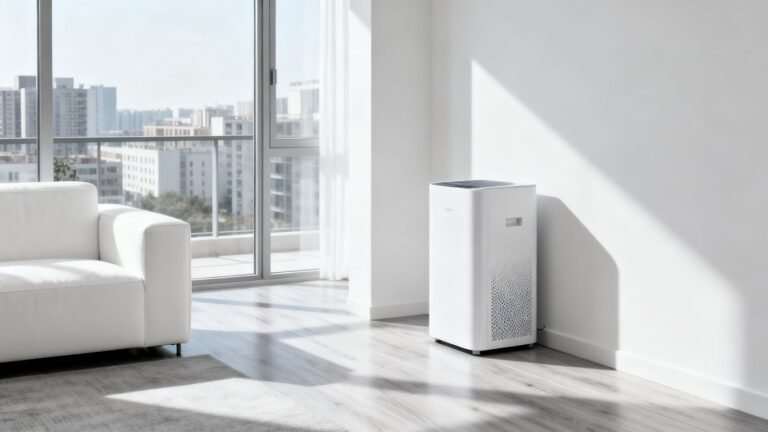
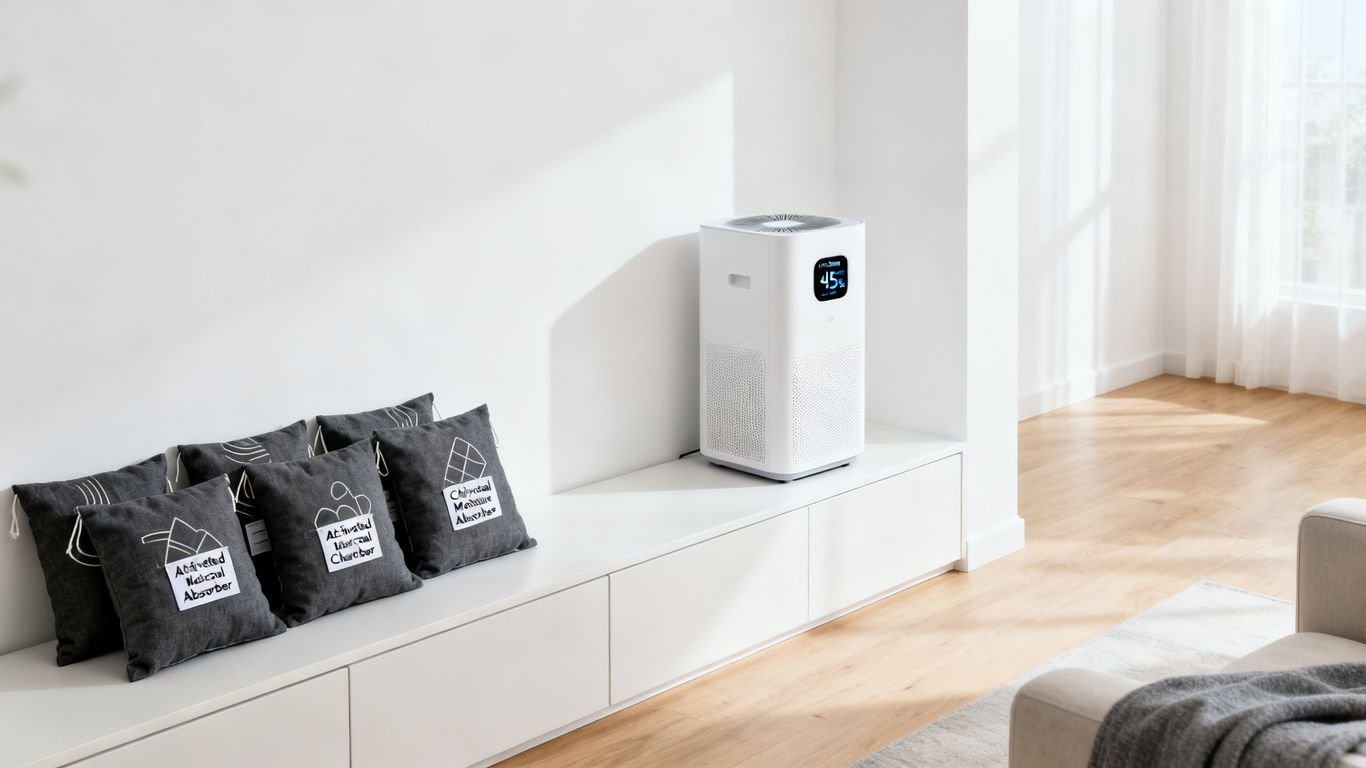
Choosing between passive charcoal absorbers and mechanical systems depends on the specific moisture levels and the size of your room. While charcoal bags work silently to manage mild humidity, they do not provide the rapid extraction rates required for active water removal in larger living zones. Residents in tropical climates often combine both approaches for optimal results throughout the different areas of their homes.
Energy efficiency and power consumption
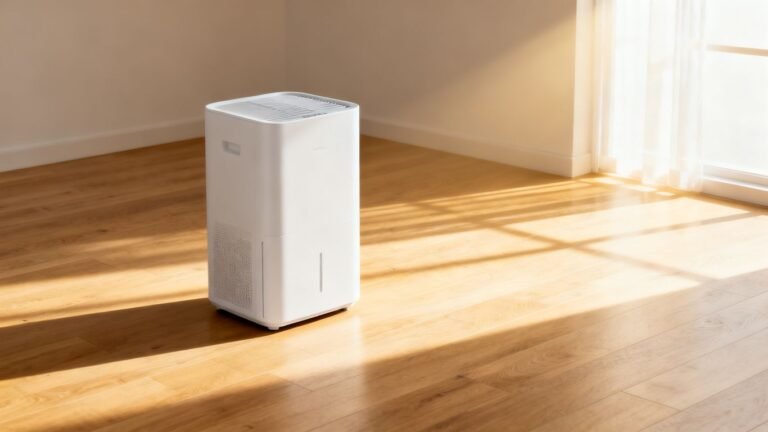
Charcoal bags require zero electricity, making them a cost-effective choice for small cabinets or drawers where power access is non-existent. In contrast, mechanical units like the Aerofy DualCore 20 rely on energy to drive a compressor system that pulls moisture from the air constantly. By using a measured approach, you can place passive tools in stagnant corners while letting high-performance electric units handle large, open spaces.
Noise levels and installation requirements
- Charcoal bags: Silent, maintenance-free, zero installation needed.
- Portable units: Generate audible white noise, require power outlet access.
- Integrated systems: Require drainage hoses and periodic filter cleaning.
- Smart controls: Provide automated cycles to keep humidity in range.
Passive charcoal bags are completely silent and work best inside storage areas, whereas mechanical units offer adjustable fan speeds and smart features. You will need to account for your local electricity costs and the layout of your furniture when deciding which technology best fits your lifestyle needs.
Effectiveness in high-humidity climates
In regions with consistently high humidity, passive charcoal often reaches its saturation limit quickly. For sustained protection against structural damage, you might consider professional 5632 strategies that control indoor air quality throughout the entire building. Using passive tools alone may prove insufficient when the relative humidity regularly exceeds sixty percent.
Where to place charcoal dehumidifiers in your home
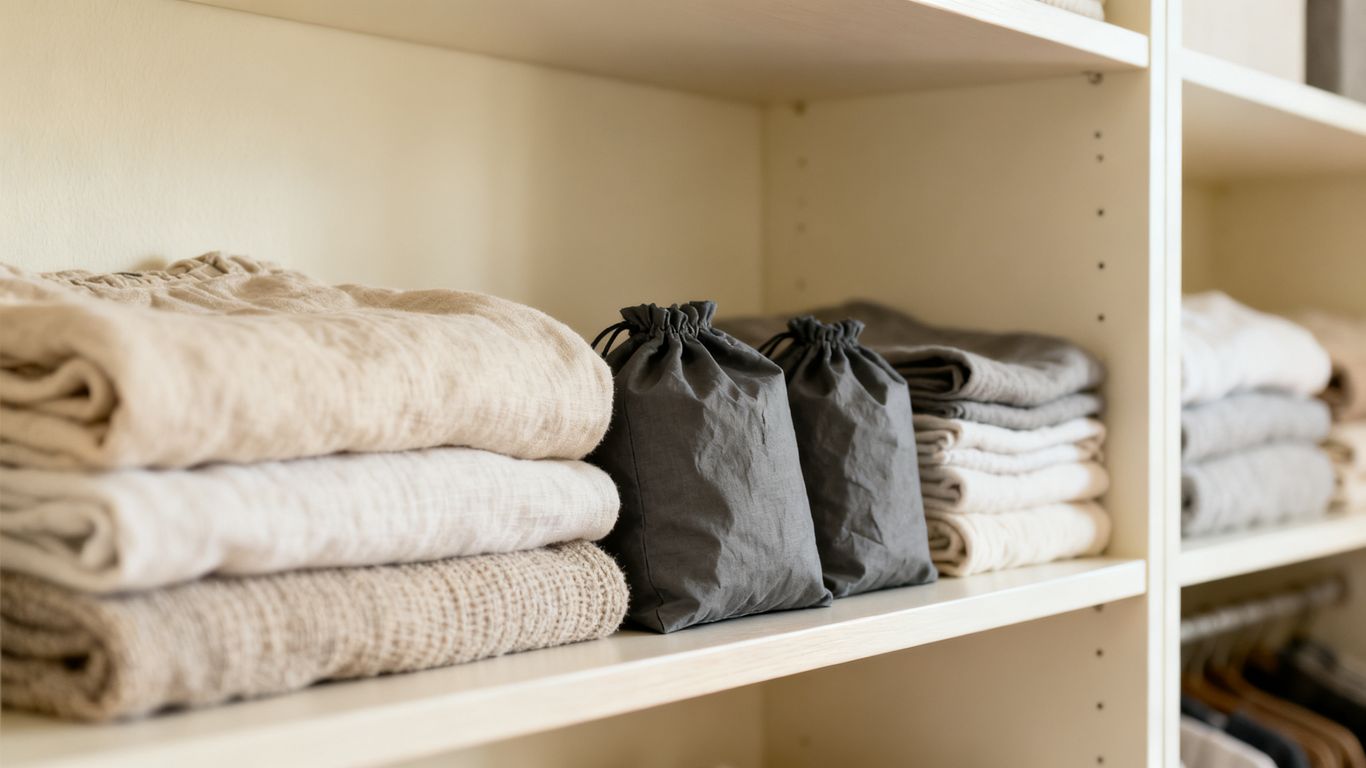
Effective moisture control relies heavily on where you place your absorption tools, as air circulation dictates how much vapor reaches the carbon material. By grouping these absorbers in stagnant zones, you create a buffer against the dampness that typically accumulates in enclosed structural voids. Proper distribution ensures that your home remains balanced, even when outside air brings in significant moisture.
Moisture management in closets and cupboards
Closets are prime locations for Selleys absorbers because these areas lack consistent airflow. Placed near hanging coats or leather items, they effectively prevent the musty odors associated with trapped water vapor. Consistency here is the key; maintaining a stable dry zone protects your seasonal garments from early deterioration.
Reducing dampness in basement and storage spaces
Basements often suffer from steady moisture ingress, making them ideal candidates for broader strategies. While charcoal can work for small boxes within a basement, you generally need high-capacity machines to address the floor-to-ceiling volume of a house foundation. It is helpful to use charcoal in smaller storage bins, but do not rely on it as the sole line of defense for a full basement crawlspace.
Protecting electronics and sensitive gear from humidity
Electronic components are highly susceptible to corrosion when stored in high-humidity environments. Using a KKPL rod alongside your charcoal bags provides a dual protective layer by gently warming the air while the carbon wicks away excess vapor. This prevents condensation from forming on sensitive circuit boards and keeps connectors free from oxidation.
Maintaining and refreshing your charcoal bags
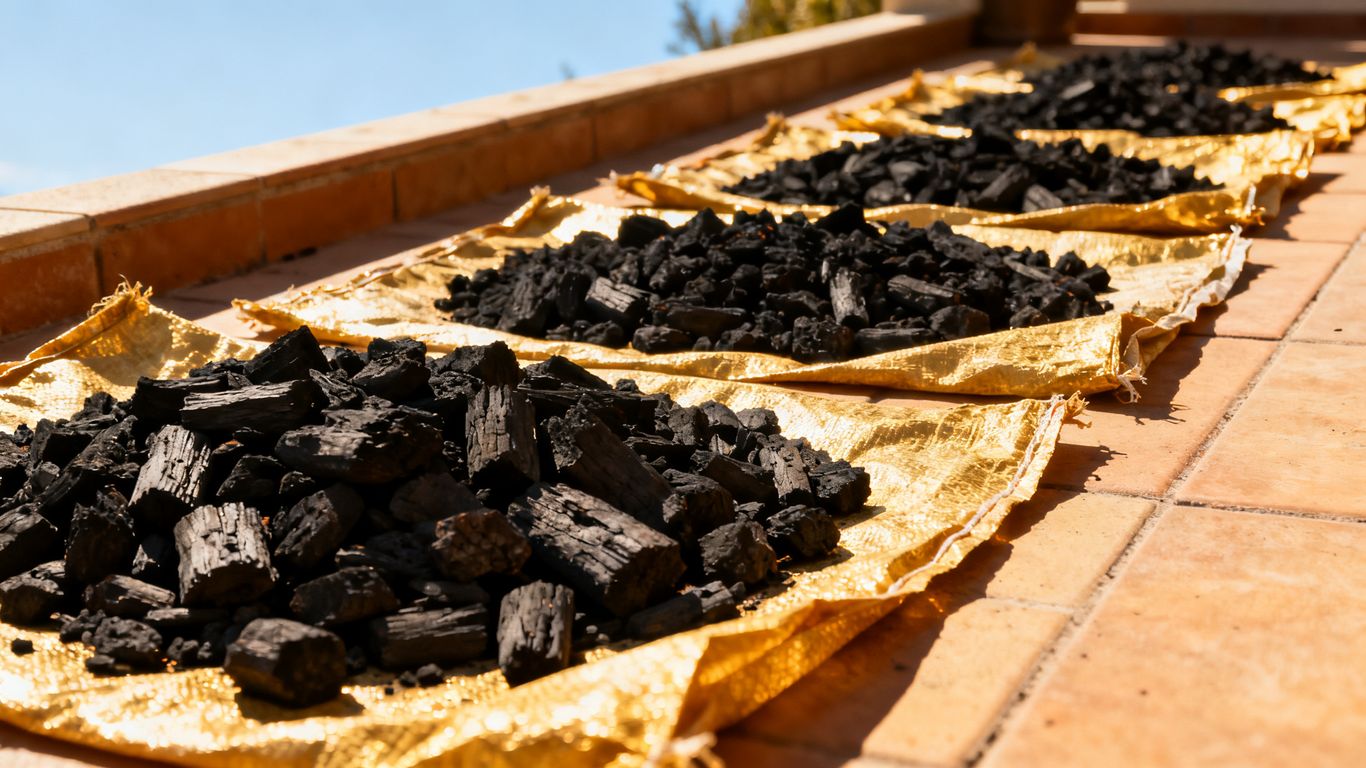
Activated carbon requires consistent maintenance to ensure the pores remain open and ready to accept new moisture. Once a month—or more often in extremely humid months—you must perform a reactivation cycle to drive off the captured pollutants and water. This cycle is critical for getting the longest possible lifespan out of your investment.
How to reactivate charcoal in direct sunlight
To reactivate your bags, place them in a spot that receives complete, direct sunlight for two to three hours per side. The heat and UV light cause the moisture trapped in the micro-pores to evaporate, effectively resetting the internal structure. Make sure the bags are not obstructed by glass or thick plastic, as these block the necessary solar intensity required for evaporation.
Identifying when a bag needs to be replaced
When you notice that the effectiveness of the bag has plateaued even after multiple sunlight sessions, the material has likely reached its end of life. Over time, the carbon granules break down into dust, reducing the available surface area for absorption. If your living space still feels damp or carries a slight musty smell after a fresh recharge, it is definitely time to swap everything out.
Sustainable disposal and composting practices
Once the charcoal no longer performs its intended duty, you can cut open the porous fabric bags and empty the remaining carbon granules into your garden or soil beds. This acts as a soil amendment, helping to regulate moisture content and providing aeration for your plants. It is a closed-loop approach that keeps your home clean and your backyard healthy without generating unnecessary landfill waste.
Limitations of charcoal for severe moisture problems
While charcoal is a helpful tool, you must understand that it performs at a significantly slower rate than modern mechanical dehumidification technologies. If you are regularly clearing water from window sills or seeing visual mold growth on walls, the problem is beyond what simple passive adsorption can handle.
Understanding capacity thresholds and saturation
Every carbon bag has a finite limit of moisture it can hold before it becomes saturated. Once it hits this threshold, it stops absorbing entirely, and the humidity in the room will naturally rise back to ambient levels. This plateau is why you cannot use passive bags to "dry out" a room that has suffered from a major water leak or high leakage rate.
Why passive absorption is slow for large living areas
Passive movement relies on the natural diffusion of air molecules to bring water vapor into contact with the carbon. In large rooms, air moves too slowly for a small bag to influence the average humidity levels of the space. You would need an impossible amount of charcoal to match the active airflow of 1fa4 mechanical units in a common living area.
Signs that you need a mechanical dehumidifier
If you consistently see condensation forming on glass or metallic surfaces, your room is undergoing a rapid moisture cycle that necessitates a heavy-duty solution. You might need to consider a professional 111c solution if the damage to your interior materials increases despite your best efforts with small absorbers. A mechanical unit removes liters of water per day, providing the scale that charcoal bags simply cannot achieve.
Safety considerations for charcoal air purifiers
Most high-quality activated charcoal products are non-toxic, but you should still follow basic common-sense handling procedures. Because these materials are essentially fine carbon dust encased in fabric, the safety focus is primarily on keeping that dust contained while the bag is in use.
Benefits of a chemical-free environment
Using natural carbon is a great way to avoid the chemical fragrances or harsh additives found in many generic moisture-absorbing gels. By picking 897c setups, you benefit from a cleaner indoor environment that avoids potential irritants. It is a practical method for those who prioritize natural materials in their home maintenance kits.
Precautions for placement around pets and children
While charcoal is non-toxic if ingested in very small amounts, always keep bags in locations where pets or children cannot puncture the fabric. The contents are fine-grained and can be messy if spilled, potentially creating a choking hazard or just a significant staining liability on carpets and light-colored furniture. Safety involves treating these bags like any other small, granular household item.
Minimizing dust leakage and fabric staining
To prevent the black carbon dust from marking your surfaces, ensure you buy high-grade, multi-layered fabric covers. Some lower-quality products will leak fine dust over time, which can become trapped in the weaves of your expensive fabrics. Regularly check your placed bags for structural wear to ensure no charcoal residue enters your living environment.
Scenario Time
You are getting ready for an important trip and want to protect your favorite leather shoes and expensive camera gear from potential humidity damage in your closet. You decide to place a few charcoal bags near your shelves to act as a buffer against moisture. By pairing these with a 1f22 maintenance routine for your storage space, you effectively keep your items crisp and odor-free, ensuring long-term storage safety without needing to monitor a machine while you are away.
Conclusion
Integrating charcoal into your moisture control strategy provides a reliable, sustainable, and silent method for keeping small spaces like wardrobes and drawers fresh. While it serves as a perfect complement to heavy-duty equipment for larger rooms, understanding its specific capacity and maintenance needs is vital for long-term consistency.
Frequently Asked Questions
Can you wash charcoal bags in a washing machine?
No, you should never wash these bags, as the water will ruin the internal carbon structure and destroy its ability to absorb moisture. Always rely on sunlight for refreshing them and wipe the exterior cloth gently with a dry, clean brush.
Do charcoal bags stop mold growth permanently?
Charcoal helps reduce humidity, but it cannot kill existing mold or fix the underlying building defects causing high dampness levels. If you have an active mold problem, address the source of moisture first and perform a deep cleaning before relying on charcoal bags as a preventative measure.
How often should you check the charcoal bags?
For most home environments, checking your bags every 30 days is standard protocol. In more humid climates, you might find that refreshing them every two weeks provides better performance and keeps the air feeling noticeably fresher.
Will charcoal bags eliminate very strong paint or chemical odors?
While charcoal is excellent at neutralizing mild daily household smells, it is not designed to eradicate heavy chemical vapors or strong construction fumes. For those situations, specialized air purification systems with high-grade carbon filters are significantly more effective.
Can I place charcoal bags inside a car?
Yes, these bags are very effective in vehicles, especially in the trunk or under the seats during humid seasons. They prevent that common stale car smell and keep moisture away from upholstery, just make sure to move them to direct sunlight in your driveway monthly for optimal performance.
Are there any risks to placing charcoal near clothes?
As long as the fabric of the bag is high-quality and not showing signs of wear, there is no risk to your clothing. Just avoid placing them directly on light-colored delicate fabrics to prevent any potential micro-dust transfer during accidental impacts.
Must charcoal be kept in an enclosed space?
While they are most effective in smaller, enclosed volumes where they can pull moisture from a confined air supply, they do still work in open rooms. However, the effect will be diffused across a larger volume of air, making it harder to sense a distinct improvement in moisture levels compared to a small cupboard.