Key Takeaways
Understanding the differences between indoor air systems ensures your home environment remains healthy and comfortable. This guide outlines how selecting the right technology impacts your well-being.
- Air purifiers focus on capturing airborne particulate matter like dust and allergens.
- Dehumidifiers address humidity levels to suppress mold, mildew, and structural dampness.
- Combining these functions can solve multiple indoor environmental challenges simultaneously.
- Proper maintenance and placement are essential for device performance in tropical climates.
- Determining your primary concern—respiratory irritants or moisture control—guides your product selection.
Understanding air purifiers
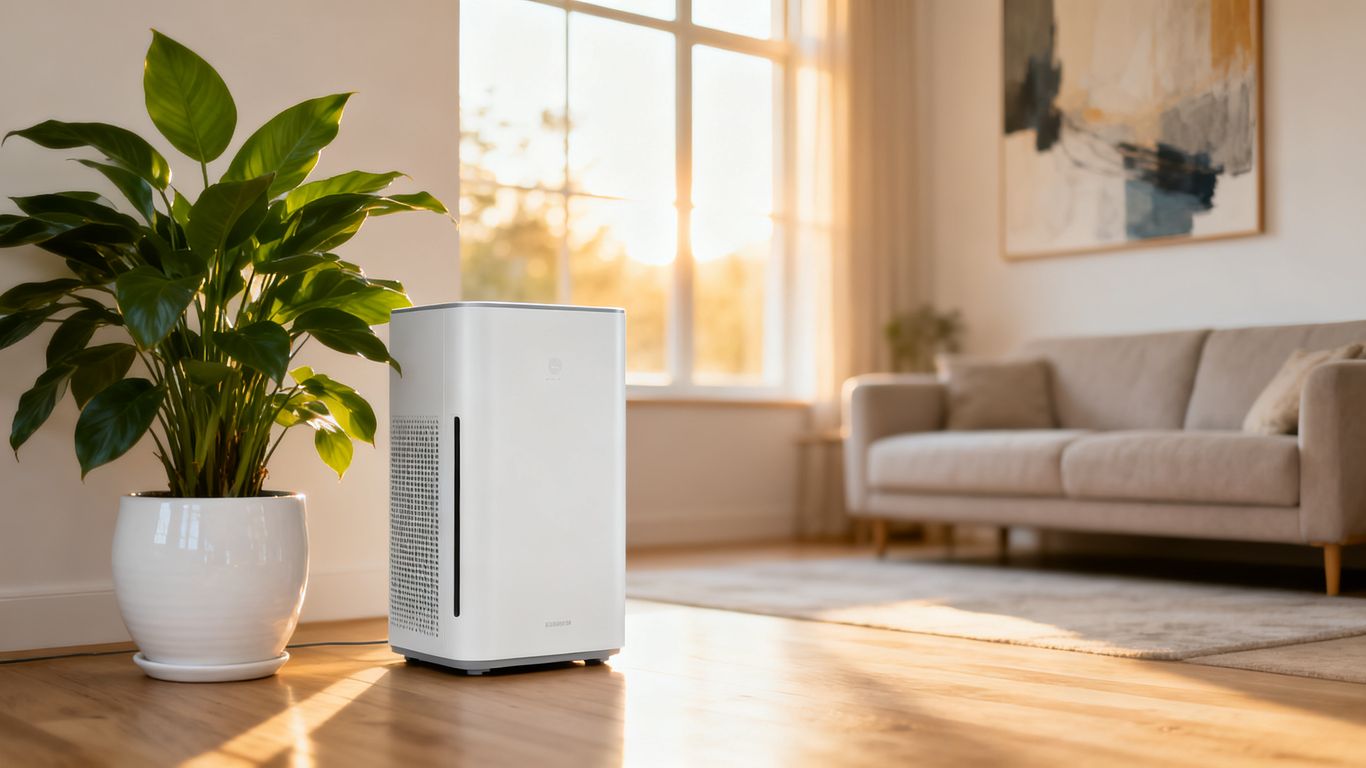
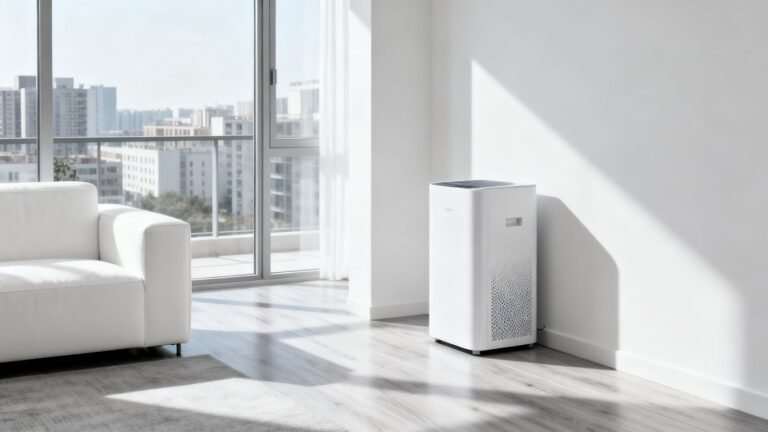
Air purifiers function by drawing air into a multi-stage filtration system that captures microscopic particles. These devices are purpose-built to improve indoor air quality by removing unwanted contaminants that circulate in your living space. By passing air through a series of filters at high speed, they significantly reduce the concentrations of pollutants we inhale daily.
How HEPA filtration works
High-Efficiency Particulate Air (HEPA) technology uses a dense, pleated fiber mat to trap particles as small as 0.3 microns. As the fan pulls indoor air through this layer, particles become physically lodged in the fibers, preventing them from recirculating while allowing clean air to pass through to the room. This mechanical process is the gold standard for creating a healthier home environment for residents.
Common indoor pollutants removed
Most modern units neutralize a variety of hazardous substances that linger in domestic environments. Common targets include pet dander, pollen, dust mite waste, and various household smoke particles that trigger inflammatory responses. Removing these threats creates a safer space by scrubbing the air of common triggers found in residential settings.
Ideal use cases for asthma and allergy relief
Residents suffering from respiratory sensitivities benefit immensely from removing fine allergens. Because these devices actively exchange the room’s air volume multiple times per hour, they maintain a consistent state of cleanliness that alleviates the daily burden on your respiratory system, making them essential for those seeking superior air protection daily.
Understanding dehumidifiers
Dehumidifiers operate on a different principle, focused entirely on extractable water vapor rather than solid particulate capture. By cooling the incoming air until it reaches its dew point, moisture is condensed into a liquid state and collected, while the remaining air is reheated and returned to the room. In humid environments like Singapore, this prevents conditions where biological growth thrives, and the Aerofy team engineers these units to specifically manage high ambient moisture levels.
Mechanics of moisture extraction
These machines use a refrigeration-based cycle involving an evaporator and a condenser, similar to how an air conditioner functions. The internal R290 refrigerant flows through the coils, cooling them so humidity in the air condenses upon contact. This process effectively lowers the dew point of the indoor area, which is vital for preventing the sticky, uncomfortable feeling common in tropical living.
Preventing mold and mildew growth
Excessive moisture provides the ideal breeding ground for spores that eventually colonize walls, furniture, and clothing. By maintaining relative humidity levels below the typical threshold for mold, these appliances act as a barrier against biological decay. Proactive management of your home’s micro-climate is the most durable method for protecting furniture and walls from dampness and musty odors.
Managing indoor comfort levels
- Setting targets between 40% and 55% relative humidity optimizes breathing comfort.
- Preventing condensation on window glass reduces damage to frames.
- Reducing moisture in wardrobes specifically protects fabric integrity.
- Consistent operation suppresses dust mite populations that require humidity.
Maintaining the right balance ensures that your living space remains structurally sound and personally comfortable throughout the year. Controlling moisture at the source is the key to maintaining a healthy home environment for everyone in the household.
Direct comparison of functional purpose
Understanding the distinction is vital because a single device often excels at one primary task while only having a negligible effect on the other. A device optimized for particle filtration will not inherently lower the humidity of an entire room, and a standard condenser will rarely scrub the air of fine particulates.
Purpose of cleaning versus drying
Air purifiers are designed to keep the air clear by removing physical matter, whereas dehumidifiers change the thermodynamic state of the atmosphere. The following table illustrates the core differences between these essential household technologies:
| Functionality | Air Purifier | Dehumidifier |
|---|---|---|
| Primary Goal | Removes Particulates | Removes Moisture |
| Key Outcome | Cleaner Air | Lower Humidity |
| Main Target | Pollen, Dust, VOCs | Mold, Mildew, Damp |
Selecting the correct device depends on whether your symptoms are reaction-based or environment-based.
Impact on respiratory health versus structural health
Particulate removal directly impacts your internal lung health by minimizing chemical and solid irritants, while moisture control prevents the external environment from decaying. Structural health is heavily dependent on moisture management, as prolonged humidity can degrade wooden furniture, wallpaper, and drywall. Both are required for a healthier living space that supports long-term occupant wellness.
Can one device replicate the function of the other?
Standalone units generally cannot replicate the specialized technology of the other, as the internal components are specialized for either airflow or refrigeration cycles. While marketing may sometimes suggest overlap, dedicated engineering for particle filtration vs. water vapor removal remains quite distinct. Reliance on judgment and analytical thinking is necessary to navigate these choices in the current marketplace.
Factors to consider before purchasing
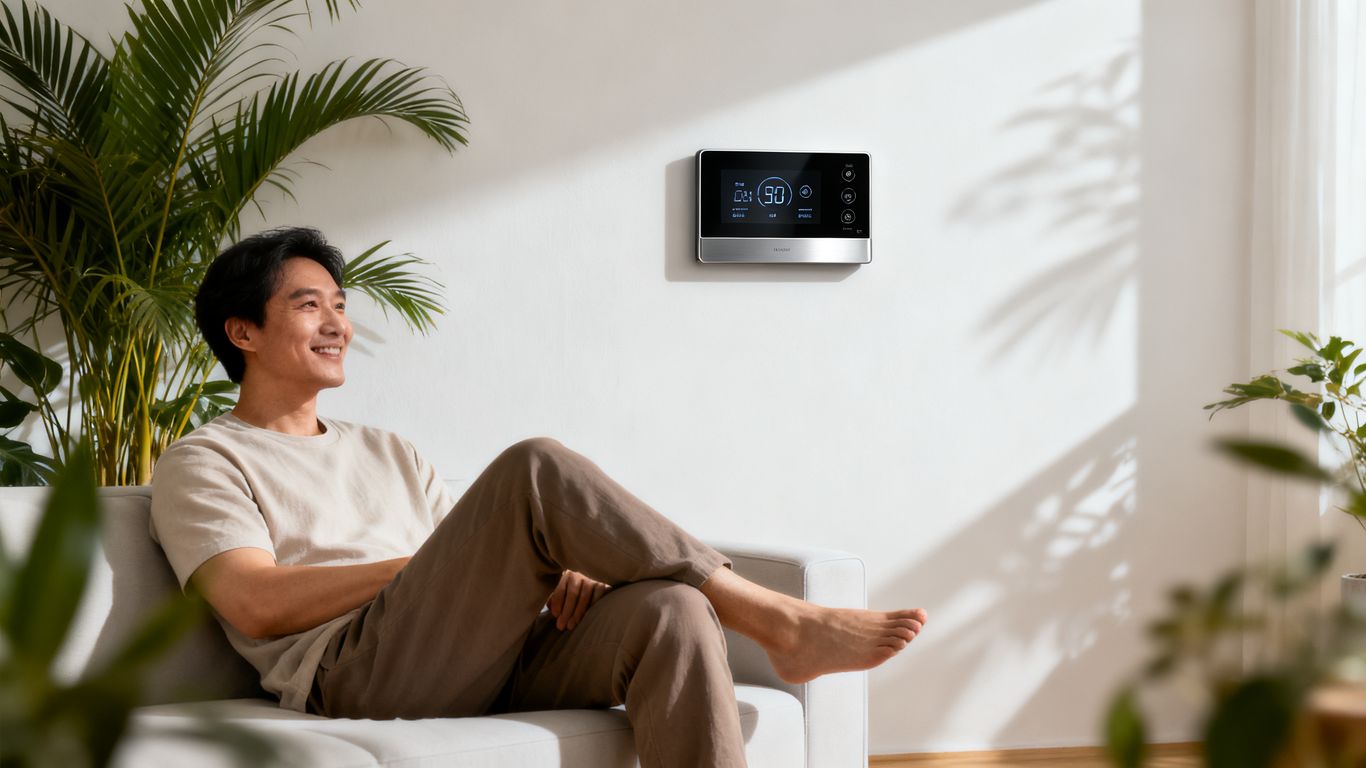
Before investing, you must assess the specific environmental demands of your living space. Consider the frequency of musty smells or the severity of your allergy symptoms over the course of the changing seasons.
Assessing your primary air quality concerns
Identify if your home suffers from high humidity during the wet season or if you struggle with particulate allergens Year-round. If your residence feels clammy in the evenings, a dehumidifier is a priority; if you wake up with itchy eyes or sneezing, air filtration is the primary need. The Aerofy DualCore 20 was engineered to bridge this gap by addressing both concerns in a single unit.
Measuring room size and capacity requirements
Small capacity units struggle to effectively manage large open-concept living rooms, while oversized units consume electricity unnecessarily. Measure the square footage of your primary living areas before purchase, as the CADR rating for purifiers and pints-per-day extraction for dehumidifiers are calculated based on specific room dimensions.
Balancing energy consumption and noise levels
Continuous operation is often required to maintain air health, so look for units with energy-efficient rotary compressors and low-noise sleep modes. High-performance models often scale power usage based on real-time sensors, ensuring your monthly electricity bills remain manageable even when running multiple appliances.
Maintenance and filter replacement schedules
Every device requires maintenance to remain functional. HEPA filters must be replaced when obstructed to maintain airflow, and dehumidifier water tanks need regular emptying or hose drainage. Following a strict maintenance schedule ensures that your appliances remain effective for years to come.
Managing a home with both air purifiers and dehumidifiers
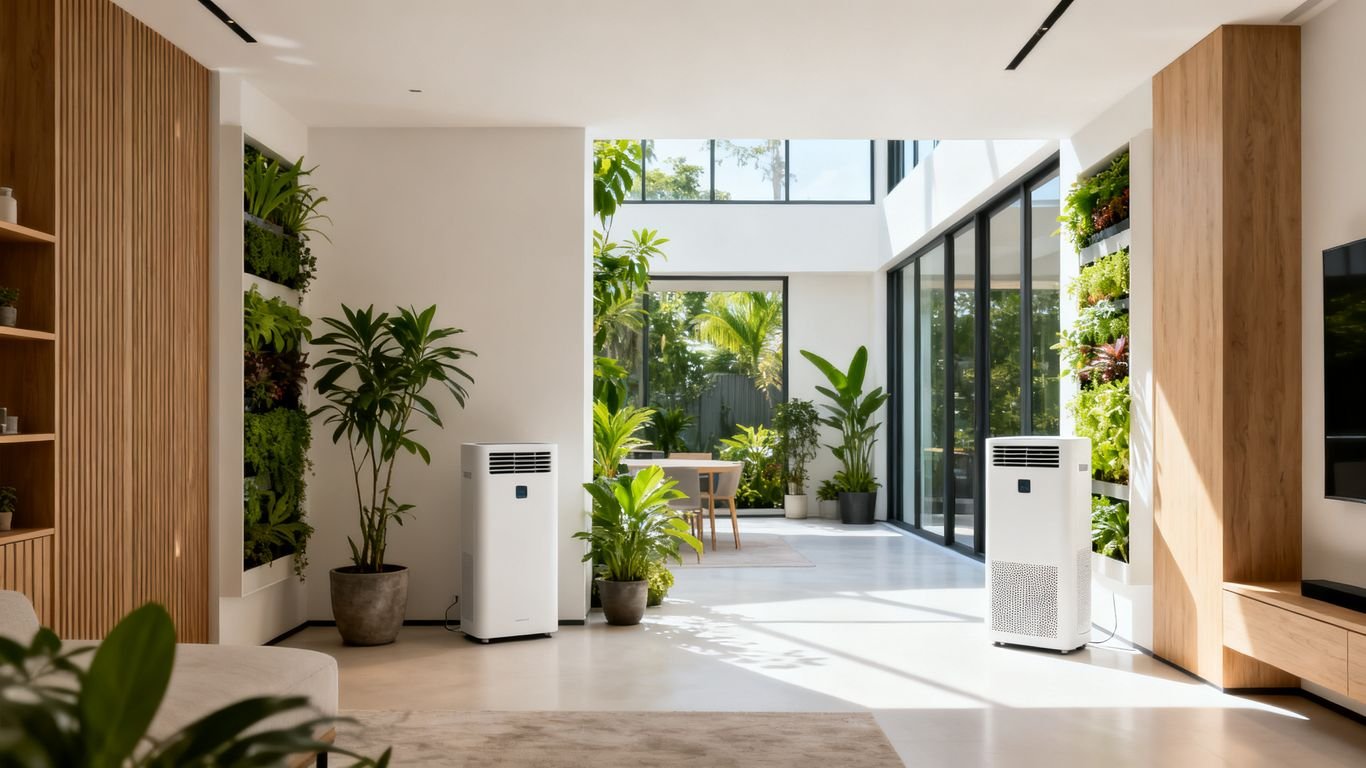
Operating multiple devices requires a thoughtful approach to layout and scheduling to prevent the systems from hindering each other’s performance. When managed correctly, this setup can transform your home’s air quality.
Optimal placement for multiple units
Place dehumidifiers in areas with high air circulation, such as near the center of a room or in corridors, to prevent localized spikes in humidity. Keep air purifiers away from corners, as they need open space to draw air from the surroundings effectively. Keep these units at least three feet apart to prevent interference between the exhaust of the dehumidifier and the intake of the air purifier.
Scheduling devices for energy efficiency
By utilizing smart plugs or built-in timers, you can schedule your appliances to operate during the times of day when humidity or pollution levels commonly peak. This strategy prevents unnecessary power draw while ensuring the devices are active exactly when your home needs them most.
When a combined air purifier-dehumidifier unit makes sense
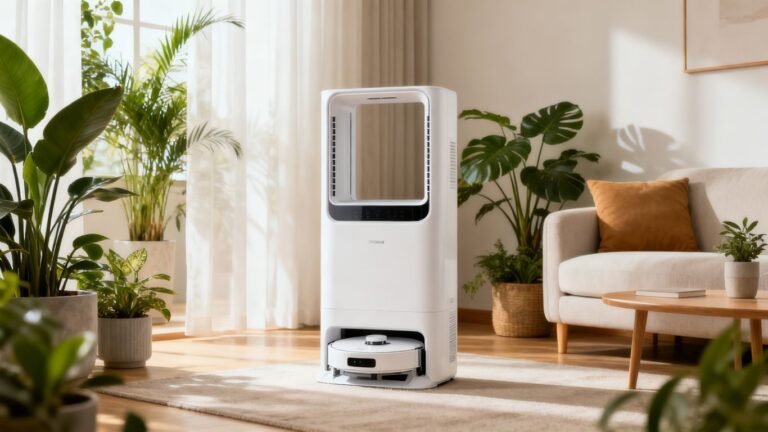
Integrating both functions into a consolidated appliance design is ideal for smaller homes where floor space is limited. If you live in a climate where both high humidity and airborne irritants are constant threats, a high-quality 2-in-1 system saves both energy and physical space without sacrificing performance.
Conclusion
Choosing between an air purifier and a dehumidifier requires understanding the specific challenges of your climate and home. Whether you need to filter indoor pollutants or remove excess moisture, the right appliance acts as a vital tool in maintaining your health. Consider an advanced 2-in-1 unit to handle both needs efficiently.
Frequently Asked Questions
Does a dehumidifier remove dust from the air?
No, a dehumidifier does not use filters designed to capture dust. It is strictly for moisture reduction; therefore, you still need an air purifier to clear particulates.
Can an air purifier help with musty smells?
If the musty smell is caused by mold particles floating in the air, an air purifier can capture them. However, it cannot stop the source of the moisture that grows the mold.
Where should I place these devices for the best results?
Place them in areas with good airflow, ideally in the center of the room or in central hallways. Avoid placing them against walls or behind furniture, which limits their reach.
How often should I run these machines?
For chronic allergy or humidity issues, continuous operation is usually recommended. Most modern units have intelligent sensors that allow them to automatically slow down once your preferred levels are reached.
Are there any health risks to running them too much?
Running these appliances is safe for your health. The primary risk is over-drying your air, which can cause skin irritation or dry eyes, so monitor your settings.
Do these devices affect my electricity bill significantly?
Energy usage depends on the specific power rating and efficiency of the model. Choosing modern units with variable speed sensors can help keep consumption low throughout the day.
Can I use these devices in an air-conditioned room?
Yes, these devices work fine alongside air conditioning. They often assist the air conditioner by removing moisture, allowing the room to feel more comfortable at higher thermostat settings.