Key Takeaways
Using a dehumidifier for drying clothes can be highly efficient, especially in humid tropical climates where air-drying is slow. Follow these primary steps to optimize your laundry routine and keep your garments fresh.
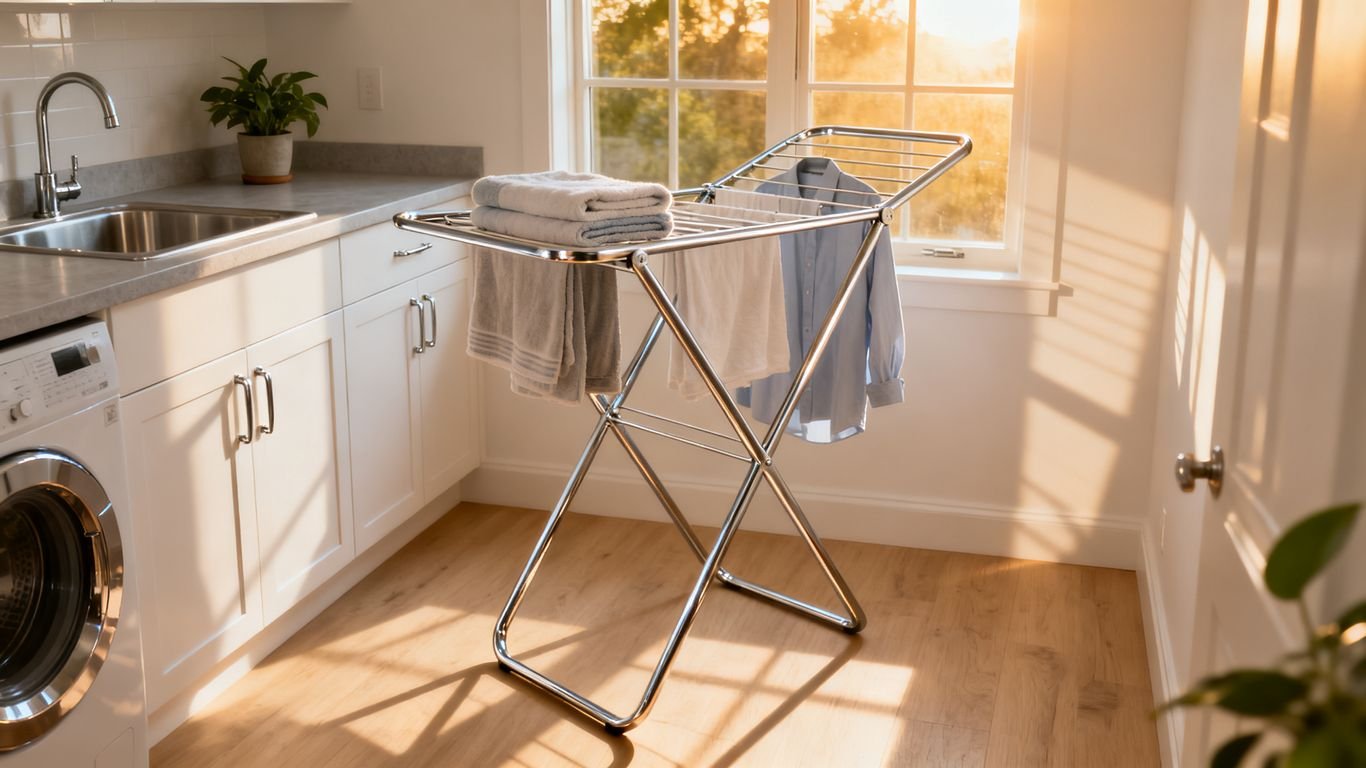
- Position drying racks near the dehumidifier to maximize localized moisture extraction.
- Ensure the room is enclosed to maintain a consistent environment for faster drying cycles.
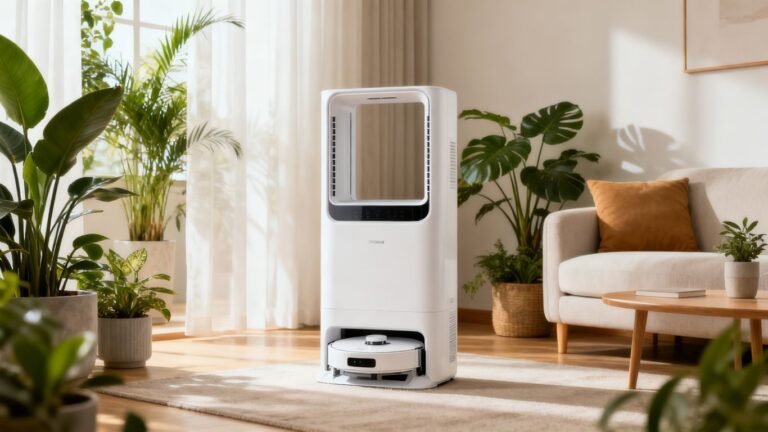
- Choose a unit like the DualCore 20 to combine dehumidification with effective air circulation.
- Clean your machine’s filter regularly to prevent dust buildup and maintain airflow efficiency.
- Monitor your humidity levels to avoid over-drying and ensure optimal protection against mold growth.
Understanding how dehumidifiers dry laundry
Managing moisture in a home is often the biggest challenge for those living in tropical regions like Singapore. Many people struggle with indoor drying, which can lead to musty odors and long wait times for clothes to become ready to wear. A dehumidifier for drying clothes simplifies this by systematically pulling moisture out of the air surrounding your wet garments.
The mechanics of moisture removal
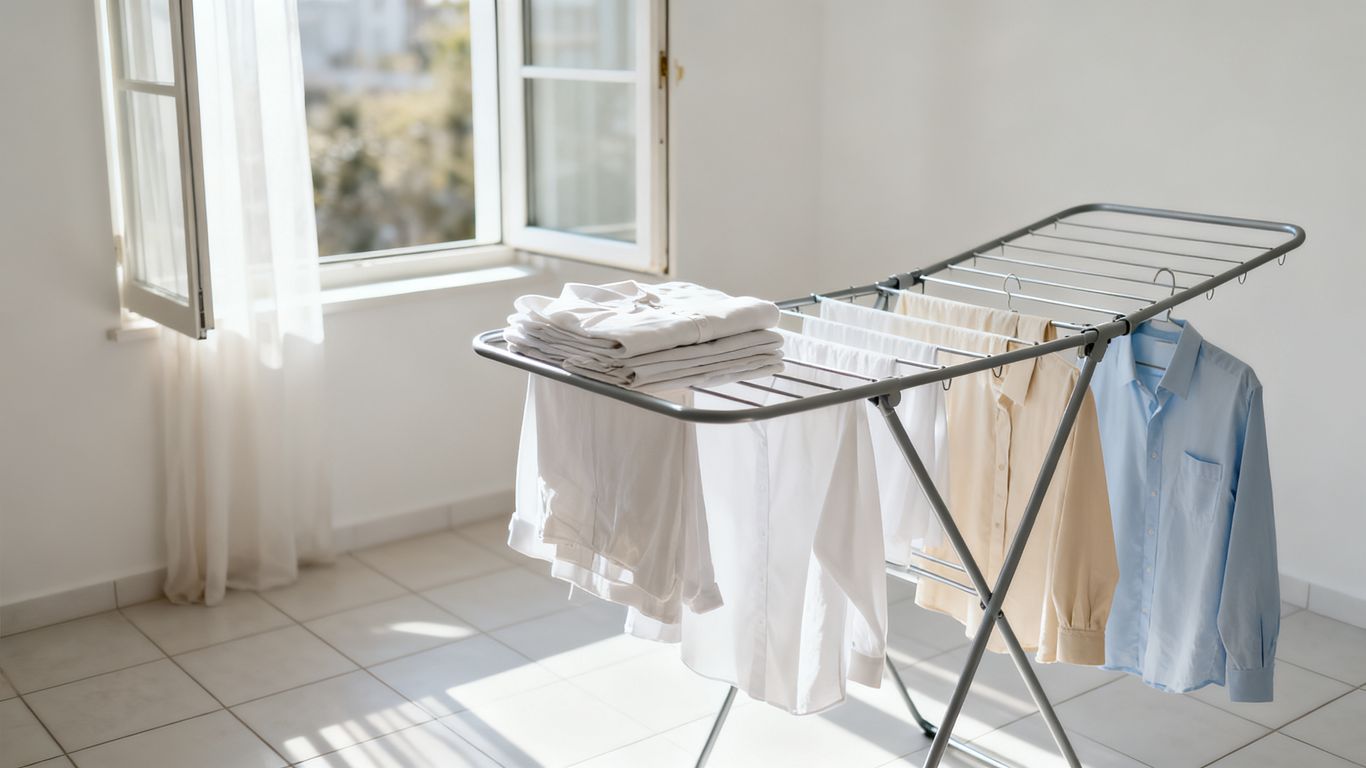
Dehumidifiers function by drawing damp air over cold cooling coils, triggering the condensation process. As the air cools, the moisture turns into liquid and drips into the tank, leaving behind much drier ambient air. This process is highly effective when understanding how a dehumidifier works in a controlled space, as it ensures that the air passing through your wet clothes is always ready to absorb more moisture.
Benefits compared to traditional tumble drying
Unlike traditional tumble dryers, which often use high heat that can damage delicate fibers, dehumidification works at lower temperatures to preserve your clothing. This gentle approach is essential for extending the longevity of high-quality fabrics, preventing the shrinkage and wear often associated with aggressive machine drying. Many users find this method much a cheaper and effective alternative for their daily laundry needs.
Ideal room conditions for maximum efficiency
For the best results, you need to minimize the volume of moist air entering your drying space. Keeping windows and doors closed forces the machine to focus solely on the air trapped in the room, drastically increasing the speed of the laundry drying dehumidifier process.
Setting up your laundry space for faster drying
Creating an efficient drying zone requires more than just a drying rack and a machine. By carefully selecting your location and arranging your equipment, you can cut down drying times significantly while ensuring your laundry stays fresh and odor-free.
Optimizing airflow in restricted spaces
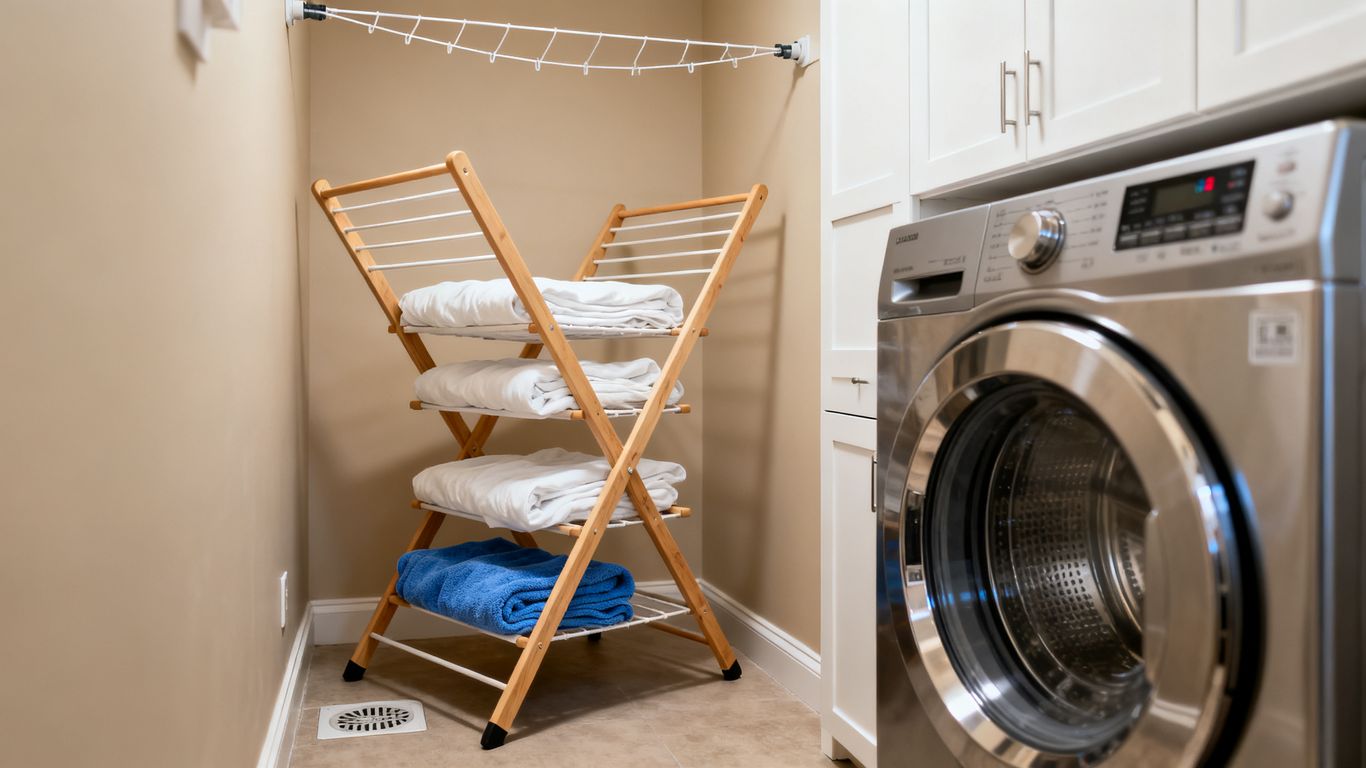
Good airflow is the backbone of efficient indoor drying because stagnant air quickly becomes saturated with moisture. When you position your laundry, ensure that air can circulate freely around each item so the dry output from your fan reaches every corner of the garment.
Positioning the device relative to clothing racks
When setting up your station, you should focus on creating a consistent flow of dry air aimed directly at the center of your clothes rack. This method ensures that the air doesn’t just strip moisture from the top layer of garments but also penetrates the dense folds of heavier items.
Using compact rooms like bathrooms or utility cupboards
Using smaller rooms is a popular strategy to create a high-performance drying environment because it limits the total moisture content.
| Drying Strategy | Benefit | Efficiency |
|---|---|---|
| Small Utility Room | Faster moisture saturation | High |
| Ceiling Fans | Keeps air moving | Moderate |
| Direct Airflow | Targets wet clothes | Superior |
Implementing these physical configurations ensures your appliance doesn’t have to work harder than necessary to clear the air.
Selecting the right machine for drying clothes
Not all machines are built with the same set of capabilities, and tropical residents have unique needs. Choosing a machine that handles high humidity while filtering your air can turn your laundry room into a much more specialized environment.
Compressor versus desiccant dehumidifier technology
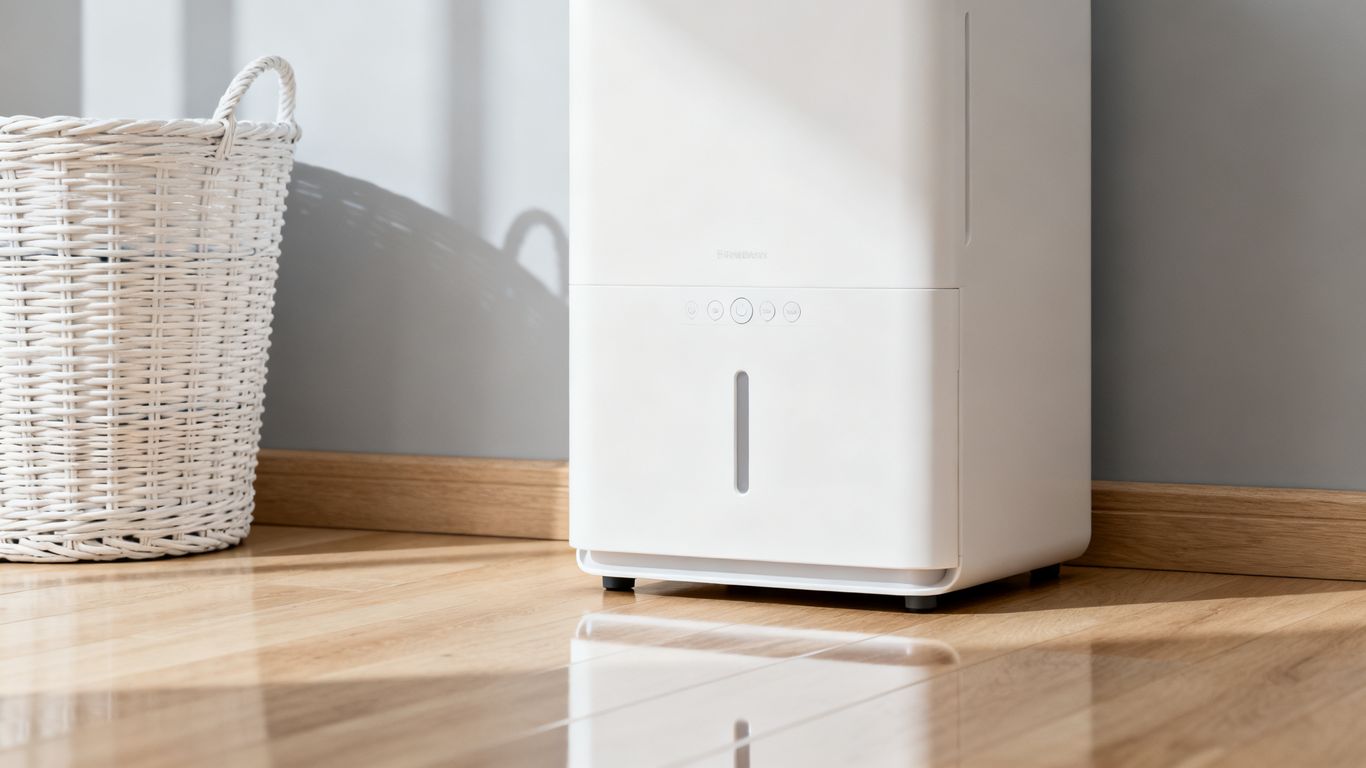
Compressor units are generally more energy-efficient in warmer environments, making them ideal for the realities of daily life in the tropics. Because they rely on the refrigeration cycle, they excel at extracting large volumes of water at higher ambient temperatures.
Importance of daily extraction rate and tank capacity
Extraction capacity determines how much time you save during the drying process, as more powerful units can maintain lower relative humidity levels consistently. A larger tank also means fewer interruptions to empty the reservoir, which is crucial if you are drying large, heavy loads overnight.
Essential features including laundry mode settings
Modern appliances often include dedicated laundry modes that adjust fan speeds based on real-time humidity sensors.
💡 Scenario Time: Imagine you just finished a large batch of laundry during the humid season. You place your DualCore 20 in your utility room, set it to the laundry mode, and within four hours, the entire rack is dry without the musty scent that usually follows air-drying.
Best practices for daily indoor drying
Successfully managing indoor laundry involves careful preparation to avoid common pitfalls like over-crowding or poor spacing. When you follow a routine, your garments maintain their shape and texture much longer.
Spacing garments for improved air circulation
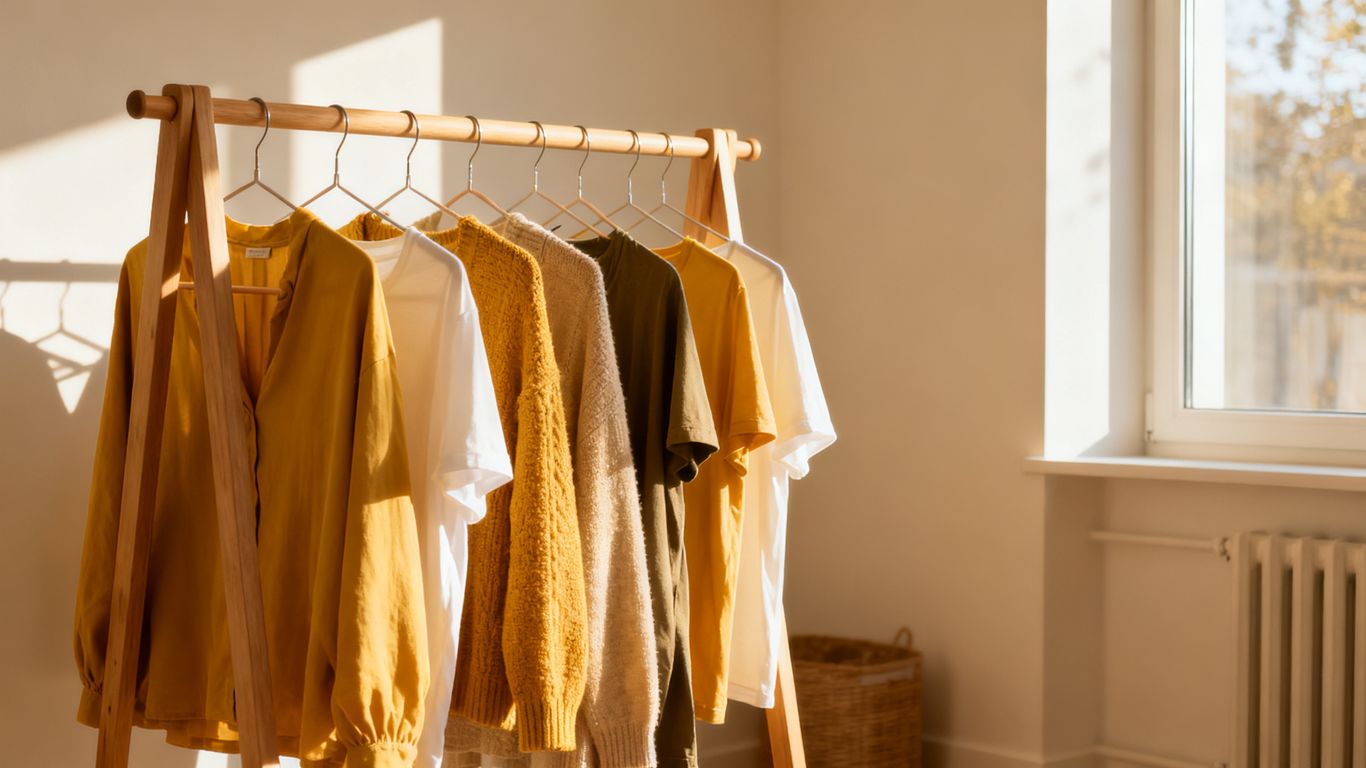
If you crowd your clothes, moisture gets trapped between fabric layers, which is a common cause of slow drying times.
- Hang heavier items on the outer edges of the rack.
- Keep light garments in the center where airflow is strongest.
- Turn your clothes halfway through the process for even results.
- Use hangers to provide extra surface area for moisture evaporation.
This basic step ensures air travels through your clothes rather than around them, preventing pockets of dampness that lead to mold.
Managing heavy fabrics versus delicate items
Heavy items like towels hold significantly more water than linens, and you should always allocate more drying time for them. Delicate items, on the other hand, benefit from being kept away from direct, high-speed fan settings to avoid stretching.
Monitoring ambient temperature and humidity levels
Keeping your environment between 40% and 50% relative humidity is the golden standard for both drying efficiency and home comfort. If the air gets too dry, you might find that your delicate items start to feel brittle, so it is a good idea to check your machine settings periodically.
Cost-saving strategies and maintenance
Maximizing your investment in a dehumidifier involves simple operational habits that save you money on electricity while protecting your machine for years to come. By adopting, as one might call it, a proactive maintenance approach, you avoid unnecessary repair costs.
Comparing electrical consumption to tumble dryers
Operating a dehumidifier is generally much cheaper than running a standard tumble dryer. Since the device only needs to handle moisture-laden air, it consumes significantly less power than a machine that needs to generate heat internally to vaporize water.
Cleaning air filters for optimal performance
Dust and lint from your clothing can easily clog your filters, which slows down the extraction process and forces the motor to use more energy. A simple bi-weekly cleaning is all it takes to keep your appliance running smoothly.
Safety considerations for appliances near laundry racks
Safety is paramount when using water-extracting machines near wet clothing. Always ensure your power cables are kept dry and that the unit has clear space around it to prevent overheating.
Prepare for the unexpected by ensuring your equipment is correctly placed and regularly serviced to prevent any operational failures during your drying cycle.
Conclusion
Using a dehumidifier for drying clothes is a smart, efficient way to manage laundry, especially in humid regions. By maintaining your equipment and optimizing your drying space, you can enjoy fresh, clean clothes without the heavy energy costs associated with traditional dryers. Start today to see the difference in your home comfort.
Frequently Asked Questions
Can a dehumidifier dry clothes completely?
Yes, it can dry clothes effectively, though the time taken depends on the surrounding humidity and how crowded the drying rack is.
Should I turn on the heat while drying clothes?
Most dehumidifiers perform well at room temperature; adding extra heat is usually unnecessary and may only increase your electricity consumption.
How often should I empty the water tank?
This depends on the capacity of your unit and the volume of laundry, but generally, checking it once every few hours during a long drying cycle is recommended.
Does using a dehumidifier damage my clothes?
No, it is a very gentle process that avoids the high-heat exposure typical of tumble dryers, making it safe for almost all fabric types.
Where is the best place to put the dehumidifier?
Place it near the laundry rack, ensuring there is enough space for air to circulate freely into the intake and out of the vents.
Can I leave the machine running unattended?
Modern units are designed for safe, continuous operation, but it is always good practice to ensure the tank is clear or the unit is set to auto-shutoff when full.
Will this method increase my humidity elsewhere?
Not if you keep the room closed; by containing the process, you prevent the excess moisture from migrating into other areas of your home.