Key Takeaways
- Bathrooms in Singapore consistently face high humidity levels, often exceeding 80% if not managed correctly.
- Mold and mildew growth pose significant respiratory risks, making humidity control essential for a healthy home environment.
- Choosing a dehumidifier for a small space like a bathroom requires attention to tank capacity, safety features, and energy efficiency.
- Proper airflow and strategic placement significantly extend the operational lifespan of your moisture-removal equipment.
- Comparing electrical units against disposable moisture absorbers reveals that mechanical systems offer superior long-term financial and performance outcomes.
Understanding bathroom humidity levels in Singapore
High humidity is a constant factor in Singapore, creating an environment where moisture linger long after showers. The tropical climate keeps baseline humidity elevated, and bathrooms, being naturally enclosed spaces, often suffer from poor air exchange. Understanding the specific moisture profile of your own home is the essential first step in preventing recurring dampness.
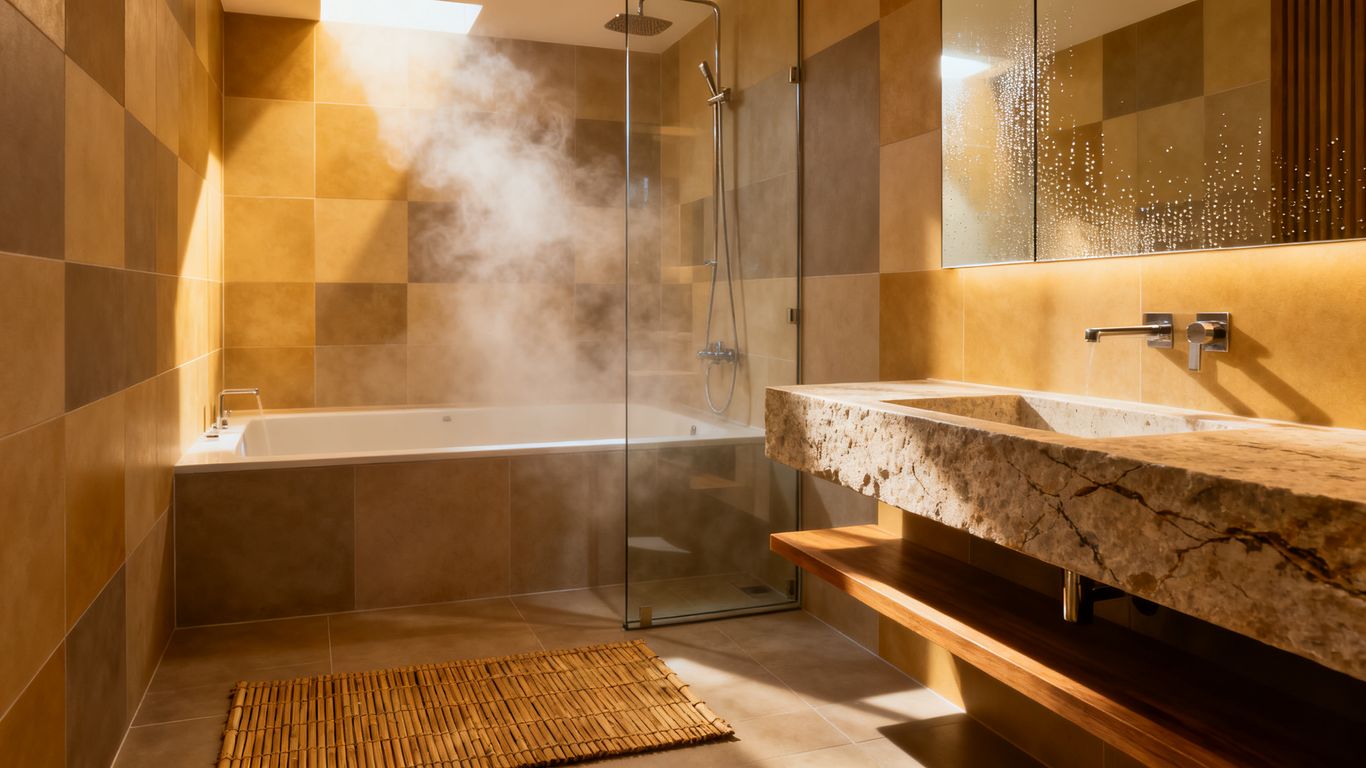
Impact of Singapore’s tropical climate on bathroom moisture
The ambient air in our region often carries high moisture content, which prevents surfaces like tile walls and grout lines from drying effectively. When steam from hot showers interacts with this saturated air, moisture levels climb to near saturation. This persistent dampness is not just a nuisance; it acts as a silent threat to your property by slowly breaking down surface finishes and supporting bacterial environments.
Identifying signs of excessive humidity in your bathroom
Watch for common indicators such as condensation buildup on mirrors that takes hours to evaporate or a lingering musty odor that persists despite a clean bathroom. You might also notice peeling paint or darker patches near tile grout, which are clear signals that moisture is penetrating your surfaces. If these issues are present, utilizing the DualCore 20 effectively can help maintain a balanced, dry atmosphere.
Health risks associated with mold and mildew growth
Exposure to mold spores is a genuine health concern, potentially triggering sneezing and itchy eyes or more intense respiratory responses. Mold colonies thrive in damp conditions and continuously release spores into the confined air of your home. By managing your indoor humidity level, you create an inhospitable environment for these fungi and protect your household members from long-term allergen exposure.
Key features to look for in a compact bathroom dehumidifier
Finding a device that fits into a compact, moisture-prone environment requires balancing physical dimensions with heavy-duty performance capabilities. A well-engineered product should utilize features like HEPA filtration to ensure the air being circulated is not only dry but also clean. Prioritizing these features ensures your investment effectively addresses the unique tropical challenges of your specific floor plan.
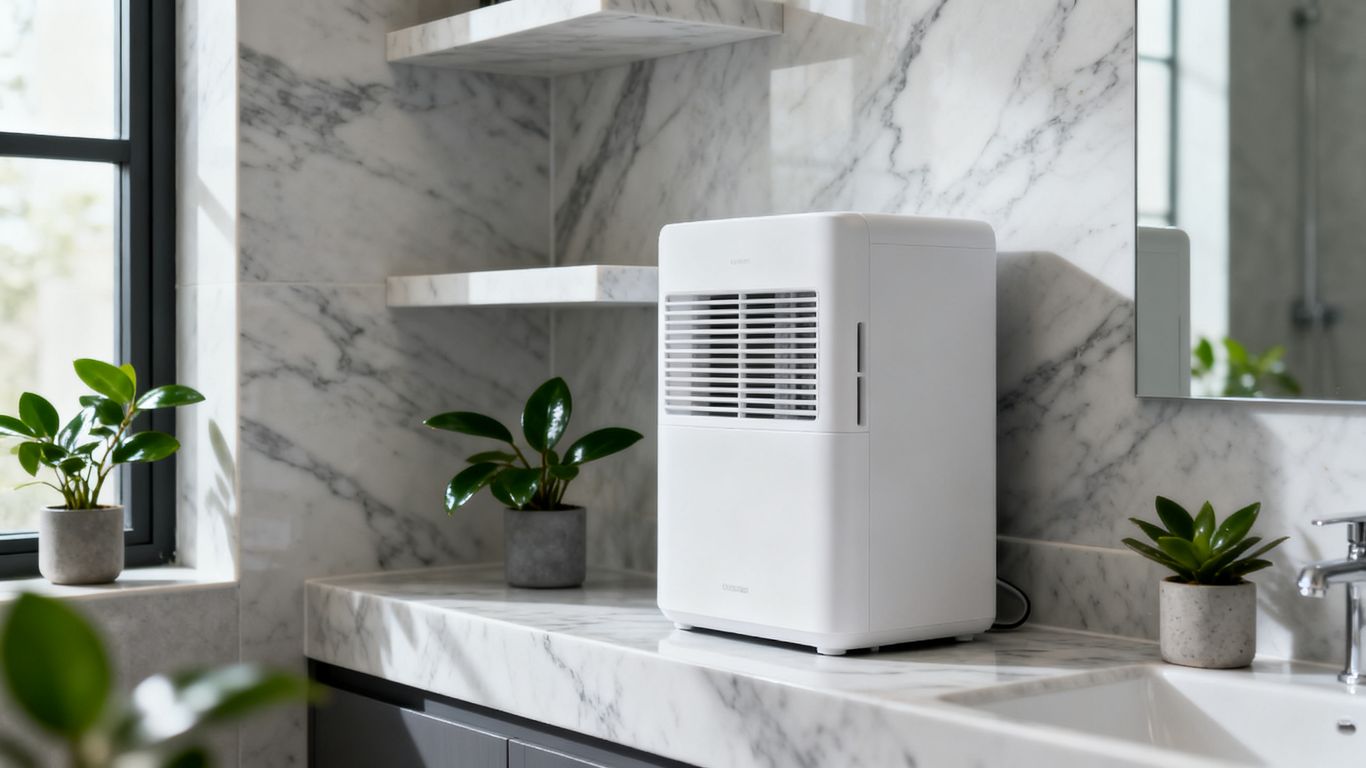
Importance of a water tank capacity for small spaces
While compact machines save on floor space, an extremely small tank will require constant attention. A tank capacity of at least 1-2 liters is often better for a standard bathroom, as it allows for longer operation cycles before needing manual intervention. This efficiency is vital when you consider that Singapore’s humidity keeps moisture levels consistently high year-round.
Auto-shutoff sensors for safety and efficiency
Safety remains a key functional requirement for any appliance operating in a wet area. Automatic shutoff sensors prevent the unit from overflowing and stop the rotary compressor operation when the tank reaches maximum capacity. This feature gives residents peace of mind, knowing the machine will remain dormant and safe if they are away or busy elsewhere in the house.
Portability and weight constraints for shelf-top placement
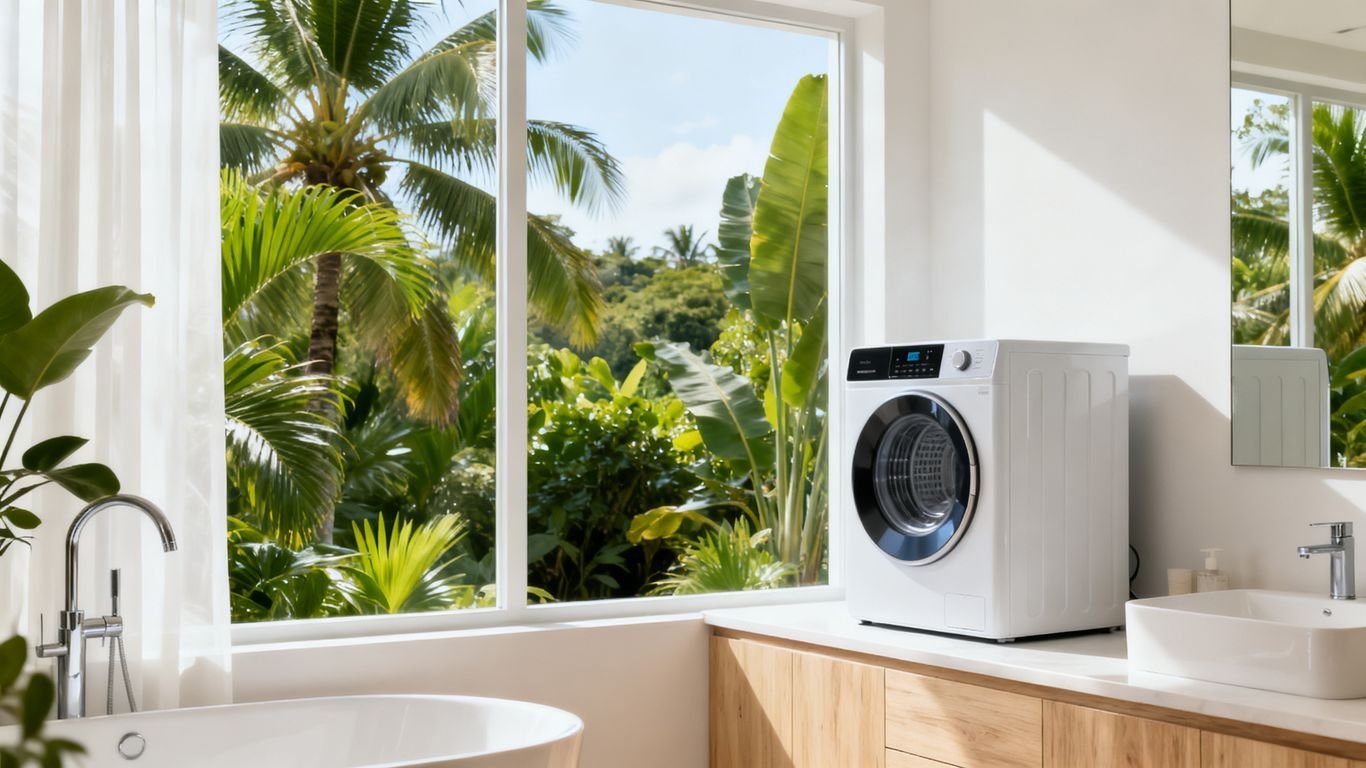
Bathroom design often dictates that units must sit on vanity tops or shelving units rather than the floor. A compact model with a lightweight profile ensures that it doesn’t take up excessive room on your counter. Portability allows you to move the device to other areas like closets or cabinets when the primary bathroom is dry, maximizing the unit’s utility throughout the home.
Energy efficiency ratings and electricity consumption
For a device meant to operate frequently, understanding the power consumption is crucial for long-term utility planning. Choosing units with energy labels helps minimize costs over the life of the appliance.
| Feature | Benefit | Efficiency Rating |
|---|---|---|
| Rotary Compressor | Consistent moisture removal | High |
| Smart Humidity Sensor | Energy usage optimization | Automatic |
| HEPA Filtration | Captures airborne particulates | Essential |
These components function together to move air effectively, ensuring your bathroom environment stays within the optimal range without excessive electricity usage.
Proper placement and operation for maximum efficiency
Placing your dehumidifier correctly changes how efficiently it clears the air, especially in a small bathroom. Obstructions like towels or toiletries can severely limit air intake and exhaust, reducing the device’s ability to lower humidity levels in the surrounding zone. Strategic positioning ensures that the unit can move air evenly throughout the entire room.
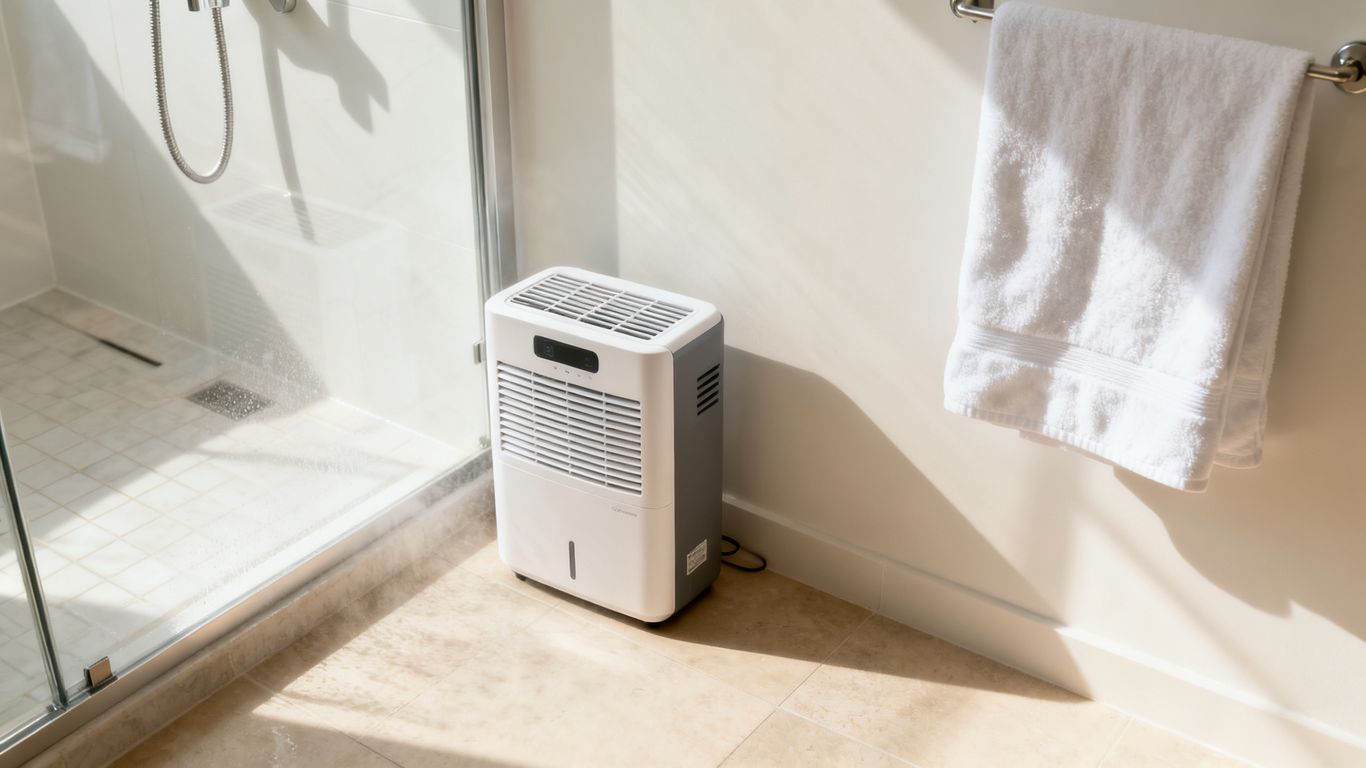
Optimal positioning to ensure constant airflow
For best results, place the unit on a flat, stable surface where the air intake has at least 30 centimeters of clearance on all sides. Elevating the unit slightly on a shelf can improve circulation, allowing the device to process damp air from lower levels as well as the ceiling area. This clear path maximizes the technical functionality of the device, ensuring even room drying.
Balancing dehumidifier usage with bathroom ventilation
While your bathroom exhaust fan is useful for immediate steam removal, it draws in ambient, humid air from the rest of the house. Complementing this with a dedicated dehumidifier allows you to target the moisture that lingers after the fan stops. This dual-layer approach is the most effective way to address the moisture cycles found in our humid region.
Timing your dehumidifier cycles for drying floors and towels
Operating the unit for a few hours after your morning shower significantly accelerates the drying of wet towels and bath mats. This timing reduces the duration that high-moisture air interacts with your walls and grout.
- Activate the device immediately after concluding your shower.
- Ensure the bathroom door is closed to separate the zone from larger, humid rooms.
- Run the unit in high-intensity mode for the first 30 minutes to capture initial steam.
This simple routine ensures that fabrics dry faster, preventing that persistent damp smell from taking root in your textures.
Maintenance and care for long-term performance
Consistent maintenance is required to keep hardware performing at its engineered peak in a tropical environment. Over time, dust and debris can hinder airflow or clog internal components, forcing the machine to work harder. Keeping the unit clean ensures it continues to manage moisture efficiently without suffering from mechanical strain.
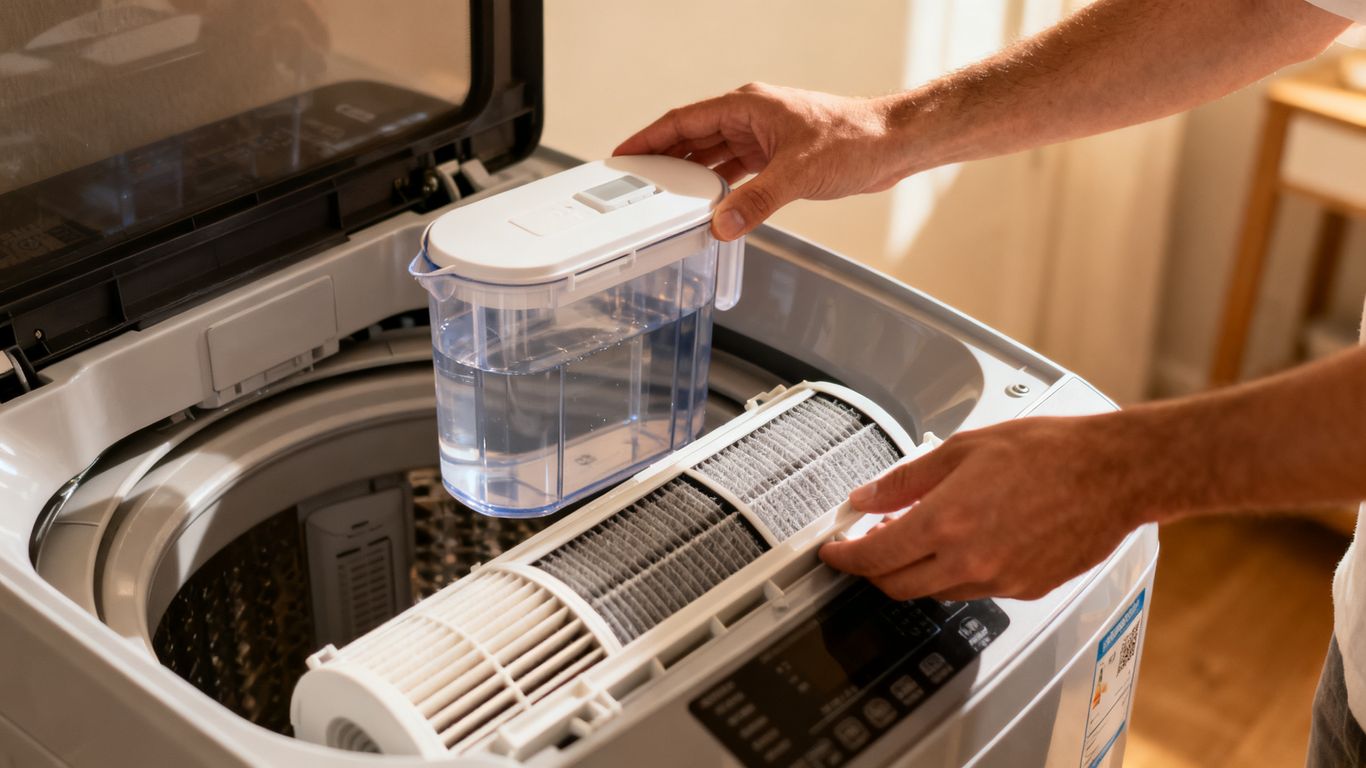
Cleaning the water tank to prevent bacterial growth
Even in a dehumidifier, stagnant water can eventually house bacteria if the tank is not cleaned periodically. Emptying the tank regularly and washing it with warm, soapy water monthly prevents odors from forming within the device. A clean tank is essential for maintaining the overall air quality within your bathroom sanctuary.
Checking and replacing air filters regularly
Air filters act as the first line of defense for the internal condenser, trapping dust and fibers that could compromise the unit. Depending on the usage environment, you should check your filter every few weeks to see if it requires dusting or a total replacement. Maintaining airflow is vital to prevent overheating, which can reduce the lifespan of the R290 refrigerant system.
Troubleshooting common drainage and leakage issues
💡 Real-World Scenario: Suppose you return to your bathroom and notice a small pool of water under the unit after a long, steamy afternoon. Instead of panic, check the drain outlet for debris blockages or inspect the float switch inside the tank to ensure it isn’t stuck.
Performing these quick checks often solves 90% of drainage issues without professional intervention. The simplicity of these maintenance steps helps ensure your compact bathroom solution remains reliable throughout the year.
Comparing mechanical dehumidifiers versus moisture absorbers
Choosing the right tool for moisture management often comes down to the volume of air you need to treat. Small absorbent crystals may suffice for a storage trunk, but they lack the capacity for a bathroom in a humid climate. Understanding the difference between these passive materials and electrical machines is key to long-term satisfaction.
Comparing power consumption and long-term effectiveness
Mechanical units utilize compressor technology to actively draw water from the air, a process that is far faster than relying on chemical absorption. While electrical units do require power, they can process liters of water per day, whereas passive crystals become saturated quickly and require frequent disposal. This makes mechanical systems the significantly more capable choice for active bathrooms.
Evaluating the cost-benefit of electrical versus disposable solutions
While electrical units represent a higher upfront investment, the recurring cost of replacing disposable absorbers monthly adds up quickly. A daily fantasy sports enthusiast or busy professional appreciates that one quality unit removes the need for constant maintenance and shopping trips. Calculating the total cost over two years usually favors the mechanical unit by a wide margin.
Situations when to invest in a permanent ventilation system instead
Sometimes structural issues cause humidity so extreme that surface-level devices are insufficient. If persistent dampness reaches the ceiling or causes visible structural deterioration, it may be time to consult an expert regarding permanent ventilation solutions. These systems can provide a more permanent, architectural fix for areas with chronic moisture bypass, though they require a larger initial investment.
Conclusion
Maintaining a dry and healthy bathroom in Singapore requires a combination of smart hardware choices and consistent operational habits. By integrating a dedicated dehumidifier into your daily routine, you can effectively prevent the growth of mold, protect your bathroom fixtures, and improve the overall atmosphere of your home. Investing in a tool that is specifically engineered for your environment ensures that your space remains a refreshing oasis, no matter how humid the weather gets outside.
Frequently Asked Questions
Why does my bathroom stay damp for hours even with an exhaust fan?
Exhaust fans often circulate air from the surrounding house, which in humid areas is frequently saturated with moisture, meaning the air replacing what is removed is not necessarily drier. Using an active dehumidifier inside the bathroom addresses this by condensing the excess water vapor rather than just cycling it around.
Can a dehumidifier replace my exhaust fan?
It is generally recommended to keep both running, as they serve different purposes. The exhaust fan is excellent at moving out immediate steam and heavy moisture, while a dehumidifier excels at fine-tuning the humidity levels and drying out surfaces like floor mats more completely.
What is the ideal humidity level for a Singapore bathroom?
Maintaining a level between 45% and 55% is generally considered optimal for preventing mold growth while remaining comfortable for occupants. Levels above 60% drastically increase the likelihood of mildew and musty smells.
Will a dehumidifier make the room temperature rise?
Most compressor-based dehumidifiers produce a small amount of heat as a side effect of their cooling cycles, which is usually negligible in a bathroom. This slight rise is often beneficial in helping to dry out towels and grout lines faster than in a cold room.
Is it safe to leave a dehumidifier running while I am at work?
Yes, most modern units are equipped with auto-shutoff sensors that trigger when the water tank reaches capacity. As long as the device is kept on a flat surface away from direct water spray, it can safely operate in your absence.
How often should I empty the water tank in a high-humidity month?
During peak humidity, you might need to empty the tank once daily depending on the size of the tank and the room’s ventilation level. Consistent emptying prevents any stagnation and ensures the unit can continue drawing moisture without interruption.
Can I use a dehumidifier in other rooms besides the bathroom?
Absolutely, many compact models are designed for portability and function well in bedrooms, walk-in closets, or storage areas where clothes are kept. Moving the unit helps protect different parts of your home from the damaging effects of trapped humidity.