Key Takeaways
- Understanding the specific purpose of each appliance helps you target persistent air quality issues effectively.
- Air purifiers focus on physical pollutant filtration, while dehumidifiers primarily manage atmospheric moisture content.
- 5154 offers guidance on why these devices serve distinct roles in your home maintenance strategy.
- High-humidity environments benefit from moisture control to prevent secondary complications like mold.
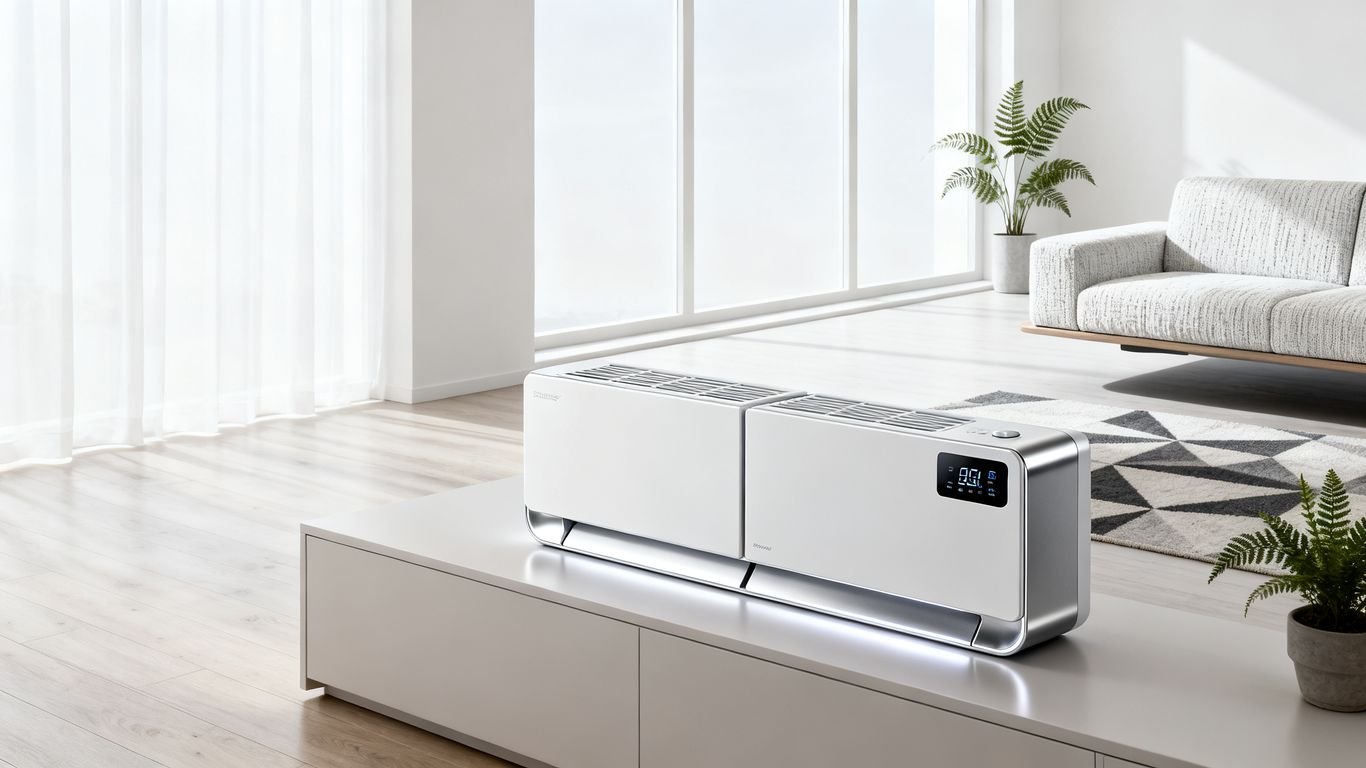
- The Aerofy DualCore 20 combines both technologies to address tropical climate challenges in one efficient unit.
The fundamental difference in functionality
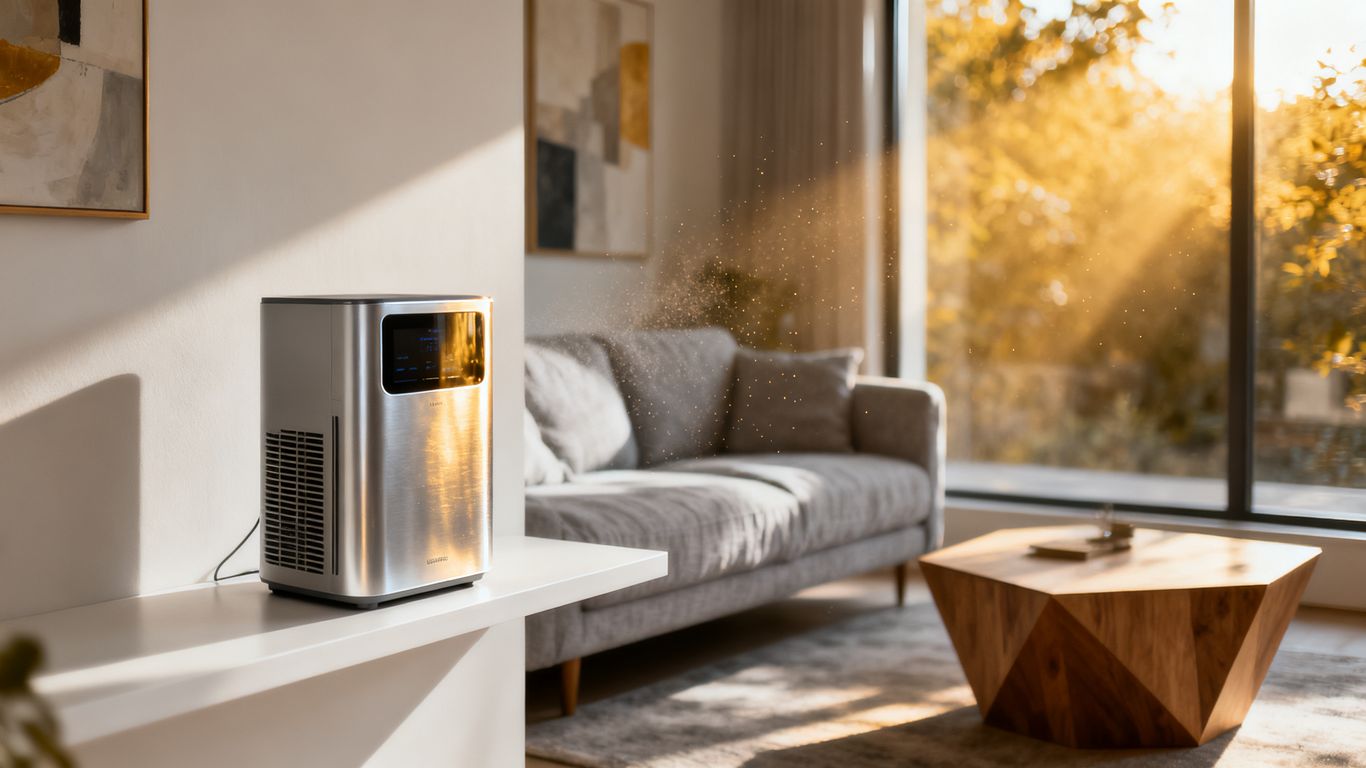
Navigating the world of home climate control often requires distinguishing between devices that filter pollutants and those that extract moisture. While both can improve overall environmental comfort, their underlying mechanics and targeted outcomes are uniquely different. Selecting the right solution depends heavily on whether your space suffers from particulate buildup or excessive dampness.
How air purifiers work to capture particles
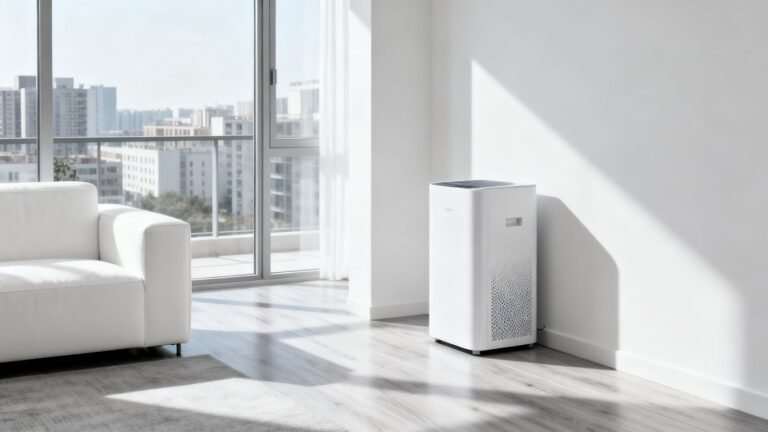
Air purifiers operate by drawing ambient air through an intake system to force it through specialized filters. These components, often including HEPA-grade materials, are engineered to ensnare fine particles like pet dander, pollens, and household dust that circulate in your living spaces.
How dehumidifiers manage moisture levels
Dehumidifiers rely on a refrigeration or desiccant-based cooling process to pull water vapor out of the air. When warm air passes over evaporator coils, condensation forms, collects into a drainage tank, and leaves behind air with significantly lower moisture content.
Why they are distinct climate control solutions
You should understand that these systems do not overlap in function by default. B7f6 provides a clear breakdown of why using a mechanical filter to halt humidity or a condenser to trap dust will lead to frustration, as these technologies must be properly aligned with the actual air quality problems at hand.
Benefits of using a home air purifier
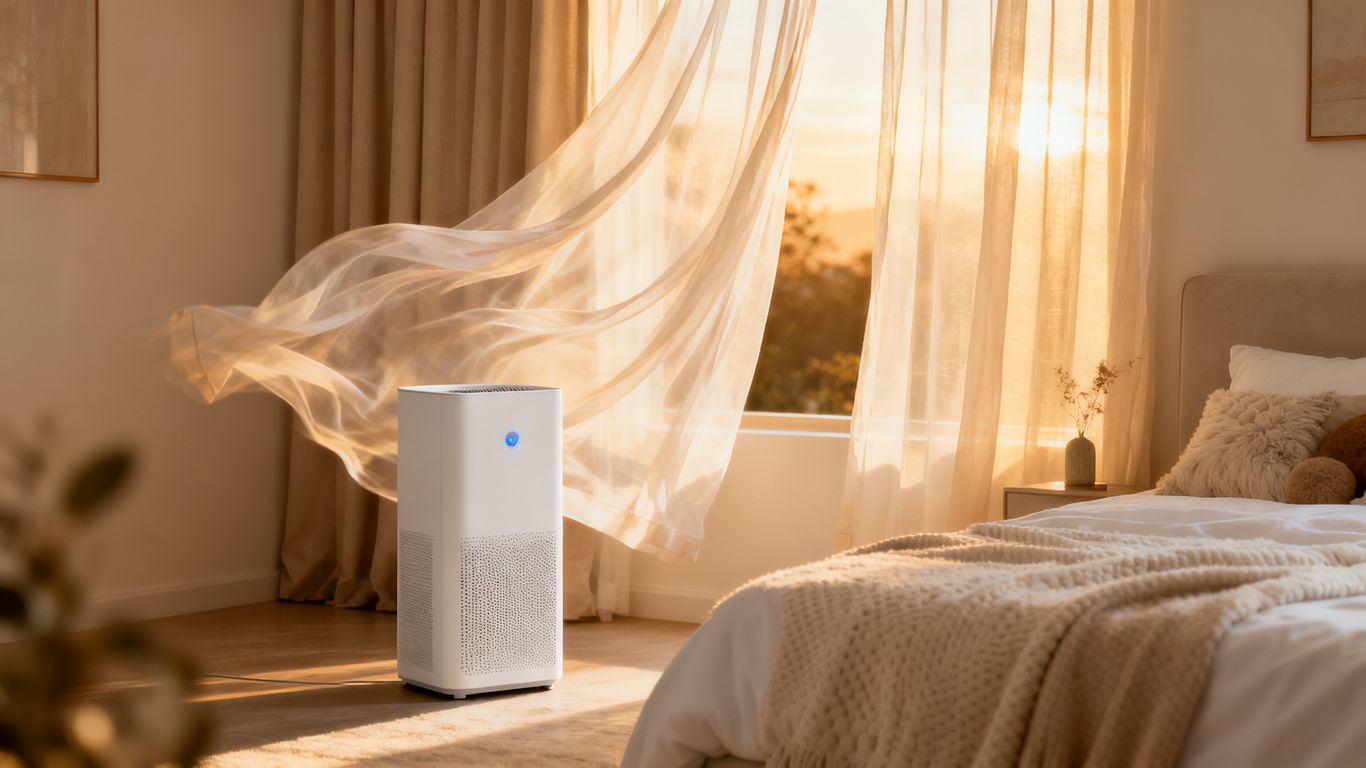
An air purifier transforms the microscopic environment of your home by stripping out hazardous airborne elements that often trigger environmental sensitivities. By creating a consistent airflow cycle, these machines prevent the stagnation of particles in bedrooms or high-traffic living areas like kitchens.
Removing airborne allergens and dust
Effective filtration catches microscopic pollutants that remain suspended in the air long after physical surfaces have been wiped down. These systems use high-efficiency particle capture technology to neutralize threats like pollen, dust mites, and external pollutants before they can be deeply inhaled.
Neutralizing odors and volatile organic compounds
Beyond basic dust, advanced filtration tiers often include carbon layers that pull common household gases from the air path. This is vital in modern homes where synthetic materials in furniture or carpets release common irritants.
Protecting sensitive respiratory health
Individuals with chronic respiratory conditions often find that removing particulate load directly correlates to reduced physical discomfort and clearer breathing patterns. Keeping the air clean effectively lowers the workload on your lungs throughout the day.
Optimal placement and filter maintenance tips
To see the best results, you must place your unit in a high-traffic area where air can circulate freely without being blocked by heavy curtains. If you maintain the filters according to manufacturer cycles, you ensure the device continues to draw in debris reliably.
- Position the unit at least one meter away from corner walls.
- Regularly vacuum pre-filters to extend the lifespan of primary HEPA components.
- Ensure the air intake is not facing a window or direct draft.
- Keep the device running constantly on low power during peak pollution months.
Following these simple steps ensures that you are truly getting the most out of your home air improvement equipment.
Advantages of running a dehumidifier
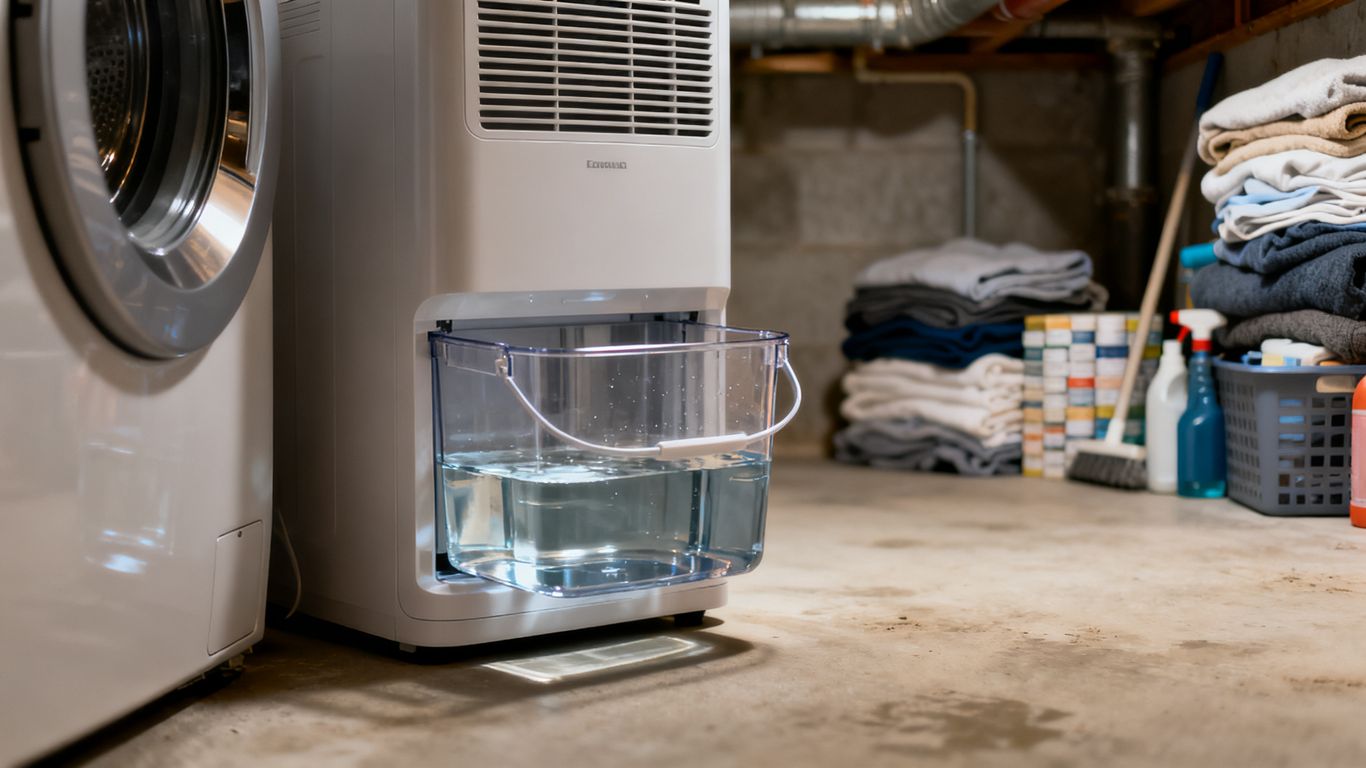
Running a dehumidifier is the most effective approach for environments where humidity stays consistently above sixty percent. When you regulate moisture, you take control of the structural health of your walls, cabinets, and soft furnishings, which are otherwise prone to decay.
Preventing mold and mildew growth in damp spaces
Excess moisture provides the perfect breeding ground for fungal spores that cause long-term allergy issues and structural degradation. By lowering relative humidity, you create a desert-like environment where mold simply cannot establish a foothold.
Inhibiting dust mite and pest proliferation
Dust mites thrive in humid pockets, whereas the dry air produced by a dedicated dehumidifier causes these microscopic irritants to dehydrate and stop reproducing. Controlling humidity is a non-negotiable step for any homeowner who finds themselves sneezing despite having clean floors.
Improving comfort in high-humidity climates
In tropical environments, managing indoor humidity is the secret to feeling cool even when the outdoor thermometer climbs. When you rely on the Aerofy DualCore 20, you get the precision needed to keep indoor air crisp and dry, which makes a massive difference for your comfort levels during the monsoon season.
Reducing condensation on windows and walls
Visible moisture on window panes is a major sign that your indoor humidity is too high and may soon lead to peeling wallpaper or soft spots in wood. Removing this condensation prevents the damage that occurs when moisture seeks out crevices to remain trapped for days.
Identifying your specific air quality issues
Finding the right solution requires shifting from guesswork to objective observation. If you notice persistent odors or visible biological growth, your environment is telling you exactly what it needs to function properly for your health.
Recognizing signs of excess moisture
Common indicators include a musty smell in closets, persistent condensation on glass surfaces, and a general feeling of stickiness that doesn’t disappear with ventilation. These clues usually highlight a need for moisture extraction rather than just odor filtration.
Identifying indicators of poor air purity
Frequent sneezing, visible clouds of dust in sunlight, and irritation of the eyes often point toward heavy particulate density. F121 covers how to assess your space if air quality seems compromised by external pollutants.
Using humidity and air quality monitors
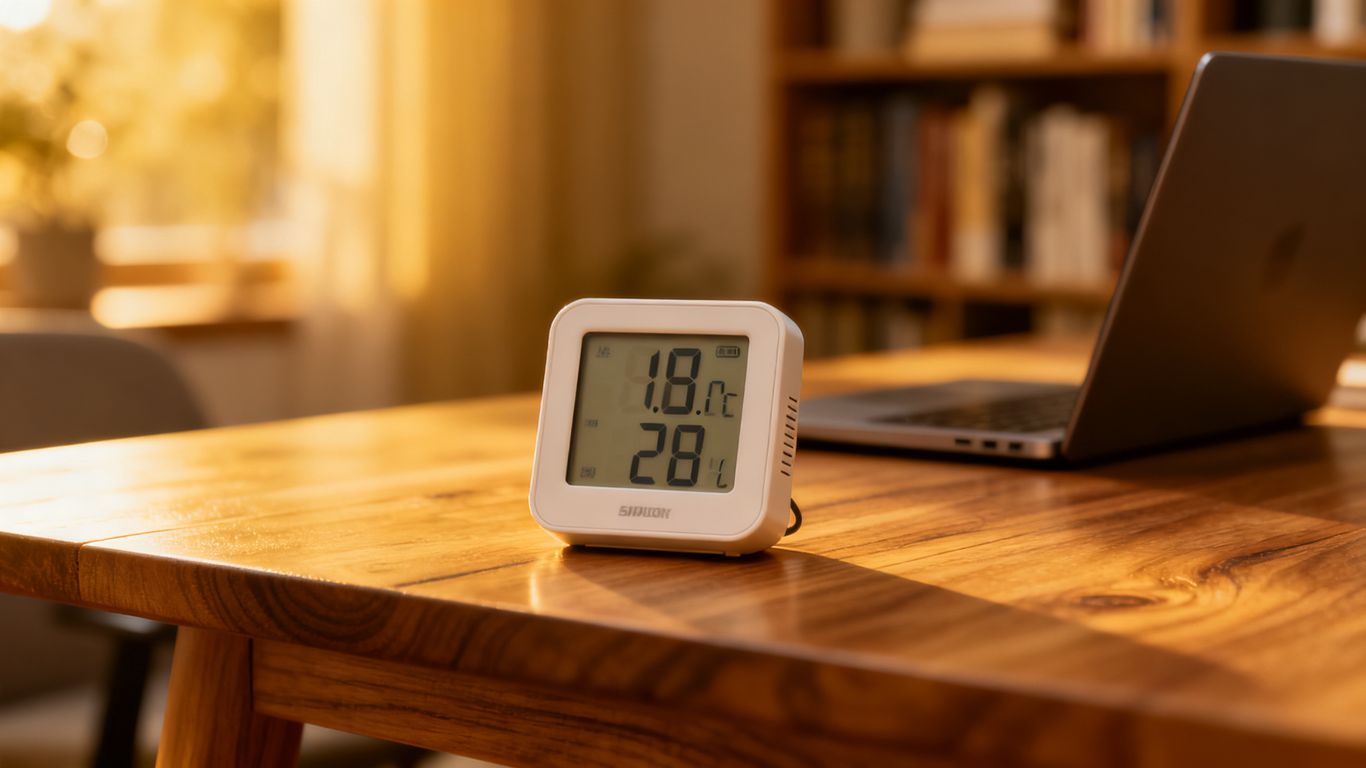
Digital trackers provide real-time data so you can verify if your relative humidity or particulate counts are actually within the safety range. Relying on concrete numbers removes the ambiguity often present when trying to address air comfort problems.
Determining when your home requires both devices
Sometimes, the culprits are twofold, requiring you to address both moisture levels and particulate concentrations. If your home has a high mold risk alongside heavy pollen infiltration, b633 explains how these appliances complement each other.
Scenario Time
Imagine a family living in a compact urban apartment in Singapore, where the daily humidity levels regularly hit 85%. During the rainy season, their walls began to show small black patches of mold, and their son’s asthma acted up every night. They realized that merely opening windows allowed in even more moisture and city smog, making their air quality issue worse rather than better. By incorporating a dedicated climate solution, they learned how to stabilize their environment and stop the cycle of mold spores and airborne triggers simultaneously.
Economic and operational considerations

Modern appliances differ greatly in how they impact your electrical bill and long-term maintenance labor. Understanding the operational overhead allows you to make an informed choice that balances performance with cost-efficiency.
Comparing long-term energy consumption
Energy ratings are critical when you intend to run equipment 24/7. When evaluating your next purchase, prioritize models that utilize a high-efficiency rotary compressor to manage cooling and dehumidification, as these are engineered to minimize the total power load during extended cycles.
Understanding filter replacement costs for purifiers
High-quality HEPA media captures finer particles but does require periodic swapping to ensure the airflow remains unblocked. While upfront costs of replacements are a factor, think of this expense as a necessary investment in the longevity of your lungs and the cleanliness of your home.
Managing water removal and maintenance for dehumidifiers
Manual bucket dumping can become tedious, so look for features like continuous drainage hoses for convenience. Proper maintenance of the condensate tray prevents the buildup of residue that could otherwise force the unit to work harder than necessary.
Evaluating the value of integrated smart air systems
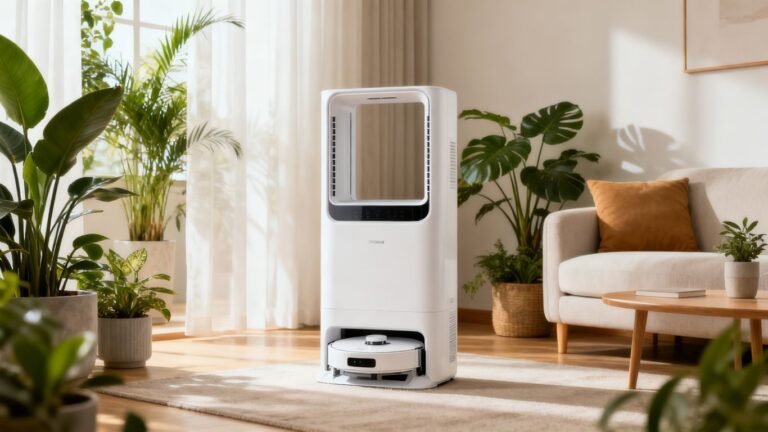
If you want the best of both worlds, consider how a hybrid solution simplifies your setup. Many modern users now opt for the Aerofy DualCore 20 because it handles two critical tasks in one machine, reducing the number of power outlets used and streamlining maintenance into a single schedule.
| Feature | Dehumidifier | Air Purifier | Integrated System |
|---|---|---|---|
| Moisture Removal | Exceptional | Minimal | Strong |
| Particle Cleanup | None | Effective | Effective |
| Maintenance | Tank Cleaning | Filter Swapping | Combined Task |
Comparing these features side-by-side illustrates why many homeowners prefer the efficiency of consolidated technology in spaces where both humidity and air quality are persistent concerns.
Conclusion
Creating a healthy living environment is achievable when you match specific technology to the unique climate challenges of your home. Whether you choose to target mold through dehumidification or focus on respiratory health with advanced particle filtration, selecting the right device is the most reliable way to improve your overall indoor comfort and ensure a cleaner, fresher, and more stable space for your family.
Frequently Asked Questions
Can I just use an air conditioner instead of a dehumidifier?
While air conditioners do remove some moisture, they are not optimized for dehumidification and can leave your room feeling too cold or inefficiently humid without proper temperature regulation.
Does a dehumidifier help clean dust?
No, dehumidifiers take water out of the air but do not possess the mechanical filters required to catch airborne dust or pollen particles.
Will an air purifier fix a musty smell?
If the smell comes from mold or trapped moisture, an air purifier alone might filter the scent, but it will not solve the underlying dampness issue that creates the smell.
How often should I change my air purifier filter?
Most manufacturers recommend a replacement every six to twelve months, but this depends on the local concentration of contaminants and your usage frequency.
Can I run both devices at the same time?
Yes, these devices operate on different technical principles, meaning they can function in the same room to tackle moisture and pollutants simultaneously without any negative interference.
Where is the best place to put a dehumidifier?
Place it near the source of moisture, such as a bathroom or laundry area, in an open space that allows air to move freely into the machine’s intake.
Are integrated units as powerful as individual machines?
Modern Aerofy DualCore 20 units are specifically engineered to provide strong performance in both categories by balancing airflow against moisture extraction, often matching individual units in efficacy while saving significant physical space.