
Key Takeaways
- Dual-function devices stabilize indoor environments by simultaneously extracting excess moisture and capturing microscopic airborne pollutants.
- Proper selection relies on matching the device’s pint capacity and airflow ratings to your specific room volume.
- Routine maintenance, particularly filter replacement and tank hygiene, prevents secondary allergy issues inside the appliance.
- Strategic placement near high-humidity sources ensures the internal sensors capture accurate data for automatic operation.
- Hybrid units offer significant space efficiency for urban environments compared to running separate dedicated appliances.
Understanding air purifying dehumidifier technology
Finding the right balance for your home environment often requires managing both humidity and air quality as separate, co-dependent challenges. When you use an air purifying dehumidifier, you integrate two vital climate control mechanisms into one chassis designed for efficiency. This approach is particularly effective in tropical regions where moisture and particulates settle indoors quickly.
How condensation works in dual-function units
These units utilize a refrigeration cycle to cool air below its dew point, causing moisture to condense onto cold evaporator coils. The water then drips into a collection tank while the remaining dry air proceeds through the secondary filtration stage.
Multi-stage filtration processes explained
Once the air is stripped of its moisture, it passes through a series of physical and chemical barriers to catch debris. Most units prioritize a HEPA layer for microscopic allergens, often supplemented by activated carbon to capture odors or VOCs that thrive in damp conditions. Using a product like the Aerofy DualCore 20, users can monitor these stages to ensure cleaner air flow.
Advantages of consolidated appliance design
Integrating these systems reduces the mechanical footprint in your home significantly. You avoid the need for multiple power outlets and overlapping components, which creates a more streamlined aesthetic and reduces overall power consumption for your living space.
Benefits of an air purifier and dehumidifier combo
Living in a high-humidity environment necessitates proactive management of your interior air conditions to prevent mold and mustiness. A 2-in-1 device simplifies this by providing a unified interface for environmental health, which is a core focus for the engineering team at Aerofy to ensure reliable moisture control.
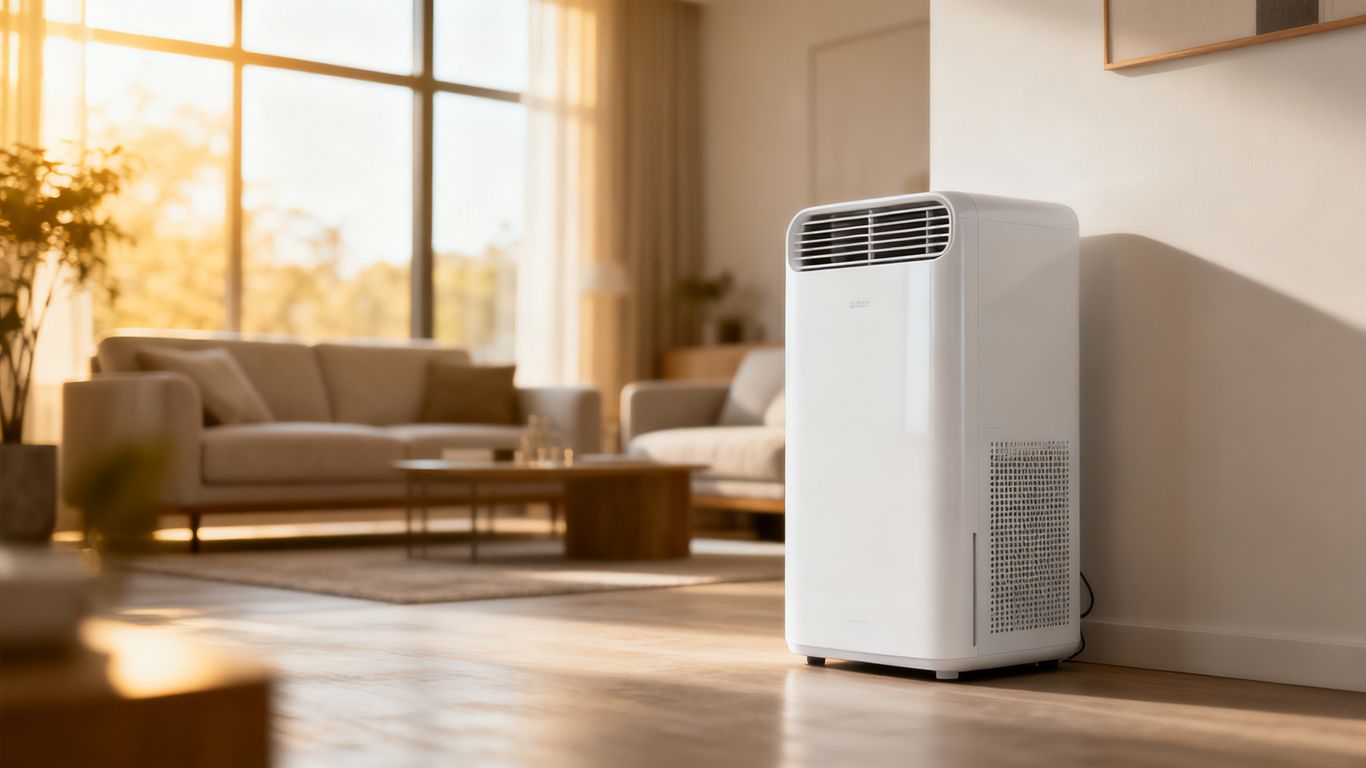
Space-saving capabilities for apartment living
Compact configurations are essential for urban dwellers who have limited floor real estate where every square inch matters. By combining functions, you free up corners of your living room or bedroom that would otherwise be occupied by two separate bulky machines, allowing for a more intentional home layout.
Managing moisture and airborne allergens simultaneously
High humidity often acts as a catalyst for dust mites and airborne spores that irritate sensitive airways. By removing moisture, you stop the growth of these biological irritants, while the Aerofy DualCore 20 filtration system ensures that existing particles are trapped rather than recirculated.
Energy efficiency considerations for 2-in-1 devices
Efficiency is defined by how well the device matches its usage profile to the current climate conditions in your home. A high-quality unit will feature smart sensors that adjust the rotation of the rotary compressor to save power during low-demand periods.
Key technical specifications to evaluate
Technical parameters help you distinguish between units that are built for robust tasks and those meant for lighter, occasional use. Focusing on documented performance ratings ensures your selected machine handles your square footage effectively.
Dehumidification capacity measured in pints per day
Expressed in daily pints, this metric indicates how much water the system can extract under standardized test conditions. It serves as your primary guide for sizing, as a unit with insufficient capacity will run continuously without actually achieving a comfortable relative humidity level.
Clean air delivery rate ratings for air purification
CADR provides a clear picture of how much particulate-free air the purifier produces. We recommend looking for specific performance metrics in the buyer’s guide to dehumidifier air purifier combos to understand how different fan speeds impact your total air turnover.
Tank capacity and continuous drainage configuration
For long-term operation, evaluate whether the internal tank capacity supports your lifestyle or if you require an external drainage hose. Consider the following comparison to see how different modes affect your home management:
| Feature | Tank-Only Mode | Continuous Drainage | Purpose |
|---|---|---|---|
| Operation | Manual emptying | Gravity-fed outflow | Frequent monitoring |
| Utility | High mobility | Stationary setup | Bulk moisture removal |
| Maintenance | Weekly rinsing | Bi-annual inspection | Ease of use |
Selecting a setup choice allows you to automate your workflow so you spend less time managing the machine and more time enjoying a comfortable environment. Always verify that your chosen floor drain or pump system is compatible with the hose fitting.
Maintenance requirements for hybrid units
Consistent care is the most important factor in maintaining a high indoor air quality throughout the year. Because these devices handle both water and particulates, a specific hygiene routine is necessary to avoid issues like mold buildup inside the housing.
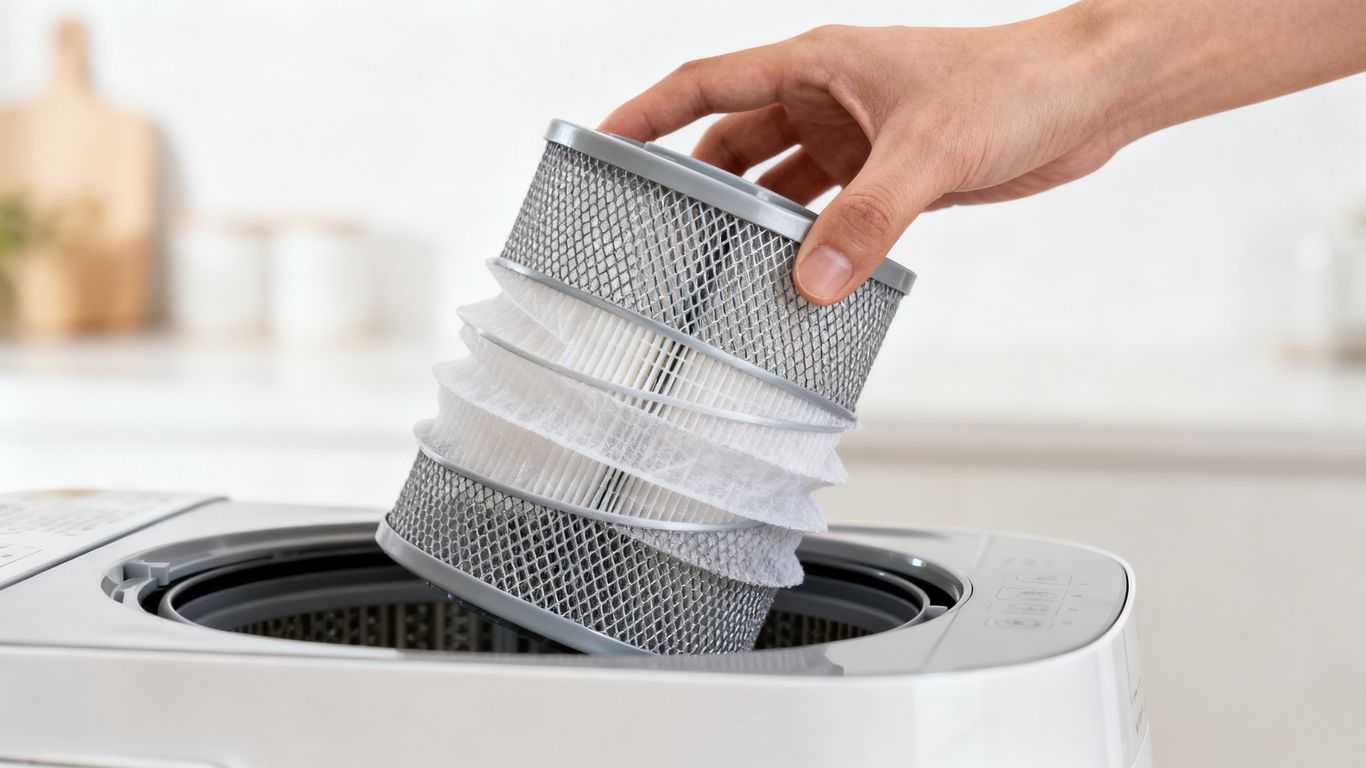
Frequency of HEPA and activated carbon filter replacements
Filters should be replaced according to the manufacturer’s suggested schedule, generally every six to twelve months depending on your local pollution levels. Failing to swap an activated carbon layer can result in trapped smells being released back into your room, effectively undoing the benefit of the purifier.
Cleaning the water reservoir to prevent mold growth
Stagnant water tanks can become a breeding ground for bacteria if not cleaned regularly with mild soap. We suggest rinsing the tank every two weeks to remove biofilm, keeping the appliance as efficient as the day you unboxed it.
Sensor calibration and internal airflow maintenance
Sensors monitor your ambient conditions 24/7, but they can become covered in dust over time. Gently wiping them with a dry cloth periodically keeps your Aerofy DualCore 20 reading your home accurately, ensuring it only runs when necessary.
Strategic placement in your living space
Positioning represents the final step in ensuring your hybrid system functions at its peak. Placing the unit incorrectly can lead to inaccurate humidity sensing or restricted airflow, which limits how much moisture it can actually extract.
Optimal positioning for consistent airflow and moisture detection
Locate your unit in a central location within the room, ideally near the primary source of humidity like an open doorway or a bathroom exit. By allowing the circular airflow to reach all corners, the machine can process the air volume far more effectively than if it were pushed into a back corner.
Importance of maintaining clearance from walls and furniture
Leave at least 15 to 20 centimeters of space between the unit and any adjacent wall or furniture item to provide the intake vents with adequate room to breathe. Without proper clearance, the air intake becomes choked, forcing the motor to work harder and increasing your energy costs.
Adapting device placement for high-humidity seasons
During the rainy season, you may find that moving the unit to high-traffic areas or damp hallways improves your home’s overall feel. We suggest keeping a list of common problem areas in your home, such as:
- The area directly inside the main entry
- Laundry zones where fabrics dry slowly
- Basements or lower-level storage rooms
- Corners prone to condensation on windows
By rotating your device based on seasonal changes, you extend the benefits of clear air into every corner of your dwelling.
Troubleshooting common performance issues
Even the most robustly engineered appliances will occasionally require some adjustments or minor troubleshooting to get back in top form. Use these steps to diagnose common issues quickly.
Addressing noise levels during high-capacity operation
Noise is typically a result of the compressor working at high speeds or the fan pulling air through a dense filter. If you notice a sudden increase in decibels, check the filter alignment first; a lopsided filter can vibrate against the fan casing, creating rattling sounds.
Managing unpleasant odors from damp filters or stagnant water
Odors are usually a sign that moisture has lingered too long in the system. Empty the tank completely, let it air dry in the sun for an hour, and confirm the pre-filter is free of trapped dust, which often becomes damp and generates a musty scent.
Handling connectivity errors and sensor malfunctions
Scenario Time
A user reports their unit displays an ‘E1’ error and refuses to start during a heavy rainstorm. Upon inspection, it turns out the humidity sensor was simply blocked by a layer of fine dust, preventing the machine from realizing the ambient humidity was already over 80%. By following a simple cleaning guide, the user found the unit returned to normal operation, proving how critical clean sensors provide essential performance for your daily routine.
Conclusion
Selecting an air purifying dehumidifier is a practical decision that simplifies your home maintenance by tackling two of the most pervasive indoor climate issues with a single, reliable appliance. By carefully evaluating capacity, adhering to scheduled filter replacements, and optimizing your unit’s placement, you create a healthier living space that protects your family from allergens and excess moisture throughout the changing seasons.
Frequently Asked Questions
Can I run my air purifying dehumidifier all night in the bedroom?
You can typically run these units in bedrooms throughout the night, provided the fan speed is set to a quiet mode that allows you to sleep comfortably without significant disturbance.
Does a 2-in-1 device replace the need for both separate appliances?
These devices work best when you require both functions simultaneously in the same room, but they may not replace specialized industrial-grade units if your home has massive square footage or extreme moisture issues.
How do I know if my home has a humidity problem?
Signs of high humidity include fogged glass on mirrors, a persistent musty smell in closets, condensation on indoor wall surfaces, or noticeable mold spots on fabrics and leather items.
Is it normal for the dehumidifier to feel warm during operation?
Yes, the heat byproduct is a completely normal result of the compression process, which effectively helps to circulate the air and drive dehumidification in cold, damp rooms.
Should I turn the unit off when I leave the house?
Many users benefit from leaving the unit on at a target humidity level, as this prevents moisture from building up while you are away, provided the unit has an automatic overflow shut-off.
How often should I check the water tank?
We recommend checking your water levels daily if you live in a very humid climate, or weekly if your humidity levels are more stable, to ensure the tank never overflows.