Key Takeaways
Protecting your home environment requires understanding the protection provided by your appliance coverage. Understanding your dehumidifier warranty ensures you remain covered against unexpected defects.
- Registering your unit is often the first step to claim validation.
- Most warranties limit coverage to manufacturing defects rather than wear.
- Unauthorized modifications typically result in voided coverage status.
- Consistent maintenance documentation is vital for a smooth process.
- Extended protection plans should be weighed against replacement costs.
Decoding standard coverage terms
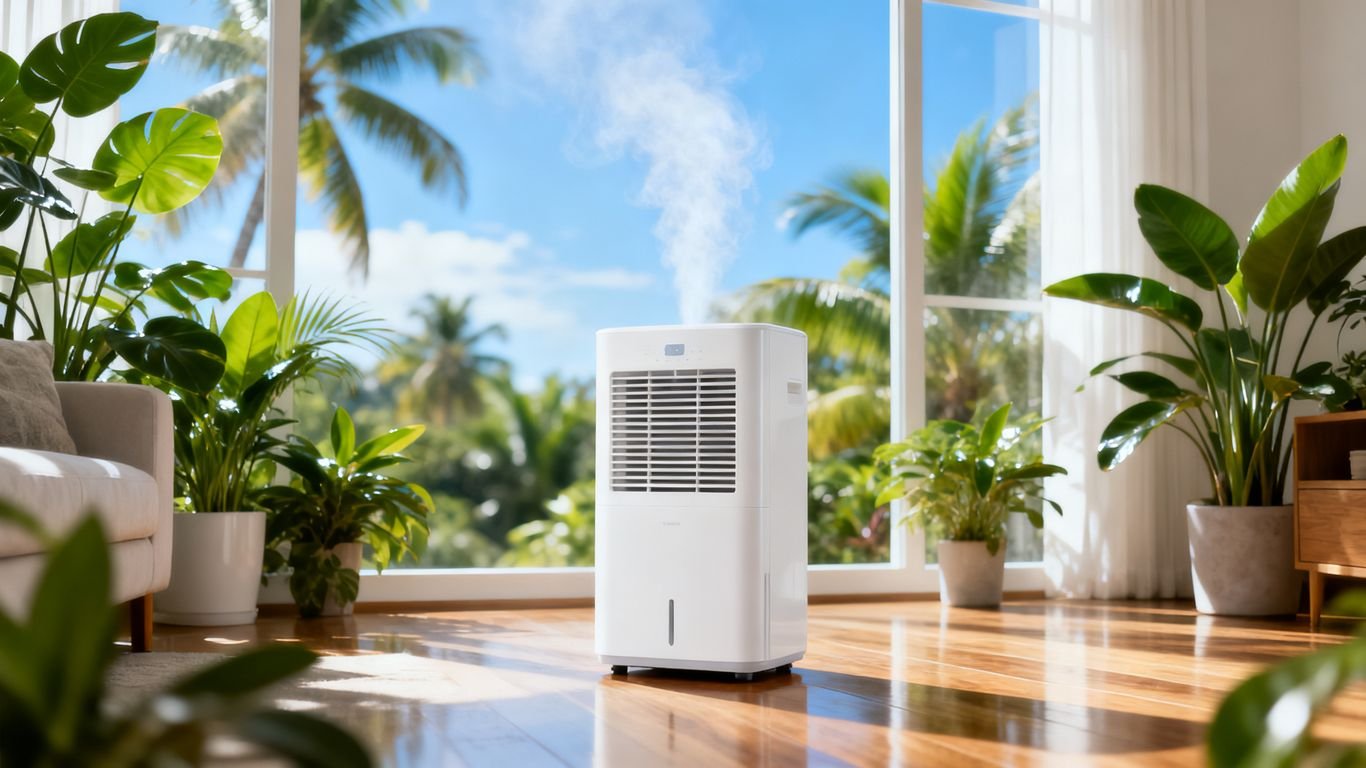
Navigating appliance protection requires clarity on what terms like limited coverage actually mean for your household budget. Manufacturers often differentiate between components that fail due to production error and those that degrade through standard environmental use. When selecting appliances like the Aerofy DualCore 20, knowing these distinctions helps you maintain the equipment to keep coverage active.
What is typically covered in manufacturer warranties
Manufacturer coverage generally focuses on inherent defects in the electrical and mechanical systems rather than cosmetic issues. You will find that most policies address manufacturing faults in the refrigeration circuit or logic boards. Reliable protection primarily safeguards against factory errors that prevent the system from removing moisture as specified in the original engineering data.
Understanding labor versus parts protection
Labor and parts coverage are frequently siloed into different durations within a single policy framework. Parts coverage often lasts longer since these are the core components of the refrigeration cycle, while labor coverage is briefer to minimize support expenses. Many high-performing units like those designed for tropical climates specifically manage the pint capacity to ensure balanced load distribution across these components.
Distinguishing between commercial and residential coverage
Residential units are essentially engineered for home environments and rarely hold up under the relentless demand of a commercial facility. Manufacturers often void warranties if they detect a unit was used in a busy office or high-traffic industrial space instead of a living room. Always consult your product documentation to confirm that the intended environment aligns with the class of protection purchased.
Steps to register your new unit

Registration serves as the official link between the purchase date and the manufacturer’s internal database for tracking the lifespan of your unit. Without this step, you might struggle to establish the timeline when a technical failure occurs months after installation. Ensuring your unit is documented allows the support team to quickly verify your status during an emergency.
Why product registration is mandatory for claims
Registration provides an audit trail that confirms you are the original owner within the eligible timeframe. Manufacturers utilize this data to issue replacement parts or authorize service visits without delay. By completing this early, you avoid the administrative bottleneck that often occurs during a hectic dehumidifier warranty claim process.
Locating your model and serial number
Finding these identifiers is usually straightforward if you look at the nameplate located behind the removable water tank or on the rear chassis. The serial number is the definitive key for service technicians to look up your exact manufacturing batch. If that sticker is obscured by dust, wipe it down gently without using harsh chemicals that could peel the label.
How to submit registration forms online
Most modern manufacturers offer a streamlined digital portal where you input your purchase details and contact information. Once submitted, keep a digital copy of the confirmation email in a safe file for future reference. This simple digital submission makes managing your home appliances easier when moving between properties or tracking maintenance schedules.
Common causes of warranty voiding
It is incredibly common for accidental neglect to unintentionally nullify your protection status before you even realize it. Manufacturers outline specific usage guidelines because environmental stress in humid zones can accelerate fatigue in delicate sensors and fans. When you ignore these, the resulting damage is often classified as a user error rather than a design flaw.
Impact of improper maintenance and filter neglect
The buildup of dust and debris on cooling coils forces the motor to work harder than intended, leading to premature aging of the system. Failing to replace HEPA filters creates a restricted airflow environment, which is a common reason why internal components fail to cool properly. Maintaining an air purifier with a HEPA filter requires consistent cycles of cleaning to keep the diagnostic sensors functional and within their defined operating parameters.
Risks of using unauthorized replacement parts
Installing non-original or third-party components can compromise the integrity of the refrigeration cycle and the efficiency of internal airflow. The following list highlights why using verified components is essential for maintaining your unit:
- Improper sizing causes excessive vibration in the rotary compressor.
- Non-compliant filters disrupt the calibrated airflow sensors inside.
- Inferior electrical parts may lead to dangerous cooling circuit shorts.
- Unauthorized seals decrease pressure efficiency and moisture extraction rates.
Adhering to factory-standard maintenance preserves the complex internal engineering required for optimal tropical humidity control.
Damage from external power surges or water exposure
Appliances are sensitive to unstable electrical grids, especially during intense tropical thunderstorms that cause sudden voltage spikes. While your warranty covers internal circuit faults, it usually excludes damage stemming from external power surges or flooding. Using a surge protector is a practical way to mitigate this risk, effectively shielding the electronic brain of your appliance from erratic local power fluctuations.
Navigating the claims process
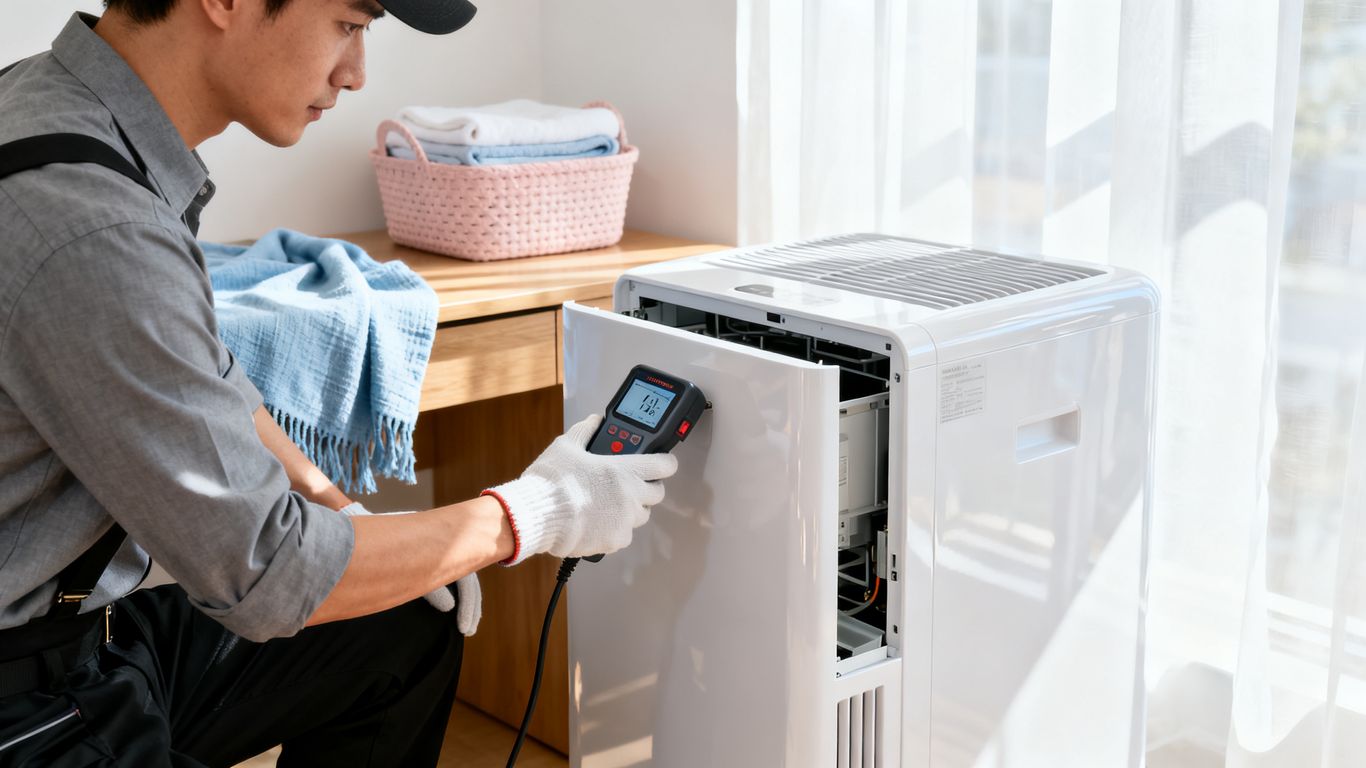
When a fault arises, your ability to organize documentation determines how fast the service department responds to your request. Preparation helps you communicate the failure clearly, reducing the time spent explaining mechanical issues to support staff. Always keep a file of your original purchase invoice and installation records nearby.
Documentation required for a successful claim
To move forward, you will likely need to provide proof of purchase, a clear photo of the serial plate, and a descriptive video of the error code. Demonstrating that the machine was used in a healthy home environment helps technicians rule out misuse. Detailed records show you have performed regular upkeep, which is a strong starting point for any authorized repair assessment.
How to troubleshoot before contacting support
Before initiating a formal repair case, use the table below to check for simple fixes that resolve common operational issues. Often, a quick manual reset or filter adjustment eliminates the need for a technician.
| Issue Observed | Potential Cause | Suggested Action |
|---|---|---|
| No moisture removal | Clogged HEPA barrier | Vacuum pre-filter surface |
| Unusual loud rattling | Loose drain hose fitting | Tighten hose connection |
| Unit power flicker | Voltage surge indicator | Perform hard system reset |
By systematically verifying these components, you save time and help technicians focus on complex hardware issues rather than basic maintenance tasks.
Communicating effectively with service departments
Professional communication hinges on providing specific, factual observations without guessing at the root cause. Explain precisely what happens when the unit starts, any error codes appearing on the display, and when the issue first manifested. A well-documented history assists the service team in evaluating if the case qualifies for a full replacement unit or simple part swaps.
Evaluating extended warranty options
Should you opt for an extra layer of protection, consider the financial value versus the likelihood of a major failure. Many extended plans offer peace of mind, but it is smart to weigh your specific environmental stressors before committing. Not every household requires the same level of coverage as those working with high-performance dehumidification standards.
Pros and cons of retailer-offered protection plans
Retailer plans often provide convenient, local drop-off points, making them easier to access than manufacturer-direct mail-in repairs. However, their coverage depth varies significantly and might exclude specific technical components that original equipment warranties would include. Compare the service network of the retailer against the specialization of the manufacturer’s own support staff.
When it makes sense to buy additional coverage
Investing in extra protection is usually advisable if your local climate is exceptionally harsh or if your unit operates continuously under heavy loads. If a replacement would represent a massive hit to your monthly budget, the small upfront premium for an extended plan functions like an insurance policy. For most owners, it acts as a safeguard against the unpredictability of heavy use cycles.
Analyzing costs versus the risk of early failure
Calculate the annual cost of the plan against the typical lifespan of your specific model in high-humidity areas. If your unit is built with high-grade R290 refrigerant and tested for long-duration performance, the risk of failure is statistically lower. Base your decision on whether the protection covers parts that are expensive to source independently, such as the core compressor assembly.
Recognizing signs of a faulty machine
Identifying a potential malfunction early frequently saves your floor from water damage and your air from excessive humidity. Paying close attention to the sound and response time of your unit will reveal issues long before they become critical failures. Being proactive preserves the lifespan of your appliance and keeps the indoor air quality consistent.
Identifying compressor failure versus internal leaks
Compressor failure usually manifests as a humming sound that fails to develop into the rhythmic, steady cycle of active condensation production. Internal leaks are more silent, often showing up as pooled water beneath the chassis or persistent puddles inside the internal reservoir tray. Recognizing whether the sound or the water flow is abnormal helps you provide the correct diagnostic details to your service contact.
Dealing with electronic display malfunctions
Electronic displays that flicker or fail to show input confirmation often point to logic board issues caused by consistent exposure to extreme humidity. If your digital control interface becomes unresponsive, do not attempt to bypass it yourself using wire splicing or unauthorized tools. Display issues can sometimes look like simple glitches but might indicate that the primary moisture management program has become corrupted.
Symptoms that indicate it is time to file a claim
When a machine repeatedly trips its internal breaker or fails to collect water despite the tank being empty, it is likely time to consult the professionals. Another red flag is a persistent, burnt-plastic odor originating from the airflow outlet, which suggests an electrical component is suffering from thermal degradation. Do not ignore these physical symptoms; they are indicators that individual mechanical failures are escalating into a full system shutdown.
Conclusion
Taking ownership of your appliance stewardship means more than just reading the manual; it involves diligent registration, consistent maintenance, and clear communication with service teams. By understanding the breadth of your protections and the requirements of your hardware, you ensure that your investment in home comfort is secure for years to come. With proper care and awareness, your units will continue to combat humidity effectively, allowing you to focus on the health and comfort of your living space.
Frequently Asked Questions
Why does my warranty require original proof of purchase?
Original receipts link the specific serial number to an active purchase date within the provided guarantee period. Without this document, manufacturers cannot confirm if the unit is still within the eligibility window or if it has been transferred without authorization.
Can I void my warranty by performing regular cleaning?
Regular, non-invasive maintenance like cleaning screens or wiping exterior surfaces does not void your protection. Warranty issues typically arise only when users dismantle the sealed refrigeration cycle or modify the electrical internal components without proper authorization.
Do extended warranties cover shipping costs for repairs?
It depends entirely on the specific terms of the plan you purchased with the retailer. Some plans include door-to-door courier services, while others require the owner to handle transportation to a local repair depot as part of the service agreement.
Does running a dehumidifier 24/7 shorten the warranty duration?
Operating your unit constantly does not reduce the number of months the warranty remains active, but it may accelerate wear-and-tear conditions. While the warranty period remains legally fixed, the mechanical components will reach their operational fatigue limit sooner than in units that use auto-shutoff sensors.
Is a home dehumidifier warranty transferable if I move?
Many manufacturer policies are tied to the specific unit rather than the owner, but this depends on the brand’s policy. Always check if the original receipt is required for the new owner to claim coverage, as some agreements explicitly state that the protection is limited to the first purchaser.
What should I do if my local climate is extremely harsh?
If you live in an exceptionally damp area, monitor your unit closely for signs of premature coil oxidation or filter saturation. Keeping an extra filter on hand for frequent changes helps maintain airflow efficiency, which aligns with the usage requirements defined in most appliance support documents.
Are internal leaks covered as defects?
Manufacturing defects in the internal tubing or connection seals are generally covered, assuming they were not caused by mechanical impact or neglect. If the leak results from an structural failure that occurred during normal operation within the first few years, it is usually eligible for a claim investigation.