Key Takeaways
- Dehumidifier water is essentially condensate, not pure distilled water.
- It contains potential contaminants and should never be consumed.
- Safe uses include watering houseplants and filling steam irons.
- Do not use this water for vegetable gardens or sensitive machinery.
- Consistent cleaning of the reservoir is required to prevent mold.
Understanding the nature of dehumidifier water
Most homeowners living in humid environments eventually wonder about the status of the water captured by their appliance. Many ask, can water from dehumidifier be used for household chores, or is it just waste? While 946f explains the cooling cycle that draws moisture from your air, knowing the origin of this byproduct is the first step toward responsible reuse. Because the process avoids boiling, the resulting liquid lacks the purity of lab-grade distilled water.
How dehumidifiers extract moisture from the air
Modern devices like the Aerofy DualCore 20 utilize a rotary compressor to cool metal coils significantly below the ambient room temperature. When warm, humid air flows over these frigid surfaces, water vapor reaches its dew point and transitions rapidly from gas into a liquid state. This moisture then sheds from the coils, trickling down into the bucket for eventual disposal or repurposing.
Why the water is considered distilled rather than pure
While the condensate originates as water vapor, it is technically mineral-free but not biologically pure. Unlike true distillation where water is boiled and captured, the dehumidification process is a shortcut that skips sterilization. It effectively removes minerals found in tap water, but it does not remove microscopic air pollutants or volatile organic compounds captured alongside the moisture.
Potential contaminants from collection tanks and internal coils
Over time, dust and debris circulate through the air and settle onto the internal components. These particles wash into the collection bucket along with the condensation, often carrying hitchhiking bacteria or fungal spores. Furthermore, the plastic nature of the reservoir can potentially harbor biofilm if not cleaned with 6c26 frequency, creating an environment that is certainly not hospital-grade.
Why dehumidifier water is not safe to drink
Though the water appears crystalline and clean upon first glance, consuming it poses significant health risks. It is a common misconception that because it was pulled from the air, it must be clean enough to ingest. The reality is that the internal pathway of any Aerofy dehumidifier is designed for climate control, not food-safe water processing.
Risks of metallic residue leaching from internal components
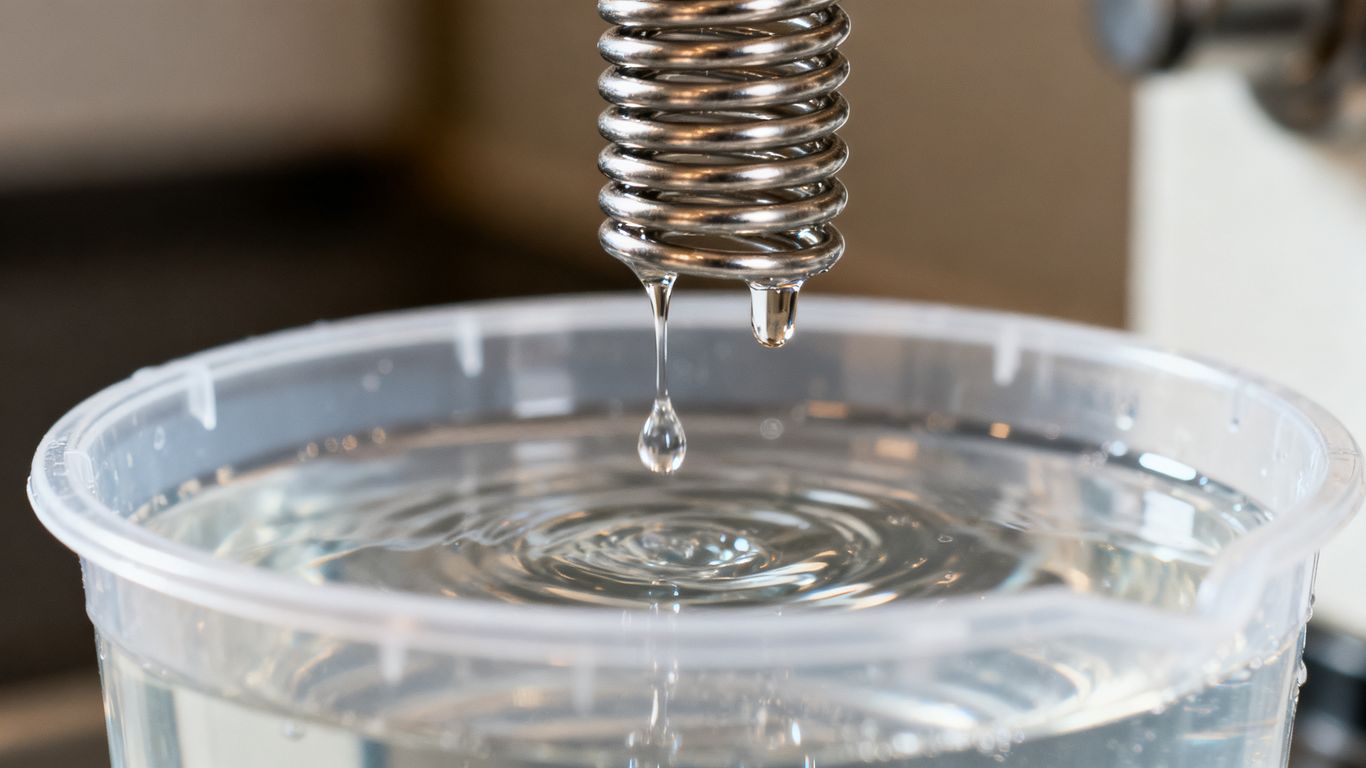
Internal cooling components often have brazing materials or metallic alloys that can react with the slightly acidic nature of distilled condensate. As the water rests against these surfaces, minute amounts of trace metals may dissolve into the liquid. While these levels are usually negligible for floor cleaning, they present a cumulative toxicity concern if swallowed repeatedly.
Bacterial growth in stagnant tank water
Stagnant water becomes a breeding ground for microorganisms within hours of collection. Even if the air entering the machine is filtered, the moisture left sitting in an unsealed, room-temperature bucket invites bacterial and mold proliferation, making the liquid unsafe for any living organism to drink.
Distinction between medical-grade distilled water and condensate
Medical-grade distilled water requires a rigorous process of boiling, condensation, and secondary filtration to ensure absolute sterility and mineral removal. The moisture in your dehumidifier tank lacks this secondary sanitation, meaning it should never be considered a replacement for distilled water in emergency or clinical scenarios.
Best household uses for dehumidifier water
If you find yourself with gallons of leftover condensate, there are plenty of productive ways to put that byproduct to work. Because the water is low in minerals, it is actually quite beneficial for specific household tasks where hard water scaling is a unwanted nuisance. By 08c6 treating it as a resource instead of wastewater, you conserve your primary supply.
Watering ornamental indoor and outdoor plants
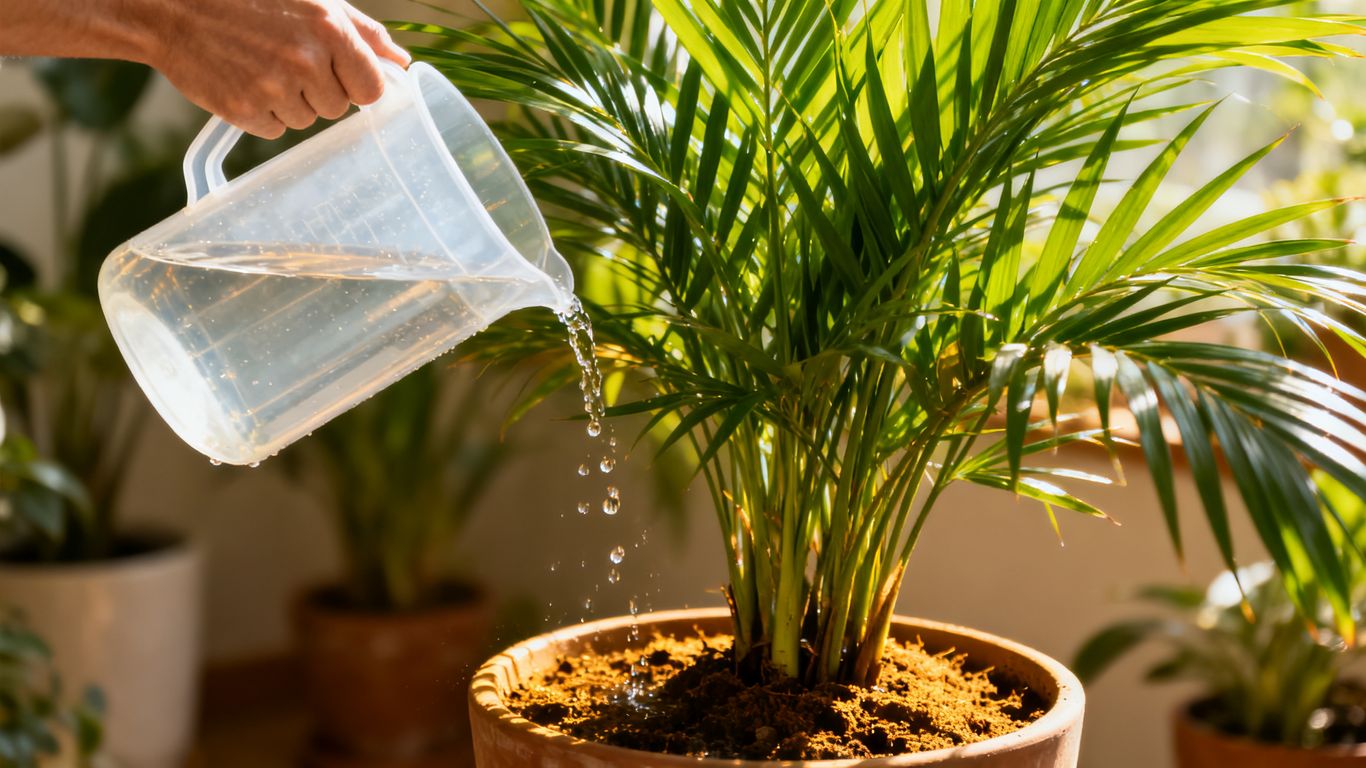
Plants that are sensitive to the chlorine and minerals found in city tap water often thrive on this mineral-free alternative. You can safely sustain your collection of ferns or indoor palms by observing the following guidelines for your watering routine:
- Filter the collected water through a simple fine-mesh screen or cloth.
- Use the water immediately rather than letting it sit for days.
- Combine with a balanced liquid fertilizer to supplement missing mineral nutrients.
- Avoid splashing the leaves to prevent potential fungal growth on the foliage.
For those wondering if this method of maintenance is sound, the following table summarizes the suitability of this water for different categories of plant life.
| Plant Type | Suitability | Why it works |
|---|---|---|
| Tropical Houseplants | Excellent | Low mineral count prevents salt buildup |
| Potted Ferns | Excellent | Lacks harsh chemicals found in tap water |
| Outdoor Cactus | Poor | Lacks necessary dissolved minerals for soil health |
The lack of dissolved salts is the primary advantage here, helping to keep your plant containers free of white crusty deposits.
Filling steam irons for garment care
Because the condensate is essentially distilled, it is perfect for steam irons and garment steamers. It prevents the calcium deposits that typically clog internal nozzles and shorten the lifespan of your expensive ironing equipment.
Cleaning floors and glass surfaces with soap solutions
Using this soft water for mopping or cleaning glass is highly effective because it prevents streaks usually caused by mineral impurities in tap water. When mixed with a standard soap solution, it yields a clear, spotless finish on most hard surfaces.
Flushing toilets to conserve clean running water
If you live in a region with strict water utility costs, using captured water for manual toilet flushing is an easy, non-intrusive way to manage excessive household water consumption. It is a simple, effective method of responsible water conservation that keeps infrastructure load low.
When to avoid using the recycled water
While recycling is encouraged, there are specific scenarios where using this water can lead to unintended damage or health hazards. Understanding these limitations is critical for maintaining your home’s integrity, which you can learn about when you buy now from our latest collection of reliable moisture control units.
Hazards for use on vegetable gardens and edible crops
Never apply this water to vegetable gardens, as the potential presence of heavy metals or trace contaminants from the appliance coils can accumulate in edible tissues. It is far safer to stick to treated, potable water for anything entering your kitchen.
Damage risks for machinery requiring mineral-free water
Some high-precision humidifiers or medical equipment strictly require distilled water that has been professionally purified and stored in sterile environments. Using non-sterile condensate can introduce biological contaminants or microscopic debris, causing severe damage to delicate internal sensor mechanisms.
Identifying signs of mold or fungal spores in the reservoir
If you notice a slimy texture inside the reservoir, a musty odor emanating from the water, or floating dark particles, immediately discard the water. These are physical indicators that the water has developed a significant microbial population that is no longer safe even for general cleaning tasks.
Proper handling and storage techniques
Managing your collected water requires basic hygiene to ensure it remains a helpful, non-toxic addition to your daily routine. Implementing a simple, habitual approach to maintenance helps keep the internal tank clean, which is essential to maximizing the performance of your Aerofy unit.
Cleaning the collection reservoir on a routine basis
Wash the collection bucket at least once a week using warm, soapy water. This simple step prevents the growth of bacterial films and ensures that the water captured remains free of buildup from previous cycles.
Storing the water in sealed, food-safe containers
If you do not plan to use the water immediately, transfer it to a clean, sealed container marked clearly as non-potable. This prevents accidental ingestion while keeping air-borne dust and debris out of the liquid until you are ready to implement it in your cleaning or irrigation tasks.
Simple filtration methods to remove debris for non-consumable use
For most non-consumable applications, passing the water through a coffee filter or fine cotton cloth is sufficient to remove minor dust or carpet fibers. This ensures that when you clean your surfaces or water your ornamental plants, you are not inadvertently introducing dirt back into your space.
Safety considerations for pet owners
Household pets are notoriously curious and may attempt to drink from the reservoir if it is left accessible on the floor. Protecting your animals from stagnant condensate is a vital part of pet-proof home maintenance.
Preventing pets from accessing the dehumidifier tank
Always ensure that your dehumidifier is stationed in an area where pets cannot reach the unit. If necessary, use a unit with a covered drain or place the device in a room that remains closed off from small animals and curious household pets.
Risks associated with long-term exposure to residues
Chronic consumption of water containing traces of metallic residue or microbial pathogens can negatively impact an animal’s health. Since pets are often smaller than humans, their threshold for dealing with trace toxins is significantly lower, increasing the probability of negative health outcomes.
Recognizing symptoms of accidental ingestion in household animals
If you suspect that your pet has been drinking from the tank, watch for signs of digestive upset such as lethargy, vomiting, or diarrhea. Should any of these symptoms appear after a potential exposure, consult your veterinarian to rule out complications from ingested contaminants.
Scenario Time: Imagine your cat, Whiskers, has suddenly developed a habit of investigating the laundry area where your Aerofy dehumidifier resides. Every time you empty the bucket, you notice him lingering near the base or looking at the water intently. To ensure his safety, you decide to transition to a continuous drainage hose, directing the water straight into a floor drain pipe. This simple update keeps the water inaccessible, giving you peace of mind while your dehumidifier continues its work keeping your home dry and comfortable.
Conclusion
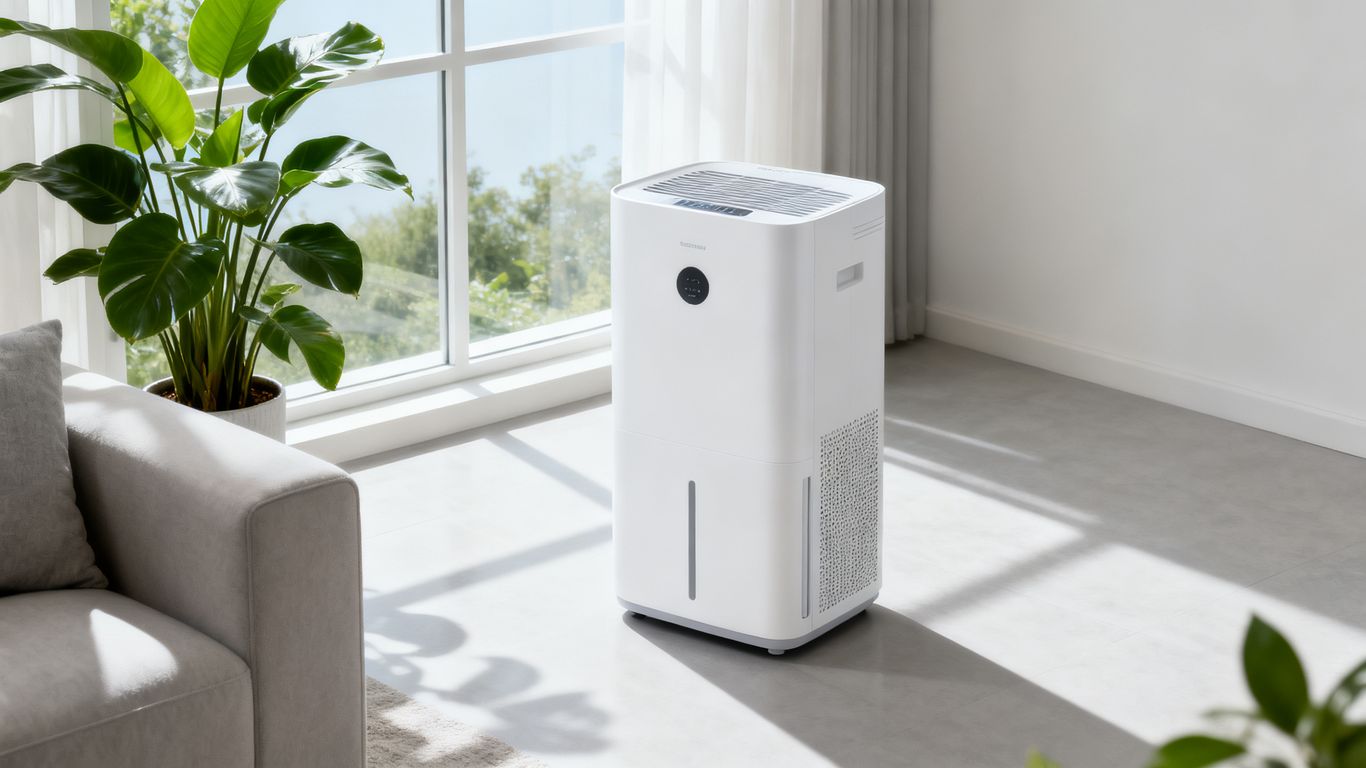
While water from your appliance is clean enough for household tasks like mopping or feeding ornamental plants, it is fundamentally unfit for human or pet consumption. By prioritizing cleanliness and avoiding usage on edible crops, you can successfully repurpose this moisture as a sustainable, mineral-free resource for your home.
Frequently Asked Questions
Is it safe to use dehumidifier water for cleaning fruits?
No, you should never use this water for cleaning any food items, as it may contain trace contaminants or bacteria that are not visible to the naked eye.
Why does the water from my dehumidifier sometimes have a smell?
An odor usually indicates that the collection tank has developed a biofilm from mold or stagnant bacterial growth, requiring an urgent deep cleaning of the bucket.
How often should I clean the dehumidifier tank?
It is recommended to rinse and scrub the tank at least weekly, or whenever you notice any visible film or buildup on the inner walls.
Can I use this water in my car’s radiator?
While it is mineral-free, the presence of trace metallic salts and potential airborne contaminants makes it unsuitable for sensitive cooling systems that require specific chemical compositions.
Will boiling the water make it safe to drink?
Boiling will kill bacteria and microbes; however, it does not remove potential heavy metals or chemical residues collected from the air or machine components, so consuming it remains unwise.
How do I check if my pet has been drinking the water?
If you suspect ingestion, keep an eye out for sudden gastrointestinal distress, loss of appetite, or general sluggishness, and contact your vet if these symptoms persist.
Are there any plants that should not receive this water?
While most plants benefit from the low mineral content, some delicate species that require specific mineral levels from soil might suffer if you rely exclusively on zero-mineral water over long periods.